Wishing everyone the best of Michigan’s Thanksgiving Bounty

FARMERS MARKET Nov 2012-963

FARMERS MARKET Nov 2012-963, photo by RichardDemingPhotography

The story of Thanksgiving is one of our country’s oldest and best stories. At the heart of it is the sharing of the rich and diverse bounty of the land.

Michigan is the second most agriculturally diverse state, and here’s hoping that some of Michigan’s varied fruits, vegetables, meat and other local and tasty foods will make it to your table today and throughout the holiday season.

See this bigger and in Richard’s massive Farmer’s Markets 2012 slideshow.

Happy Thanksgiving everyone!!

More Thanksgiving on Michigan in Pictures.

Pumpkin Army

pumpkins 3

pumpkins 3, photo by northernlightphotograph

Over on Absolute Michigan our PumpkinPalooza can tell you everything you want to know about pumpkins including some facts from our friends at Taste the Local Difference:

Pumpkins are a member of the cucurbita family, which includes squash, watermelons, and cucumbers. Their origins are believed to have come from Central America. Seeds from related plants have been found in Mexico that date back over 7000 years ago.

Pumpkins were an important food source for Native Americans. They regularly made pumpkin porridge, stew and pumpkin jerky and they made a broth that contained squash blossoms. They also dried pumpkin shells, and then weaved them into mats, which they used for trading. Early pilgrims quickly added pumpkins to their menus and also sent seeds back to Europe. The earliest version of pumpkin pie was made by baking a hollowed out pumpkin that was filled with milk, honey and spices.

Pumpkins are high in potassium, Vitamin A and fiber. They are also a good source of beta-carotene. Pumpkin seeds are rich in magnesium, copper and cholesterol-lowering phytosterols.

Read on for more including recipes and a comprehensive listing of Michigan pumpkin patches.

Check this out bigger and in Tim’s big old Petoskey images slideshow.

Lots more pumpkins on Michigan in Pictures.

2012 Michigan wine vintage looking great

41.52 - Evoke: Ooooooh's

41.52 – Evoke: Ooooooh’s, photo by Kc Jacoby Photography LLC

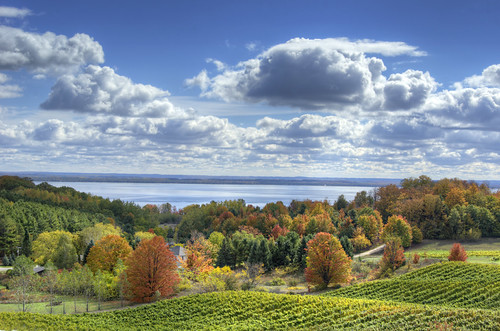
I ran into Ken last weekend in Traverse City, and – like many visitors to the region – he spent some time touring Traverse City’s wine country. The vineyards look great at this time of year and (even better) the grapes in these vineyards and all over the state are defying the general agricultural awfulness. Long, dry summer made this vintage year for wine grapes from Crain’s Detroit Business begins:

Call it global warming or climate change, it doesn’t matter to winemaker Lee Lutes. He calls the past few years of long, warm, dry summers an “exceptional growing season” for his grapes.

Today the head winemaker at Black Star Farms is helping harvest the crop on the winery’s 150 acres on the Leelanau and Old Mission peninsulas.

And while the region’s crop of tart cherries was ruined by the weather’s mood swings in the spring — 80 degrees in March, then frost in May — wine grapes mature later and, for the most part, survived if not thrived. The variety of grapes grown in Michigan are really meant for warmer regions.

Check this out bigger and see more in Ken’s Traverse City slideshow.

More Michigan farms on Michigan in Pictures.

The biggest apple in Michigan … and the smallest crop

Biggest apple in Michigan. Wolf River apple. 1996

Biggest apple in Michigan. Wolf River apple. 1996, photo by vostok71

Orange Pippin says that the Wolf River apple (first discovered along the river of the same name in Wisconsin) is:

A well-known American cooking apple, notable for its large size. Wolf River is mainly used for cooking, and it keeps its shape when cooked. It is fairly sweet and doesn’t need much sugar added.

Wolf River has a very high natural resistance to the disease apple scab, and good resistance to fireblight and mildew. It is also very cold hardy, making it a good choice for growing in the northern part of North America.

The Freep notes that the extreme damage to Michigan’s 2012 apple crop has created problems for those in the apple business:

Prices will vary, but consumers can expect fresh apple prices to be about 30% to 50% higher than last year, according to Bob Tritten, Michigan State University Extension Service fruit educator for southeast Michigan. Cider prices are up about 50%.

Last year’s Michigan apple crop was about 26 million bushels, said Dawn Drake, manager of the Michigan Processing Apple Growers Division, a branch of the Michigan Farm Bureau. But early warm weather forced the apple blossoms out early, and that was followed by several days of freezes, which killed most of the tender young blooms.

“This year they’ll be lucky to have 2 (million bushels),” Drake said.

Sergei didn’t think much of the taste when he tried it at the Tree-Mendus Fruit Farm in Eau Claire, but I read that the Wolf River doesn’t reach full flavor unless it gets hit by frost. Check it out bigger and see more in his Fall slideshow.

Farmland Sundown

Farmland Sundown

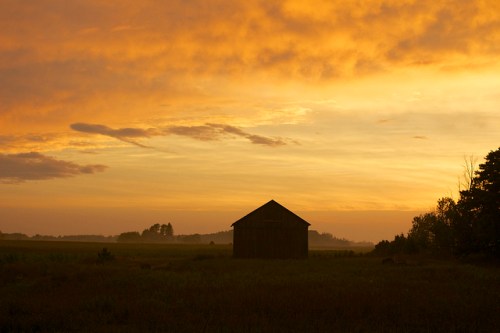
Farmland Sundown, photo by karstenphoto

Near Montague. Check this out background bigilicious or in Steven’s sunset slideshow.

More sunset wallpaper on Michigan in Pictures.

Sunflower Season in Saline

Sunflower Field

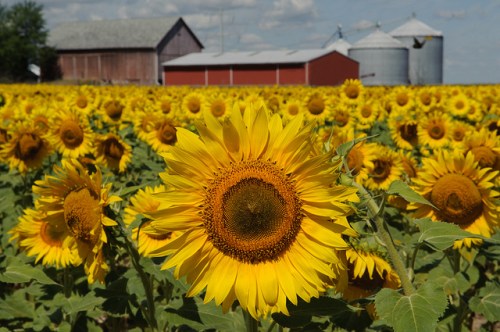
Sunflower Field, photo by C E Andersen

August is sunflower season in Michigan, and this shot is a beaut!

Check it out background bigtacular and in Chuck’s Sunflowers slideshow.

More great Michigan wallpaper on Michigan in Pictures!

Peaches in Michigan

Peaches

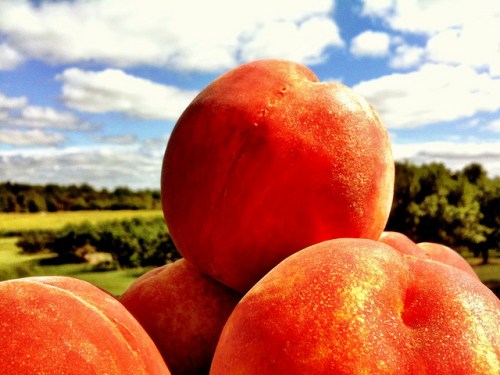
Peaches, photo by Alissa Holland

Peaches (like everything else) are ripening earlier this year and South Haven peaches are starting to show up at farm markets across the state. This nice Michigan Peach Industry History article from the Michigan Peach Sponsors begins:

The first peach tree in western Michigan was probably planted by William Burnett, who established a trading post on the west bank of the St. Joseph River a mile upstream from Lake Michigan in the 1780s. Burnett planted an orchard near his post and was credited with having taken great pains in caring for it. When the first permanent settlers reached the area in the late 1820s they found Burnett’s orchard healthy and still bearing fruit. Besides a few peach trees, the settlers also found a few seedling peach trees growing along the east bank of Hickory Creek and at the future site of the community of St. Joseph.

The next peach trees planted in Berrien County were at the Carey Mission in present-day Niles Township. In 1826 the Reverend Isaac McCoy, founder of the mission, had a peach orchard of “two or three hundred” trees.

Berrien’s earliest permanent settlers brought seedling fruit trees with them and planted enough trees to provide for their personal needs. Because trees took a long time to mature, some of the more resourceful pioneers budded their fruits on the roots of wild plum trees to acquire crops more quickly. Most early settlers planted apple and pear trees that were hardy and relatively disease resistant. They also planted a considerable number of the more delicate peach trees. Nearly every pioneer family had at least one. The growing of peaches was slow to catch on, but when settlers realized the region was suited for successful cultivation of the climate-sensitive fruit, peaches quickly gained popularity.

Read on for more and also see Ready to Pick: Peaches on Absolute Michigan.

Check Alissa’s photo out bigger and see more in her slideshow.

More great Michigan foods on Michigan in Pictures!

Join these grapes at the Traverse City Wine & Art Festival this Saturday

Good Harbor III

Good Harbor III, photo by farlane

We interrupt this blog for a little commercial for a project that I and my co-workers have been hard at work on for the last several months. Like these grapes, it’s a long road from planting the vines to harvesting the fruit to crushing the grapes and making and bottling the wine. It all comes to fruition this Saturday June 30th from 3-10 PM at the Traverse City Wine & Art Festival.

The festival celebrates the wine, food & culture of northwest Michigan with a daylong party on the front lawn of the Grand Traverse Commons in Traverse City. In addition to 27 local wineries with over 150 wines, we’re bringing together 20 artists, 8 restaurants and some incredible music featuring Michigan’s own Orpheum Bell and national headliner Rusted Root! Click the link above for information

I took this photo several years ago at Good Harbor Winery’s vineyard. Click to download it background big and see more in my wine slideshow.

Bringing in the Blueberries

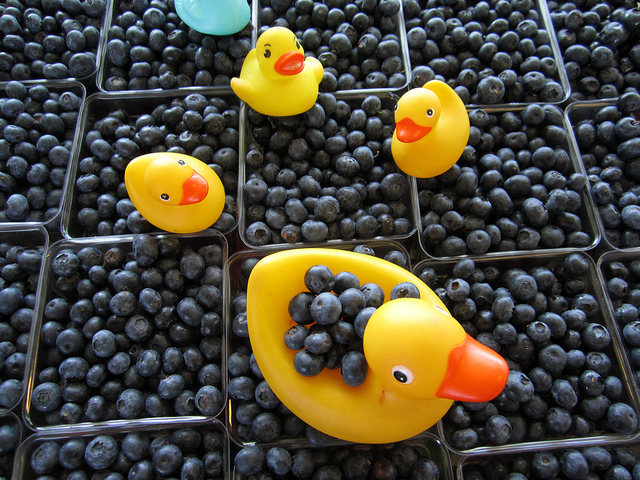
Ann Arbor Farmers Market

Ann Arbor Farmers Market, photo by Vasenka

Blueberries have arrived at the Ann Arbor Farmer’s Market.  Not sure if they’re local or not – anybody know? You can read a lot more about Michigan blueberries at Absolute Michigan.

If duckies are your thing, view the complete Duckie collection at Michigan in Pictures.

Check this out background big and see more in Vasenka’s Ann Arbor Farmer’s Market slideshow.

Rollin’

rollin

rollin, photo by Beacon Soul

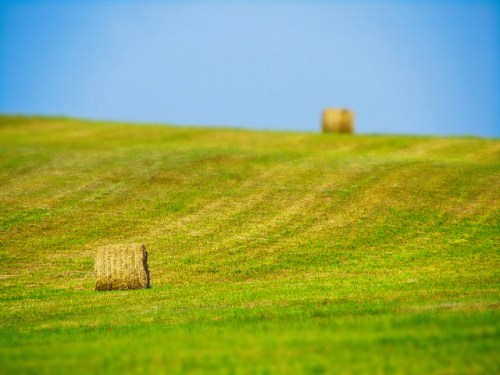
Check this out bigger and in Beacon Soul’s slideshow.