Fisher Brothers Legacy

Fisher Brothers Legacy...

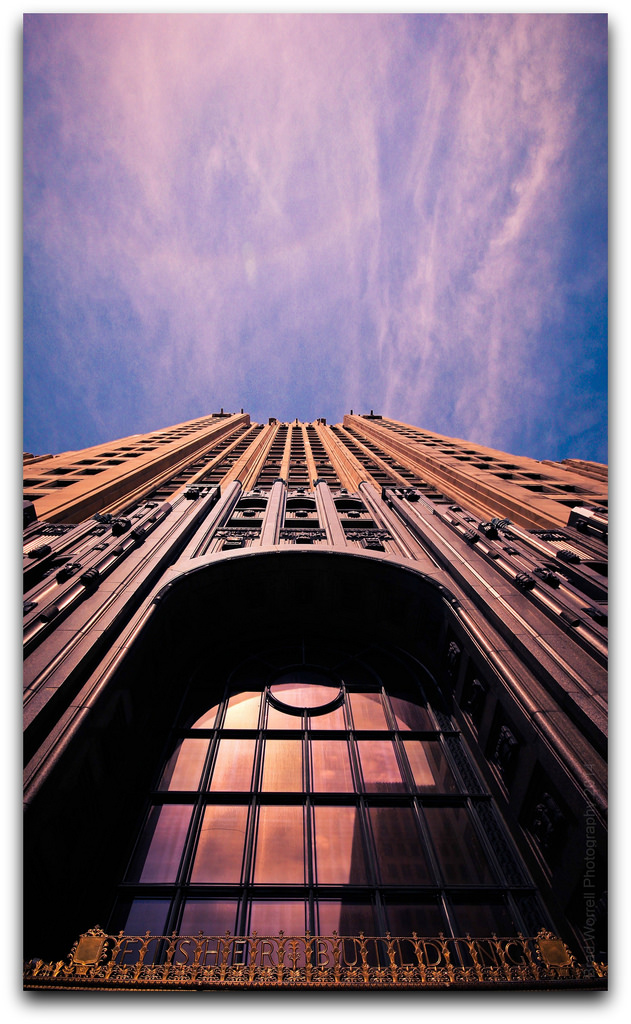
Fisher Brothers Legacy…, photo by Brad Worrell

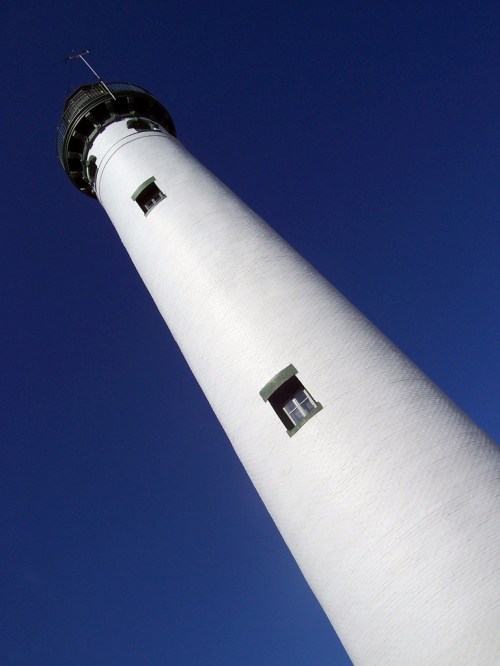
On his excellent Historic Detroit site, Dan Austin’s excellent & comprehensive article on the Albert Kahn designed Fisher Building says:

The late 1920s were a time of unprecedented growth in Detroit, especially when it came to skyscrapers. From the Penobscot Building to the Fox Theatre, 1928 saw landmark after landmark rise in the Motor City.

The 29-story Fisher is one of three National Historic Landmarks in Detroit, along with the Fox and the Guardian Building.

“The gold-capped tower has taken its proper place in Detroit’s ever-changing skyline,” the Detroit News wrote of the Fisher in October 1928, when the finishing touches were being put on the building. “This will be the most beautiful building of its kind ever created. … It is an outstanding example of the new American school of architecture, which has arisen to typify the spirit of modern progress. No expense, Mr. Kahn said, has been spared to make the Fisher building the very epitome of things beautiful.”

To achieve this feat, the Fisher was built — with only slight exceptions — entirely out of granite and marble, including on the exterior. More than 40 kinds of marble from all over the world were used. From the base of the building to 50 feet up — the first three floors — the exterior is finished in polished Minnesota pink marble and Oriental granite. Above that is Beaver Dam marvilla marble (named such because it was harvested from the Beaver Dam Quarry at Cockeysville, Md.) on the street fronts and Carthage marble on the courts. The marble was cut and positioned to give varying textures across the exterior. “The sun (plays) on differences of saw markings and grain on each block that identify the individual pieces from their neighbors,” the Michigan Manufacturer and Financial Record wrote in October 1928.

Read on for much (much) more about the Fisher Building including a sweet gallery of historic photos (including one looking up at this angle).  you can also visit the Fisher Building website.

View Brad’s photo bigger and see more in his Detroit slideshow.

More architecture on Michigan in Pictures.

Diego Rivera & Frida Kahlo exhibit coming to the DIA

Detroit Institute of Arts: "Detroit Industry" Murals, South Wall--Detroit MI

Detroit Institute of Arts: “Detroit Industry” Murals, South Wall–Detroit MI, photo by pinehurst19475

Michigan Radio Reports that the Detroit Institute of Arts is planning an exhibition that highlights Mexican artists Diego Rivera and Frida Kahlo and the year spent in Detroit. Between April 1932 and March 1933, Rivera created the Detroit Industry murals at the DIA and the museum will also show works created by Kahlo during that time.

The show is scheduled to run from March 15, 2015 to July 12, 2015, and you can click through to Michigan Radio for more including a film of Rivera working on the murals. Also check out photos of the Rivera Court murals at the DIA.

About this photo, pinehurst19475 writes: This section of the South Wall depicts line workers assembling tires, axles and wheels with a factory tour in progress. The Rivera murals were recently named a National Historic Landmark.

View the photo background bigtacular and see more in his Wayne State and the Cultural Center slideshow.

More art and more Detroit on Michigan in Pictures.

New Presque Isle Lighthouse

Presque Isle lighthouse (new)

Presque Isle lighthouse (new), photo by Jeff Rozema

Terry Pepper writes that the first Presque Isle Light was established in 1840 to serve as a guide to mariners seeking the harbor on Presque Isle, the spit of land protruding from the eastern shore of Lake Huron French trappers named “almost an island.” By 1866, the dwelling was judged to be a tear-down candidate and in March of 1967, Congress appropriated $28,000 for construction of the New Presque Isle Light according to the plan of District Engineer Orlando M Poe:

Poe’s classic design for the new tower was atypically elegant for such a utilitarian structure, and was so successful that it would be duplicated at a number of stations throughout the district, including Outer Island and Au Sable Point on Lake Superior, and at Little Sable, Big Sable and Grosse Point on Lake Michigan. Erected on a limestone foundation that extended almost ten feet below grade, the red brick tower stood 113 feet in height. 19 feet 3 inches in exterior diameter at the base, the structure tapered gracefully to a diameter of 12 feet beneath the gallery. Constructed with a double wall system, the outer walls stood 5 feet three inches in thickness at the base and the inner wall one 1 foot thick with a 2 foot three inch air space between. The inner walls did not reflect the taper of the exterior, but were erected as a pure cylinder, encasing a spiral cast iron stairway consisting of 138 steps and incorporating five landings and a watch room with four windows immediately below the gallery. Each of these windows featured a graceful arched top section, typical of Poe’s groundbreaking design.

Supported by a series of ornate cast iron corbels, the gallery provided a convenient location from which the keepers could observe vessels out on the lake during fair weather, and created a natural location from which to suspend a boatswain’s chair to conduct maintenance on the gallery supports and the masonry of the tower walls. Centered on the gallery, a prefabricated cast iron apparatus room was erected with a smaller encircling gallery. Centered within this secondary gallery, a cast iron lantern with vertical astragals was equipped with hand-holds to provide the keepers with an extra measure of safety while standing on the narrow upper gallery when cleaning or scraping ice from the plate glass lantern panes. A large cast iron pedestal to support for the lens was erected in the mechanical room below the lantern, and the massive Third Order Fresnel lens, which had been ordered from Henry LePaute Cie. of Paris assembled at its upper flare. Consisting of a brass support structure standing 8 feet in diameter, ten prismatic panels, each six feet in height and 2 feet 6 inches wide were carefully assembled within the frame to create the “crystal beehive” look typical of such lenses.

Read on for more about this lighthouse including some old pics.

View Jeff’s photo bigger and see more shots from here and far in his Lighthouses slideshow.

Many more Michigan lighthouses on Michigan in Pictures!


Michigan’s 2014 Morel Season has arrived!

The White Morels are just starting. Taken in the City Limits of Boyne City, Michigan, along with some others I might add.

The White Morels are just starting. Taken in the City Limits of Boyne City, Michigan, along with some others I might add., photo by Rick Wolanin

I’ve started to get reports of morels trickling in from here in Traverse City and other locations in the state. While we’re a ways from full-on morel madness, it’s a good time to start getting excited about the return of this once-a-year woodland delicacy.

Over 7 years, Michigan in Pictures has accumulated a lot of morel features – here are some favorites along with a couple from other sites:

Rick lives in Boyne City, one of Michigan’s morel epicenters. View his photo bigger and check out more of his great morel photos!

Amongst Lovely Things

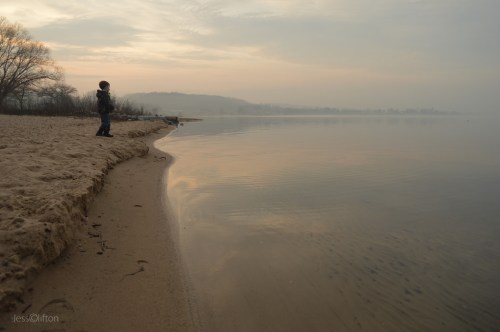
The most effective kind of education is that a child should play amongst lovely things. – Plato

The most effective kind of education is that a child should play amongst lovely things.
~Plato (photo by Jess Clifton)

Here’s hoping you have a chance this weekend to spend a little time amongst lovely things.

View Jess’s photo background big and see more in her Fabulous Fog slideshow.


Red-Tailed Hawk (buteo jamaicensis)

Red Tailed Hawk

Red Tailed Hawk, photo by David Marvin

Sometimes the photos I link to go away, so here’s an old post with a new face!

All About Birds page on the Red-tailed Hawk (Buteo jamaicensis) says:

This is probably the most common hawk in North America. If you’ve got sharp eyes you’ll see several individuals on almost any long car ride, anywhere. Red-tailed Hawks soar above open fields, slowly turning circles on their broad, rounded wings. Other times you’ll see them atop telephone poles, eyes fixed on the ground to catch the movements of a vole or a rabbit, or simply waiting out cold weather before climbing a thermal updraft into the sky.

A couple fun facts:

The Red-tailed Hawk has a thrilling, raspy scream that sounds exactly like a raptor should sound. At least, that’s what Hollywood directors seem to think. Whenever a hawk or eagle appears onscreen, no matter what species, the shrill cry on the soundtrack is almost always a Red-tailed Hawk.

The Red-tailed Hawk is one of the largest birds you’ll see in North America, yet even the biggest females weigh in at only about 3 pounds. A similar-sized small dog might weigh 10 times that.

Courting Red-tailed Hawks put on a display in which they soar in wide circles at a great height. The male dives steeply, then shoots up again at an angle nearly as steep. After several of these swoops he approaches the female from above, extends his legs, and touches her briefly. Sometimes, the pair grab onto one other, clasp talons, and plummet in spirals toward the ground before pulling away.

Red-tailed Hawks have been seen hunting as a pair, guarding opposite sides of the same tree to catch tree squirrels.

The oldest known Red-tailed Hawk was 28 years 10 months old.

Click through for more info, photos and hawk sounds. Also see Buteo jamaicensis (red-tailed hawk) from the ADWRed-tailed Hawk on Wikipedia and Red-tailed hawk for Kids (also ADW).

View David’s photo background bigtacular and see more in his Birds slideshow.

More Michigan birds from Michigan in Pictures!

Milky Way at Tahquamenon Falls

Milky Way at Tahquamenon Falls, photo by John McCormick

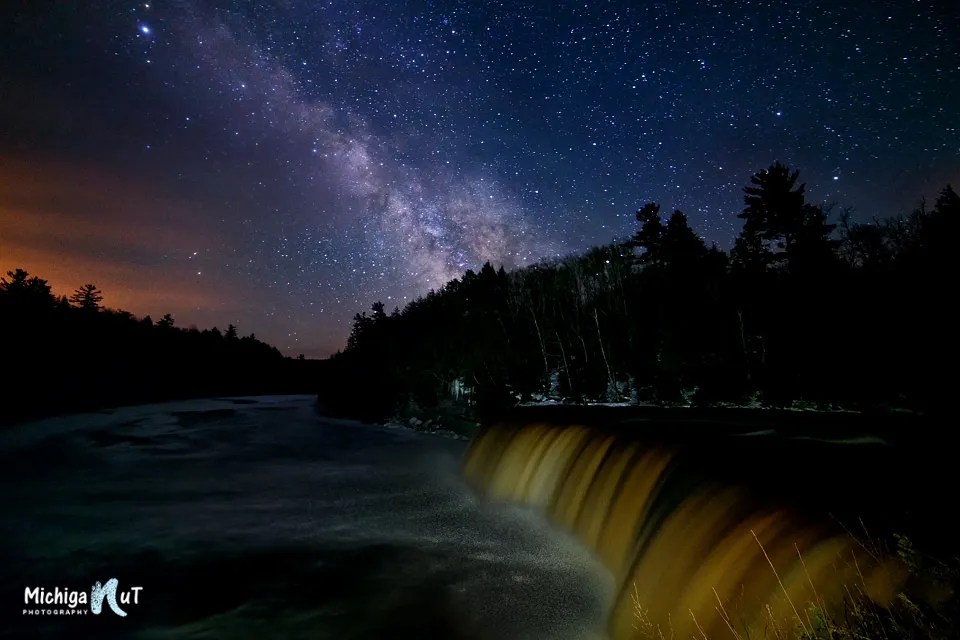
I try not to blog photos from the same photographer close together, but sometimes the photos have different ideas. John aka Michigan Nut took this shot on April 26th at Michigan’s largest waterfall and writes:

Upper Michigan still has over a foot of snow on the ground and the Tahquamenon river is RAGING from the runoff. The mist was freezing on my camera. I think the light on the left side of the image is coming from the little town of Paradise, Michigan.

The official Tahquamenon Falls Facebook has a great video of the spring flow which can approach 50,000 gallons per second!

View his photo of the Tahquamenon Falls bigger and see more in his jaw-dropping Michigan waterfalls slideshow.

More Tahquamenon Falls and more waterfalls on Michigan in Pictures.

Support Michigan in Pictures with Patreon

Rock of Ages Lighthouse is Michigan’s tallest

Rock of Ages Lighthouse

Rock of Ages Lighthouse, photo by Dave

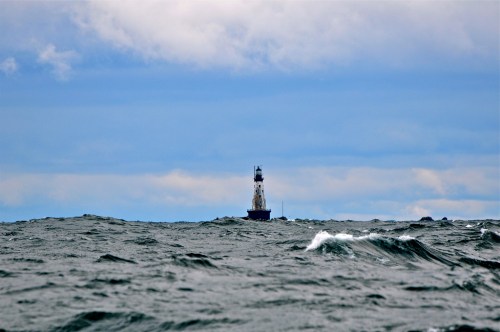
I was looking for something on Michigan in Pictures and came across a series of “Michigan’s Tallest” posts that I did a couple of years ago. I thought it made sense to add to that list, so – according to Wikipedia’s list of the tallest lighthouse towers in the United States – measuring in at 130′ tall, Rock of Ages is Michigan’s tallest lighthouse.

It’s also the tallest lighthouse on the Great Lakes and on his Rock of Ages Light page at Seeing the Light, Terry Pepper writes (in part):

Consisting of a strip of exposed rock 50 feet wide and 210 feet long, with it highest point some sixteen feet above the water, Rock of Ages lies two and a half miles off the western end of Isle Royale. While the 205-foot wooden sidewheel steamer CUMBERLAND had been the rock’s only victim in over a half century of Superior navigation, changing navigation patterns in the final decade of the nineteenth century suddenly made Rock of Ages a critical impediment to safe navigation on the big lake.

As Duluth grew to preeminence as the lake’s major shipping port, a growing number of mariners were choosing to set a course along the northern shore during Superior’s violent storms in order to avoid the uncertain and changeable conditions of open water. With Rock of Ages lurking directly in the path of vessels choosing this course, a cry arose in the maritime community for the establishment of a Light on Rock of Ages.

…On completion, the tower stood eight stories in height, and offered relatively large and comfortable quarters for the complement of four keepers assigned to the station. A steam heating plant located in the upper cellar provided heat to cast iron radiators in all rooms, and the first deck was home to the fog signal plant and hoisting engines for the pillar crane located at the edge of the pier level. This crane was used both for raising supplies delivered by the lighthouse tenders at the wharf and for raising the keeper’s boat for storage on the safety of the pier deck. An office and common room made up the second deck, and a mess room and kitchen the third. The Keeper and First Assistant’s quarters were located on the fourth deck, with the Second and Third Assistants quarters immediately above on the Fifth deck. A service room and watch room comprised the sixth and seventh decks, leaving the huge lantern capping the structure above.

Much more at Seeing the Light including an aerial photo of this lonely location. Terry has a listing of verified tower heights for anyone who’s interested too.

About the photo, Dave writes: Photo taken from the back of Voyageur II heading into Windigo with 7 foot waves at 300mm. Yeah I almost got sea sick from taking these.

View his photo bigger and see more in his Lighthouses of Michigan slideshow.

More lighthouses on Michigan in Pictures.

Fancy Feathers, Fashion and the Dawn of Bird Conservation

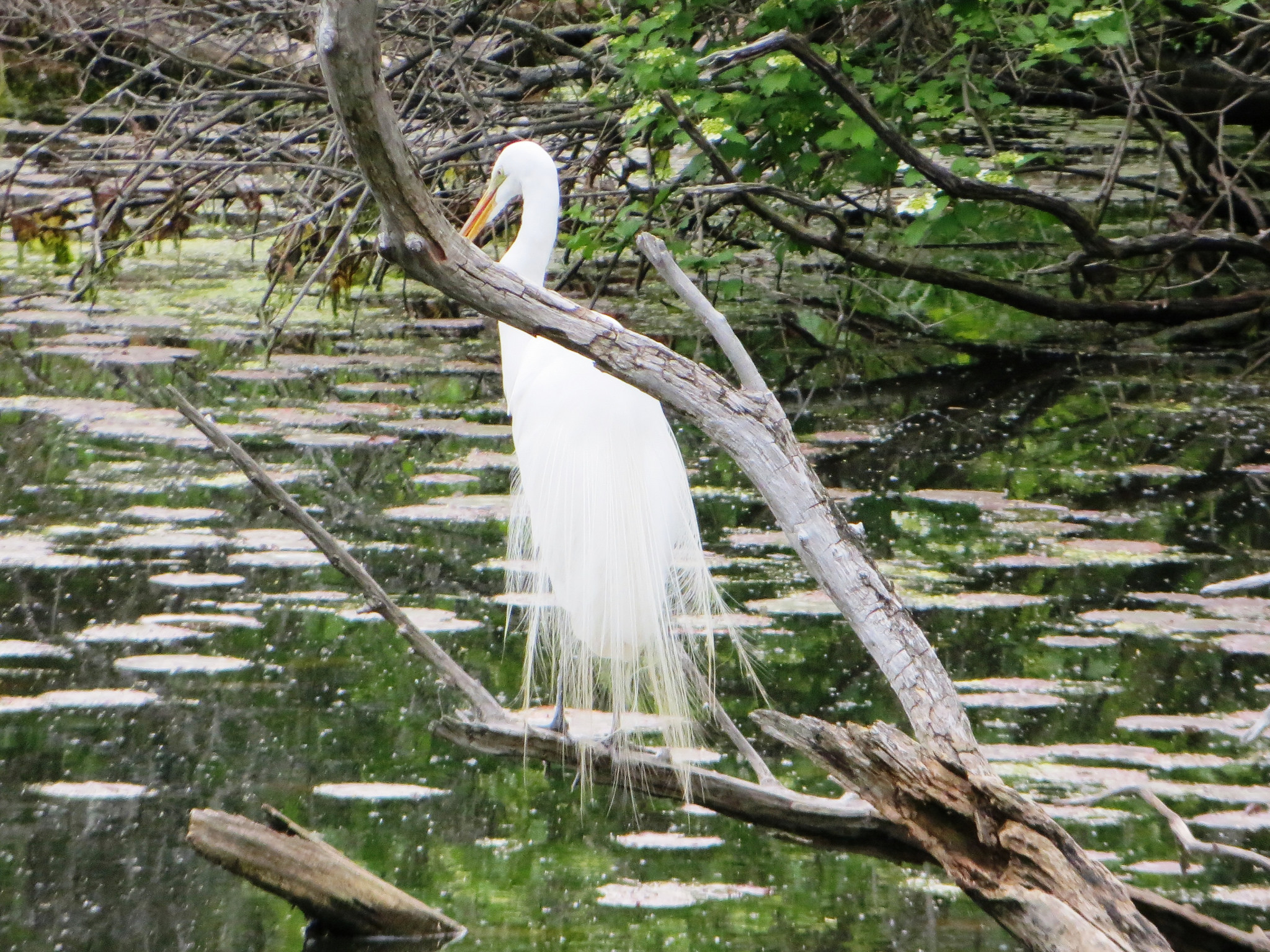
Spring Arrival Egret

Spring Arrival, photo by Cowboy*

How the Great White Egret Inspired Bird Conservation in the Smithsonian says:

One particular group of birds suffered near extermination at the hands of feather hunters, and their plight helped awaken a conservation ethic that still resonates in the modern environmental movement. With striking white plumes and crowded, conspicuous nesting colonies, Great Egrets and Snowy Egrets faced an unfortunate double jeopardy: their feathers fetched a high price, and their breeding habits made them an easy mark.

To make matters worse, both sexes bore the fancy plumage, so hunters didn’t just target the males; they decimated entire rookeries. At the peak of the trade, an ounce of egret plume fetched the modern equivalent of two thousand dollars, and successful hunters could net a cool hundred grand in a single season. But every ounce of breeding plumes represented six dead adults, and each slain pair left behind three to five starving nestlings. Millions of birds died, and by the turn of the century this once common species survived only in the deep Everglades and other remote wetlands.

This slaughter inspired Audubon members to campaign for environmental protections and bird preservation, at the state, national and international levels. The Lacey Act passed Congress in 1900, restricting interstate transport of wild fowl and game. In 1911 New York State outlawed the sale of all native birds and their feathers, and other states soon followed suit. Passage of the Weeks-McLean Act (1913) and the Migratory Bird Act (1918) took the protections nationwide and mirrored legislation in Canada, Britain, and Europe, effectively ending the fancy-feather era.

More about Great Egrets on the UM Animal Diversity Web.

You can view Cowboy’s photo from last May background big and see more in his Animals & Wildlife slideshow.

More birds and more Spring wallpaper on Michigan in Pictures!

The Wizard of Belle Isle’s Scott Fountain


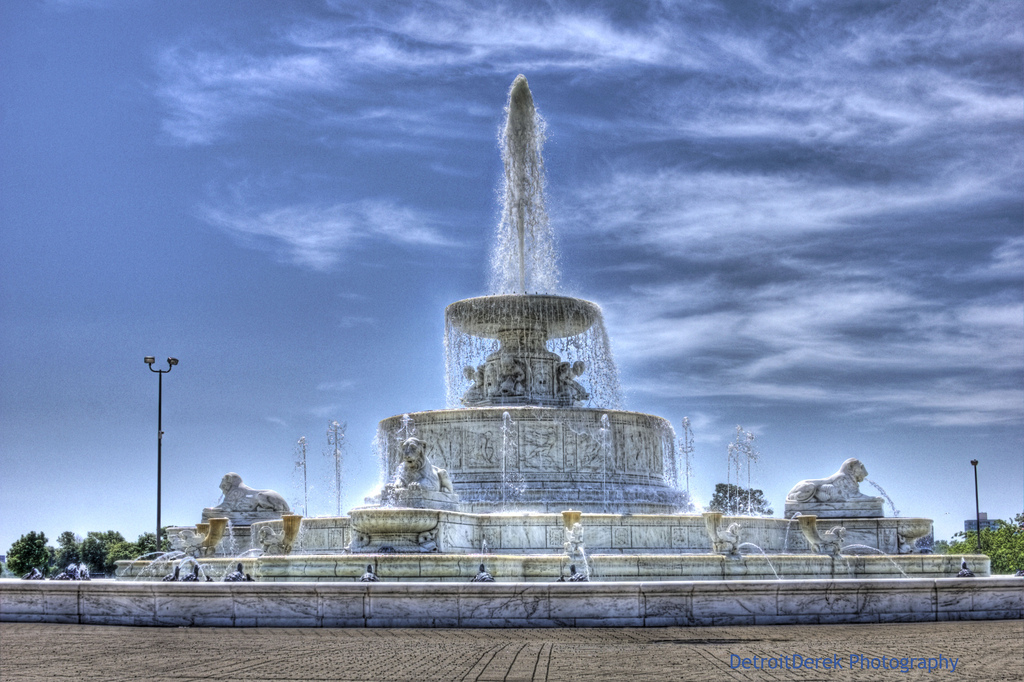
A Cheat, A Liar, a Cad, But A Damn Fine Fountain, photo by Derek Farr

A Cheat, A Liar, a Cad, But A Damn Fine Fountain, photo by Derek Farr

Sherri Welch has a great feature (with video) in Crain’s Detroit entitled Underneath Belle Isle with the Wizard of Scott Fountain:

Far, far below Belle Isle, in a domed-ceiling building few know exist, Robert Carpenter keeps watch, switching levers, hitting buttons and adjusting valves like a modern-day Wizard of Oz.

But his motions aren’t designed to produce an apparition.

They’re focused on producing a plume of water that jets 20, 30, 40, 50 feet or higher into the air, along with countless other smaller bursts of water.

Carpenter is the unofficial caretaker of Belle Isle’s massive, antique James Scott Memorial Fountain.

It’s not a paying gig for him, but, truly, a labor of love.

Carpenter and his team did, restoring the pearly sheen to its marble basin, sculpted faces, animals and all five tiers.

Being the engineer he is, Carpenter couldn’t stop there.

He began scrutinizing the antique valves, pipes and drains, practically living in the domed structure under the fountain as he prepared it for operation through maintenance that included gingerly flushing its corroded, cast iron pipes and rushing to clean the resulting red water from the fountain’s marble bowl.

Read on for more at Crain’s and definitely check out the video – very cool to see what’s below this beautiful Michigan landmark!

Derek is one of my favorite Detroit photographers, and if you like his photos you can head over to his Flickr page for information about how to get them. In addition to taking great pictures, he often includes a brief story of the subject as is the case with this photo:

A Cheat, A Liar, a Cad, But A Damn Fine Fountain

Not exactly loved by all during his time on this planet, James Scott inherited a fortune from his real-estate-baron Father. He attempted to spend the majority of it during his lifetime, Building a large house ( it wasn’t large enough, he wanted his neighbors house as well. The neighbor declined so James built a huge addition to the front and top of his house, blocking out the sun for 3/4 of the day to get back at him ) , throwing large Gambling Parties oblivious to the amount he may have lost, suing any business partners ( or competitors ) that attempted to move in on what James thought should be his. He was described even by his friends as vindictive.

When he died in 1910 he left his sizeable fortune to the city under the specification that a memorial be created to honor him. It took 10 years for the city to agree to use the money for this purpose, and another 5 to complete this fountain – located on Belle Isle in Detroit. It was designed by Cass Gilbert and completed in 1925.

View Derek’s Scott Fountain photos or settle back for more fountain and more Belle Isle in his Belle Isle slideshow.

There’s more Belle Isle and more sculpture on Michigan in Pictures.