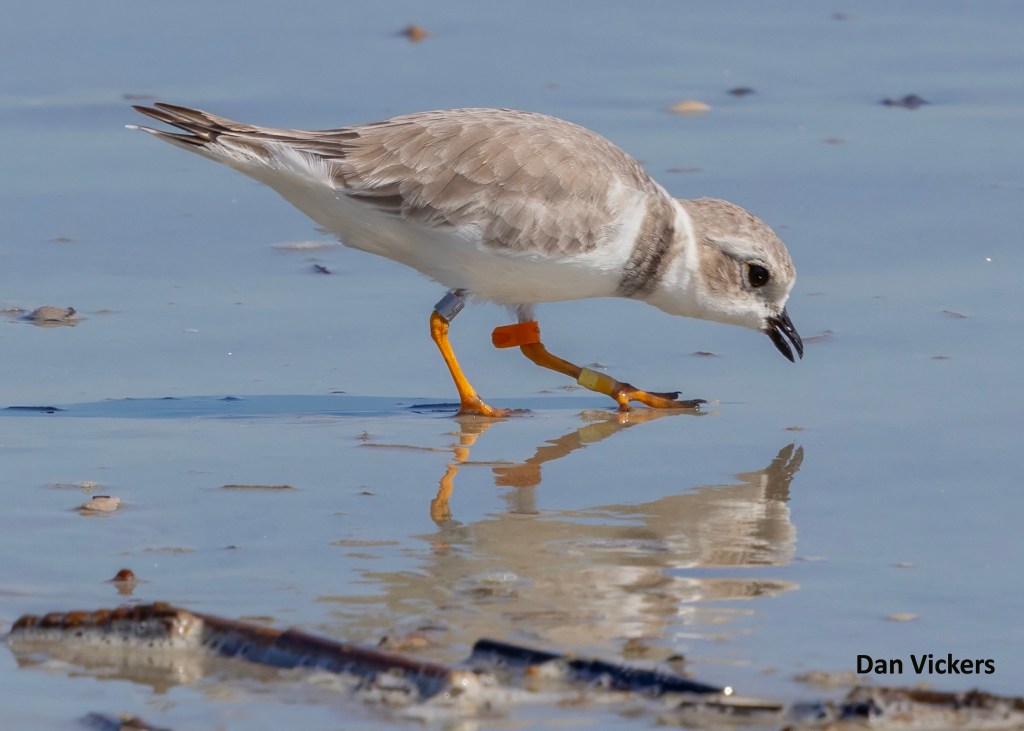
A Legitimate Snowbird

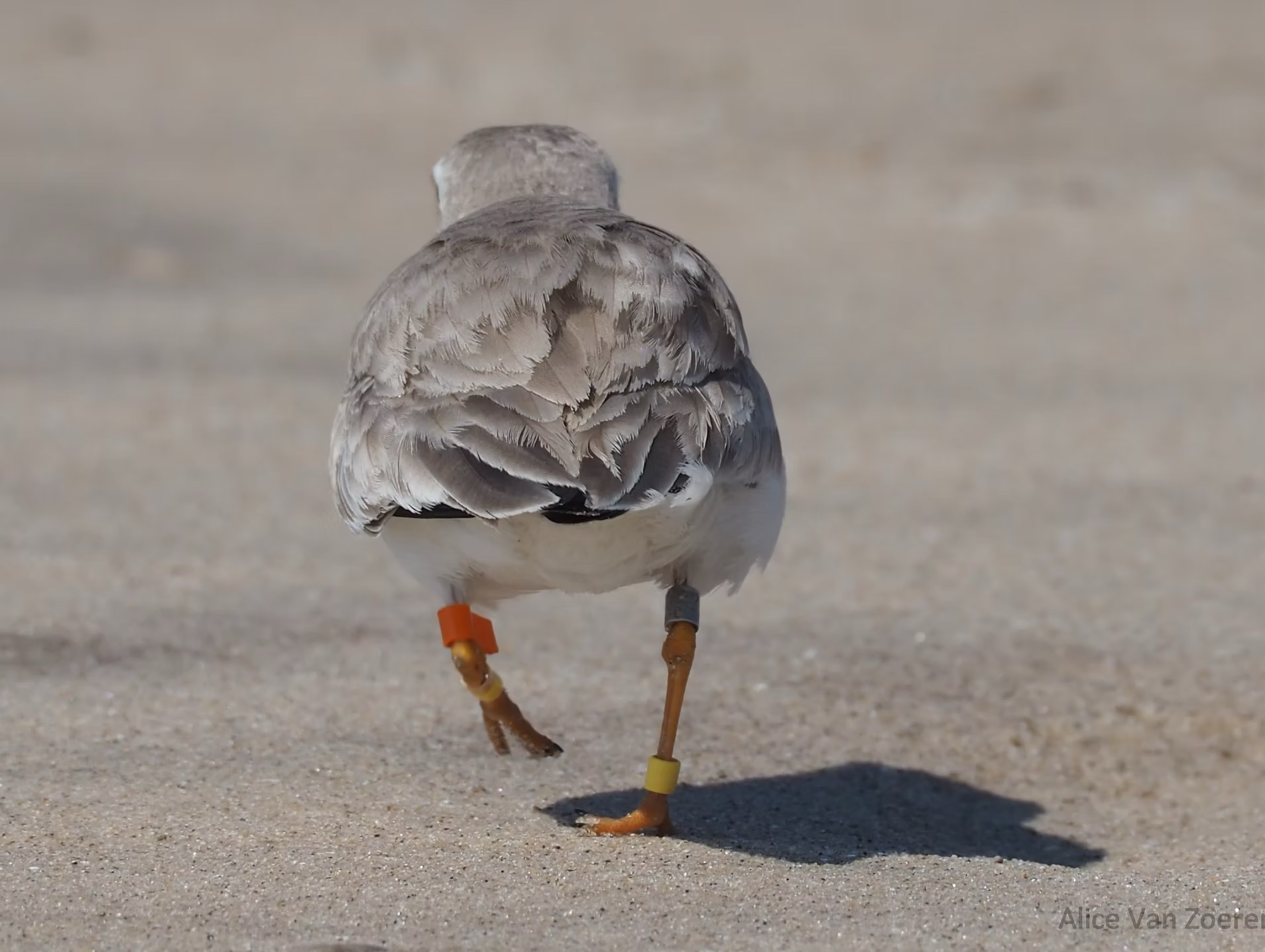
Yogi the Piping Plover at Cumberland Island by Dan Vickers

Yogi the Piping Plover at Cumberland Island by Dan Vickers

“You think YOU’RE a snowbird? Please.” – -Yogi the Great Lakes Piping Plover

Michigan in Pictures features almost exclusively photos from Michigan, but every so often there’s one that will have me reaching beyond our borders. Such is the case with this photo of Yogi the Piping Plover from Cumberland Island all the way down in Georgia that was recently shared by the Great Lakes Piping Plover Recovery Effort. Yogi hails from the Sleeping Bear Dunes National Lakeshore, but his preferred nesting site is the wild and busy Silver Lake State Park.

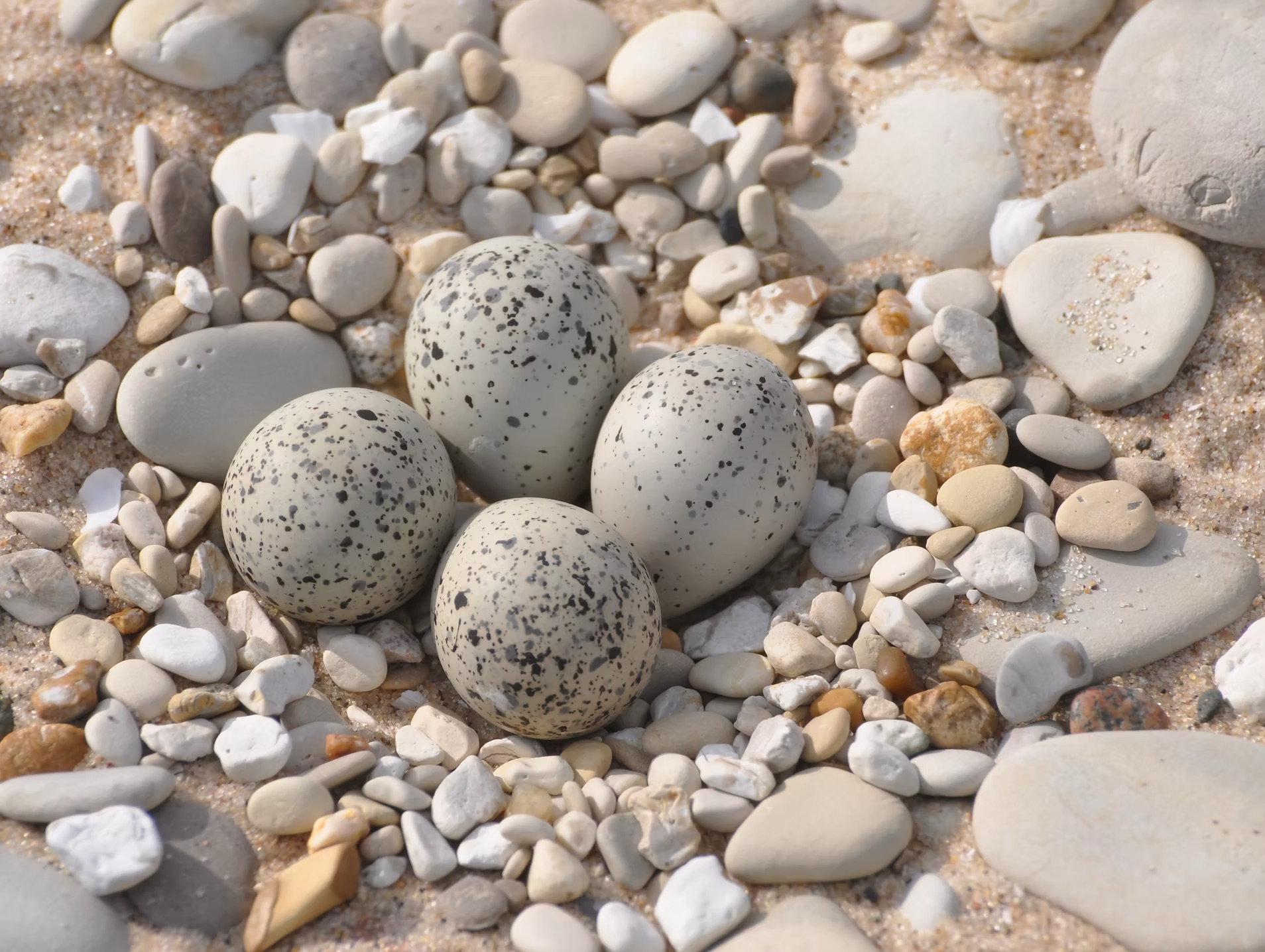
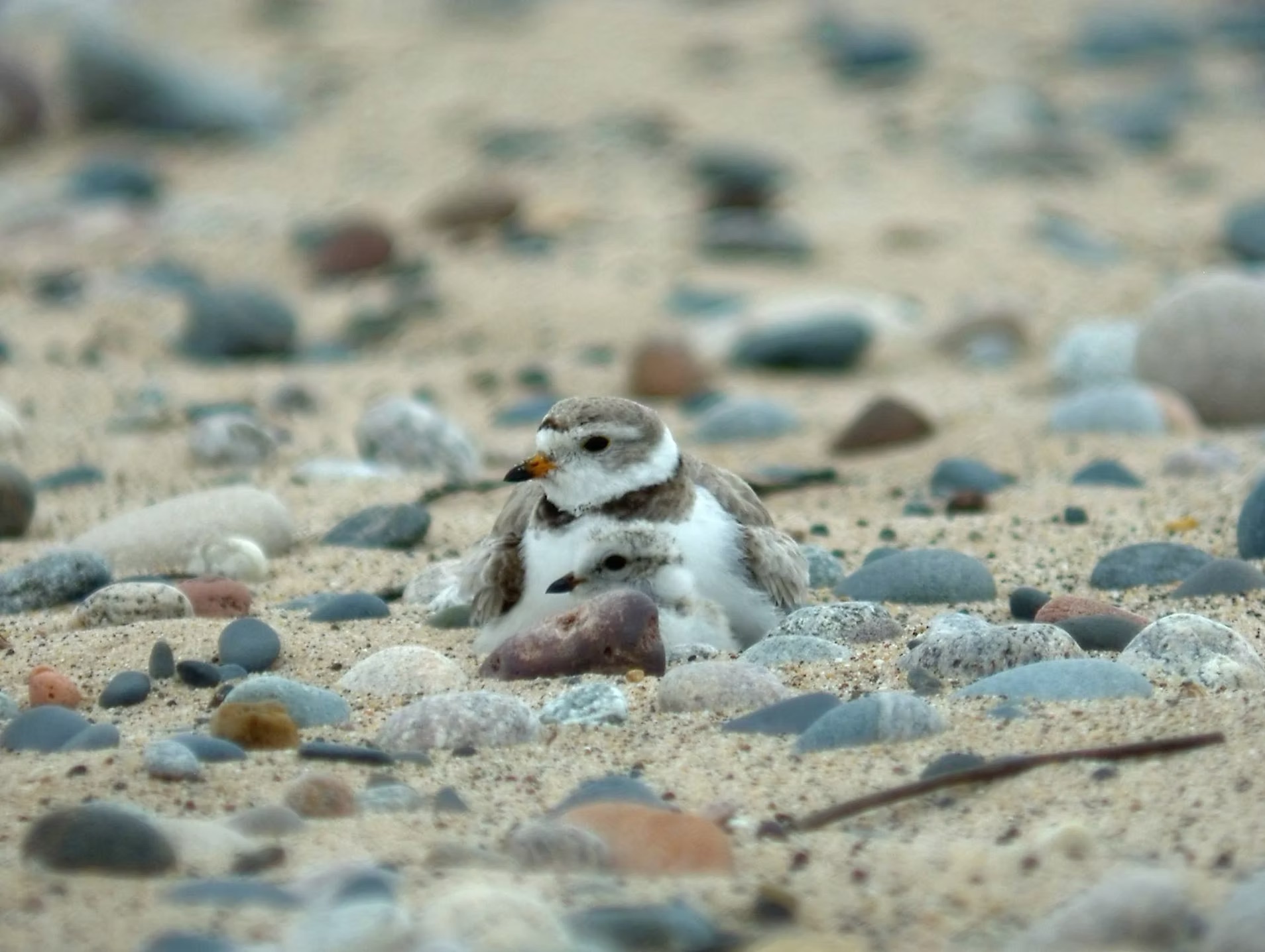
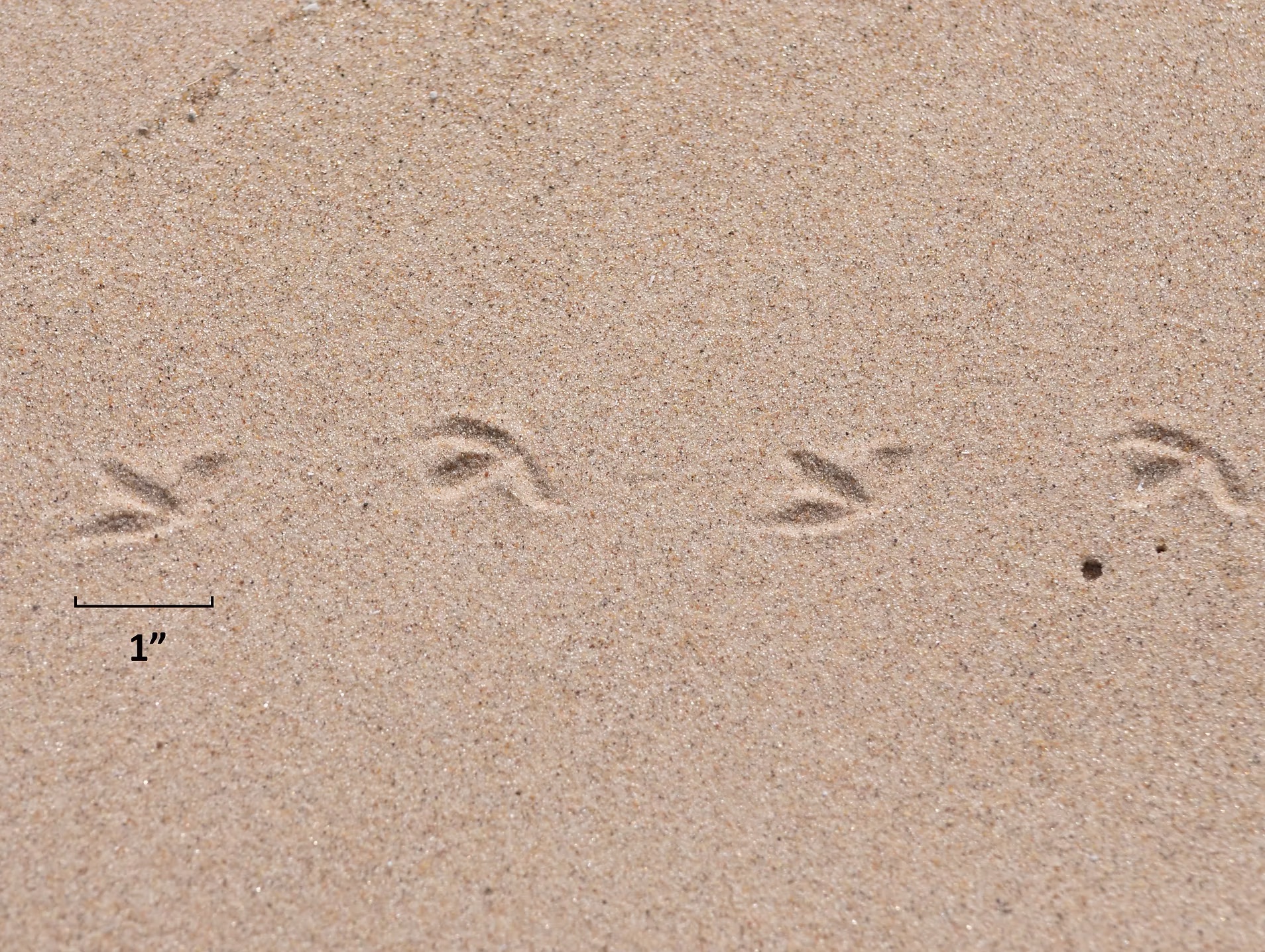
They explain that the Piping Plover is a small shorebird that is listed as an Endangered Species and nests in three separate geographic populations in the United States and Canada: The Northern Great Plains, the shores of the Great Lakes, and along the Atlantic coast. Birds from all three populations winter on the southern Atlantic and Gulf coasts in the United States & in the Caribbean.

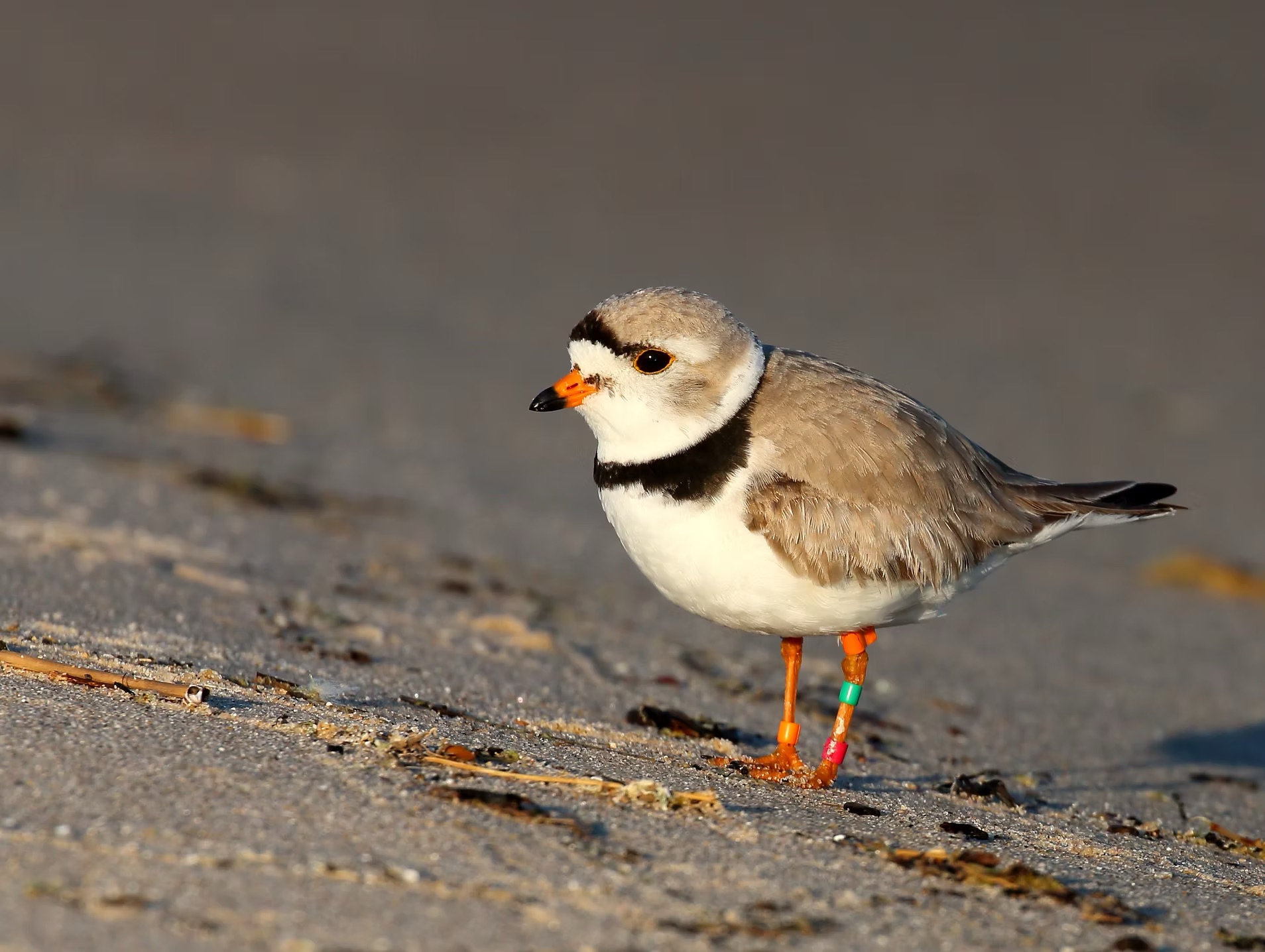
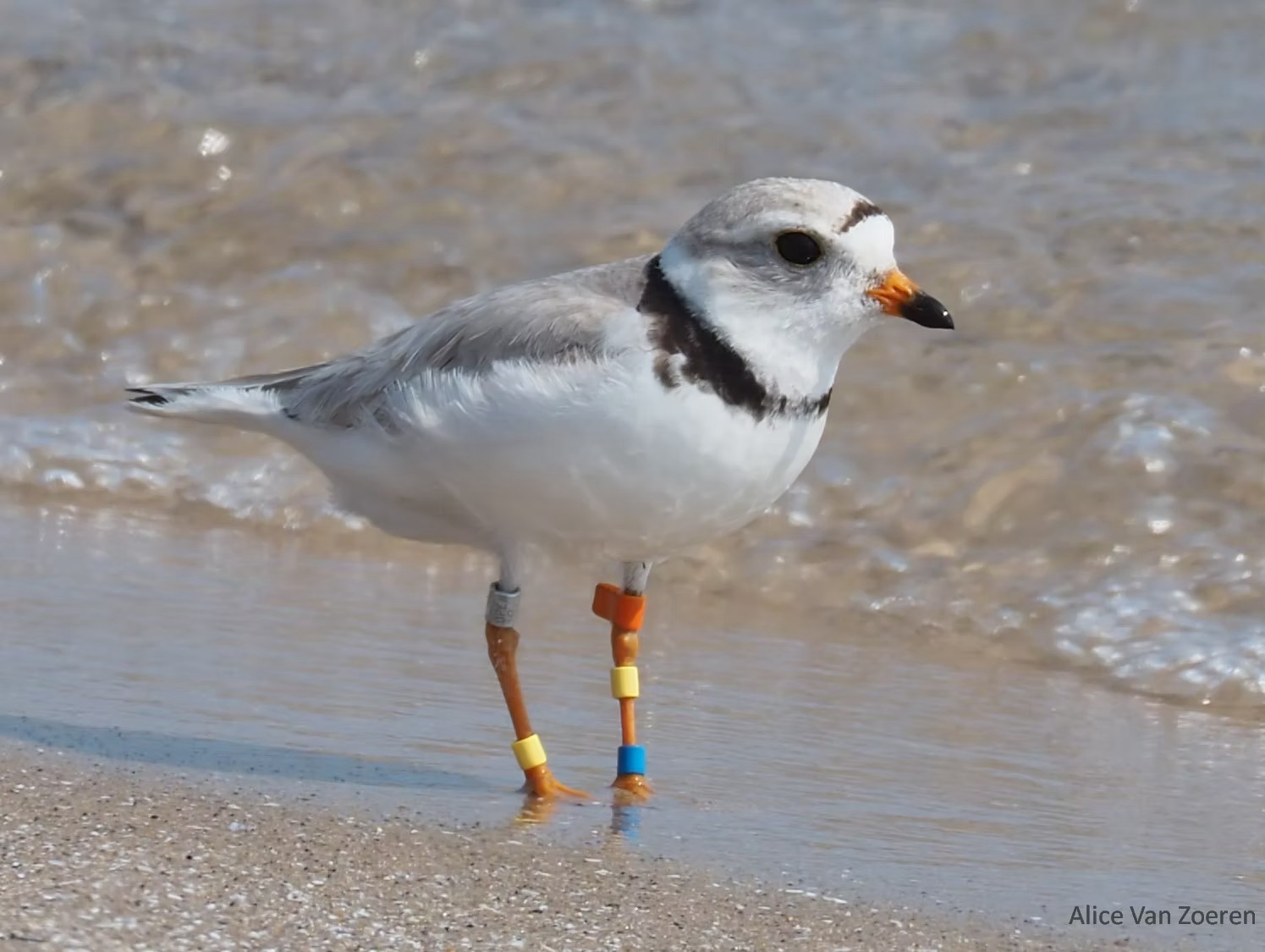
Regarding the distinctive bands, they say: Great Lakes Piping Plover chicks are banded between five and sixteen days of age. Since shorebirds are precocial (Like chickens, Piping Plover chicks begin running around, feeding themselves within hours of hatching), these chicks have well developed legs, which makes it possible for us to band them with adult-sized bands at a young age. The bands we use are made of either plastic or aluminum, and they are very lightweight. Every sibling in a plover brood gets the same color and arrangement of three or four bands (depending on the band color-pattern used). This is called a “brood-marker combination”. There aren’t enough possible combinations available to give every chick their own unique identifier from hatching, but by giving the chicks from the same family, or brood, the same combination we can study such things as parental success, fledging rates, and return success.

Here’s a few more Piping Plover pics – visit greatlakespipingplover.org for more and to help support their work!
Support Michigan in Pictures with Patreon

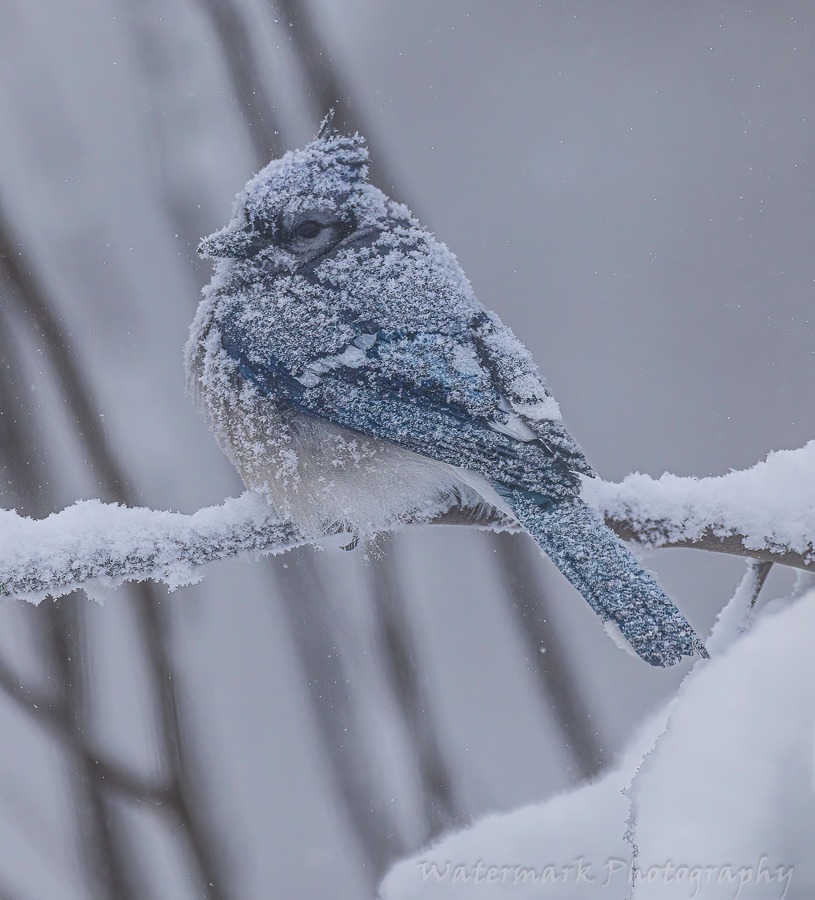
Tough to be a bird: How birds handle cold weather

Tough to be a bird by Watermark Photography

Tough to be a bird by Watermark Photography

The U.S. Fish & Wildlife Service shares that birds of all shapes and sizes have special adaptations for living in cold climates:

SHIVERING Birds have much higher metabolic rates and burn more energy to stay warm than we do. Black-capped chickadees weigh less than half an ounce and can maintain a body temperature of 100 degrees Fahrenheit – even when the air is 0 degrees! They do this by having great insulation, being very active and remembering where they store their food. A steady supply of food is essential, because chickadees eat more than 35 percent of their weight every day! Compared to many other birds, chickadees have a large hippocampus – the part of the brain that’s responsible for spatial memory. In the fall, this part of their brain gets even bigger.

FLUFFING FEATHERS All cold-climate birds pack on body weight in the late summer and fall in anticipation of the long, cold winter, but feathers also play an important role. All birds stay warm by trapping pockets of air around their bodies. The secret to maintaining these layers of air lies in having clean, dry and flexible feathers. The cleaning process, generally known as preening, depends on the species of bird. While all birds produce a special oil from a gland near the base of their tails, some cold-tolerant birds use this oil to weatherproof their feathers. Other birds like egrets, herons and mourning doves grow special feathers that disintegrate into a powder that they use to waterproof their feathers. Regardless of what weatherproofing method they use, preening helps birds keep a water resistant top layer and a toasty warm inner layer.

ROOSTING & CUDDLING Similar to people who may cuddle for warmth, small birds like tree swallows crowd together in shrubs, vines and evergreen trees to share body heat. They can also slow down their metabolic rate to conserve energy. Cavity nesters like nuthatches, titmice and downy woodpeckers use tree cavities and nest boxes to stay warm. Cavities and boxes provide protection from the weather and help birds hide from predators. Larger birds like American crows and ring-billed gulls are also known to flock together for warmth.

Read on for ways you can help including providing high energy foods like suet, peanuts and black oil sunflower seeds & a heated water bath.

Jeff of Watermark Photography shared this photo of a snow-covered blue jay earlier this week. See more on his Facebook & see more (and purchase photos) in the Birds & Wildlife gallery on his website.

Support Michigan in Pictures with Patreon

Michigan Cougar Kittens are doing well!

Cougar Cub Trailcam via Michigan DNR

Cougar Cub Trailcam via Michigan DNR

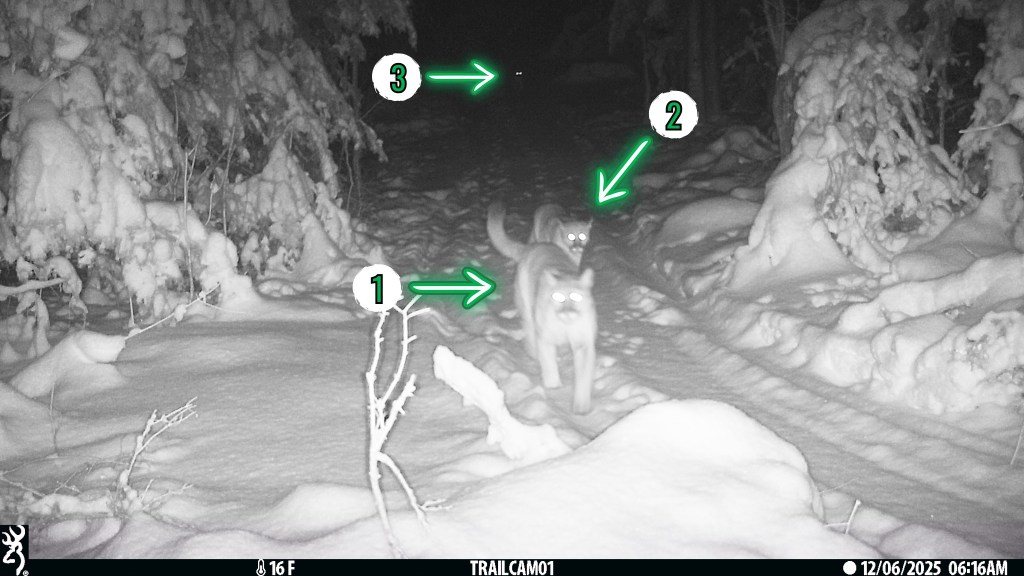
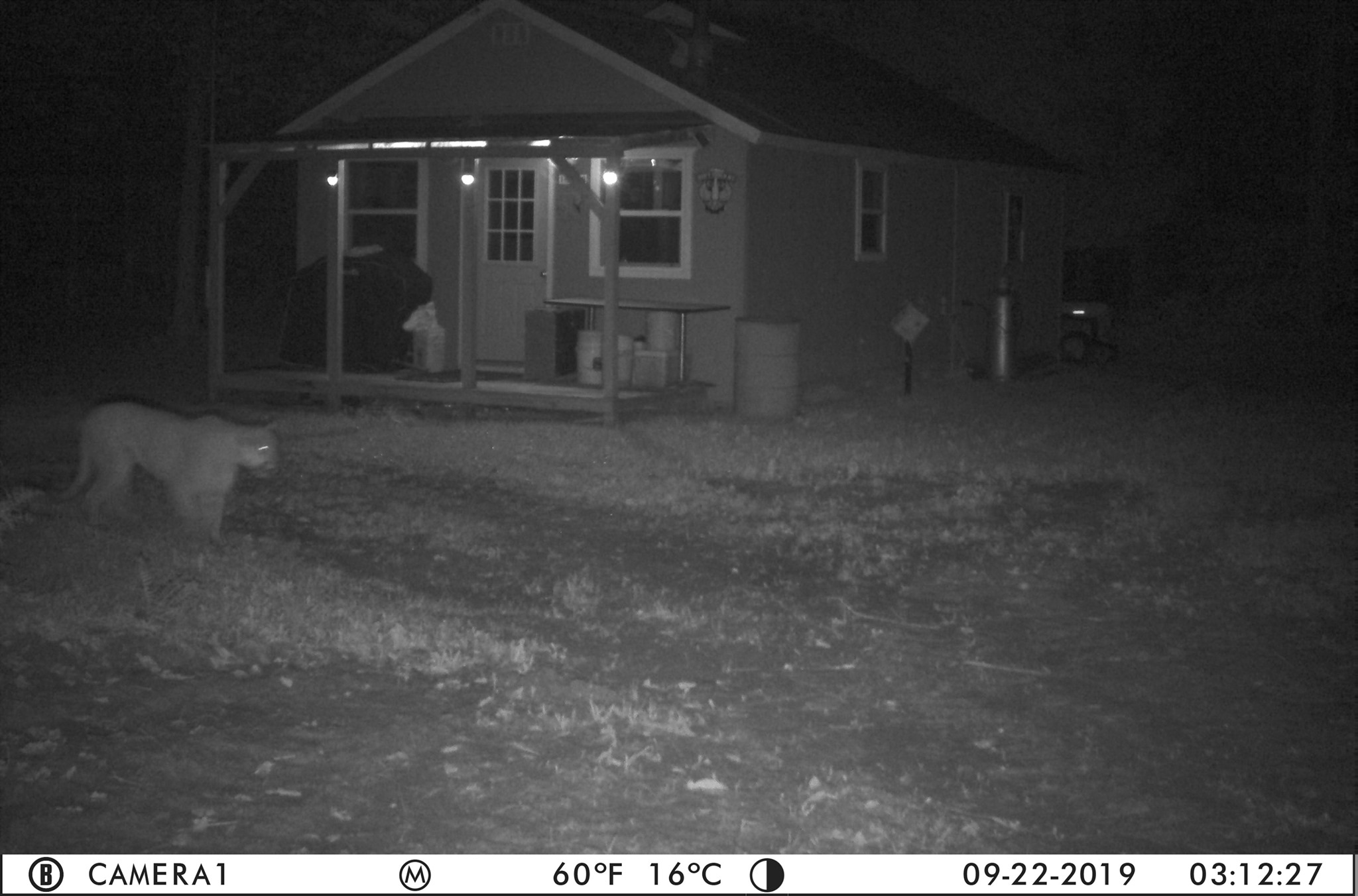
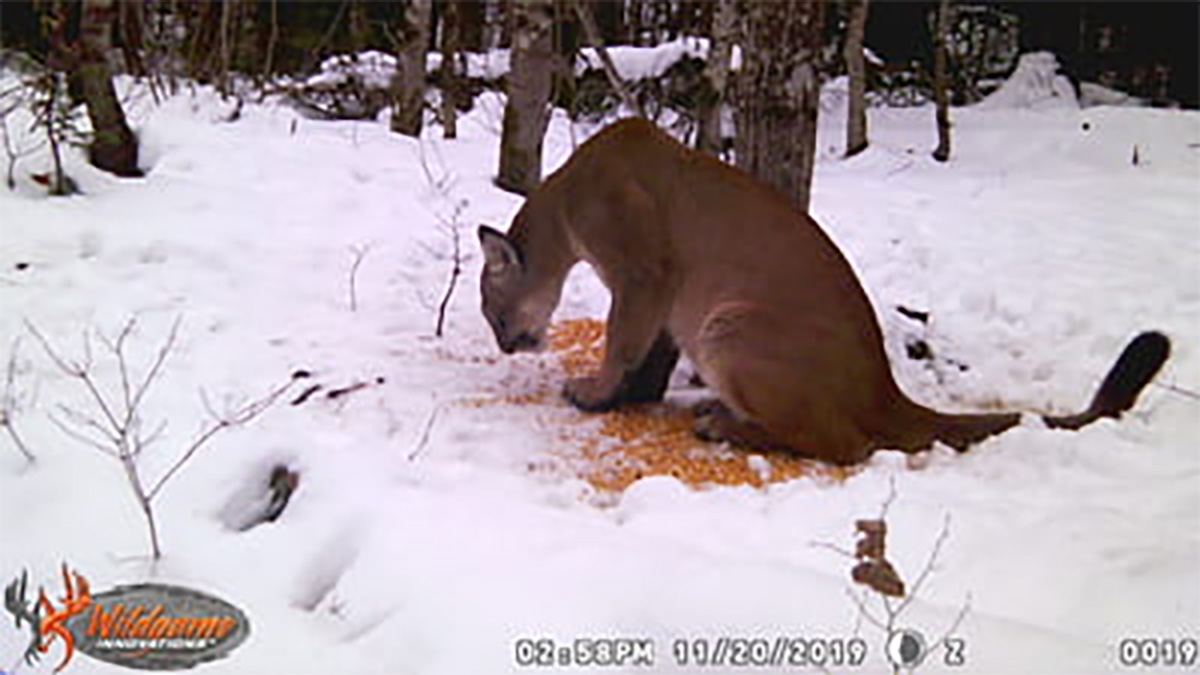
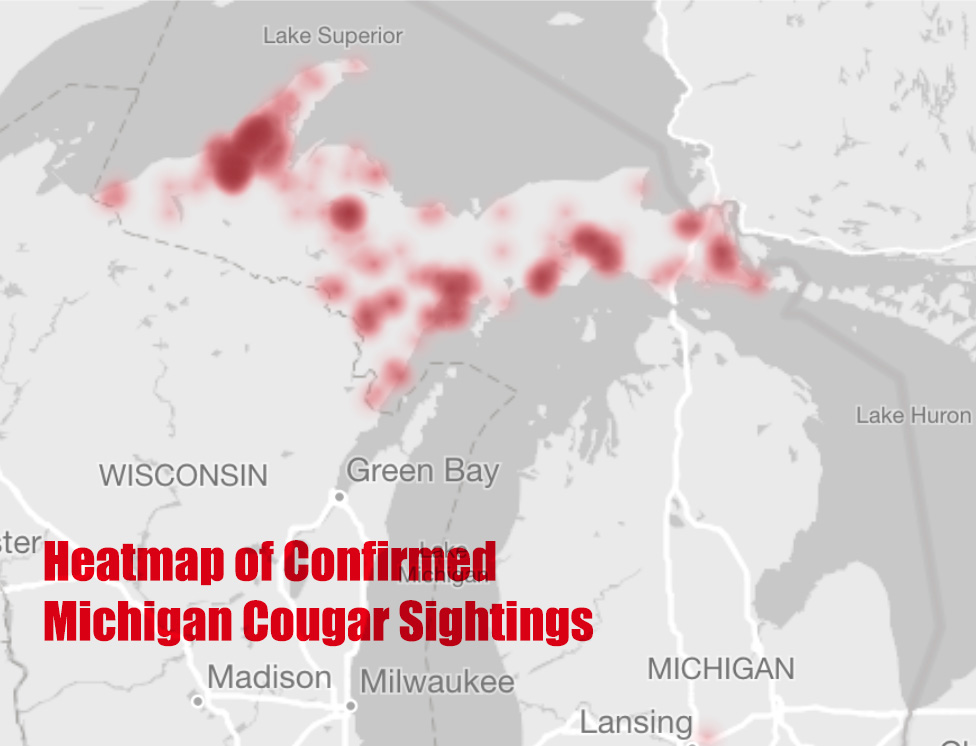
Remember the cougar cubs we met last month? The Michigan Department of Natural Resources shares this December 2025 trail cam photo of the cougar kits & mother saying:

Nine months after two cougar kittens were documented in the Upper Peninsula, a new trail camera photo indicates the elusive animals are still alive and living with their mother.

“This is a historic confirmation for Michigan since it is the first time in over 100 years that verified cougar reproduction has occurred east of the Mississippi River and possible even east of the Missouri River,” Roell said.

A private landowner sent the trail camera photo of the cougars to the DNR on Sunday, Dec. 14. Roell verified the site of the photo Monday and the DNR’s cougar team confirmed the photo Tuesday by enhancing the nighttime image to verify the existence of the three cougars. The sex of the kittens is unknown. Cougar kittens, or cubs, generally stay with their mother for about two years before venturing out on their own. “

The kittens’ chances of survival are actually pretty high because just like bears, cougars invest a lot of their energy into their young,” Roell said. “So these kittens will stay with their mom through this winter and possibly even into next winter. They already have a leg up, seeing as how they’ve been with her for a year now.”

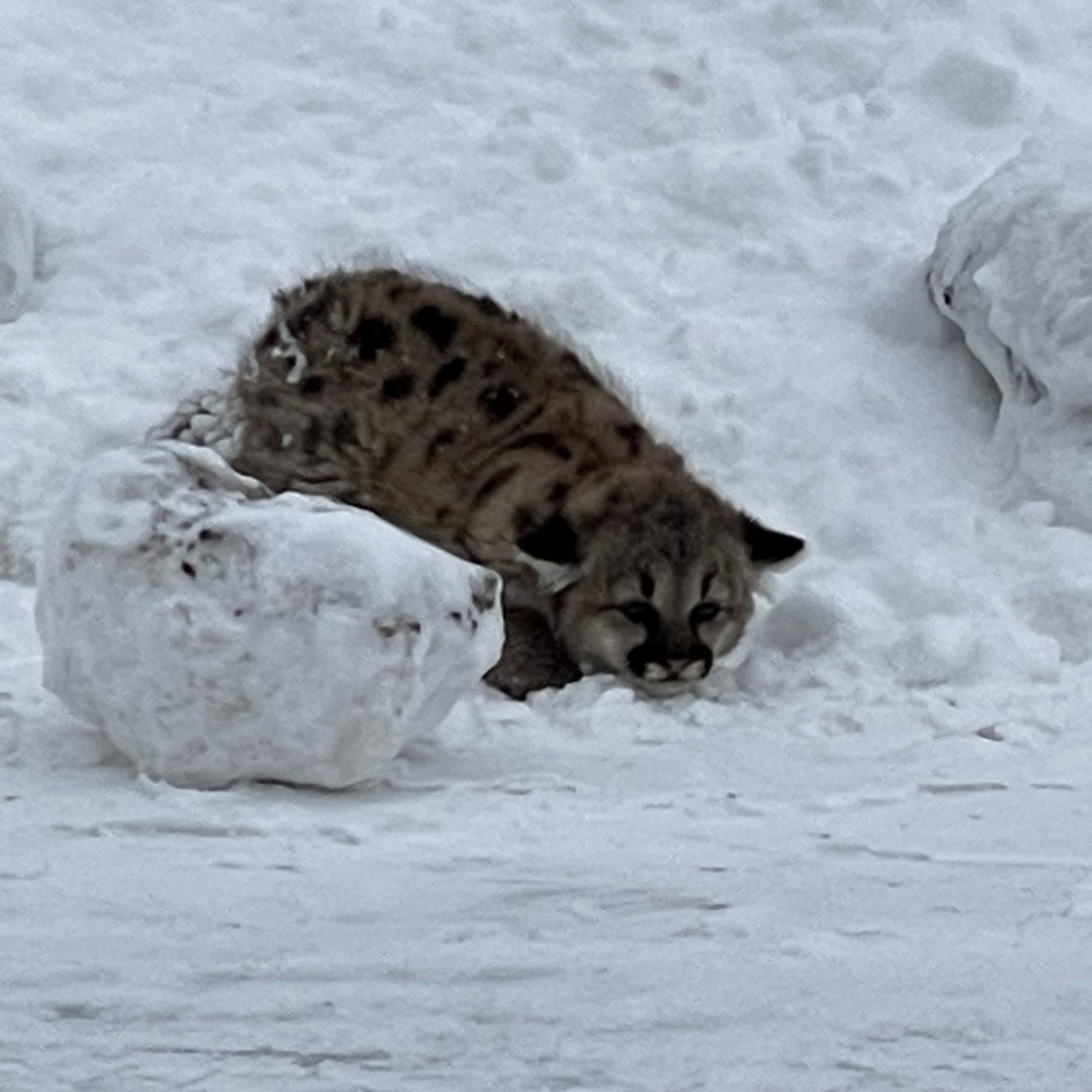
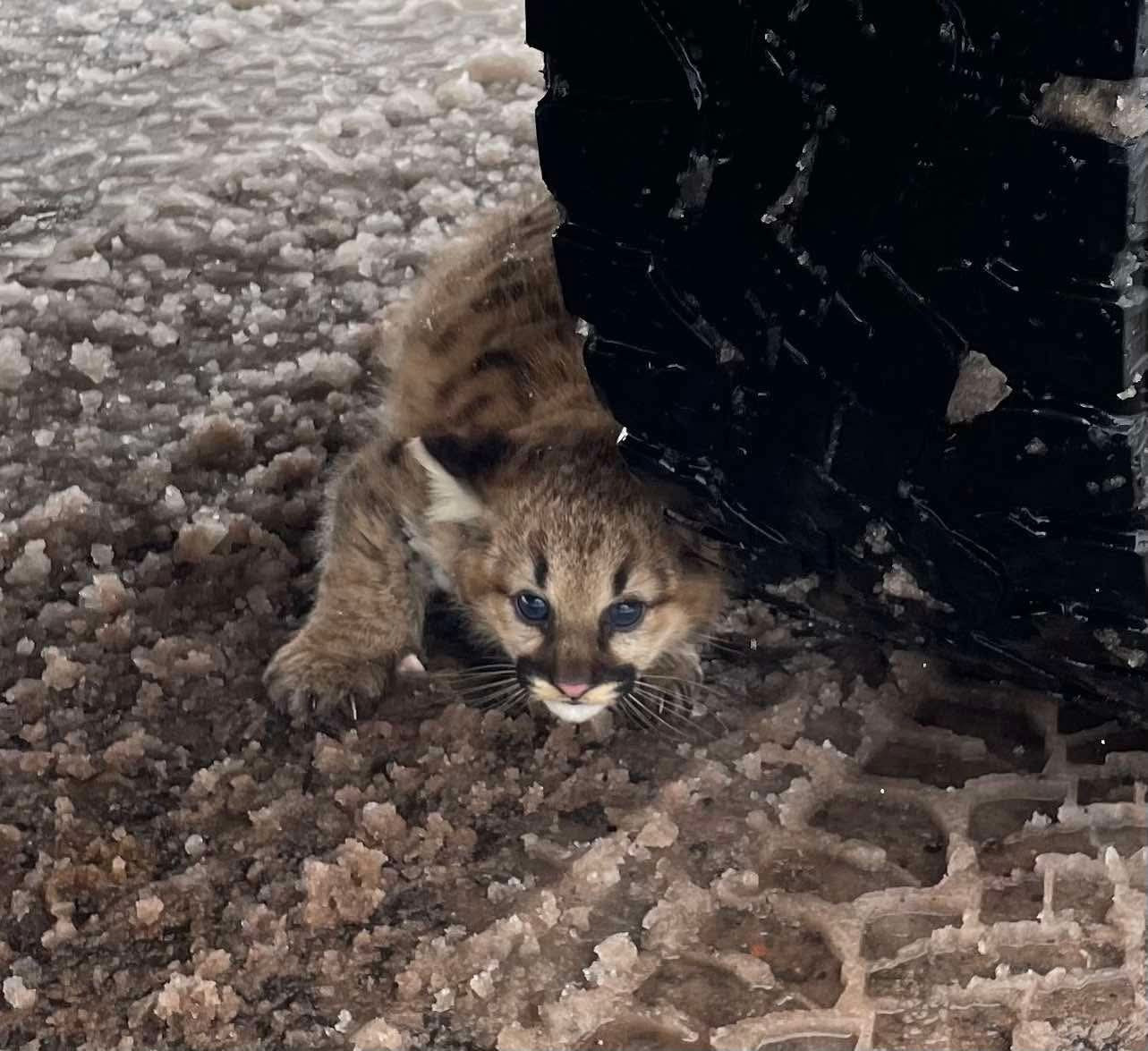
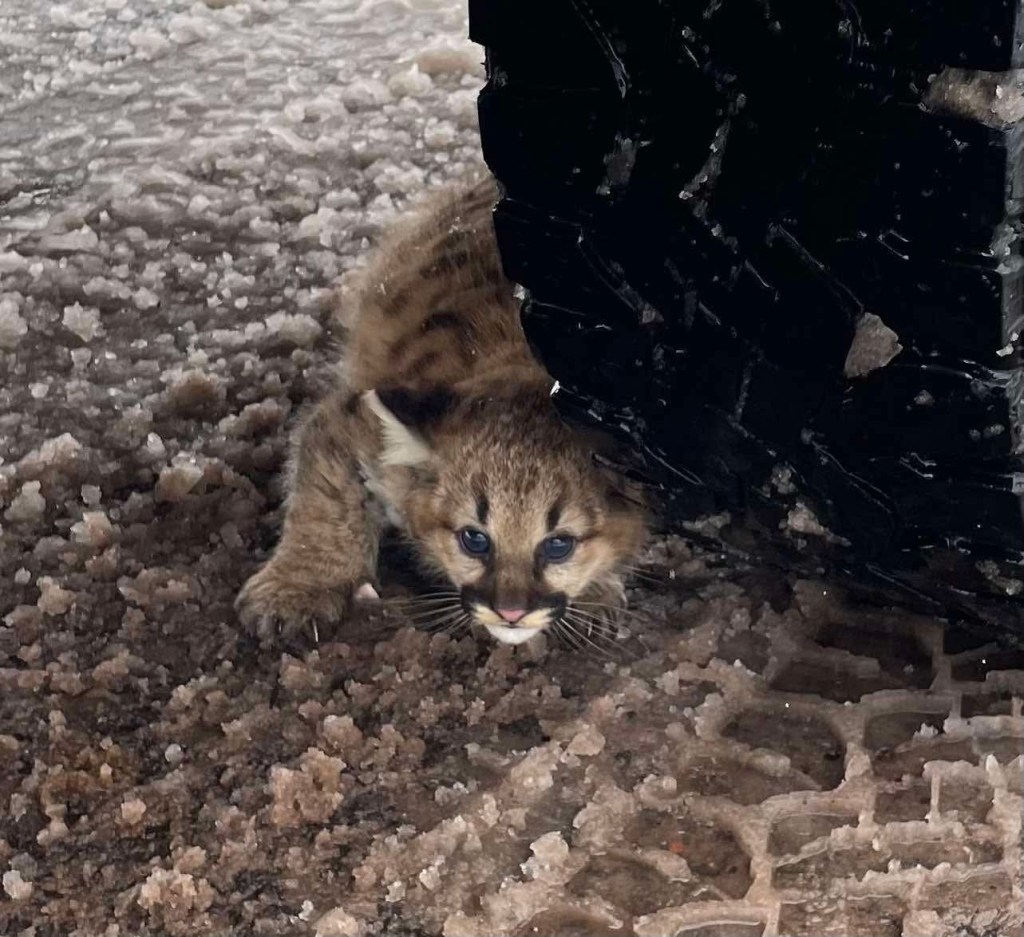
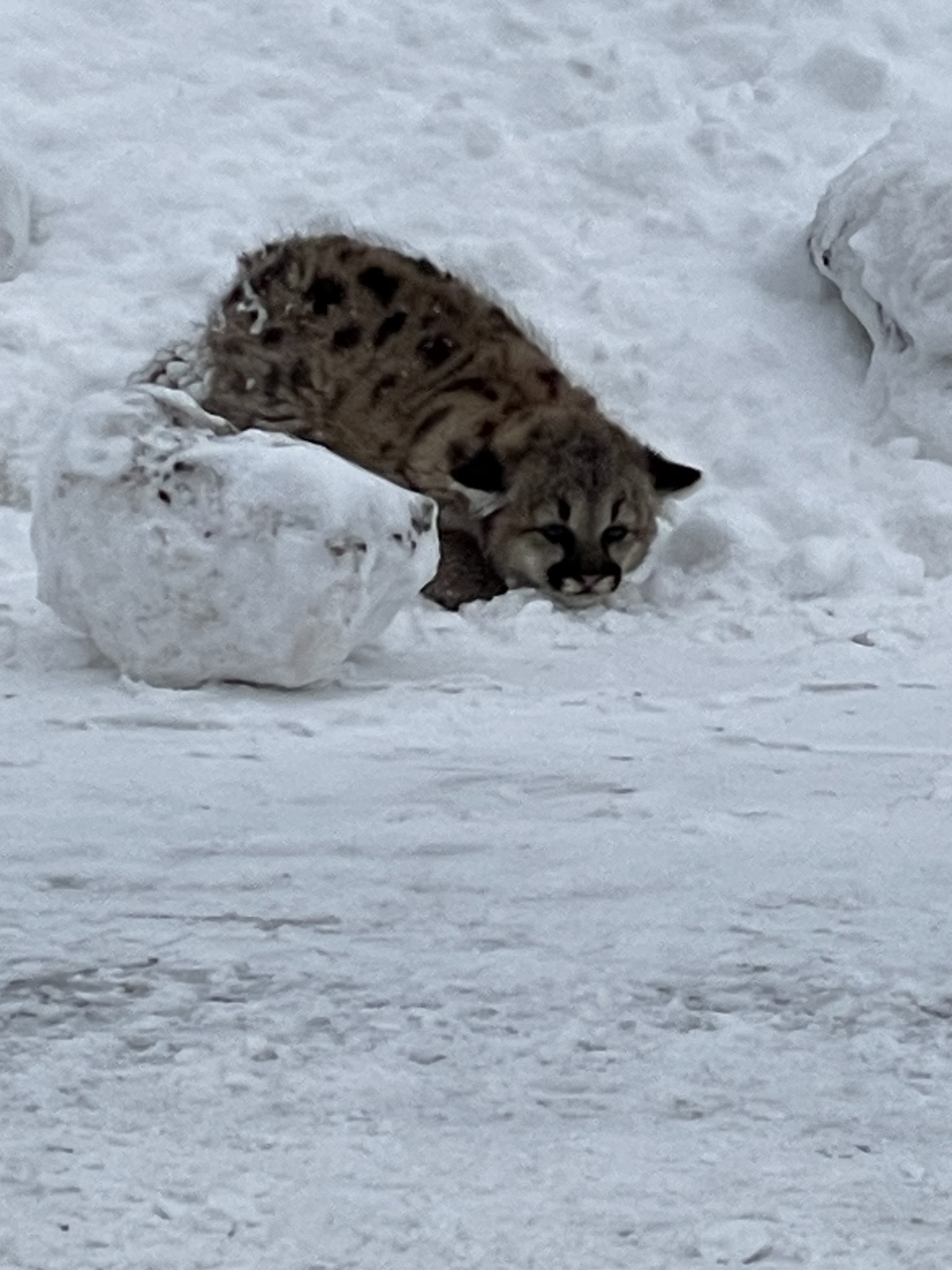
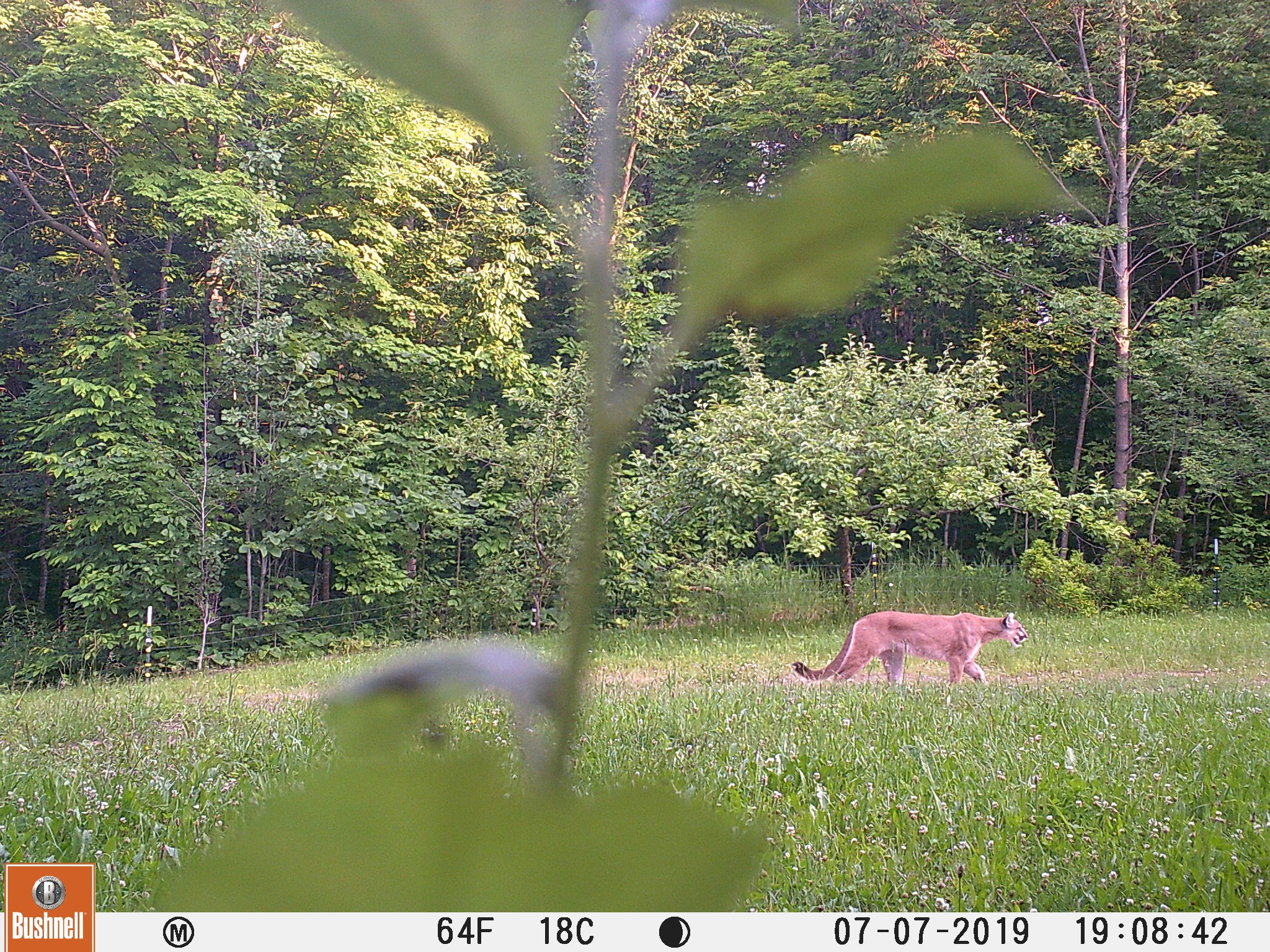
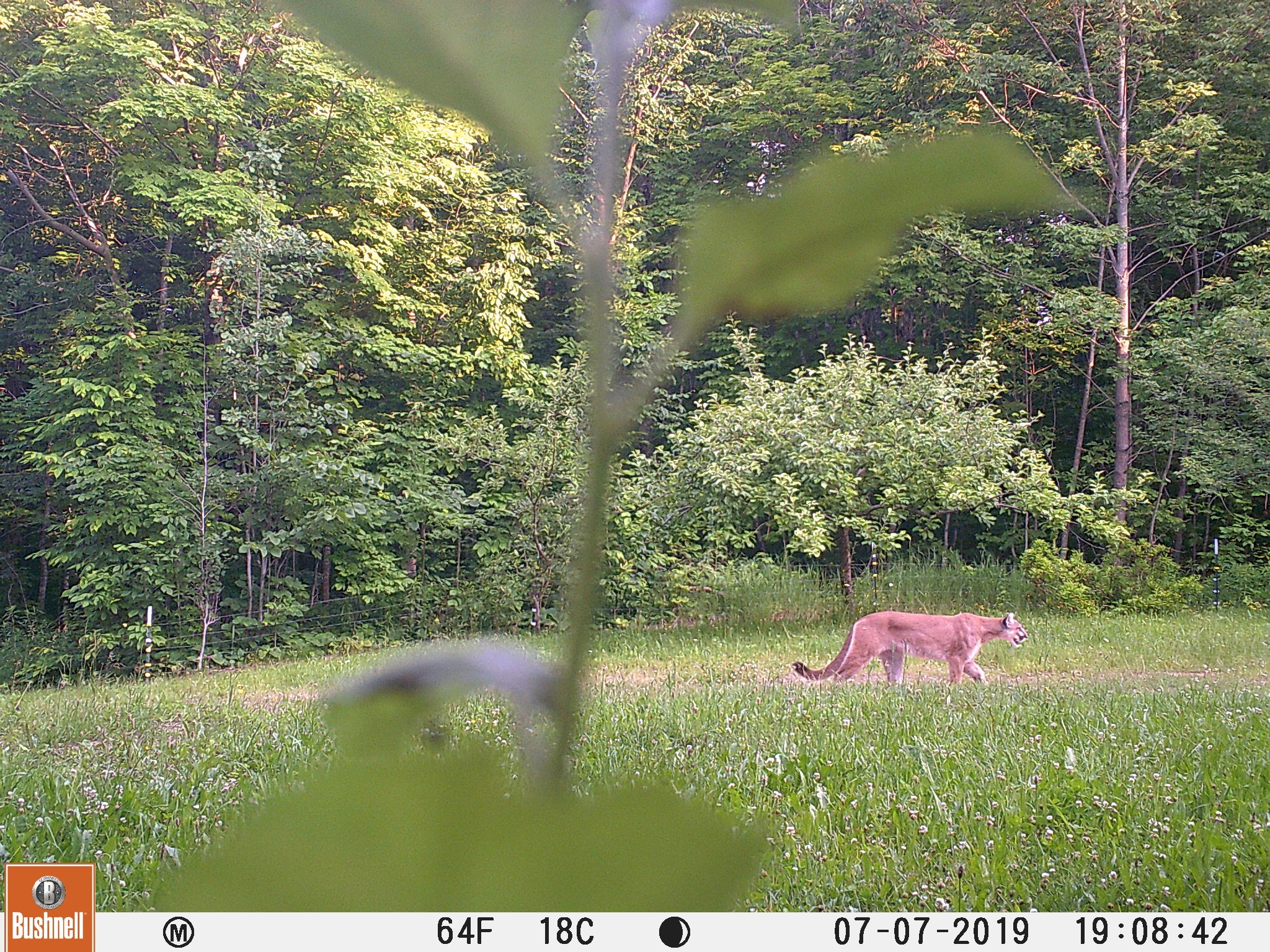
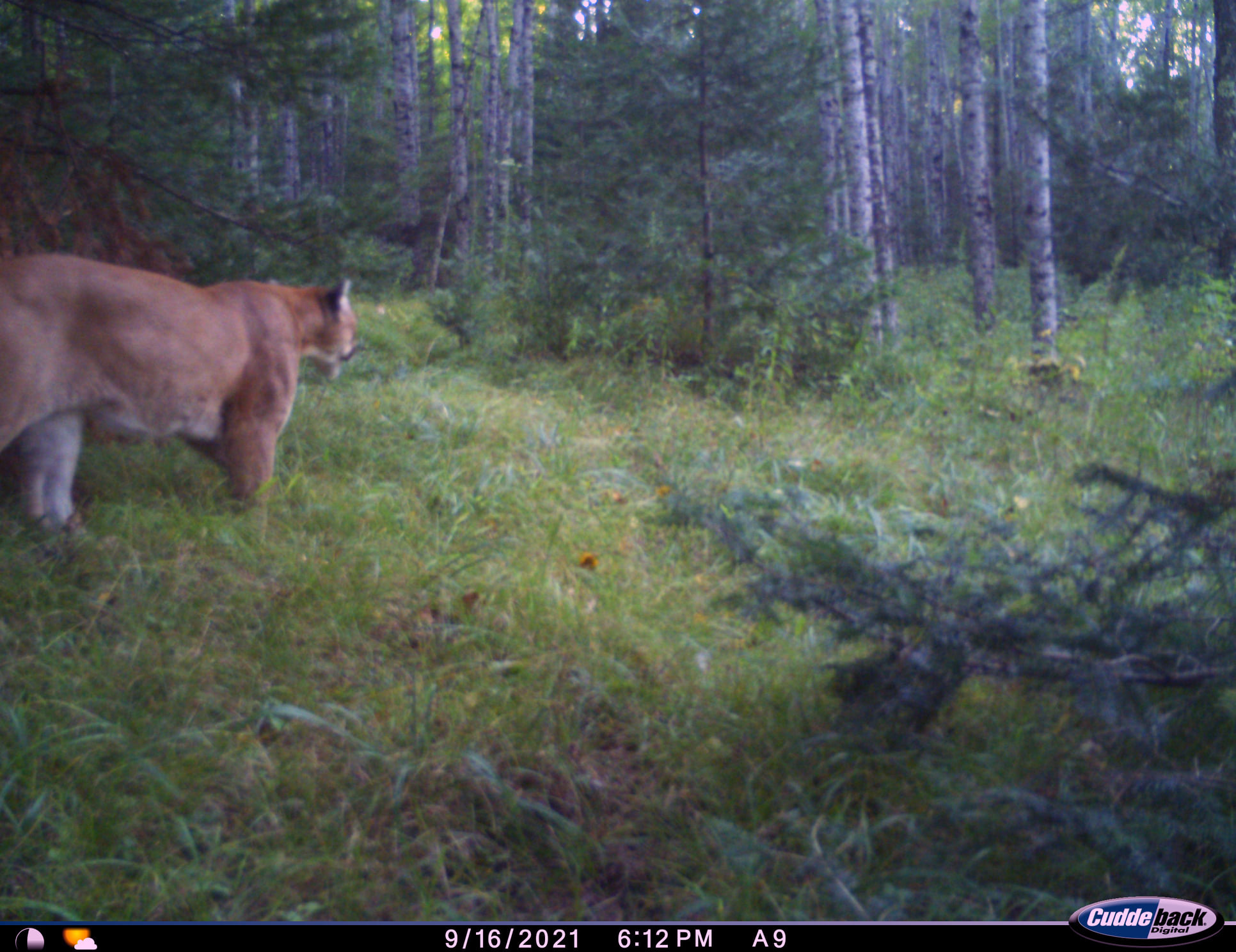
You can read more from the DNR & read lots more about cougars on Michigan in Pictures! Here’s a couple photos of the cubs from the DNR along with a pic of an adult cougar.

Support Michigan in Pictures with Patreon

2025 was a great year for Michigan cougars!

Baby Cougar via DNR Michigan Cougar Page

EDITOR’S NOTE: This was originally shared on Leelanau.com & Michigan in Pictures concurs that there unquestionably are breeding cougar populations south of the Bridge. If you have seen one, please share in the comments here on on the Michigan in Pictures Facebook page!

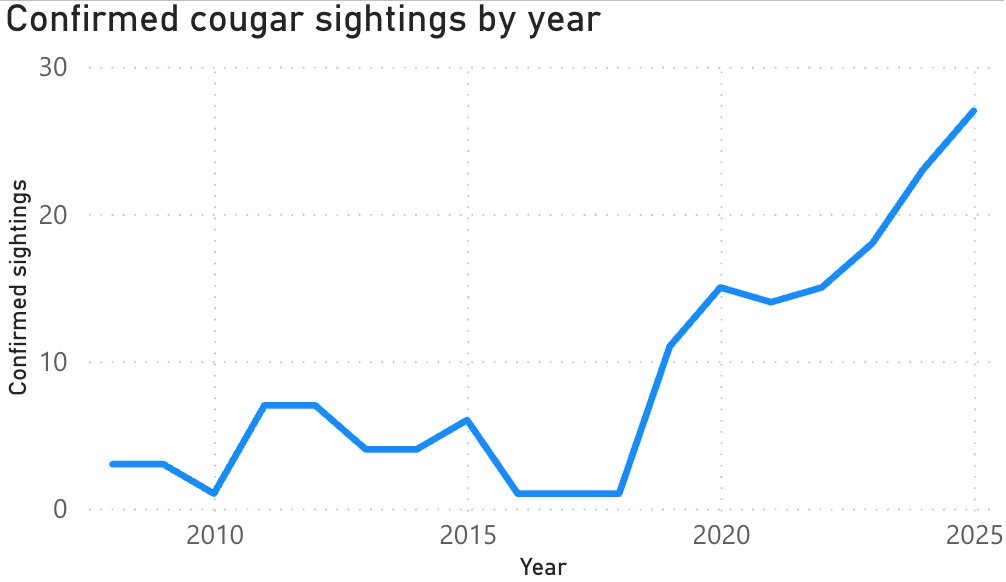
mLive reports that with a month remaining, 2025 is already the third consecutive year of record-setting cougar sightings:

The state Department of Natural Resources (DNR) confirmed there have been 26 confirmed cougar sightings in Michigan so far this year, surpassing last year’s record by three … In a unique data point, those 26 cougar sightings this year in the U.P. added up to 27 animals because a pair of cougar cubs were spotted at the same time March 6 in Ontonagon County.

Here are some pics & info from the DNR’s Michigan Cougar page where you can also share photos & report cougar sightings!

More Michigan cougars on Michigan in Pictures!

Support Michigan in Pictures with Patreon

Fat Bear Week: Michigan Black Bear Edition

Saturday Morning Stroll by Mark Miller

Saturday Morning Stroll by Mark Miller

We interrupt our mostly Michigan content to bring you important news about Alaska’s Fat Bear Week online competition! Some of the largest brown bears on the planet make their home at Brooks River in Katmai National Park, and in addition to being adorably chonky, the fattest bears are best prepared for winter hibernation.

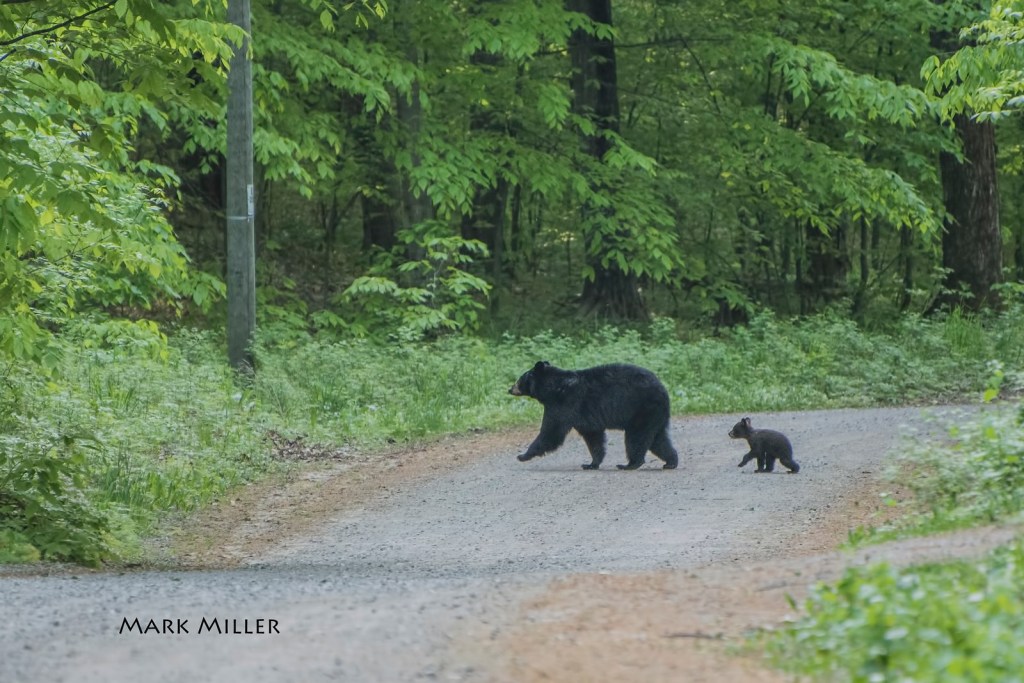
While Michigan doesn’t have brown bears, our native black bear population is also out there in the woods right now, actively searching for the raw materials to pack on the pounds. The Michigan DNR says that about about 13,000 American black bears live in Michigan. Most of them (around 11,000) live in the Upper Peninsula with around 1,700 in the northern Lower Peninsula. Their Living with Black Bears guide says that the black bear is the only species of bear with an average lifespan of 10 years in the wild. Male black bears live in an area about 100 square miles or more in size, while females live in smaller areas about 10 to 20 square miles. They are solitary animals, a sow (female bear who has birthed at least one cub) and her cubs may be seen together.

Black bears can have various color phases including black (most common in Michigan), brown and cinnamon. In Michigan, adult female black bears range from 100 to 250 pounds while adult males can weigh up to 400 pounds. Adult black bears measure about three feet high on all fours & five feet tall when standing upright.

Black bears are omnivorous & will travel great distances to find food, opportunistically feeding on both plants and animal including tender vegetation, nuts, berries, and insects. Black bears are generally fearful of humans and will leave if they are aware of your presence, but human foods, garbage, pet foods, & birdseed can definitely draw them to your door! In the rare circumstance that a bear doesn’t turn and leave, try to scare it off by yelling while leaving a clear, unobstructed escape route for the bear. If the bear stands its ground, makes threatening sounds or bluff charges, you are too close. Take slow steps backward while continuing to talk to the bear in a stern tone. In the rare event of an attack, fight back with a backpack. DO NOT run or play dead.

Mark captured these black bears out for a Saturday morning stroll near Empire back in June of 2015. You can see more in his In In My Backyard gallery on Flickr.

Support Michigan in Pictures with Patreon

Woody the Woodchuck waves goodbye to winter

 Woody the Woodchuck by Howell Nature Center

Woody the Woodchuck by Howell Nature Center

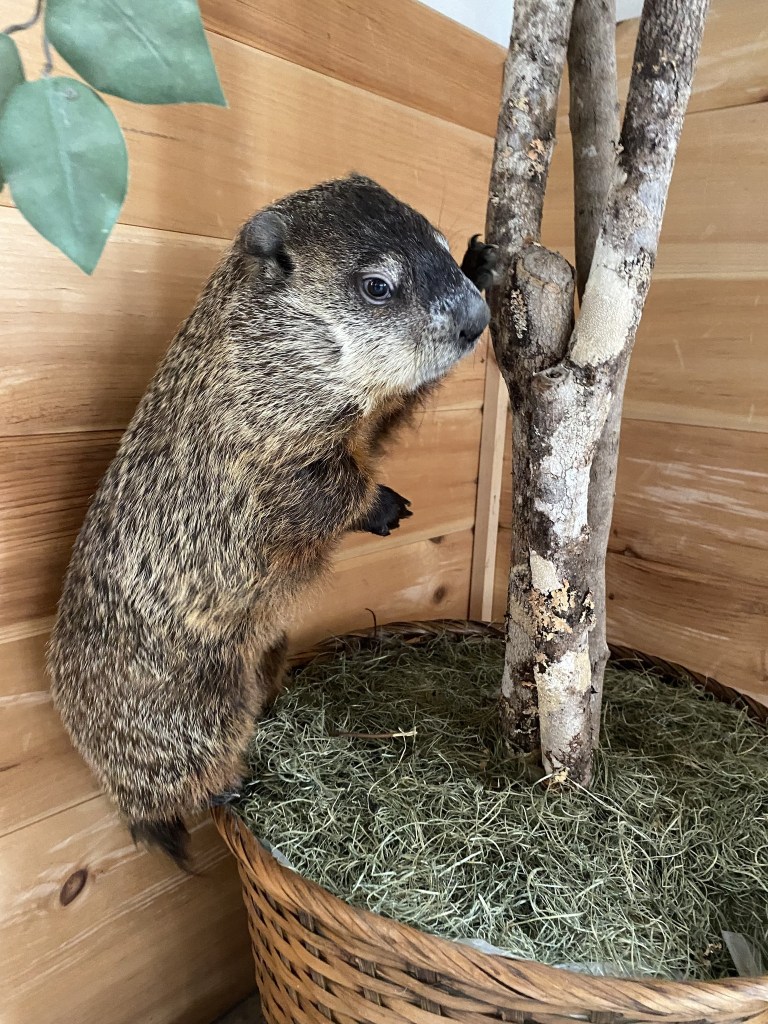
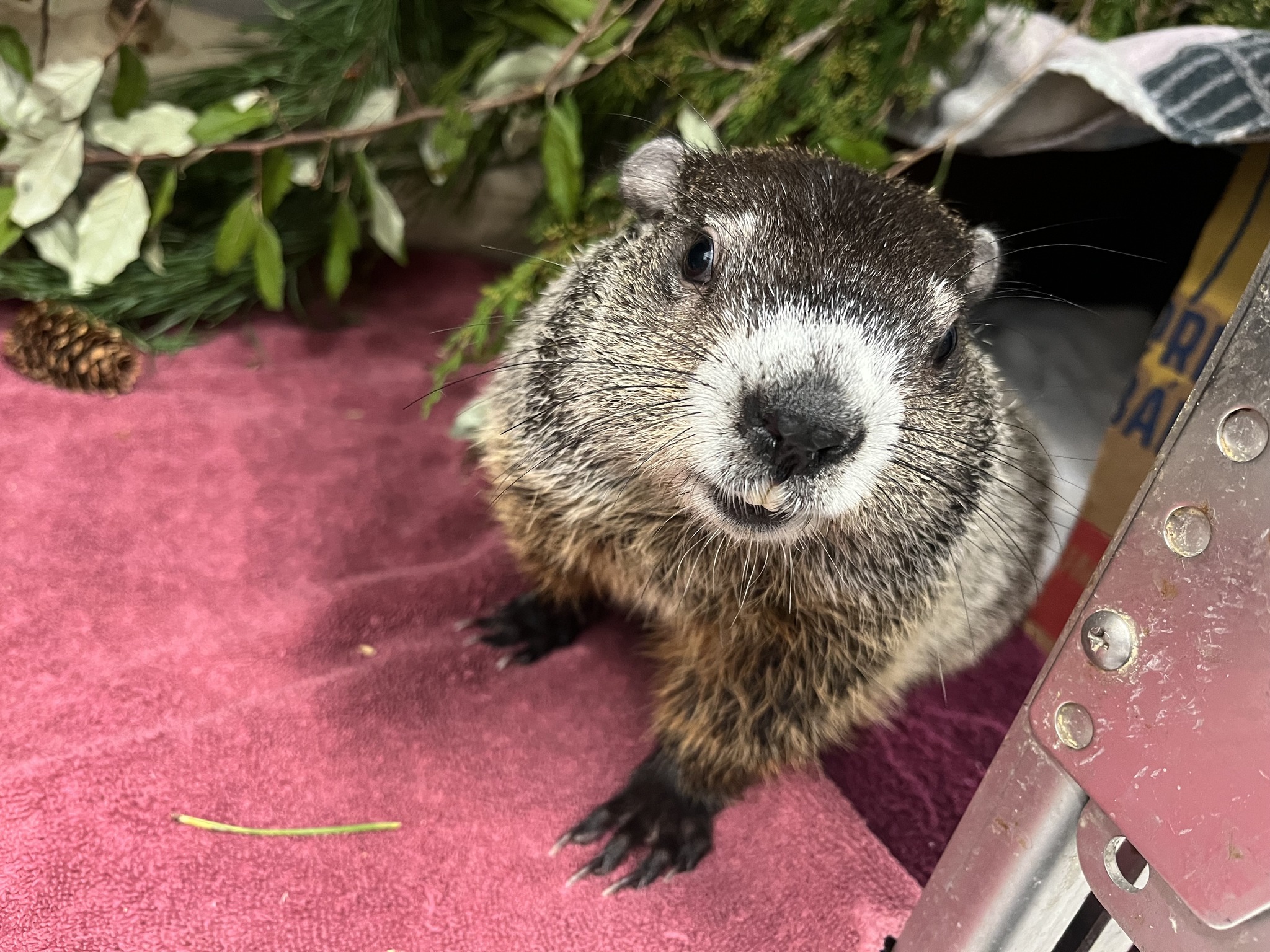
The Howell Nature Center shares: Groundhog Day 2025 is a wrap! Woody has predicted EARLY SPRING! 🌷🪻☀️ Thank you to everyone who came out to help us celebrate with Michigan’s official woodchuck. This was Woody’s 27th prediction, and her accuracy rate is about 65%!

So keep your Punxsutawney Phil forecast of 6 more weeks of winter, I’m going with Michigan’s official groundhog! Last year the Howell Nature Center shared why the event is so meaningful to them, education:

Groundhogs are often villified because of their digging habits, and it is easy to forget about their neat adaptations and their role in the ecosystem. We love sharing information about them to increase understanding, and this event gives Woody the opportunity to serve as an ambassador for her species to help people live in harmony with woodchucks.

DID YOU KNOW…

🐾 Woodchucks dig burrows that can be 50 ft long and include several different chambers for different purposes like raising young, hibernating, and toileting? Other species will even move into abandoned chambers!

🐾 With all that digging, woodchucks help aerate soil and recycle nutrients to increase soil health.

🐾 Woodchucks help disperse seeds, which promotes plant growth and diversity.

🐾 Woodchucks sometimes eat insects, which helps eliminate garden pests like grubs.

🐾 Woodchucks are an important part of the ecosytem and provide food for predators.

🐾 Woodchucks, also known as “whistle pigs”. are one of our only true hibernators in MI.

🐾 Their body temperatures can drop to 40 F and their heart rates to 4 beats per minute during hibernation.

Our wildlife helpline is available to help solve conflict with groundhogs that are living in undesirable places. We have lots of tips and tricks to humanely evict them and encourage them to move to a different location. Trapping and relocating is never a good idea, since it often results in death of groundhogs that are not able to find resources in a new location or of babies that have been orphaned by the removal of their mother.

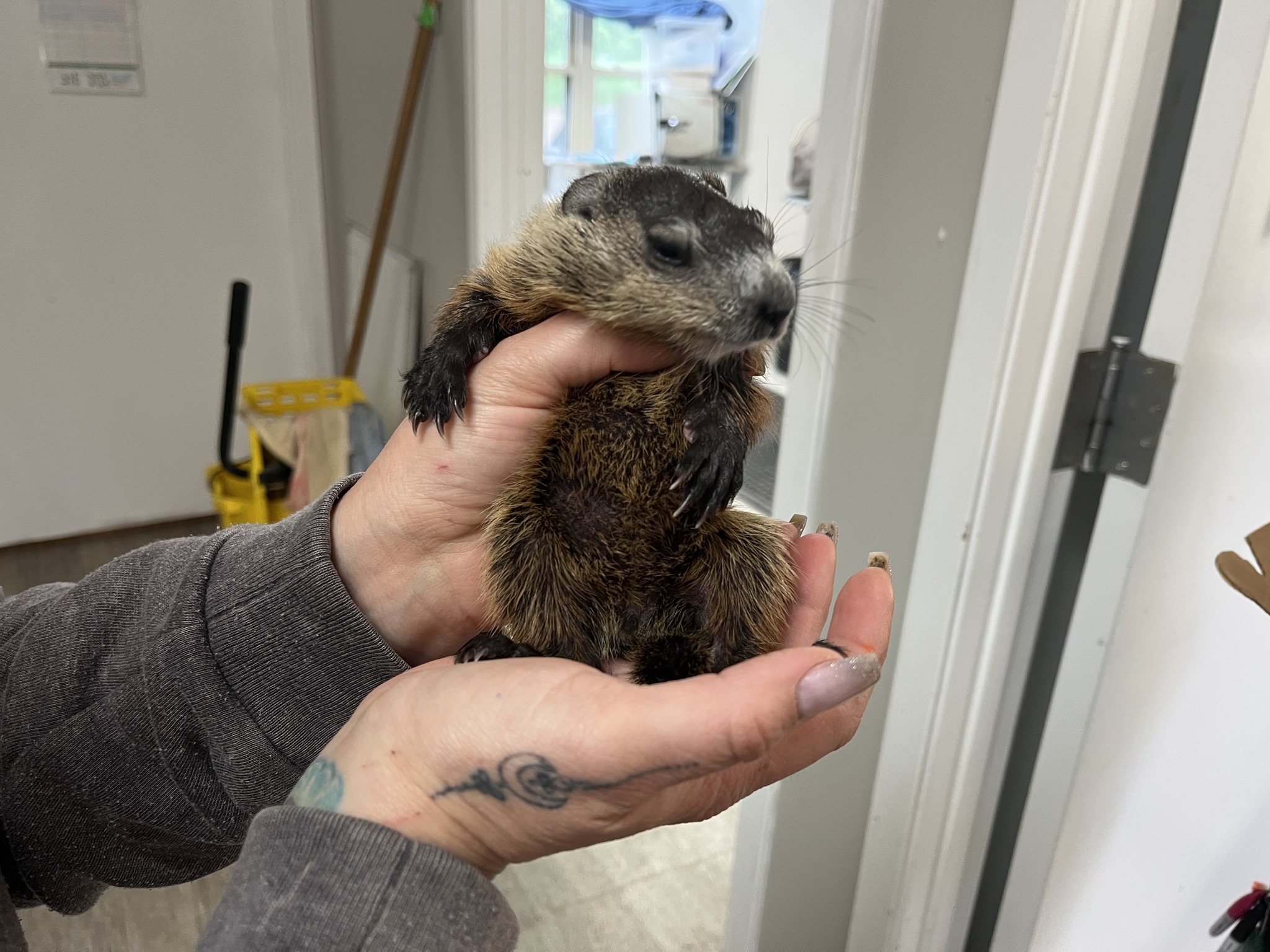
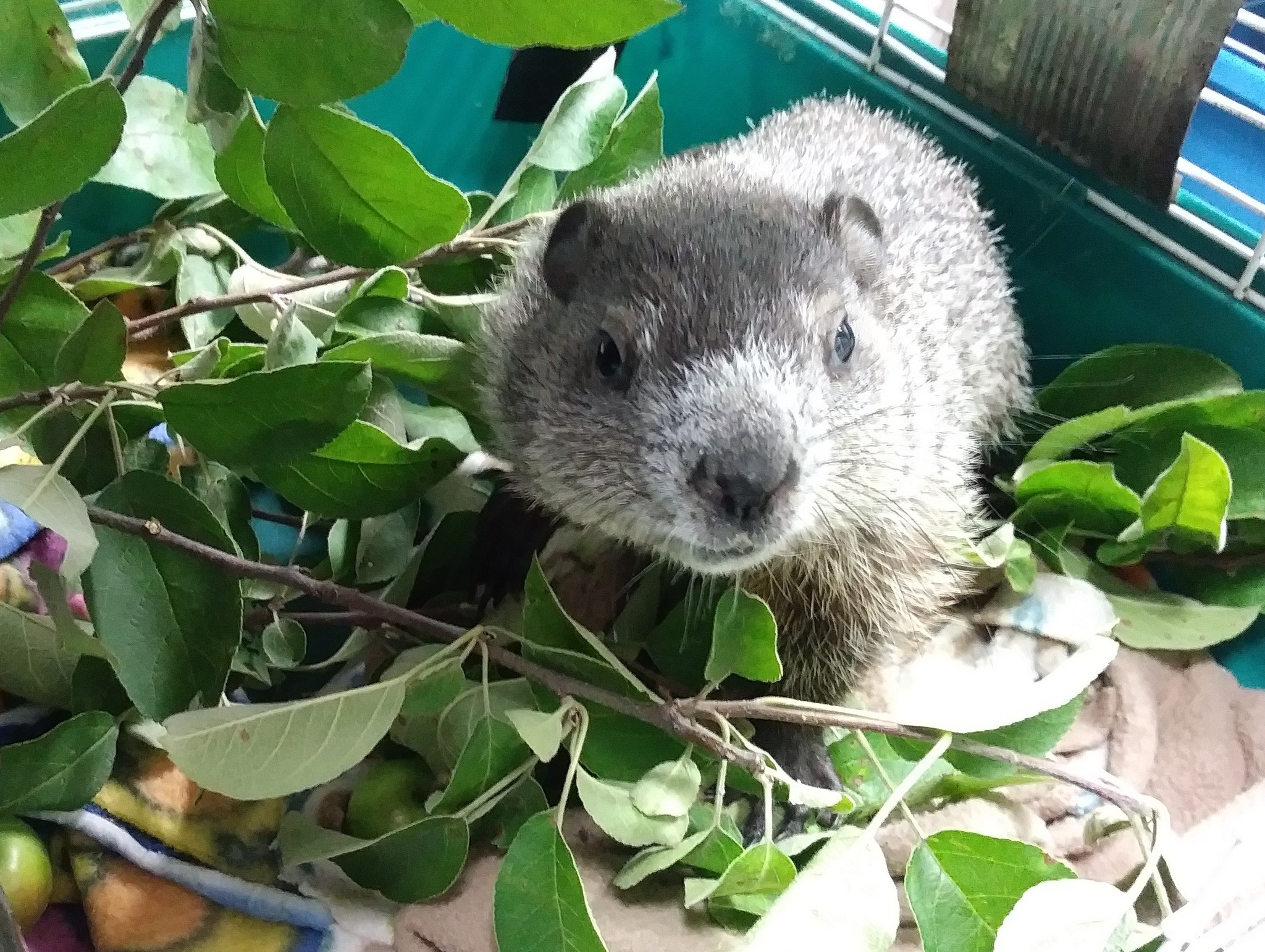
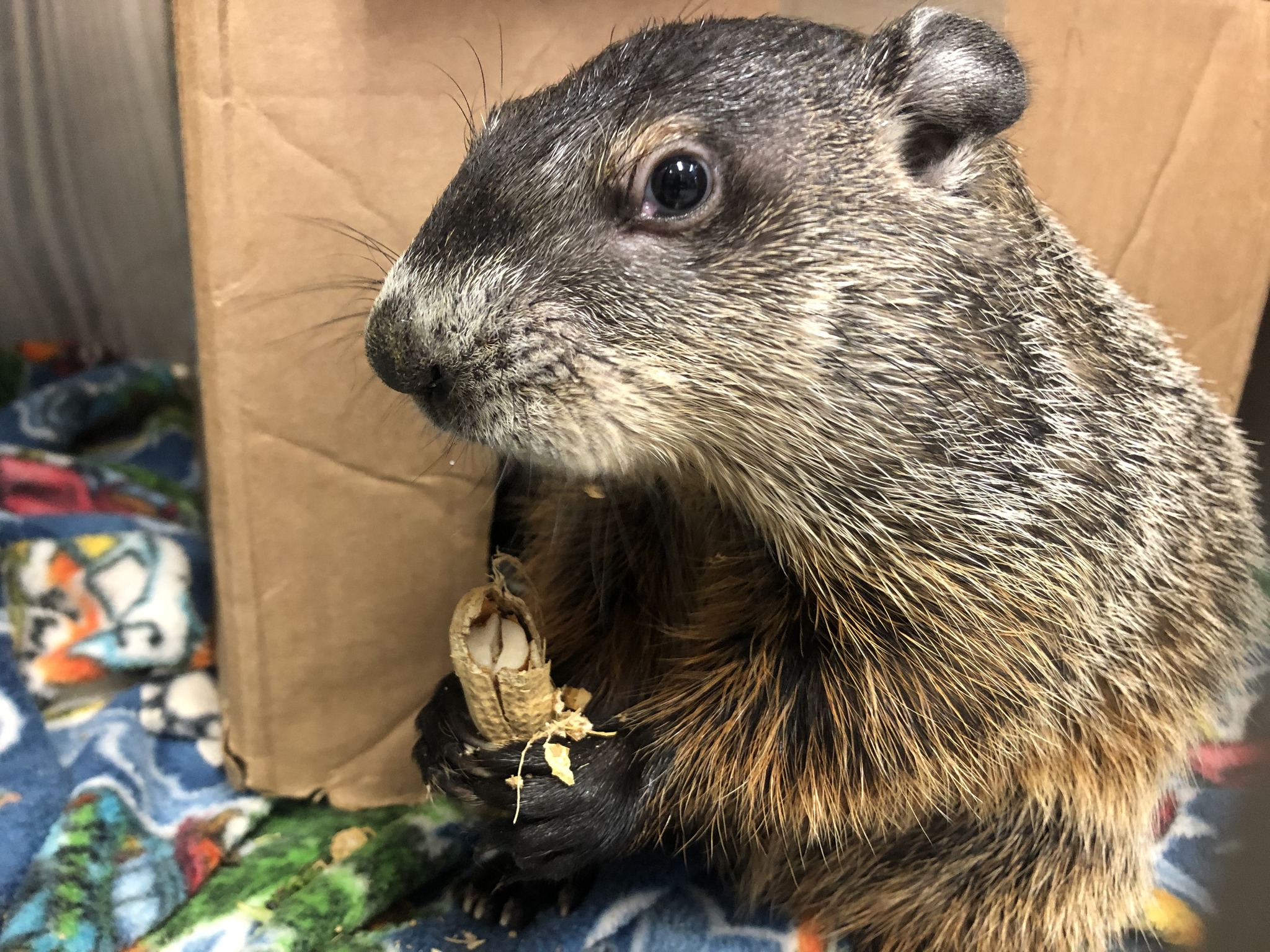
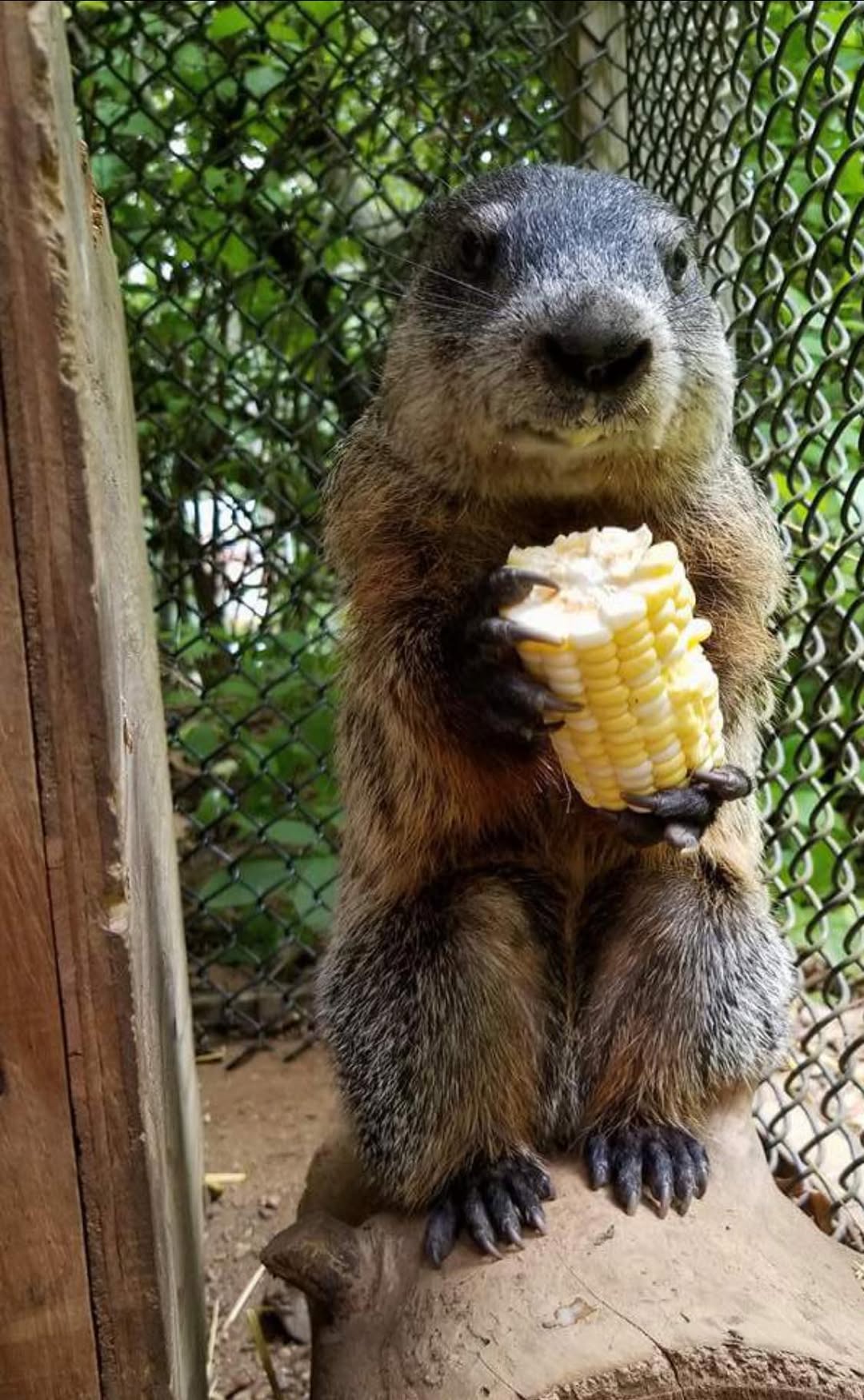
I hope that you are able to make a donation on their website. Here are some of the injured and orphaned chucks they have cared for in their rehabilitation clinic.

Friday the 13th Mascot Edition: Thirteen-lined Ground Squirrel

Thirteen-lined Ground Squirrel by Zach Frieben

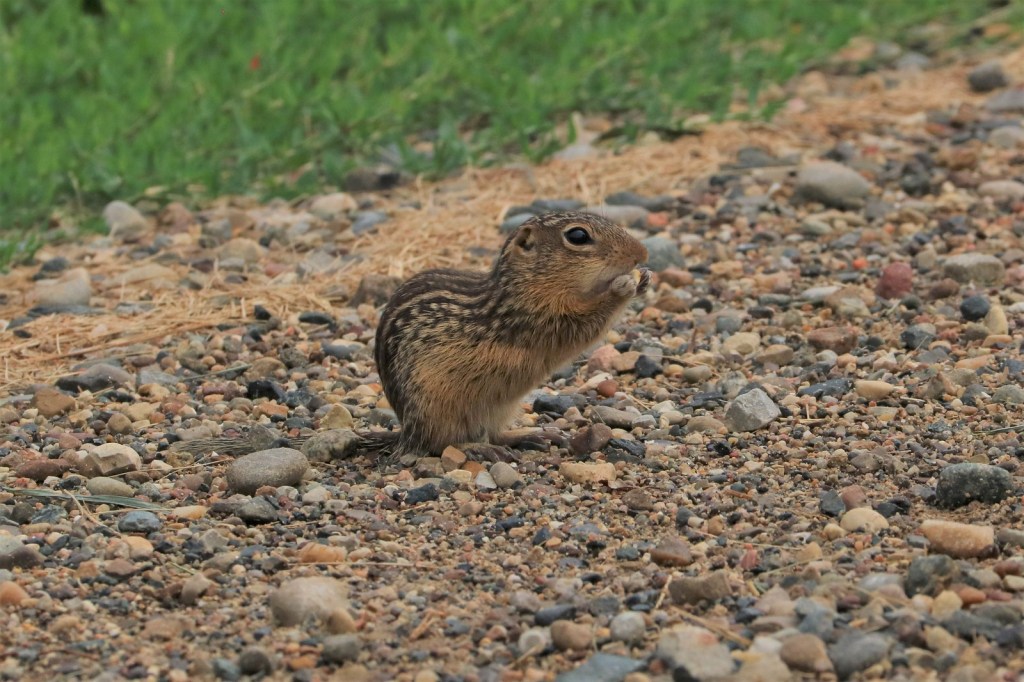
If you’re worried about your luck on Friday the 13th, allow me to offer this lil buddy which is for sure not a chipmunk! Animal Diversity Web says that the thirteen-lined ground squirrel:

…is found in central North America. Originally confined to the prairie, it has extended its range northward and eastward over the past two centuries as land has been cleared … Spermophilus tridecemlineatus is a small slender ground squirrel with alternate longitudinal stripes of dark brown and tan, extending from the nape to the base of the tail. The dark brown stripes are broader than the tan lines and have tan rectangular spots along the midline. The “thirteen lines” consist of either (1) seven broad dark brown stripes alternating with six thin tan bands or (2) seven narrow yellow stripes alternating with six broader dark brown stripes. The ears are short, and the tail is thin and sparingly bushy.

Thirteen-lined ground squirrels are diurnal and most active at midday and on warm sunny days. They dig shallow blind-end emergency burrows as well as complex deeper underground burrows used for nesting and hibernation. These squirrels are not colonial but may concentrate in one area with desirable substrate.

Thirteen-lined ground squirrels have excellent senses of vision, touch, and smell. They use alarm calls and other sounds, as well as using special scented secretions, to communicate with other squirrels. They rub glands around their mouth on objects to leave scent marks. They also greet one another by touching noses and lips.

Zach took this photo back in September of 2017. See more in his Mammals gallery on Flickr.

Support Michigan in Pictures with Patreon

Building a Backyard Habitat

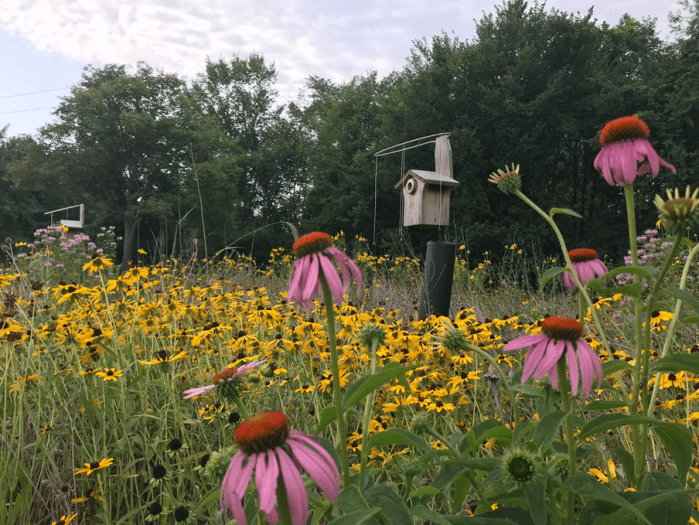
Prairie by Natalie Cypher

Prairie by Natalie Cypher

Rayna Skiver of the Great Lakes Echo has an article on the benefits of building a backyard habitat for Michigan wildlife that says in part:

A habitat can be as simple as a place that provides food, water and shelter for wildlife, said Natalie Cypher, naturalist and educator for the Michigan Department of Natural Resources Outdoor Adventure Center.

Building a habitat in your backyard can require as much or as little space as you want, Cypher said. It depends on what type of wildlife you want to attract.

Research is the first step.

“If you’re looking to provide a habitat for monarch butterflies, you have to use milkweed,” Cypher said. “Monarch butterflies only lay their eggs on milkweed plants and it’s the only food that their caterpillars will eat.”

…Backyard habitats benefit both wildlife and the people making them. For wildlife, they provide food and a safe place to nest. People benefit because of the positive feelings associated with added greenery and the presence of wildlife.

In a suburban neighborhood, a lot of land doesn’t provide habitat, Cypher said. One million acres of wildlife habitat are lost every year due to suburban development, according to the National Wildlife Federation.

“Providing a small patch of habitat can be high impact,” Cypher said.

The National Wildlife Federation reports benefits like higher percentages of native plants, indicator species, tree coverage, water conservation and wildlife presence.

Native plants use less water and sequester carbon, according to the National Wildlife Federation.

Home gardeners benefit from native pollinators such as bees and butterflies because they can increase fruit and vegetable production and help with pest control, Cypher said.

Read on for much more at the Echo. You can learn more about the Michigan Department of Natural Resources Outdoor Adventure Center & even apply for a job on their website!

More Michigan gardens & gardening on Michigan in Pictures.

Support Michigan in Pictures with Patreon

Seney Reflections

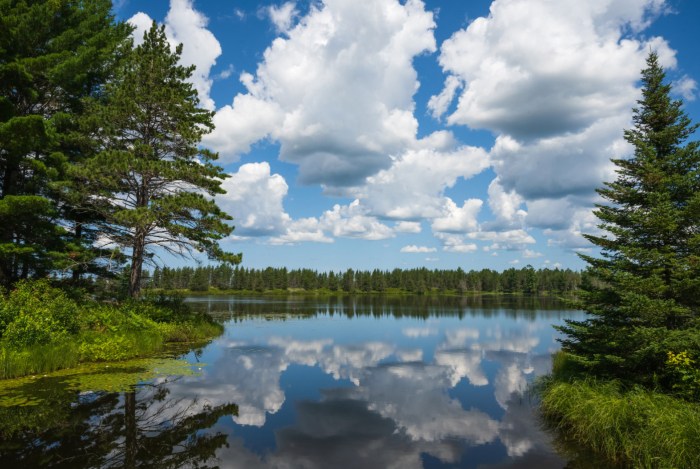
Reflections by Ayman Haykal

Reflections by Ayman Haykal

The Seney National Wildlife Refuge:

…was established in 1935 as a refuge and breeding ground for migratory birds and other wildlife. The wild land that today is the refuge has not always appeared so wild. This is a land that was once heavily logged, burned, ditched, drained and cultivated. Despite repeated attempts, the soils and harsh conditions of this country would not provide a hospitable environment for sustained settlement and agriculture. So, nature claimed it once again. What was viewed as a loss by early 20th century entrepreneurs became a huge gain for the wildlife, natural resources and the people of Michigan’s eastern Upper Peninsula.

Seney National Wildlife Refuge is located in the east-central portion of Michigan’s Upper Peninsula, halfway between Lake Superior and Lake Michigan. The 95,238 acre refuge encompasses the 25,150 acre Seney Wilderness Area, which contains the Strangmoor Bog National Natural Landmark.

Lots more information at the Seney Refuge website. Ayman took this back in early August. See more on his Flickr!

Support Michigan in Pictures with Patreon

Making Decisions about Wolves on Isle Royale


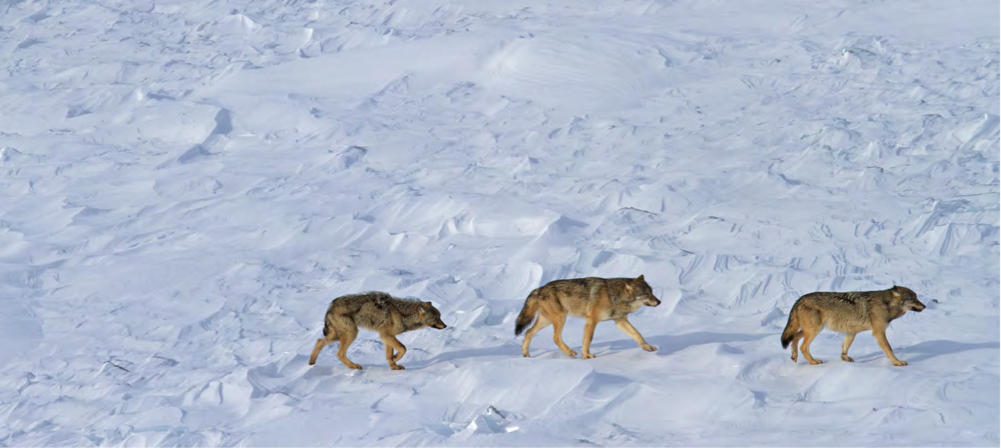
3 Isle Royale wolves 2015

Three Wolves, photo by Vucetich & Peterson

With only a handful of wolves left in Isle Royale National Park, the National Park Service is currently taking public comment on the management of wolves at Isle Royale. They write:

The NPS began this planning process by considering a broad range of potential management actions as part of determining how to manage the moose and wolf populations for at least the next 20 years. However, based on the public comments we received and additional internal deliberations, the NPS has determined that it will revise and narrow the scope of this EIS to focus on the question of whether to bring wolves to Isle Royale National Park in the near term, and if so, how to do so.

Although wolves have not always been part of the Isle Royale ecosystem, they have been present for more than 65 years, and have played a key role in the ecosystem, affecting the moose population and other species during that time. The average wolf population on the island over the past 65 years has been about 22, but there have been as many as 50 wolves on the island and as few as three. Over the past five years the population has declined steeply, which has given rise to the need to determine whether the NPS should bring additional wolves to the island. There were three wolves documented on the island as of March 2015 and only two wolves have been confirmed as of February 2016. At this time, natural recovery of the population is unlikely.

The potential absence of wolves raises concerns about possible effects to Isle Royale’s current ecosystem, including effects to both the moose population and Isle Royale’s forest/vegetation communities. The revised purpose of the plan, therefore, is to determine whether and how to bring wolves to Isle Royale National Park to function as the apex predator in the near term within a changing and dynamic island ecosystem.

The photo above from the 2014-2015 Annual Report from the Vucetich & Peterson Ecological Studies of Wolves on Isle Royale shows three wolves observed at winter study 2015. More on their website at isleroyalewolf.org and definitely follow Wolves and Moose of Isle Royale on Facebook for updates!

More wolves on Michigan in Pictures.