A Legitimate Snowbird

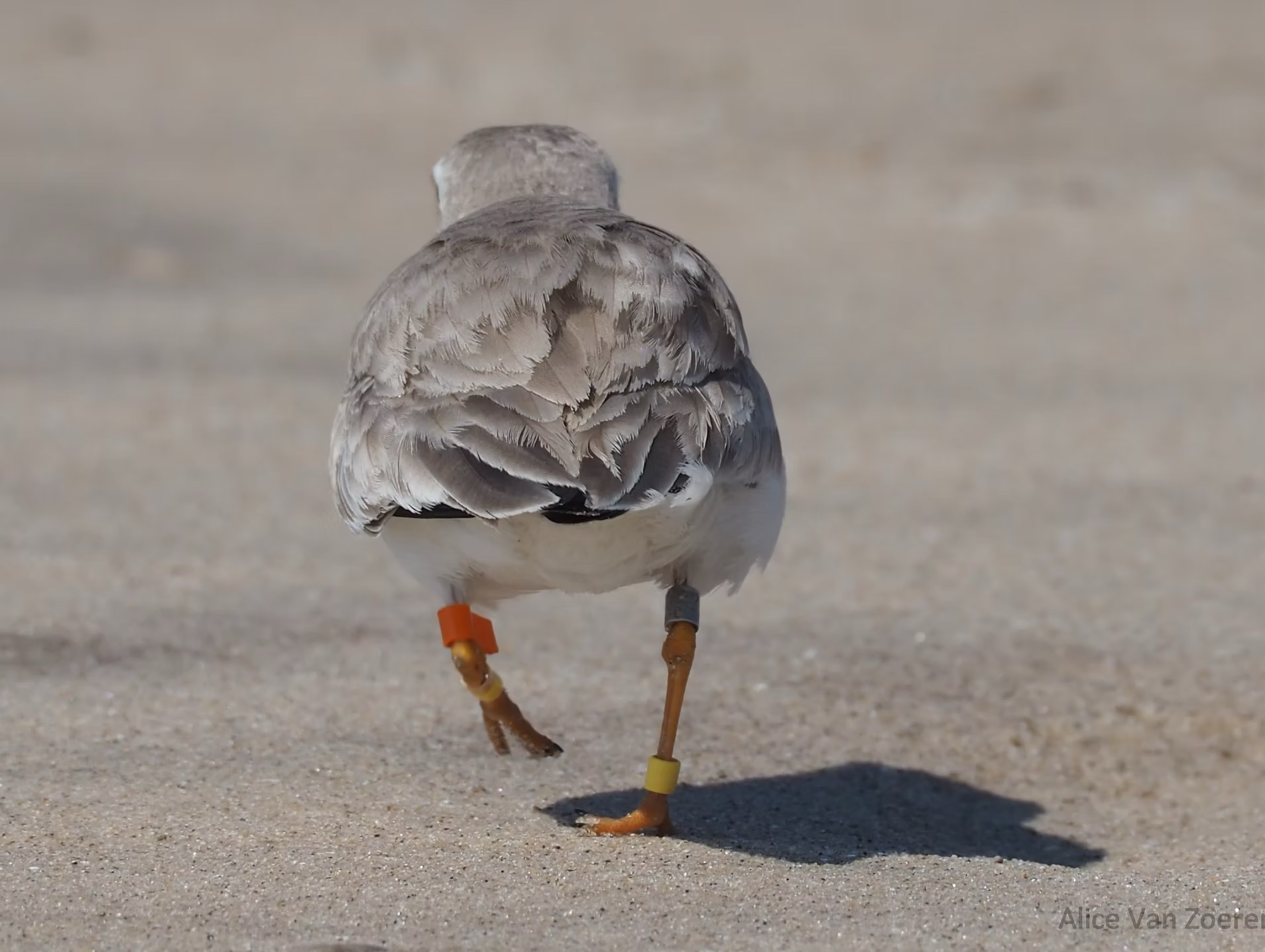
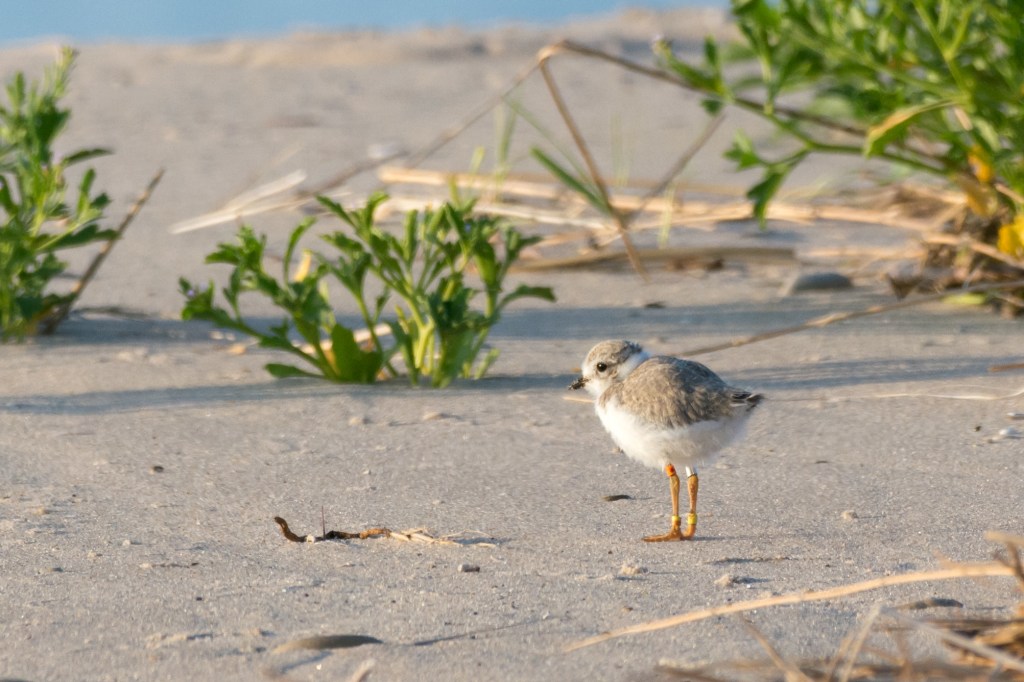
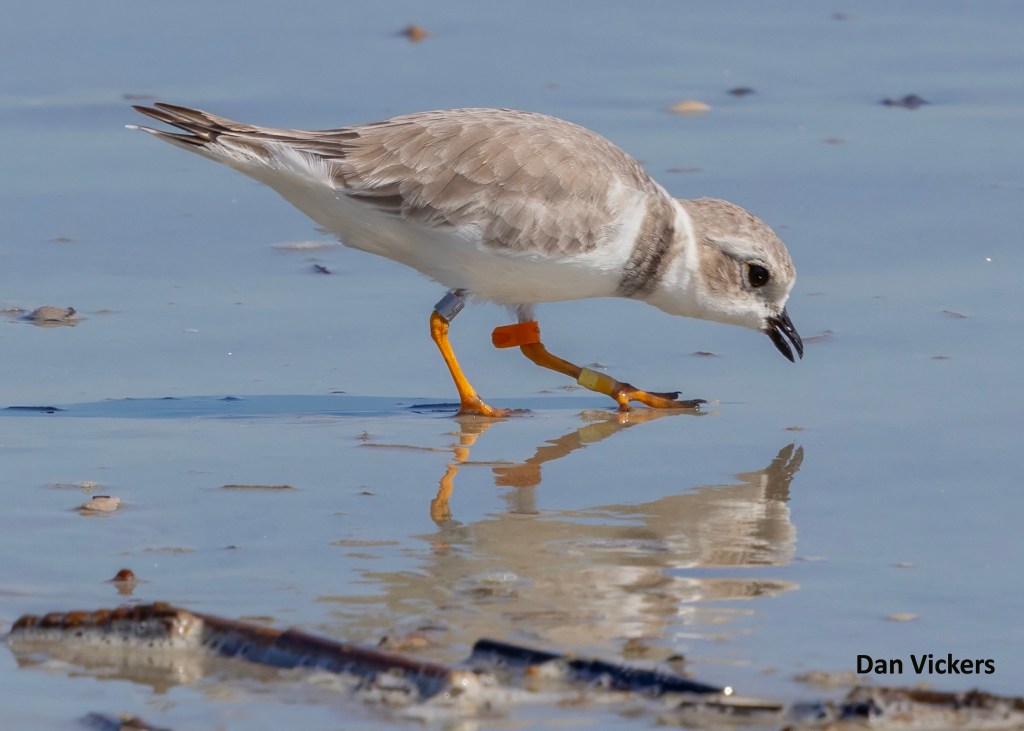
Yogi the Piping Plover at Cumberland Island by Dan Vickers

Yogi the Piping Plover at Cumberland Island by Dan Vickers

“You think YOU’RE a snowbird? Please.” – -Yogi the Great Lakes Piping Plover

Michigan in Pictures features almost exclusively photos from Michigan, but every so often there’s one that will have me reaching beyond our borders. Such is the case with this photo of Yogi the Piping Plover from Cumberland Island all the way down in Georgia that was recently shared by the Great Lakes Piping Plover Recovery Effort. Yogi hails from the Sleeping Bear Dunes National Lakeshore, but his preferred nesting site is the wild and busy Silver Lake State Park.

They explain that the Piping Plover is a small shorebird that is listed as an Endangered Species and nests in three separate geographic populations in the United States and Canada: The Northern Great Plains, the shores of the Great Lakes, and along the Atlantic coast. Birds from all three populations winter on the southern Atlantic and Gulf coasts in the United States & in the Caribbean.

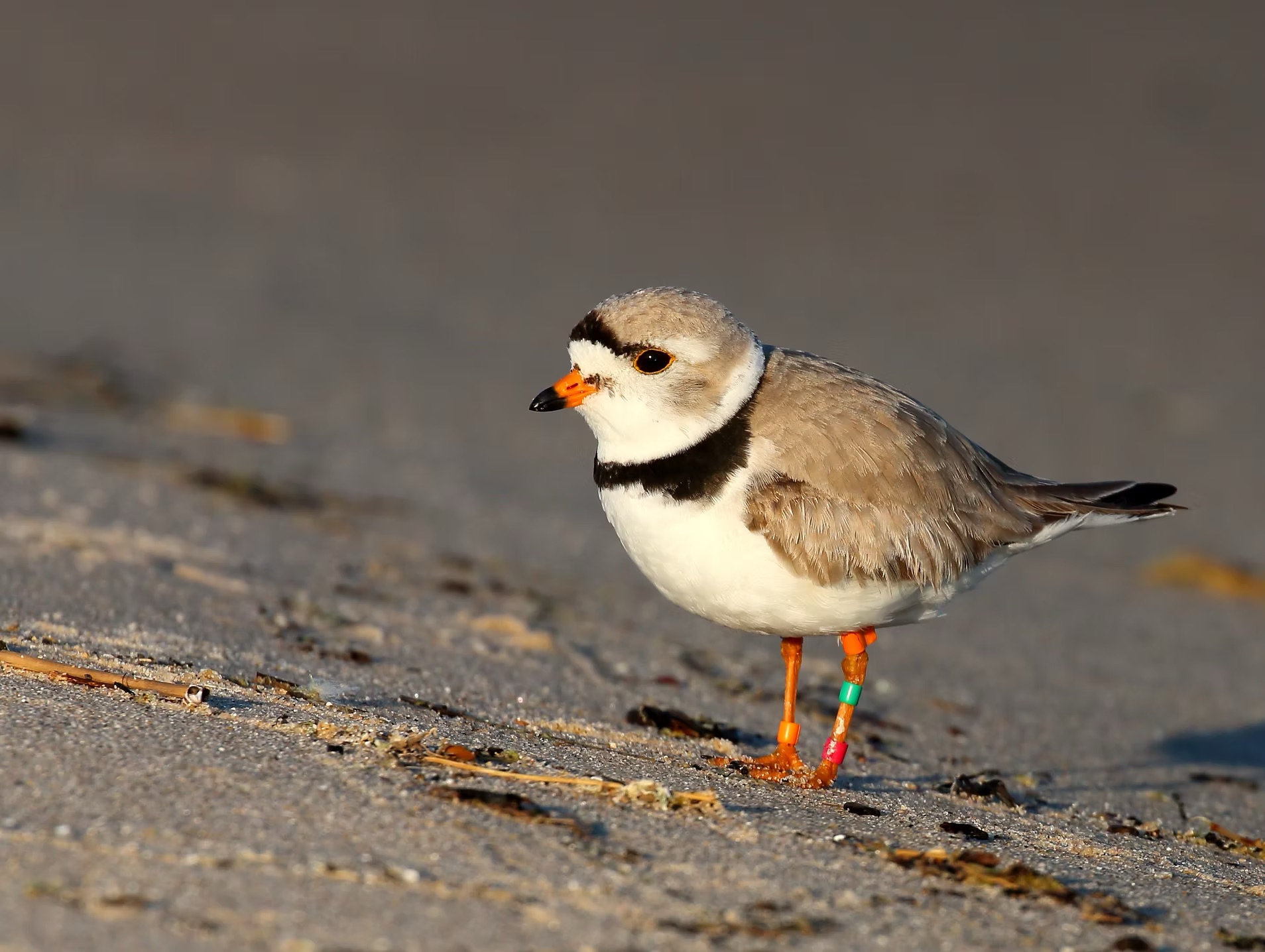
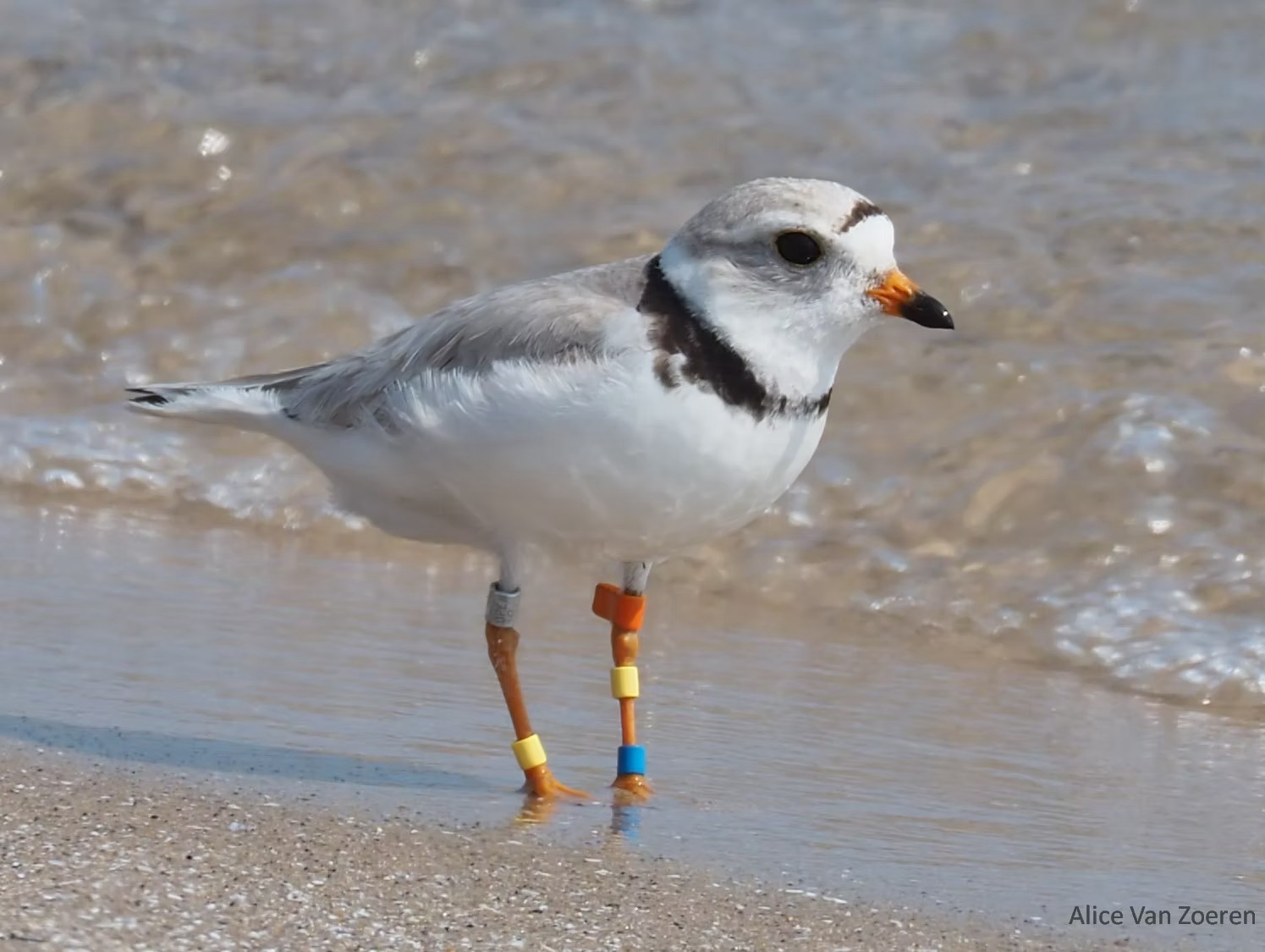
Regarding the distinctive bands, they say: Great Lakes Piping Plover chicks are banded between five and sixteen days of age. Since shorebirds are precocial (Like chickens, Piping Plover chicks begin running around, feeding themselves within hours of hatching), these chicks have well developed legs, which makes it possible for us to band them with adult-sized bands at a young age. The bands we use are made of either plastic or aluminum, and they are very lightweight. Every sibling in a plover brood gets the same color and arrangement of three or four bands (depending on the band color-pattern used). This is called a “brood-marker combination”. There aren’t enough possible combinations available to give every chick their own unique identifier from hatching, but by giving the chicks from the same family, or brood, the same combination we can study such things as parental success, fledging rates, and return success.

Here’s a few more Piping Plover pics – visit greatlakespipingplover.org for more and to help support their work!
Support Michigan in Pictures with Patreon

Piping Plover Protection

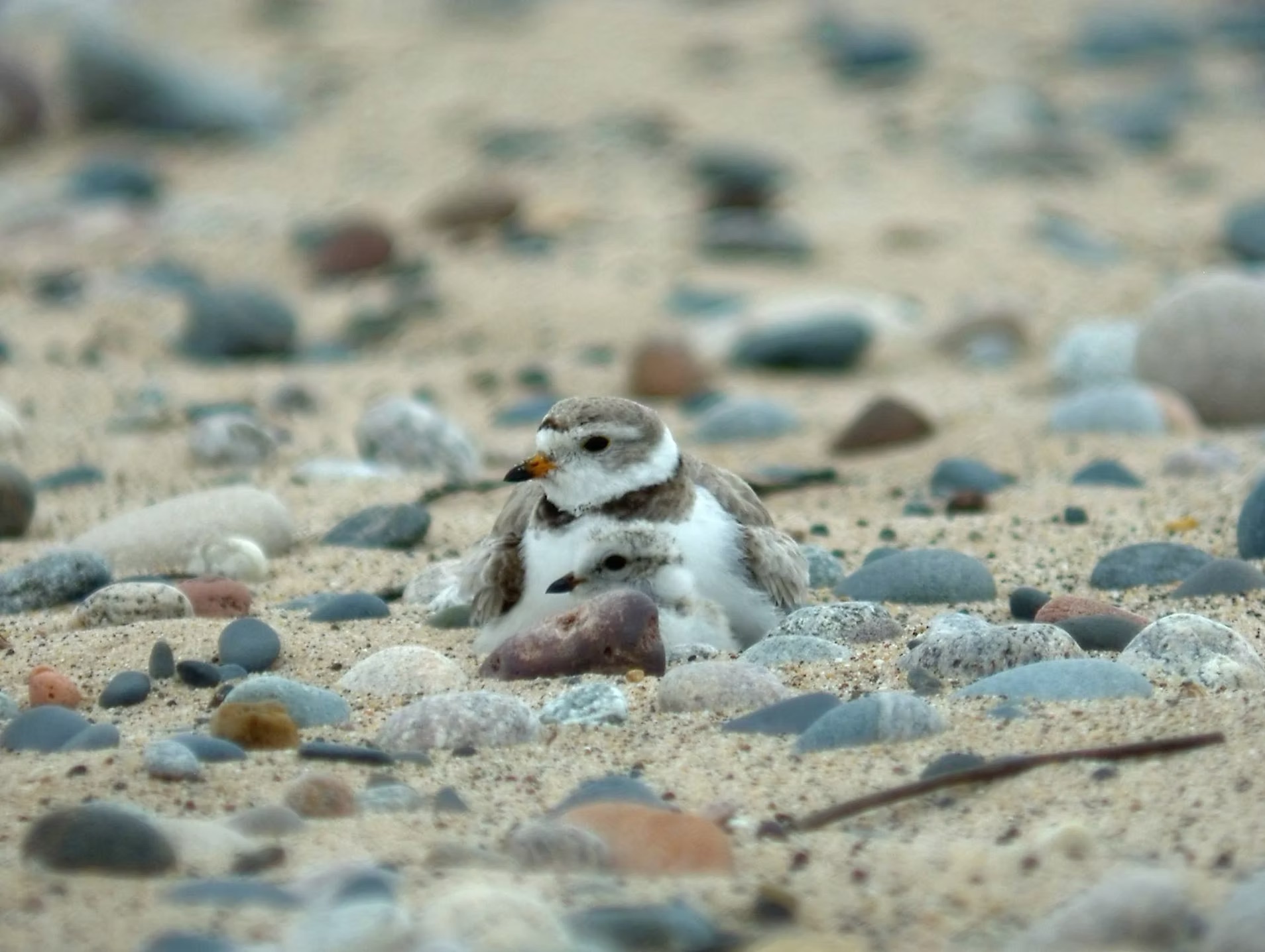
Piping Plover Chick by Bill VanderMolen

If you’re on the Lake Michigan shore this weekend, there’s a chance you may see one of these small shorebirds scurrying along the water’s edge with some unique legwear. The Sleeping Bear Dunes National Lakeshore page on piping plovers begins:

The Piping Plover (Charadrius melodus) is an endangered shorebird. They are sand-colored on the back and white below. During the breeding season adults have a black forehead band between the eyes and a single black band around the neck. (Its larger relative the Killdeer is commonly seen at parks, playgrounds, and golf courses, and has two dark bands around the neck.) Piping Plovers nest only on beaches and prefer beaches with cobble. There are three small populations: one in the Great Plains, one on the Atlantic Coast, and the one here in the Great Lakes. They winter together on the Gulf Coast but travel to the separate areas during the breeding season.

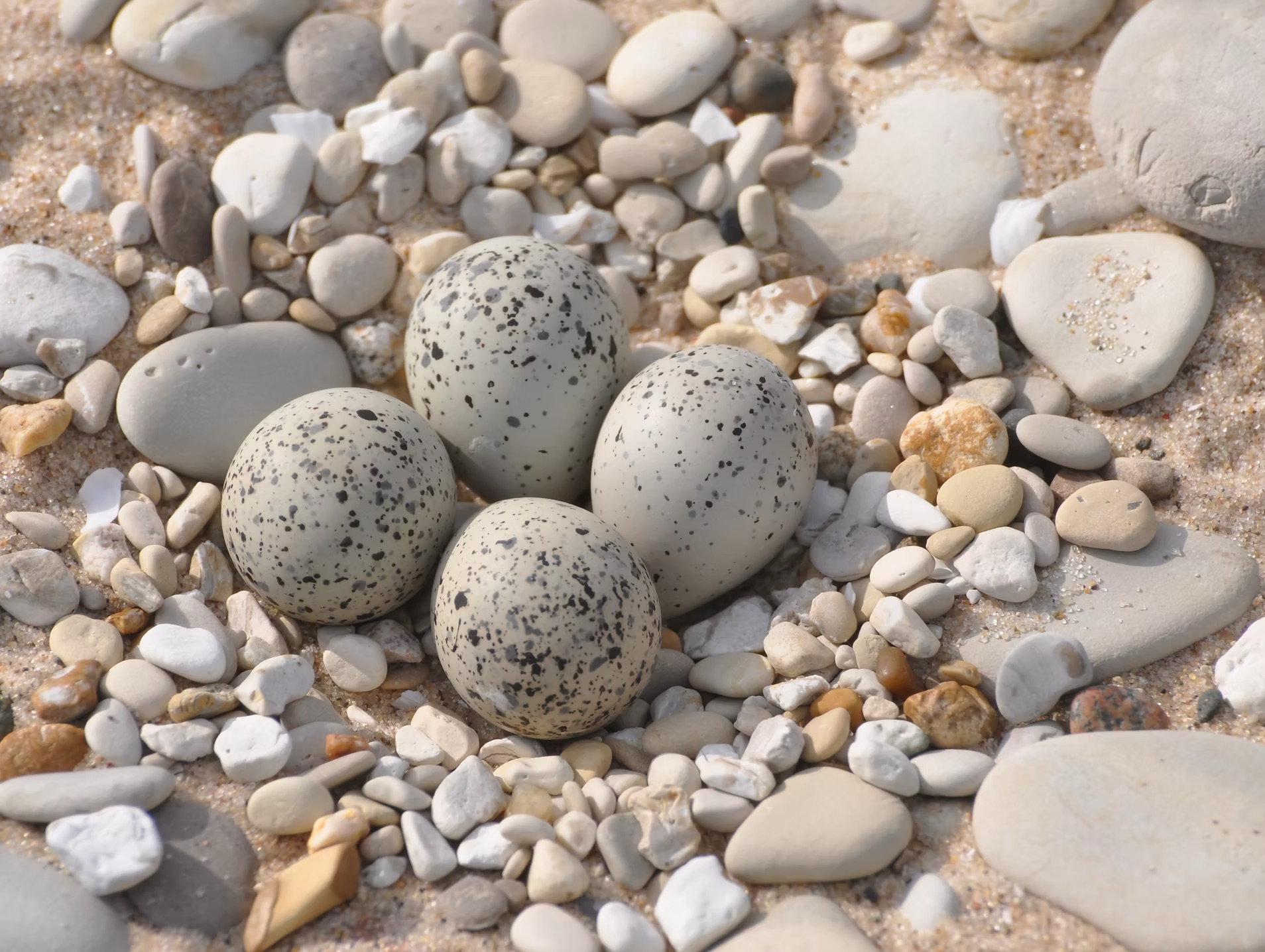
…The greatest concentration of piping plovers in the Great Lakes occurs at Sleeping Bear Dunes National Lakeshore. The areas around the nests are roped off during the breeding season to protect the birds from disturbances that would cause them to abandon their nests. Also, plover eggs and small chicks are very well camouflaged. Well-meaning plover watchers could easily step on them if allowed in the nesting area.

…As part of the piping plover monitoring and recovery efforts, each bird is banded with colored bands that identify it. Color bands allow researchers and park staff to keep track of longevity, faithfulness to nest sites and mates, and genetics, among other things.

Lots more including pictures on the Park website.

Bill took this back in July of 2018. See his latest on Instagram!

Support Michigan in Pictures with Patreon

Of rockets & plovers

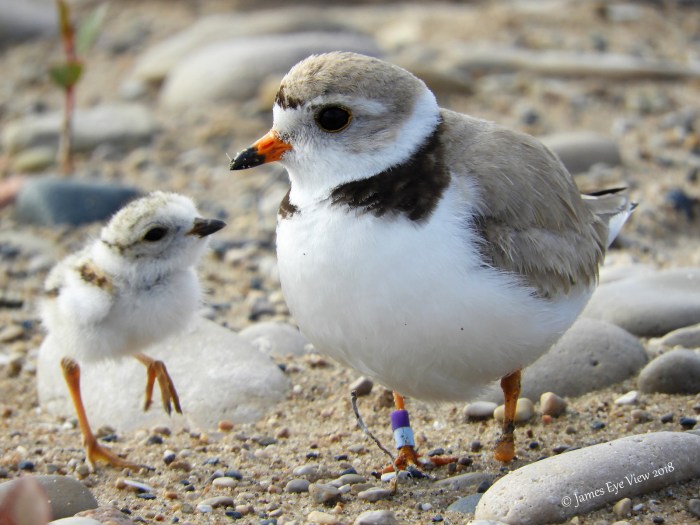
Piping Plovers by JamesEyeViewPhotography

Piping Plovers by JamesEyeViewPhotography

“Musk is a very smart man. But he either was ignorant of the ecology out there or he felt his project was so much more important that it really didn’t matter what he did to the area.”
-Texas environmentalist Jim Chapman.

This article about the impact of Elon Musk’s Space X launchport on its neighbors spiked my blood pressure this morning. It’s bad enough hearing the dashed retirement dreams of Celia Johnson, a former Michigan social worker. The realization that it also impacts piping plovers, a beloved & endangered seasonal resident of the Great Lakes State, turned my anger up to 11:

The company’s presence, while welcomed by local politicians lured by the promise of taxable income and employment opportunities, has become a nightmare for many residents and wildlife conservationists attempting to protect the sensitive habitat surrounding the development.

Since SpaceX started construction in late 2015 and testing rockets in 2019, explosions have showered debris across previously unspoiled tidal flats and blown out residents’ windows, including Johnson’s. Rare species of birds like the piping plover and mammals have dwindled, and intense periods of construction and testing have closed off public access to the beach for more days than were authorized by the Federal Aviation Administration, which has federal oversight of the development. The company has also installed bright floodlights to illuminate the road and construction site.

…“This is a very important area for migratory birds as it’s a huge stopover area,” said Jared Margolis, a senior attorney at the Center for Biological Diversity, who submitted comments to the FAA questioning the legality of the SpaceX expansion. “Even a power plant would be concerning. But here you have giant rockets powered by methane that tend to explode, causing debris and noise impact, and we want to make sure the impacts are mitigated.”

Amid the constant construction noise, truck traffic, enormous floodlights over the site and debris from explosions, some species have already dwindled at an alarming rate, said David Newstead, director of the Coastal Bird Program for the Coastal Bend Bays & Estuaries Program, a nonprofit group that works to protect the area’s bays and estuaries.

Newstead conducted a study of the local population of piping plovers, sparrow-sized shorebirds that nest and feed in coastal sand and are protected under the Endangered Species Act. He found that the population halved from 2018 to 2021, correlating closely with the intensity of SpaceX operations in the area.

Read more at NBC News & here’s hoping the tiny piping plover can weather the storm. Tou can read more about them in this Leelanau.com piping plover article featuring another photo from James!

James took this photo back in the summer of 2018 in the Sleeping Bear Dunes National Lakeshore, one of the primary nesting areas for piping plovers. See more in his Summer gallery & for sure view and purchase his work including 2022 calendars on his website.

Support Michigan in Pictures with Patreon

Biodiversity is not a dirty word

Piping Plover

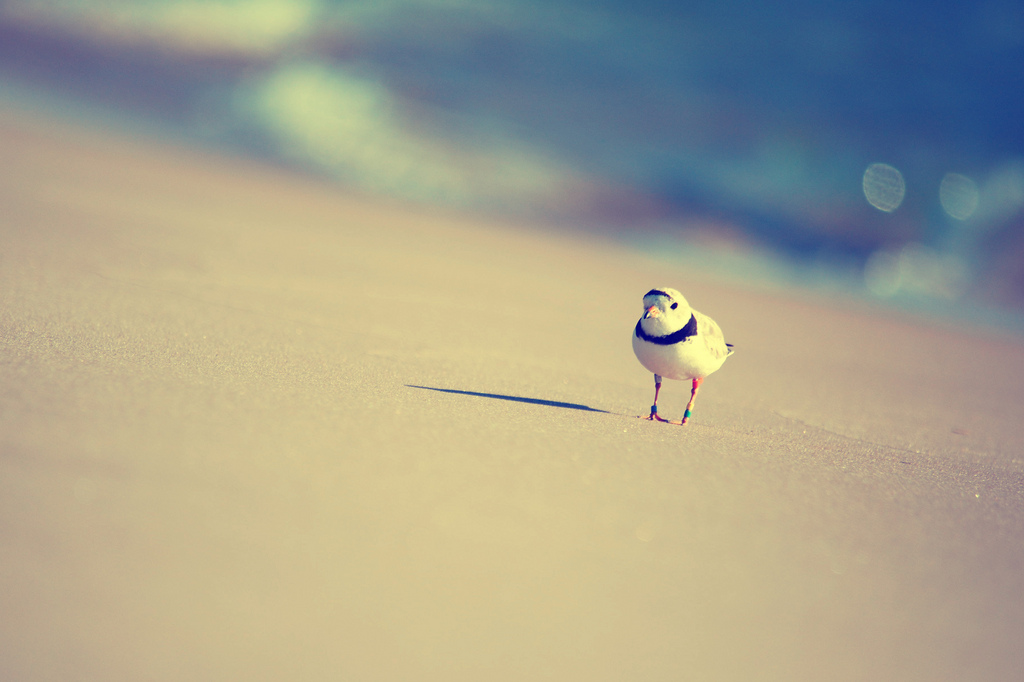
Untitled, photo by Anna Lysa

Sorry to mess up your holiday week with a bit of advocacy on the behalf of Michigan’s natural environment, but yesterday via Michigan Radio I learned of the very disturbing Senate Bill 78 that’s headed to Governor Snyder for signature or veto. The bill would forbid DNR from preserving biodiversity in forests and parks:

More than 130 scientists and the state’s environmental groups are calling on Gov. Rick Snyder to veto a bill they call anti-science. The bill would forbid the Michigan Department of Natural Resources from protecting native wildlife and plants on the pure merits of protecting nature.

  • The bill would prohibit the Department of Natural Resources from managing state lands for biodiversity.
  • It would prohibit the agency from managing forests for restoration.
  • It would end work to eliminate invasive species.
  • It would strike from the law the finding that most losses of biological diversity are the result of human activity.

Read on for more, and here’s the text of Senate Bill 78. If you’re so inclined, feel free to tell Gov. Rick Snyder what you think. I know that messages to our elected officials really do make a difference.

View Anna Lysa’s photo from July of 2012 at Ludington State Park bigger and see more in her Michigan slideshow.

PS: As I read it, piping plover would not be impacted by this as the species with just 8,000 adults is federally protected. I just picked them because they’re a recognizable species that has benefitted from extensive preservation efforts, some of them in the Sleeping Bear Dunes National Lakeshore in Michigan.

Here’s the piping plover and more of Michigan’s endangered plants and animals on Michigan in Pictures.