River Otters and the Detroit River comeback

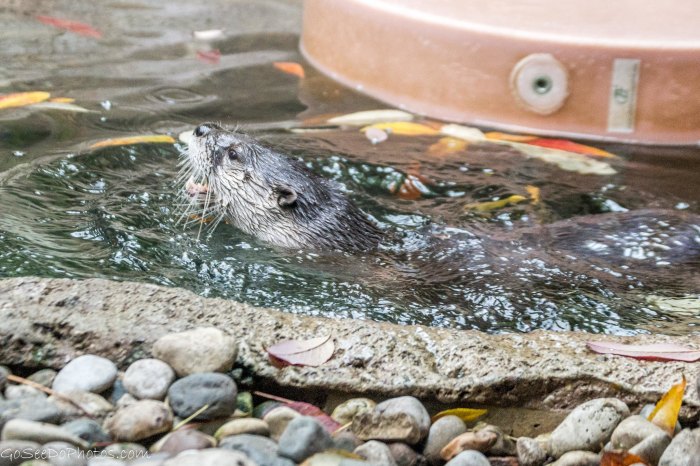
River Otter by Ashleigh Mowers

River Otter by Ashleigh Mowers

Great Lakes Now has an excellent feature on the return of river otters to the Detroit River that says (in part):

On the cool morning of April 25, doctoral student Eric Ste Marie from the University of Windsor’s department of integrative biology went out for a walk with his partner along the Detroit River prior to an anticipated long day in his lab. Much to his surprise, he saw an animal pop its head out of the water. It was too big to be a mink and, as it dove, he noticed that it did not have a flat beaver tail. Ste Marie ran out to the end of a pier beneath the Ambassador Bridge to get a closer look to check, and there it was: a river otter.

River otters were quite common in southeast Michigan, including the Detroit River, up through the arrival of European explorers and fur traders,” said Gearld P. Wykes, a historian from the Monroe County Museum System. “During the fur trade era, they were much sought after for their fur, along with beaver. Based on historical records, river otters were likely extirpated from the Detroit River in the early 1900s.”

In 1986, the Ohio Department of Natural Resources reintroduced river otters into high water quality rivers and streams in eastern Ohio. The river otters thrived. As their population grew, they began to move westward – what scientists call expanding their range. By the early 2000s, they had found a home in western Ohio, particularly near Cedar Point and Ottawa National Wildlife Refuge, just east of Toledo.

…Biologists studying the Detroit River and resource managers have been excited about the possible range expansion of river otters into the Detroit River. There have been a few anecdotal reports from citizens, but no photographic or videographic proof until Ste Marie was greeted with that ecological surprise on the morning of April 25.

…River otters are considered an indicator species, and their return to the Detroit River after an absence of more than 100 years is a hopeful sign of improving watershed conditions.

Ashleigh took this back in 2016 in Detroit at the Detroit Zoo. Hopefully she gets a shot of them in the wild! See more in her Detroit gallery on Flickr & for sure check out her Go See Do Photography website for more great pics!

More about River otters on Michigan in Pictures.

Support Michigan in Pictures with Patreon

Otter at Otter Lake

Otter at Otter Lake by Nicholas McCreedy

Otter at Otter Lake by Nicholas McCreedy

Nicholas writes that this otter spotted him at Otter Lake in the Sleeping Bear Dunes National Lakeshore. See a couple more shots & follow him on Facebook!

Support Michigan in Pictures with Patreon

Say hello to North American river otters on World Otter Day!

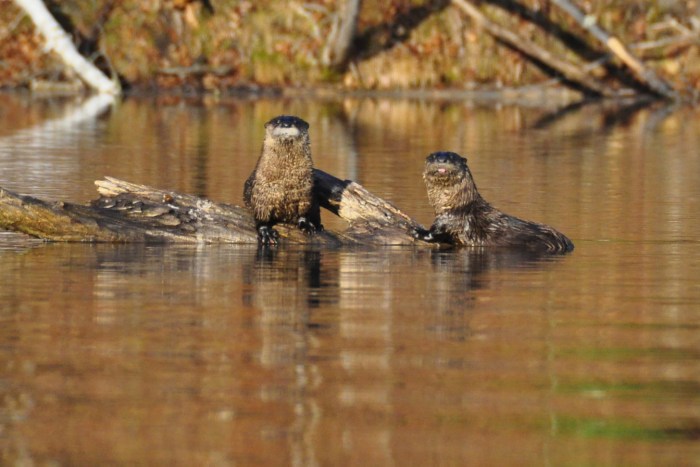
Otters by Brent West

Otters by Brent West

Today (May 27) is International Otter Day, created by the International Otter Survival Fund to raise awareness of their work protecting, conserving, and caring for otters everywhere. Environment Michigan shares five great things about Michigan native otter, the North American River Otter:

1. They’re good fishers
Otters spend most of their life around water, and fish typically make up the majority of their diet. These members of the weasel family travel vast distances along waterways and over land to fish other areas. They’re good explorers, often setting up multiple dens away from their homes to find the best fishing spots.

2. They’re good swimmers
River otters’ sinuous, streamlined bodies and long tails propel them through water with ease. They can turn on a dime while swimming, and hold their breath underwater for up to eight minutes. With populations in nearly every state in the U.S., their thick, warm and waterproof coats allow them to swim in very cold environments.

3. They have fun
River otters are playful animals, and as far as we can tell, they’re often having a good time — swimming, fishing, sliding, wrestling, chasing each other, and just generally having a blast. We hope to be so lucky this summer!

4. They play a key role in aquatic ecosystems
River otters need clean, watery habitat with plenty of prey, so they are a key indicator of the health of a waterway. River otters are not found in highly-polluted watersheds.

5. When we appreciate river otters, we also appreciate clean water
In the face of pollution and uncontrolled development, river otters were once eradicated from many portions of the country. Conservation, re-introduction efforts, and national legislation like the Clean Water Act have helped bring them back from the brink.

Though river otters have returned to much of their historic range, their overall population today is estimated at only 100,000. To protect the river otter, we must protect our rivers, lakes, and streams from pollution and destruction. River otters give us just one more reason – a very cute reason – to stand up for our waterways.

Brett took this way back in 2010. See more in his Random photo album.

Support Michigan in Pictures with Patreon