Pontiac’s Rebellion at Michilimackinac

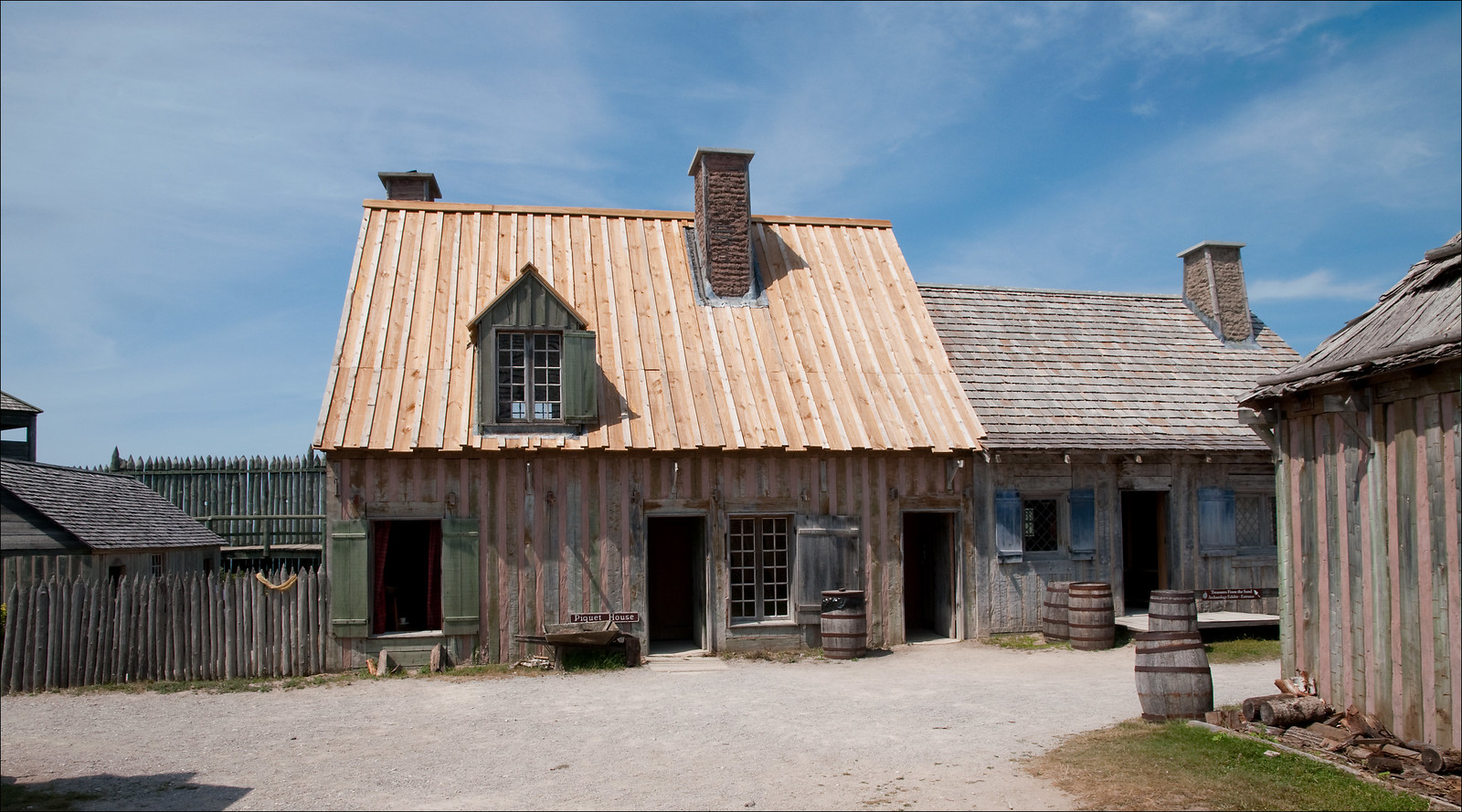
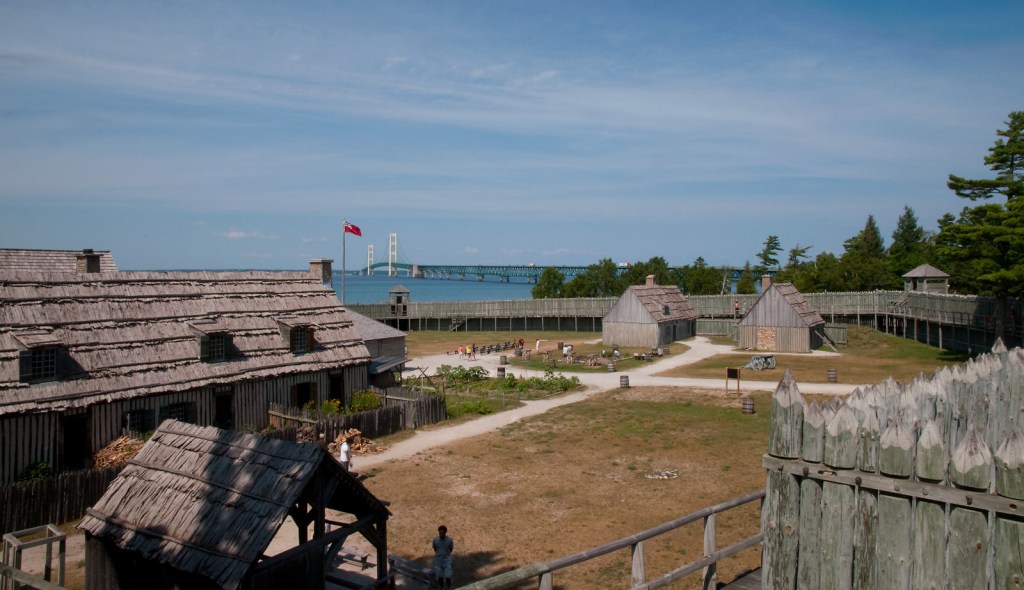
The Fort and the Bridge by Joel Dinda

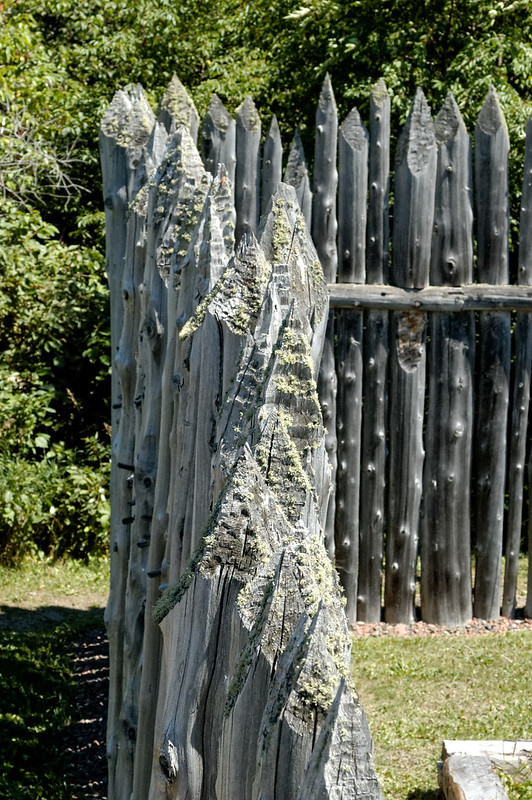
The Fort and the Bridge by Joel Dinda

Be sure to read all the way to the end for a super cool song about this from Michigan’s own Mustard’s Retreat!

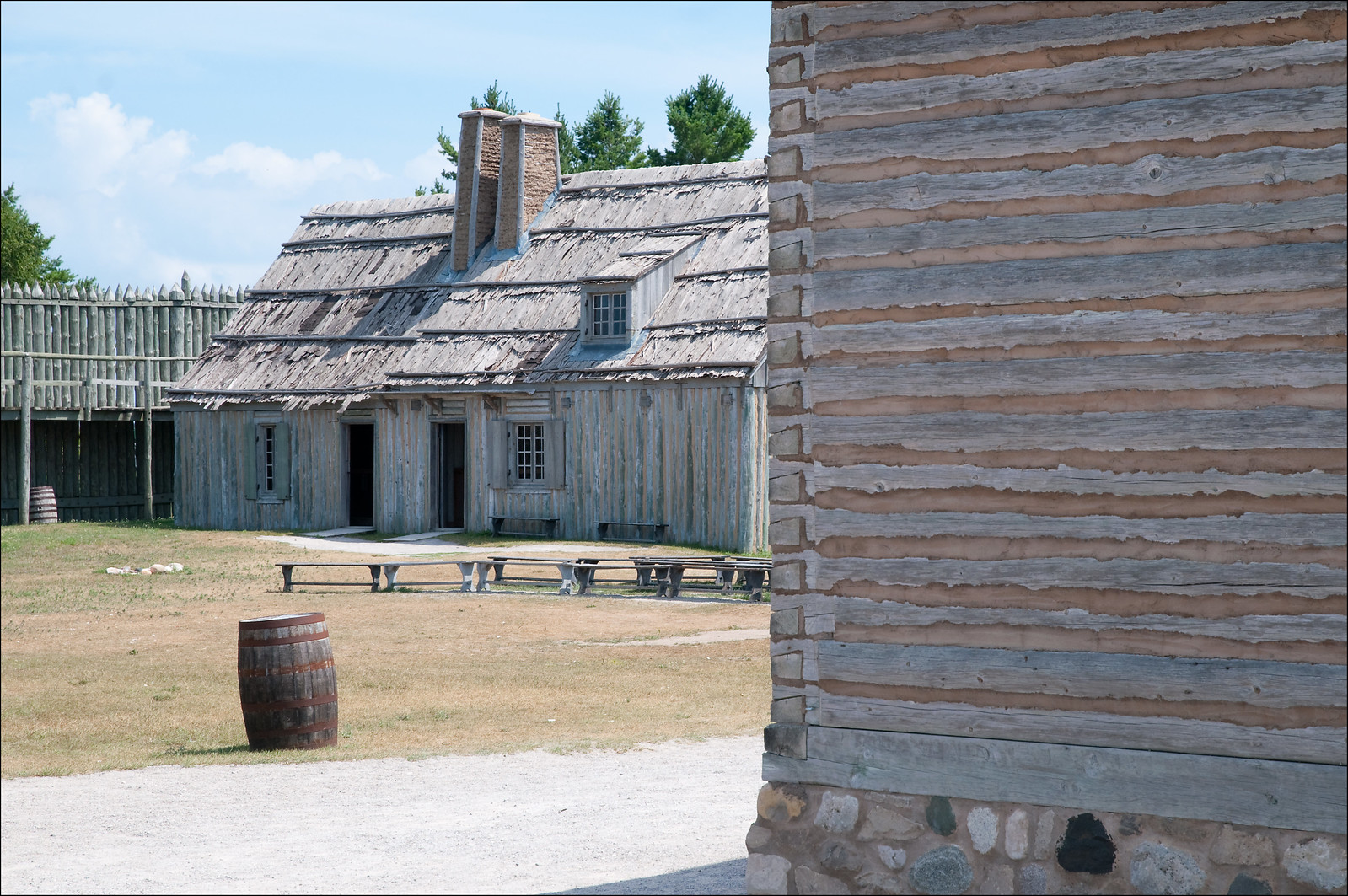
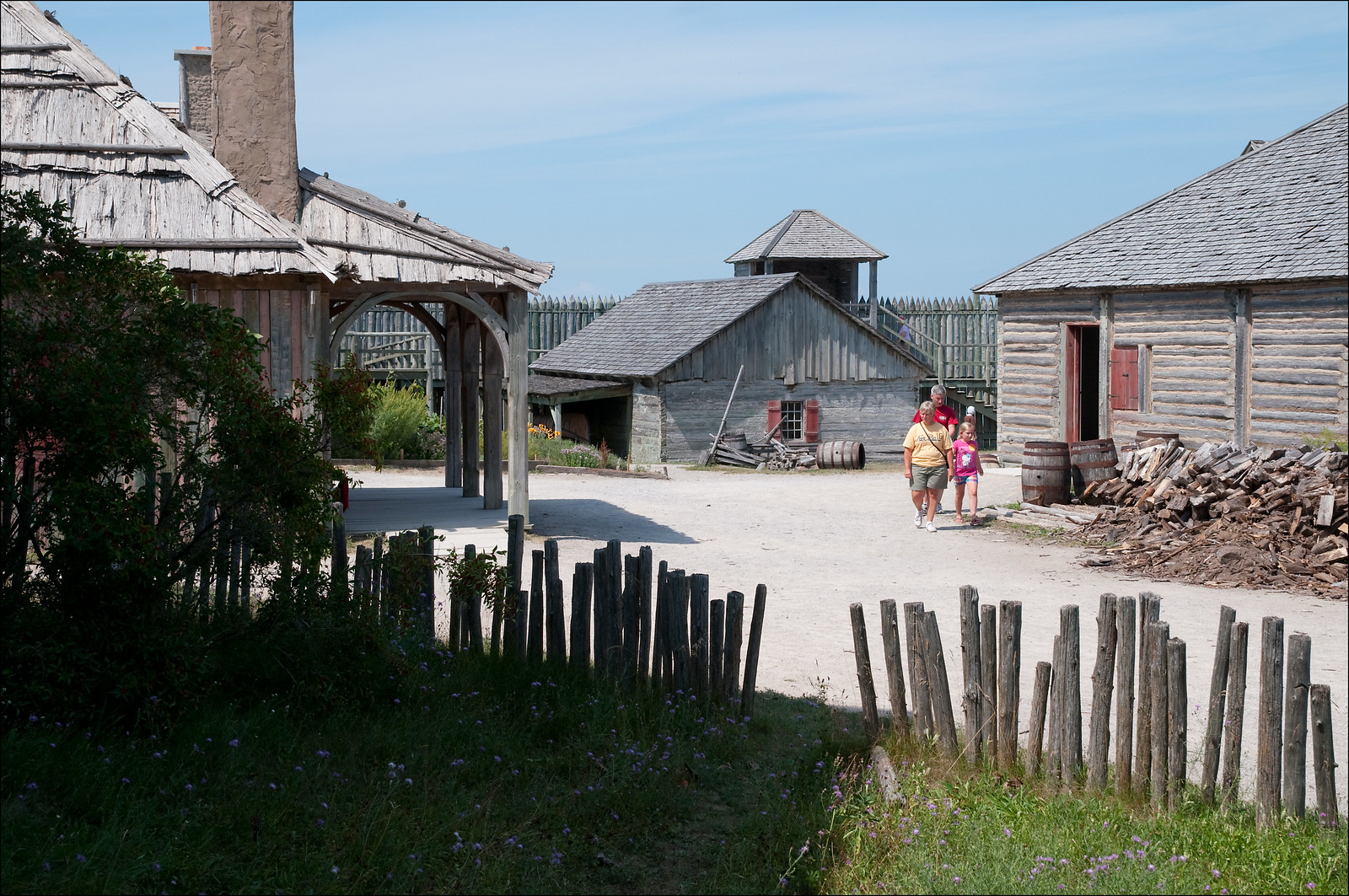
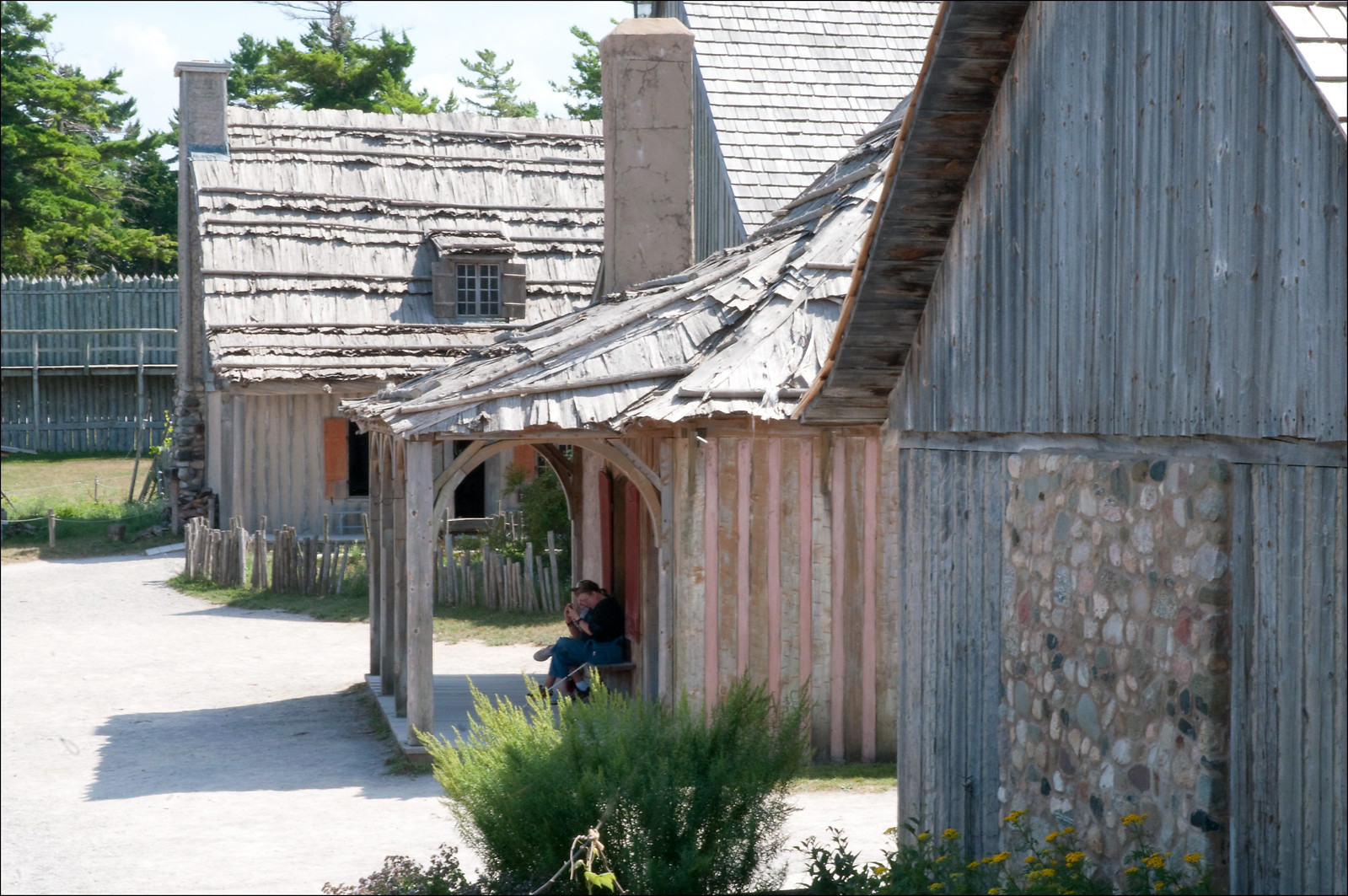
In 1715, the French founded the fortified community of Michilimackinac on the south side of the Straits of Mackinac in what is now Mackinaw City. Michilimackinac became an important center of the Great Lakes fur trade where thousands of Native Americans and French-Canadian voyageurs gathered at the post every summer, a pattern that was unchanged until the British took over the post. Lissa Edwards of Traverse Magazine details how the commandant of Fort Michilimackinac was invited to watch a game of baggatiway (lacrosse) between the Ojibwe and Sauk June day in 1763 writing (in part):

Under an unusually hot sun on a late spring day on the Straits of Mackinac, British Major George Etherington, commandant of Fort Michilimackinac, was suffering from an acute case of cultural blindness. And there was no excuse for it. Relaxed at the sidelines of a rousing game of baggatiway (similar to lacrosse) outside the fort, the major should have seen the danger signs in this Ojibwe versus Sauk contest of sweaty, half-naked bodies painted with white clay and charcoal.

…Though well armed, his garrison of 35 or so soldiers was vastly outnumbered by the hundreds of Indians encamped around it, there to exchange furs for wares—steel tomahawks and knives included—from French Canadian traders. That there’d been a run on tomahawks of late didn’t seem to worry the major. And he was only irritated by warnings from the many French Canadians who lived at the fort that the Indians were planning an uprising. He threatened to have the next person who spread similar gossip locked up down at Fort Detroit. The unwitting Etherington had not yet heard that Fort Detroit was under siege, attacked several weeks before by a coalition of tribes led by Pontiac, the Odawa chief. Foreseeing that English domination spelled the end of his people’s lifestyle, Pontiac had just begun his famous rebellion.

…It happened in seconds. A frenzy of sweaty, painted bodies clamoring for the leather-wrapped chunk of wood that was the ball as it fell at the mouth of the open gate. The women opening their blankets and handing off knives and tomahawks to the athletes-turned-warriors. Shrieks, screams and blood. Etherington and his lieutenant, William Leslye, whisked off to the woods—as the other fort officer and likely the only soldier armed that day, Lieutenant Jamet, was killed. The plan so carefully laid by Minweweh and Madjeckewiss, cohorts of Pontiac, was executed flawlessly. The attack and the events that followed were recorded in the painfully descriptive memoirs of Alexander Henry, who—at the time of the attack—was a young English fur trader staying at the fort. “Going instantly to my window I saw a crowd of Indians within the fort furiously cutting down every Englishman they found,” Henry wrote.

Read on for much more including the fate of Alexander Henry in this excellent recounting, and learn much more about Colonial Michilimackinac from Mackinac State Historic Parks.

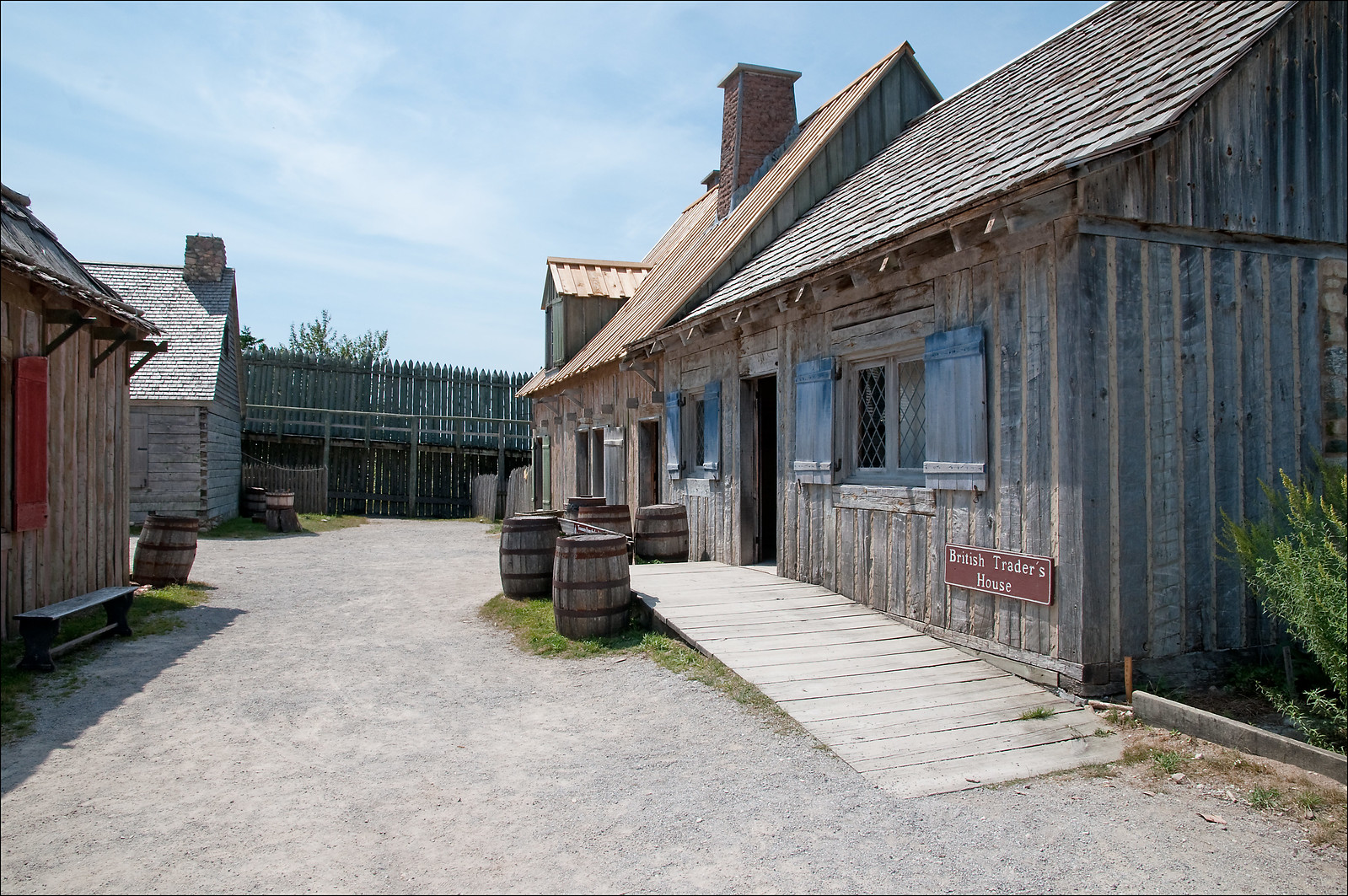
Joel noted Pontiac’s victory & that the British constructed the more serious Fort Mackinac on Mackinac Island as a result of this when he posted this back in 2011. See more below & in his Colonial Michilimackinac gallery on Flickr and follow him there. You can also see his photos in the Michigan in Pictures group on Facebook and explore his archive on Smugmug.

Much more from the Straits of Mackinac on Michigan in Pictures!

Support Michigan in Pictures with Patreon

Anangong Miigaading: A New Hope for Anishinaabemowin?

Jedis From Tiger Stadium? by Sean Doerr

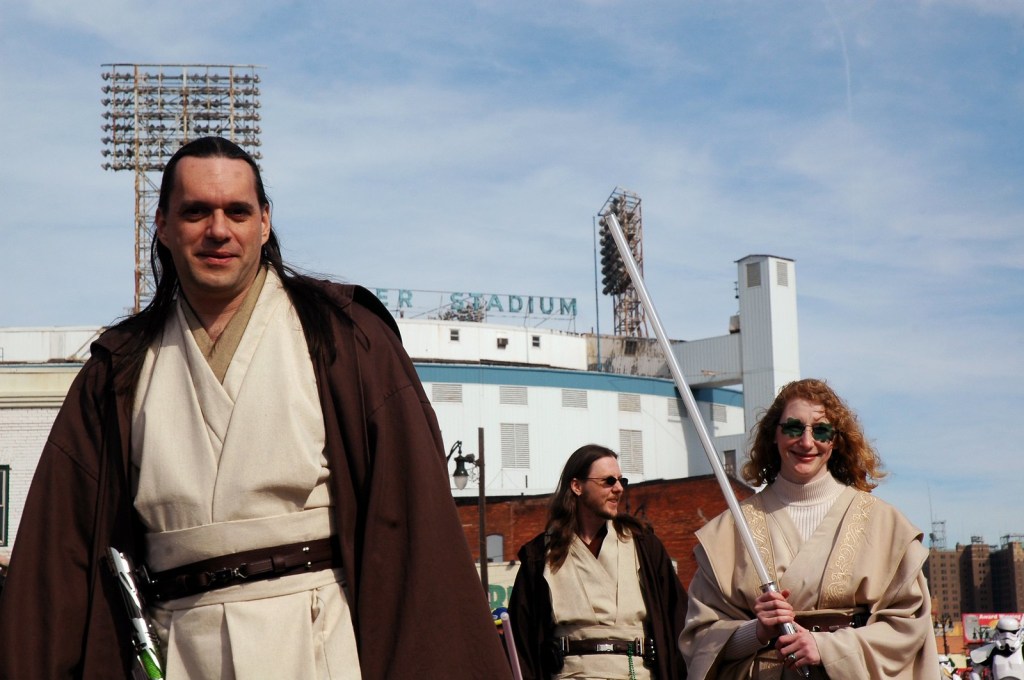
Jedis From Tiger Stadium? by Sean Doerr

Leelanau.com shares that the film Anangong Miigaading, the original Star Wars- A New Hope from 1977 that is dubbed entirely in the Anishinaabemowin (Ojibwe) language premiers TONIGHT at the State theatre in Traverse City. I encourage you to check it out if you’re close enough, but even more I am encouraging you (yes you, Michigan loving reader) to contact your local theater and urge them to bring a showing one of the most powerful films of all time in the language of the land you live in.

Sean took this photo at the 2007 Detroit St Patrick’s Day Parade way back in 2007. Click that link to view more. You can also listen to an Interlochen Public Radio interview of Theresa Eischen (voicing Princess Leia) about what drew her to the project: check out the trailer for Anangong Miigaading (Star Wars- A New Hope) below!

Support Michigan in Pictures with Patreon

Restoring Sturgeon to Michigan Waters

2024 Boardman-Ottaway River Sturgeon Release Ceremony

via Leelanau.com

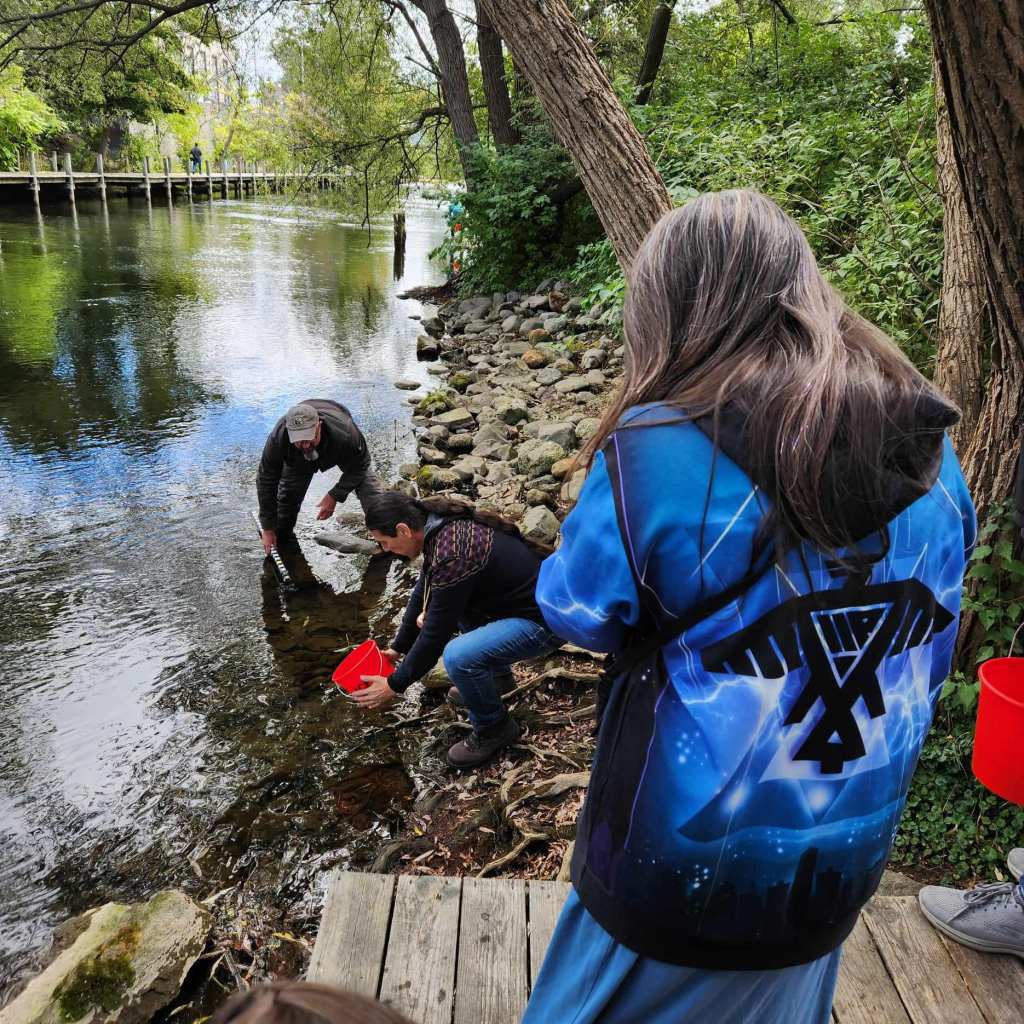
On Saturday the Grand Traverse Band of Ottawa and Chippewa Indians held their first annual Sturgeon Release Ceremony to return Nmé (Lake Sturgeon) into the Boardman-Ottaway River. The event included a ceremony, prayers, food, drinks, and a community release of hundreds of juvenile Nmé. The photo shows Percy Bird releasing a young sturgeon into the Boardman-Ottaway.

Michigan Sea Grant shares that lake sturgeon live longer than any other fish species in Michigan with males living an average of 55 years and females 80-150 years. Despite their long lives, sturgeon are very slow to mature. It takes about 15 years for male lake sturgeon to reach reproductive maturity and 20-25 years for females. In early spring, adult sturgeon enter fast-flowing rivers to spawn. Female lake sturgeon spawn once every four years, each depositing million of eggs on gravel bars. It is estimated that only about 10-20 percent of adult lake sturgeon within a population spawn during a given year.

Thank you to the GTB Natural Resources Department & Grand Traverse Band members and all who were part of restoring balance to Michigan’s waters. Also thank you to my friend Holly T. Bird who shared this photo with me. She doesn’t have a photography website, but she is the co-executive director of the amazing organization Title Track that uses creative practice to build resilient social-ecological systems supporting clean water, racial equity, and youth empowerment.

Support Michigan in Pictures with Patreon

Knowledge written on stone: the Sanilac Petroglyphs

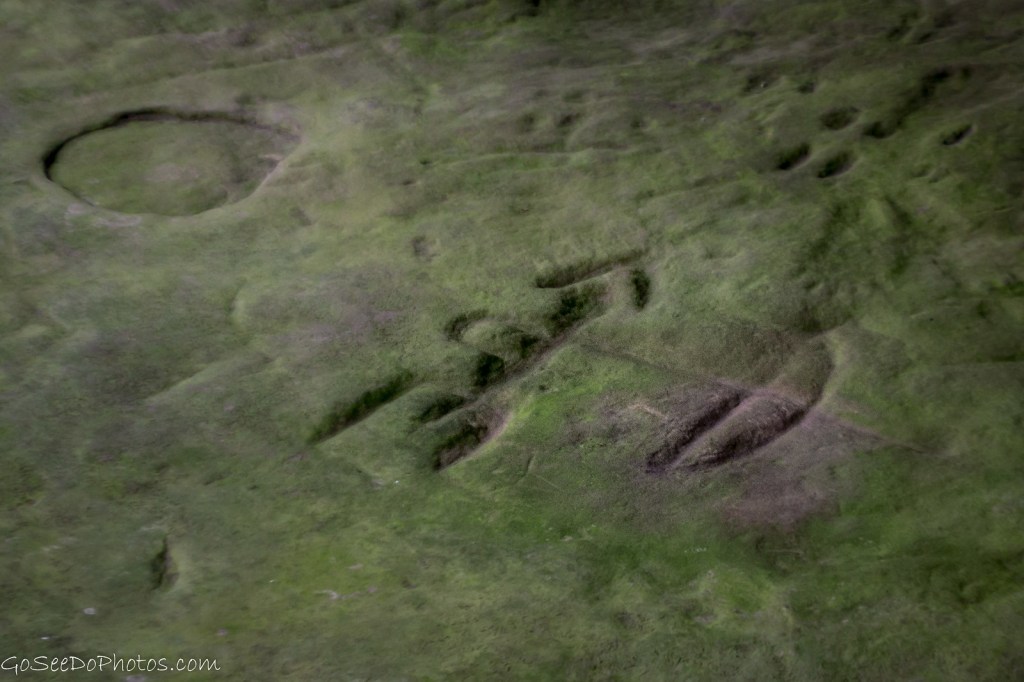
Petroglyphs by Ashleigh Mowers

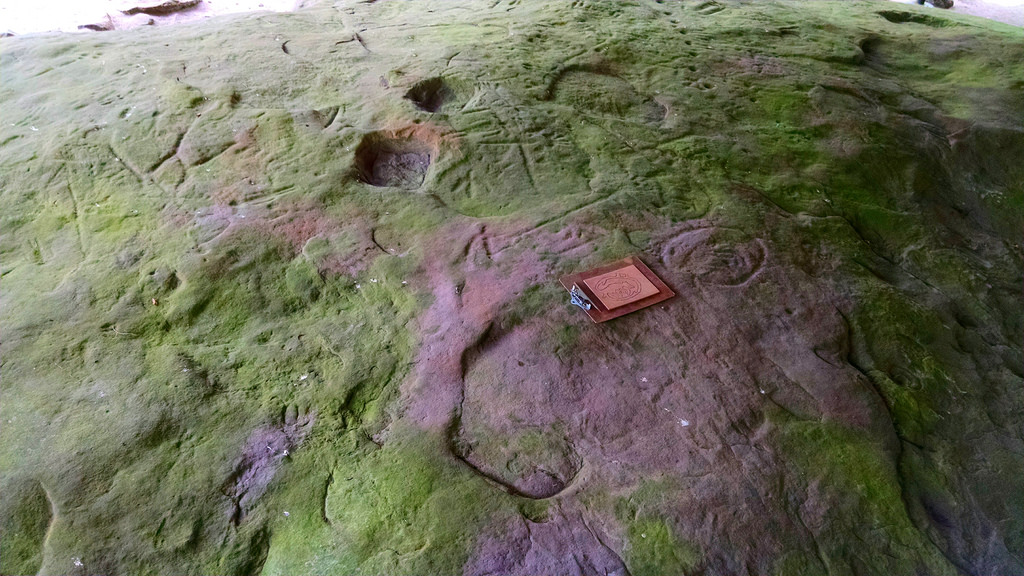
The Sanilac Petroglyphs Historic State Park in Michigan’s Thumb is the home of Michigan’s largest known collection of early Native American teachings carved in stone. The 420-acre park is open seasonally & managed jointly with the Saginaw Chippewa Indian Tribe of Michigan. The excellent Stateside Podcast shares that the name of the park in Anishinaabemowin is ezhibiigaadek asin, which means “knowledge written on stone” and says in part:

One of the most popular petroglyphs in the park is a figure of an archer, known in Anishinaabemowin as ebmodaakowet. The figure’s body is an arrow, as is his hat, and he holds a bow and arrow in his hands.

“Early on, when archeologists who were not consulting with tribes, you know, saw that, they thought, oh, surely this must be a hunting magic. They took it very literally. ” explained Tchorzynski. “But actually, this ebmodaakowet is actually shooting the arrow of knowledge seven generations into the future. And this was a carving that was left with great love and great affection for descendants in the future, to remind people of our responsibilities to be good ancestors, to preserve and remember, and our obligation to shoot the arrow of knowledge into the future as well. We all must be good ancestors.”

The fragile carvings are easily affected by natural forces. The Marshall sandstone is a very soft rock, and so many of the petroglyphs have faded naturally throughout the centuries. Over the years, the petroglyphs have also been damaged by human hands. Parts of them have been vandalized, and pieces of the stone have been chipped away and taken. In order to protect the carvings from degrading over time, a wooden pavilion was erected over the site. A rope now separates visitors from the rock.

Read (or listen to) a lot more at Stateside!

Ashleigh took this photo back in 2017. You can read her great writing about traveling in Michigan (and elsewhere) at Go See Do Explore. She has a brief article about her visit as well.

Support Michigan in Pictures with Patreon

Sanilac Petroglyphs by Leon Baker (don’t have a link for him anymore!)

Seven Generations of Walleye

Michigan Walleye by Sault Tribe Seven Generations

People who know history know that Ben Franklin & the Founding Fathers leaned heavily on concepts developed by the Haudenosaunee Confederacy (Iroquois) when developing our own system of governance. Personally, I feel it is a shame that we didn’t integrate the principle that in every deliberation, we must consider the impact of our decisions on the next seven generations.

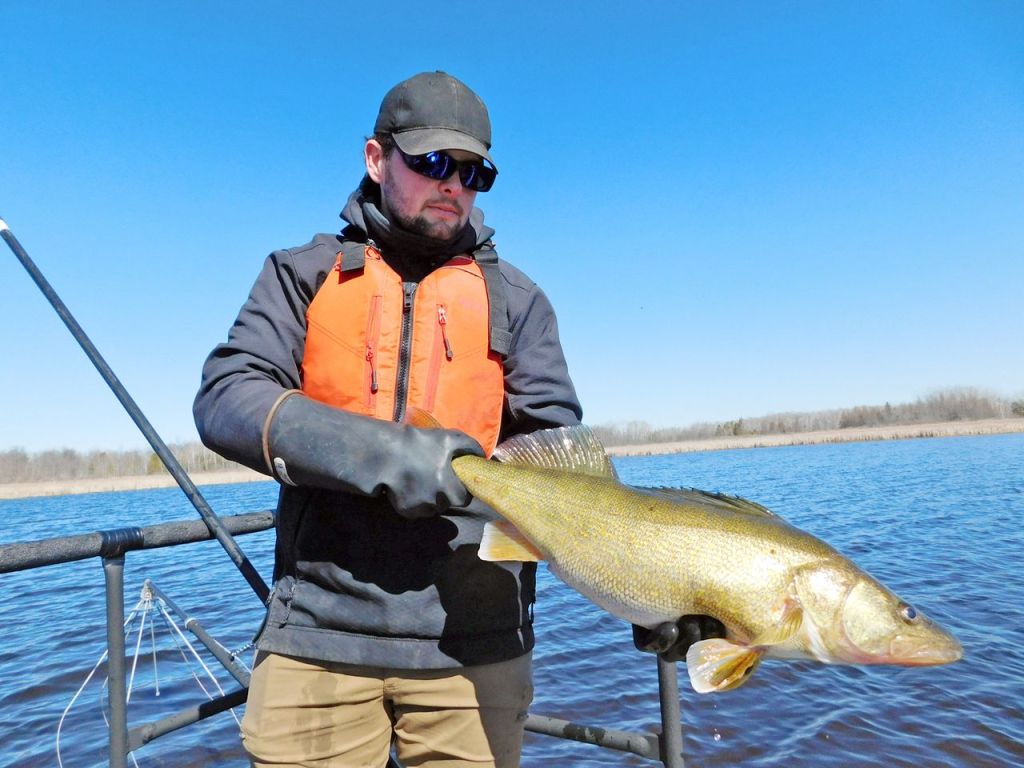
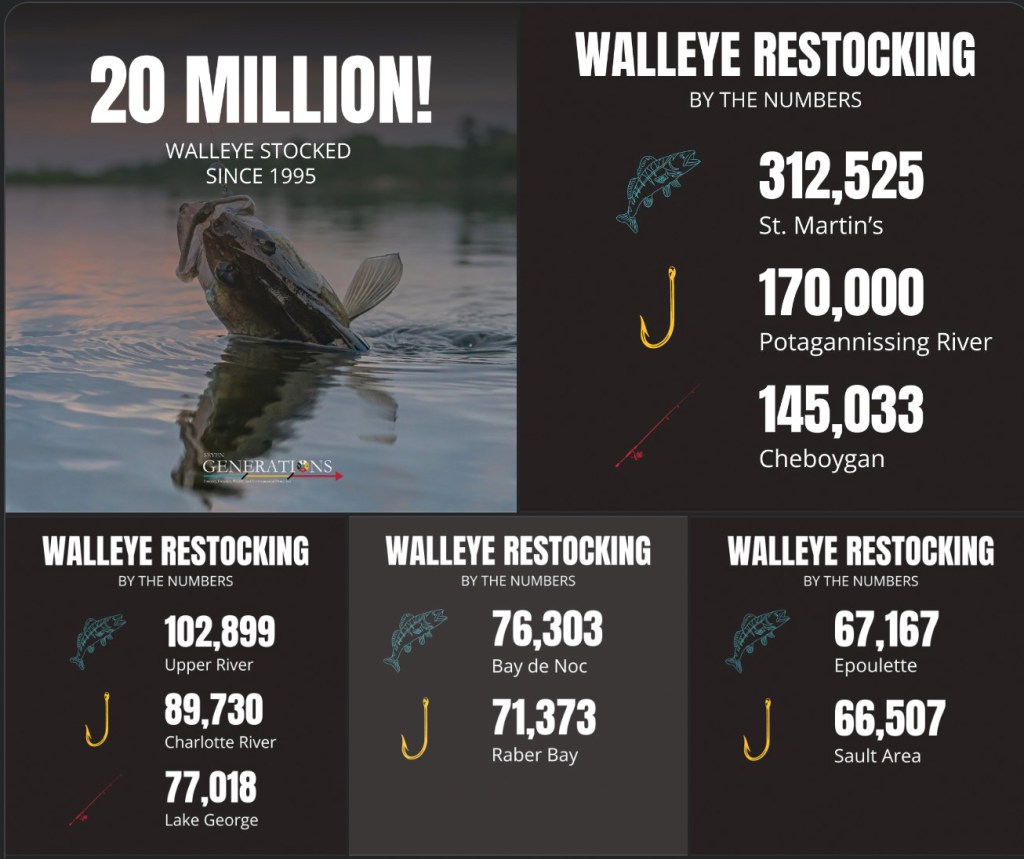
The Sault Ste Marie Tribe of Chippewa Indians definitely lives this principle every day. Sault Tribe Seven Generations just released their 20 millionth walleye into Michigan waters! They share:

This year we recorded our 20 MILLIONTH walleye stocked since our walleye hatchery program began in 1995! Last month we are very proud to have released more than 1 million walleye fingerlings into Northern Michigan waters. These fish contribute to a sustainable fishery while eventually providing meals for families and recreation for fishers.

Every year, our work contributes about 1/3 of all walleye fingerlings released into 1836 Ceded Territory waters!

Click through to read more!

Support Michigan in Pictures with Patreon

Petoskey stones: more than a souvenir

Petoskey Stone by Christopher Cerk

About 20 years ago, Rose Petoskey shared this story about her name. As a lot of you head to the beaches seeking Michigan’s state stone, I thought it was an excellent time to re-share this essay from Rose about her name and the importance of names in Native culture:

My name is Noozeen (Rose) Nimkiins (Little Thunder) Petoskey (Rising Sun) and I am Anishinaabek.

Many people would associate the word Petoskey with the souvenir stone found on the northern Lake Michigan shorelines. However, to my family, the word Petoskey represents much more than a souvenir.

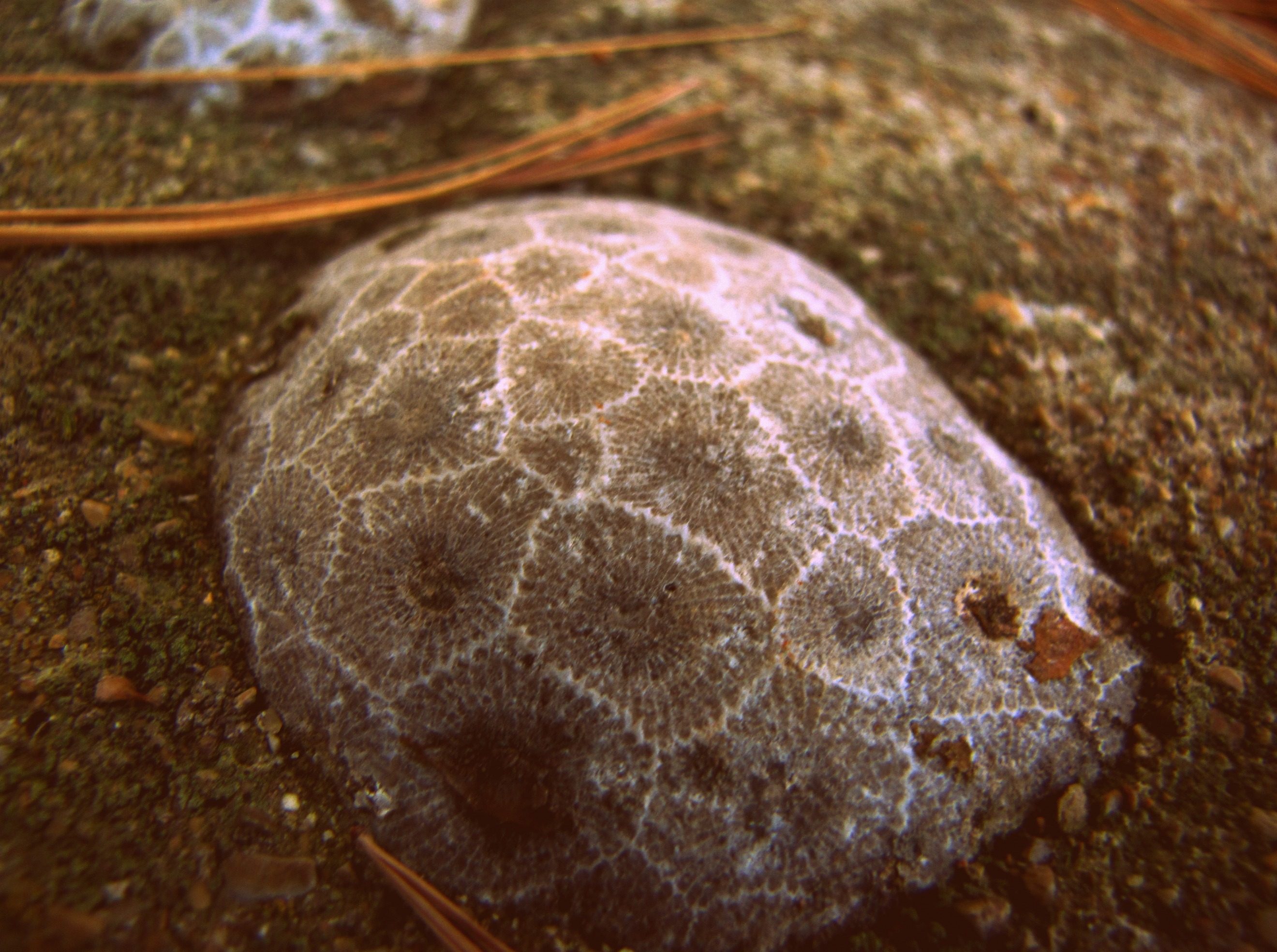
In the Odawa language, the word Petoskey (Bii-daa-si-ga) means the rising sun, the day’s first light, or the sun’s first rays moving across the water. The Petoskey stone is a fossilized coral created by impressions made in limestone during the last Michigan ice age. These stones were named “Petoskey” because the impressions resembled the rising sun coming up over the water. Just as the image of the rising sun is implanted within the Petoskey stone, the archaeology of a person’s names is implanted within. All names within our Anishinaabek culture reflect an individual’s personal history. Rocks go deep, but names go much deeper to reveal the stories of the past.

As an update, Rose Nimkiins Petoskey is now Senior Advisor to the White House Office of Intergovernmental Affairs and Director of Tribal Affairs for the Biden-Harris Administration which is pretty darned cool!!

Christopher took this photo back in 2012. See more in his Flickr!

Support Michigan in Pictures with Patreon