
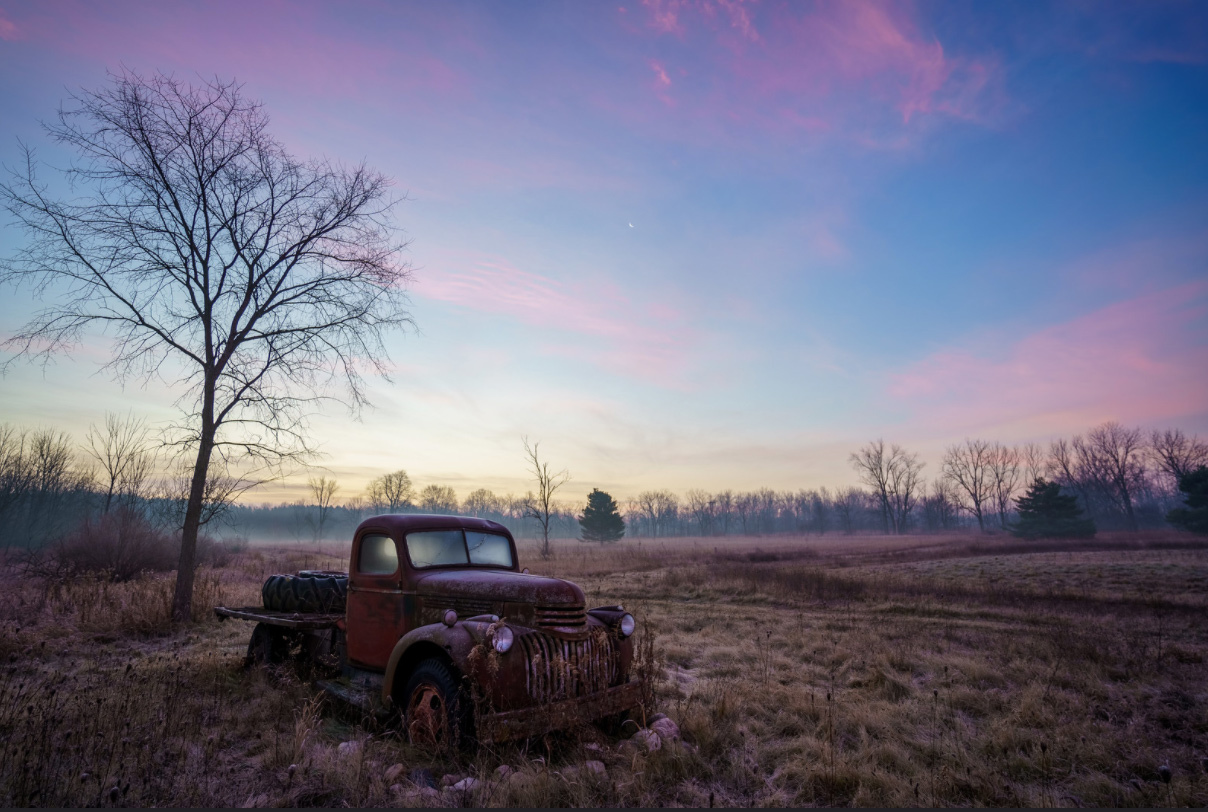
Frost Fog and Rust by Jamie MacDonald
Gorgeous shot from last weekend! See more from Jamie in his Sony A7 MkIII gallery on Flickr & on his website!

Frost Fog and Rust by Jamie MacDonald
Gorgeous shot from last weekend! See more from Jamie in his Sony A7 MkIII gallery on Flickr & on his website!
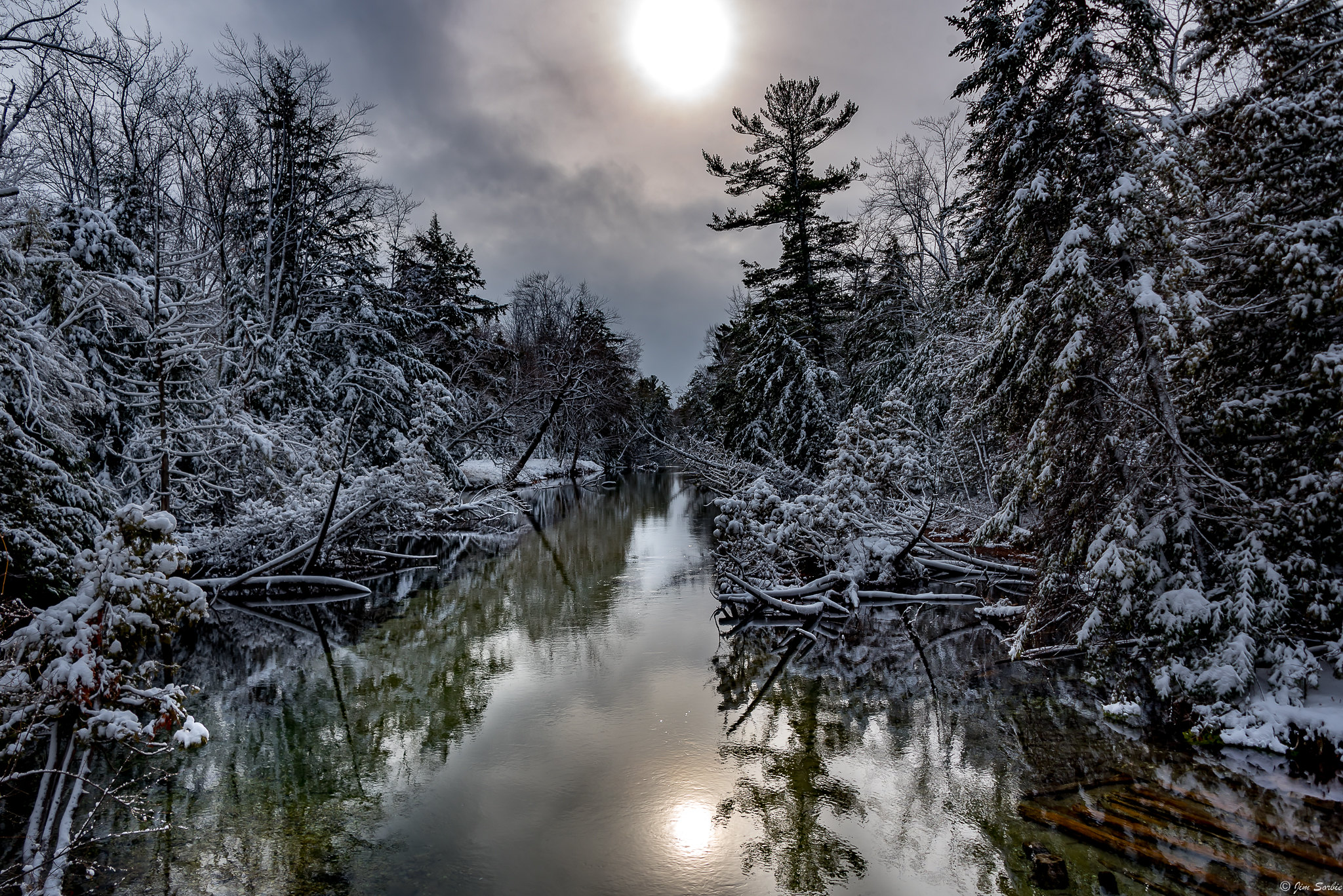
Crystal River after a Winter’s Storm by Jim Sorbie
Jim got an awesome shot of the cotton candy snow that fell on Leelanau this weekend on the Crystal River in Glen Arbor. See more in his Winter in Leelanau gallery!
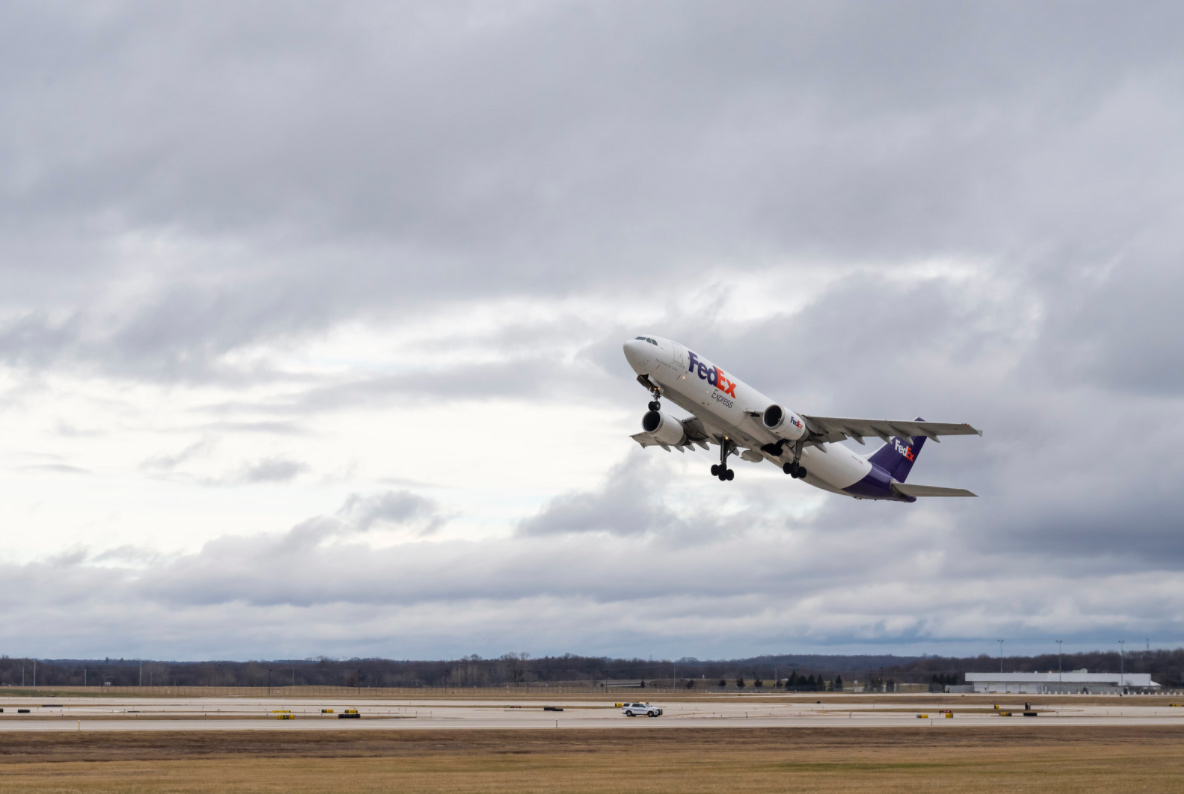
Ayman writes: December 13, 2020 – A FedEx A300 freight plane takes off from Gerald R. Ford Airport in Grand Rapids, Michigan, carrying the first shipment of Pfizer-BioNTech COVID-19 vaccine for distribution across the US.
You love to see a Michigan company once again stepping up to help our country in time of great need! Head over to Ayman’s Flickr for more pics!
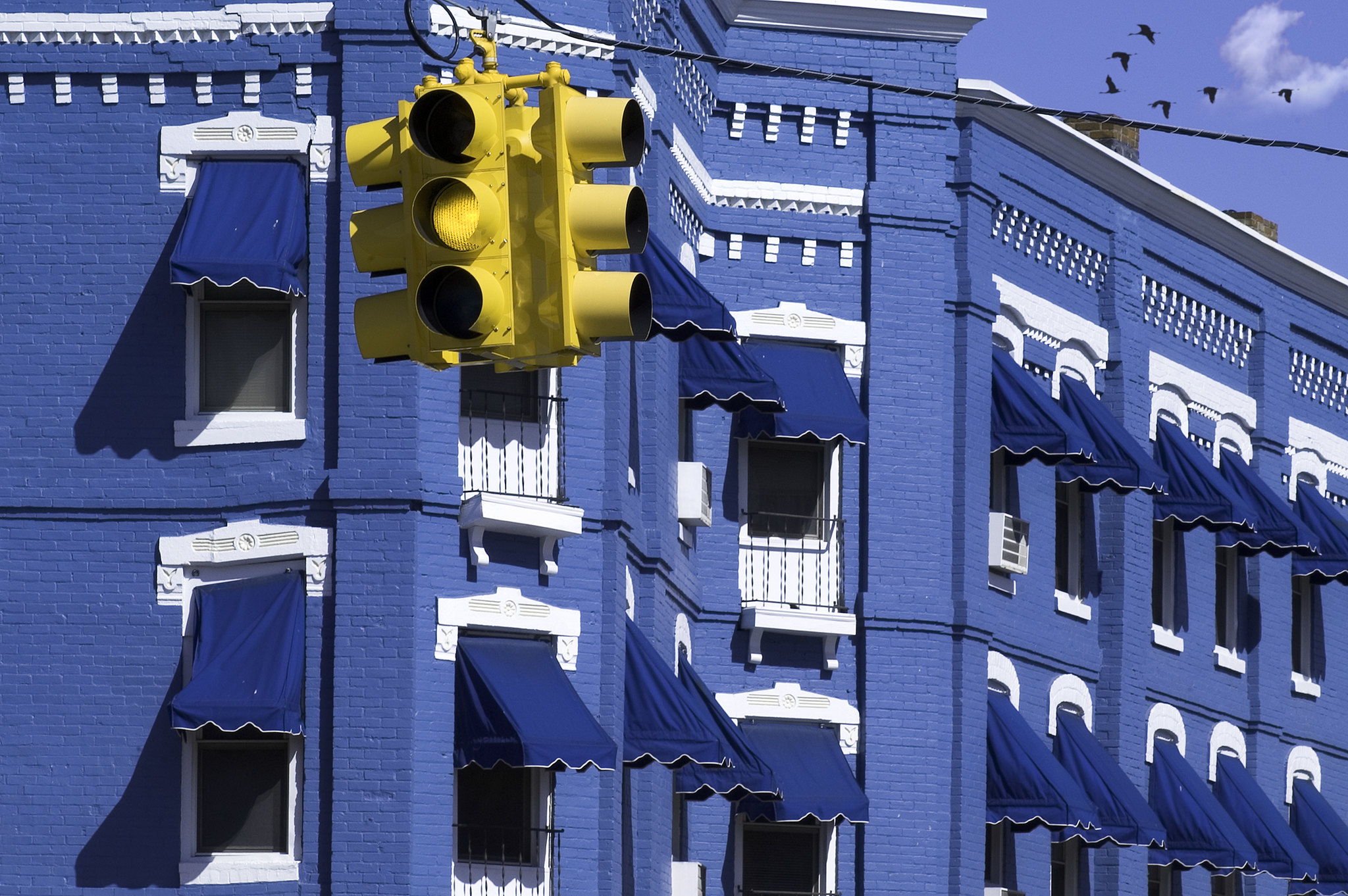
Fotoman91 says he got this shot of a cool old building in the center of Williamston that he’s always been fascinated by. See more in his Color gallery on Flickr.
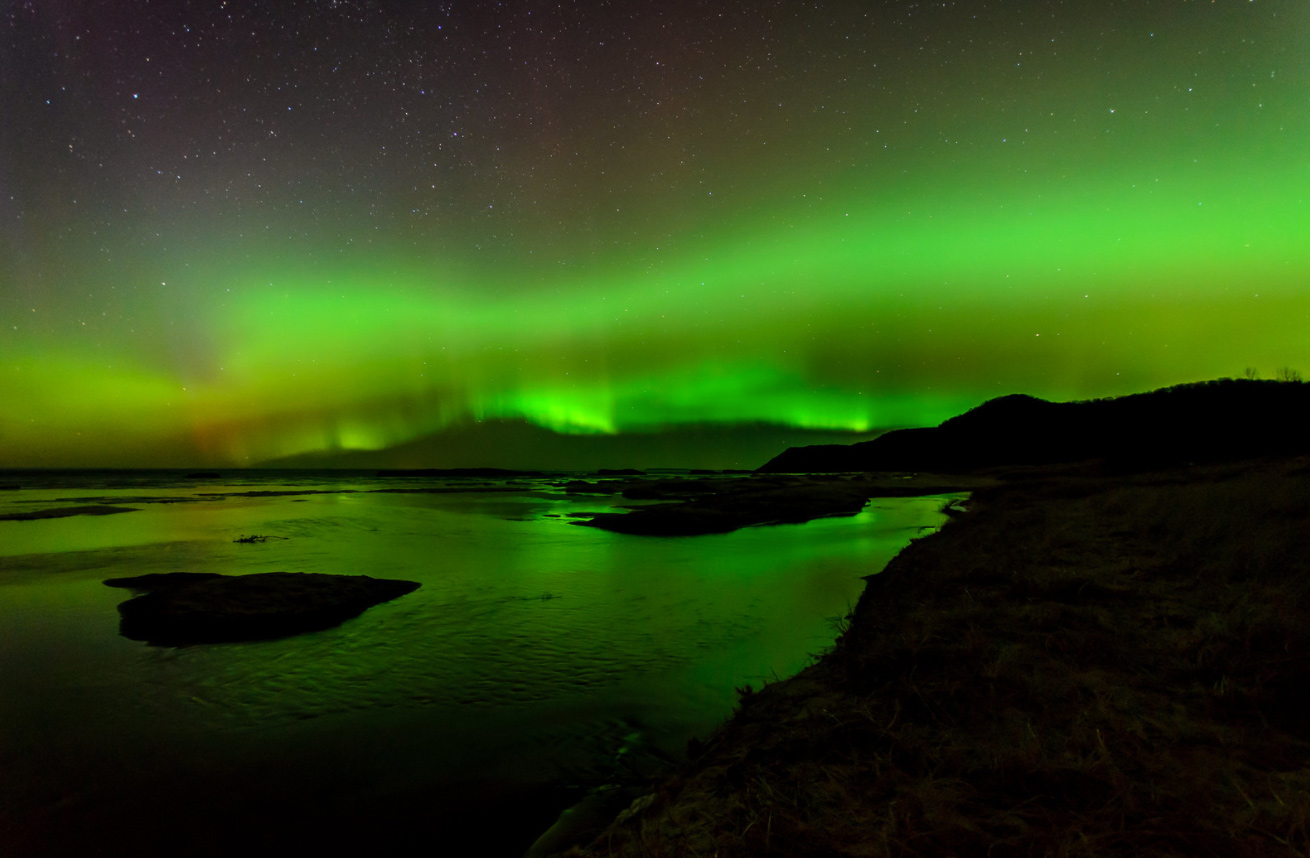
Magnetic North by Aaron Springer
The NOAA/NWS Space Weather Prediction Center reports that geomagnetic Storm Watches are in effect from December 10th & 11th, 2020 due to anticipated Coronal Mass Ejection (CME) effects giving us a good chance of seeing the northern lights! The CME occurred on December 7th and analysis suggests CME arrival possible late on 9 December, initially resulting in G1 (Minor) storm levels. As CME effects continue, activity is likely to increase, especially if the magnetic field carried with the CME connects well with Earth’s magnetosphere. The potential for strong storm levels exists and a G3 (Strong) Watch is in effect for December 10th. CME-related disturbances are forecast to continue into 11 December, likely resulting in G2 (Moderate) storm levels
As a quick rule of thumb, we can occasionally see Northern Lights at the G1 level, often at G2 and almost definitely at G3. Here’s hoping for clear skies!!
Aaron took this photo at Otter Creek in the Sleeping Bear Dunes National Lakeshore back in March of 2015 & shared: A very memorable night. After seeing all 4 indicators in red on [a now defunct aurora tracker website] (and I had never seen that before), I bolted for the lake with what was an already late start. Soon after arriving I punched through the ice while jumping from flow to flow in the shallows. This was the first time I have ever shot these and despite having one leg wet to the knee I managed to stay out for five hours on sheer excitement.
See more in his Aurora Borealis gallery on Flickr & here’s hoping for some clear skies tonight!
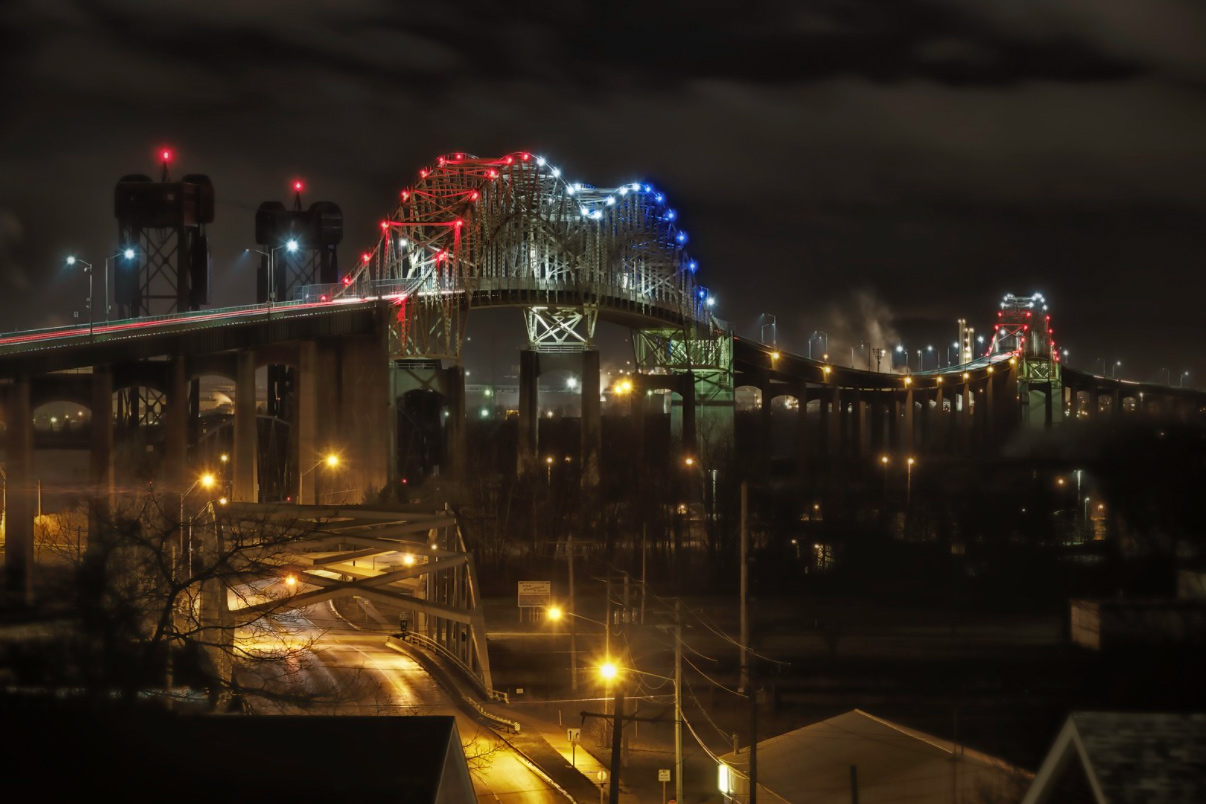
sault ste. marie international bridge, michigan by twurdemann
The International Bridge at Sault Ste. Marie is the only vehicular crossing between Ontario and Michigan within a 300-mile distance, connecting the sister cities of Sault Ste. Marie across the St. Mary’s River.
See more in twurdemann’s International Bridge gallery on Flickr.
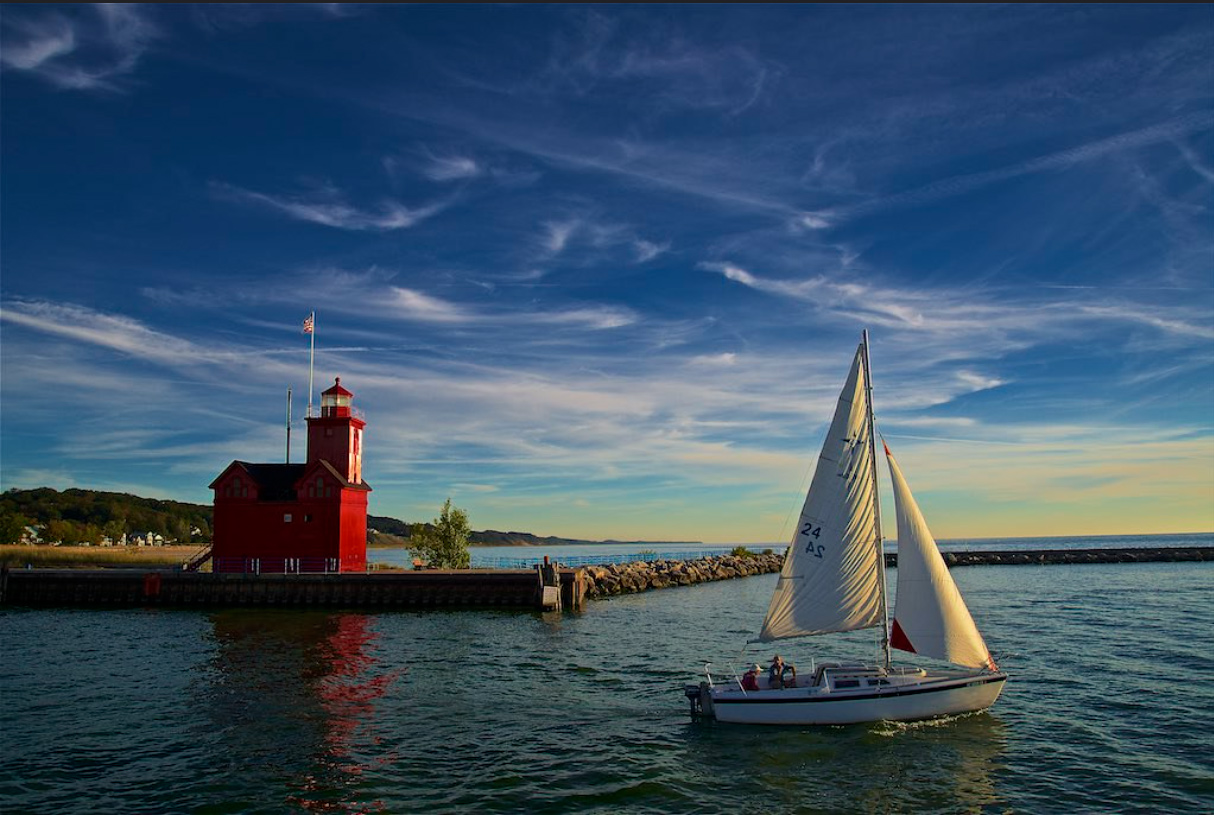
Blue Skies, White Sails, and Big Red by Bill Johnson
Reaching back to September of 2013 for this tasty shot of a sailboat gliding past the Big Red Lighthouse in Holland. See more in his awesome Lighthouses album on Flickr!
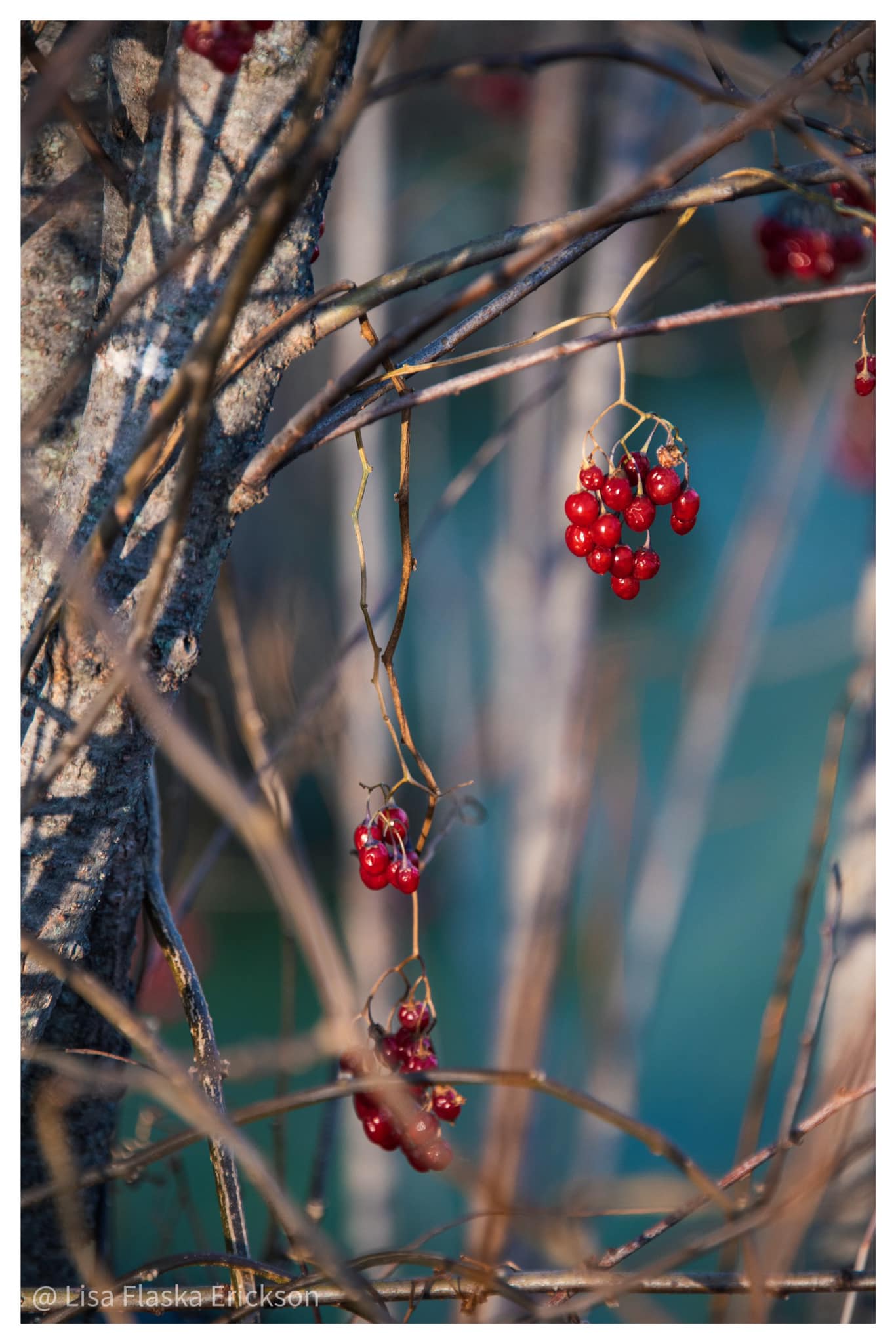
Nature’s Simplicity by Lisa Flaska Erickson
“Nature is pleased with simplicity. And nature is no dummy.”
~Isaac Newton
Lisa shares a nice pop of color (and a pretty cool pic). Follow her on Facebook & Instagram for more!
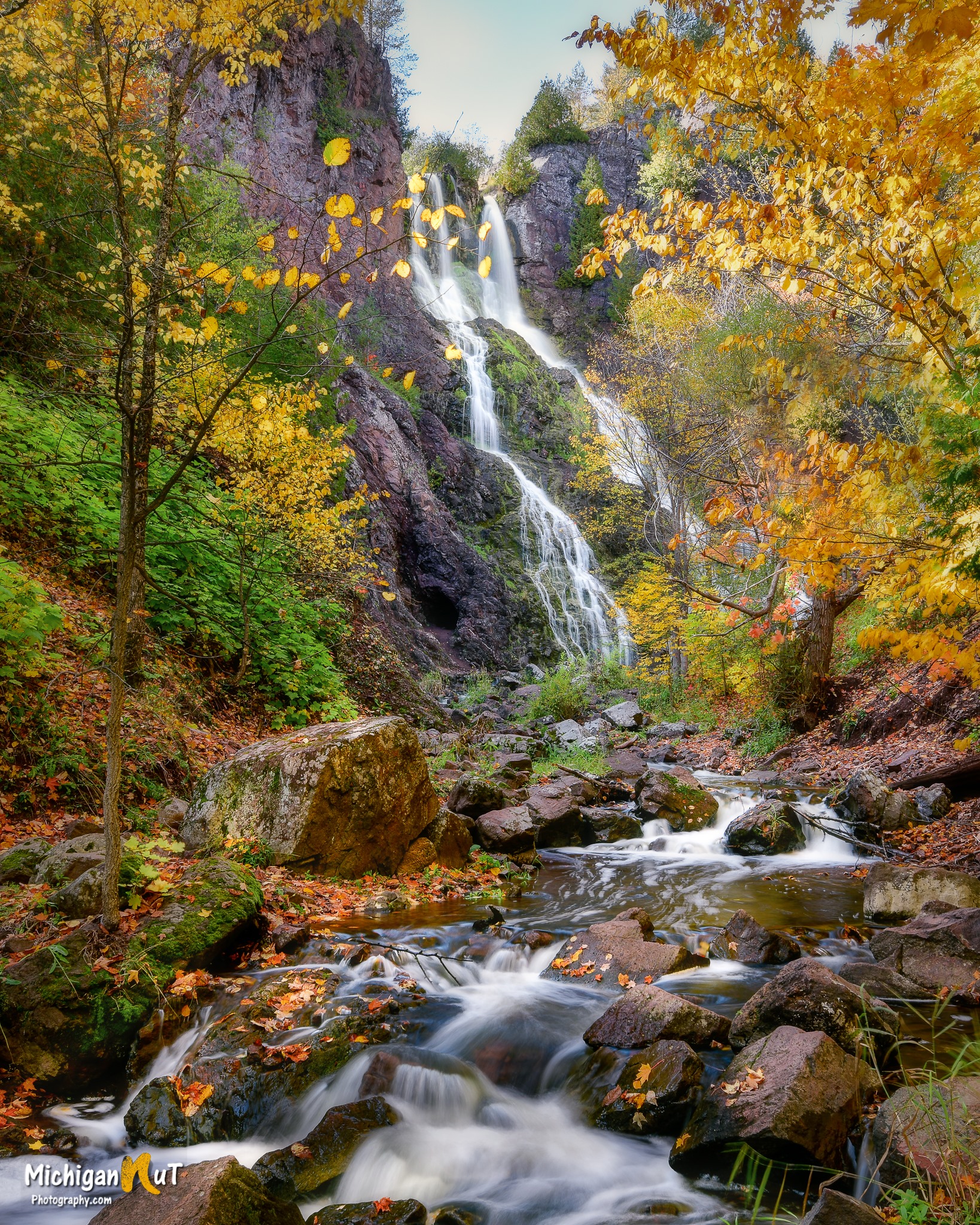
Houghton Douglass Falls by Michigan Nut Photography
Waterfalls of the Keweenaw says that Houghton Douglass Falls on Hammell Creek is:
A wildly tall and impressive waterfall, Douglass Houghton Falls was once a popular destination for locals and Michigan Tech students alike. Crumbling cliff walls and numerous accidents, many of them fatal, pushed the land owner to cut off access. While the falls are still reachable by following Hammell Creek upstream from Lake Linden, the danger of a careless visit cannot be understated.
This waterfall is well over a hundred feet with several plunges bouncing off the sharp, volcanic rock. Steep walls make it difficult to reach the small drops in the meadow above, but a great view down towards Torch Lake can be made down the green creek valley. A small exploratory shaft is drilled into the side of the falls only a few feet above the creek. While it’s hard to reach and dangerous to explore, this waterfall is one of the highlights of the Copper Country.
More about how to visit at Waterfalls of the Keweenaw.
John took this pic back in October and notes that at 100′ feet, Houghton Douglass is Michigan’s tallest waterfalls. You can read the comments on the pic right here, follow the Michigan Nut Photography Facebook page for more, and view & purchase photos at michigannutphotography.com!
More Michigan waterfalls on Michigan in Pictures!
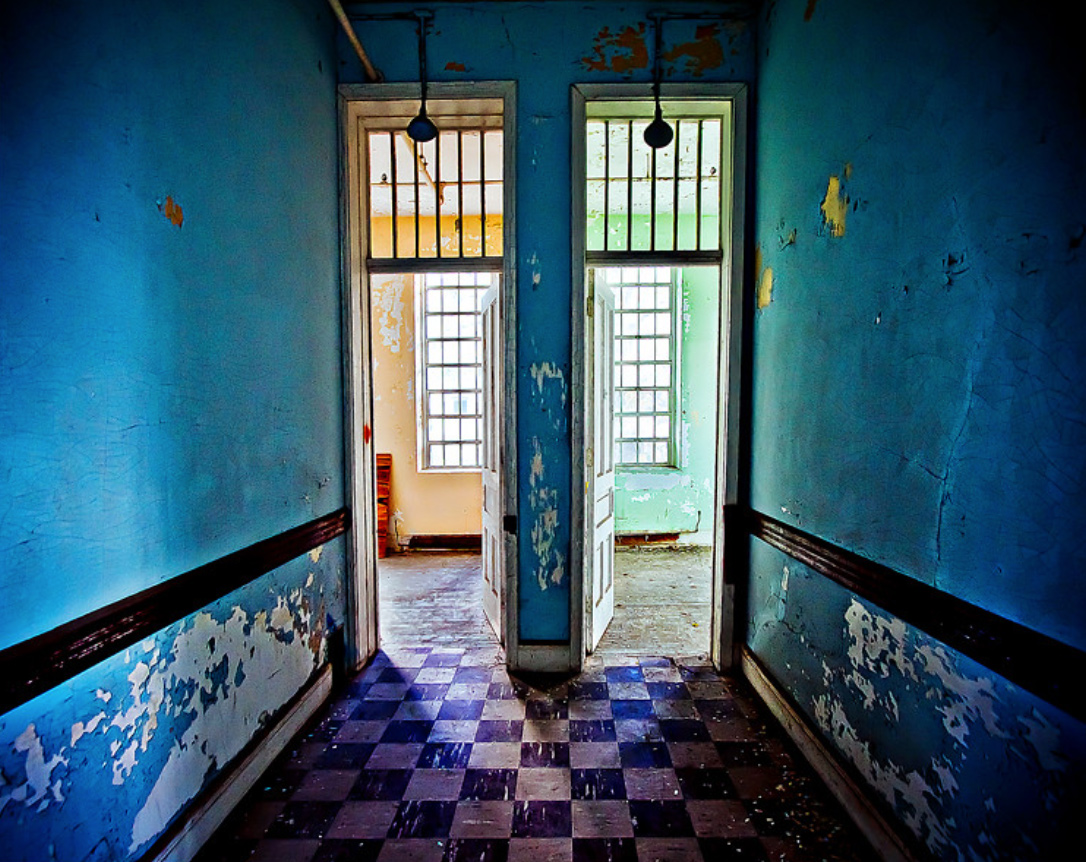
CMU’s Clarke Historical Library says that on Nov 30, 1885, the Northern Michigan Asylum for the Insane opened in Traverse City. It’s now known as the The Village at Grand Traverse Commons and 10 years ago I worked there and was able to lead and was able to lead a group of photographers including Carolyn on a tour of the then un-renovated parts of what was known as Building 50. FYI, the section we toured is now the luxurious Cordia senior residential club.
The facility was a Kirkbride Institution, designed by Dr. Thomas Story Kirkbride. Kirkbride was a Pennsylvania Quaker and founding member of the Association of Medical Superintendents of American Institutions for the Insane who developed a concept of treatment known as the Kirkbride Plan. This plan proposed a particular way of housing patients that included segregating by severity of mental illness and fresh air and natural light where possible:
It was believed crucial to place patients in a more natural environment away from the pollutants and hectic energy of urban centers. Abundant fresh air and natural light not only contributed to a healthy environment, but also served to promote a more cheerful atmosphere. Extensive grounds with cultivated parks and farmland were also beneficial to the success of an asylum. Landscaped parks served to both stimulate and calm patients’ minds with natural beauty (enhanced by rational order) while improving the overall aspect of the asylum. Farmland served to make the asylum more self-sufficient by providing readily available food and other farm products at a minimal cost to the state.
Patients were encouraged to help work the farms and keep the grounds, as well as participate in other chores. Such structured occupation was meant to provide a sense of purpose and responsibility which, it was believed, would help regulate the mind as well as improve physical fitness. Patients were also encouraged to take part in recreations, games, and entertainments which would also engage their minds, make their stay more pleasant, and perhaps help foster and maintain social skills.
There’s lots more from Kirkbride Buildings where the author has done some spectacular scholarship and created an excellent resource for these amazing structures. The Kirkbride System produced a photographic environment of uncommon richness that is evident in the photos from the group A little trip up north… It’s also reflected in the grounds and the shops, restaurants & businesses that are part of the Commons today.
See this photo bigger in Carolyn’s Photogs Up North gallery. You can learn more about her on her website or Facebook page!
 Michigan in Pictures