Green Heron, Brown Alert

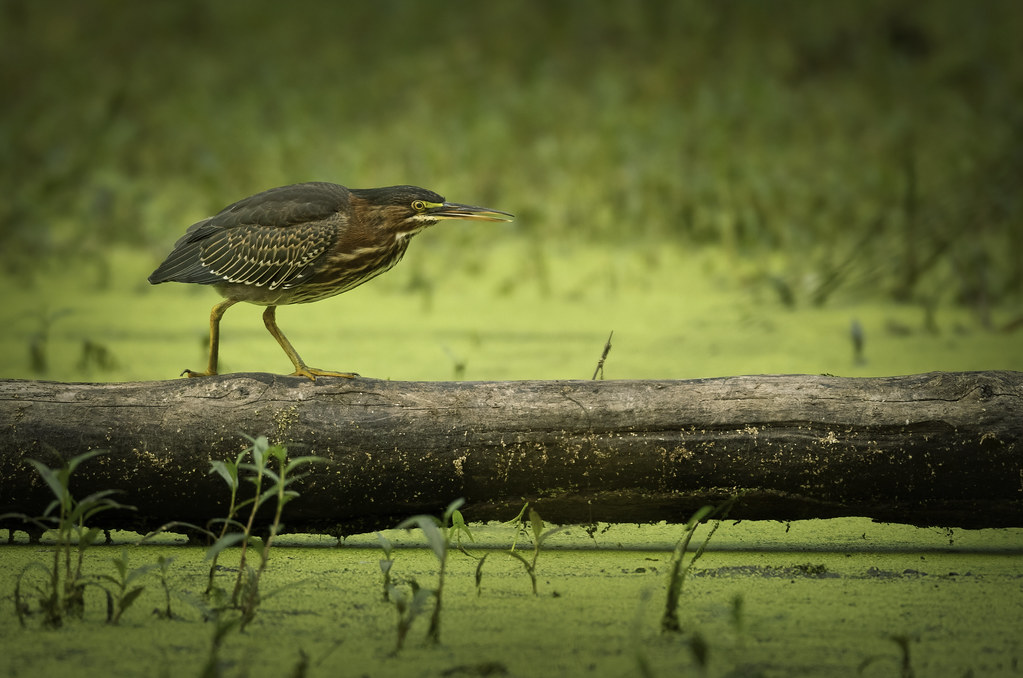
Green Heron by Kevin Povenz

Green Heron by Kevin Povenz

Click on Detroit shares that State Representatives Alicia St. Germaine and Ron Robinson have introduced a bill to establish a “Brown Alert” system modeled after existing emergency notification systems like Amber Alerts:

“Right after a raw sewage discharge, we shouldn’t have people paddleboarding on the Clinton River or launching kayaks. They need timely notifications so they can make an informed decision whether they want to go on that waterway,” St. Germaine said.

The proposed system would require county drain or public works commissioners to notify local emergency managers within 12 hours of the water reaching dangerous contamination levels.

“If something like this were to happen, people should be notified in real-time, and in a lot of cases, it’s not reported for weeks or sometimes months afterwards, and by then, what are you going to do about it?” Robinson said.

Many Harrison Township residents have witnessed signs of water contamination firsthand. “The other day, when we had a big rain and you could see chunks of what I’m going to call ‘things’ floating down the river that appeared to be untreated sewage. It was awful,” said Jim Constantino.

That’s a big no from me on floaty things in our rivers & lakes!! The other day I saw a green heron fishing in a containment pond that had a posted “Don’t Eat These Fish” warning. It always makes me sad when I see animals oblivious to our pollution, but hopefully making more people aware of it will lead to generating less of it.

Kevin took this shot of a young green heron last month in a marshy area at the Grand Ravines. See lots more in his Birds gallery on Flickr.

You can read more about Green herons on Michigan in Pictures!

Support Michigan in Pictures with Patreon

Feelin’ ducky … and historically dry

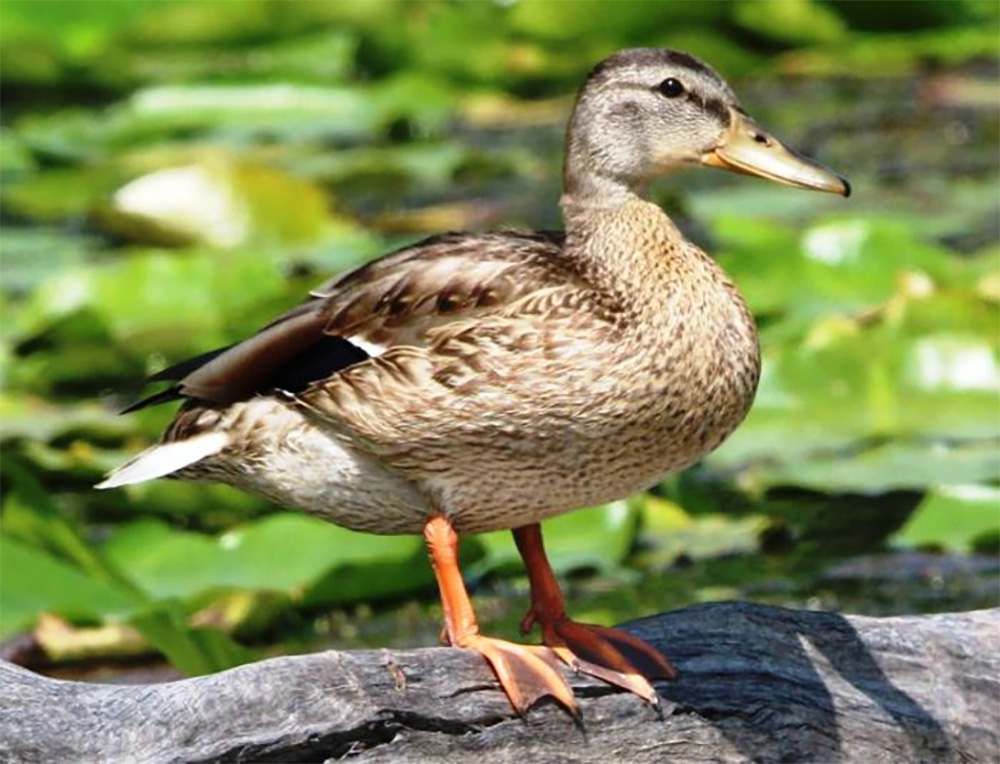
Feelin ducky by Linda Schaub

Linda is one of Michigan in Pictures’ biggest fans and yesterday she dropped the fact that much of Michigan was facing what could be the driest September since we started keeping records in 1877 until recently! mLive shared that although September 2024 remains historically dry, the rain of the last few days is helping to combat the drought.

Linda shared this photo along with several others on her latest Wordless Wednesday post. Follow her blog Walkin’, Writin’, Wit & Whimsey for more!

Also I am of course very happy to add the latest photo the Michigan in Pictures Duckie Project, a decade-spanning chronicle of our feathered, floating friends!

Support Michigan in Pictures with Patreon

Signs of Spring: Red-winged Blackbirds

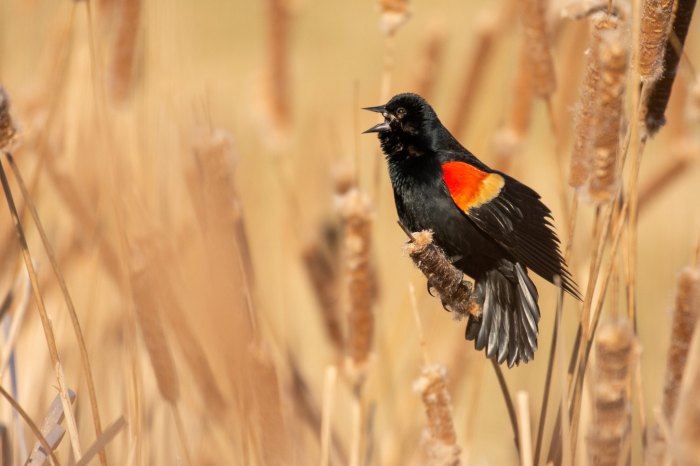
Red winged Blackbird by Reji TV

Red-winged Blackbird by Reji TV

One of my favorite signs of spring in Michigan is hearing the calls of red-winged blackbirds. I started hearing them last week in northern Michigan & just saw these pics today in our Absolute Michigan group on Flickr. The University of Michigan Museum of Zoology’s Animal Diversity Web listing for Agelaius phoeniceus (red-winged blackbird) tells us:

The range of red-winged blackbirds extends from southern Alaska at its northern most point, to the Yucatan peninsula in the south and covers the greater part of the continent reaching from the Pacific coast of California and Canada to the eastern seaboard. Winter ranges for red-winged blackbirds vary by geographic location. Northern populations migrate south to the southern United States and Central America beginning in September or October (or occasionally as early as August). Most western and middle American populations are non-migratory.


Red-winged blackbirds roost and breed in a variety of habitats, but tend to prefer wetlands. They have been known to live in fresh and saltwater marshes. On drier ground, red-winged blackbirds gravitate towards open fields (often in agricultural areas) and lightly wooded deciduous forests. In winter red-winged blackbirds are most often found in open fields and croplands.

…As migratory birds, red-winged blackbirds share many characteristics with related species. They are strong fliers that will often migrate in flocks of a thousand or more. Roosting is often communal, resulting in large, centralized populations. Red-winged blackbirds are largely diurnal, spending most of their day foraging. Males defend territories during the mating season. As the mating season progresses, both males and females will spend more time within their territory or the territory of their mate. Although fighting among red-winged blackbirds is not all that common, even among males, it is known to occur. Males chase females at top speed during breeding season. Because of their broad range and tendency to colonize large roosting areas, red-winged blackbirds are extremely common, and are easy to find in the mating season when singing and sexual displays make them more visible.

This great web resource includes many more photos and blackbird calls. Go there!

Reji TV took this photo near Auburn Hills. See more in their Birds gallery on Flickr.

Support Michigan in Pictures with Patreon