
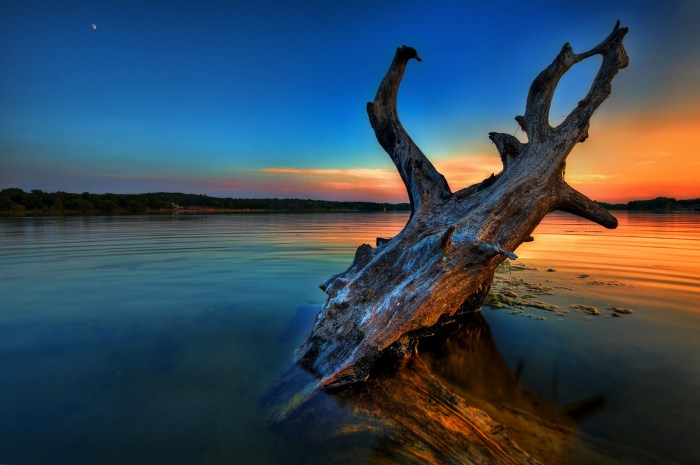
The Last Stand at Kensington Metropark

The Last Stand

The Last Stand, photo by Jacqueline Verdun

Huron-Clinton Metroparks explains that Kensington Metropark – a place I used to visit with my grandmother a lot – is one of the most popular parks in Michigan:

Kensington’s 4,481 sprawling acres of wooded, hilly terrain surrounds beautiful Kent Lake, and is home to an abundance of wildlife and waterfowl. Kensington Metropark offers a multitude of recreational activities throughout the year, from biking and boating to cross-country skiing and tobogganing. In addition to striking sunrises and sunsets, 1,200-acre Kent Lake offers plenty of fun activities: swim at Martindale or Maple beaches, get soaked at the Splash ‘n’ Blast, or just spend the day fishing, boating or picnicking along the water. Take a tour of the lake aboard the Island Queen II in the summer and fall. Or, enjoy a winter day ice-fishing or skating on frozen lake waters.

This first-class recreational area also features an 18-hole regulation golf course, 27-hole disc course, nature center, farm center, beautiful picnic areas and scenic hiking and biking trails for hours of enjoyment. With two and a half million visitors every year Kensington Metropark is a favorite place to enjoy Michigan’s natural treasures.

More info, activities, and a map on their website.

View Jacqueline’s photo bigger, see more in her My Best Landscapes slideshow, and also check out her website for more photos.

More Michigan parks and more sunsets on Michigan in Pictures.
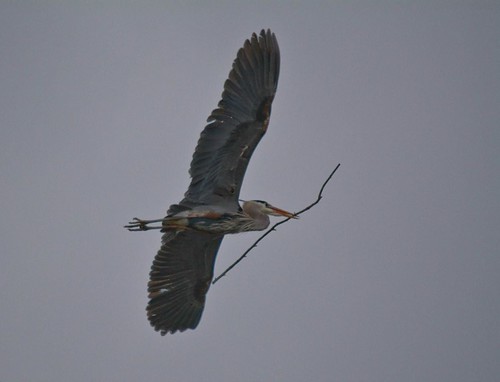
Nest Building Heron

Nest Building Heron

Nest Building Heron, photo by Dawn Williams

Last year I cited the Michigan Natural Features Inventory entry for Great Blue Heron Rookeries. It remains the definitive source, so I guess a rewind is in order:

The great blue herons in Michigan are largely migratory, with almost all leaving the state during the winter months. Most leave by end of October and return in early to mid-March.

The great blue heron is mostly a colonial nester, occasionally they nest in single pairs. Colonies are typically found in lowland swamps, islands, upland hardwoods and forests adjacent to lakes, ponds and rivers. Nests are usually in trees and may be as high as 98 ft. (30 m) or more from the ground. The platform like nests are constructed out of medium-sized sticks and materials may be added throughout the nesting cycle. Nests are usually lined with finer twigs, leaves, grass, pine needles, moss, reeds, or dry gras. The same nests are refurbished and used year after year…

Most great blue herons return to southern Michigan heronries in mid-March although a few may remain through the winter if there are areas of open water. Courtship and nest building commences from early April in southern Michigan to early May in the extreme northern portions of the state. Both sexes are involved in the nest building process with males primarily gathering sticks from the ground, nearby trees, or ungarded nearby nests. Males pass sticks to females who then place them on the nests.

Click to read more and you can see more on these herons at the Kensington Metropark’s annual Heron Days May 17 & 18, 2014.

View Dawn’s photo background big and see more in her slideshow.

You can read more about heron rookeries and Michigan herons and get more spring wallpaper on Michigan in Pictures.