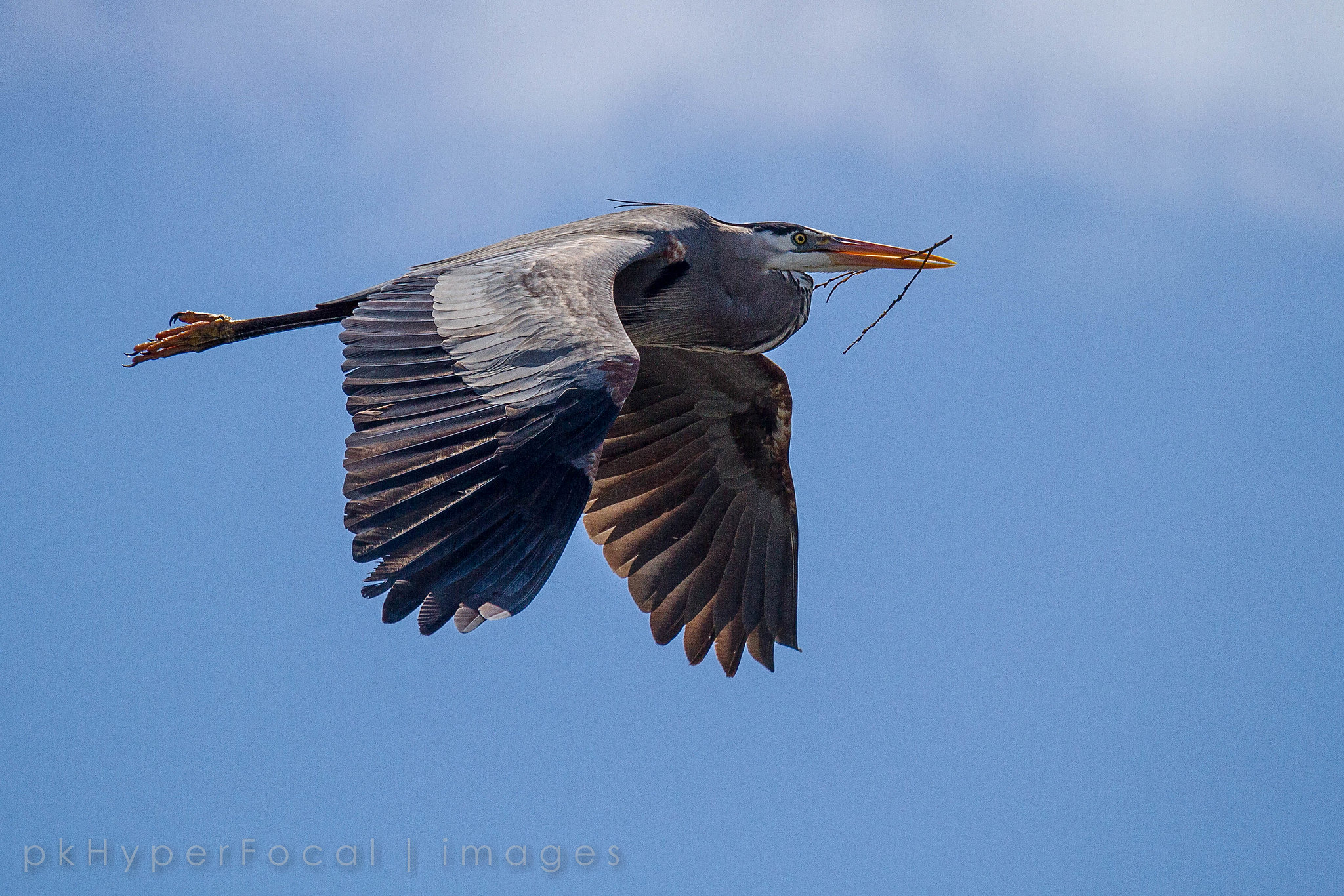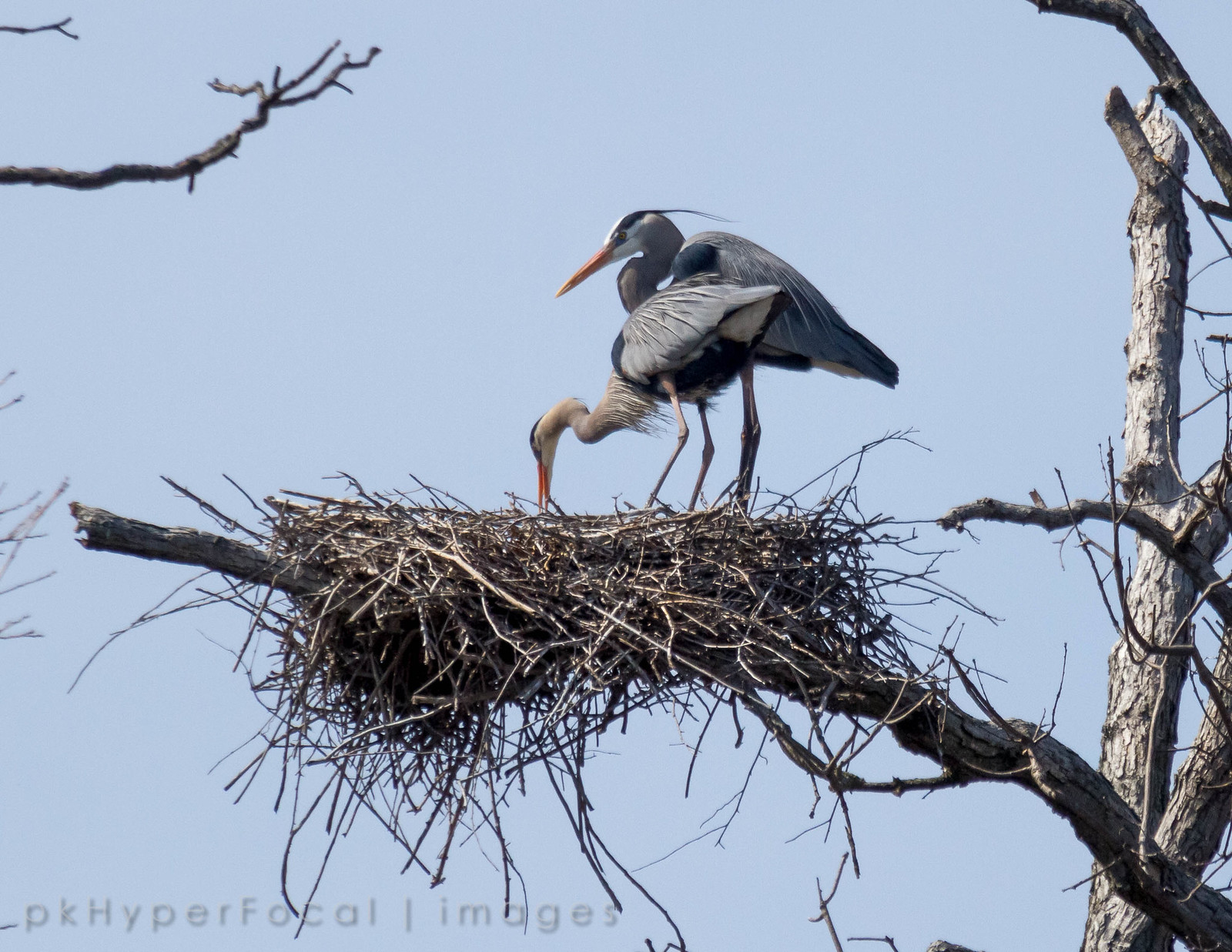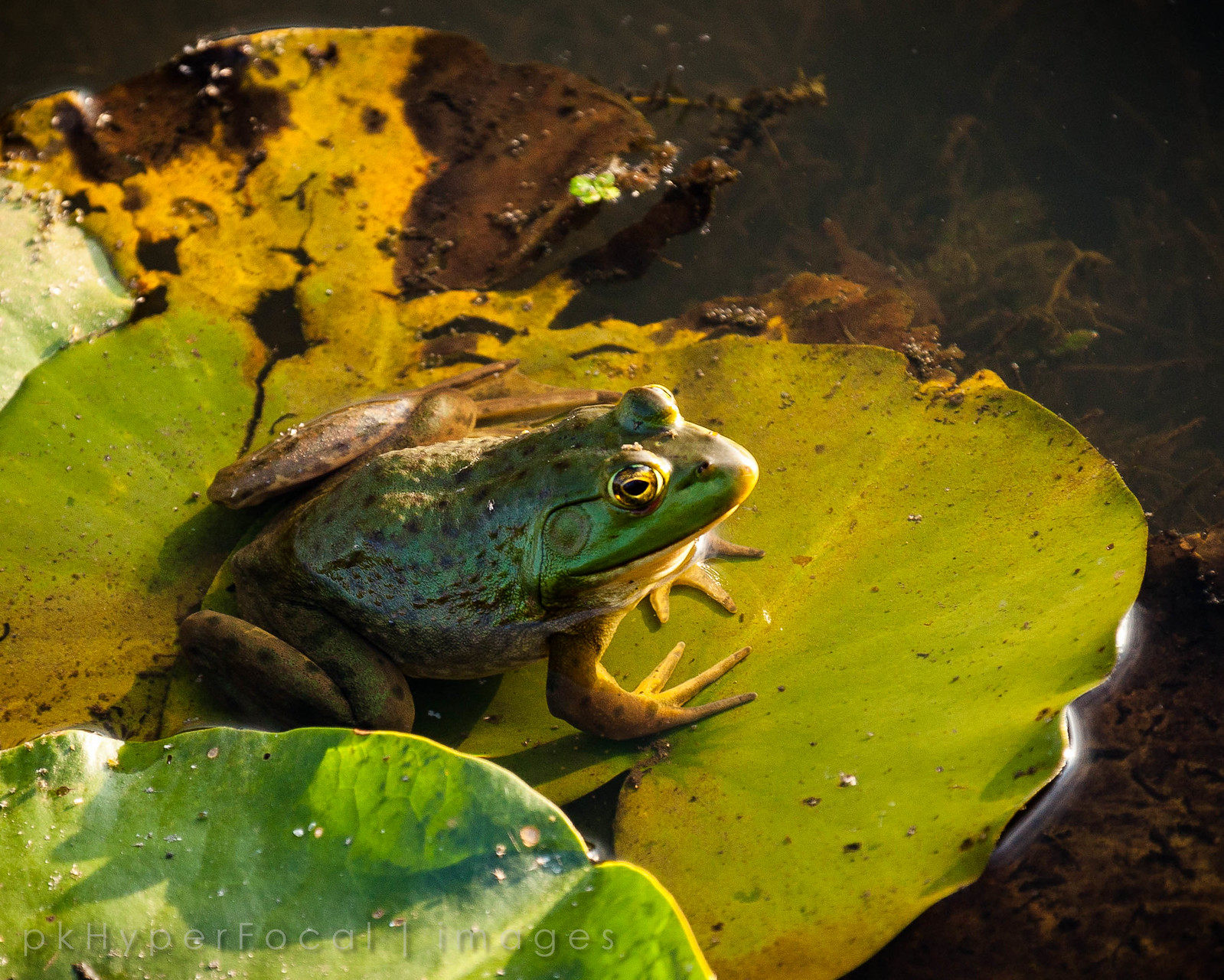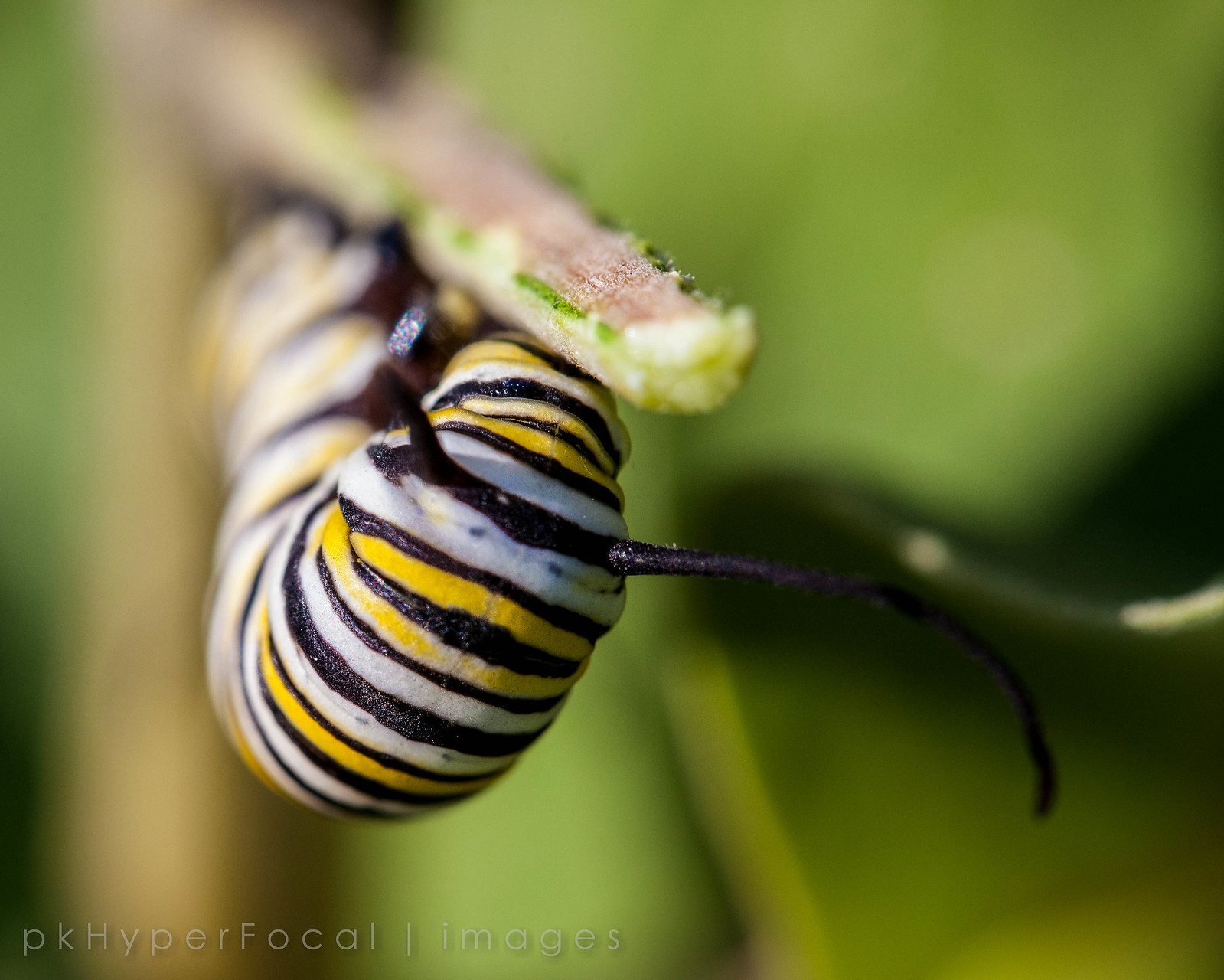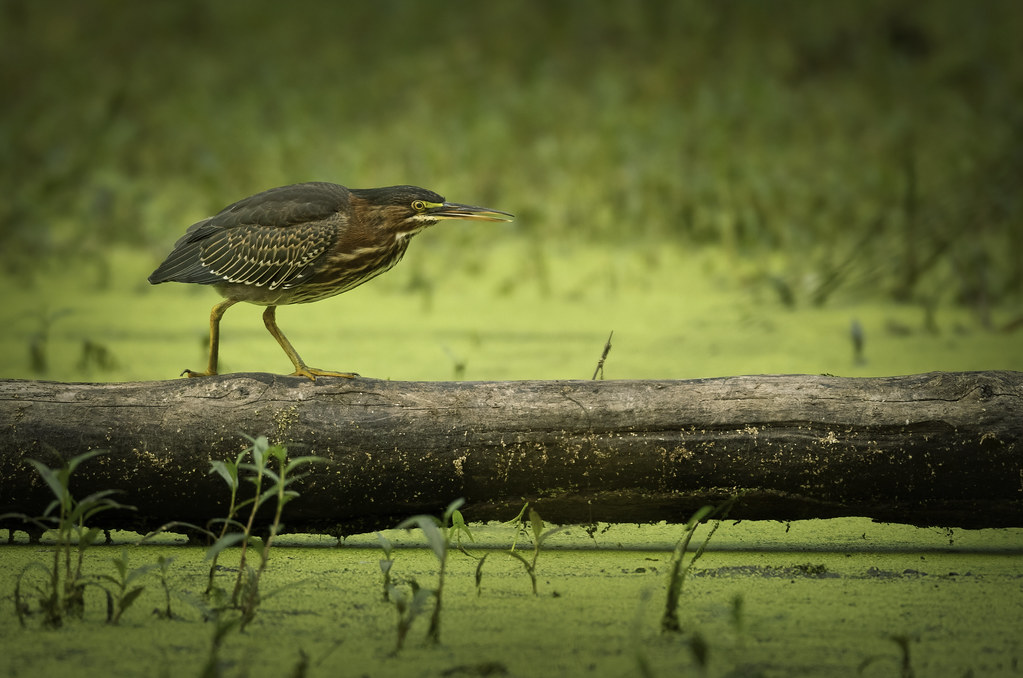
Green Heron, Brown Alert

Green Heron by Kevin Povenz

Green Heron by Kevin Povenz

Click on Detroit shares that State Representatives Alicia St. Germaine and Ron Robinson have introduced a bill to establish a “Brown Alert” system modeled after existing emergency notification systems like Amber Alerts:

“Right after a raw sewage discharge, we shouldn’t have people paddleboarding on the Clinton River or launching kayaks. They need timely notifications so they can make an informed decision whether they want to go on that waterway,” St. Germaine said.

The proposed system would require county drain or public works commissioners to notify local emergency managers within 12 hours of the water reaching dangerous contamination levels.

“If something like this were to happen, people should be notified in real-time, and in a lot of cases, it’s not reported for weeks or sometimes months afterwards, and by then, what are you going to do about it?” Robinson said.

Many Harrison Township residents have witnessed signs of water contamination firsthand. “The other day, when we had a big rain and you could see chunks of what I’m going to call ‘things’ floating down the river that appeared to be untreated sewage. It was awful,” said Jim Constantino.

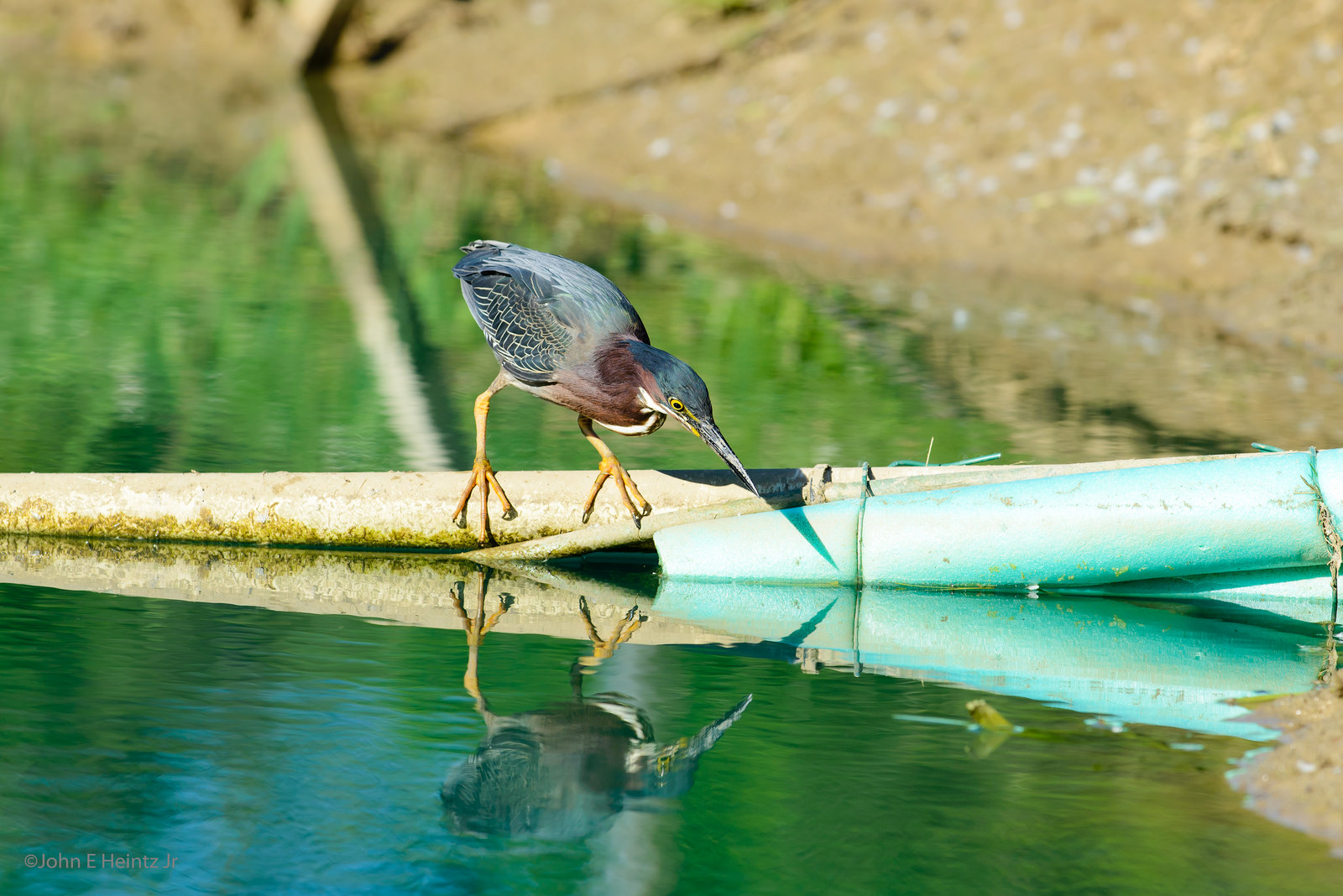
That’s a big no from me on floaty things in our rivers & lakes!! The other day I saw a green heron fishing in a containment pond that had a posted “Don’t Eat These Fish” warning. It always makes me sad when I see animals oblivious to our pollution, but hopefully making more people aware of it will lead to generating less of it.

Kevin took this shot of a young green heron last month in a marshy area at the Grand Ravines. See lots more in his Birds gallery on Flickr.

You can read more about Green herons on Michigan in Pictures!

Support Michigan in Pictures with Patreon

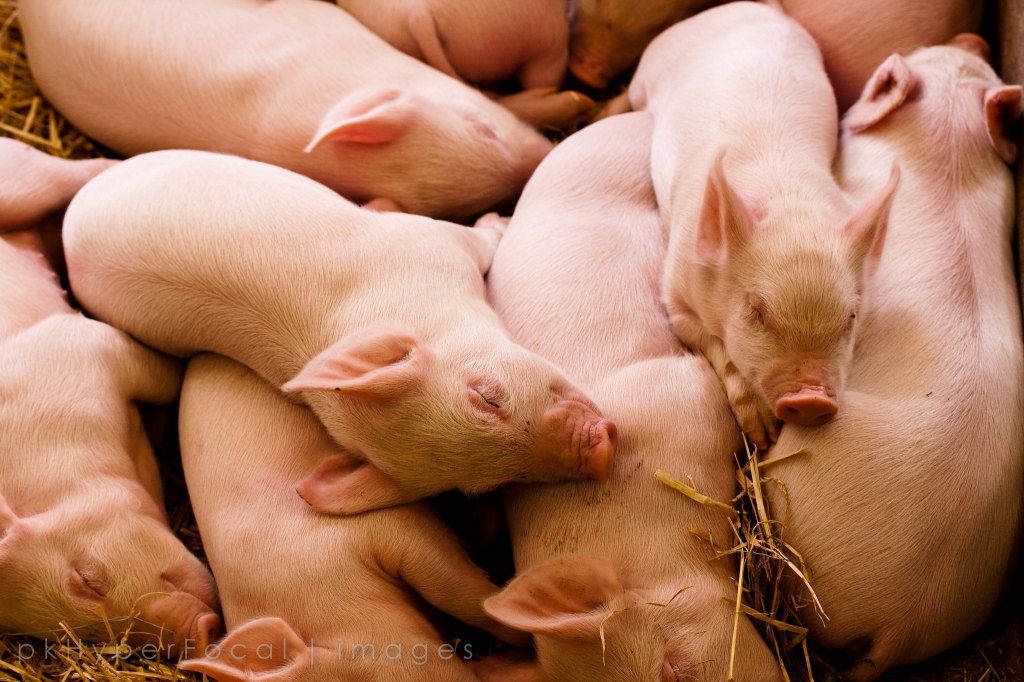
Cold Morning, Warm Pigs

Pile o Pigs by pk Hyperfocal

Pile o Pigs by pkHyperfocal

In honor of this brutally cold morning with single digit temperatures covering the state, so I couldn’t resist re-sharing probably the toastiest photo ever to grace Michigan in Pictures. Take a stroll through pics from pkHyperfocal’s Metro Parks gallery & for sure check out all their galleries on Flickr.

Stay warm!!!

Support Michigan in Pictures with Patreon

Return to Bobcat Corners

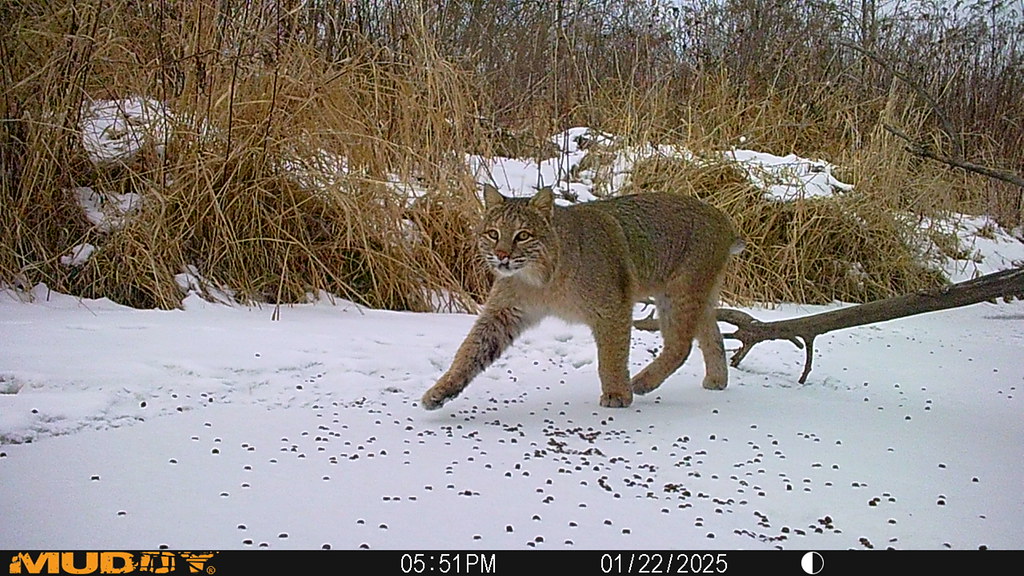
Bobcat by paulv21

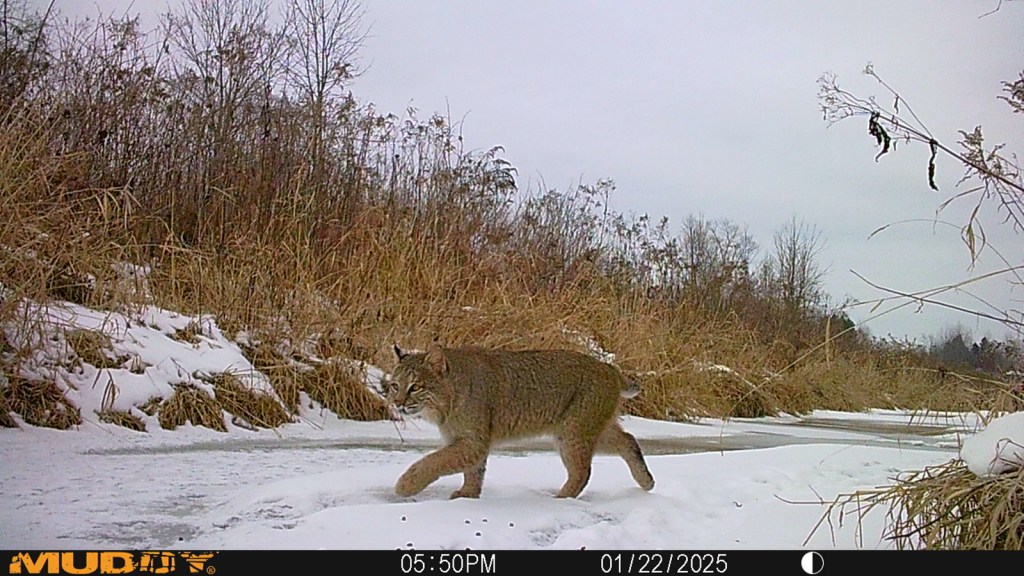
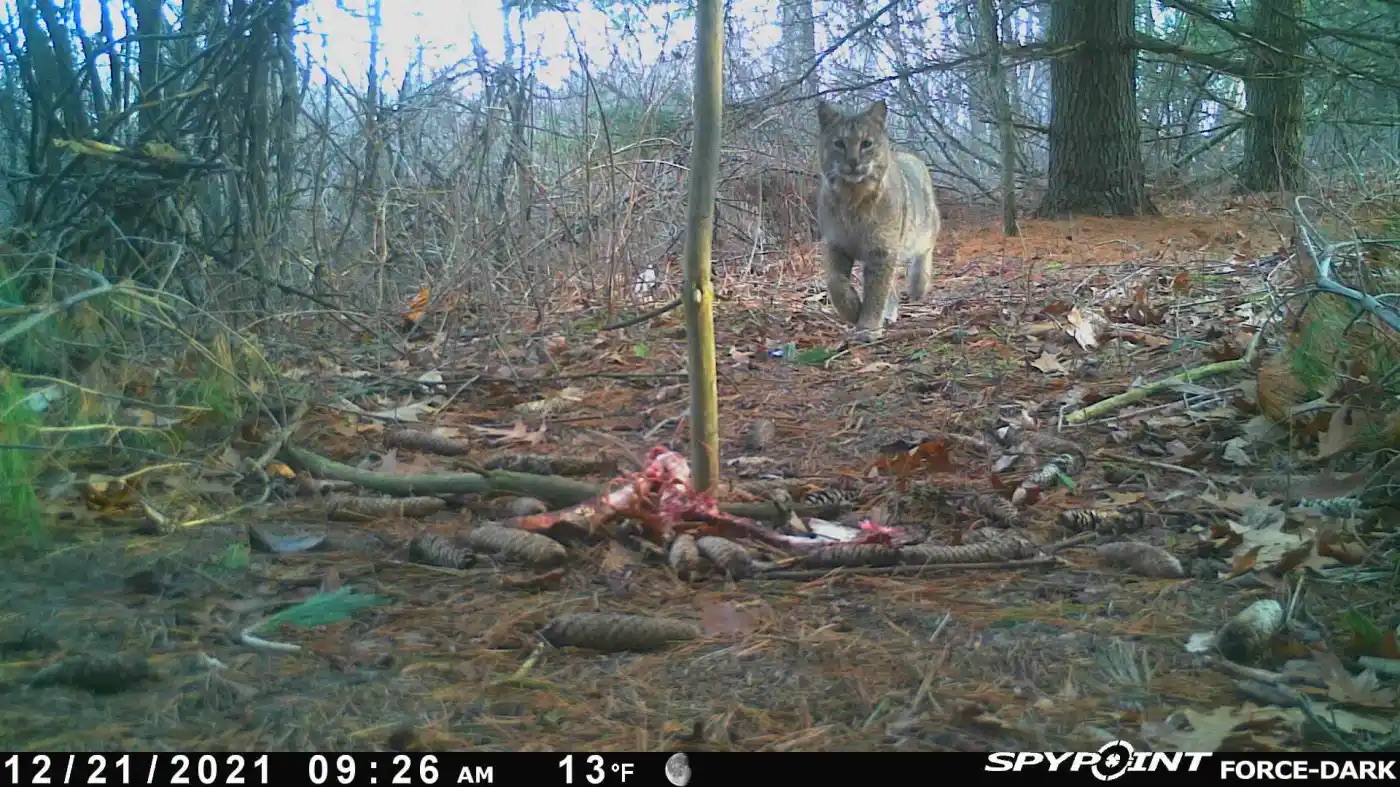
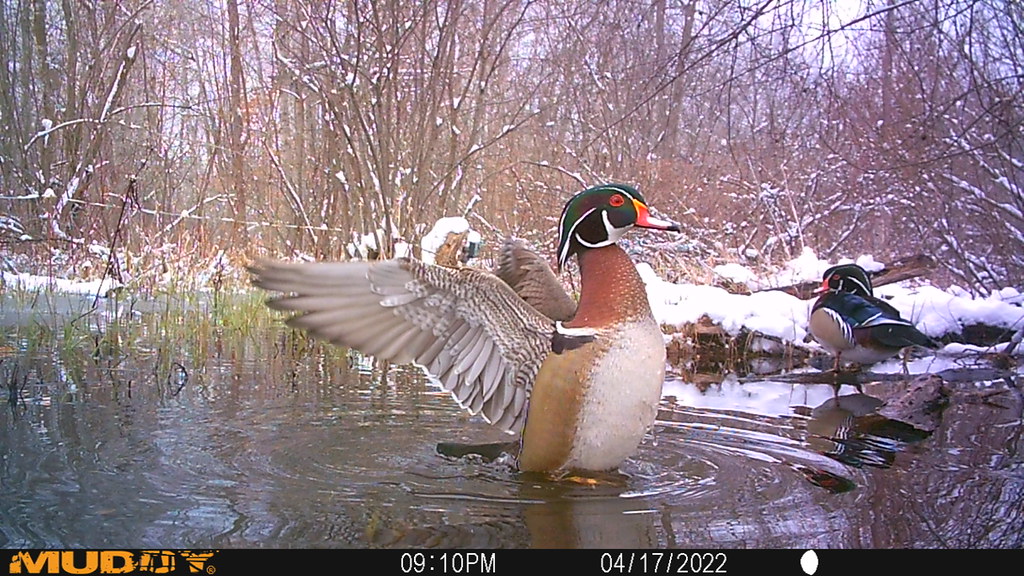
Three winters ago, Paul shared the bobcat pic that is the first of the collection of his trail cam photos below. In the intervening years he has created some amazing documentation of wildlife activity on his land near Clare. Follow him on Flickr for the latest & check out his yearly Trail Cam albums!!

Support Michigan in Pictures with Patreon

Construction Zone: Great Blue Heron Edition

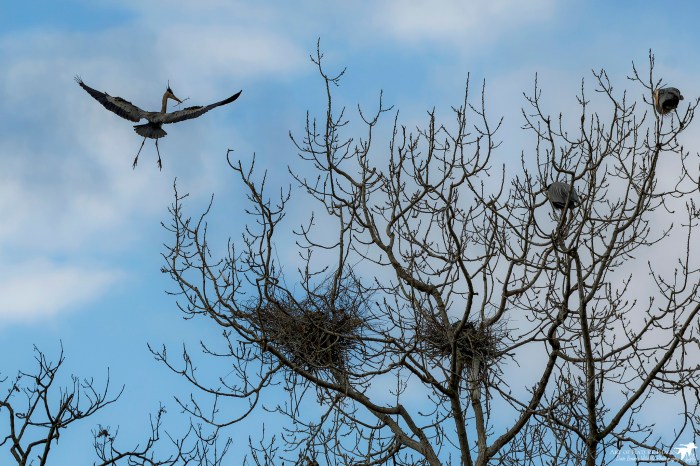
Construction Zone by David Bowers

Construction Zone by David Bowers

The roads aren’t the only place you’ll find construction projects in Michigan these days!

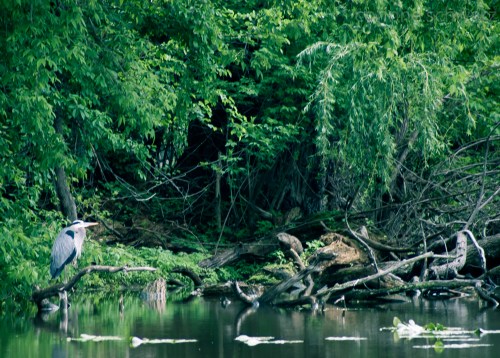
David got this cool shot of a heron returning to the rookery with a stick for the nest a couple days ago. See more in his Great Blue Herons gallery on Flickr & check out more pics on his Facebook.

More Great Blue Herons, rookeries & nests on Michigan in Pictures.

Support Michigan in Pictures with Patreon

The Challenge

The Challenge by Charles Bonham

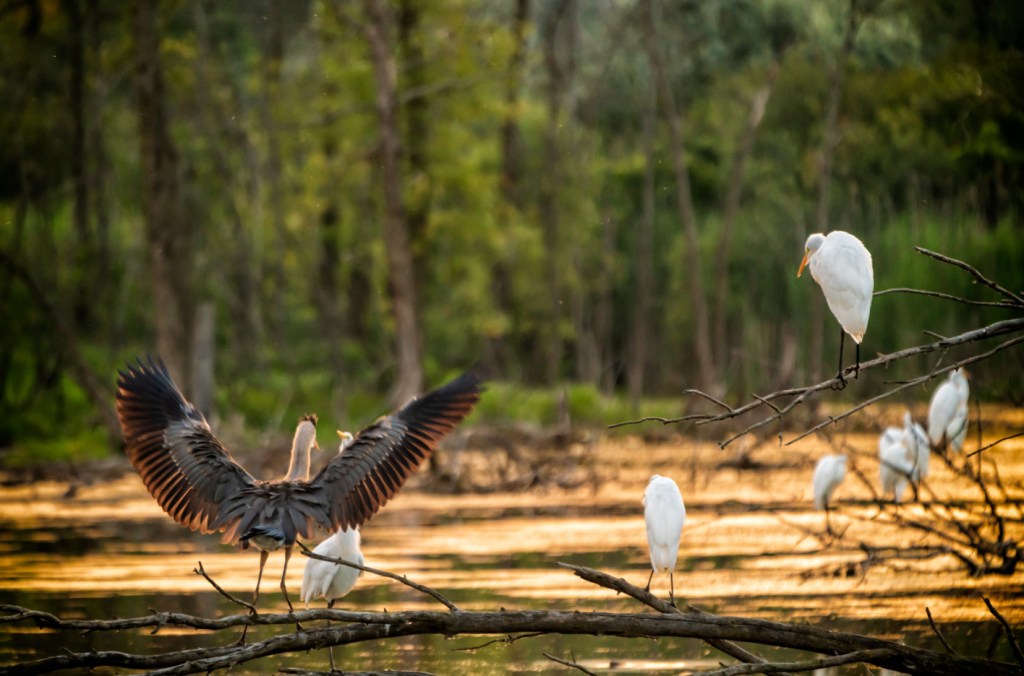
Charles took this shot of a heron trying to show a group of egrets who’s boss near Midland last weekend. Dive into his Flickr for more & be sure to check out his showcase!

Support Michigan in Pictures with Patreon

Must be a Monday: Be Yourself Blue Heron Edition

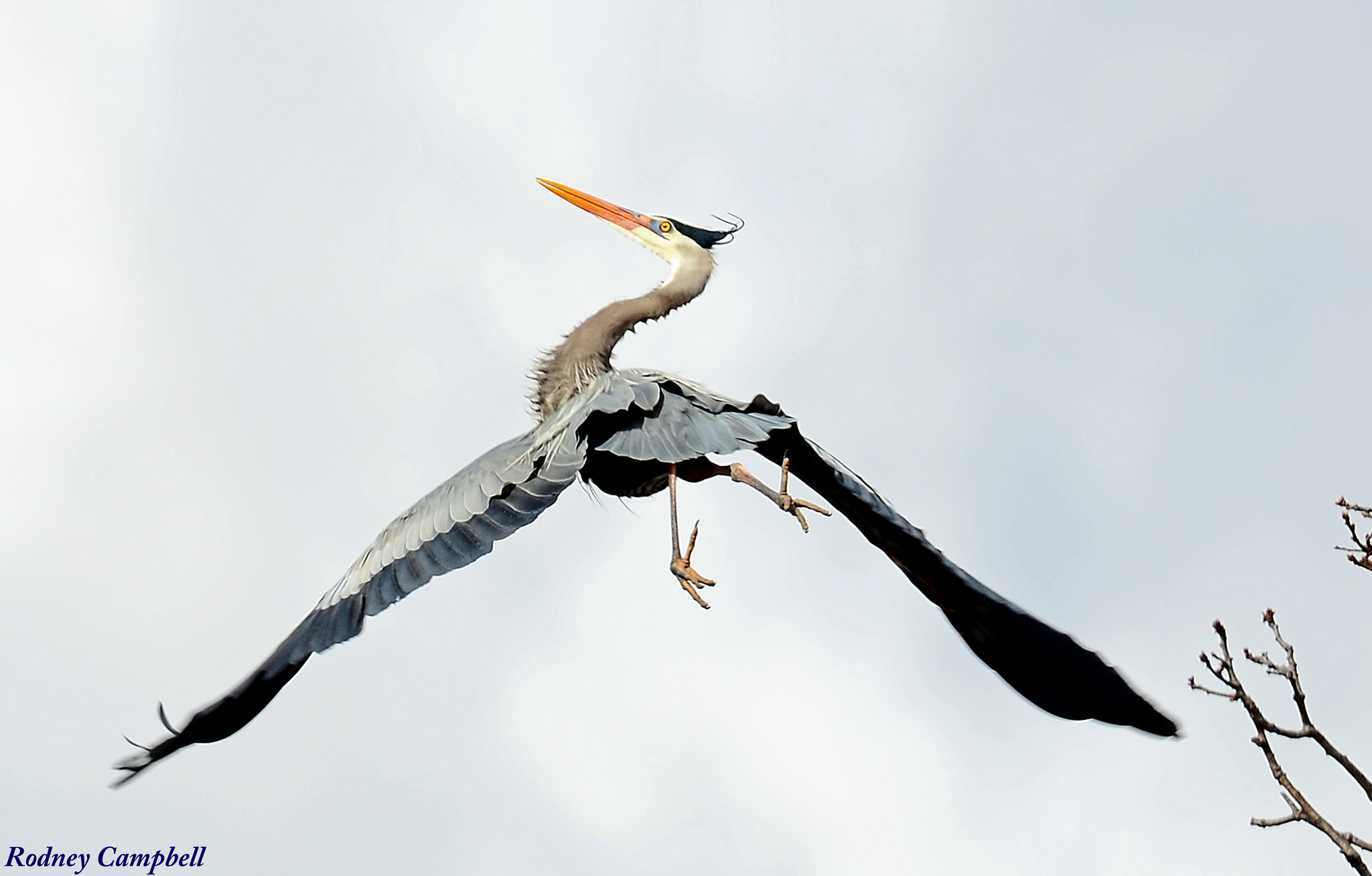
Great Blue Heron Leaving Roost

Great Blue Heron Leaving its Roost, photo by Rodney Campbell

Hope you have a wonderful week, even if you look a little goofy at times. ;)

The Michigan Natural Features Inventory entry for Great Blue Heron Rookeries explains:

The great blue herons in Michigan are largely migratory, with almost all leaving the state during the winter months. Most leave by end of October and return in early to mid-March.

The great blue heron is mostly a colonial nester, occasionally they nest in single pairs. Colonies are typically found in lowland swamps, islands, upland hardwoods and forests adjacent to lakes, ponds and rivers. Nests are usually in trees and may be as high as 98 ft. (30 m) or more from the ground. The platform like nests are constructed out of medium-sized sticks and materials may be added throughout the nesting cycle. Nests are usually lined with finer twigs, leaves, grass, pine needles, moss, reeds, or dry gras. The same nests are refurbished and used year after year.

Most great blue herons return to southern Michigan heronries in mid-March although a few may remain through the winter if there are areas of open water. Courtship and nest building commences from early April in southern Michigan to early May in the extreme northern portions of the state. Both sexes are involved in the nest building process with males primarily gathering sticks from the ground, nearby trees, or ungarded nearby nests.

More about Great Blue Herons on Michigan in Pictures.

View Rodney’s photo background bigtacular and see more in his Birds slideshow.


Best Friends in Nature: Heron & Beaver Edition

Heron & Beaver

Heron & Beaver, photo by Corinne Schwarz

Here’s a cool photo from May of 20111 that I never featured for some reason. That reason might have been so I could link to this article from the Birdwatchers General Store in Cape Cod about the symbiotic relationship between beavers & blue herons. It says in part:

It is thought that the Bay State’s famed naturalist, Henry David Thoreau, never saw a Great Blue Heron nest in Massachusetts. Why? It’s partly because there were no beavers living in MA during Hank’s lifetime. Way back in the 1700s, unregulated cutting eliminated the trees beavers needed for survival.

…Today, beavers are once again thriving in MA. That’s not only great news for anyone who enjoys seeing beavers, but it’s great news for Great Blue Herons as well.

I think we all know how beavers operate. They find a secluded stream, cut down a few trees and dam it up. The area behind the dam becomes flooded and turns into a beaver pond. Why do beavers need to go through all the work to build their very own pond? The beavers create a pond so they can have underwater access to their lodge, even when everything is frozen in the winter. However, the newly built pond often entraps large trees, which eventually drown and die. Dead trees growing out of the center of a pond may look eerie to us, but they are magnets to herons. The dead trees provide excellent platforms for the birds to build their nests on. In addition, the water prevents terrestrial predators from munching on the eggs and babies. Between the swampy setting, the dead trees, the bulky stick nests and the gangly herons, the whole scene looks a Gothic nursery, but the birds love it.

Read on for lots more, and for more about these two species, see Know Your Michigan Birds: Great Blue Heron and Castor canadensis, the American beaver on Michigan in Pictures.

View Corrine’s photo background bigtacular and see more in her Water Wheel slideshow.

More spring wallpaper and more “Best Friends in Nature” on Michigan in Pictures.

Gone fishin’ with a Green Heron

Green Heron and Frog by John Heintz

GREEN HERON by John Heintz, Jr.

The entry for Green Heron (Butorides virescens) at All About Birds says (in part):

From a distance, the Green Heron is a dark, stocky bird hunched on slender yellow legs at the water’s edge, often hidden behind a tangle of leaves. Seen up close, it is a striking bird with a velvet-green back, rich chestnut body, and a dark cap often raised into a short crest. These small herons crouch patiently to surprise fish with a snatch of their daggerlike bill. They sometimes lure in fish using small items such as twigs or insects as bait.

Some Fun Facts…

  • The Green Heron is one of the world’s few tool-using bird species. It creates fishing lures with bread crusts, insects, earthworms, twigs, feathers, and other objects, dropping them on the surface of the water to entice small fish.
  • Like many herons, the Green Heron tends to wander outside of its breeding range after the nesting season is over. Most of the wanderers stay nearby as they search for good feeding habitat, but some travel long distances. Individuals have turned up as far away as England and France.
  • Green Herons usually hunt by wading in shallow water, but occasionally they dive for deep-water prey and need to swim back to shore—probably with help from the webs between their middle and outer toes. One juvenile heron was seen swimming gracefully for more than 60 feet, sitting upright “like a little swan,” according to one observer.
  • The oldest Green Heron on record was 7 years, 11 months old.

Read on for more, with various Green Heron calls including the attack call. The Michigan Bird Atlas shows Green Heron distribution in the state.

FYI John is no longer on Flickr, but he has some awesome pics on Michigan in Pictures!
Many more Michigan birds on Michigan in Pictures.