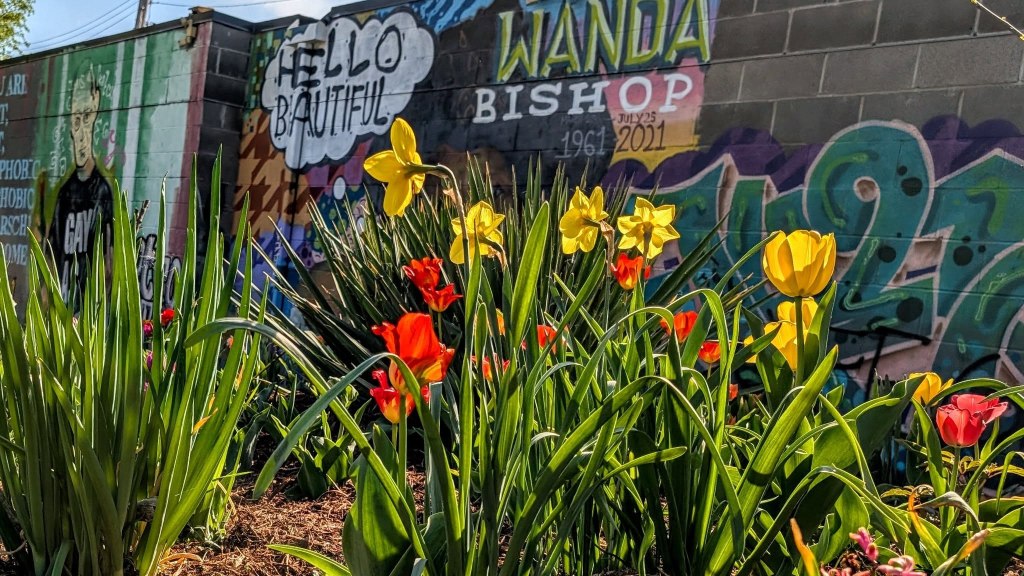
Guerilla Gardeners bringing beauty to Lansing

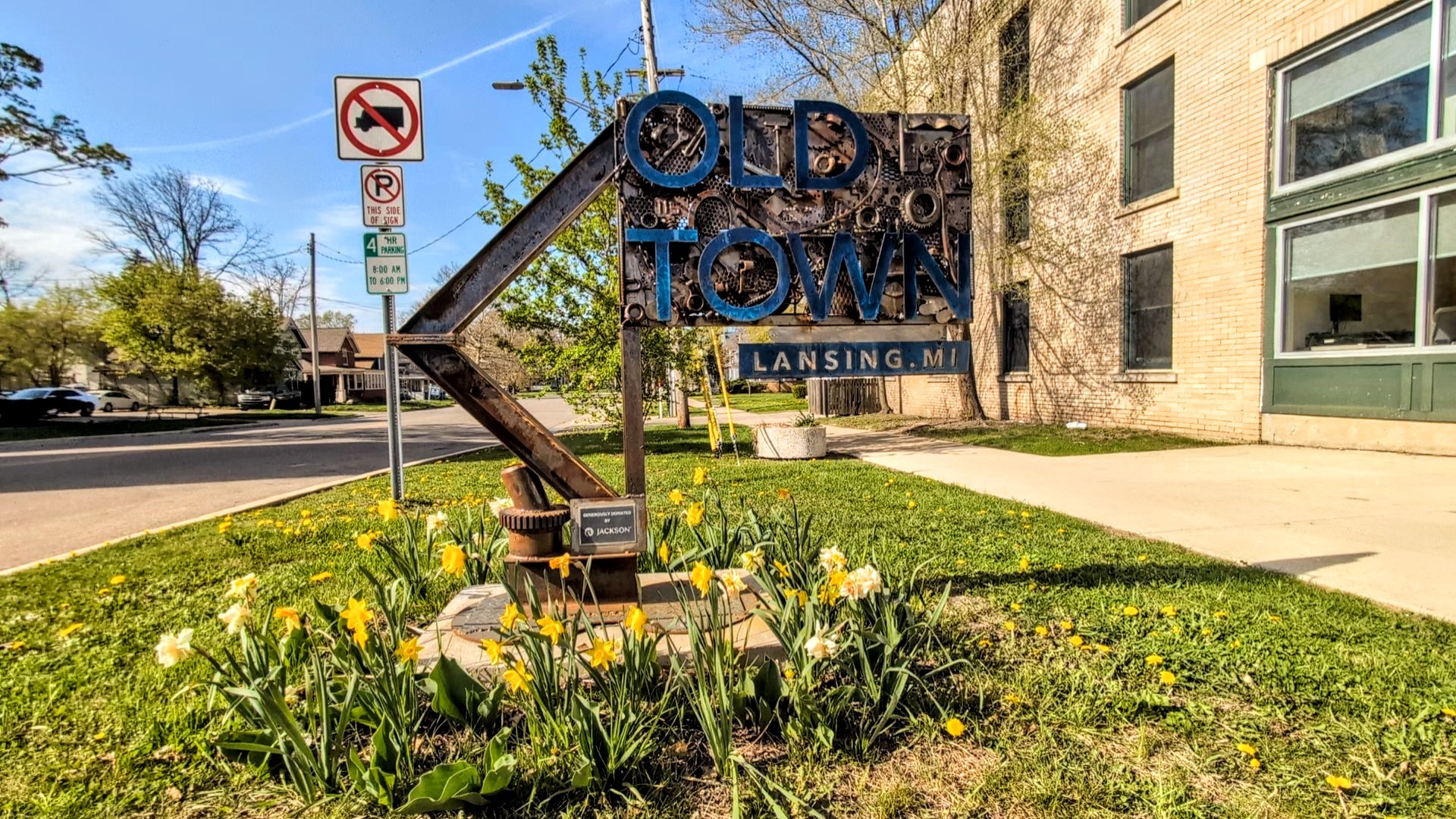
Hello Beautiful by Lansing Area Guerilla Gardeners

Hello Beautiful by Lansing Area Guerilla Gardeners

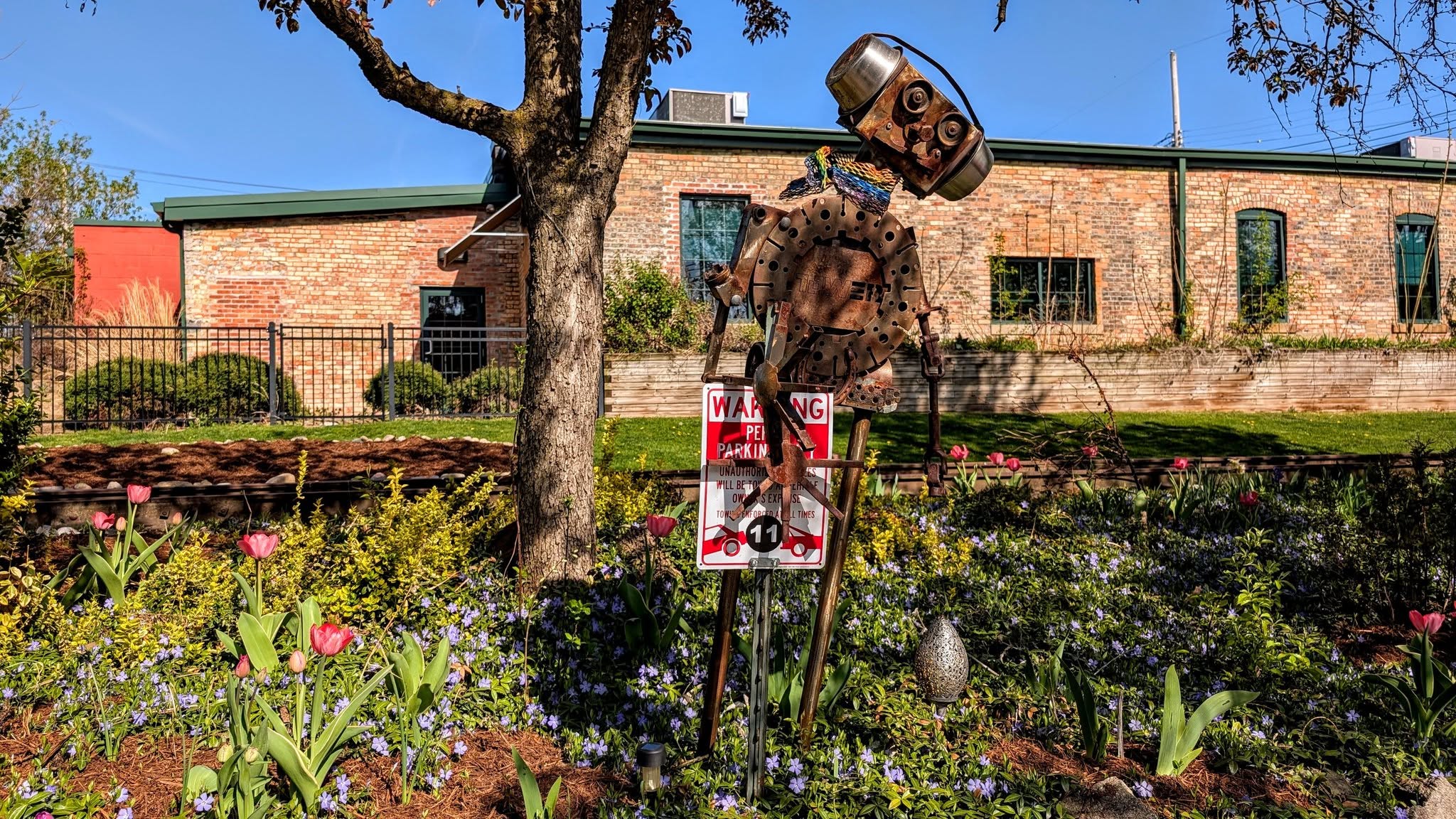
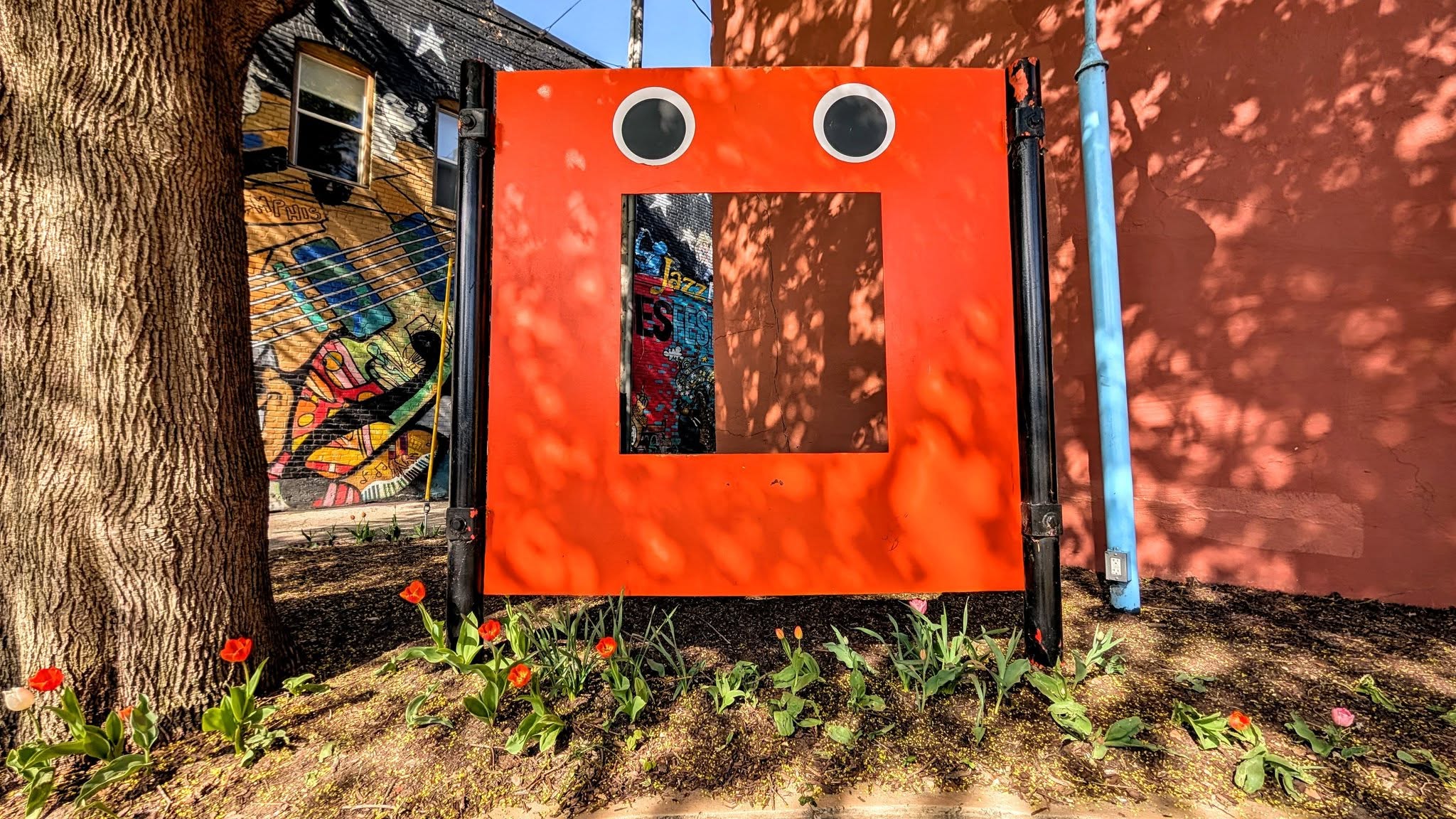
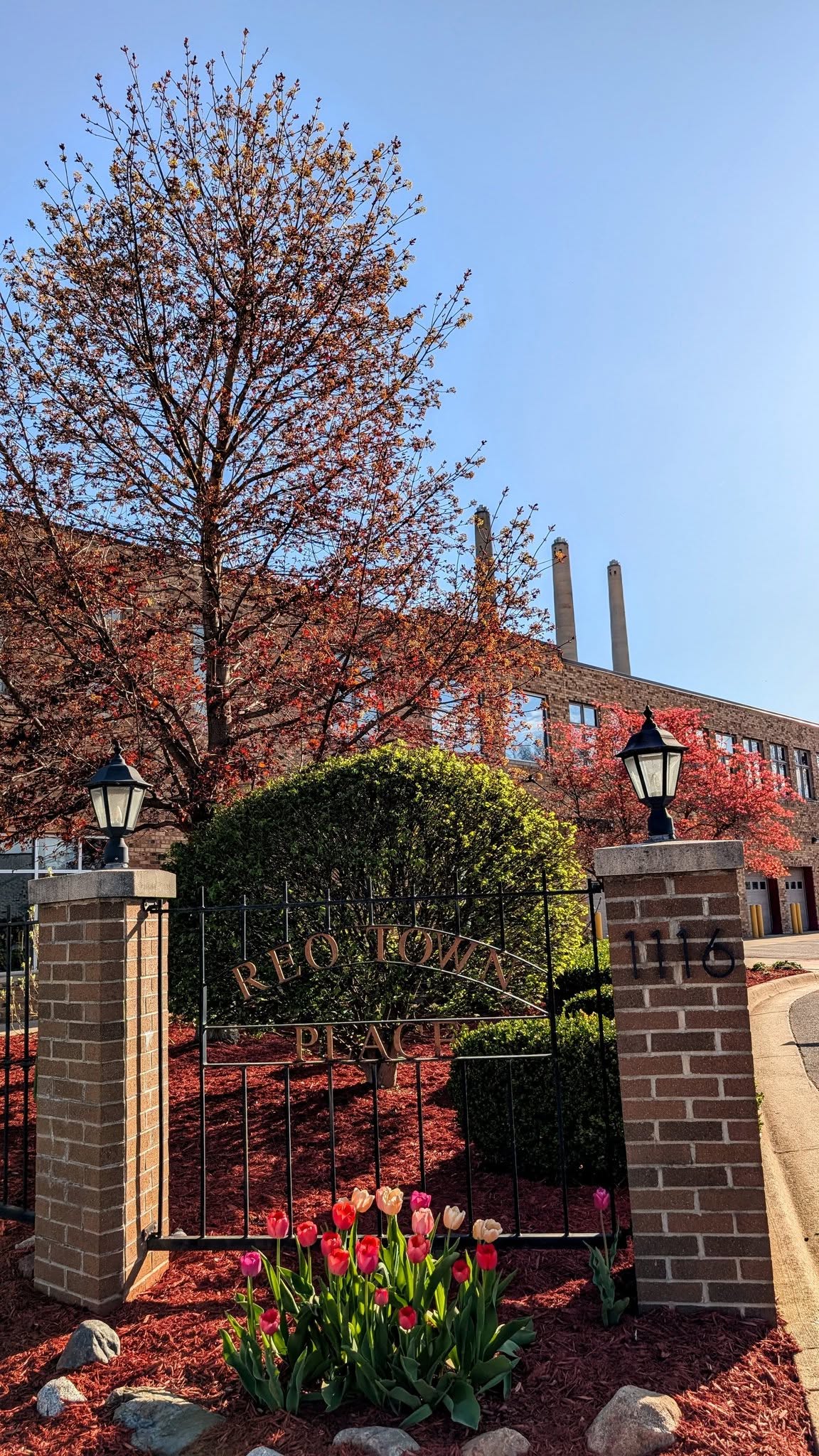
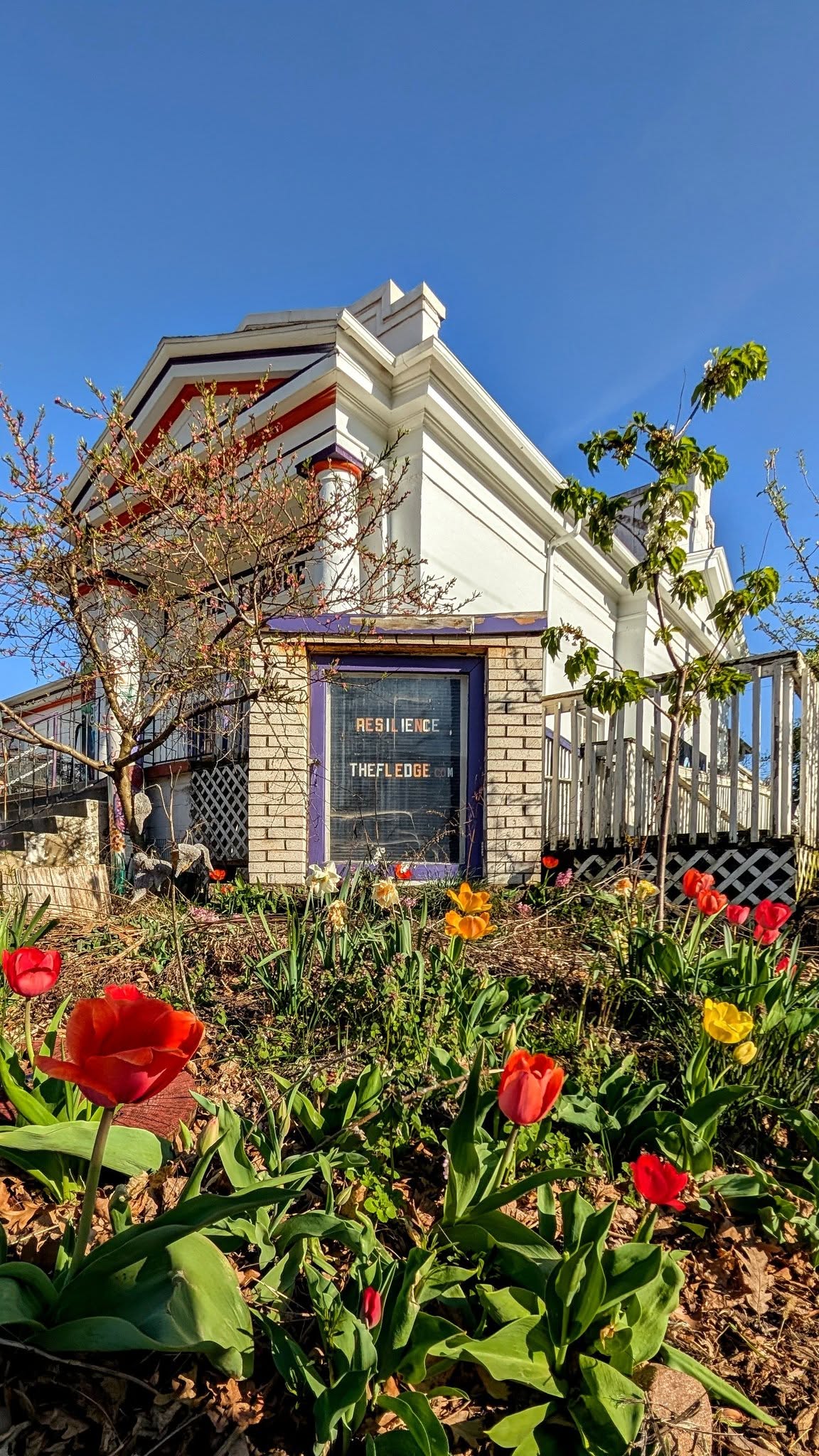
Last week’s post about Lansing’s truck-eating bridge Big Penny was the most popular post of 2025 so far, but it may convey an overly aggressive image of our State Capital. Fortunately, I found the perfect antidote for Big Penny through Stupid Lansing, the folks who tipped me off to Big Penny: the Lansing Area Guerilla Gardeners!

WKAR explains that guerilla gardeners across the globe care for public or neglected land, often without formal permission:

(Shawn) Dyer and his friends adopted the Guerrilla Gardeners label in 2021, although they’ve been leading stealthy community cleanups and carrying out surprise acts of gardening for years. We sneak in, we garden, we make it look better and then we leave.” As Jana Nichol described it: “We sneak in, we garden, we make it look better and then we leave.”

Just love this – check out their work below & on their Facebook page!!
Support Michigan in Pictures with Patreon

Building a Backyard Habitat

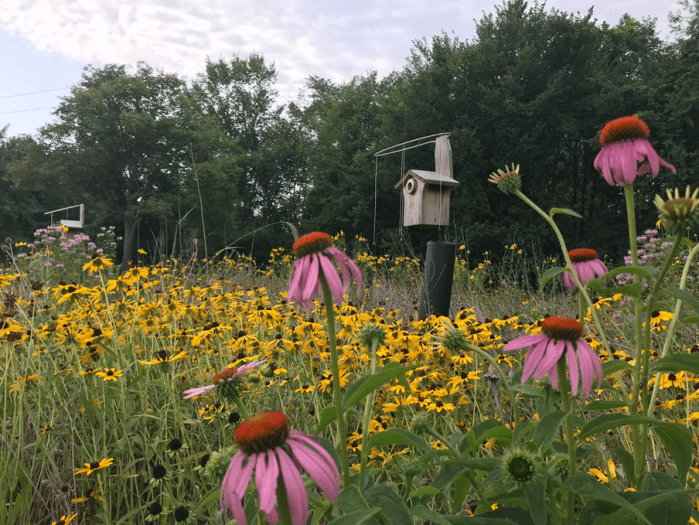
Prairie by Natalie Cypher

Prairie by Natalie Cypher

Rayna Skiver of the Great Lakes Echo has an article on the benefits of building a backyard habitat for Michigan wildlife that says in part:

A habitat can be as simple as a place that provides food, water and shelter for wildlife, said Natalie Cypher, naturalist and educator for the Michigan Department of Natural Resources Outdoor Adventure Center.

Building a habitat in your backyard can require as much or as little space as you want, Cypher said. It depends on what type of wildlife you want to attract.

Research is the first step.

“If you’re looking to provide a habitat for monarch butterflies, you have to use milkweed,” Cypher said. “Monarch butterflies only lay their eggs on milkweed plants and it’s the only food that their caterpillars will eat.”

…Backyard habitats benefit both wildlife and the people making them. For wildlife, they provide food and a safe place to nest. People benefit because of the positive feelings associated with added greenery and the presence of wildlife.

In a suburban neighborhood, a lot of land doesn’t provide habitat, Cypher said. One million acres of wildlife habitat are lost every year due to suburban development, according to the National Wildlife Federation.

“Providing a small patch of habitat can be high impact,” Cypher said.

The National Wildlife Federation reports benefits like higher percentages of native plants, indicator species, tree coverage, water conservation and wildlife presence.

Native plants use less water and sequester carbon, according to the National Wildlife Federation.

Home gardeners benefit from native pollinators such as bees and butterflies because they can increase fruit and vegetable production and help with pest control, Cypher said.

Read on for much more at the Echo. You can learn more about the Michigan Department of Natural Resources Outdoor Adventure Center & even apply for a job on their website!

More Michigan gardens & gardening on Michigan in Pictures.

Support Michigan in Pictures with Patreon

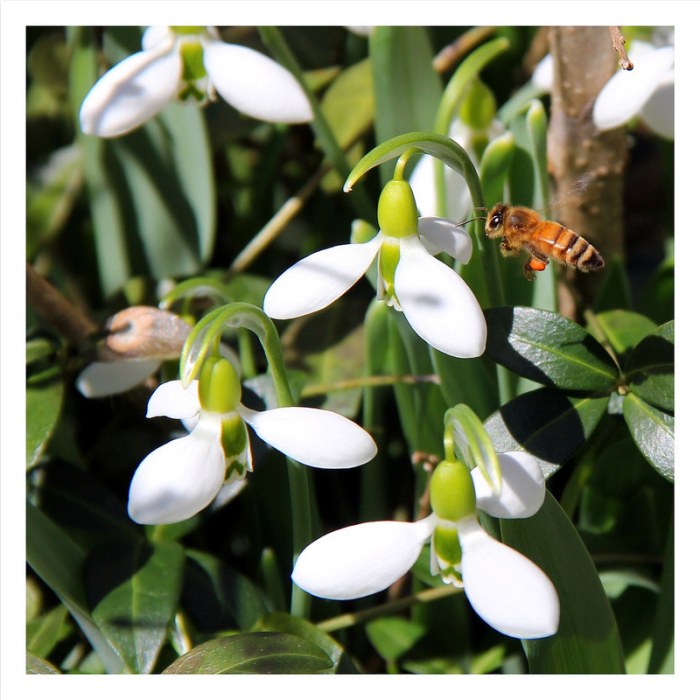
Snowdrops and a Bee

Snowdrops and a Bee, photo by Trish P.

Trish took this Saturday on the Leelanau Peninsula. View the photo bigger, see more of the same in Trish’s In the Garden slideshow, and follow her at trishy_p on Instagram!

More flowers and more from the garden on Michigan in Pictures.

Bringing the Busy Bee back to Michigan

the-busy-couple-of-bees

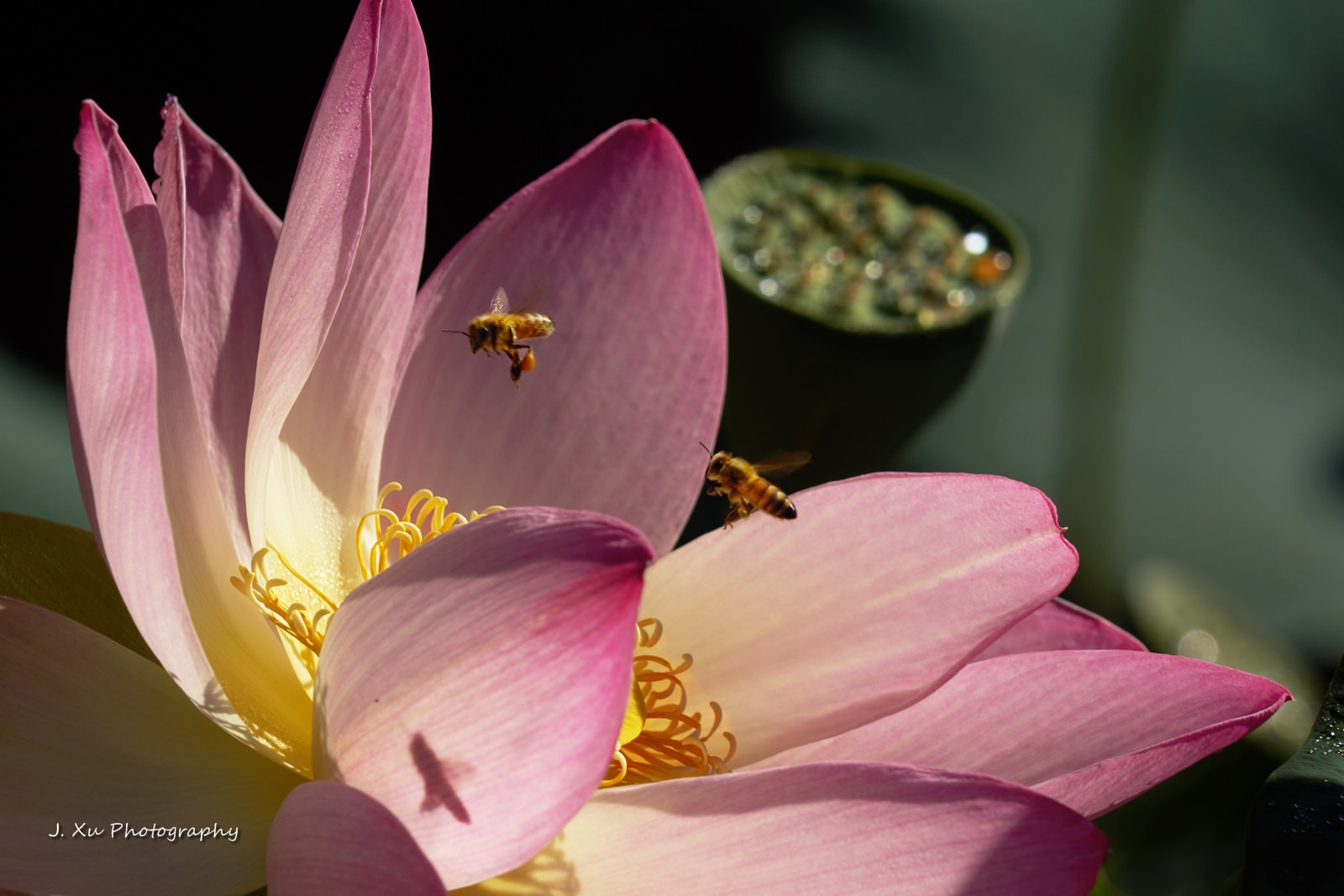
The busy couple, photo by Jiafan (John) Xu

John writes that this photo was taken at a small pond with pink lotus and some other water plants at the Michigan State University farm in Novi, Michigan. That segues nicely to this Greening of the Great Lakes interview with Dr. Rufus Isaacs, bee researcher and professor in the Department of Entomology at MSU about what we can do to make our farms and gardens better for bees.

He (Dr. Isaacs) believes the use of pesticides, disease and reduced natural habitat from the development of land for residential and agricultural purposes have made it difficult for the over 400 different bee species native to Michigan to survive and pollinate.

Among other things, Isaacs and his colleagues hope to expand spaces for wild bees to thrive close to farmland. His strategy to improve pollination sustainability involves luring wild bees to farms so producers don’t have to rent commercial honey bees. By planting wildflowers and using bee-safe pesticides, farmers can become less dependent on high-cost and out-of-state honey bees to pollinate their crops.

“We’re supporting those bees with pollen, nectar and a place to nest, “ he says. “That’s boosting those wild bee numbers to help honey bees when it’s bloom time in the Spring.”

Similar procedures can also be done on a smaller scale to increase pollination and mitigate bee decline. Isaacs explains that home gardeners can look to resources like MSU’s Smart Gardening program to attract pollinators to their fruit and vegetable plantings.

Click through to listen!

View Jiafan’s photo bigger and see more in his slideshow.