Looking back on the Midland flood of 2020

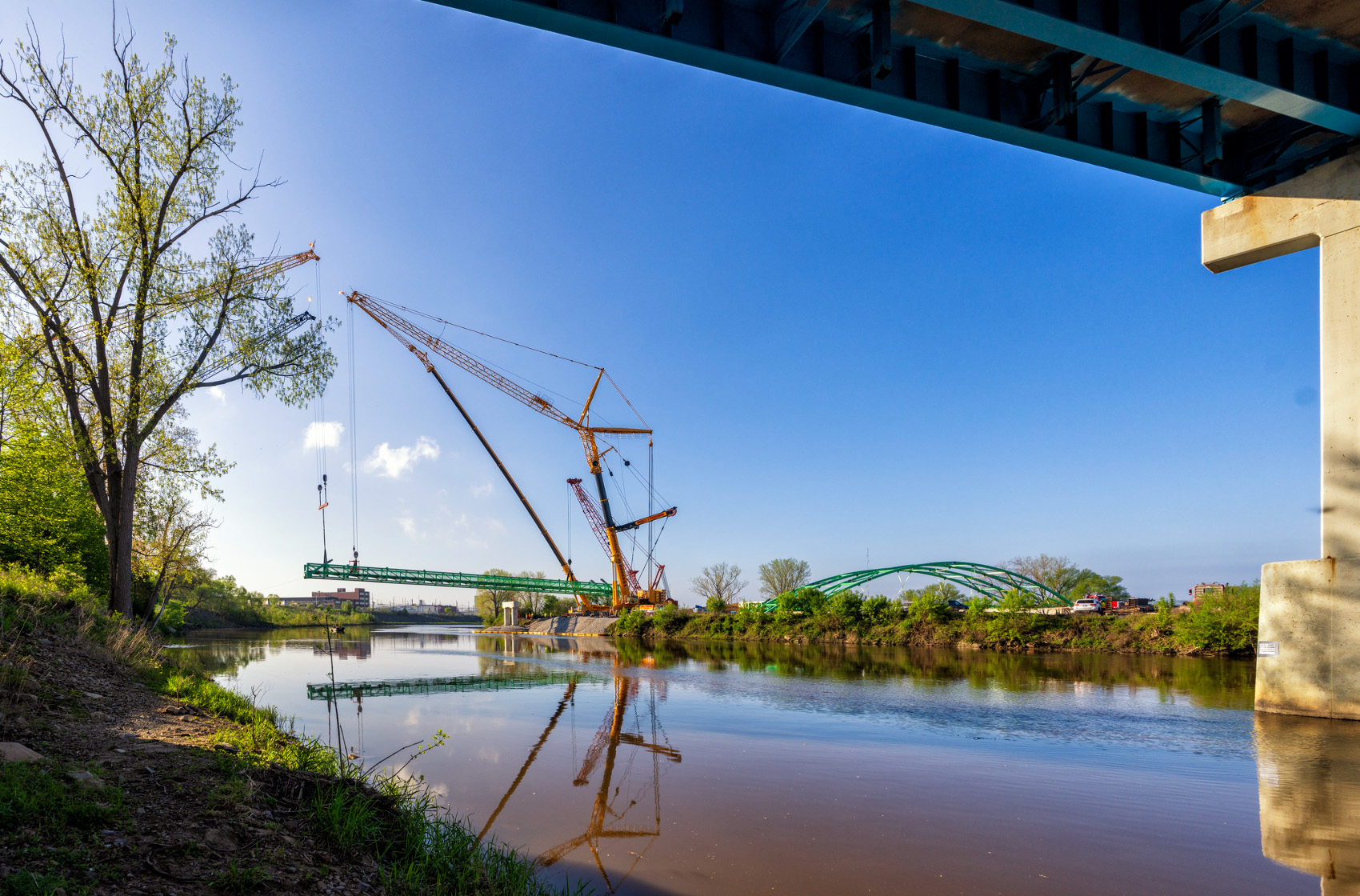
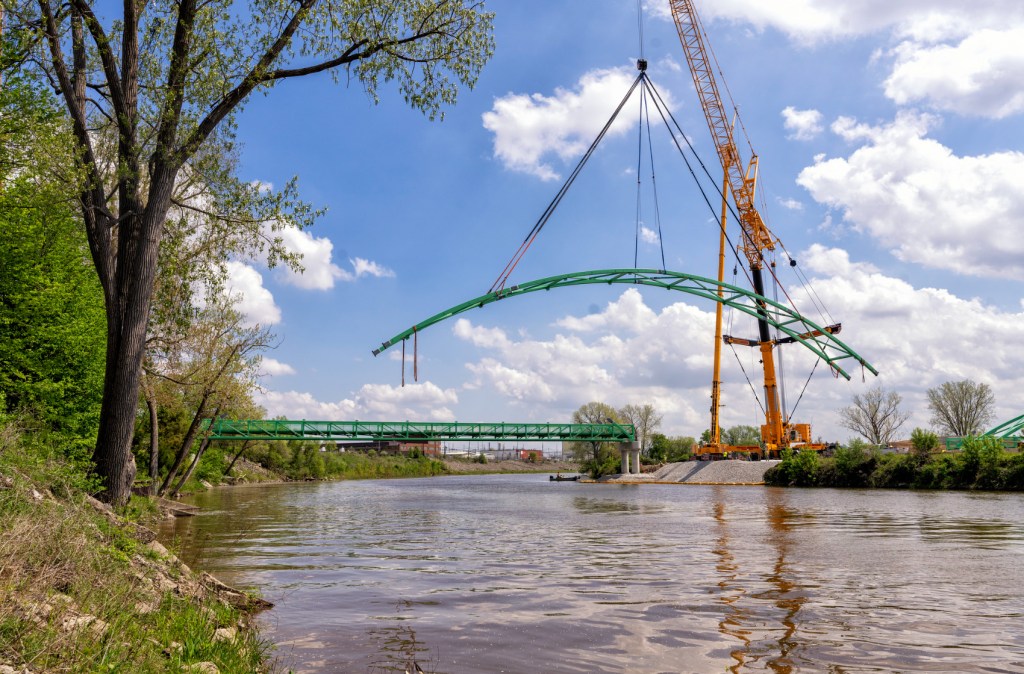
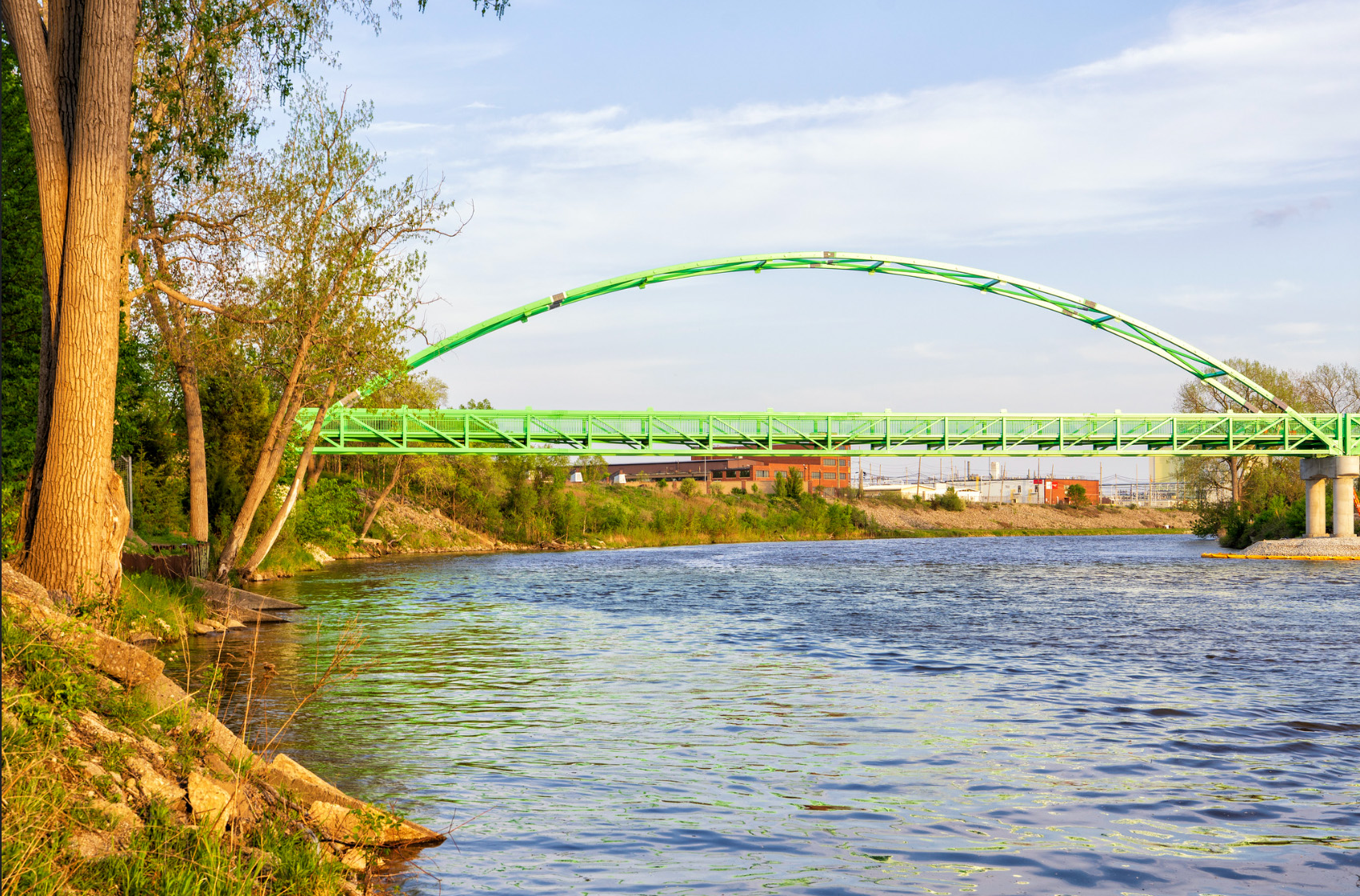
Swinging the Arch into Position by Charles Bonham

Five years ago yesterday, the City of Midland was devastated by the collapse of the Edenville & Sanford dams. If you’re wondering whether or not the State of Michigan taken this tragedy to heart, the answer according to this mLive article appears to be “Nope”:

“Did we really use Midland to do deep learning and then change our regulations and invest in this infrastructure time bomb?” said Bryan Burroughs, executive director of Michigan Trout Unlimited and a member of a former task force that issued a suite of mostly unrealized recommendations on dam safety after Edenville.

“Not dramatically, not significantly.”

Republicans and Democrats pledged action. Lansing politicians secured large sums to rebuild the mid-Michigan dams, channeled smaller pots of money to other dams and added state inspectors. But corresponding dam safety reforms were introduced and quickly faded away. “We’re still at the starting blocks waiting for the gun to go off with dam safety in Michigan,” said Bill Rustem, a former task force member and advisor to Michigan governors William Milliken and Rick Snyder.

Lots more in mLive & also check out the latest in the case of Midland residents & businesses vs the State of Michigan in the Detroit News.

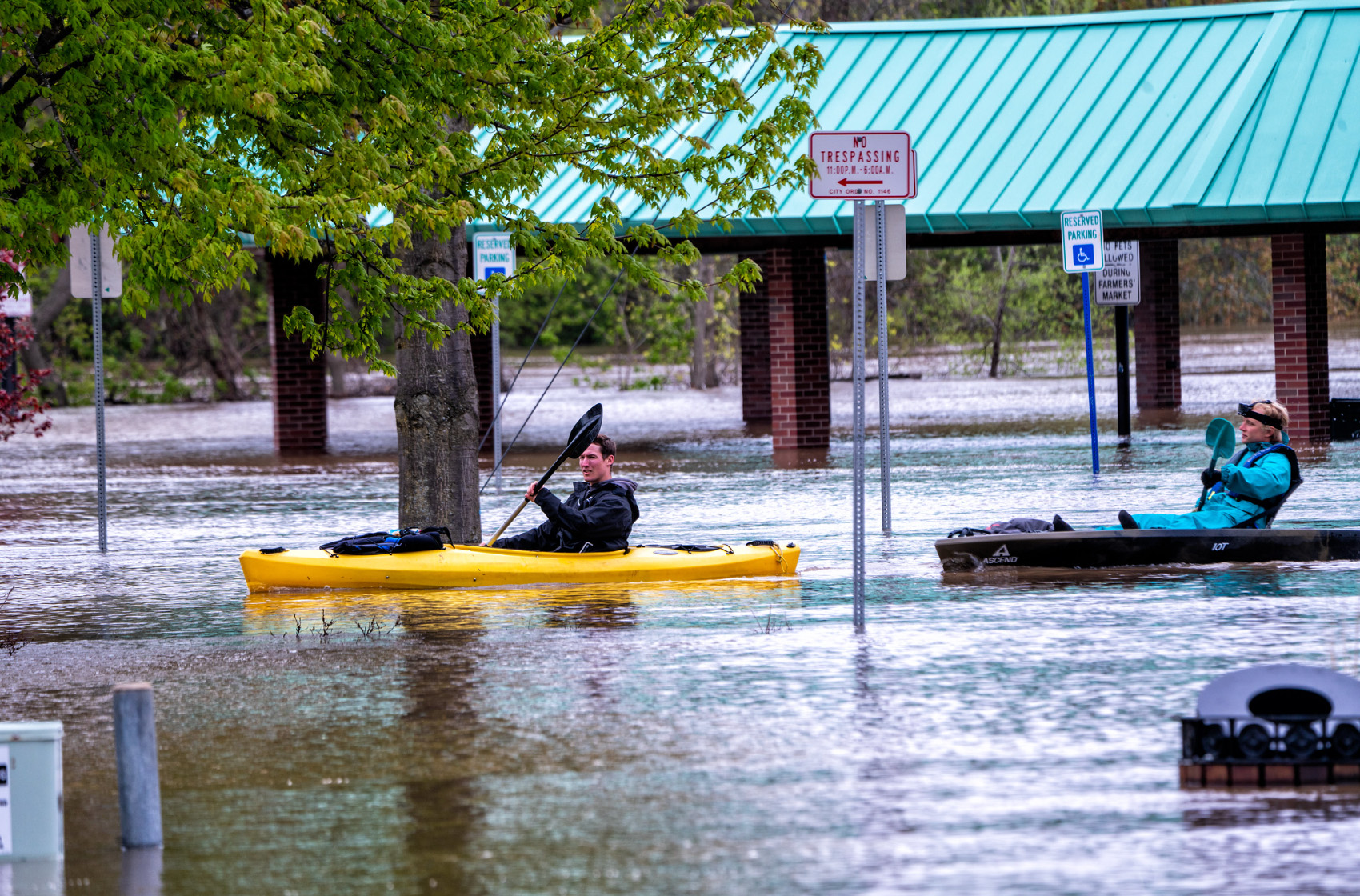
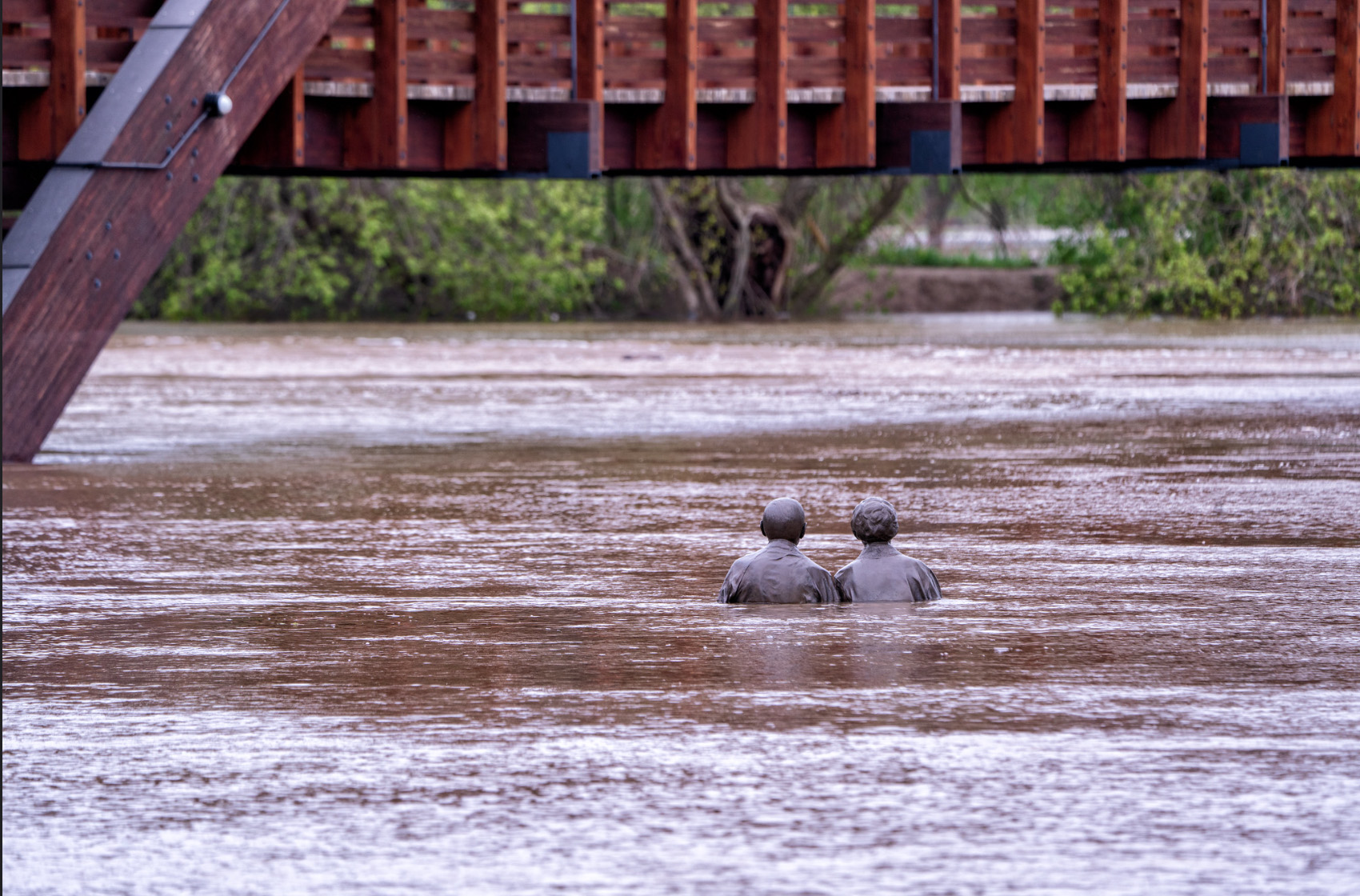
Charles shared a ton of photos with us during the Midland Flood of May 2020, so I thought it would be a great time to check back and see how things are looking lately! See more lovely spring pics in Charles’s Dow Gardens gallery on Flickr!

Support Michigan in Pictures with Patreon

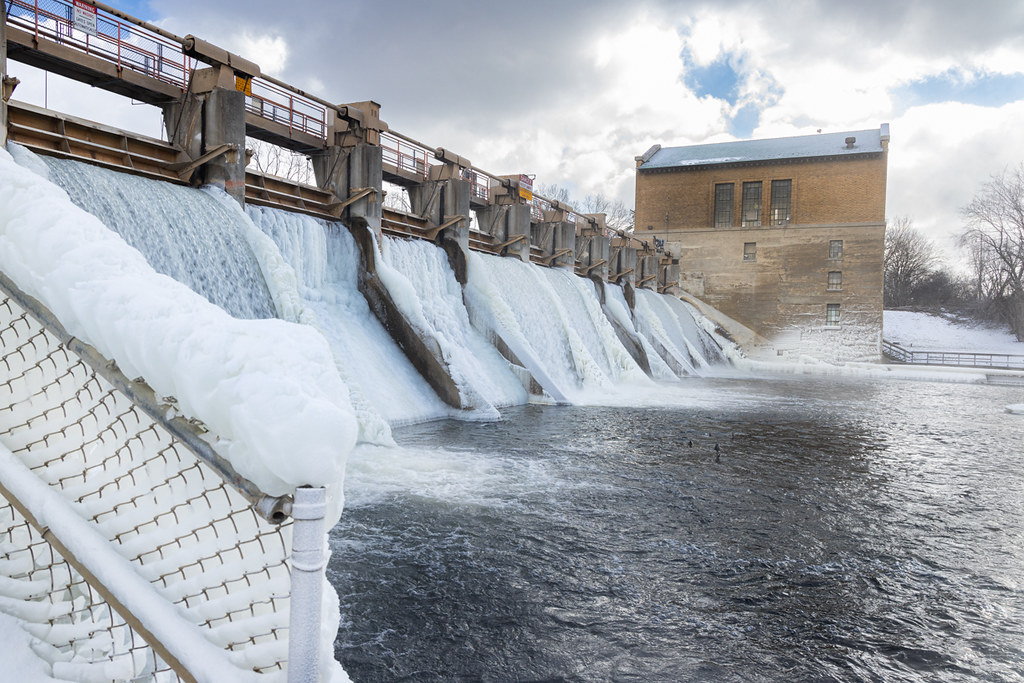
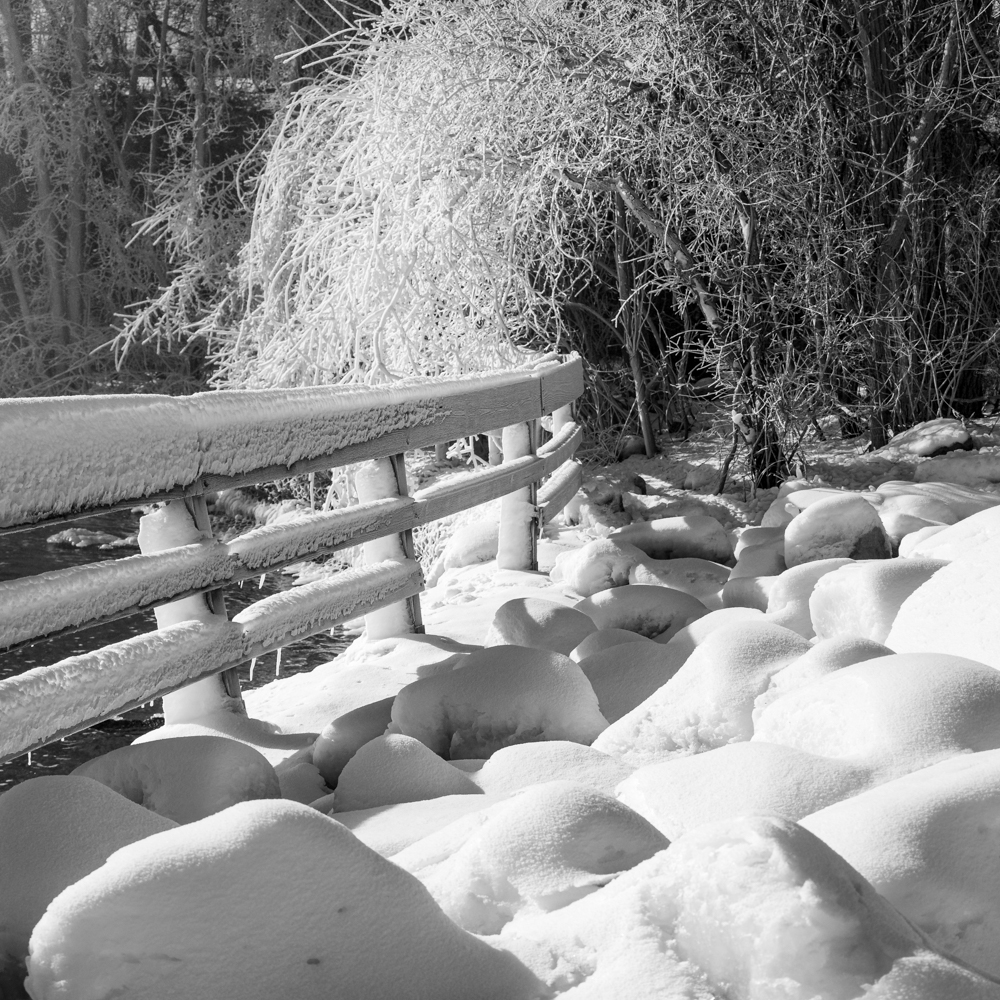
Damn Cold Michigan Morning at Barton Dam

Barton Dam - Cold by Bruce Bertz

Barton Dam – Cold by Bruce Bertz

Most of the schools in Michigan were closed today due to single digit or subzero temps as the entire state wonders what box it put the electric blanket in. ArborWiki’s entry for Barton Dam says that:

The City of Ann Arbor purchased the dam from Detroit Edison in the 1960s and restarted hydroelectric generation in the 1980s. The facility has a 900-kilowatt turbine that generates 4.2 million kWh per year.

Barton Dam is one of Ann Arbor’s four dams on the Huron River. It was designed by engineer Gardner Stewart Williams and architect Emil Lorch and built in 1912-13 as part of the development of hydroelectric power on the Huron River by the predecessor of Detroit Edison. The earthen-construction dam is 34 feet high and 1767 feet long, and has a typical surface area of 315 acres and typical storage of 5050 acre-feet. The dam can be accessed from Huron River Drive from the city park located at the foot of Bird Road.

See more including another shot from Barton Dam Nature Area in Bruce’s 2025-01 gallery on Flickr and STAY WARM!!!

Frosty by Bruce Bertz

Frosty by Bruce Bertz

Support Michigan in Pictures with Patreon

Waterfallish Wednesday: Seasons Greetings from Fishtown

via Leelanau.com…

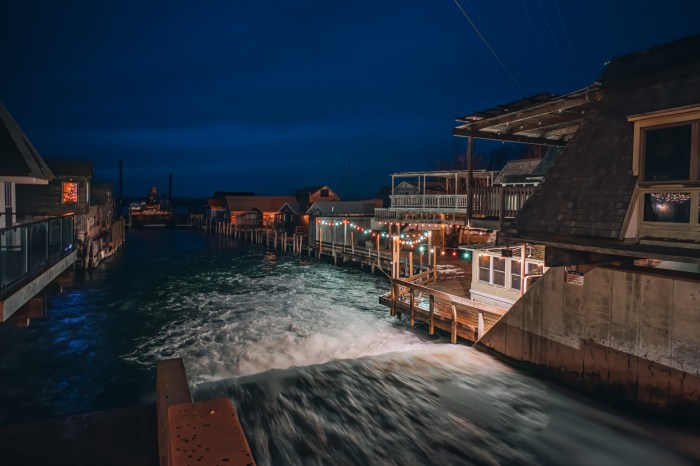
Flowing All Night Long by Mark Smith

Flowing all night long by Mark Smith

While this dam isn’t an actual waterfall, I’m going to overlook it due to seasonal appropriateness. In their excellent overview of the history of Fishtown in Leland, the Glen Arbor Sun shares:

Fishtown is located where there once was a natural fish ladder on these traditional Native American fishing grounds. It is one of only few commercial fishing villages still operating today in Michigan. The Native Americans called this spot Mishi-me-go-bing, or alternatively Che-ma-go-bing or Chi-mak-a-ping, meaning “the place where canoes run up into the river to land, because they have no harbor.”

French Canadian millwright, Antoine Manseau, along with his family, are thought to be among some of the first whites to settle here. They came from North Manitou Island in 1853. The following year Manseau and his family, along with John Miller, built the dam at Fishtown. It raised the water level in the river and in Lake Leelanau by as much as an astonishing 12 feet. Since the dam prevented boat traffic from going back and forth in their daily business, launches were, and still are provided on both sides of the dam.

Lots more in the Sun. You can learn more about the history of the dam from Fishtown Preservation.

Mark took this photo a week ago. See more in his Leland gallery & view and purchase his work at Leelanau Landscapes.

Support Michigan in Pictures with Patreon

Dam Shame: Michigan’s aging dams put thousands at risk

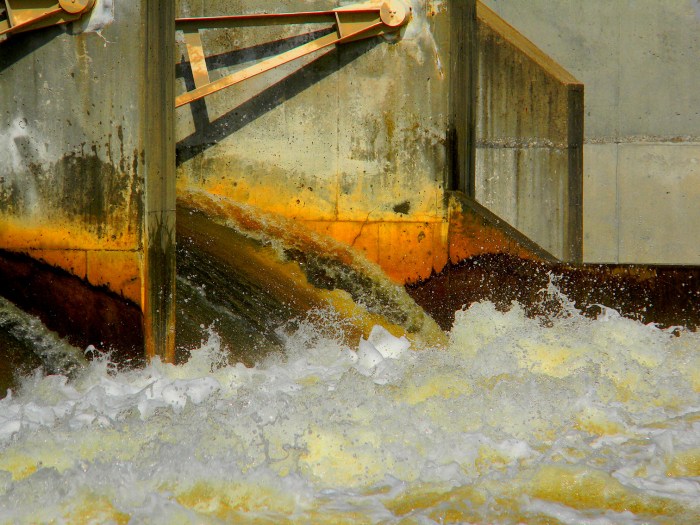
Rusty Dam and Spillway on the Huron River by Ann

Rusty Dam and Spillway on the Huron River by Ann

The New York Times notes that although no one died in last week’s flooding of Midland due to dam failures, thousands were evacuated, homes and businesses were inundated, and floodwaters spilled into a chemical plant and Superfund site. They continue that little has been done to address the looming national hazard of aging dams like those that failed in Michigan.

In November 2019, The Associated Press reported that 19 dams in Michigan, including the first of the dams to breach, were in unsatisfactory condition and presented high hazards, meaning their failure can cause loss of life. The events of last week should not have come as a surprise, and it is only a matter of time before a catastrophic dam collapse will occur somewhere in the United States. The combination of aging and poorly maintained dams and extreme, climate-caused flooding presents potentially deadly risks for people downstream.

…In Michigan, Gov. Gretchen Whitmer said experts characterized the flooding that led to the recent dam failures as a 500-year event — something that would have a one in 500 chance of occurring in any given year. If we consider dams in the eight-state Great Lakes region older than 60 years (most have a design life of 50 years) that are in counties with a population larger than 500,000, 317 dams are classified as having a high potential for hazard in a failure. The chances of one or more of these dams experiencing a 500- or 1,000-year flooding event in a year would be 47 percent and 27 percent — which strikes us as pretty high.

The Great Lakes region exhibits approximately 10-year cycles of rainfall and is currently near record high levels. Extreme rainfalls are happening much more frequently in the region than in the past 100 years. What is being done to prepare for potential flooding and dam failures?

The state and the federal government have multiple offices that assess dam safety. What we lack is an overall strategy to fix the problem and the requisite financial resources. Rehabilitating dams with high hazard potential will cost an estimated $3 billion for federal impoundments and another $19 billion for nonfederal ones — a cost that vastly exceeds current spending.

We need a real plan and real money, and we need them soon.

Read on for more in the NYT & head over to Bridge Magazine for an in-depth exploration of the 2020 Midland flooding.

Ann took this back in 2011. View more in her Flickr.

Support Michigan in Pictures with Patreon