
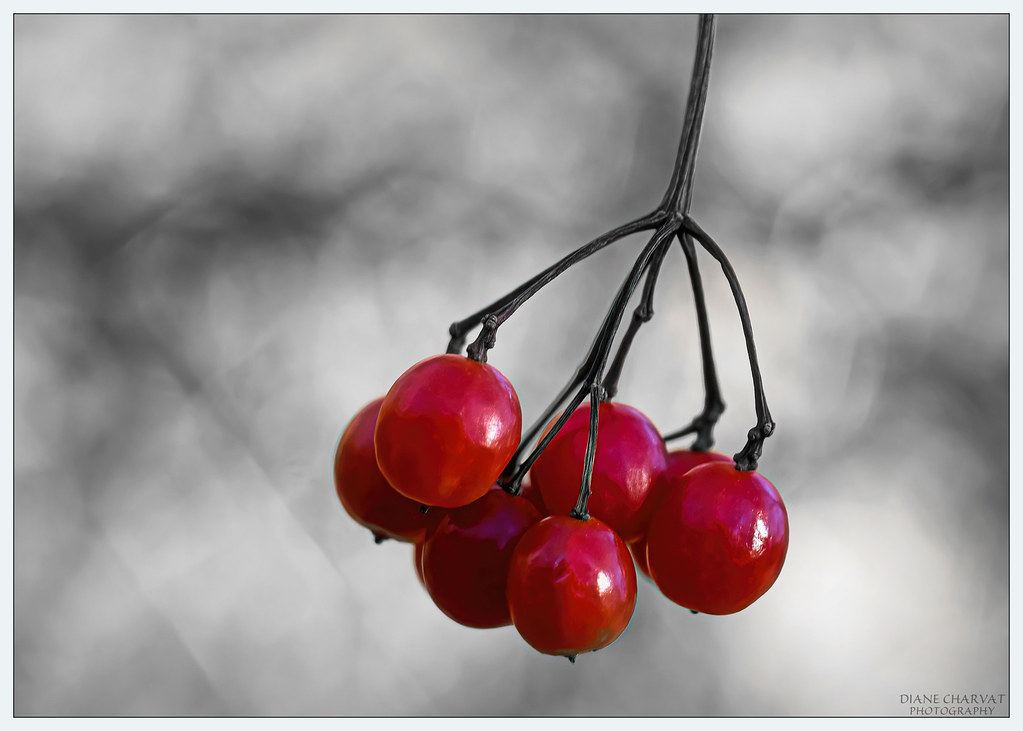
The Highbush Cranberry is not a Cranberry

Highbush Cranberry by Diane Charvat

Highbush Cranberry by Diane Charvat

Michigan is one of the best states in the Union for setting the Thanksgiving table. From gameday starters like Koeze nutsMcClure’s PicklesKoegel Meats, Faygo pop, and Better Made Chips to sides like American chestnutsMichigan potatoes & squash (and pumpkin pie) and of course Michigan-raised turkeys!

Another Thanksgiving staple that Michigan produces are cranberries, which are one of just a few fruits native to North America. While we do have about 300 acres of cranberries, there is another “cranberry” that the cranberry people want to make perfectly clear is not an actual cranberry. Green Deane’s Eat the Weeds blog has a great article on the High Bush Cranberry that says (in part):

The High Bush Cranberry is actually a Viburnum (Viburnum trilobum) and a cousin of the elderberry. Both are in the greater Honeysuckle Family and have a characteristic musky odor. That family by the way straddles the edibility line, with some members edible and others not, some tasty and some not. As one might suspect by the name, the High Bush Cranberry has tart fruit. Bradford Angier, a well-known Canada-based forager along side Euell Gibbons, wrote they require a “conditioned palate” to appreciate.

In North America the High Bush Cranberry is found in Canada and the northern half of the United States plus, oddly, New Mexico. It is not as that friendly to wildlife as one might suspect. The fruit persists into the winter because they are not on the top of birds’ preferred food. Birds like the berries after they soften and ferment. White-Tailed deer also browse on the twigs and leaves. For humans the berries are high in Vitamin C, about 30 milligrams per 100 grams. Viburnum trilobum has several disputed botanical names and several mistaken common names including Pimbina, Mooseberry, Cranberry Tree, Cranberry Bush, American Cranberry, and Squashberry.

Read on for lots more including identification tips. They do say that Highbush cranberries taste better when harvested after the first frost so please let me know if you try them! You can also buy Highbush cranberry bushes from your local Conservation District like Van Buren County. There’s much more Michigan Thanksgiving to feast on at Michigan in Pictures too!

Dian took the top photo in Greenville (just northeast of Grand Rapids) and the one below on the Betsie Valley Trail in Benzie County. See her latest pics on her Flickr!
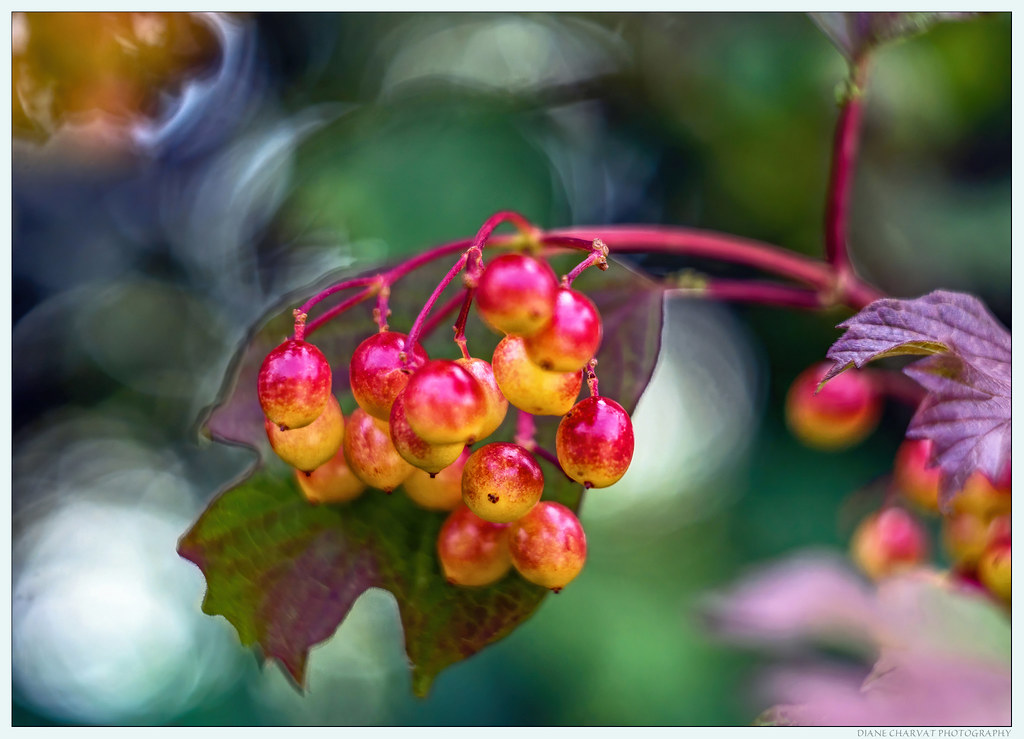
Betsie Valley Highbush Cranberry by Diane Charvat

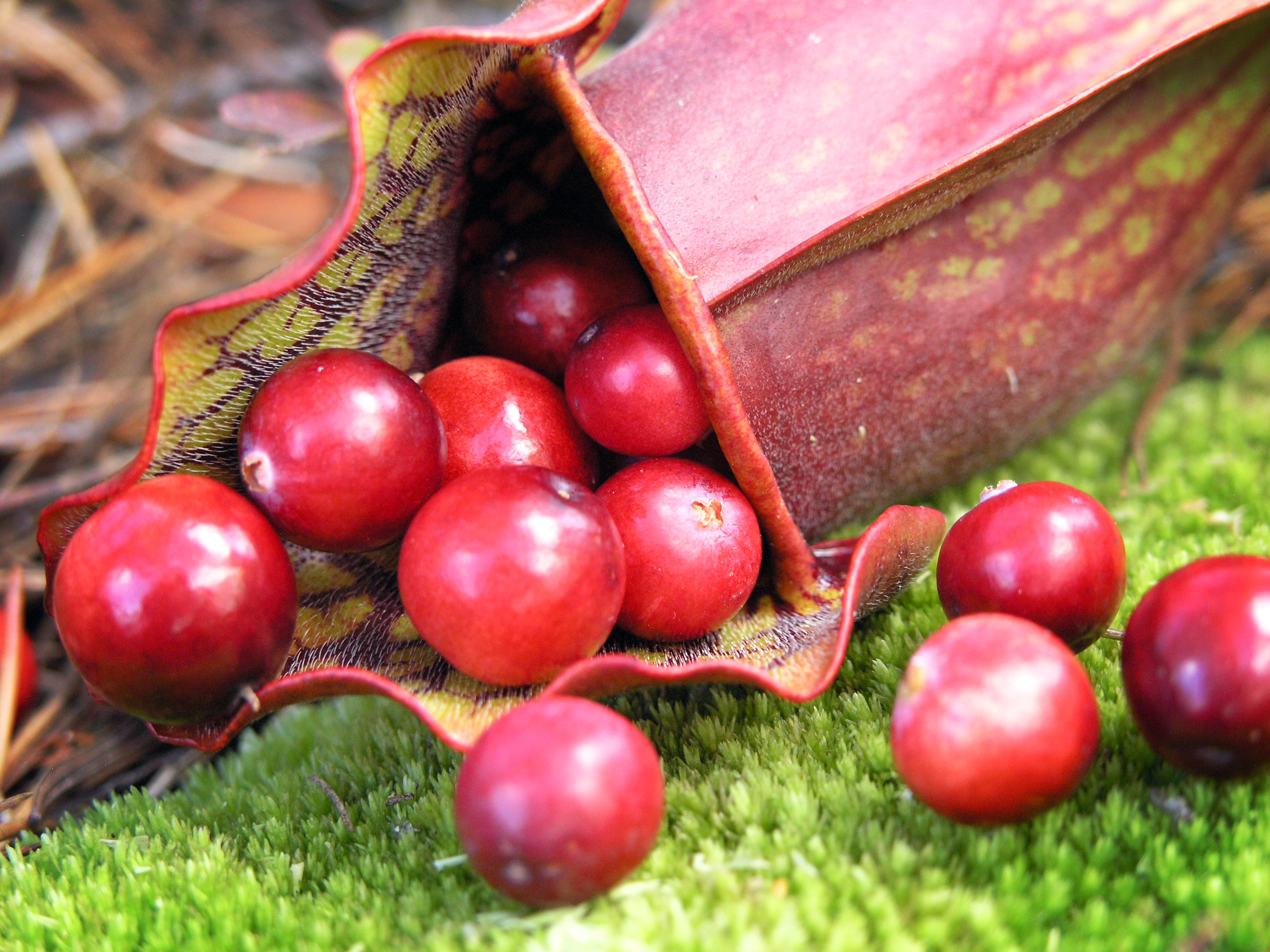
Betsie Valley Highbush Cranberry by Diane Charvat

Support Michigan in Pictures with Patreon

Make Mine a Michigan Thanksgiving: High Bush Cranberry Edition

Highbush Cranberries by Blondieyooper

Cranberries, photo by Blondieyooper

One thing that I love is Thanksgiving dinner, and another is Michigan grown food. Dianna at Promote Michigan brings those together with 15 things that make Thanksgiving Pure Michigan. From starters like Koeze nuts, McClure’s Pickles, Koegel Meats, and Leelanau Cheese to sides like Michigan potatoes & squash to Michigan-raised turkeys and (of course) pumpkin & apple pie and ice cream!

One Thanksgiving staple that Michigan is producing more of are cranberries, and you can get all kinds of information from the US Cranberry Marketing Committee. While it’s too late to get them this year, we have another cranberry that grows in Michigan you might not be aware of. Green Deane’s Eat the Weeds is a great blog, and his page on the High Bush Cranberry says (in part):

The High Bush Cranberry is actually a Viburnum (Viburnum trilobum) and a cousin of the elderberry. Both are in the greater Honeysuckle Family and have a characteristic musky odor. That family by the way straddles the edibility line, with some members edible and others not, some tasty and some not. As one might suspect by the name, the High Bush Cranberry has tart fruit. Bradford Angier, a well-known Canada-based forager along side Euell Gibbons, wrote they require a “conditioned palate” to appreciate.

In North America the High Bush Cranberry is found in Canada and the northern half of the United States plus, oddly, New Mexico. It is not as that friendly to wildlife as one might suspect. The fruit persists into the winter because they are not on the top of birds’ preferred food. Birds like the berries after they soften and ferment. White-Tailed deer also browse on the twigs and leaves. For humans the berries are high in Vitamin C, about 30 milligrams per 100 grams.

Viburnum trilobum has several disputed botanical names and several mistaken common names including Pimbina, Mooseberry, Cranberry Tree, Cranberry Bush, American Cranberry, and Squashberry.

Read on for lots more including identification tips. There’s much more Michigan Thanksgiving to feast on at Michigan in Pictures too!

Blondieyooper says she picked over 8 pounds of these gorgeous highbush cranberries in the UP back in October of 2011. View her photo background bigilicious and see more in her Fall 2011 slideshow.