A Legitimate Snowbird

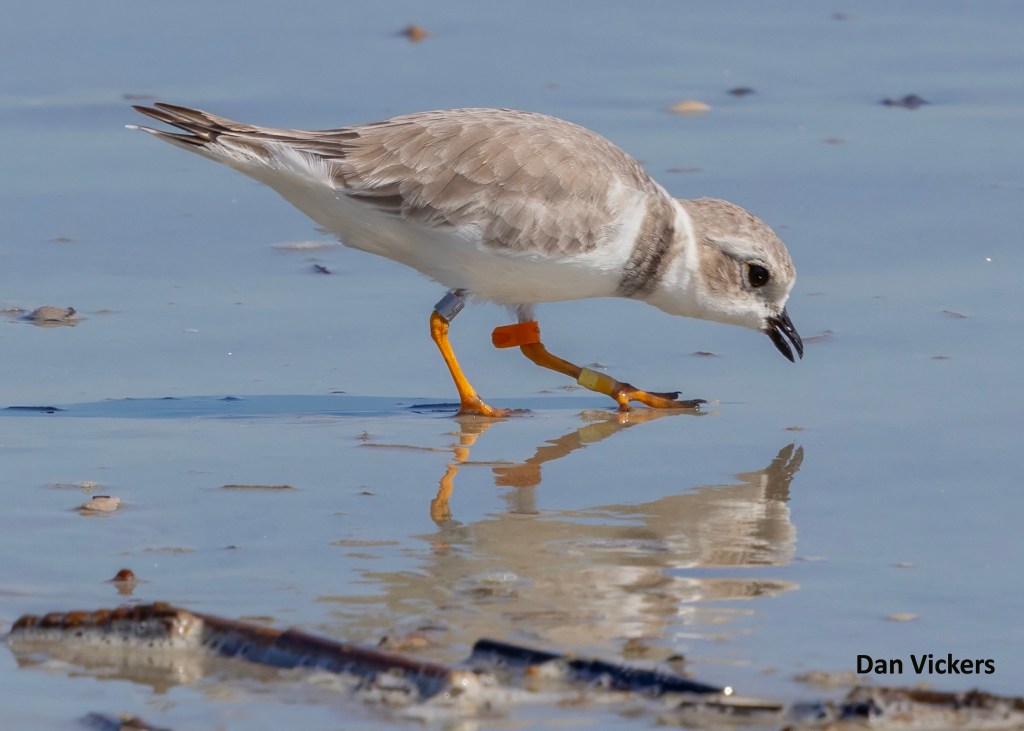
Yogi the Piping Plover at Cumberland Island by Dan Vickers

Yogi the Piping Plover at Cumberland Island by Dan Vickers

“You think YOU’RE a snowbird? Please.” – -Yogi the Great Lakes Piping Plover

Michigan in Pictures features almost exclusively photos from Michigan, but every so often there’s one that will have me reaching beyond our borders. Such is the case with this photo of Yogi the Piping Plover from Cumberland Island all the way down in Georgia that was recently shared by the Great Lakes Piping Plover Recovery Effort. Yogi hails from the Sleeping Bear Dunes National Lakeshore, but his preferred nesting site is the wild and busy Silver Lake State Park.

They explain that the Piping Plover is a small shorebird that is listed as an Endangered Species and nests in three separate geographic populations in the United States and Canada: The Northern Great Plains, the shores of the Great Lakes, and along the Atlantic coast. Birds from all three populations winter on the southern Atlantic and Gulf coasts in the United States & in the Caribbean.

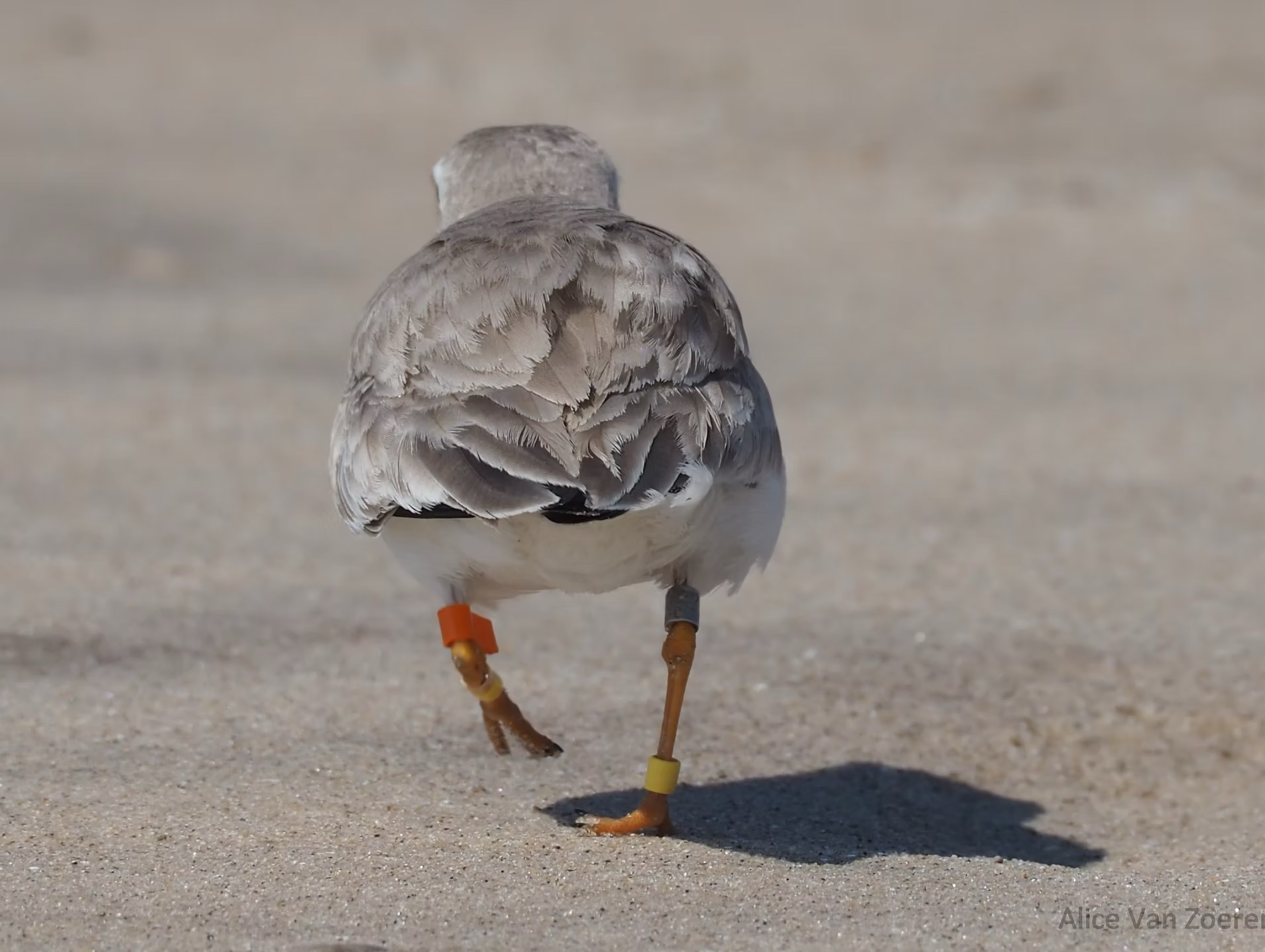
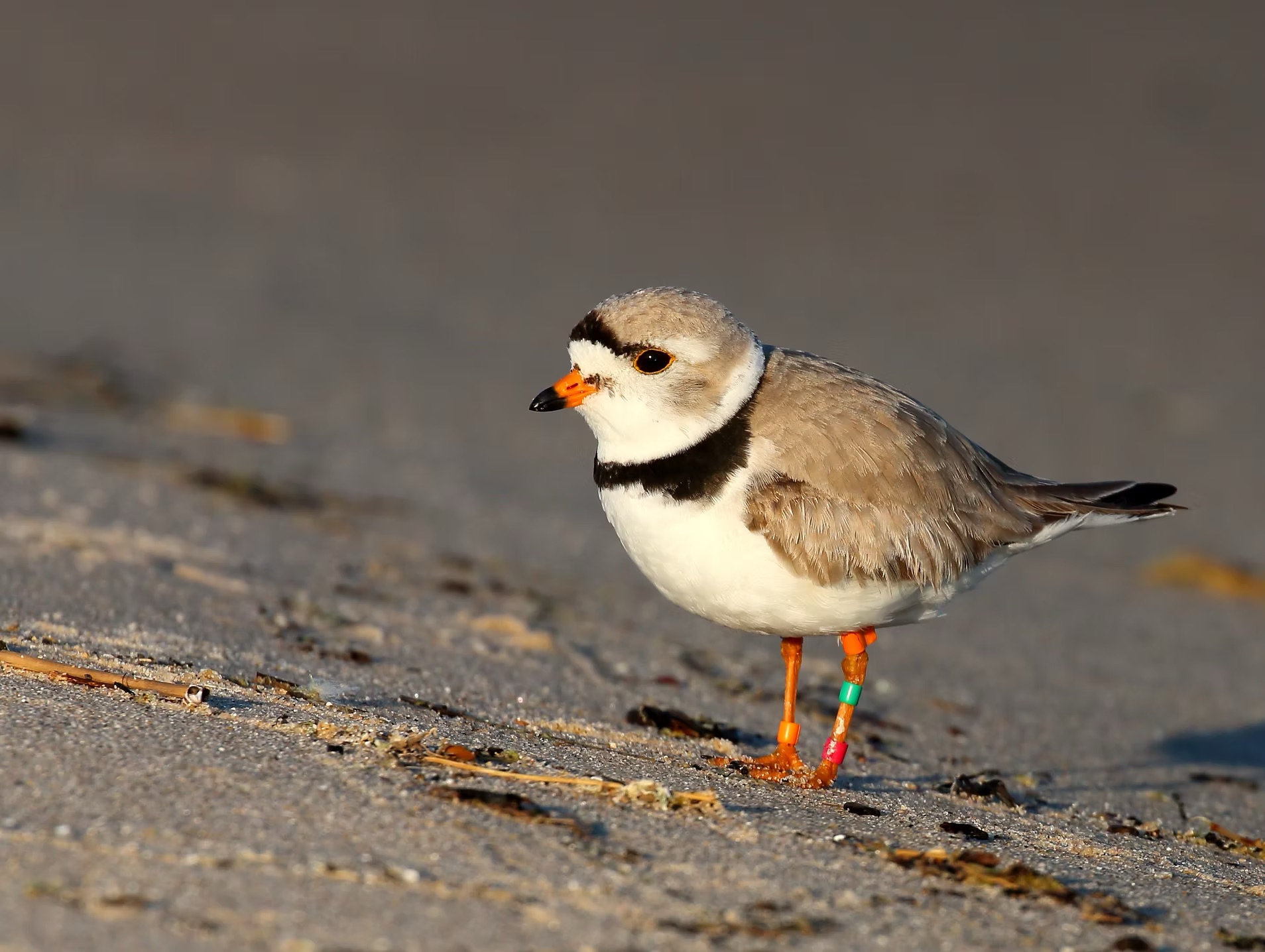
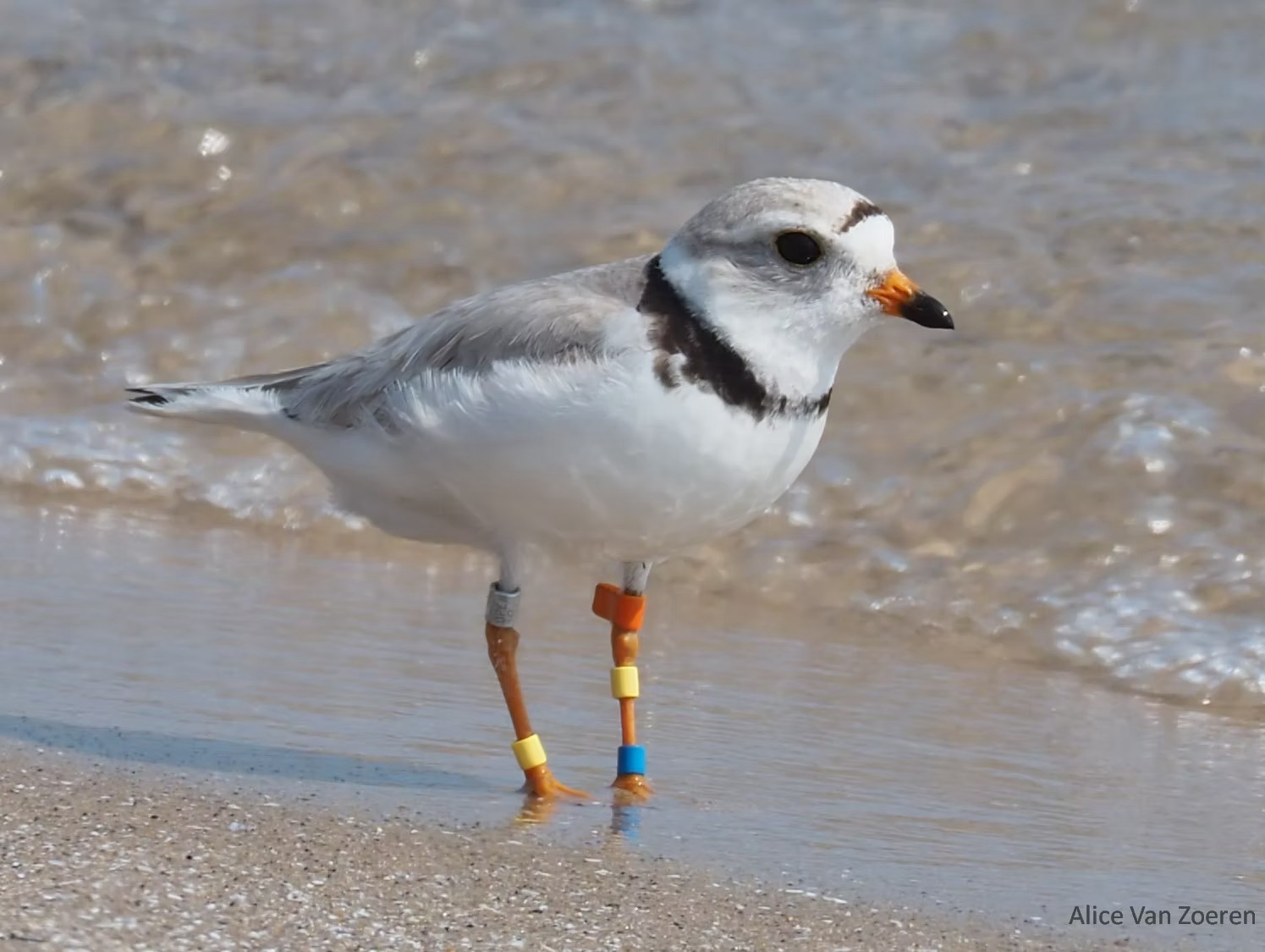
Regarding the distinctive bands, they say: Great Lakes Piping Plover chicks are banded between five and sixteen days of age. Since shorebirds are precocial (Like chickens, Piping Plover chicks begin running around, feeding themselves within hours of hatching), these chicks have well developed legs, which makes it possible for us to band them with adult-sized bands at a young age. The bands we use are made of either plastic or aluminum, and they are very lightweight. Every sibling in a plover brood gets the same color and arrangement of three or four bands (depending on the band color-pattern used). This is called a “brood-marker combination”. There aren’t enough possible combinations available to give every chick their own unique identifier from hatching, but by giving the chicks from the same family, or brood, the same combination we can study such things as parental success, fledging rates, and return success.

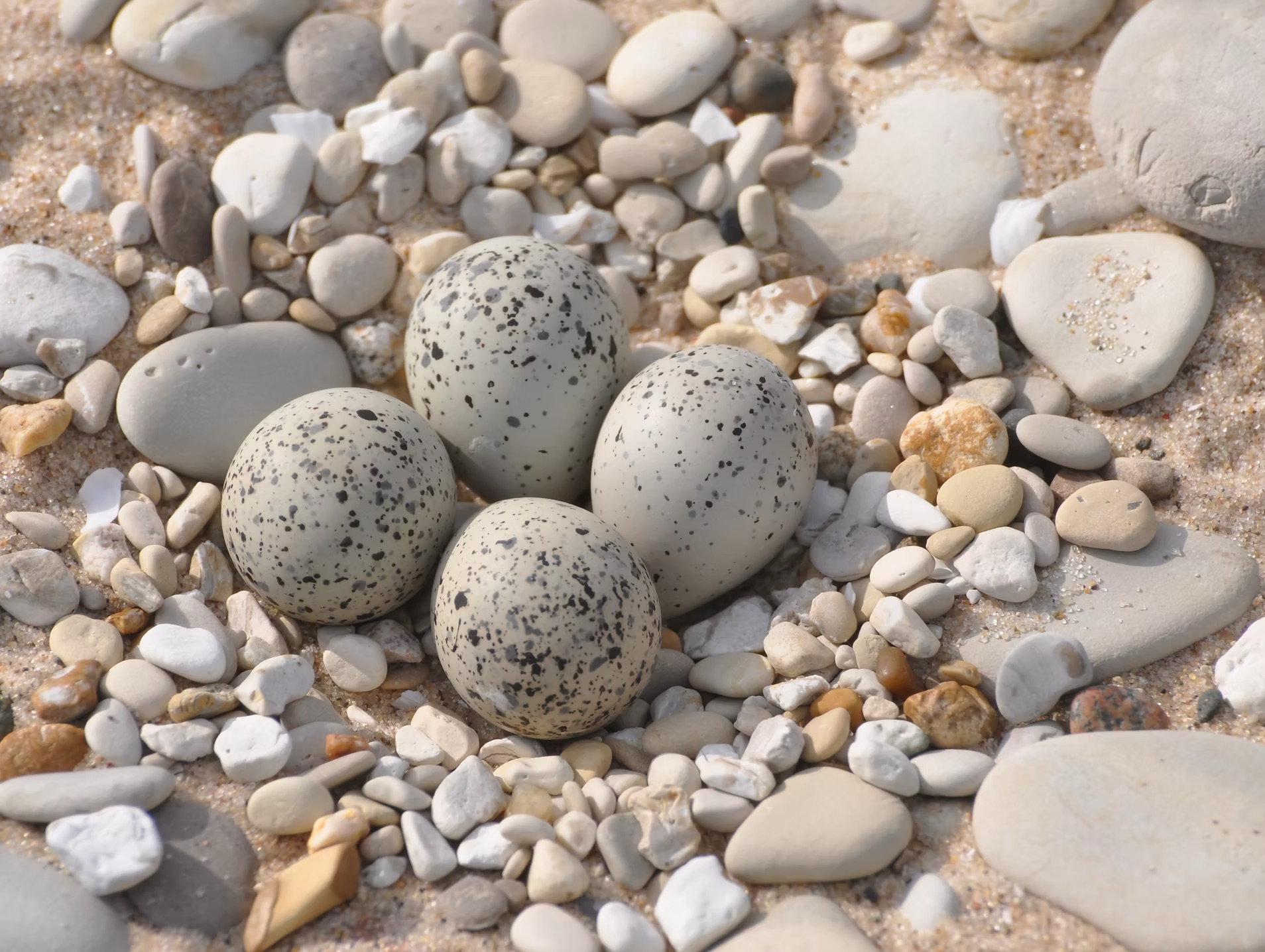
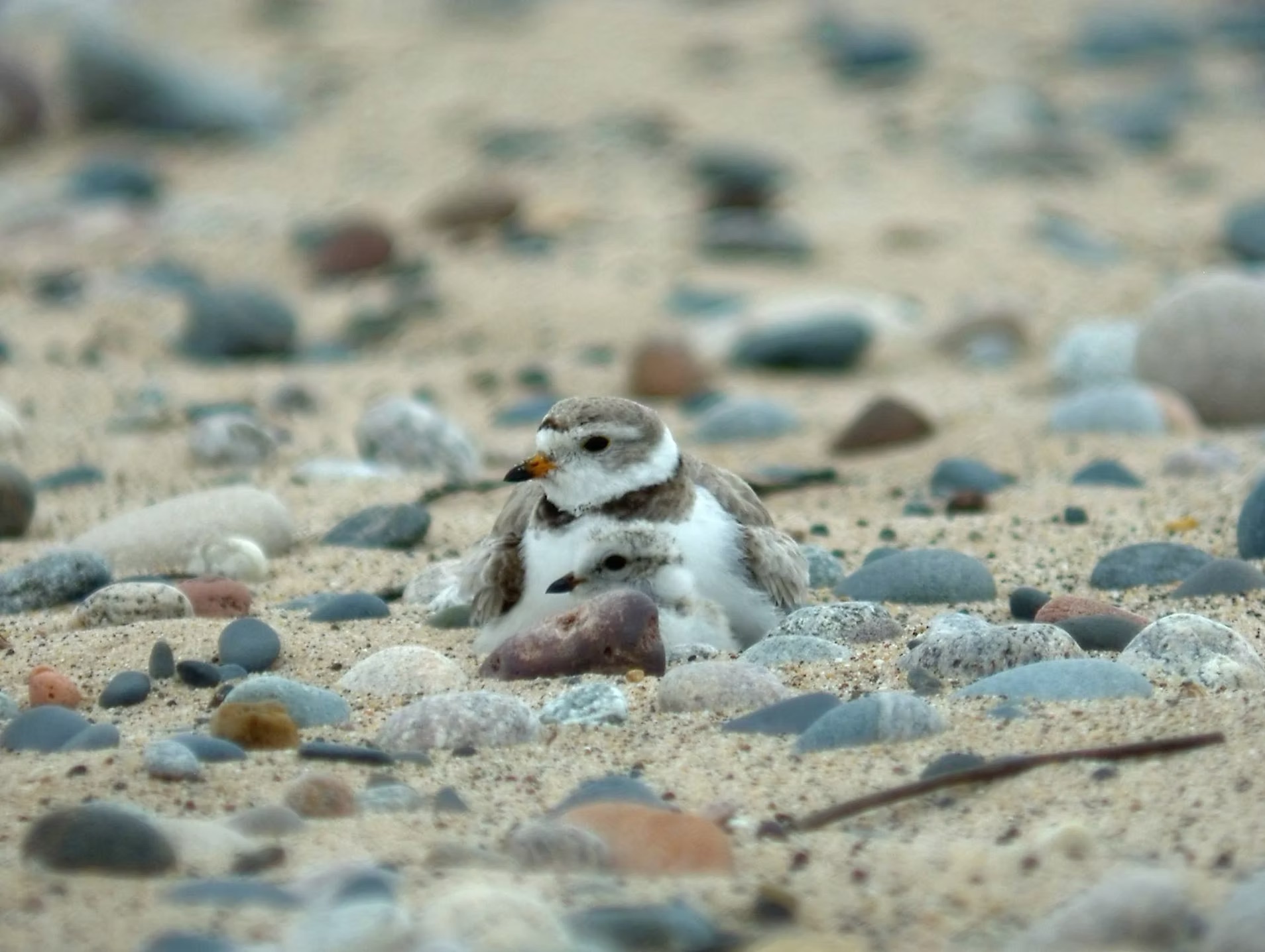
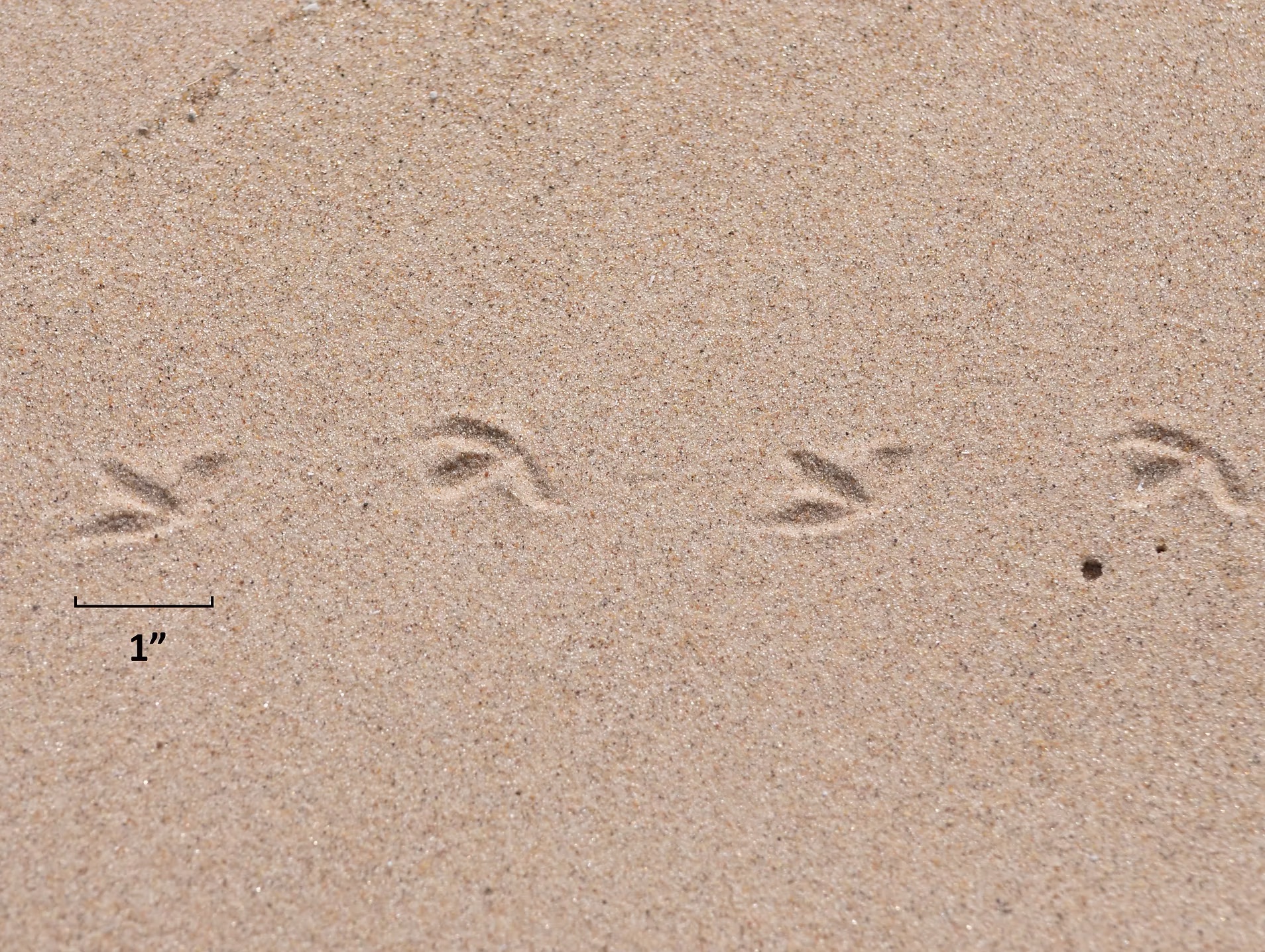
Here’s a few more Piping Plover pics – visit greatlakespipingplover.org for more and to help support their work!
Support Michigan in Pictures with Patreon

Michigan Cougar Kittens are doing well!

Cougar Cub Trailcam via Michigan DNR

Cougar Cub Trailcam via Michigan DNR

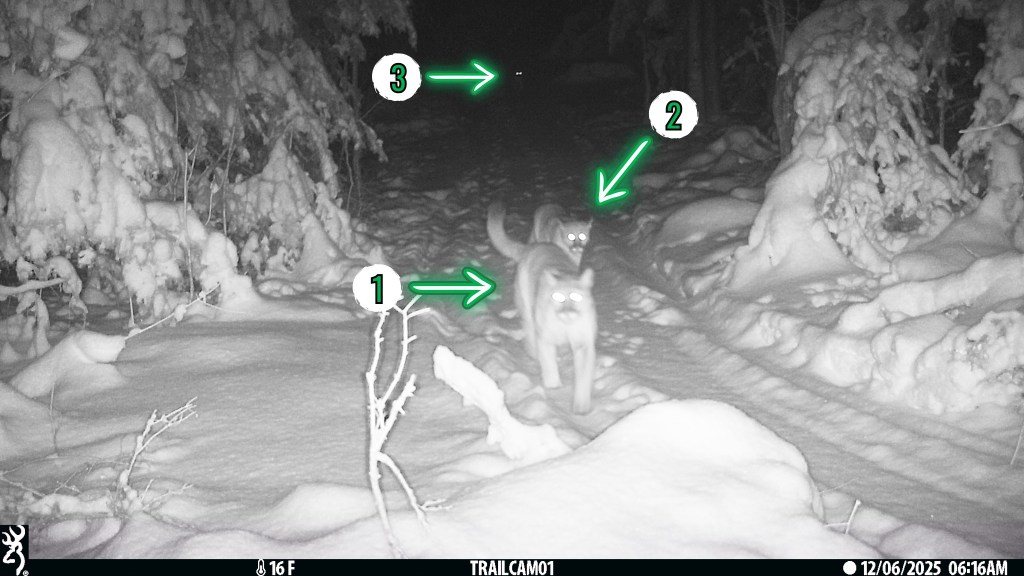
Remember the cougar cubs we met last month? The Michigan Department of Natural Resources shares this December 2025 trail cam photo of the cougar kits & mother saying:

Nine months after two cougar kittens were documented in the Upper Peninsula, a new trail camera photo indicates the elusive animals are still alive and living with their mother.

“This is a historic confirmation for Michigan since it is the first time in over 100 years that verified cougar reproduction has occurred east of the Mississippi River and possible even east of the Missouri River,” Roell said.

A private landowner sent the trail camera photo of the cougars to the DNR on Sunday, Dec. 14. Roell verified the site of the photo Monday and the DNR’s cougar team confirmed the photo Tuesday by enhancing the nighttime image to verify the existence of the three cougars. The sex of the kittens is unknown. Cougar kittens, or cubs, generally stay with their mother for about two years before venturing out on their own. “

The kittens’ chances of survival are actually pretty high because just like bears, cougars invest a lot of their energy into their young,” Roell said. “So these kittens will stay with their mom through this winter and possibly even into next winter. They already have a leg up, seeing as how they’ve been with her for a year now.”

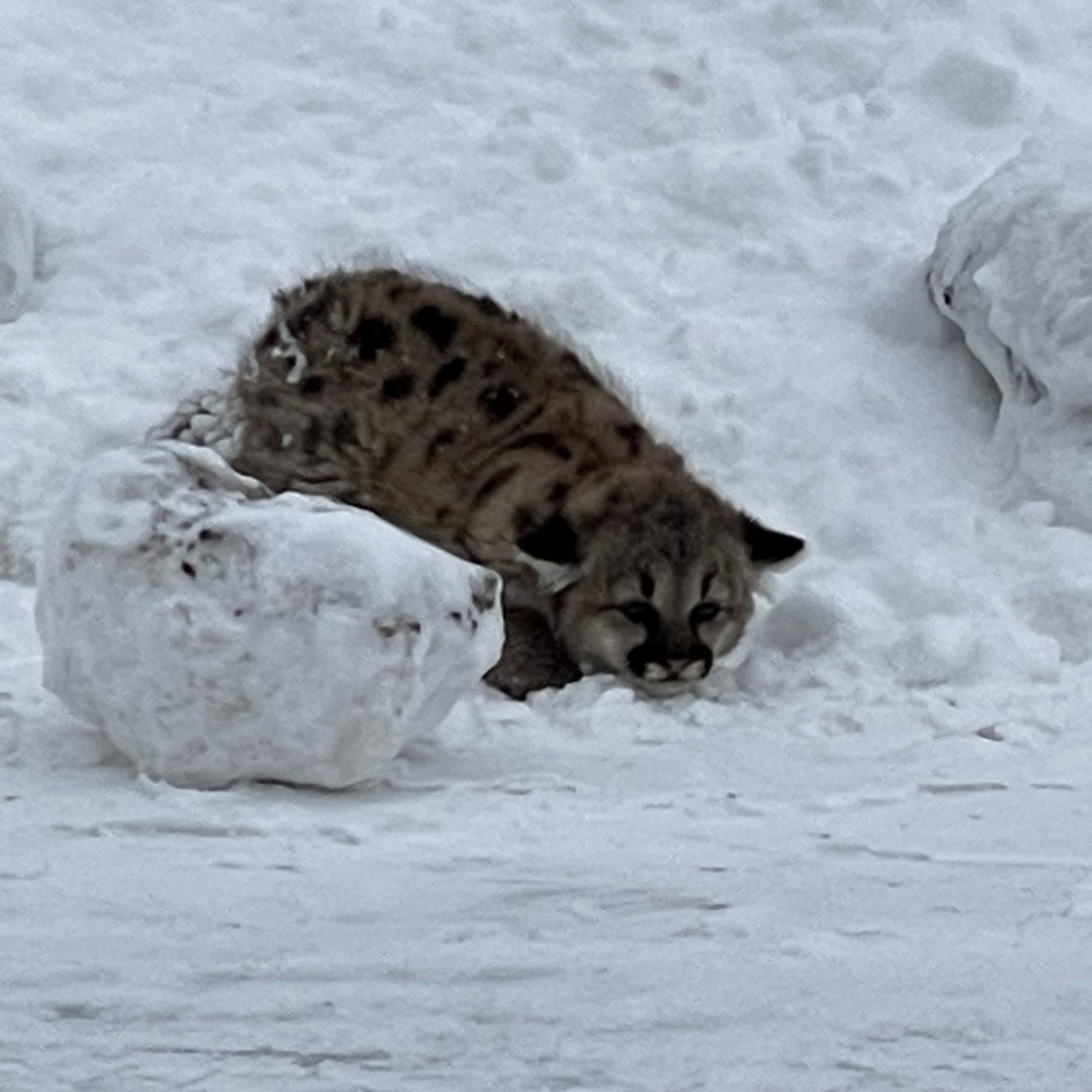
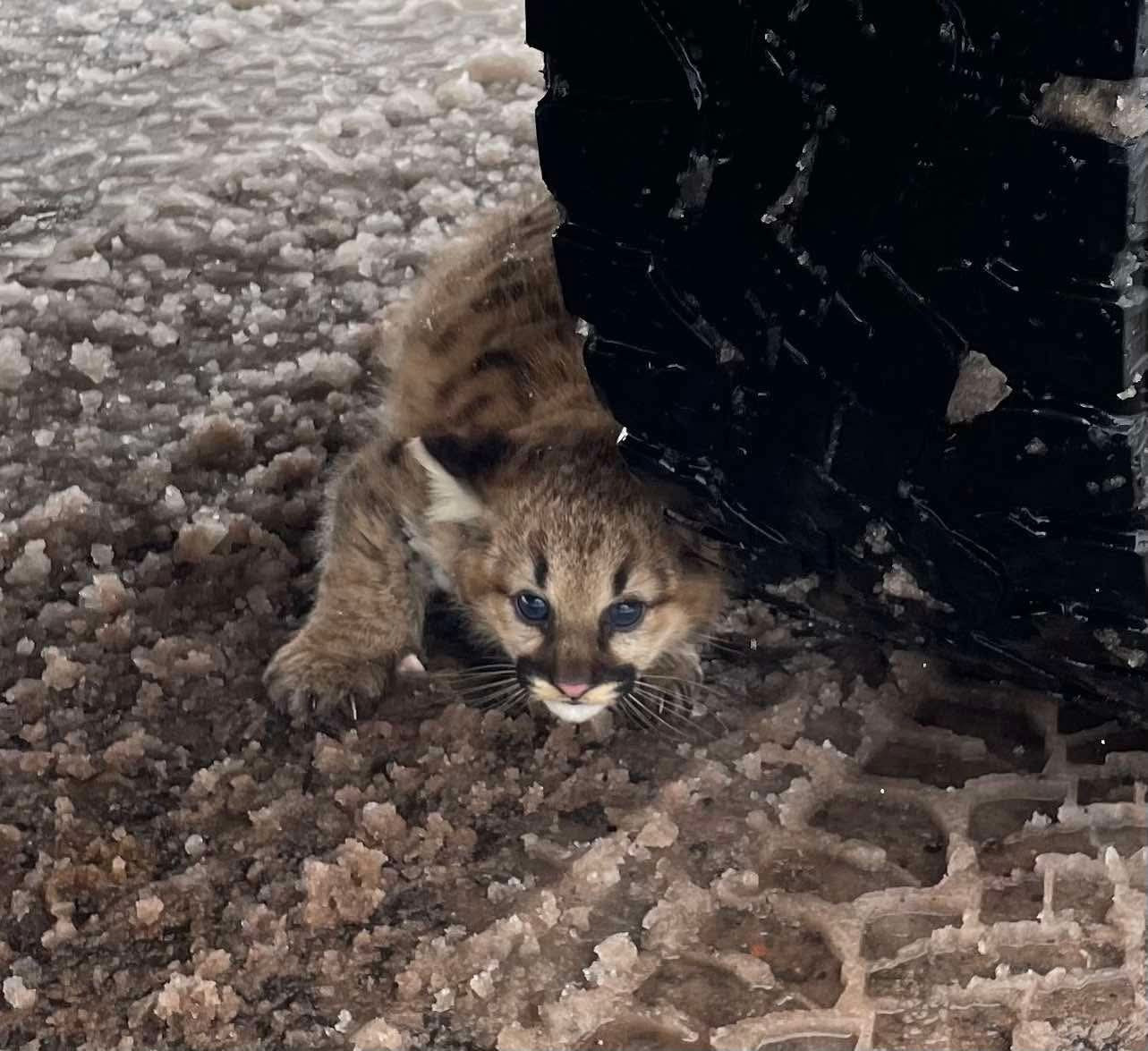
You can read more from the DNR & read lots more about cougars on Michigan in Pictures! Here’s a couple photos of the cubs from the DNR along with a pic of an adult cougar.

Support Michigan in Pictures with Patreon

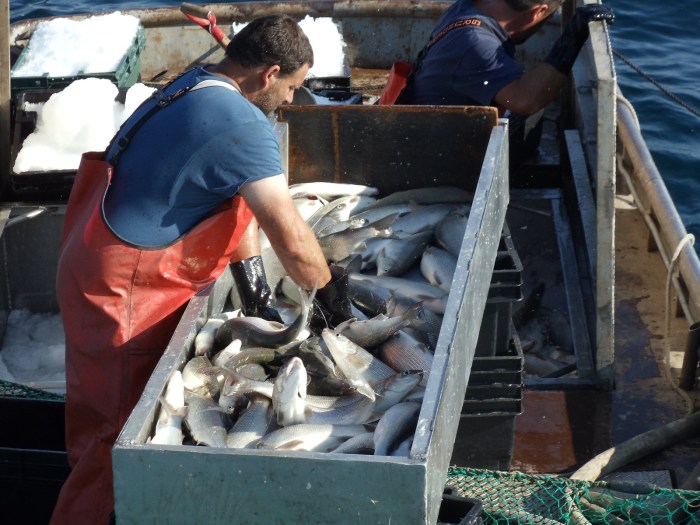
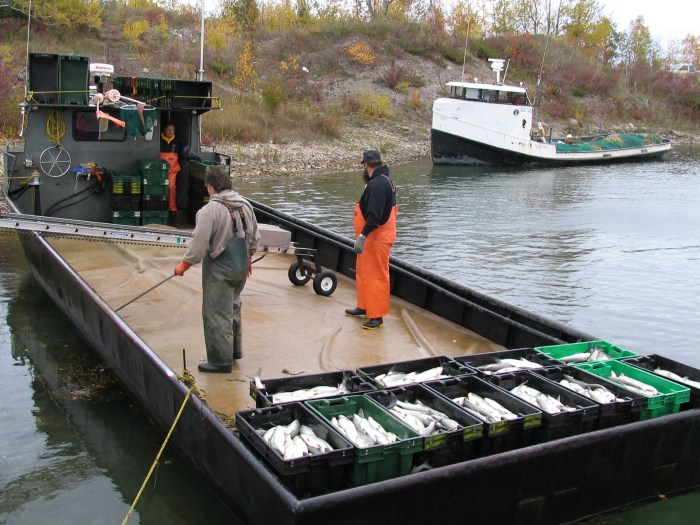
Saving whitefish in the Great Lakes

Fishing in Michigan by Abigail Lynch

Fishing in Michigan by Abigail Lynch

“Since first arriving in the Great Lakes in the 1980s, invasive mussels have spread to all five lakes, and altered the ecosystem in profound ways. Today we understand that zebra and quagga mussels are an existential threat to the Great Lakes and without a coordinated response, they will continue to inflict harm on the environment, infrastructure, and critical species such as lake whitefish. Just as invasive sea lamprey require a coordinated, binational response for effective control, we must partner with national, state, provincial, Indigenous, regional, and local partners to find a solution to the mussel invasion. This bill makes that happen.”Great Lakes Fishery Commission Chair Ethan Baker

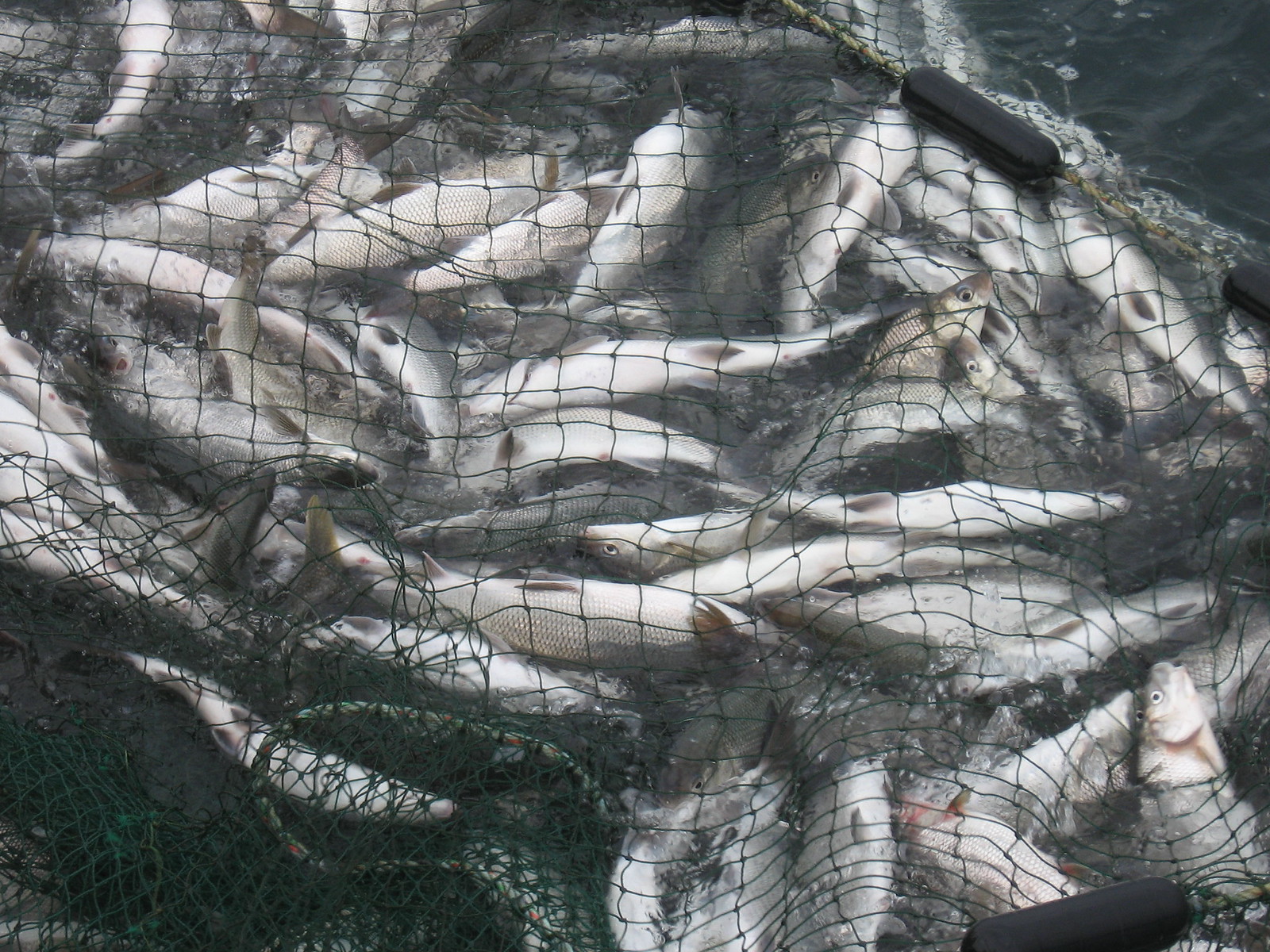
Bridge Michigan shares that two Michigan lawmakers are set to unveil legislation to dramatically increase funding to prevent invasive mussels from wiping out whitefish in the lower Great Lakes:

US Reps. Debbie Dingell, D-Ann Arbor, and Tim Walberg, R-Tipton, want to increase funding for mussel control research more than fiftyfold to $500 million over the next 10 years. (EDITOR: They released it on Tuesday)

Otherwise, the “fish that we take for granted are going to just disappear,” Dingell told Bridge Michigan.

The damage wrought by invasive mussels is among the biggest threats to the Great Lakes in history. Yet Bridge found that while the US government has spent mightily to combat other threats, the fight against mussels has received a comparative pittance.

The main funding program for Great Lakes science has devoted an average of less than $1 million annually to the cause since 2010, according to spending records analyzed by Bridge. The federal government spends about 20 times that amount to keep sea lamprey out of the Great Lakes and has promised 90 times as much to build a barrier against invasive carp.

Read on for much more & kudos to these two Representatives for working together to protect the livelihoods and meals of Michiganders!

The photos are from Michigan Sea Grant and the one of the boat moored was taken by Brandon Schroeder. Sea Grant is an excellent organization that works hard for Michigan waters and the Great Lakes as a whole!

Support Michigan in Pictures with Patreon

Seven Generations of Walleye

Michigan Walleye by Sault Tribe Seven Generations

People who know history know that Ben Franklin & the Founding Fathers leaned heavily on concepts developed by the Haudenosaunee Confederacy (Iroquois) when developing our own system of governance. Personally, I feel it is a shame that we didn’t integrate the principle that in every deliberation, we must consider the impact of our decisions on the next seven generations.

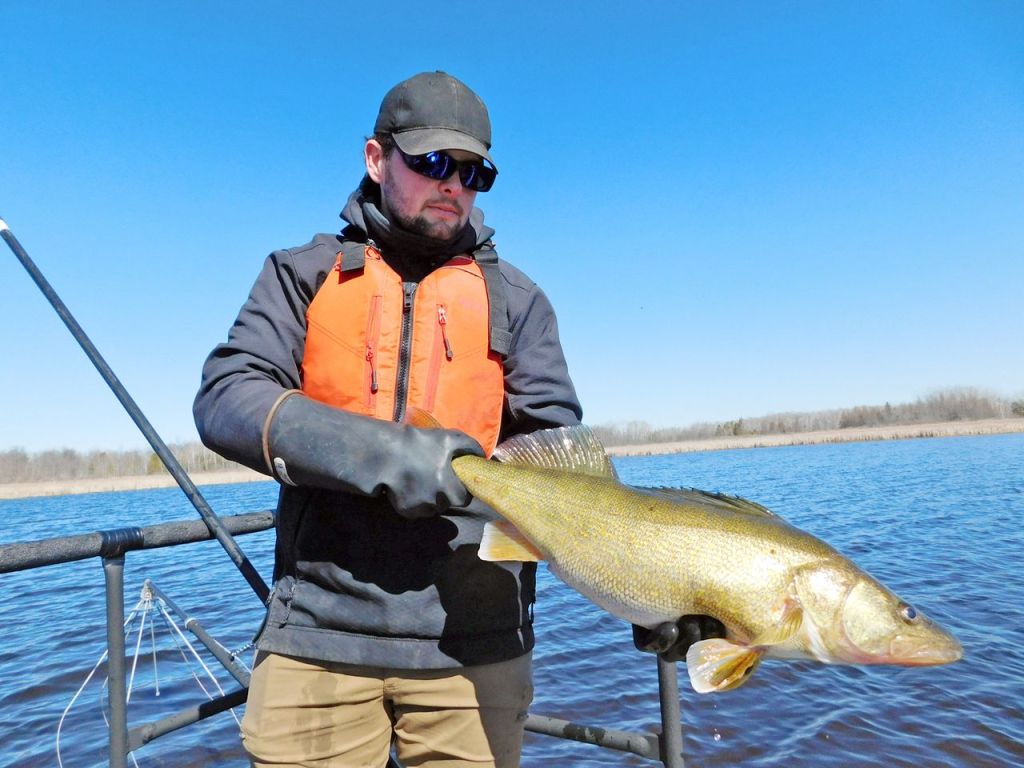
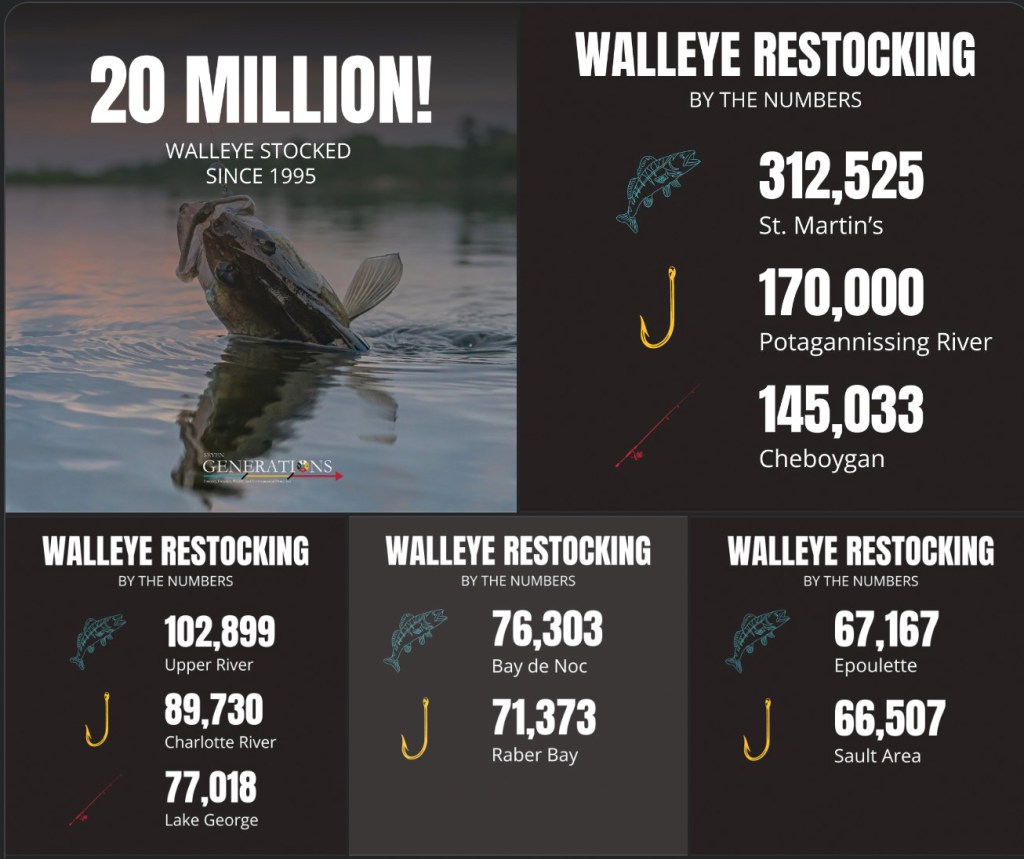
The Sault Ste Marie Tribe of Chippewa Indians definitely lives this principle every day. Sault Tribe Seven Generations just released their 20 millionth walleye into Michigan waters! They share:

This year we recorded our 20 MILLIONTH walleye stocked since our walleye hatchery program began in 1995! Last month we are very proud to have released more than 1 million walleye fingerlings into Northern Michigan waters. These fish contribute to a sustainable fishery while eventually providing meals for families and recreation for fishers.

Every year, our work contributes about 1/3 of all walleye fingerlings released into 1836 Ceded Territory waters!

Click through to read more!

Support Michigan in Pictures with Patreon

River Otters and the Detroit River comeback

River Otter by Ashleigh Mowers

River Otter by Ashleigh Mowers

Great Lakes Now has an excellent feature on the return of river otters to the Detroit River that says (in part):

On the cool morning of April 25, doctoral student Eric Ste Marie from the University of Windsor’s department of integrative biology went out for a walk with his partner along the Detroit River prior to an anticipated long day in his lab. Much to his surprise, he saw an animal pop its head out of the water. It was too big to be a mink and, as it dove, he noticed that it did not have a flat beaver tail. Ste Marie ran out to the end of a pier beneath the Ambassador Bridge to get a closer look to check, and there it was: a river otter.

River otters were quite common in southeast Michigan, including the Detroit River, up through the arrival of European explorers and fur traders,” said Gearld P. Wykes, a historian from the Monroe County Museum System. “During the fur trade era, they were much sought after for their fur, along with beaver. Based on historical records, river otters were likely extirpated from the Detroit River in the early 1900s.”

In 1986, the Ohio Department of Natural Resources reintroduced river otters into high water quality rivers and streams in eastern Ohio. The river otters thrived. As their population grew, they began to move westward – what scientists call expanding their range. By the early 2000s, they had found a home in western Ohio, particularly near Cedar Point and Ottawa National Wildlife Refuge, just east of Toledo.

…Biologists studying the Detroit River and resource managers have been excited about the possible range expansion of river otters into the Detroit River. There have been a few anecdotal reports from citizens, but no photographic or videographic proof until Ste Marie was greeted with that ecological surprise on the morning of April 25.

…River otters are considered an indicator species, and their return to the Detroit River after an absence of more than 100 years is a hopeful sign of improving watershed conditions.

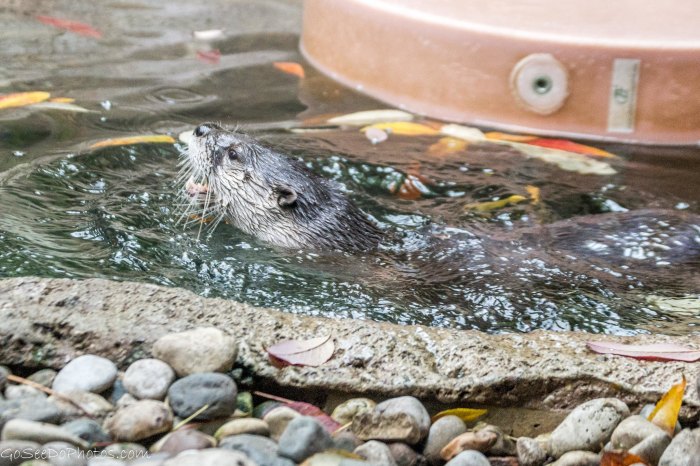
Ashleigh took this back in 2016 in Detroit at the Detroit Zoo. Hopefully she gets a shot of them in the wild! See more in her Detroit gallery on Flickr & for sure check out her Go See Do Photography website for more great pics!

More about River otters on Michigan in Pictures.

Support Michigan in Pictures with Patreon

Make Isle Royale your office in 2022!

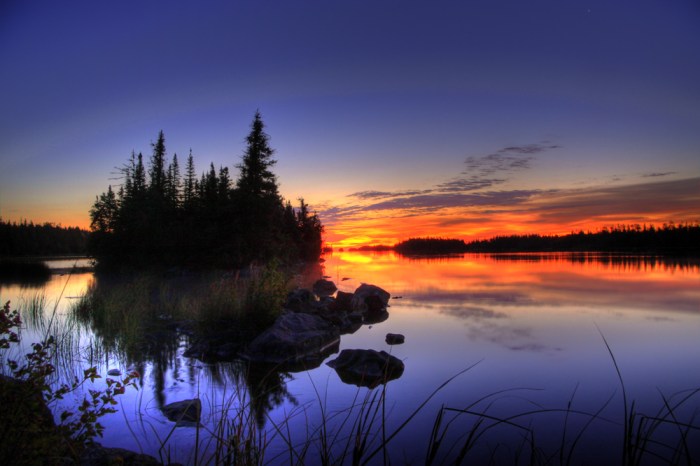
Tobin Harbor Sunrise by Carl TerHaar

Tobin Harbor Sunrise by Carl TerHaar

How would you like to wake up to this view?? Well, if you are a college student, the Isle Royale Wolf-Moose Research Project is seeking volunteers to assist with data collection for the 2022 summer field season. Students studying natural resources, conservation, ecology, or related fields will gain valuable field work experience working with distinguished researchers in Isle Royale National Park in the longest continuous study of any predator-prey system in the world. 

The opportunity is for 4-5 weeks between early-May and mid-June, and requires students to have documented experience backpacking & camping for extended periods of time in remote settings, proficiency with orienteering, and  the ability to get along with others in backcountry settings for 10-day periods of time are all critical. Get the full rundown of qualifications, activities & more on their website at IsleRoyaleWolf.org.

Carl is definitely Michigan in Pictures’s Isle Royale Bureau Chief! His photos feature prominently in our posts about Isle Royale & his photo of a Bull Moose Faceoff is one of the most popular photos of all time on Michigan in Pictures. He  took this way back in the summer of 2009, and you can see hundreds more in his Isle Royale National Park gallery on Flickr. For sure head over to his Mackinaw Scenics website to view & purchase his work!

Support Michigan in Pictures with Patreon

Michigan’s Bird of Fire: Saving the Kirtland’s Warbler

Michigan Bird of Fire Kirtlands Warbler

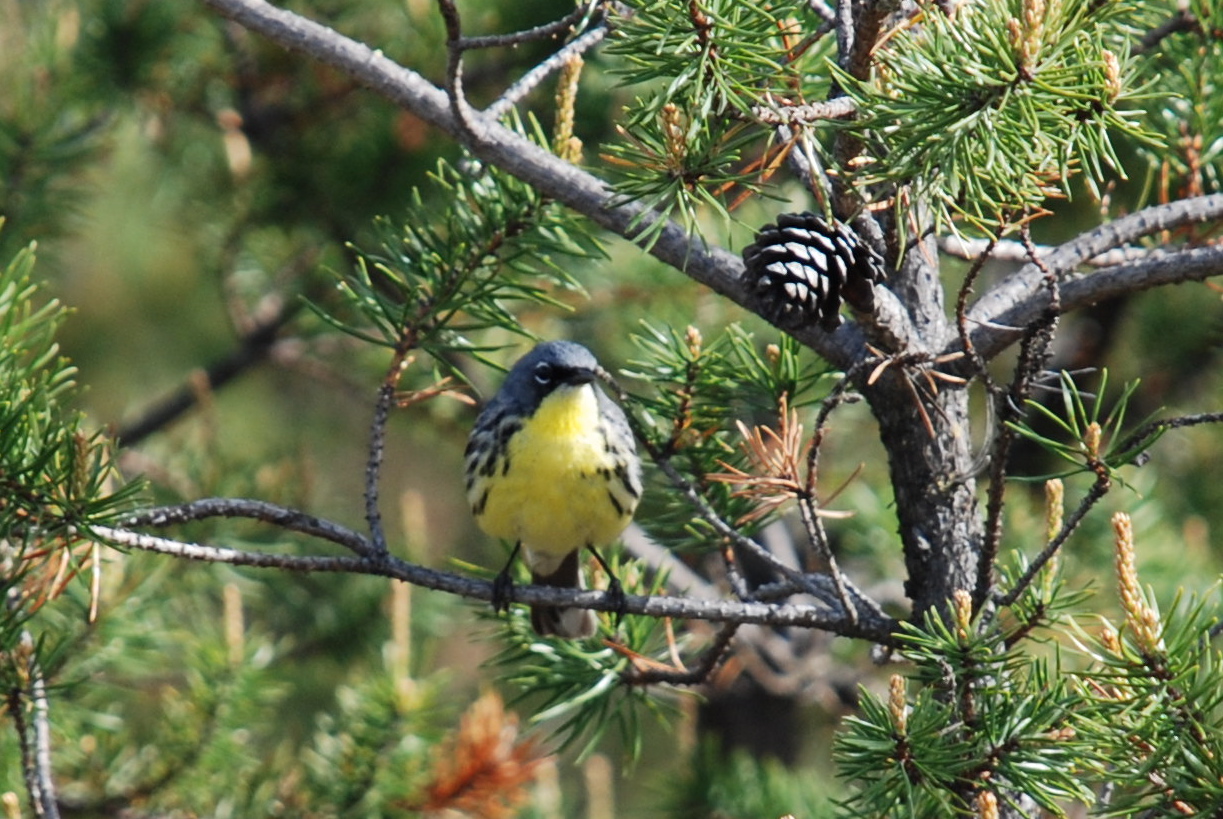
Kirtland’s Warbler, photo by James Fox

On June 3-4, northeast Michigan will celebrate a Michigan conservation success story with the annual Kirtland’s Warbler Weekend that includes an Au Sable River Kayak Tour. You can also lend a hand this Saturday with the annual jack pine planting day through the Kirtland’s Warbler Initiative!

The Detroit News has a nice editorial by Michael Bean, Principal Deputy Assistant Secretary for Fish and Wildlife and Parks at the U.S. Department of the Interior about how determination saved Michigan’s “Bird of Fire”, the Kirtland’s Warbler:

More than 60 years ago, scientists realized that the Kirtland’s warbler was in trouble. A 1951 census found fewer than 500 breeding pairs. The bird was among the first species ever listed as endangered and was the first species to ever have a “recovery team.”

Kirtland’s warblers will only nest in young jack pine forest. Jack pine requires fire to open its cones and spread its seeds — hence the nickname, “bird of fire.” Fire suppression policies last century led to the decline of the Kirtland’s warbler, as did parasitism from brown-headed cowbirds. The recovery team had to figure out a way to overcome these challenges to save the species.

Since 1974, the Kirtland’s Warbler Recovery Team has worked to save the species, even when the outlook for recovery was bleak. The recovery team brought together federal, state, academic, nonprofit, and even international partners.

Today, scientists estimate there are more than 4,000 Kirtland’s warblers in Michigan. The population has more than doubled its recovery goal, so the recovery team is no longer needed. Through years of hard work the partners figured out how to provide the conditions necessary for the warblers to survive, and the birds have flourished.

View James’ photo background big and see more in his Grayling 2009 slideshow.

Wolves almost gone from Isle Royale

Isle Royale Wolf

The Urge, photo by isleroyalewolf.org

Last weekend the Freep reported that the delicate biosphere that characterized Isle Royale National Park is about to fall apart. The wolf count is down from nine last year to only three, and Michigan Tech ecologist John Vucetich says he wouldn’t be surprised if none remain next winter.

“What’s really important here is not the presence of wolves, per se,” Vucetich said. “But the wolves need to be able to perform their ecological function — predation. Predation has been essentially nil for the past four years now.”

That’s led to a 22% increase in the moose population for each of the past four years, he said, taking the island population from 500 to 1,200 moose. An individual moose consumes up to 40 pounds of vegetation a day.

“One of the most basic lessons we know in ecology, wherever creatures like moose live, you have to have a top predator,” he said. “If you don’t, the herbivore can cause a great deal of harm to the vegetation.”

… Vucetich and his colleague at Michigan Tech, Rolf Peterson, both support a “genetic rescue” of the island’s wolf population — bringing in wolves from elsewhere to bolster island wolves and help facilitate breeding. The U.S. Forest Service is studying the concept, but that process may take years. If the remaining wolf population doesn’t survive, and the Forest Service ultimately approves of the plan, it may mean creating a whole new pack on the island.

I think that this poses very interesting questions about our role in the ecosystems we seek to preserve. Are we to watch what happens and not interfere like a kid watching an ant farm or a Star Fleet team, or do we accept the responsibility of our decision to preserve and seek to maintain the natural balances and populations? As our climate changes, we will no doubt be called to make these decisions more and more frequently as flora and fauna lose the ability to survive in the places we have set aside for them.

This photo was the first in a series of 40 shared last fall in “Thinking Like an Island” from the Wolves & Moose of Isle Royale. They wrote:

THE URGE. Walk 40 miles in two days searching for a lover that may not even exist. Return home to parents and siblings the next day. The life of a dispersing wolf, unsatisfied.

It’s a great series featuring images by George Desort, Rolf Peterson, John Vucetich, and Brian Rajdl along with text by John Vucetich and Michael Paul Nelson. Click to see this photo bigger on Facebook and then use your left arrow to page through them.

Definitely visit isleroyalewolf.org for lots more about the predator/prey balance of one of Michigan’s most fascinating places.

Fancy Feathers, Fashion and the Dawn of Bird Conservation

Spring Arrival Egret

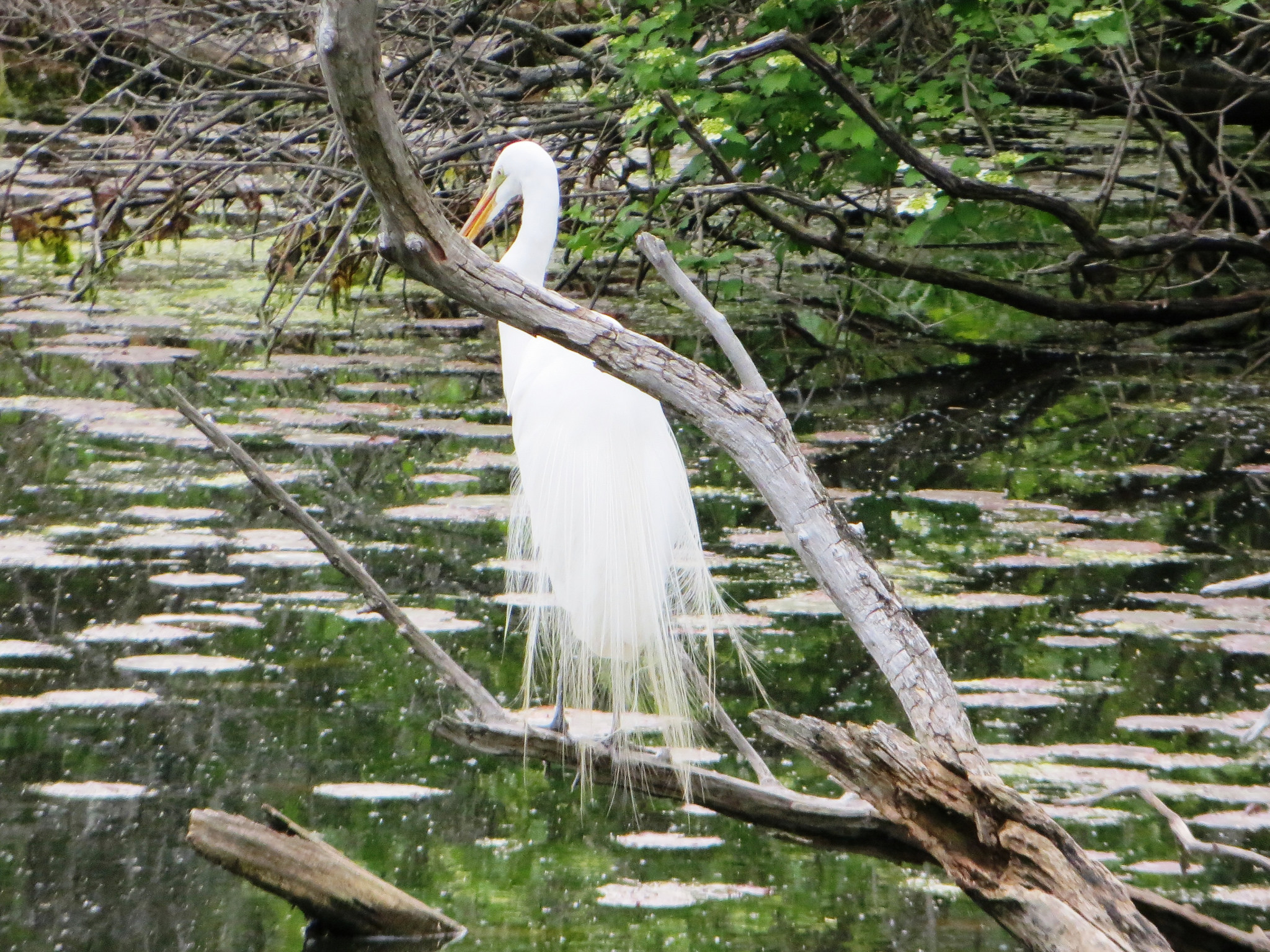
Spring Arrival, photo by Cowboy*

How the Great White Egret Inspired Bird Conservation in the Smithsonian says:

One particular group of birds suffered near extermination at the hands of feather hunters, and their plight helped awaken a conservation ethic that still resonates in the modern environmental movement. With striking white plumes and crowded, conspicuous nesting colonies, Great Egrets and Snowy Egrets faced an unfortunate double jeopardy: their feathers fetched a high price, and their breeding habits made them an easy mark.

To make matters worse, both sexes bore the fancy plumage, so hunters didn’t just target the males; they decimated entire rookeries. At the peak of the trade, an ounce of egret plume fetched the modern equivalent of two thousand dollars, and successful hunters could net a cool hundred grand in a single season. But every ounce of breeding plumes represented six dead adults, and each slain pair left behind three to five starving nestlings. Millions of birds died, and by the turn of the century this once common species survived only in the deep Everglades and other remote wetlands.

This slaughter inspired Audubon members to campaign for environmental protections and bird preservation, at the state, national and international levels. The Lacey Act passed Congress in 1900, restricting interstate transport of wild fowl and game. In 1911 New York State outlawed the sale of all native birds and their feathers, and other states soon followed suit. Passage of the Weeks-McLean Act (1913) and the Migratory Bird Act (1918) took the protections nationwide and mirrored legislation in Canada, Britain, and Europe, effectively ending the fancy-feather era.

More about Great Egrets on the UM Animal Diversity Web.

You can view Cowboy’s photo from last May background big and see more in his Animals & Wildlife slideshow.

More birds and more Spring wallpaper on Michigan in Pictures!