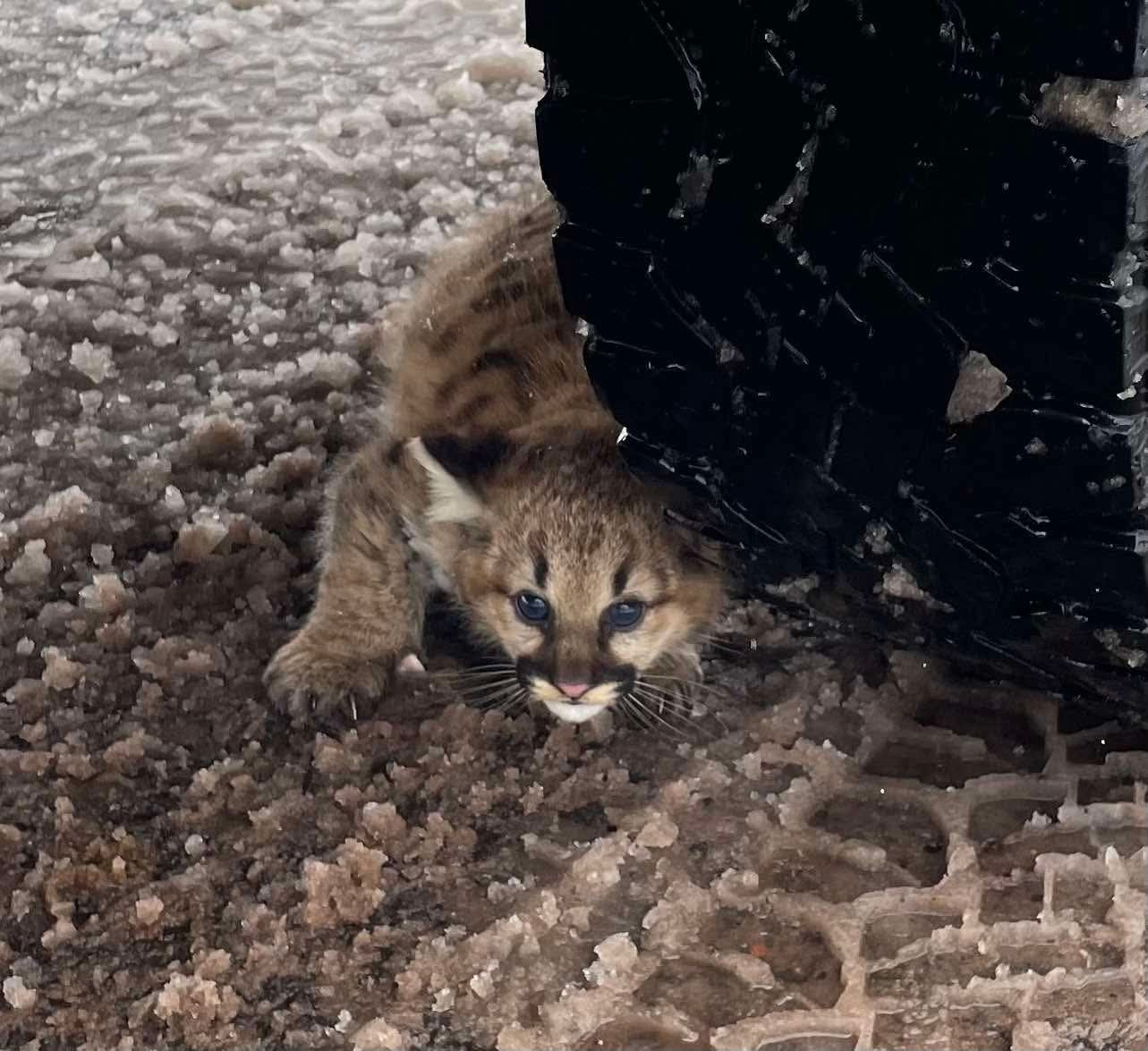
I’ll see your cougar cub & raise you a BOBKITTEN!

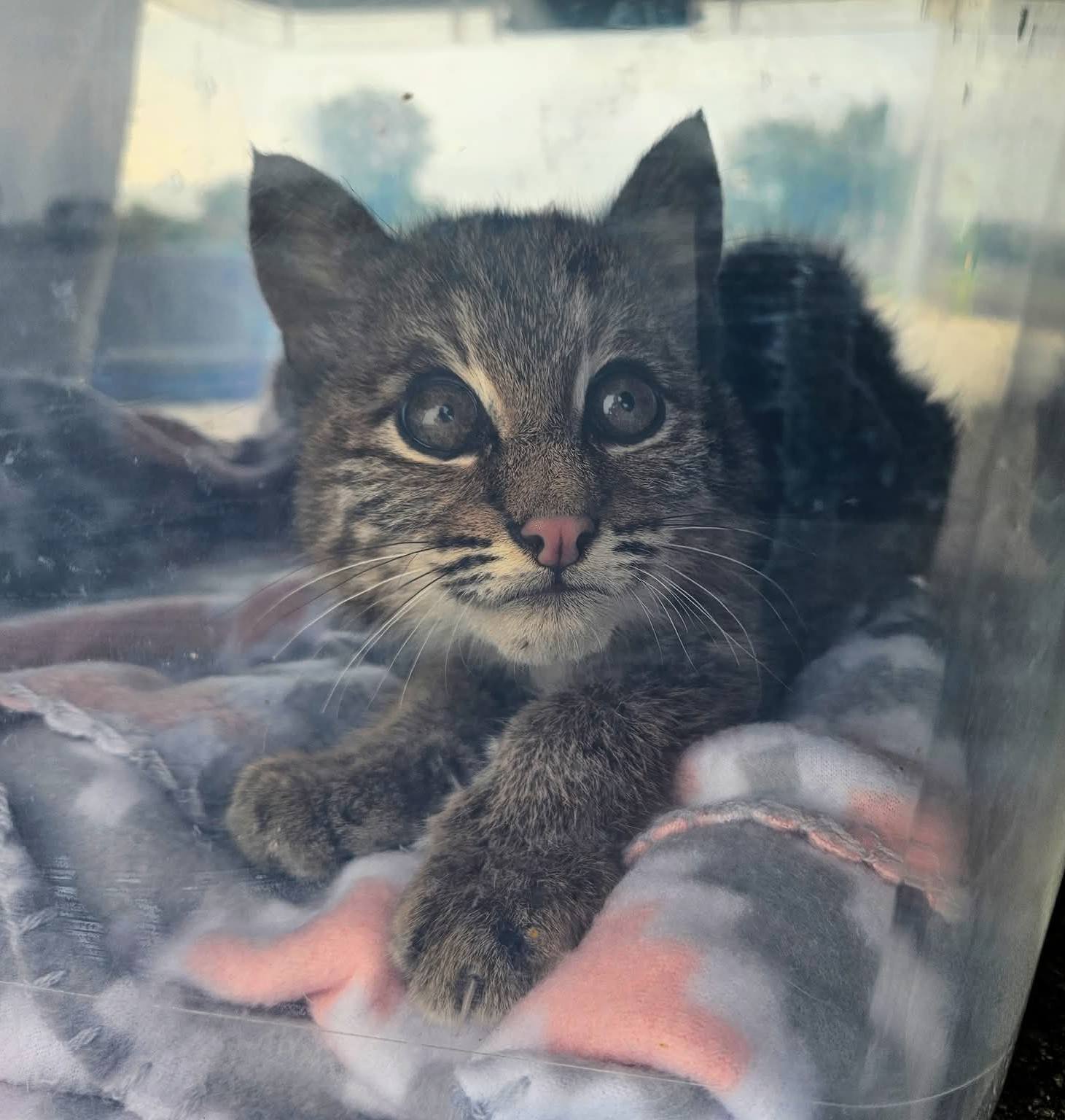
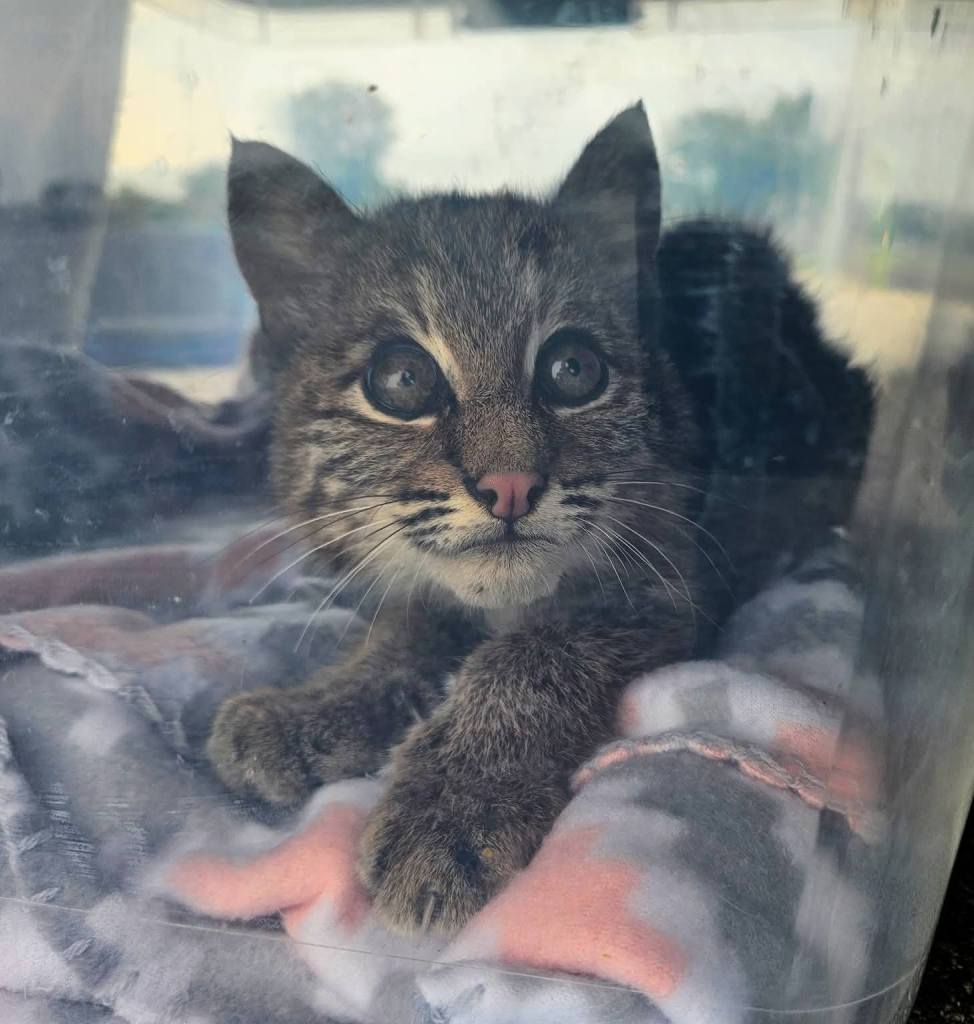
North American Bobcat Patient 25-1428 by ARK

North American Bobcat Patient 25-1428 by ARK

A lot of people loved the cougar cub I shared last week, so I thought it would be neat for you all to see a bobkitten (aka bobcat kit). In addition to the fact that adult bobcats are sometimes confused for cougar (check the image compare below!), this is a great nonprofit to support on Giving Tuesday!

The Association to Rescue Critters (A.R.K.) shared a photo of North American Bobcat Patient 25-1428 who came to them with two broken legs, one of them a compound fracture. With the help of their wildlife rehab colleagues and their AMAZING Wildlife Veterinarian, this bobcat (who I am going to call Rufus) received his life-saving surgery and is now running on BOTH of his legs (click the photo for video proof)!

A.R.K. writes “Now that he (Rufus) is healed, it’s time for him to join the other FIVE juvenile bobcats we are overwintering this season. Together, they will learn to hunt, climb, cache, hide, and all of the other tools necessary for survival in the wild.

North American Bobcats are medium-sized, nocturnal, solitary, felines that can be found over a wide range of our continent. Being highly adaptive, they occupy forests, swamps, deserts, grasslands, and even urban areas. They are carnivorous hunters but also opportunistic scavengers when possible. By regulating small mammal populations, they help maintain a balanced food web within our ecosystem and help prevent the spread of disease at the same time.

Once a year, the mother gives birth to 1-8 (typically 3) kits and raises them for 8-11 months. Once they are old enough to follow mom, the kits learn from her every move. Passing on all of her skills until it’s time for them to set out for their own territory.

A.R.K. adds that bobcat eats around 2 lbs of meat each day 😳 Thankfully, they have a dollar for dollar donation match up to $7000 through December 31st if you want to help out with the grocery bill. Click to learn more about the Association to Rescue Kritters of St. Helen, MI sure follow them on Facebook to see all the amazing animals they are helping!
Support Michigan in Pictures with Patreon

Return to Bobcat Corners

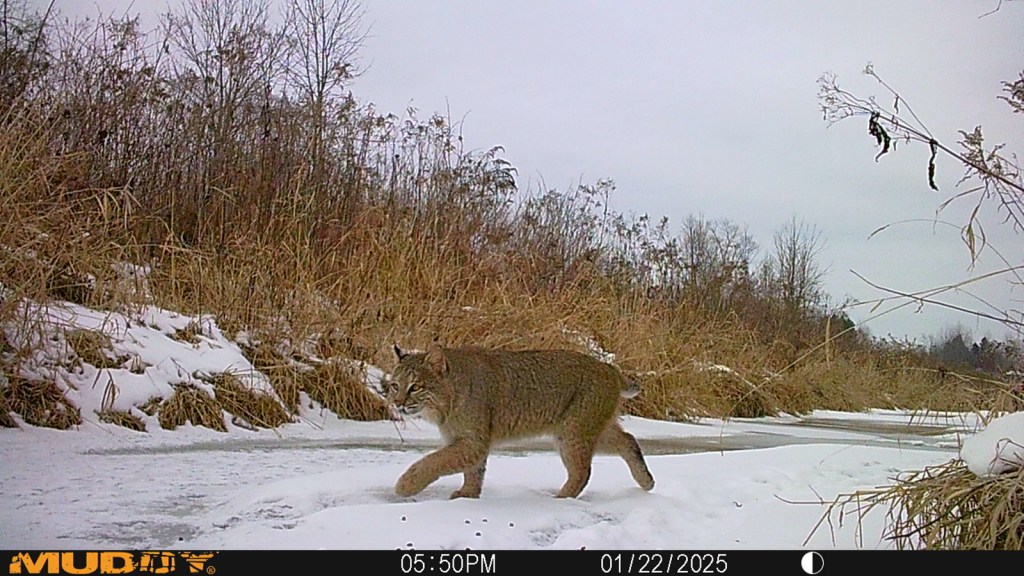
Bobcat by paulv21

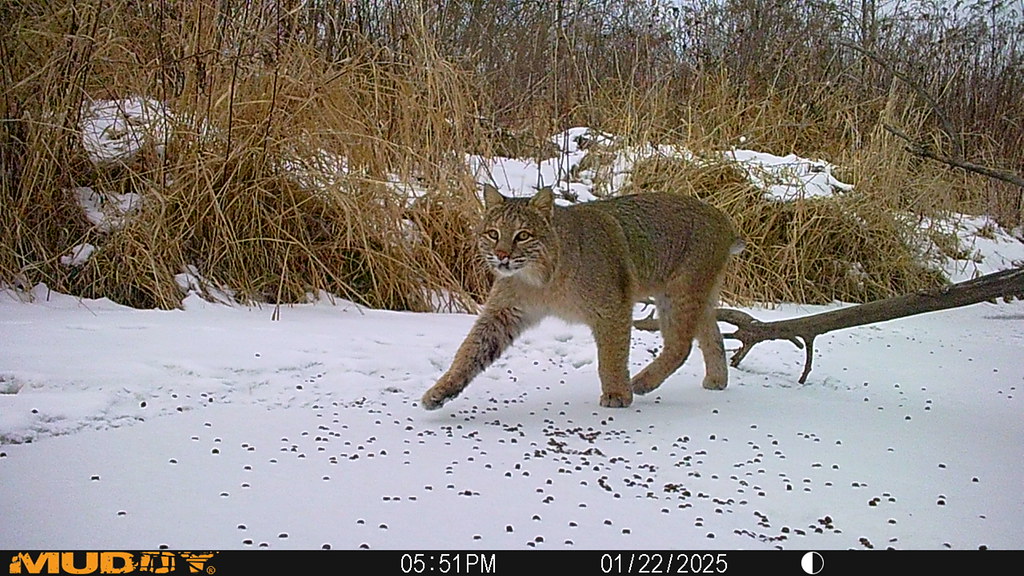
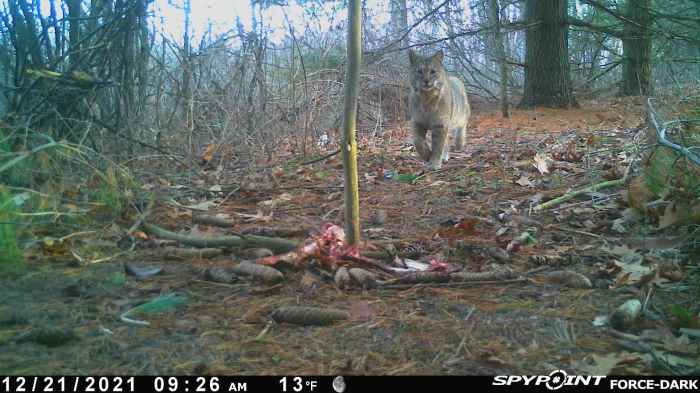
Three winters ago, Paul shared the bobcat pic that is the first of the collection of his trail cam photos below. In the intervening years he has created some amazing documentation of wildlife activity on his land near Clare. Follow him on Flickr for the latest & check out his yearly Trail Cam albums!!

Support Michigan in Pictures with Patreon

Bobcat Bingo!

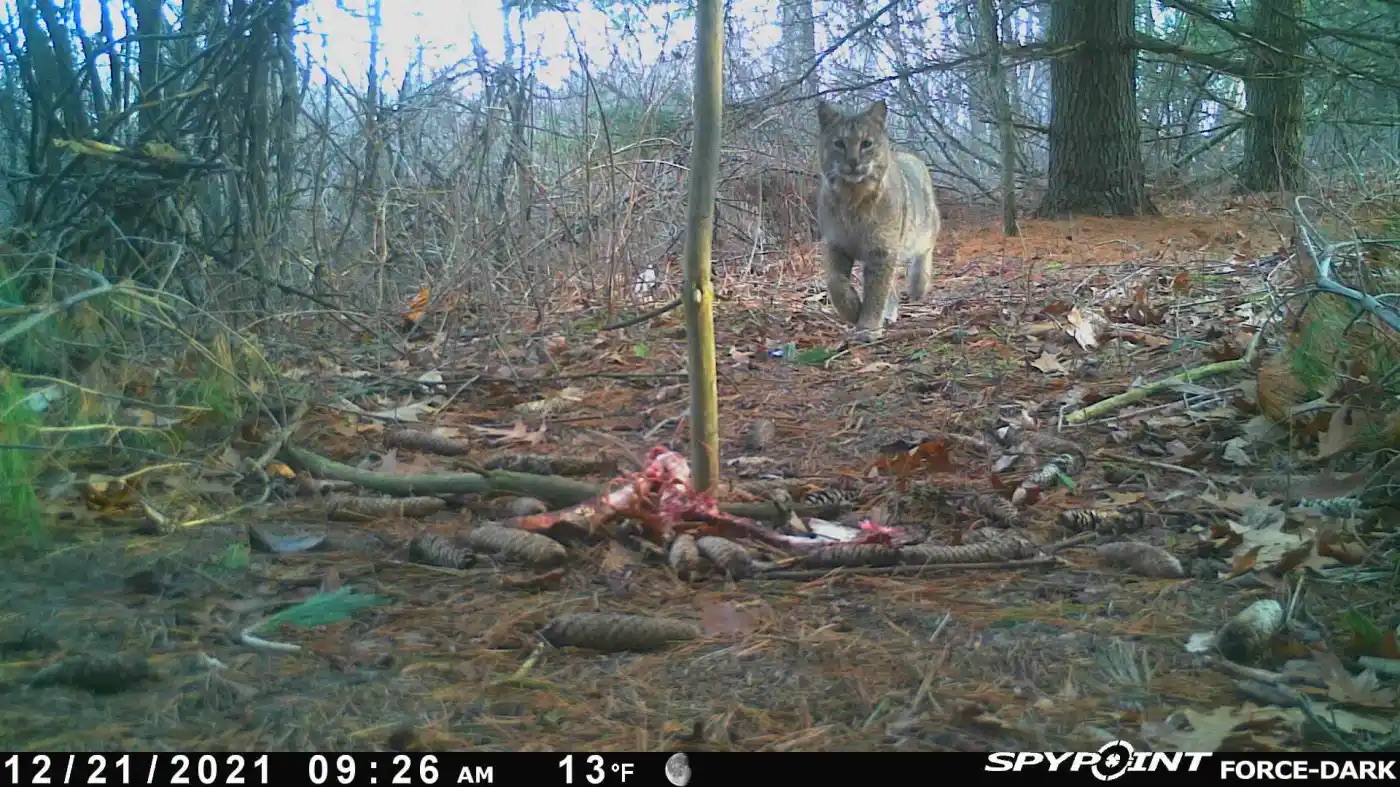
Bobcat by Paulv21

Bobcat by Paulv21

Bobcats are one of the most elusive animals in Michigan. Last winter I was “lucky” enough to have two of them race in front of me while driving. I say “lucky” because even though they were able to run in front of my car from a starting point almost next to me, I was able to slow enough to see them close up. The thing that surprised me most in addition to their speed was how muscular they are – seriously ripped!

Paul captured this bobcat last week with his trail cam which I think is in the UP is from Loomis near Clare, but as The Leader shares, bobcats are found all across Michigan, even in cities! See lots more shots in his 2020 Trail Camera gallery on Flickr.

More about bobcats aka Lynx rufus on Michigan in Pictures.

Support Michigan in Pictures with Patreon

Lynx rufus, Bobcat in Michigan

It’s feeling like Wild Kingdom week at Michigan in Pictures. An update on the eagle nest from yesterday is that one of the eggs is now an eaglet – click to view!!

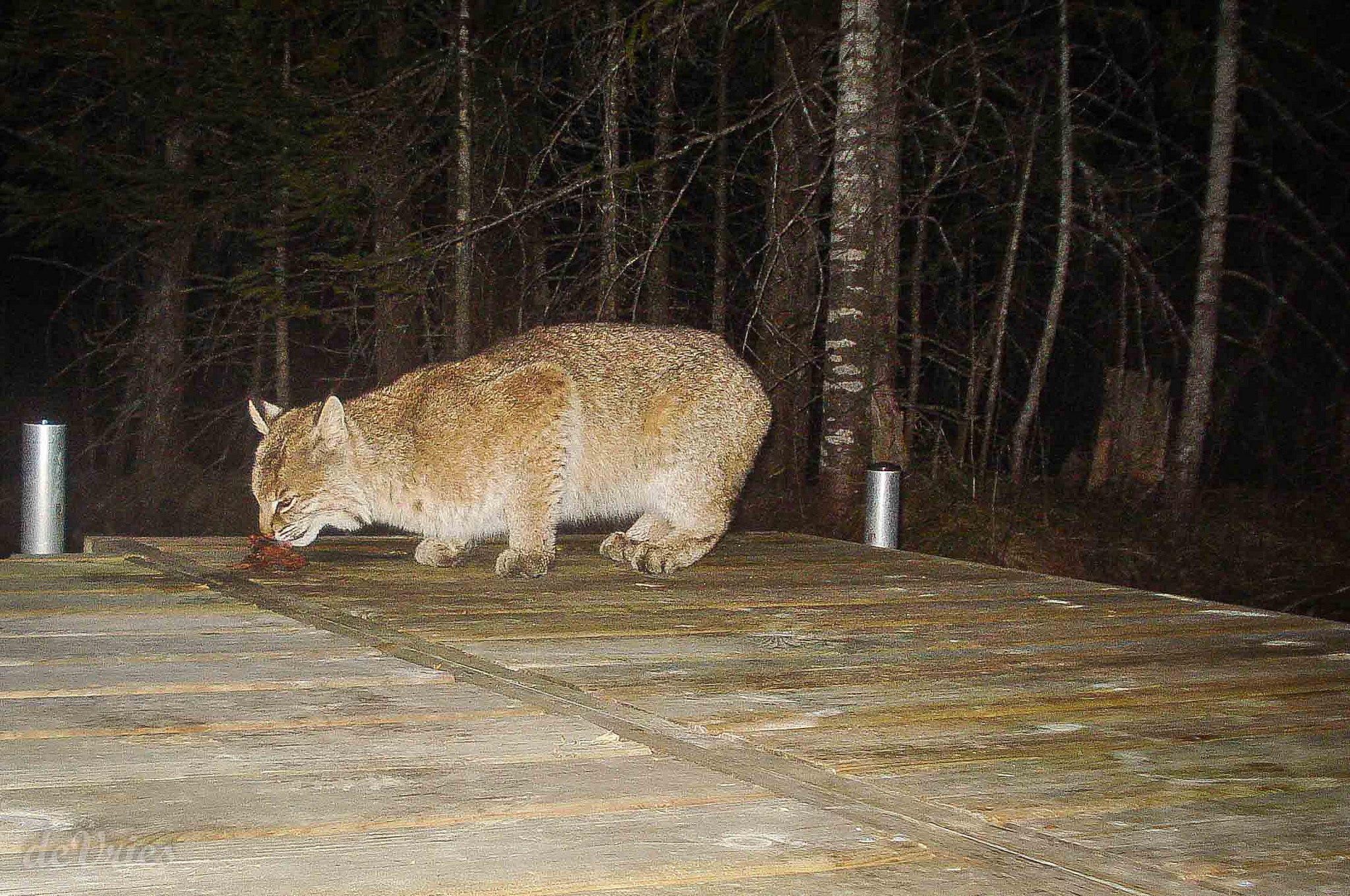
Bobcat on the Dock

Close Encounter…, photo by Dale DeVries

Dale writes that this close encounter was…

Of the Kitty Cat kind! Around dusk last night I saw the flash from my trail cam go off, so I grabbed binoculars to see what was on the dock. It was so dark I really could not make out what was there, I assumed it to be a raccoon or two. I was quite surprised to see this beautiful Bobcat patrolling the water’s edge!

The UM Animal Diversity Web’s entry for Lynx rufus, the bobcat says (in part):

Bobcats can be found in a variety of habitats, including forests, semi-deserts, mountains, and brushland. They sleep in hidden dens, often in hollow trees, thickets, or rocky crevices.

…Bobcat fur can be various shades of buff and brown, with dark brown or black stripes and spots on some parts of the body. The tip of the tail and the backs of the ears are black. They have short ear tufts, and ruffs of hair on the side of the head, giving the appearance of sideburns.

Like many felids, bobcats are solitary animals. The male and female interact almost exclusively during the mating season. These cats rarely vocalize, although they often yowl and hiss during the mating season. Bobcats are basically terrestrial and nocturnal, although they are good climbers and are often active at dusk as well as during the night.

Bobcats are strictly meat eaters. Stealthy hunters, they stalk their prey, then pounce and (if successful) kill with a bite to the vertebrae of the neck. They hunt rodents, rabbits, small ungulates, large ground birds, and sometimes reptiles. They occasionally eat small domesticated animals and poultry.

Bobcats live up to 12 years in the wild. In captivity, they may live up to 32 years.

Read on for more including photos and bobcat calls and in case you’re trying to figure out what you’re looking at, here’s page on distinguishing Michigan cougars & bobcats and another on the difference between bobcat & lynx (Lynx canadensis) that includes their distinct profiles.

View Dale’s photo background big and see more in his Fern Ridge Pictures slideshow.

More Michigan animals on Michigan in Pictures.