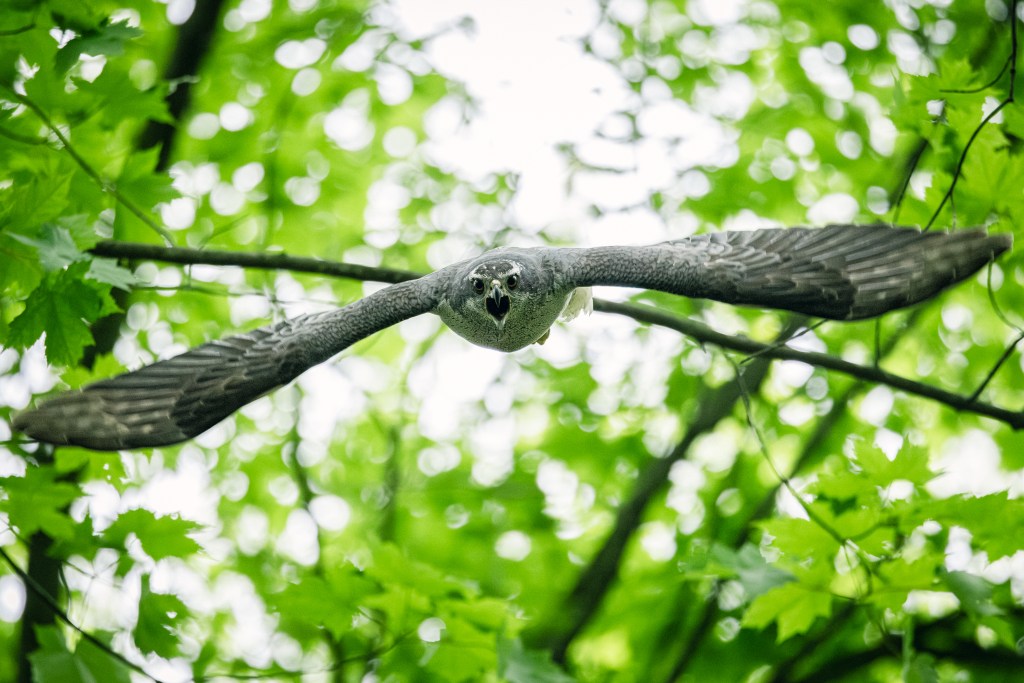
Here comes the Northern Goshawk!

Northern Goshawk by Tyler Franz

Northern Goshawk by Tyler Franz

Michigan State University Extension shares that the Northern Goshawk:

…is a large forest bird with long broad wings and a long tail which is rounded on the end. Upperparts of the adult are brown-gray to slate gray. The head has a black cap with a pronounced white eyeline. Underparts are light gray with fine horizontal vermiculations and vertical streaks. Undertail coverts are white, showy, and quite fluffy, especially during the breeding season. Immature birds are heavily streaked below and the undertail coverts are spotted. The goshawk may also be identified by its call which is a sharp and repetitive “ki ki ki” or “kak kak kak”.

Click through for lots more including their distribution in the last Michigan bird count. One thing I will add as someone who has had one of these swoop at you is that they can be REALLY fat birds – almost feel like a cartoon!

Sometimes I make draft posts & promptly forget about them. I’m so glad that I remembered this one I’ve had waiting for almost a year from my friend Tyler, who I got to know through his incredible skateboard photography & portraits! For sure follow him on Facebook & Instagram, and head over to his website for many more pics including lots more critters!
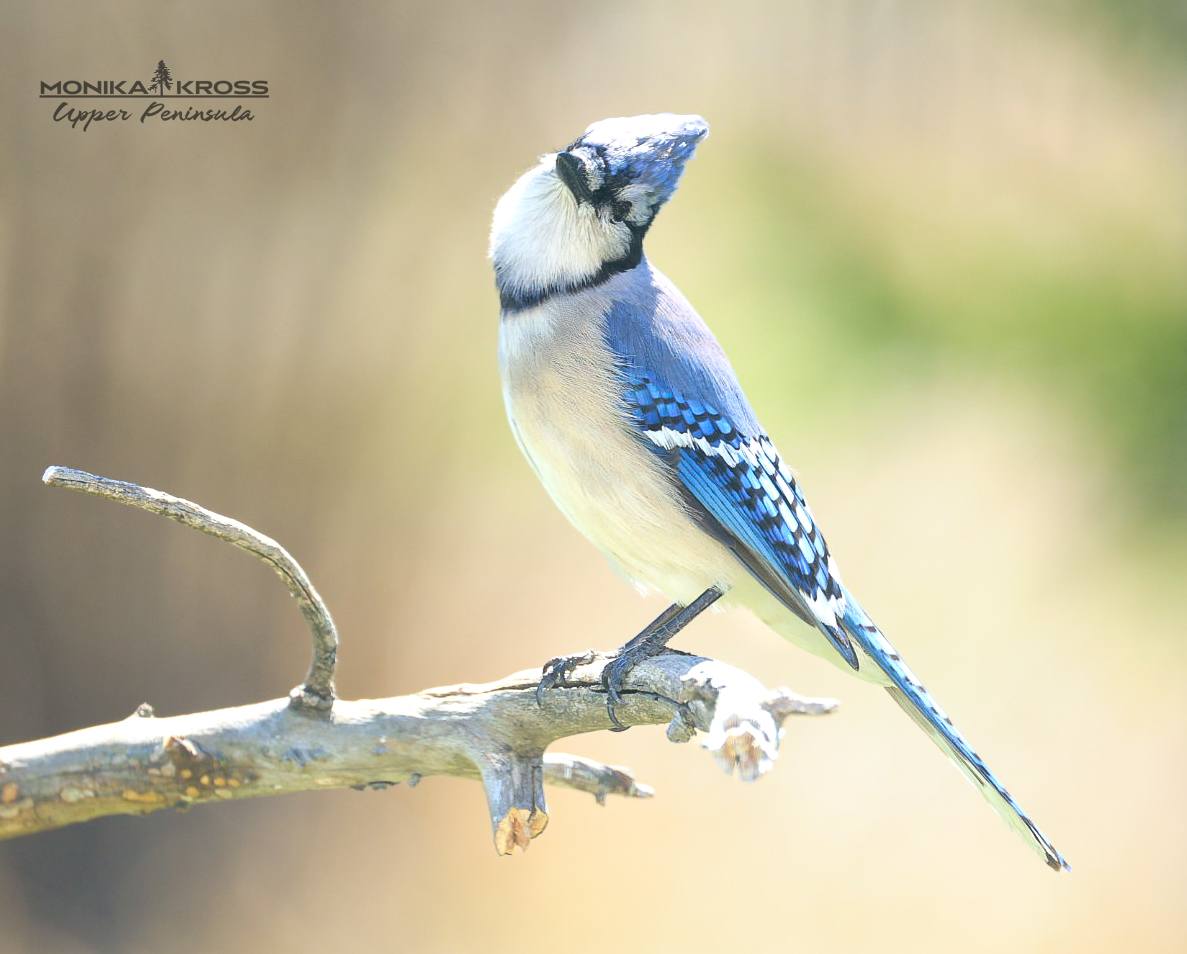
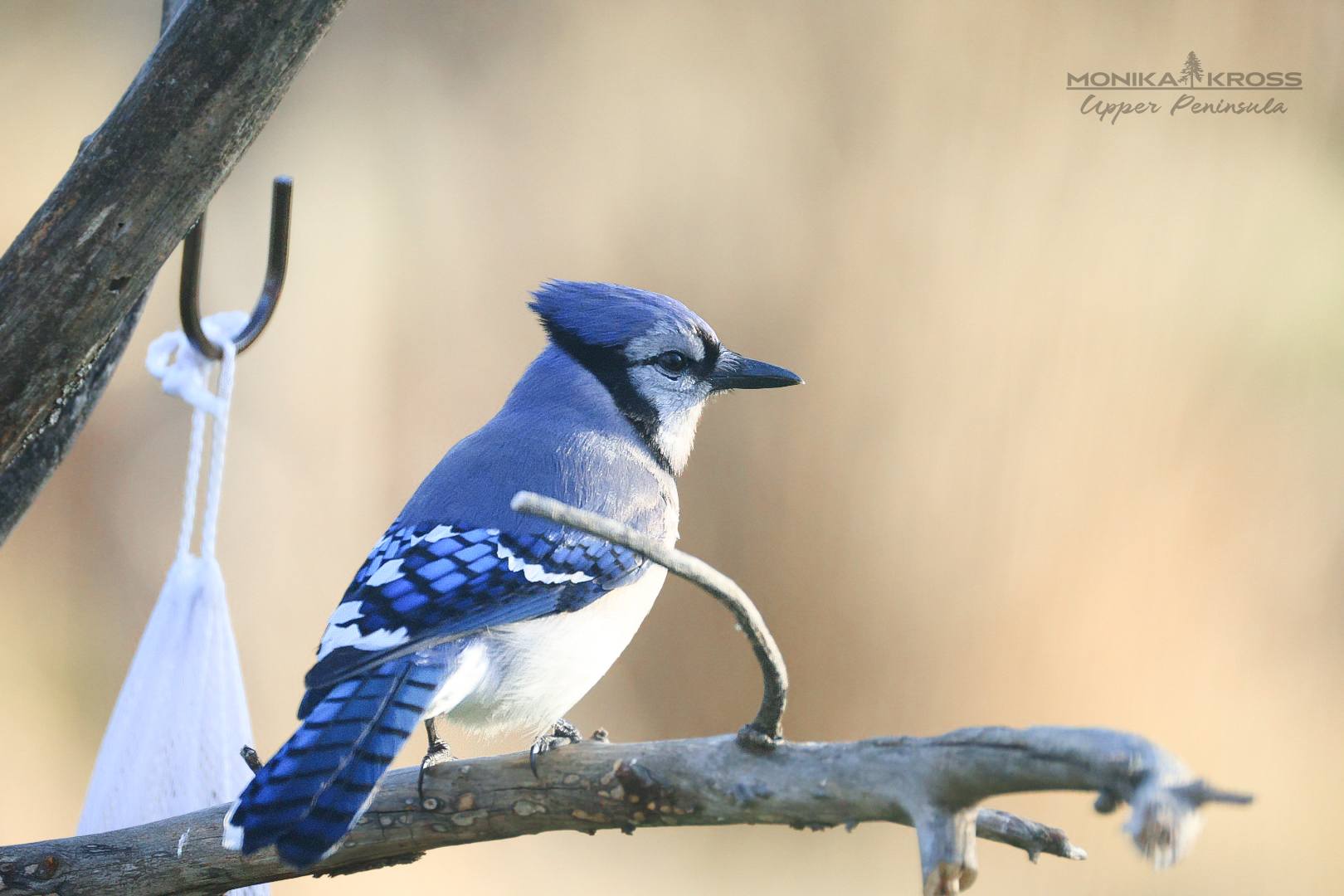
Bluejay got back!

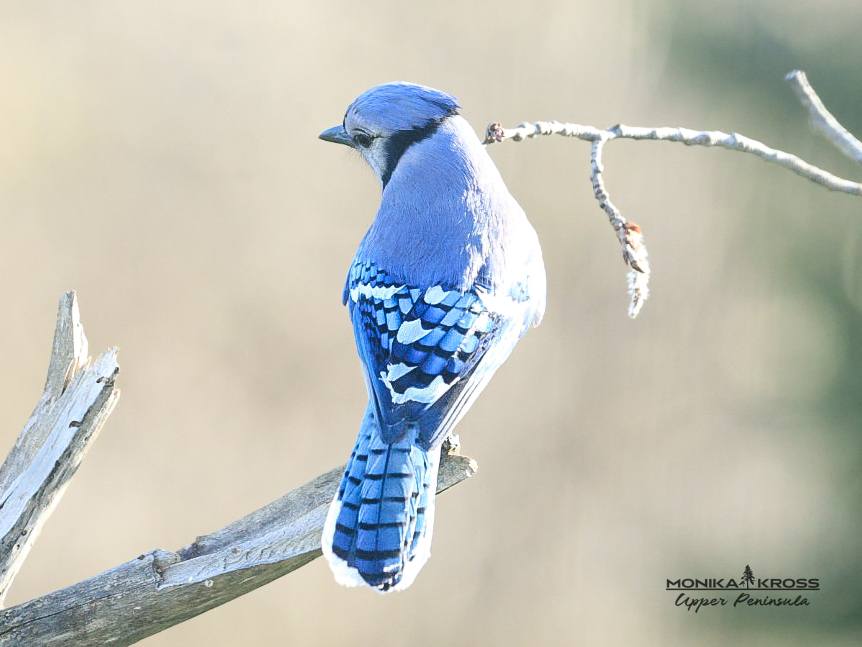
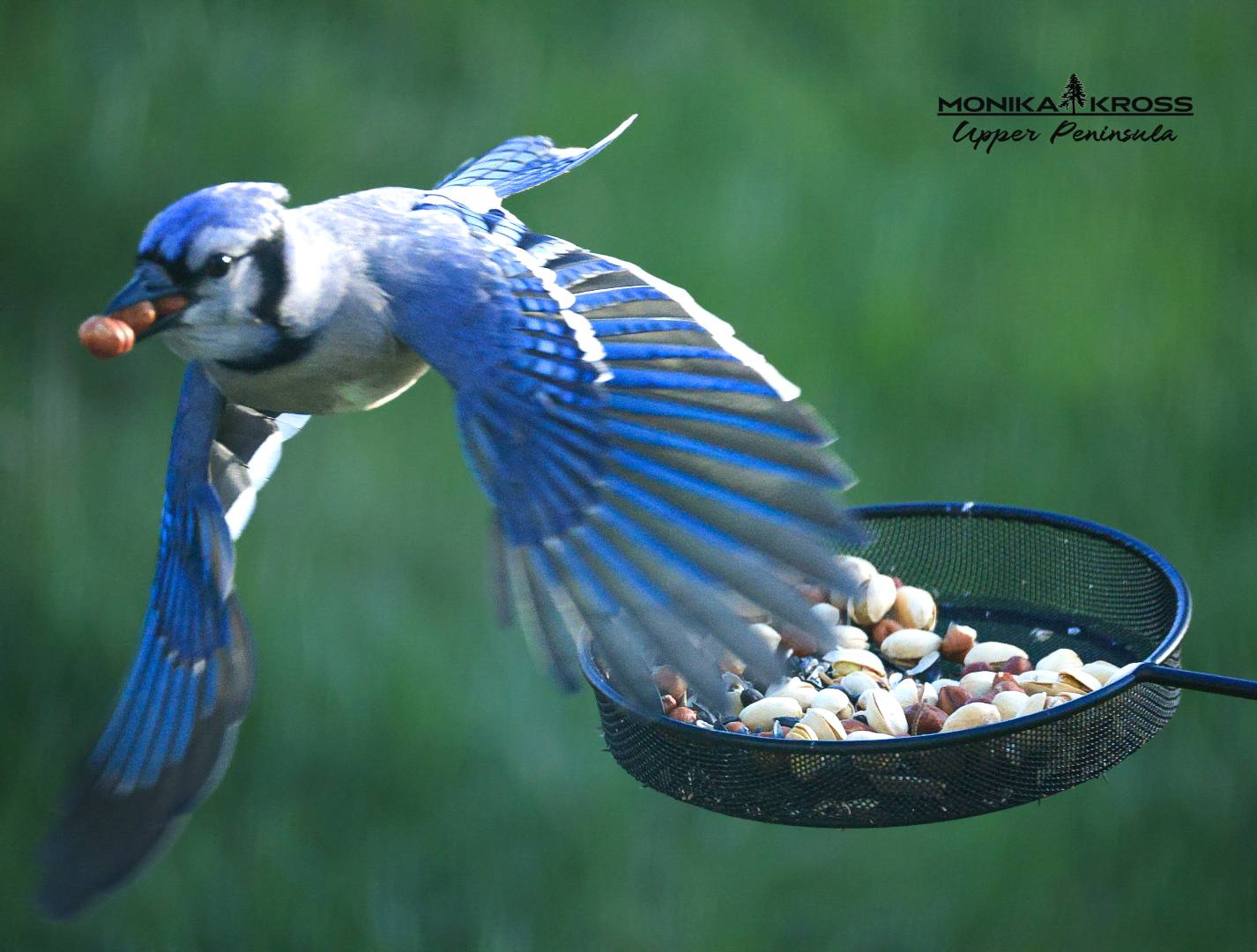
Bluejay by Monika Kross

Baby Got Back! by Monika Kross

Frequent Michigan in Pictures Group contributor Monika shares: “I’ve never seen a Blue Jay up close. Wow, so geometrical!

Indeed!! Follow Monika on Facebook and @Michiganunsaltedgirl on Instagram for more!

Support Michigan in Pictures with Patreon

Happy 55th Earth Day, Michigan!

Happy Earth Day by Paul Bruce

Happy Earth Day by Paul Bruce

Today is the 55th Earth Day, and this holiday that is celebrated across the planet was born right here in Michigan! I hope that you are able to take a little time today or this week to think about how you and your family, friends & neighbors can help create a future where humans live in harmony with the world around us because it really is the only one we’ve got. 🌏✌️💙

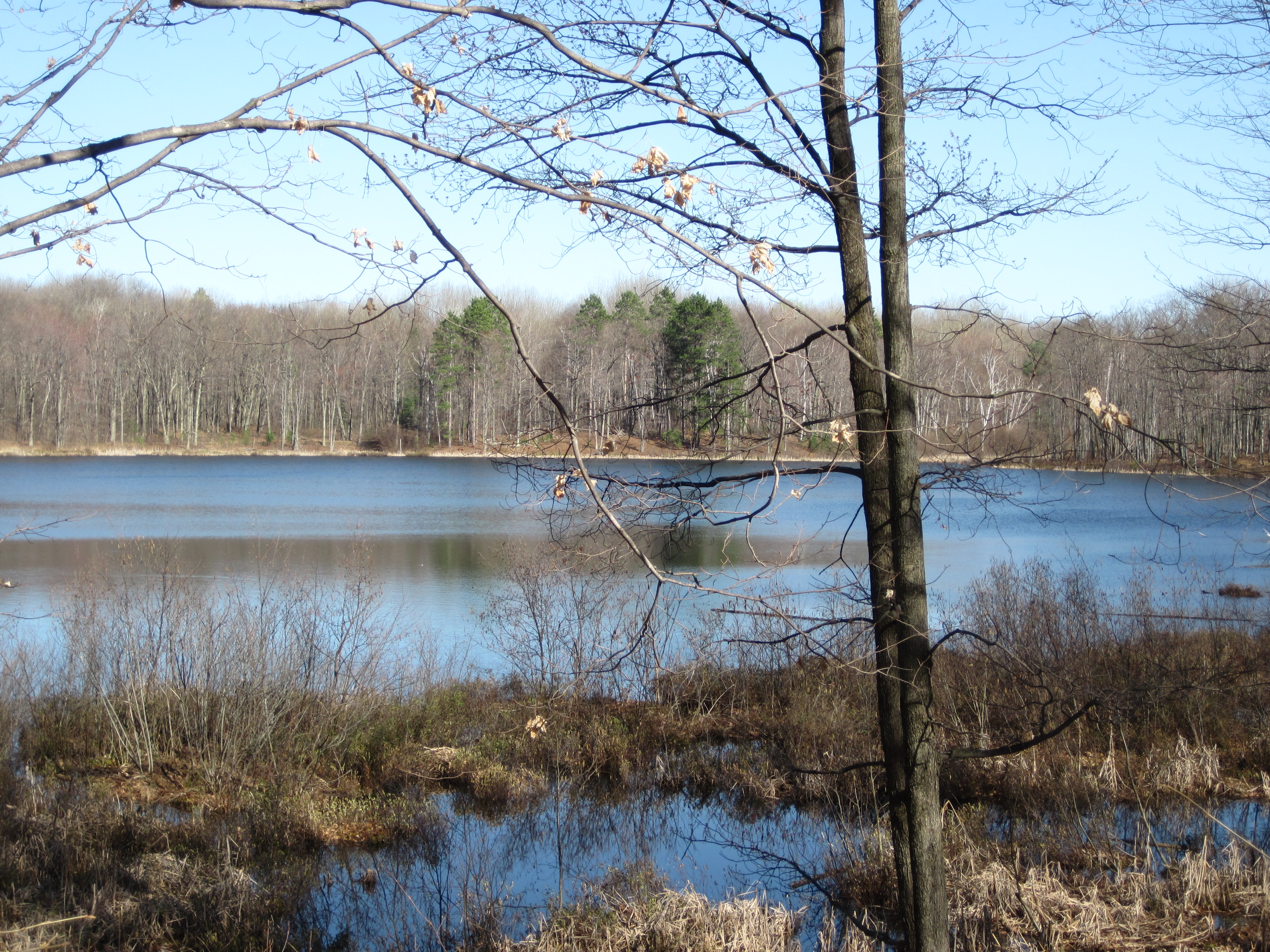
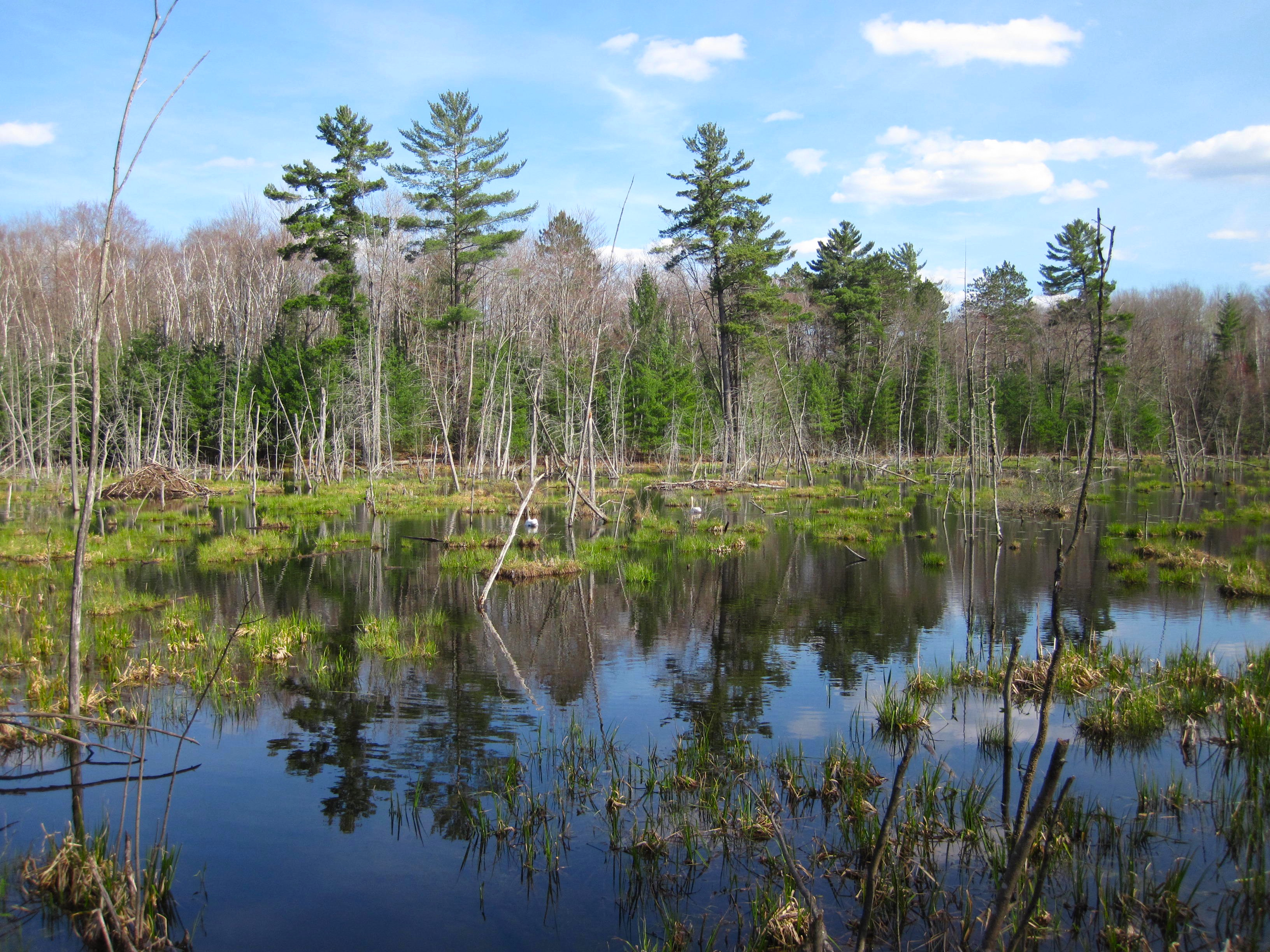
Paul took these at the Reid Lake Foot Travel Area near Harrison in the Huron-Manistee National Forest in the northeast Lower Peninsula. The US Forest Service says the 3000-acre area includes 13 miles of gently rolling trail around Reid and Little Trout Lakes, the shoreline of Big Marsh, and views of Fanny’s Marsh and Mossy Bog. There are also 9 designated first-come first-serve campsites available. Check out his photos from last Earth Day & many more in his Reid Lake gallery and for sure follow him on Flickr for more!

Many more Earth Day photos on Michigan in Pictures!

Support Michigan in Pictures with Patreon

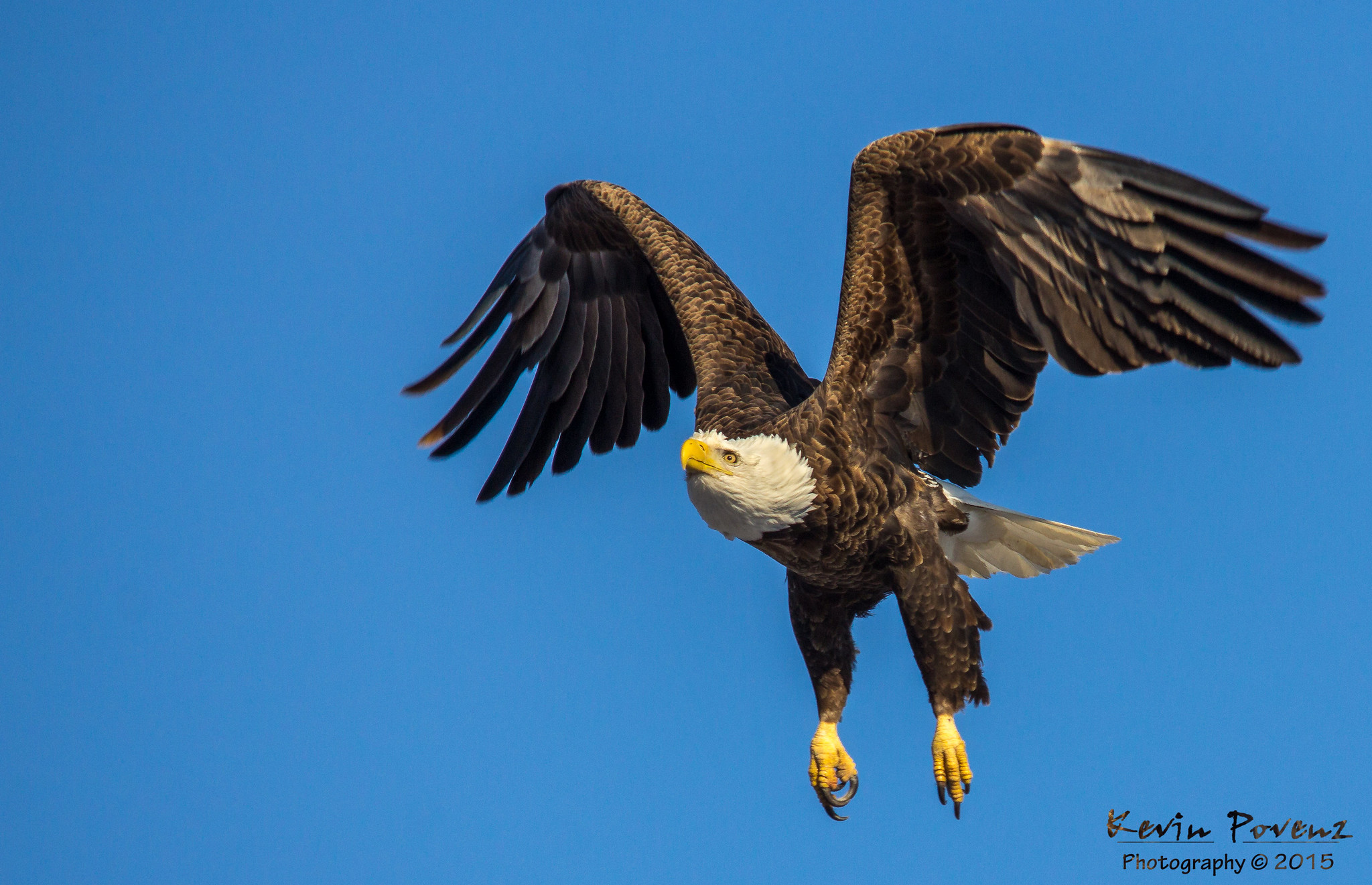
Fly Eagles Fly

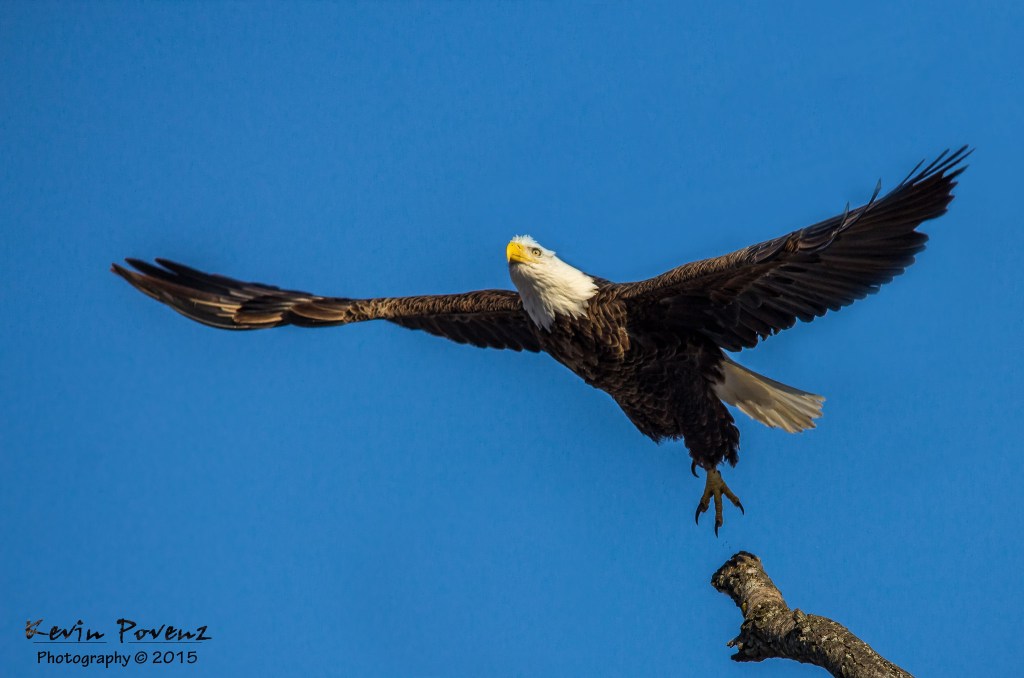
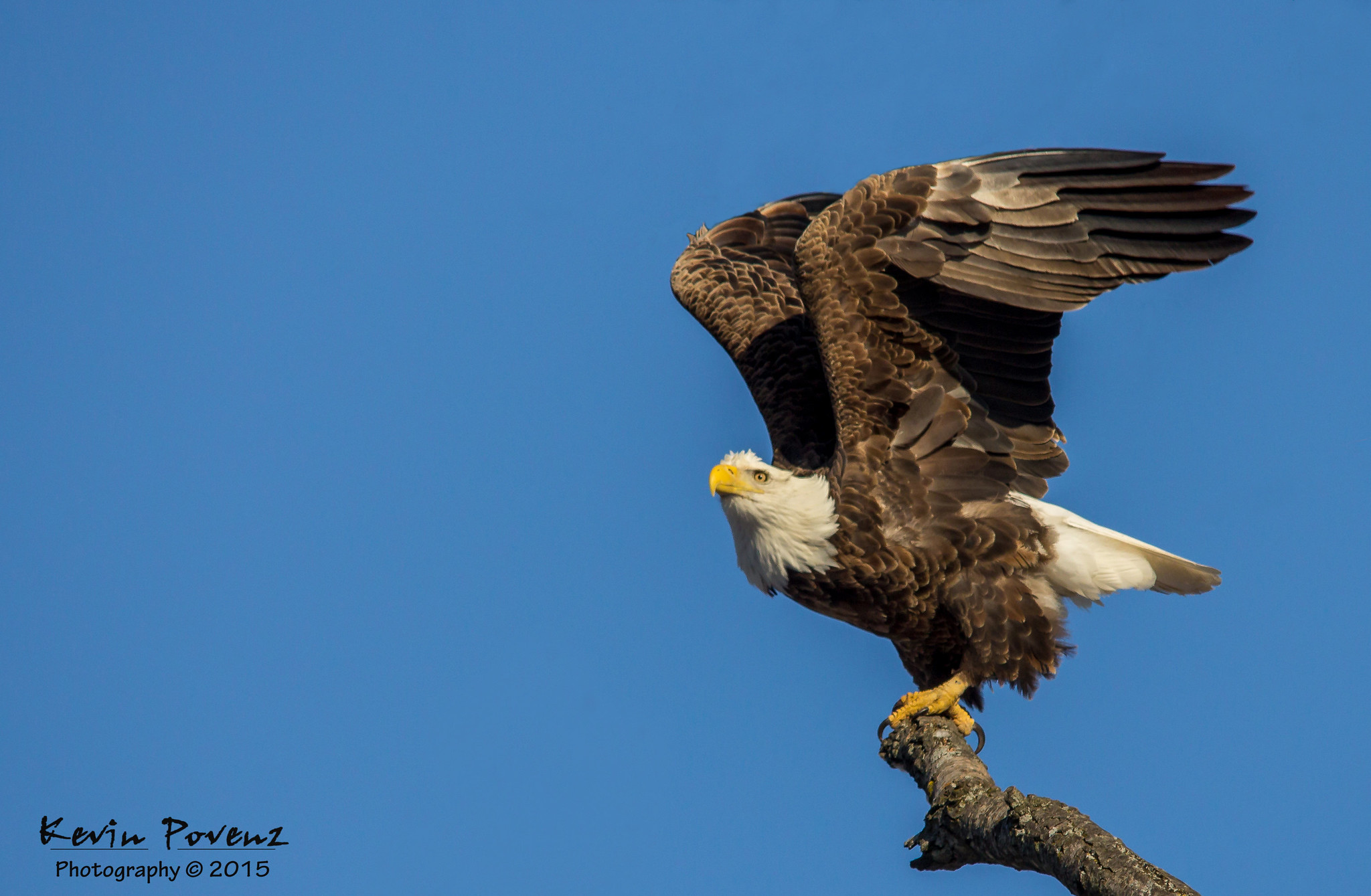
Liftoff by Kevin Povenz

Liftoff by Kevin Povenz

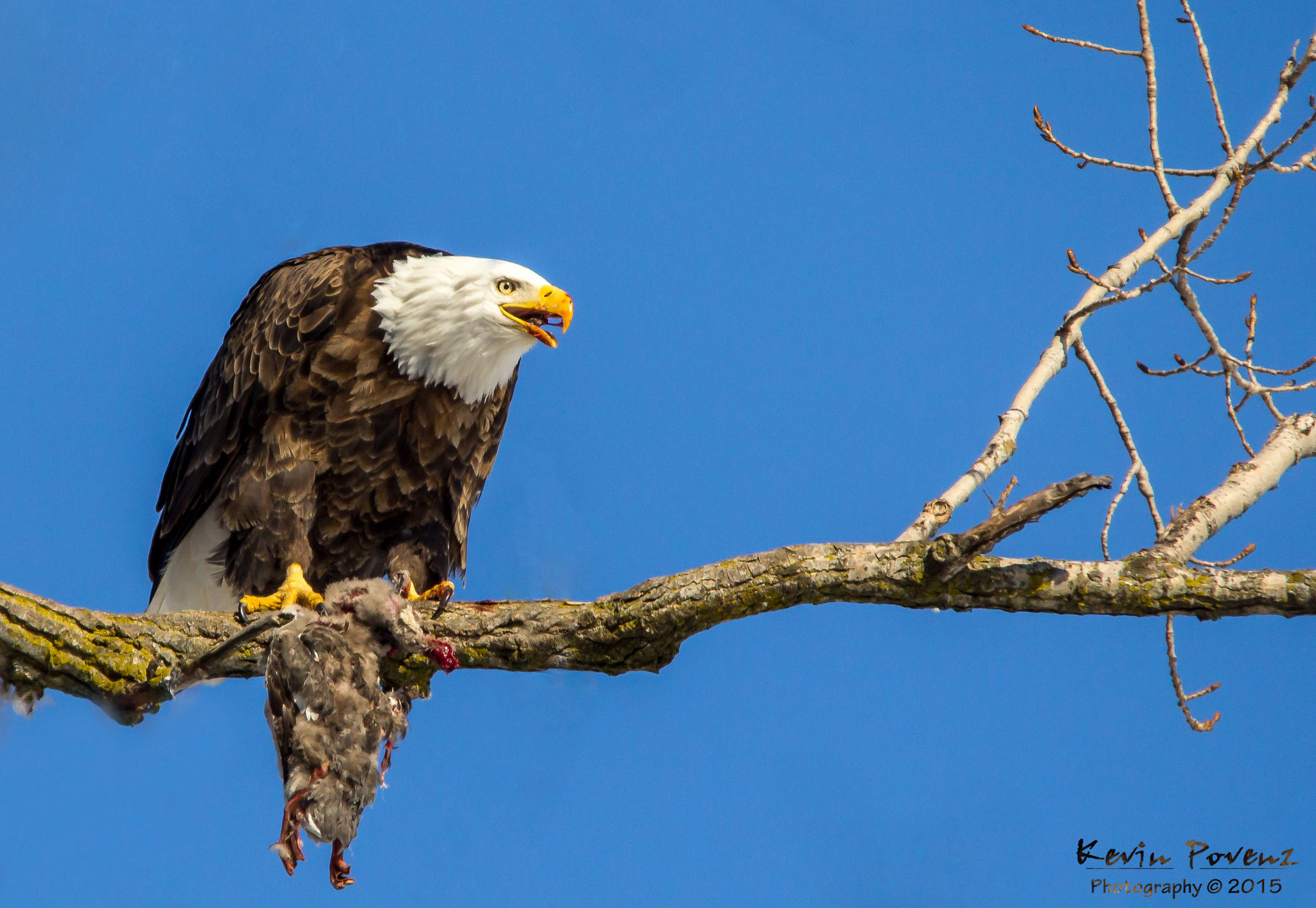
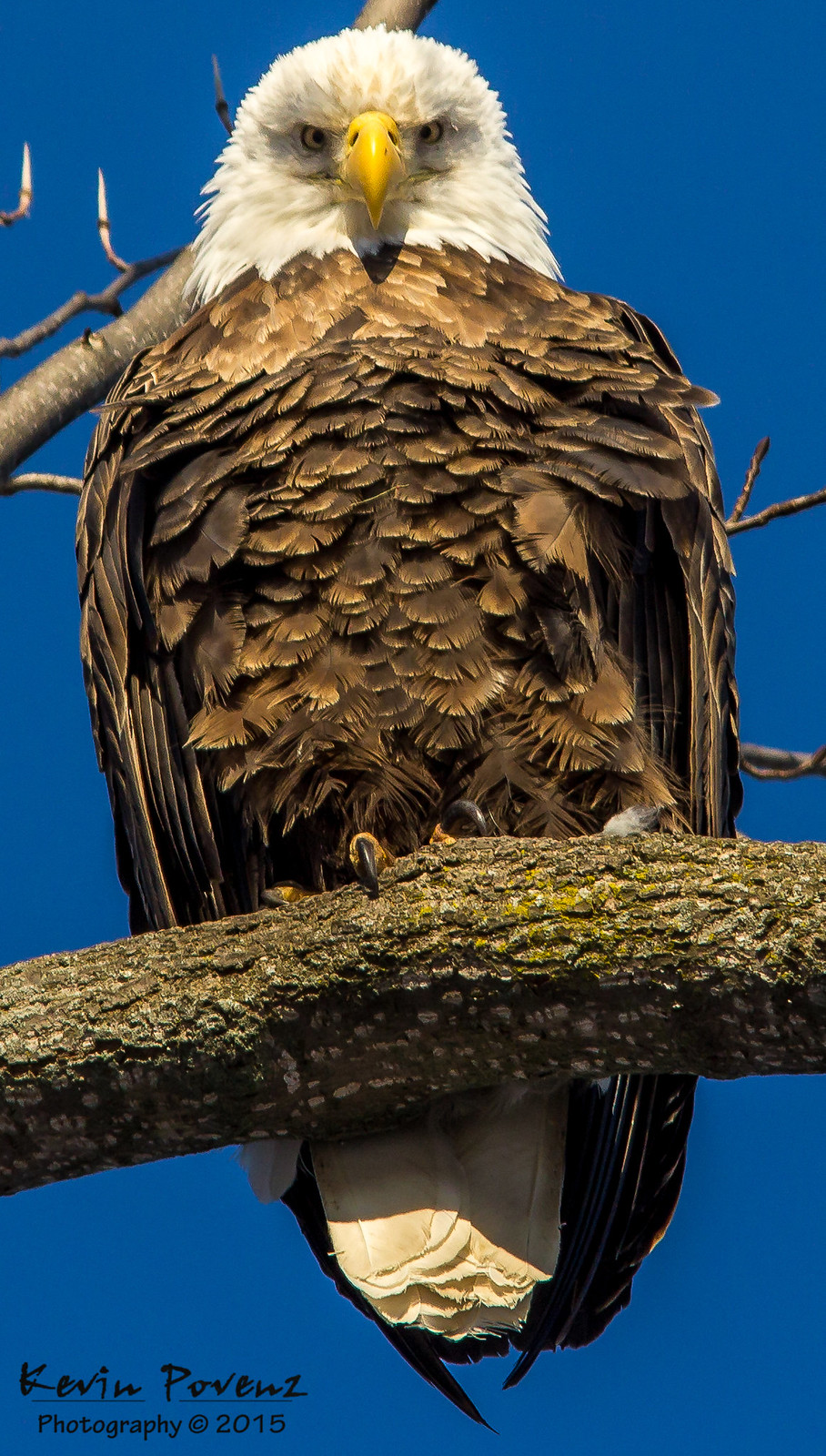
In recognition of the Philadelphia Eagles historic beatdown of the Kansas City Chiefs, here are a few shots from a series showing a bald eagle successfully hunting along the Grand River that Kevin shared to the Absolute Michigan group on Flickr way back in February of 2015.

You can see more in his massive Birds of Prey gallery on Flickr & for sure follow him for his latest!

Support Michigan in Pictures with Patreon

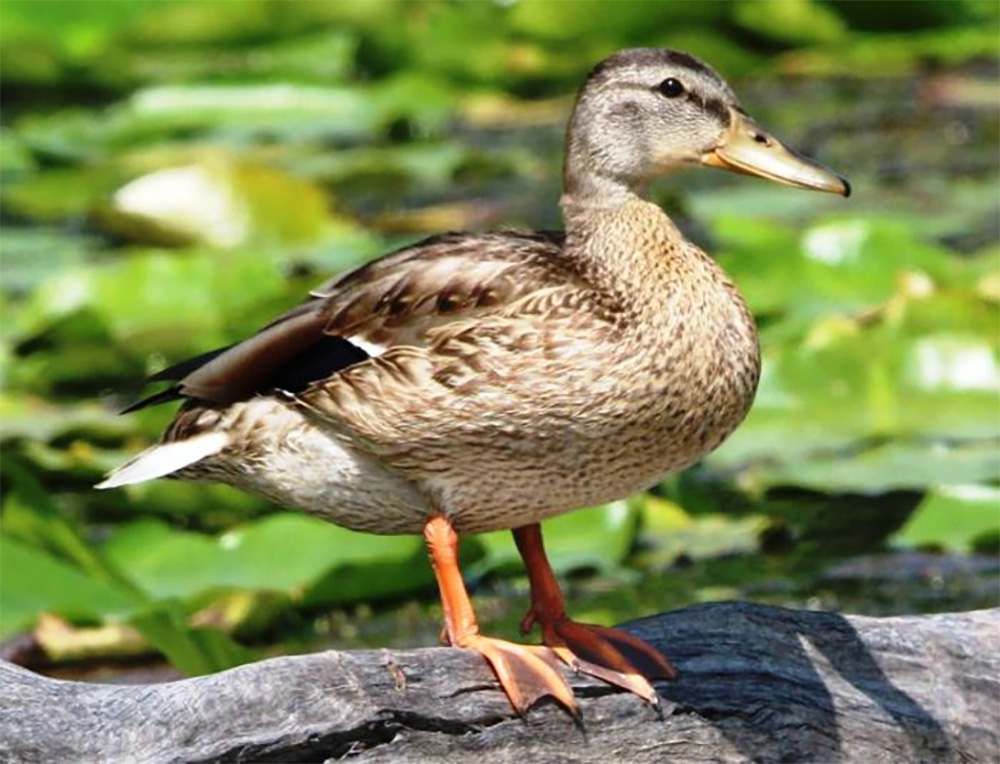
Feelin’ ducky … and historically dry

Feelin ducky by Linda Schaub

Linda is one of Michigan in Pictures’ biggest fans and yesterday she dropped the fact that much of Michigan was facing what could be the driest September since we started keeping records in 1877 until recently! mLive shared that although September 2024 remains historically dry, the rain of the last few days is helping to combat the drought.

Linda shared this photo along with several others on her latest Wordless Wednesday post. Follow her blog Walkin’, Writin’, Wit & Whimsey for more!

Also I am of course very happy to add the latest photo the Michigan in Pictures Duckie Project, a decade-spanning chronicle of our feathered, floating friends!

Support Michigan in Pictures with Patreon

Getting ready for the 4th of July

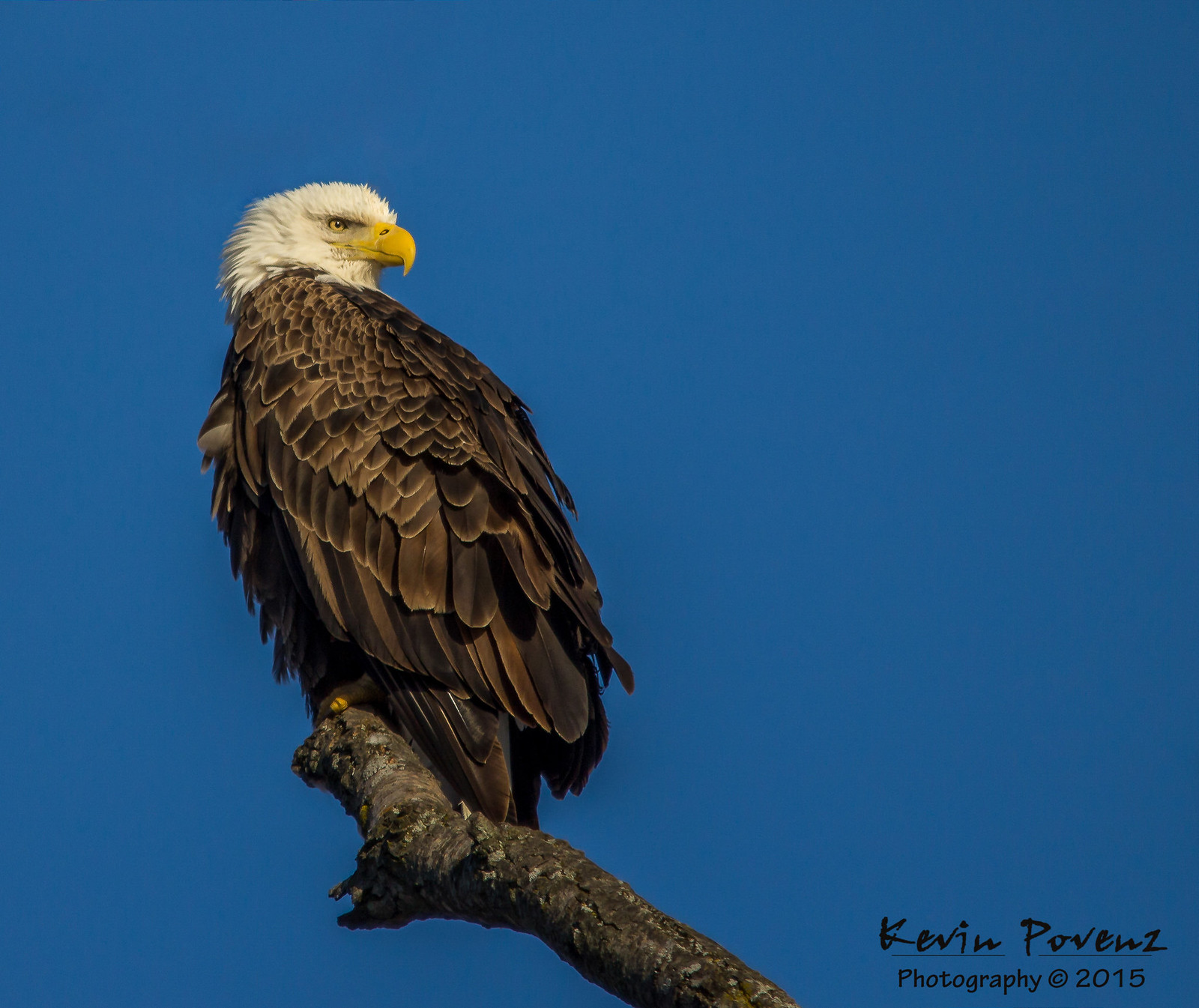
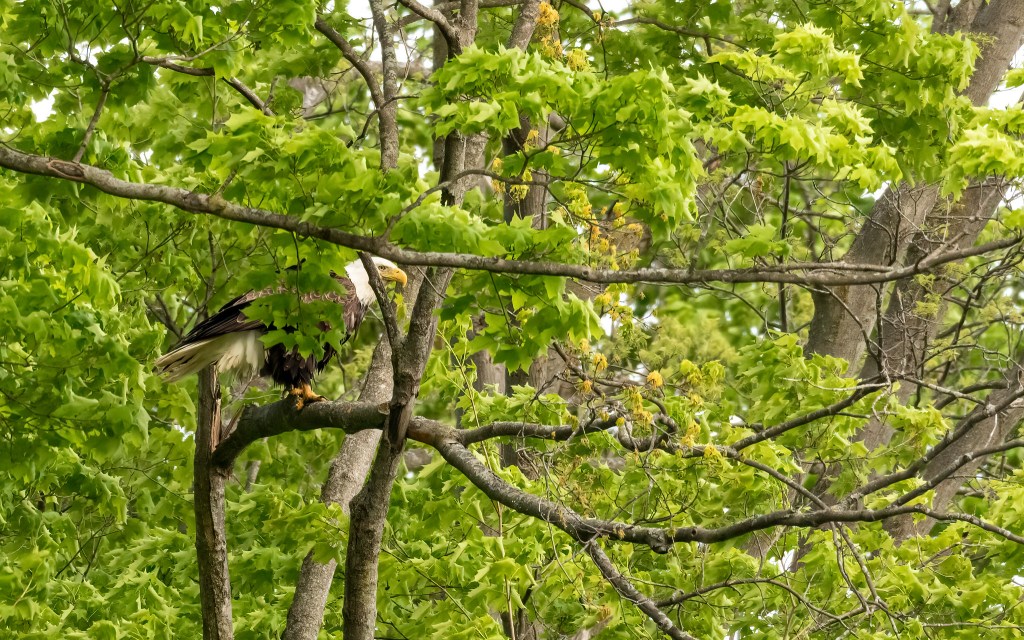
Amongst the Trees by Kevin Povenz

Amongst the Trees by Kevin Povenz

This year the Fourth of July falls on a Thursday, meaning many of us will get a 4-day weekend. I hope you all get a chance to enjoy the holiday!!

Kevin shared this super cool bald eagle shot taken last year in the Ravines of Grand Ledge. whoops it’s the Ravines of Ottawa County!! Check out his massive Birds of Prey gallery on Flickr for more!

Support Michigan in Pictures with Patreon

Piping Plover Protection

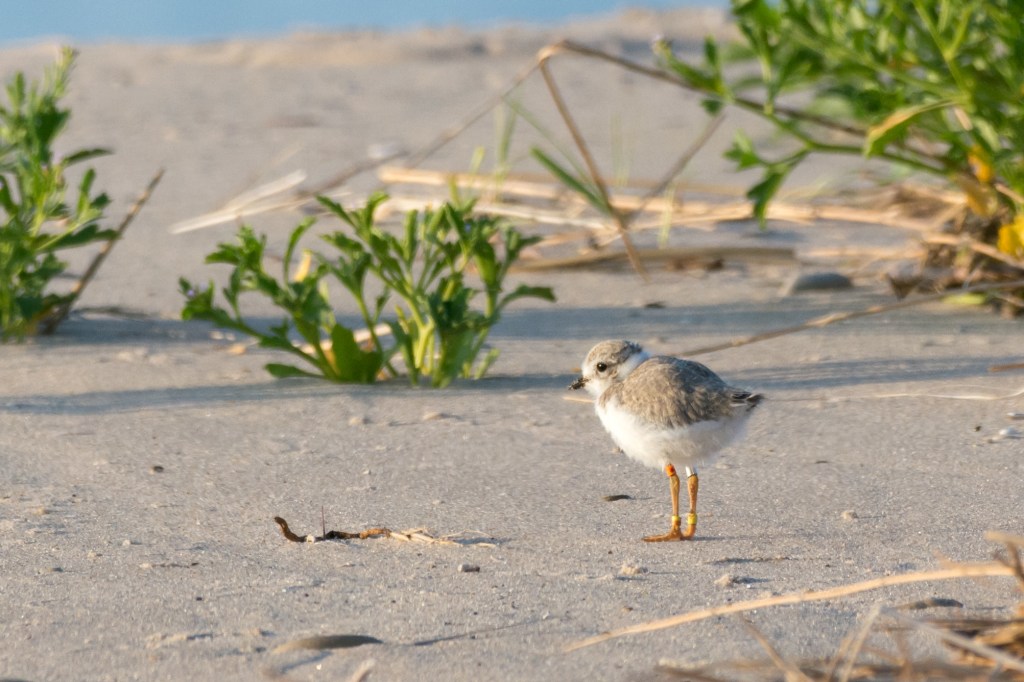
Piping Plover Chick by Bill VanderMolen

If you’re on the Lake Michigan shore this weekend, there’s a chance you may see one of these small shorebirds scurrying along the water’s edge with some unique legwear. The Sleeping Bear Dunes National Lakeshore page on piping plovers begins:

The Piping Plover (Charadrius melodus) is an endangered shorebird. They are sand-colored on the back and white below. During the breeding season adults have a black forehead band between the eyes and a single black band around the neck. (Its larger relative the Killdeer is commonly seen at parks, playgrounds, and golf courses, and has two dark bands around the neck.) Piping Plovers nest only on beaches and prefer beaches with cobble. There are three small populations: one in the Great Plains, one on the Atlantic Coast, and the one here in the Great Lakes. They winter together on the Gulf Coast but travel to the separate areas during the breeding season.

…The greatest concentration of piping plovers in the Great Lakes occurs at Sleeping Bear Dunes National Lakeshore. The areas around the nests are roped off during the breeding season to protect the birds from disturbances that would cause them to abandon their nests. Also, plover eggs and small chicks are very well camouflaged. Well-meaning plover watchers could easily step on them if allowed in the nesting area.

…As part of the piping plover monitoring and recovery efforts, each bird is banded with colored bands that identify it. Color bands allow researchers and park staff to keep track of longevity, faithfulness to nest sites and mates, and genetics, among other things.

Lots more including pictures on the Park website.

Bill took this back in July of 2018. See his latest on Instagram!

Support Michigan in Pictures with Patreon

You know who needs a Happy Earth Day?

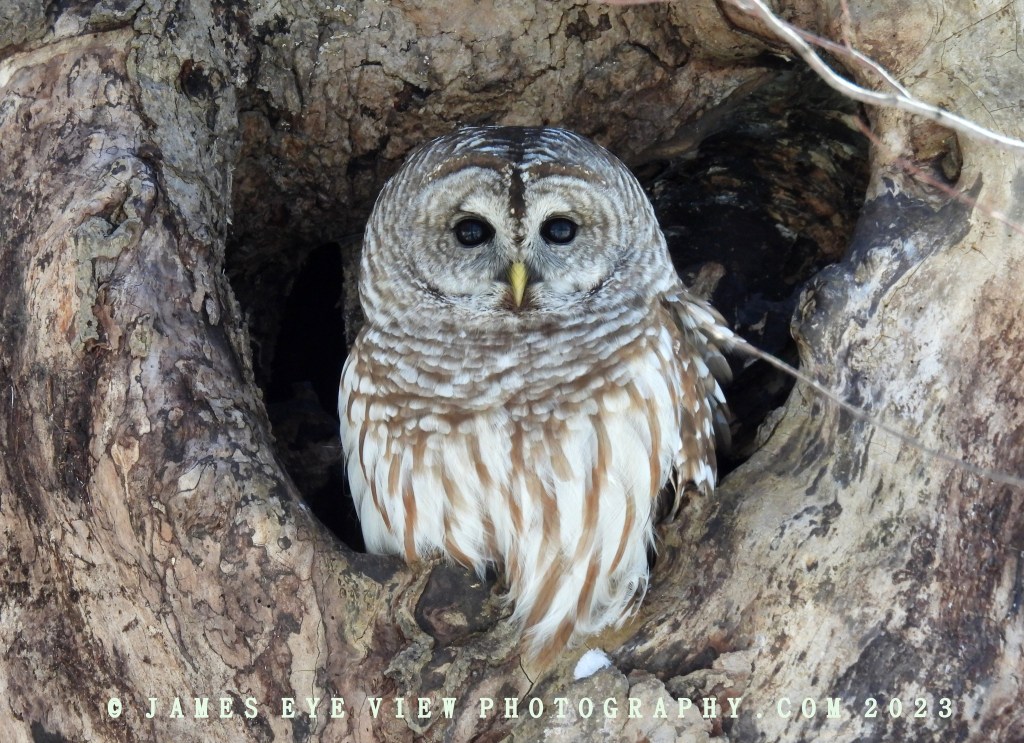
Happy Earth Day by James Eye View Photography

via Leelanau.com

Who needs a happy Earth Day? All of us really. 2023 was the warmest year since global records began nearly 200 years ago. The global temperature beat the previous high from 2016 & the 10 warmest years have ALL been from the last 10 years. If you know anything at all about math, 10 out of 10 is 100% and we are 100% in trouble because we seem unable as a species to process what actual danger is when it is this big. There’s probably nothing I can say if you don’t believe in science, so here is a link to a story about Earth Day’s Michigan roots & here is EarthDay.org where they are trying to raise awareness about microplastics, which many scientists believe are behind the explosion of Alzheimers.

James is an Empire-based photographer who shared this barred owl – based in parts unknown – along with some other great pics to wish everyone a happy Earth Day! See more by clicking the picture & on his website.

Blue Canary aka Indigo Bunting

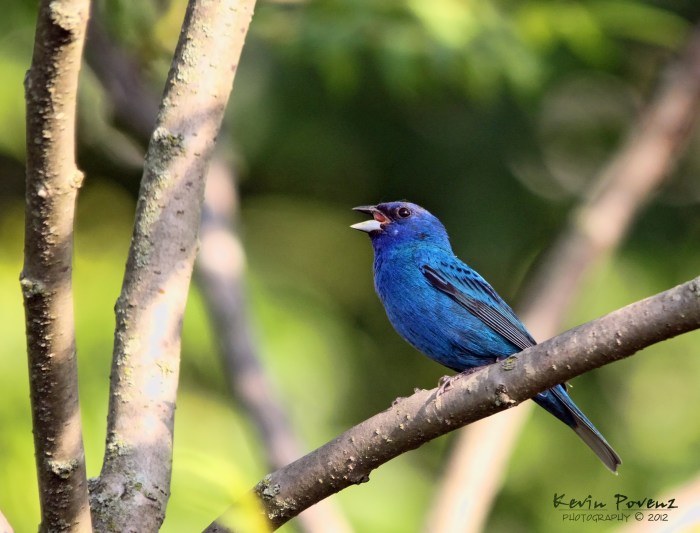
Indigo Bunting by Kevin Povenz

Indigo Bunting by Kevin Povenz

Yesterday I saw a brilliant blue Indigo bunting on the bird feeder, so let’s talk about them! All About Birds shares that the all-blue male Indigo Bunting are sometimes nicknamed “blue canaries” and known for their bouncy songs. There’s all kinds of info including recordings of their songs and fun facts like:

Indigo Buntings migrate at night, using the stars for guidance. Researchers demonstrated this process in the late 1960s by studying captive Indigo Buntings in a planetarium and then under the natural night sky. The birds possess an internal clock that enables them to continually adjust their angle of orientation to a star—even as that star moves through the night sky.

Indigo Buntings learn their songs as youngsters, from nearby males but not from their fathers. Buntings a few hundred yards apart generally sing different songs, while those in the same “song neighborhood” share nearly identical songs. A local song may persist up to 20 years, gradually changing as new singers add novel variations.

Like all other blue birds, Indigo Buntings lack blue pigment. Their jewel-like color comes instead from microscopic structures in the feathers that refract and reflect blue light, much like the airborne particles that cause the sky to look blue.

Kevin took this a decade ago at the Upper Macatawa Natural Area in Zeeland. See more in his Birds gallery on Flickr.

Support Michigan in Pictures with Patreon

Fresh Cut

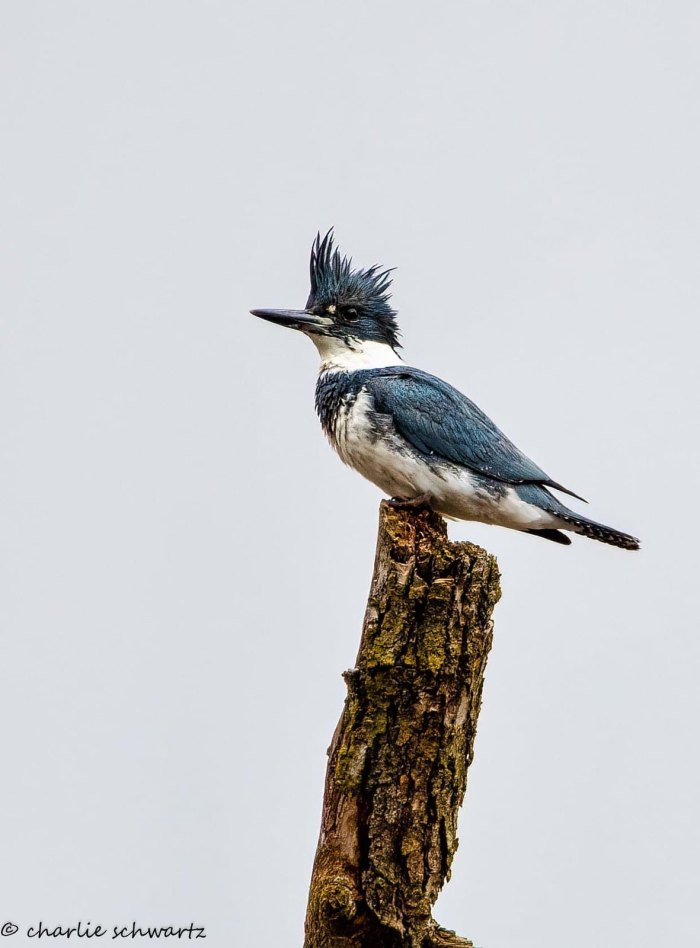
Male Belted Kingfisher by cncphotos

Male Belted Kingfisher by Charlie Schwartz

A great shot of a male belted kingfisher from last week. Definitely gonna ask him who his barber is. 😉

See more in Charlie’s Birds gallery on Flickr.

Support Michigan in Pictures with Patreon