A Legitimate Snowbird

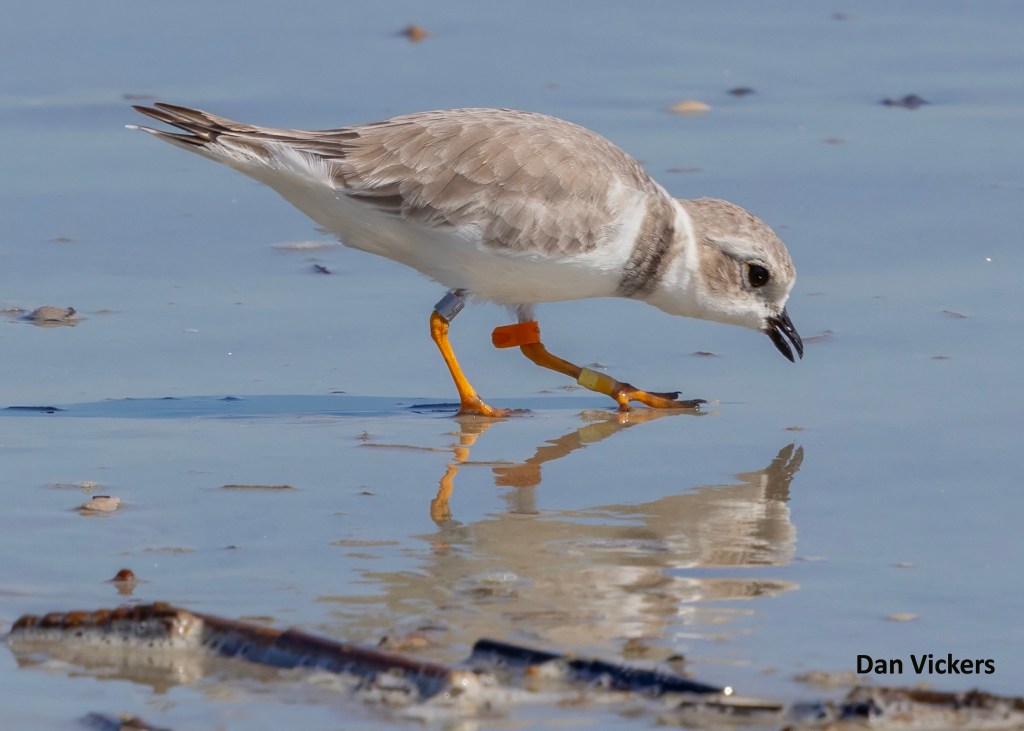
Yogi the Piping Plover at Cumberland Island by Dan Vickers

Yogi the Piping Plover at Cumberland Island by Dan Vickers

“You think YOU’RE a snowbird? Please.” – -Yogi the Great Lakes Piping Plover

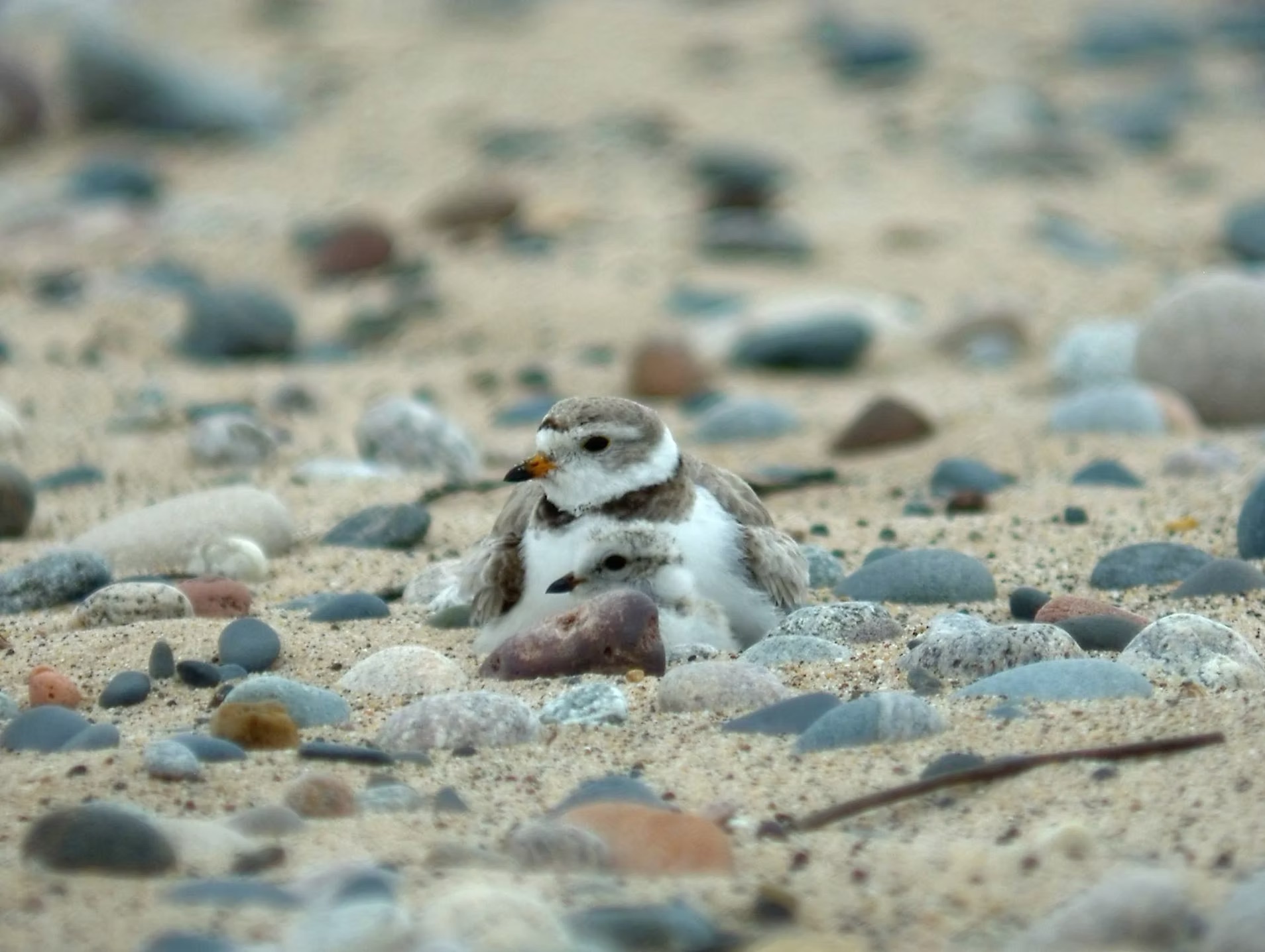
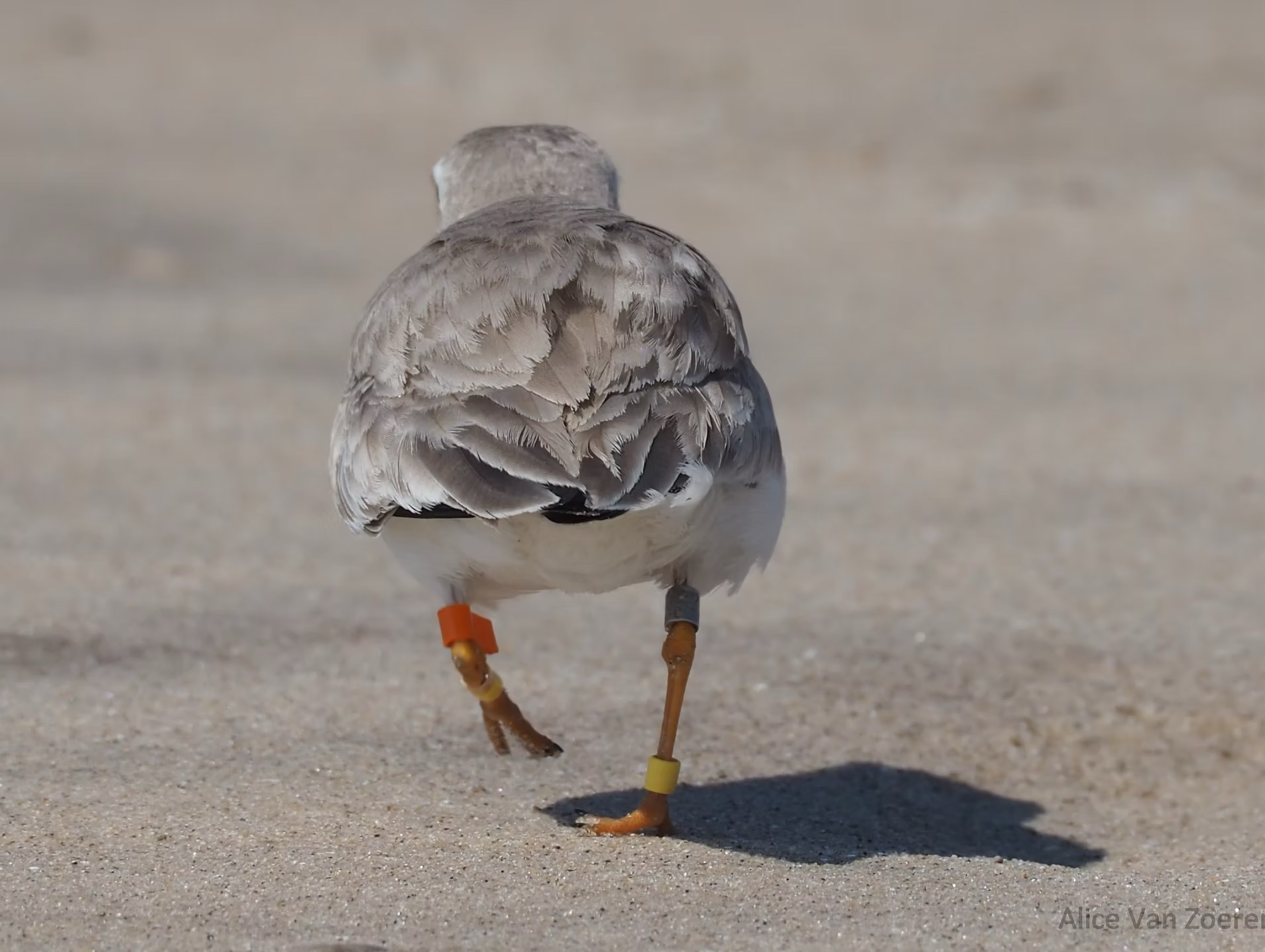
Michigan in Pictures features almost exclusively photos from Michigan, but every so often there’s one that will have me reaching beyond our borders. Such is the case with this photo of Yogi the Piping Plover from Cumberland Island all the way down in Georgia that was recently shared by the Great Lakes Piping Plover Recovery Effort. Yogi hails from the Sleeping Bear Dunes National Lakeshore, but his preferred nesting site is the wild and busy Silver Lake State Park.

They explain that the Piping Plover is a small shorebird that is listed as an Endangered Species and nests in three separate geographic populations in the United States and Canada: The Northern Great Plains, the shores of the Great Lakes, and along the Atlantic coast. Birds from all three populations winter on the southern Atlantic and Gulf coasts in the United States & in the Caribbean.

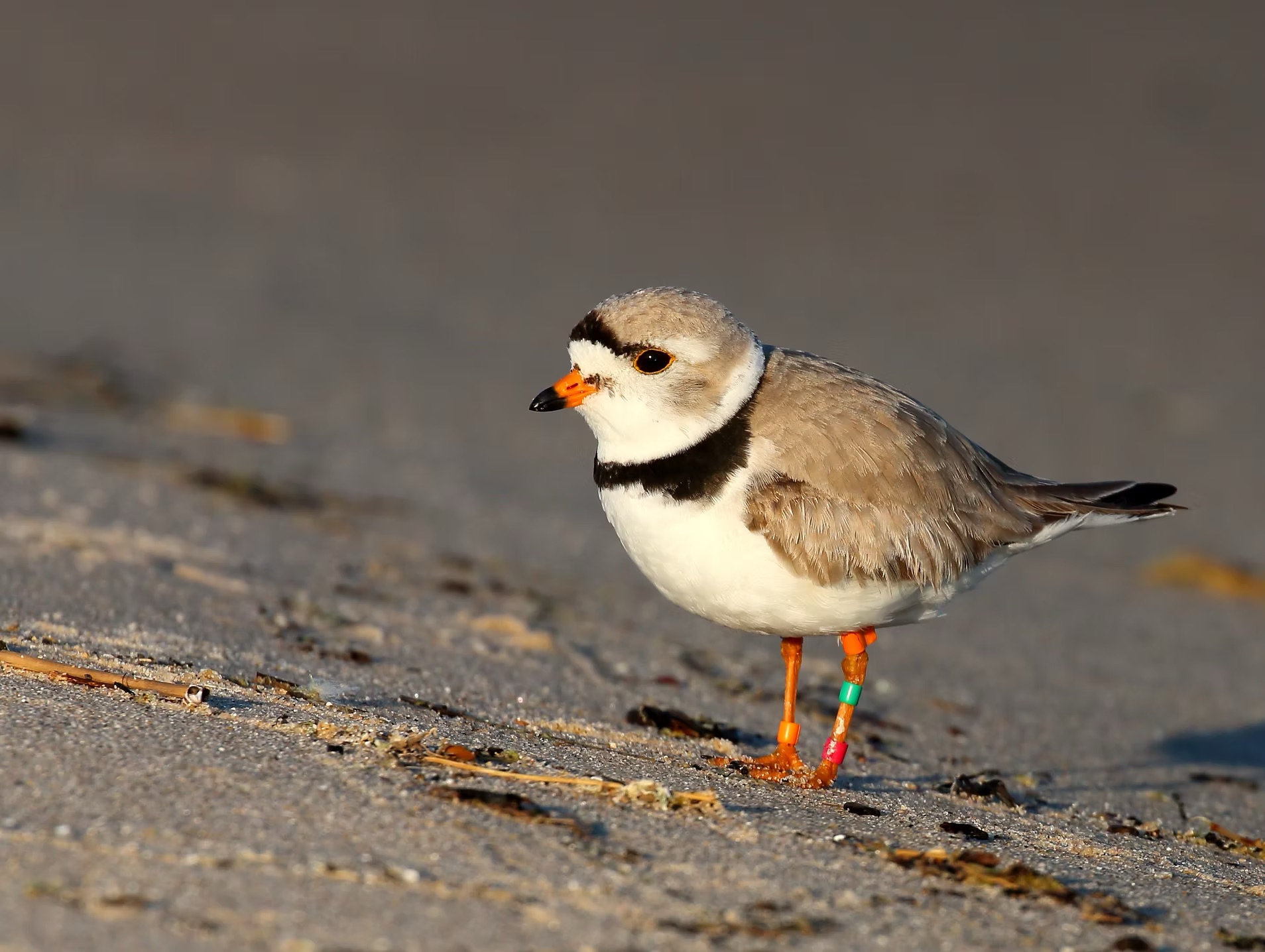
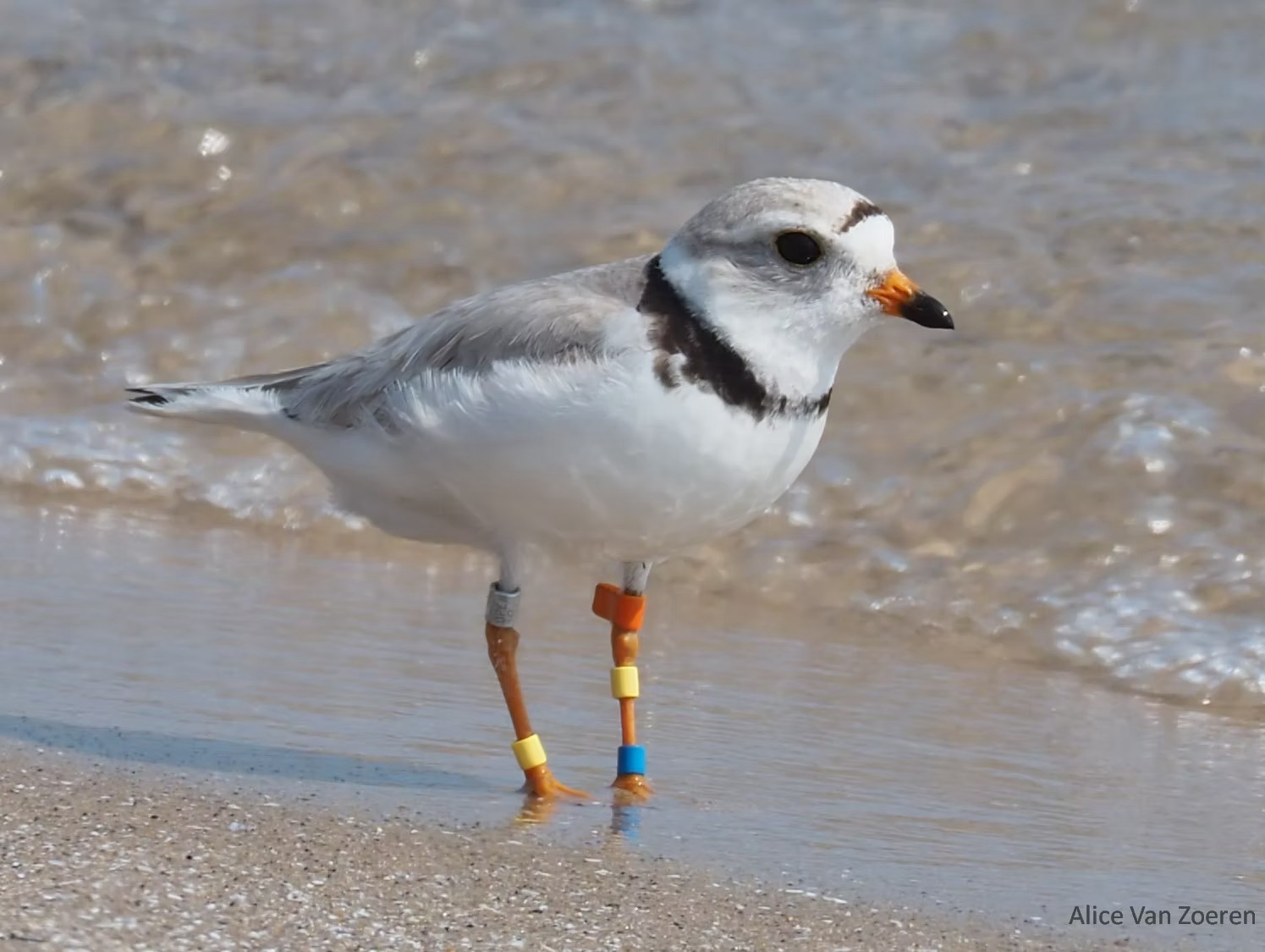
Regarding the distinctive bands, they say: Great Lakes Piping Plover chicks are banded between five and sixteen days of age. Since shorebirds are precocial (Like chickens, Piping Plover chicks begin running around, feeding themselves within hours of hatching), these chicks have well developed legs, which makes it possible for us to band them with adult-sized bands at a young age. The bands we use are made of either plastic or aluminum, and they are very lightweight. Every sibling in a plover brood gets the same color and arrangement of three or four bands (depending on the band color-pattern used). This is called a “brood-marker combination”. There aren’t enough possible combinations available to give every chick their own unique identifier from hatching, but by giving the chicks from the same family, or brood, the same combination we can study such things as parental success, fledging rates, and return success.

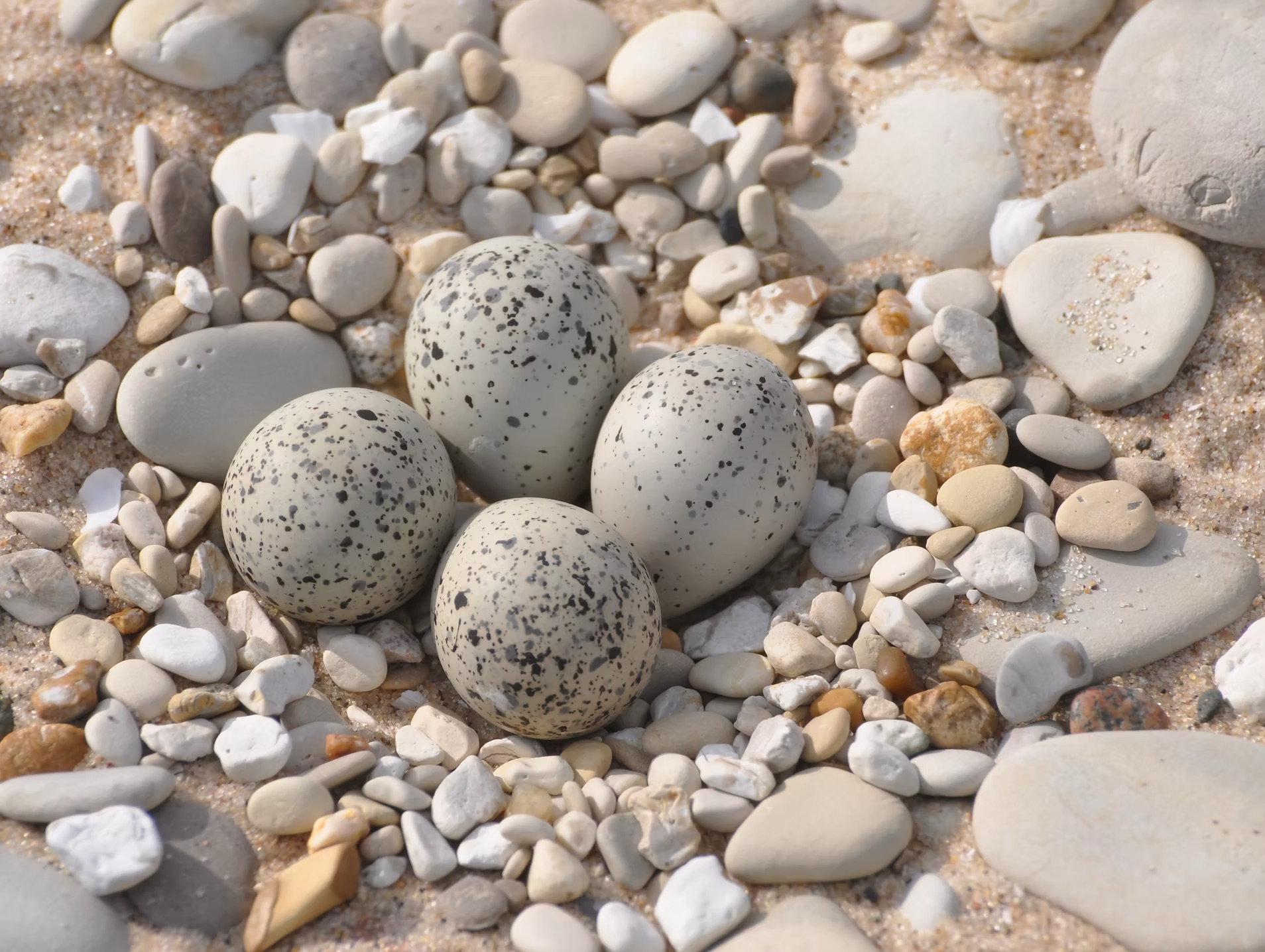
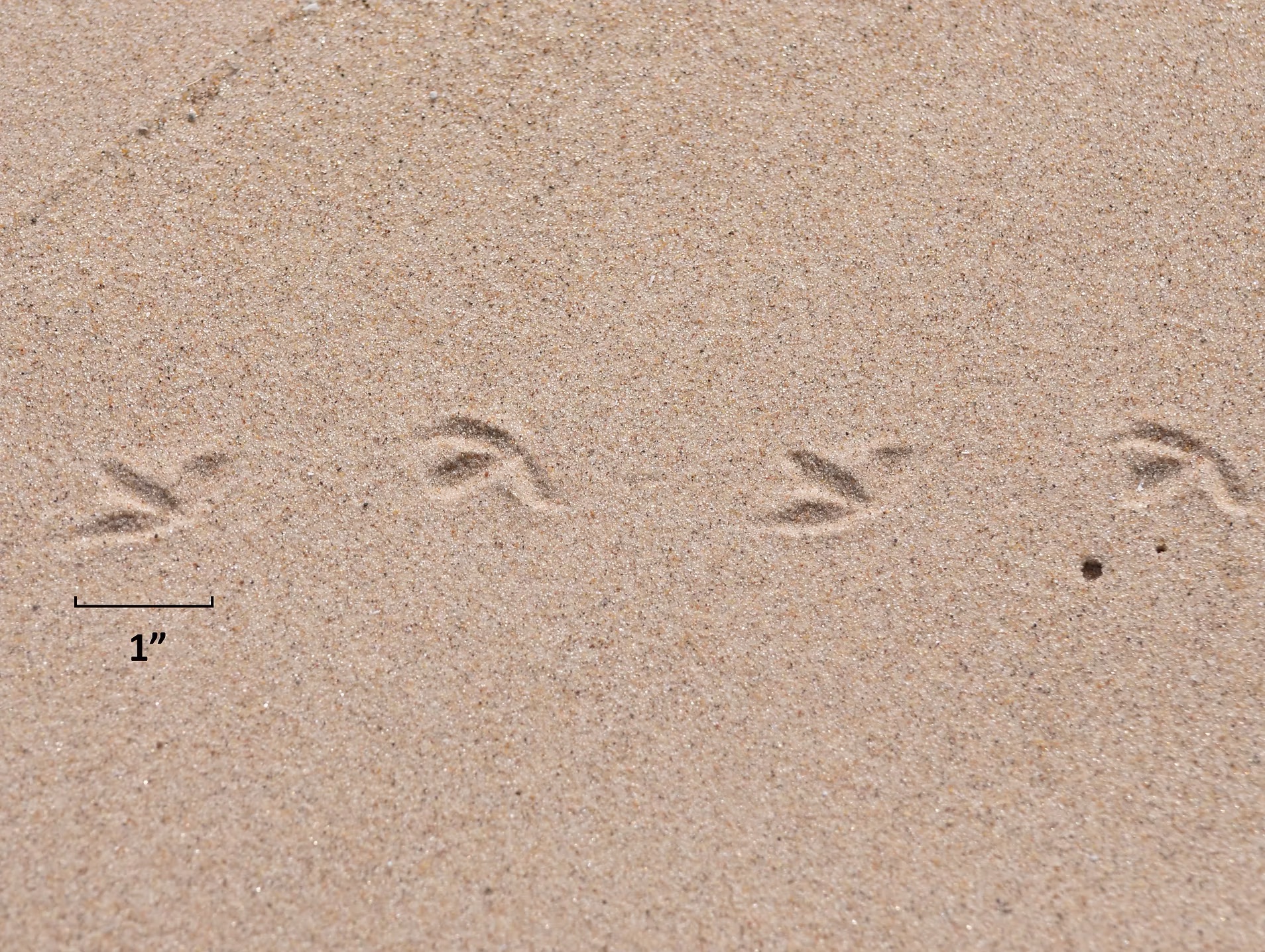
Here’s a few more Piping Plover pics – visit greatlakespipingplover.org for more and to help support their work!
Support Michigan in Pictures with Patreon

Bohemian Waxwings

Bohemian Waxwing by Sheen Watkins Photography

Bohemian Waxwing by Sheen Watkins Photography

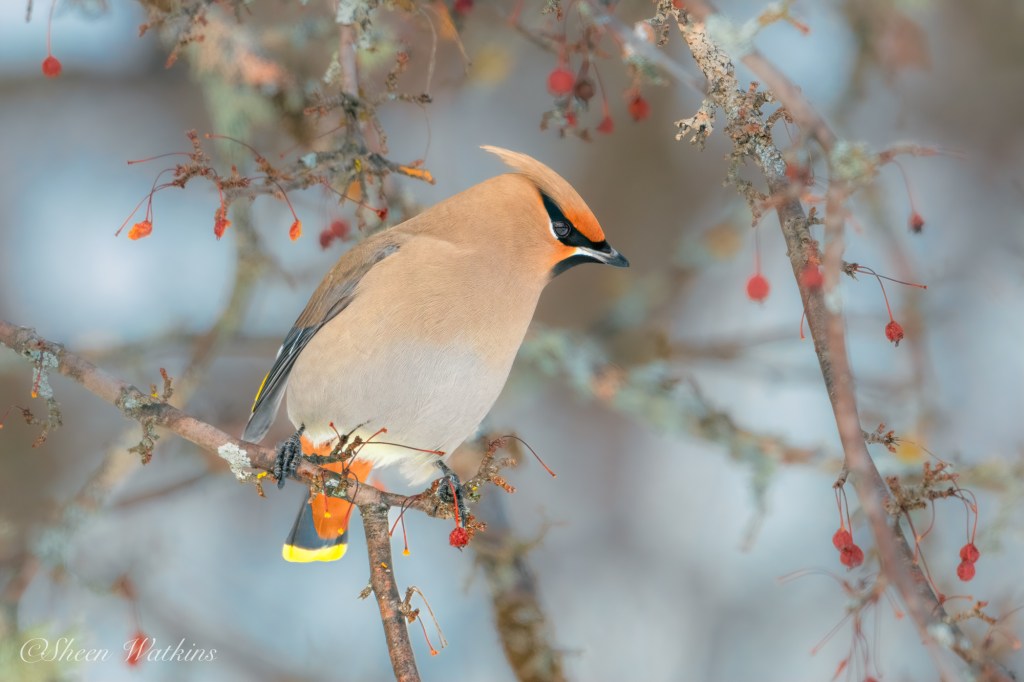
Sheen recently shared her winter encounter with Bohemian waxwings that says (in part):

Often mistaken for their more familiar cousins, the Cedar Waxwings, Bohemian Waxwings differences are quite noticeable. Slightly larger, with muted gray bodies and warm cinnamon accents beneath their wings, tail and on their lores. Their soft, almost melted waxy looking plummage complements winter’s softer light.

…They arrived the way waxwings always do—suddenly and together. A flock descended on a cluster of trees heavy with berries, moving with a quiet, choreographed urgency. Waxwings are communal feeders, virtually overtaking a tree before moving on. They arrive, thrive, and leave—often as quickly as they appeared.

That fleeting time of when then move south combined with their behavior is what makes these encounters feel so rare. Seeing Bohemian Waxwings each winter is never a guarantee. Some years they pass unseen. Other years, luck and timing intersect, and I find myself standing in the cold, bundled and unmoving, watching bird life unfold just feet away.

Read on for much more & for sure follow Sheen Watkins Photography on Facebook & check out her website for more work!

More birds on Michigan in Pictures.

Support Michigan in Pictures with Patreon

Tough to be a bird: How birds handle cold weather

Tough to be a bird by Watermark Photography

Tough to be a bird by Watermark Photography

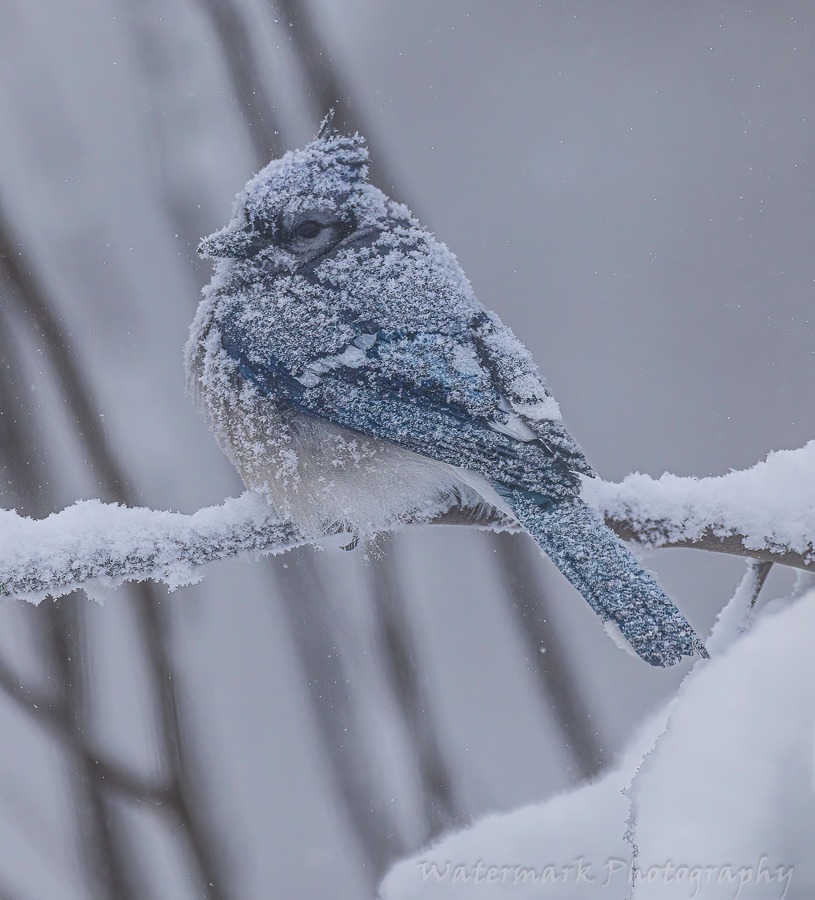
The U.S. Fish & Wildlife Service shares that birds of all shapes and sizes have special adaptations for living in cold climates:

SHIVERING Birds have much higher metabolic rates and burn more energy to stay warm than we do. Black-capped chickadees weigh less than half an ounce and can maintain a body temperature of 100 degrees Fahrenheit – even when the air is 0 degrees! They do this by having great insulation, being very active and remembering where they store their food. A steady supply of food is essential, because chickadees eat more than 35 percent of their weight every day! Compared to many other birds, chickadees have a large hippocampus – the part of the brain that’s responsible for spatial memory. In the fall, this part of their brain gets even bigger.

FLUFFING FEATHERS All cold-climate birds pack on body weight in the late summer and fall in anticipation of the long, cold winter, but feathers also play an important role. All birds stay warm by trapping pockets of air around their bodies. The secret to maintaining these layers of air lies in having clean, dry and flexible feathers. The cleaning process, generally known as preening, depends on the species of bird. While all birds produce a special oil from a gland near the base of their tails, some cold-tolerant birds use this oil to weatherproof their feathers. Other birds like egrets, herons and mourning doves grow special feathers that disintegrate into a powder that they use to waterproof their feathers. Regardless of what weatherproofing method they use, preening helps birds keep a water resistant top layer and a toasty warm inner layer.

ROOSTING & CUDDLING Similar to people who may cuddle for warmth, small birds like tree swallows crowd together in shrubs, vines and evergreen trees to share body heat. They can also slow down their metabolic rate to conserve energy. Cavity nesters like nuthatches, titmice and downy woodpeckers use tree cavities and nest boxes to stay warm. Cavities and boxes provide protection from the weather and help birds hide from predators. Larger birds like American crows and ring-billed gulls are also known to flock together for warmth.

Read on for ways you can help including providing high energy foods like suet, peanuts and black oil sunflower seeds & a heated water bath.

Jeff of Watermark Photography shared this photo of a snow-covered blue jay earlier this week. See more on his Facebook & see more (and purchase photos) in the Birds & Wildlife gallery on his website.

Support Michigan in Pictures with Patreon

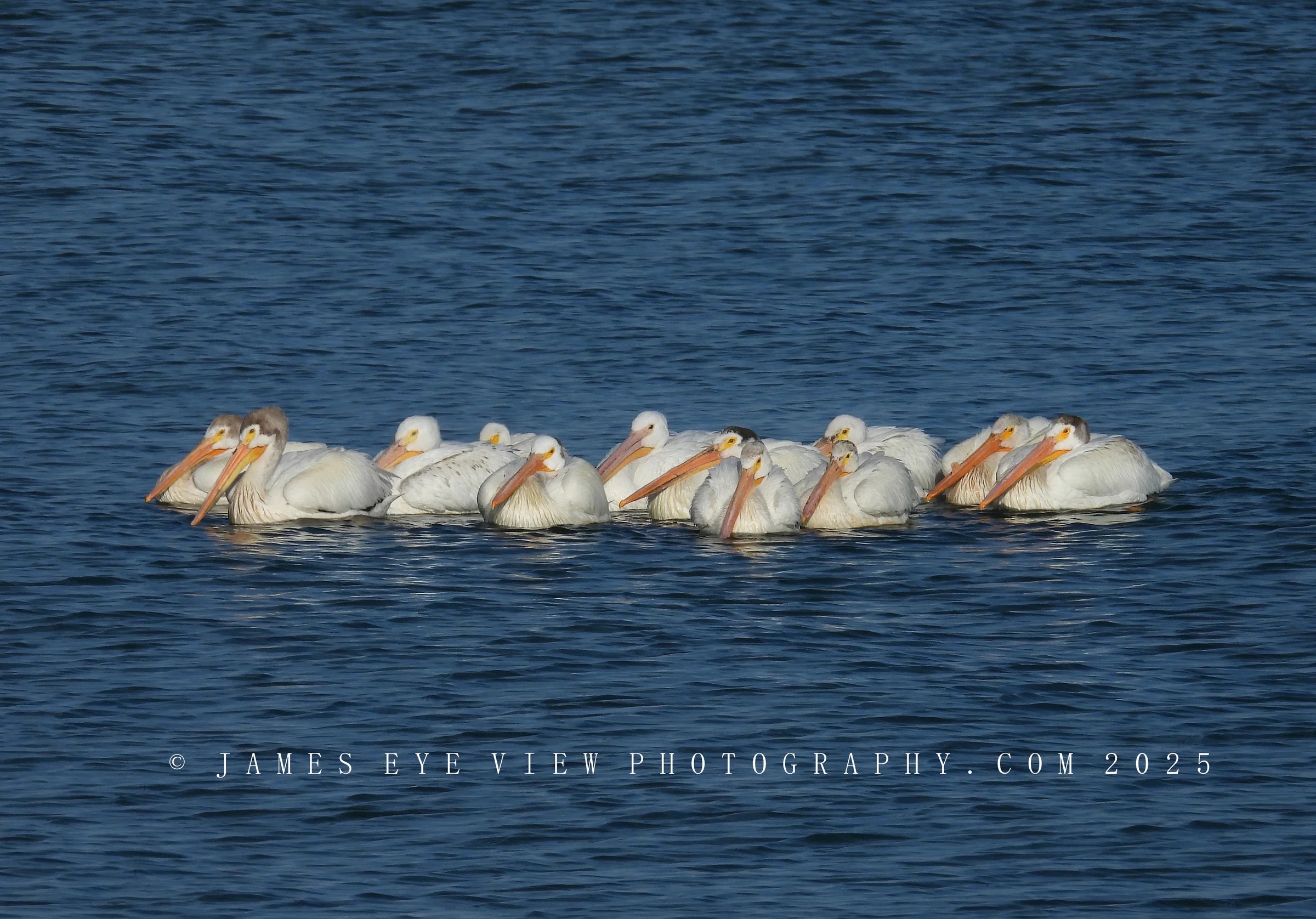
Double the 2026 Calendars from James Eye View

DH Day Barn by James Eye View Photography

DH Day Barn by James Eye View Photography

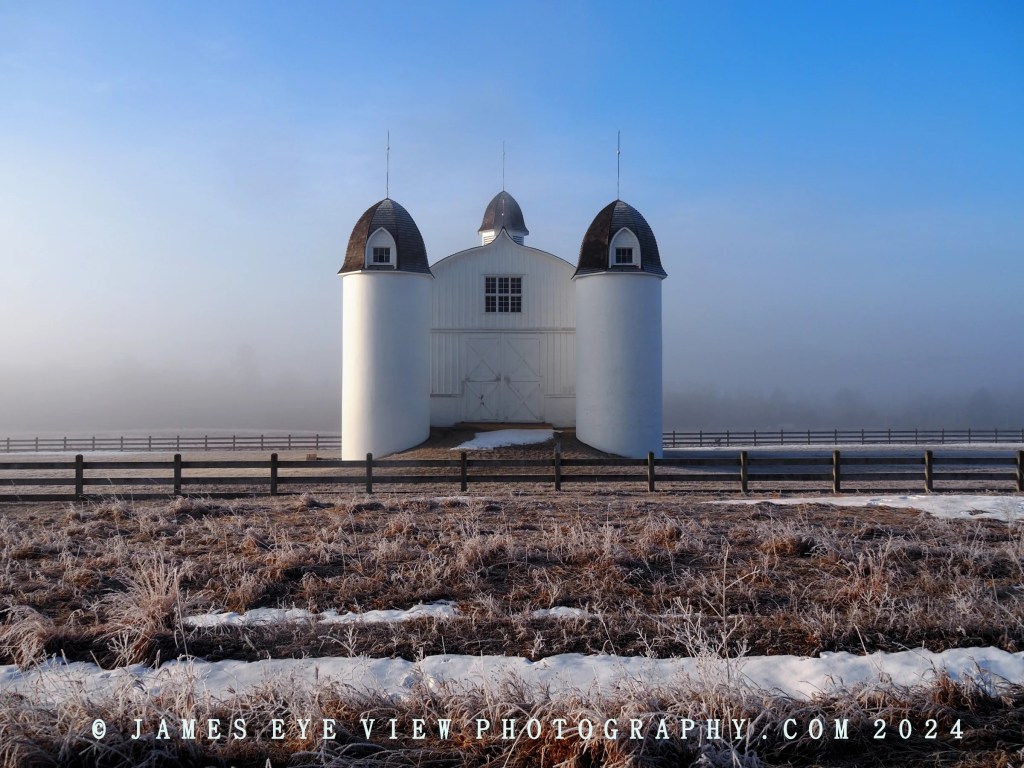
This holiday season I’m encouraging folks to consider Michigan photo calendars from many of the photographers I feature on Michigan in Pictures as the perfect gift to share your love of the Great Lakes State.

James has TWO calendars for the Michigan lover on your list, a 2026 Northern Michigan Calendar and a 2026 Michigan Birds Calendar! Click the links to purchase and for sure follow James Eye View Photography on Facebook for his latest!

Support Michigan in Pictures with Patreon

Meet the Puffs

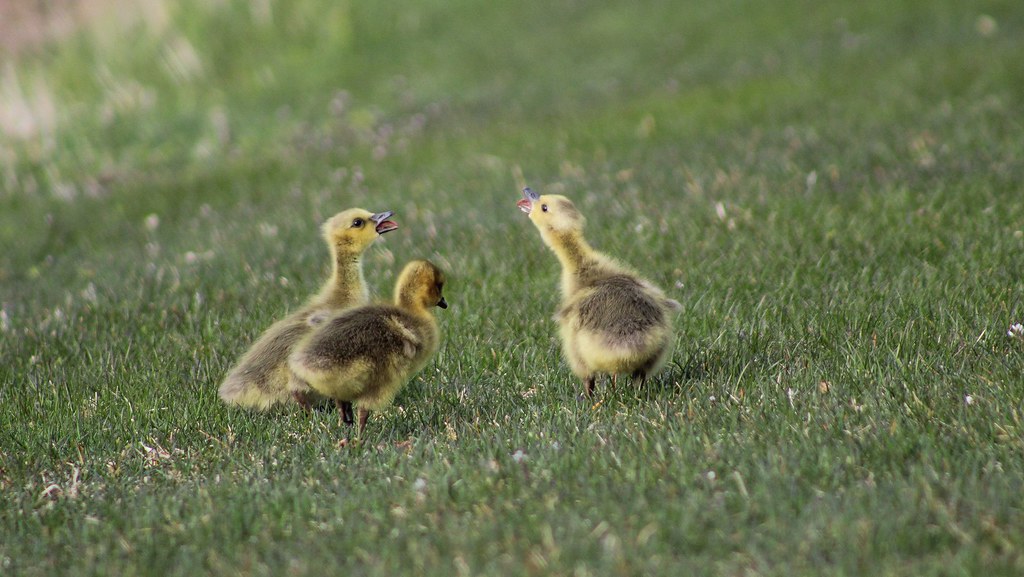
Three Puffs Arguing by Benjamin Pummell

Three Puffs Arguing by Benjamin Pummell

People got so upset last week after I shared information & pics about Saturday’s No Kings protests that I feel like we need to have a photo or two to calm people down.

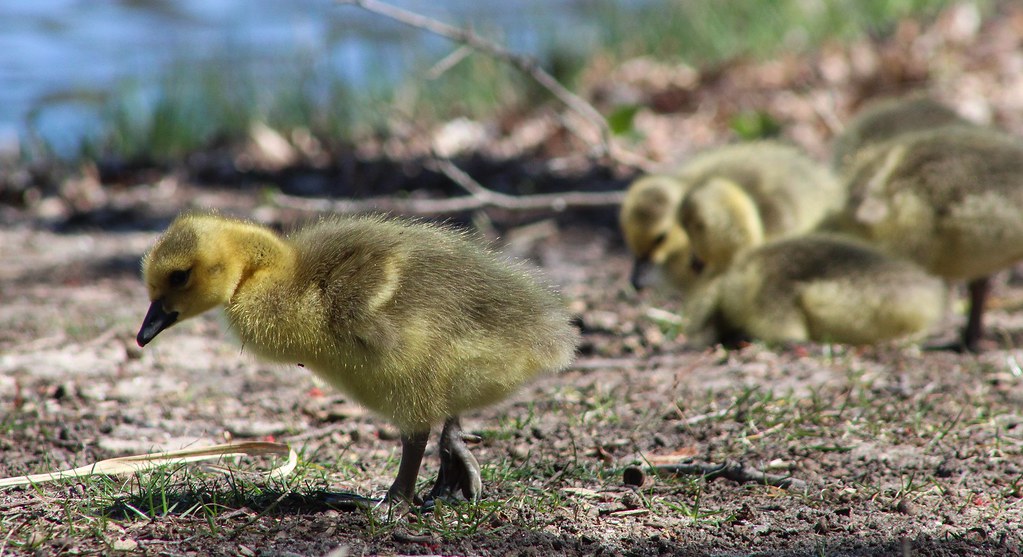
There’s been nothing in the Absolute Michigan group on Flickr as calming as The Puffs, who Benjamin documented last fall. See more below and in his Puffs gallery on Flickr!

PS: I feel like this belongs in the Michigan in Pictures Duckie Project, even though these are geese. I will not be taking questions.

Support Michigan in Pictures with Patreon

Green Heron, Brown Alert

Green Heron by Kevin Povenz

Green Heron by Kevin Povenz

Click on Detroit shares that State Representatives Alicia St. Germaine and Ron Robinson have introduced a bill to establish a “Brown Alert” system modeled after existing emergency notification systems like Amber Alerts:

“Right after a raw sewage discharge, we shouldn’t have people paddleboarding on the Clinton River or launching kayaks. They need timely notifications so they can make an informed decision whether they want to go on that waterway,” St. Germaine said.

The proposed system would require county drain or public works commissioners to notify local emergency managers within 12 hours of the water reaching dangerous contamination levels.

“If something like this were to happen, people should be notified in real-time, and in a lot of cases, it’s not reported for weeks or sometimes months afterwards, and by then, what are you going to do about it?” Robinson said.

Many Harrison Township residents have witnessed signs of water contamination firsthand. “The other day, when we had a big rain and you could see chunks of what I’m going to call ‘things’ floating down the river that appeared to be untreated sewage. It was awful,” said Jim Constantino.

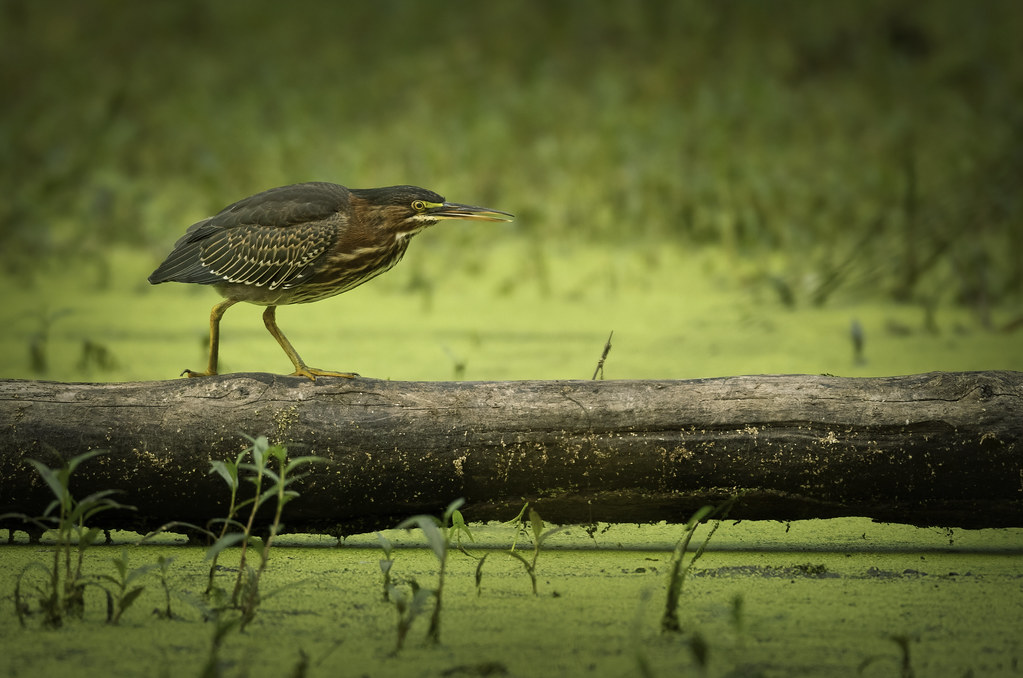
That’s a big no from me on floaty things in our rivers & lakes!! The other day I saw a green heron fishing in a containment pond that had a posted “Don’t Eat These Fish” warning. It always makes me sad when I see animals oblivious to our pollution, but hopefully making more people aware of it will lead to generating less of it.

Kevin took this shot of a young green heron last month in a marshy area at the Grand Ravines. See lots more in his Birds gallery on Flickr.

You can read more about Green herons on Michigan in Pictures!

Support Michigan in Pictures with Patreon

Seagulls probably live longer than you think

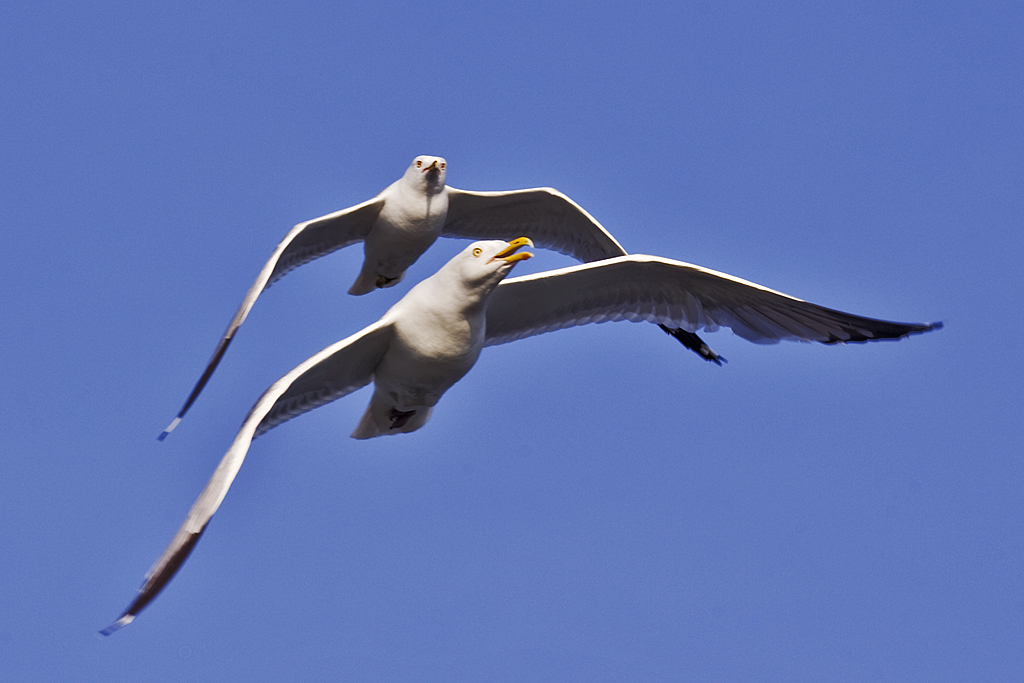
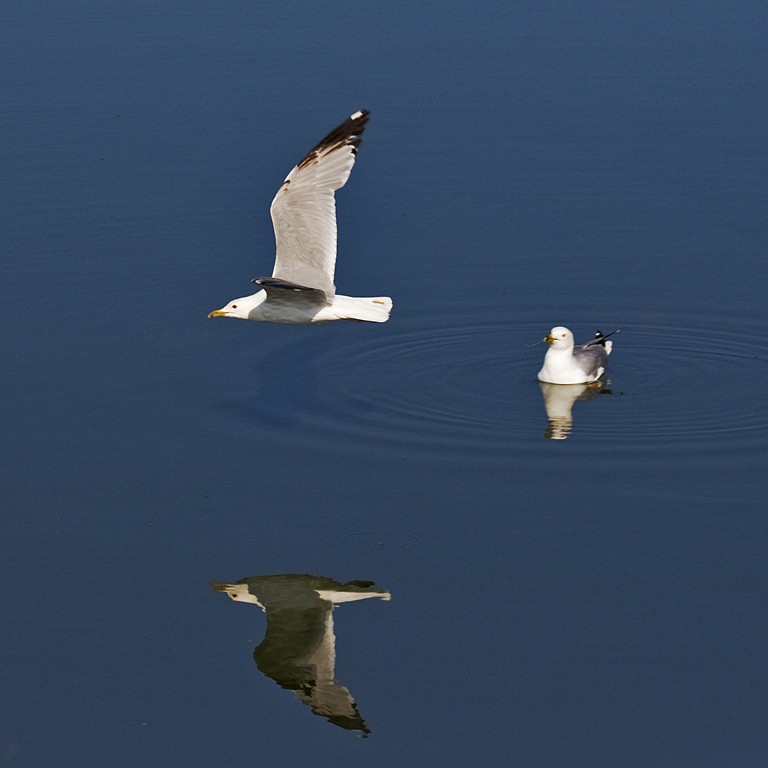
Herring and Ring-billed Gulls by John Dykstra

Herring and Ring-billed Gulls by John Dykstra

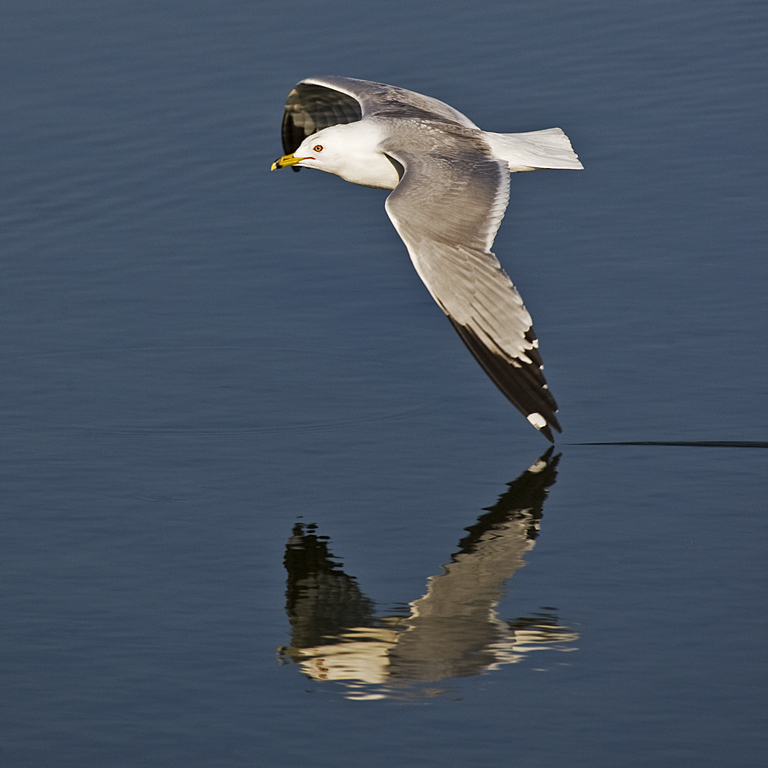
Recently, I was more than a little shaken to that seagulls can live for DECADES! All About Birds shares that the oldest recorded American Herring Gull was at least 29 years, 3 months old when it was seen in the wild in Michigan in 2015 and identified by its band, and they have reportedly lived as many as FIFTY YEARS in captivity. Also, while they prefer drinking freshwater, they can drink seawater thanks to special glands located over the eyes allow them to excrete the salt when they must.

The Ring-billed gull is somewhat smaller & distinguished from the Herring gull by yellow legs (instead of pinkish) and of course the black ring around the bill. Many and possibly most Ring-billed Gulls return to breed at the colony where they hatched year after year, often nesting within a few meters of last year’s nest site. The oldest recorded Ring-billed Gull was at least 27 1/2 years old, so probably be nicer to them on the beach because they will be back there for years! ;)

John took these photos mostly near Manistee. See more in his Michigan gallery on Flickr!

PS: Even though the first photo was taken way back in 2010, there’s a fair chance that one or both of these birds is still flying today!! 😳

Support Michigan in Pictures with Patreon

Bird Flu is endangering Michigan’s Bald eagles comeback

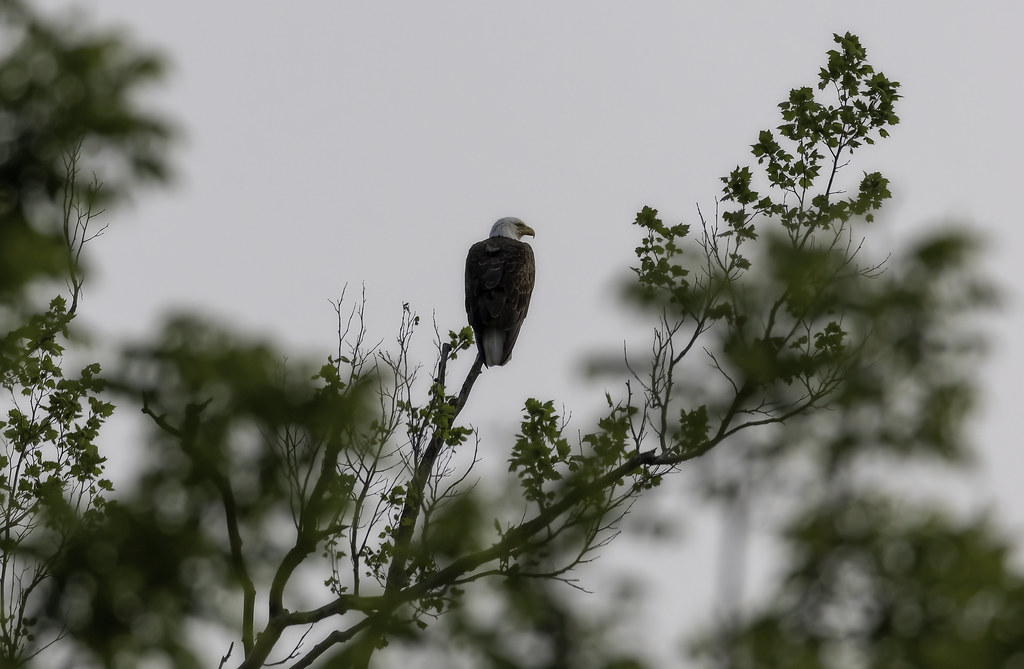
Waiting for the sunrise... by Kevin Povenz

Waiting for the sunrise… by Kevin Povenz

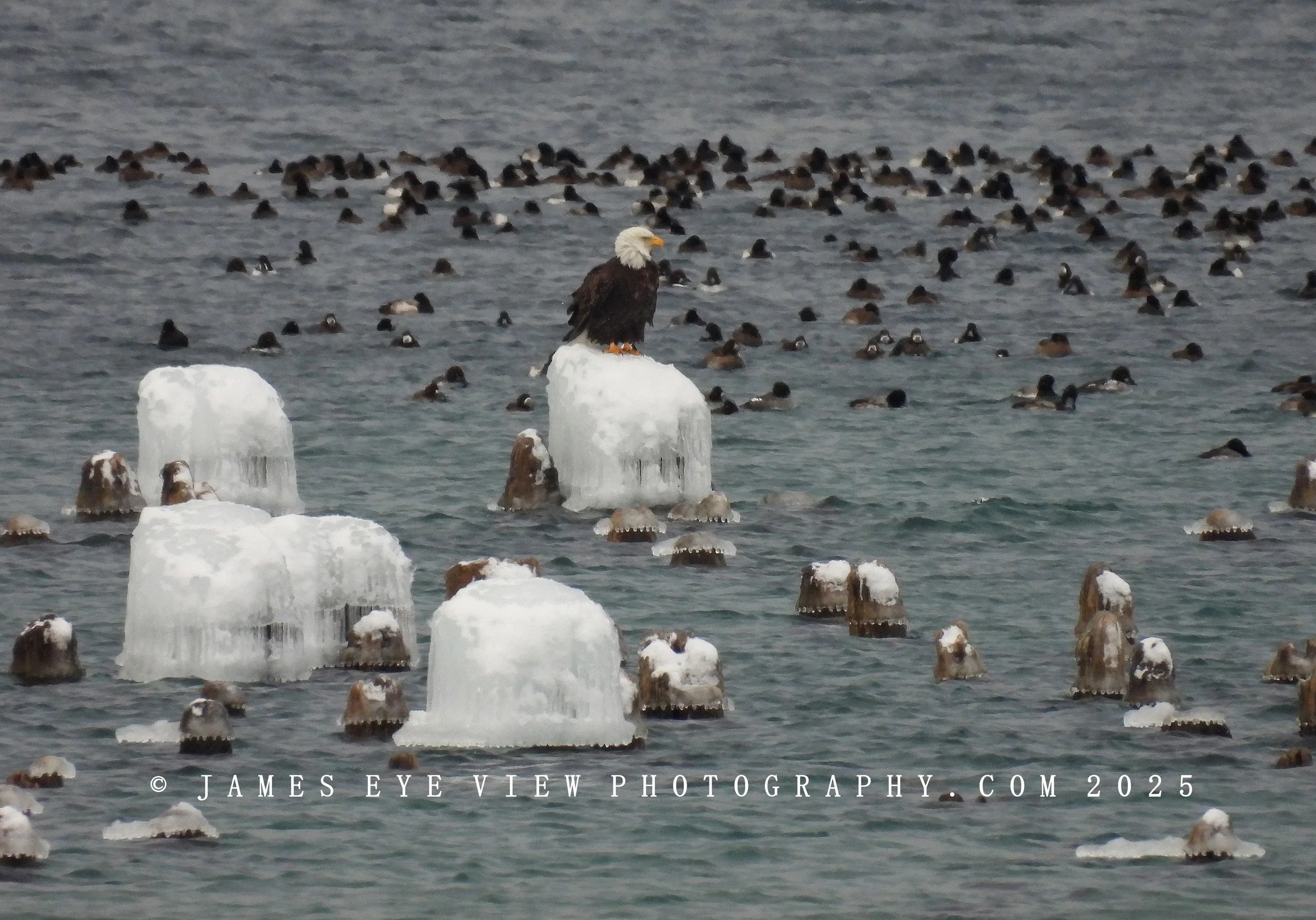
Bridge Magazine recently reported that bird flu is killing Bald eagles in Michigan:

at least 18 eagles in Michigan that have lost their lives to bird flu so far this year, according to testing data provided by the Michigan Department of Natural Resources’ Wildlife Disease Laboratory. Results from 16 more suspected cases are pending. If they come back positive, that could bring the total to 34.

In the middle of the last century, the nation’s eagle population was devastated by the introduction of the insecticide dichloro-diphenyl-trichloroethane or DDT. It wreaked havoc on eagles which, as predators, ingested the chemical compound in high concentrations. But then, starting in 1972, a series of steps were taken to restore the eagle population. DDT was banned, bald eagles became federally protected, and some eagles were bred in captivity before being released into the wild. In Michigan, annual aerial surveys showed breeding pairs rose from 52 in 1961 to about 835 in 2017.

“They’re a population that, if there’s going to be some sort of impact, they’re going to be really slow to rebound,” said Julie Melotti, the pathologist for the Wildlife Disease Lab. Unlike rabbits or mice that reproduce rapidly, bald eagles take five years to mature and then lay two to three eggs a year.

Kevin took this last month at Grand Ravines park. He’s been sharing awesome pics of eagles with us for years & says they like to sit in this tree and wait for the sunrise. See a bunch more in his Birds of Prey gallery on Flickr!

Lots more bald Eagles on Michigan in Pictures!

Support Michigan in Pictures with Patreon

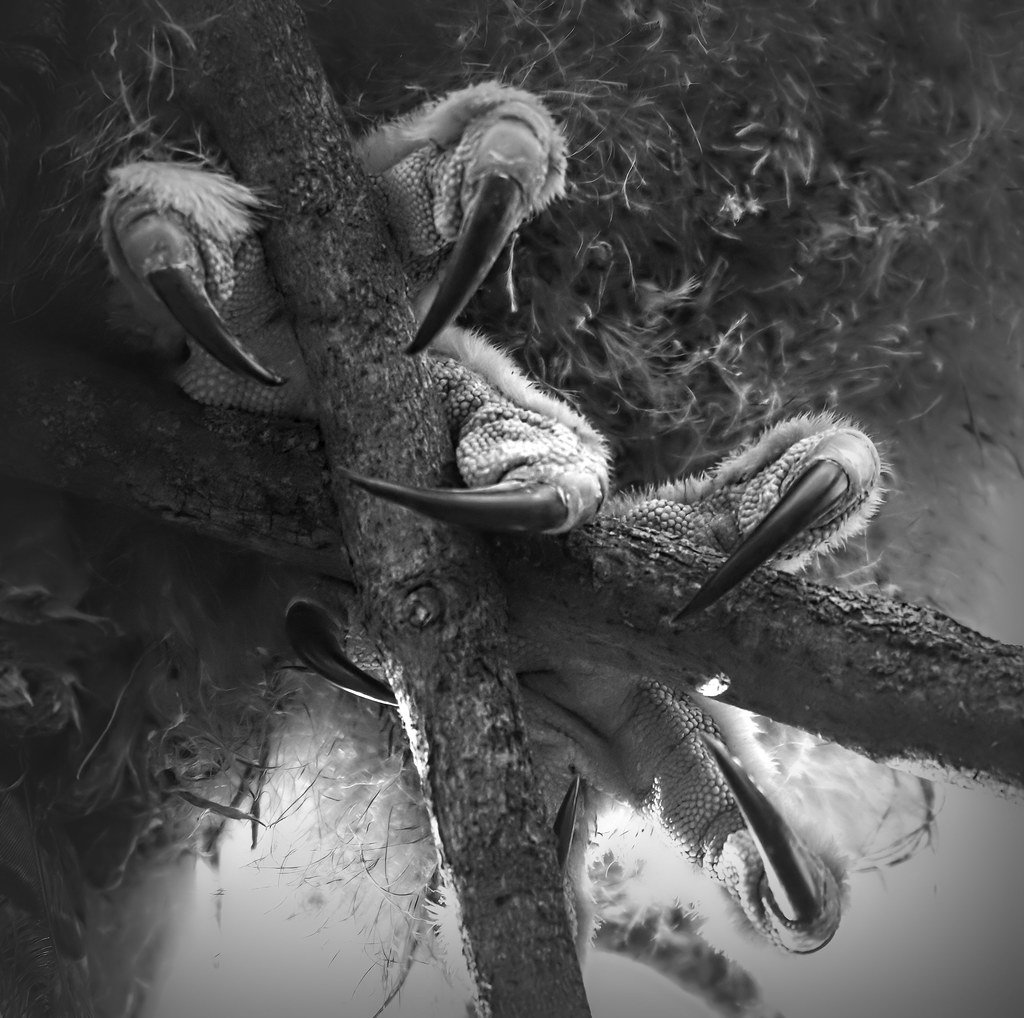
Talon Tuesday

Talons by Kevin Povenz

Talons by Kevin Povenz

Kevin came across a Great Horned Owlet sitting on a tree branch right over the trail. He shares that Great horned owl talons are incredibly strong, with some individuals capable of exerting a gripping pressure of 200 to 500 pounds per square inch. This powerful grip, along with their size, allows them to capture and subdue prey, including those much larger than themselves.

See more in Kevin’s Birds of Prey gallery on Flickr and for sure follow him on Facebook!

More owls including a Great Horned owlet at the owl tag on Michigan in Pictures!

Support Michigan in Pictures with Patreon

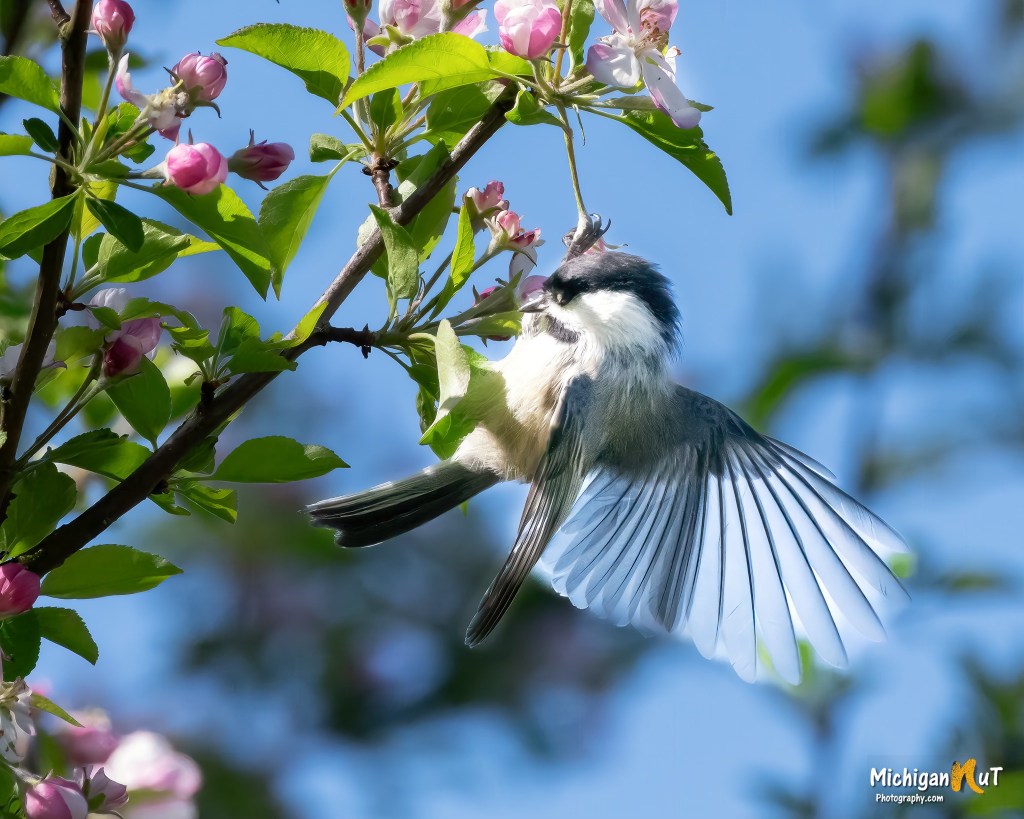
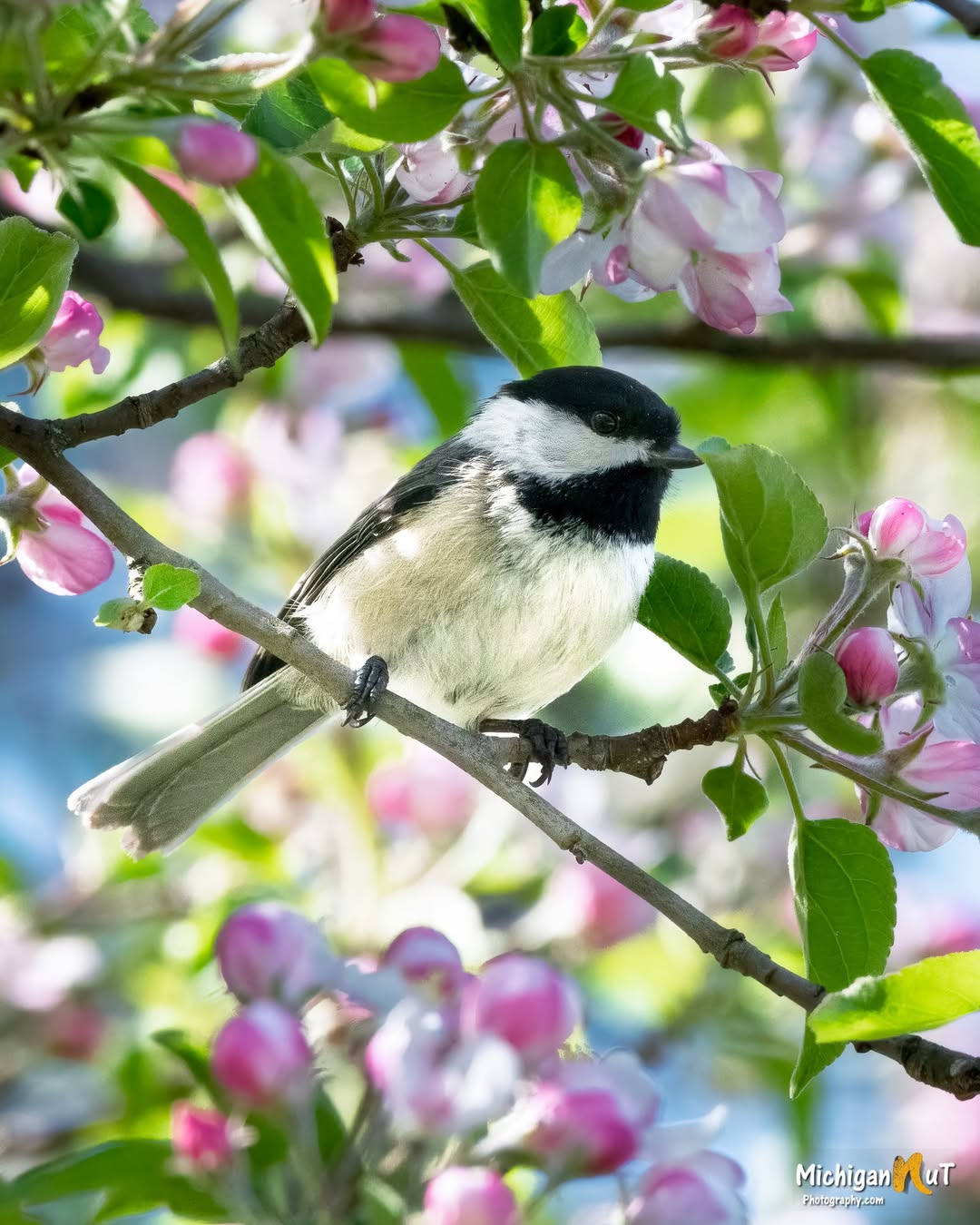
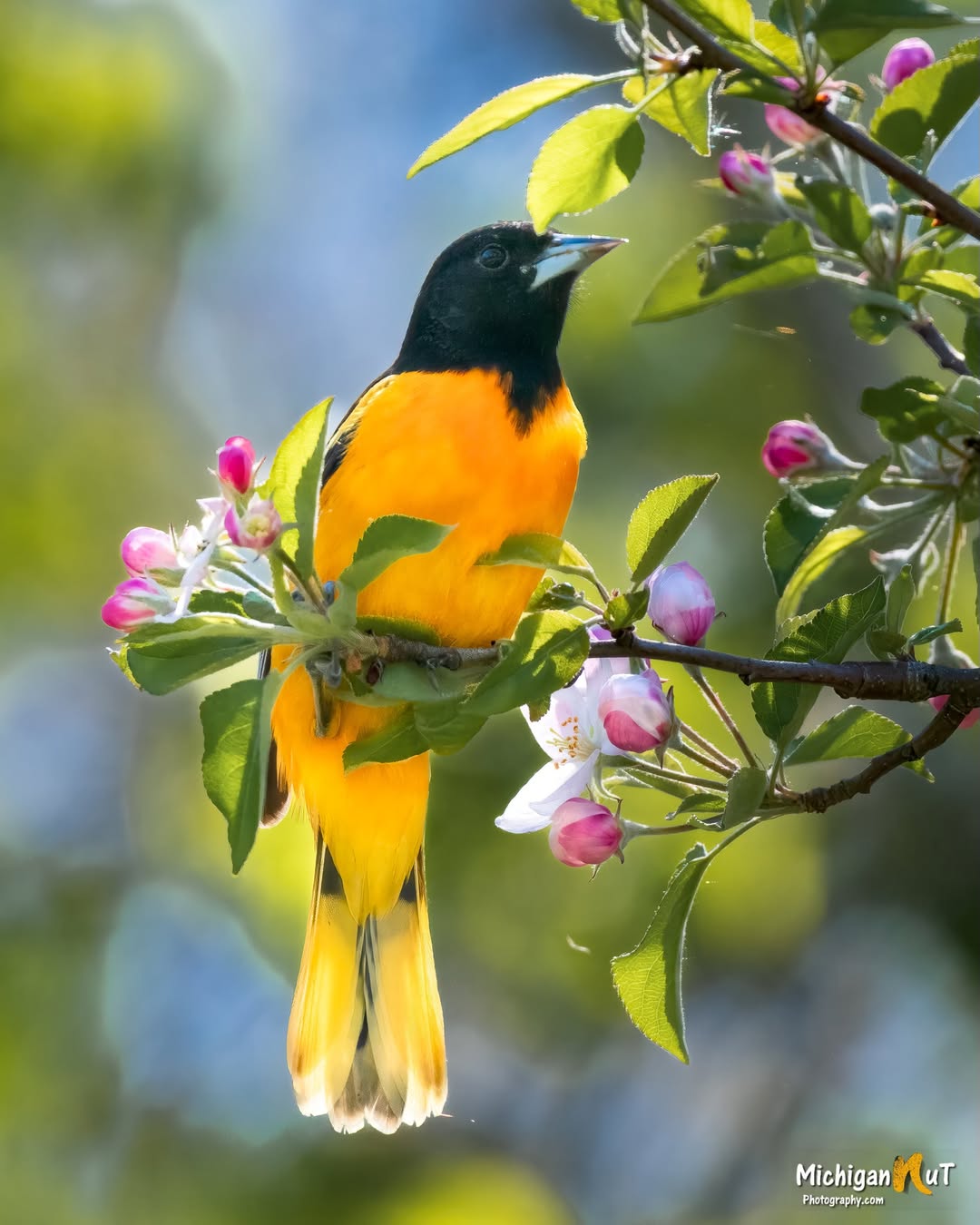
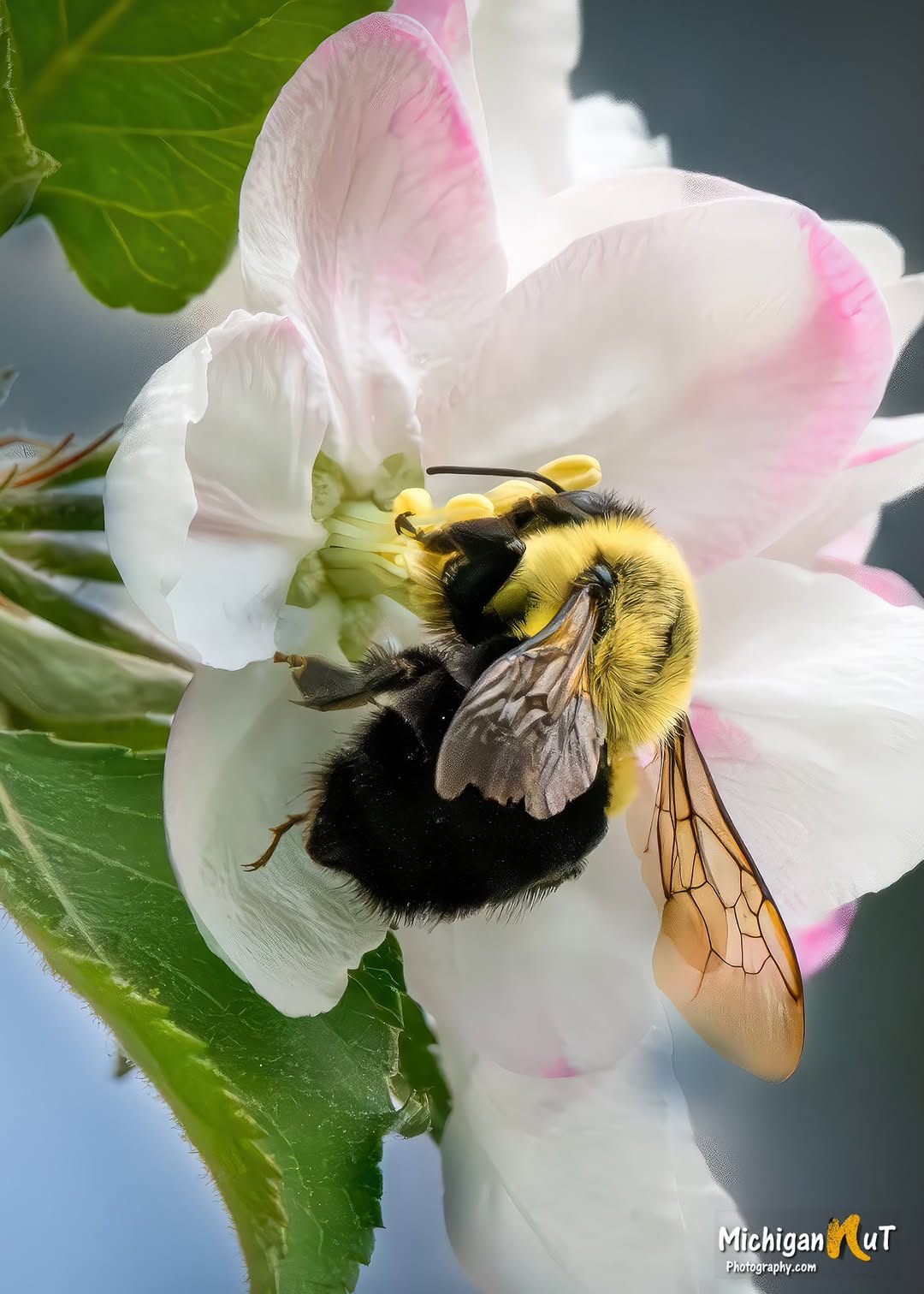
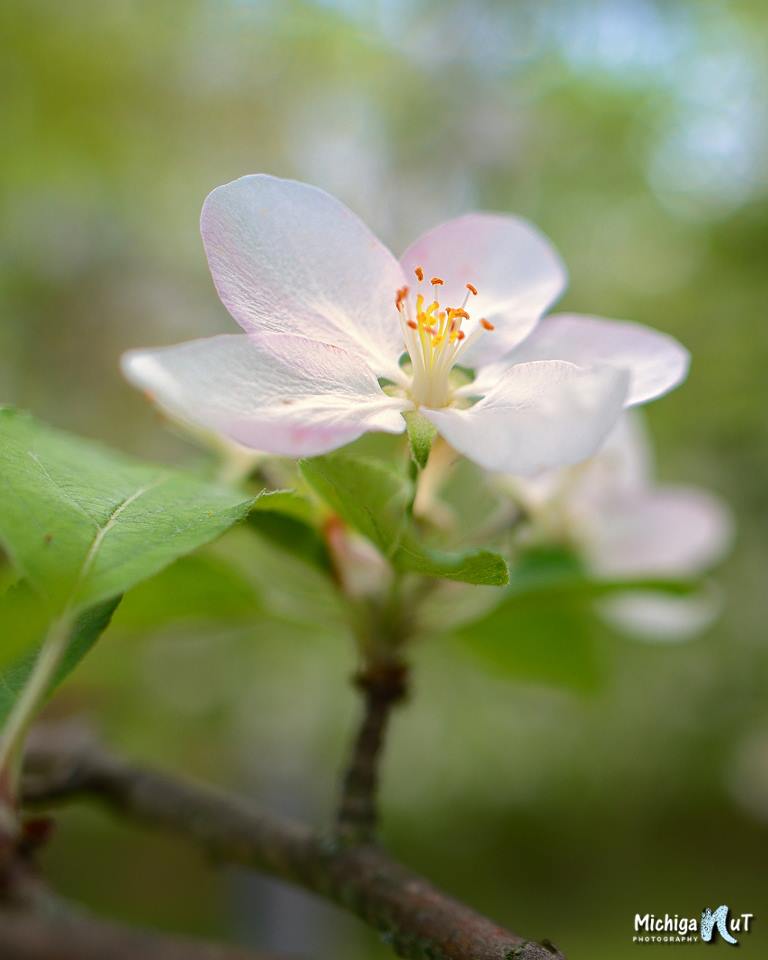
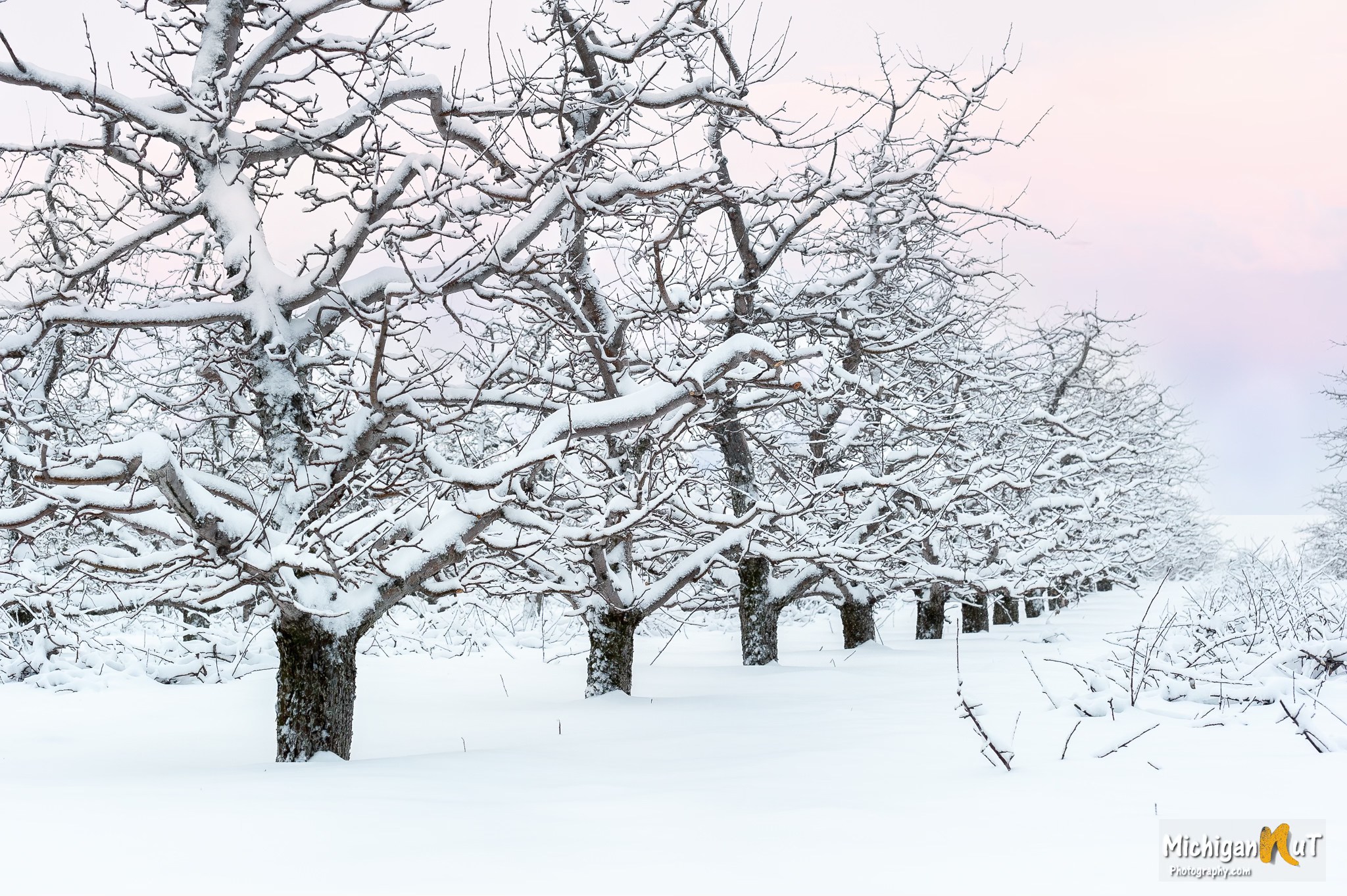
The Chickadee and the Apple Tree

The Chickadee and the Apple Tree by Michigan Nut Photography

The Chickadee and the Apple Tree by Michigan Nut Photography

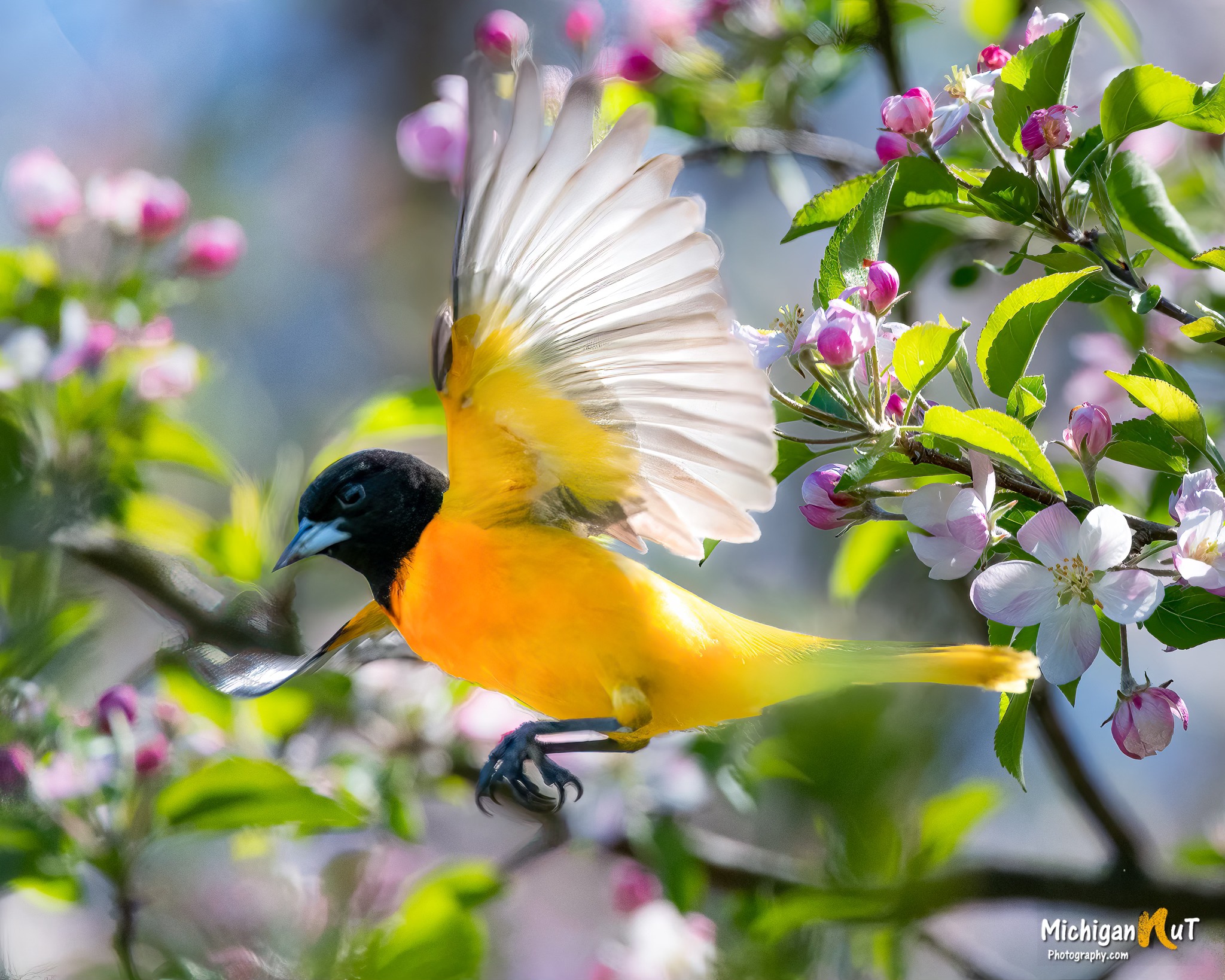
Some gorgeous springtime pics from John along with a reminder to enjoy it while it’s here! See his latest on Facebook or Instagram and for sure view & purchase his work on his website.

Support Michigan in Pictures with Patreon