Drainspout Salamander

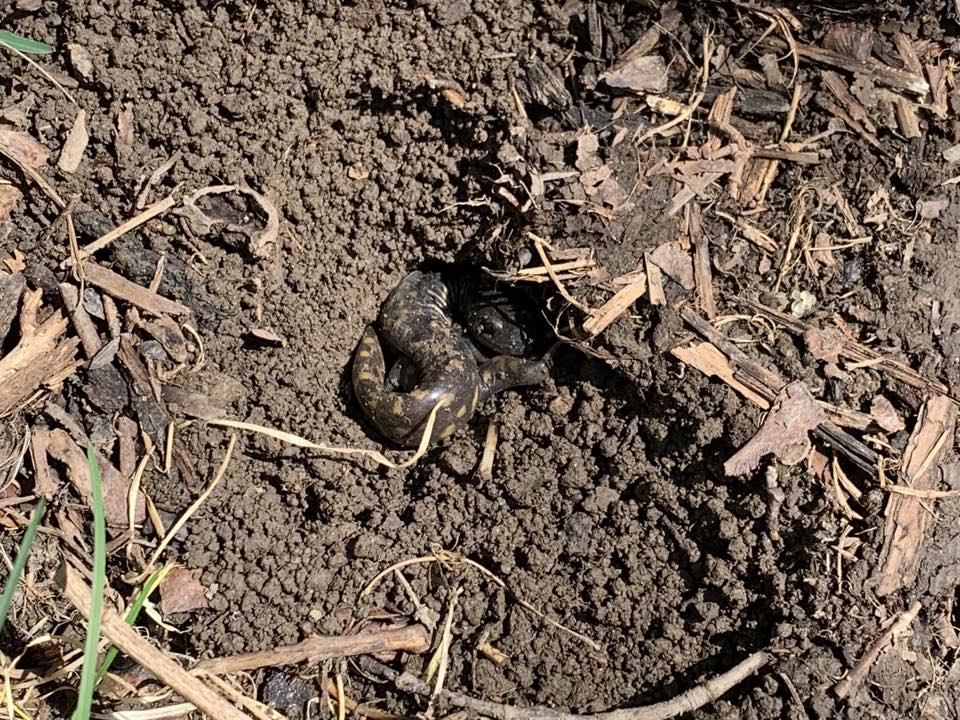
Drainspout Salamander by Mary Beth Lundquist

Drainspout Salamander by Mary Beth Lundquist

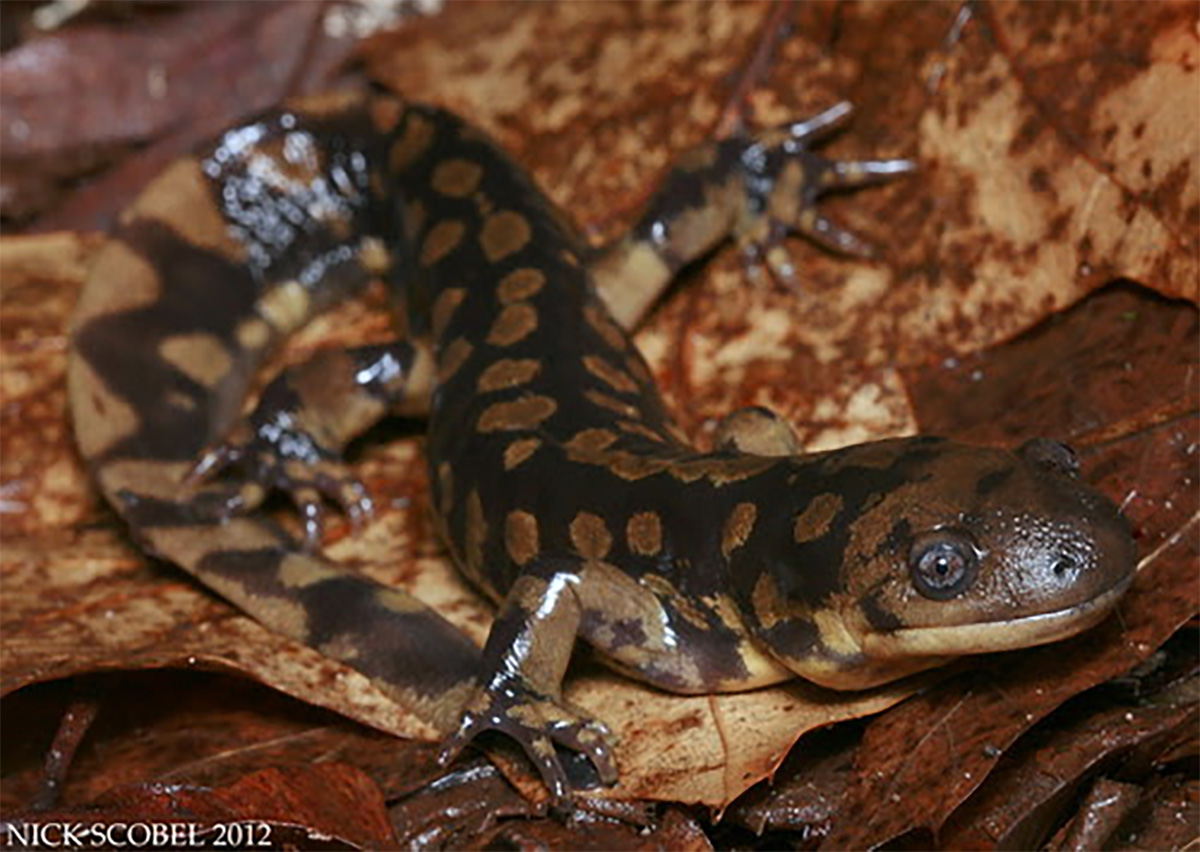
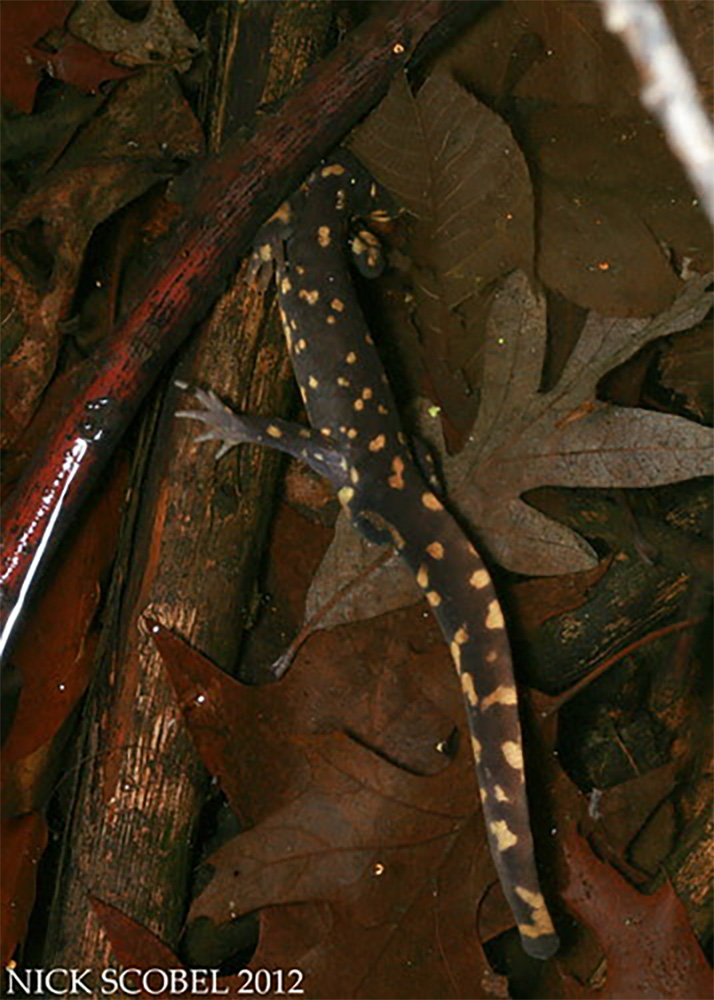
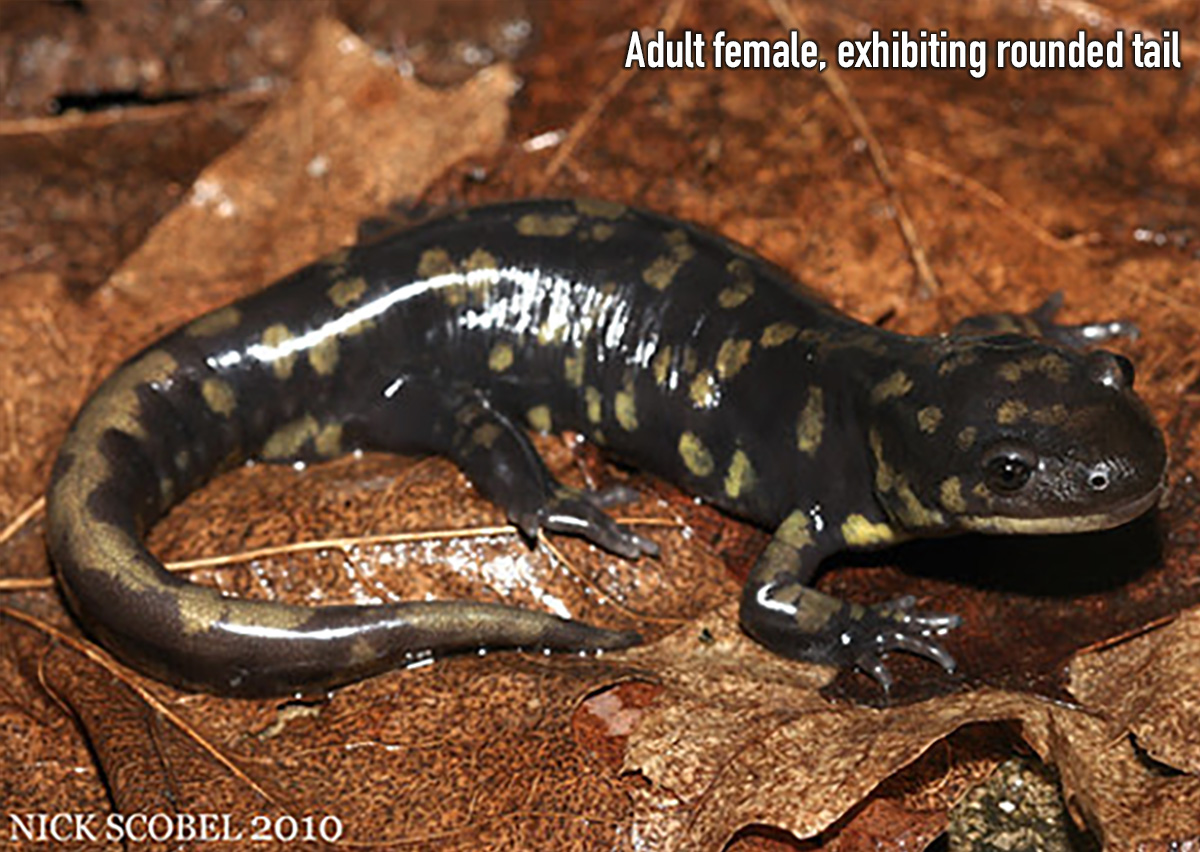
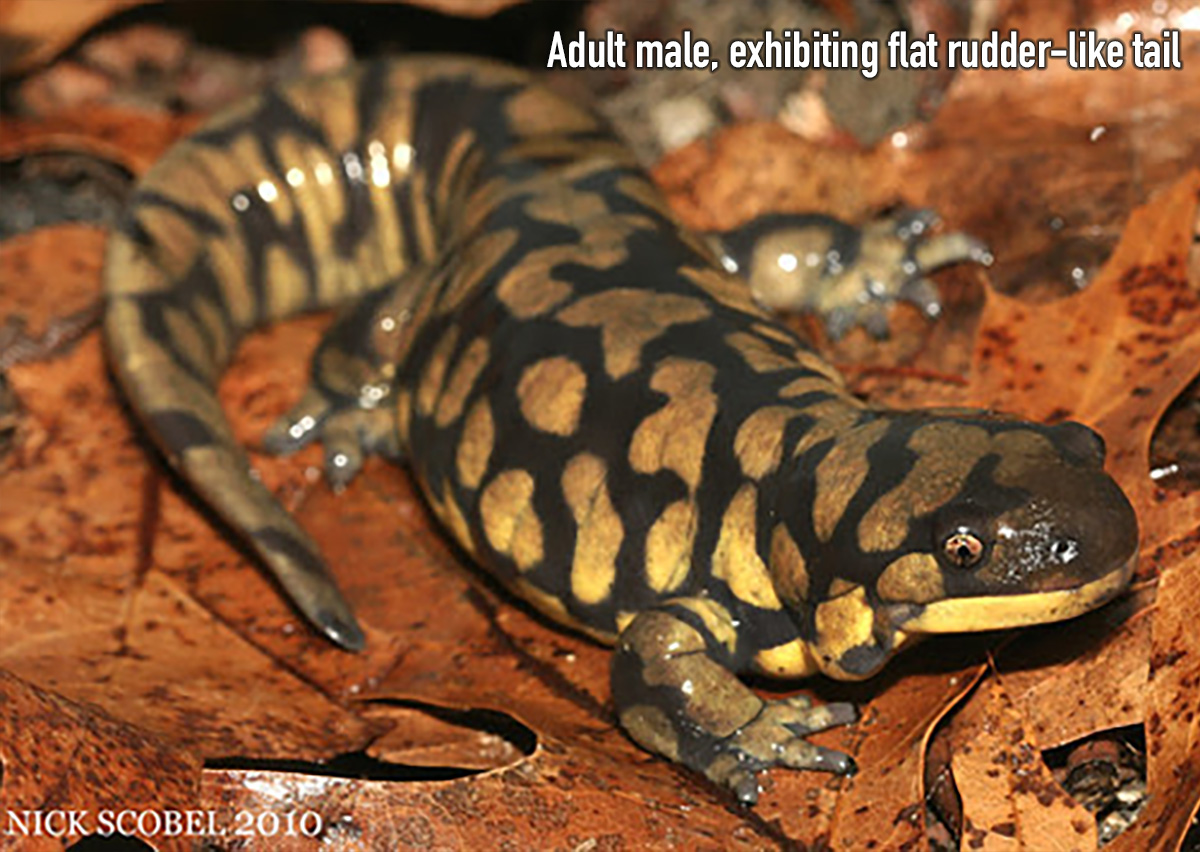
Mary Beth shared the photo above with me after last week’s post about the Misunderstood Michigan Mudpuppy. I’ve shared some great information about Michigan reptiles & amphibians from Nick Scobel, author of the Herping Michigan blog. I shared Mary Beth’s photos with him, and he said he’s fairly certain that this is an Eastern Tiger Salamander (Ambystoma tigrinum). His excellent article about Michigan’s amphibians says (in part):

This large and robust salamander is the largest species of terrestrial salamander which occurs in North America, with some adults reaching over a foot in length. It is rarely seen outside of the breeding season, with the exception of the 4-5 inch juveniles which emerge in late summer around breeding sites. Tigers are easily distinguished from any other Michigan salamander by their sheer size, large head and oversized jaw, and the large protruding eyes. Some individuals may exhibit brilliant blotches of golden yellow or light brown, while others are extremely dark with very little noticeable pattern. This species is sexually dimorphic, which means males can be distinguished from females by their physical appearance.

Read more at Herping Michigan & be sure to look down when you’re digging in the dirt this spring!!
Support Michigan in Pictures with Patreon

The Misunderstood Michigan Mudpuppy

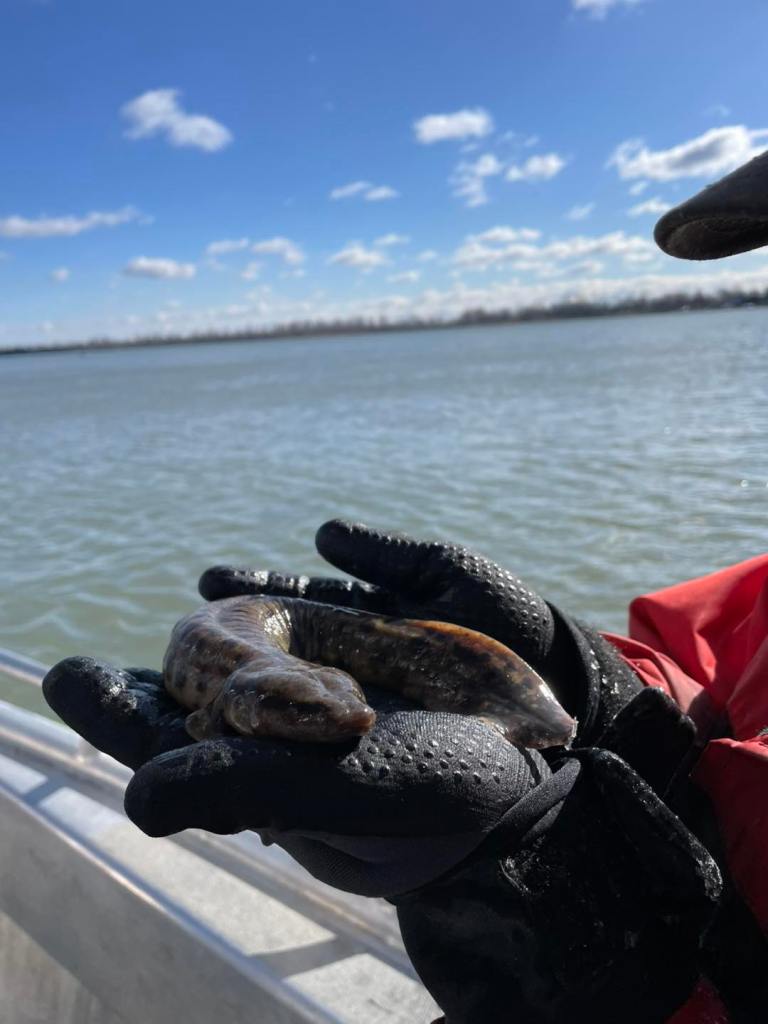
Mudpuppy by Michala Burke/USFWS

The Alpena Fish & Wildlife Conservation Office says that mudpuppies are Michigan’s largest fully aquatic salamander and are often referred to as “bio-indicators” since they are sensitive to pollutants and poor water quality. This mudpuppy was caught during lake sturgeon setline assessments on the Detroit River. Mary of MSU Extension put together a great guide to the misunderstood mudpuppy that includes the facts on some common fictions.

FICTIONFACT
Mudpuppies are a type of fish.Mudpuppies are actually an amphibian and although they have lungs and can gulp air they rely on their feathery red external gills for oxygen.
Mudpuppies that are thrown on the ice by anglers will revive in the spring when the ice melts.Unfortunately if a mudpuppy freezes it will die. When thrown on the ice mudpuppies will eventually suffocate or freeze to death.
Mudpuppies eat so many fish eggs that they decrease sport fish populations.Their diet is mostly crayfish, insect larvae, snails and small fish (including invasive round gobies). There is no evidence that they impact fish populations, and they more likely benefit them by helping control nonnative species.
Mudpuppies are not protected in Michigan and can be collected all year round.According to MDNR, mudpuppies are a protected species in Michigan. People sometimes accidentally catch them while fishing. If you do catch a mudpuppy, you must put them back.
Mudpuppies are blind and are not good hunters.Mudpuppies are not blind, but their eyesight is limited. They rely on a keen sense of smell to find their prey.
Support Michigan in Pictures with Patreon