Why last night’s northern lights were underwhelming

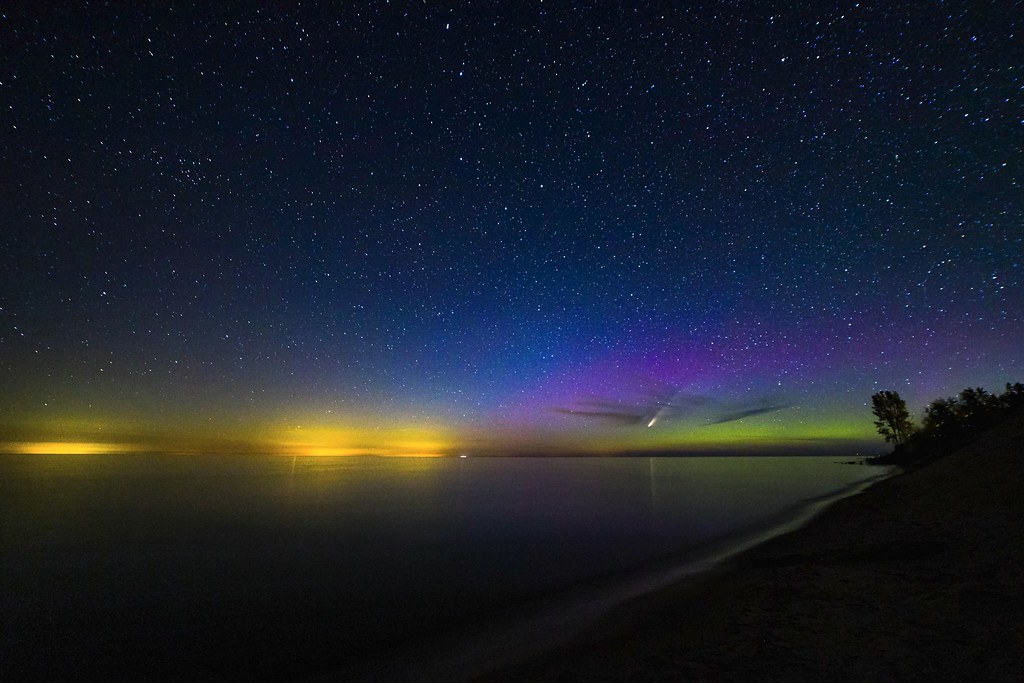
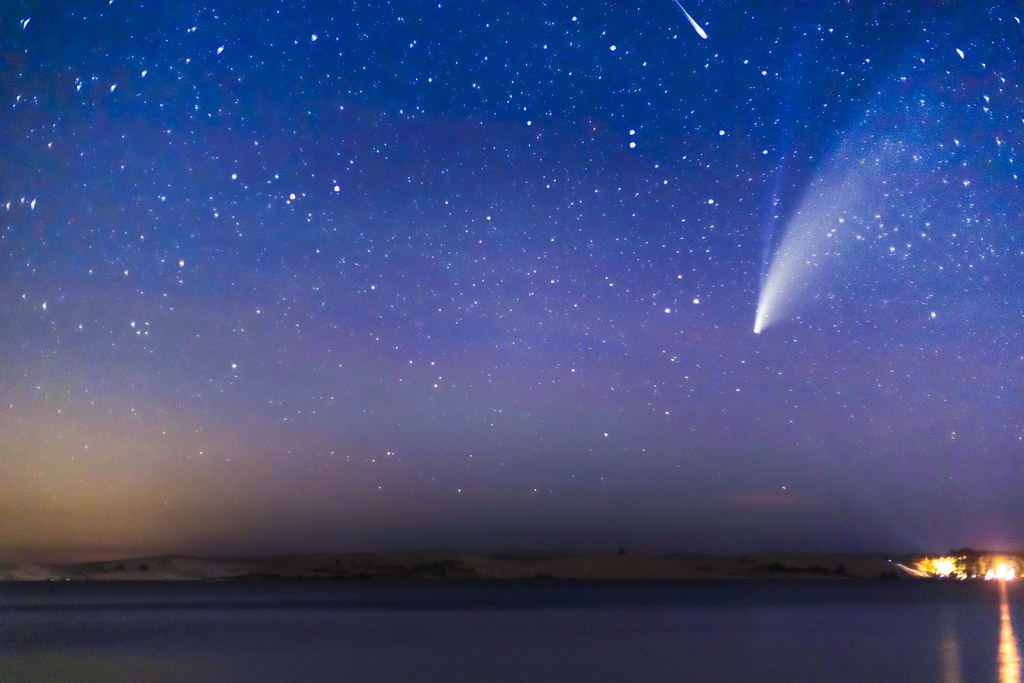
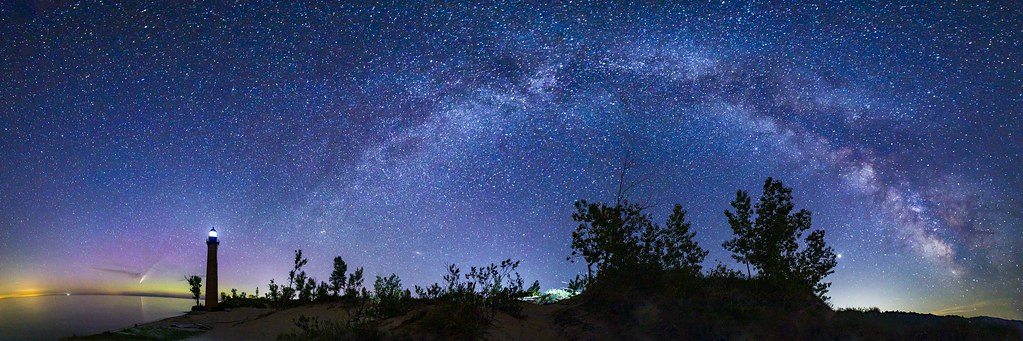
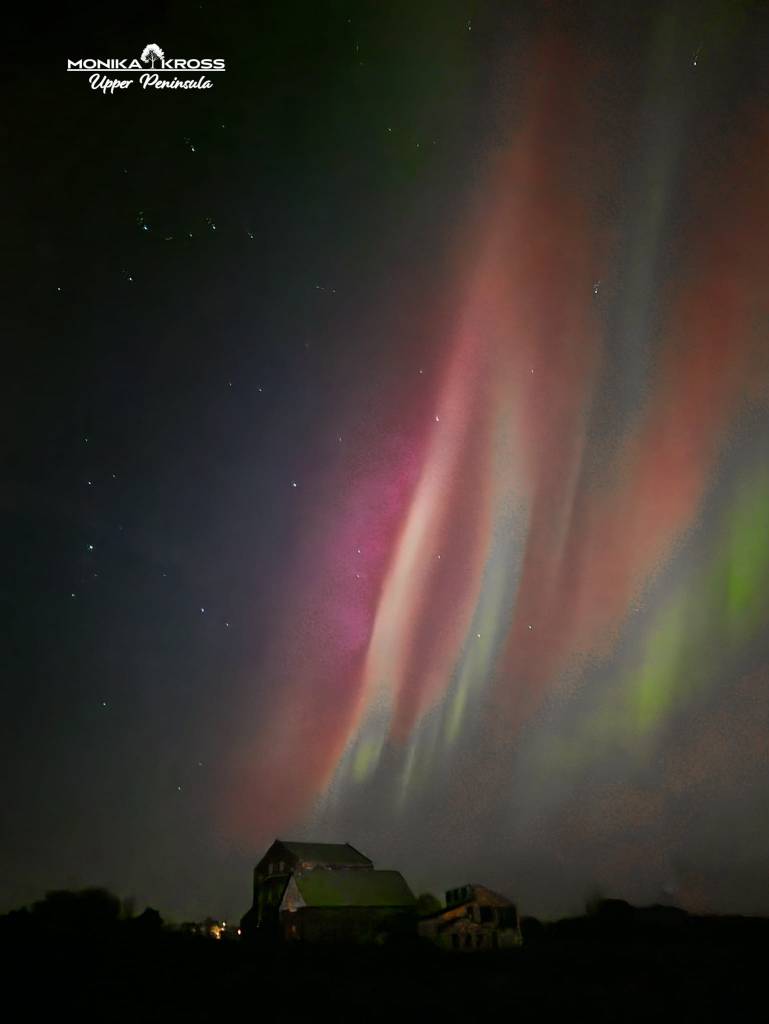
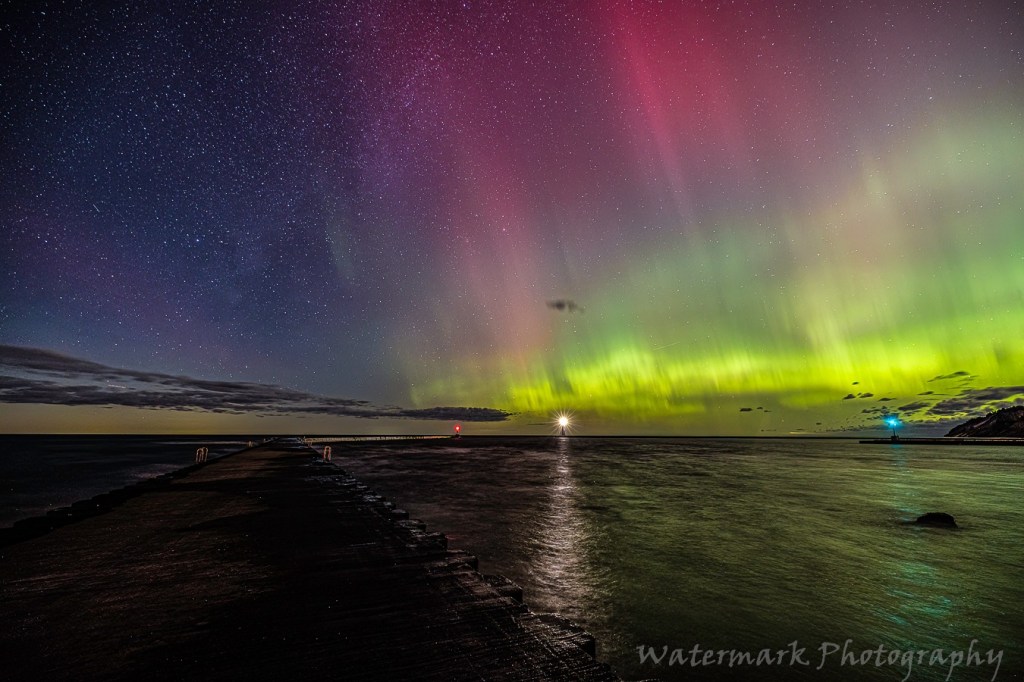
Throwback to Nov 12 2025 by Watermark Photography

Throwback to Nov 12 2025 by Watermark Photography

It’s very rare that we have aurora alerts at the G4 storm level and rarer still that they disappoint so northern lights aficionados were pretty excited about the kP8/G4 Aurora Alert was issued for last night. While hopes were high & some good shots were taken, the actual output was surprisingly muted & short-lived. Our friends at EarthSky explain that this was due to the arrangement of the CME’s magnetic field limiting how much energy actually reached Earth’s atmosphere & shaping which regions saw auroras and which did not.

During the CME’s initial impact phase, the Bz briefly dipped strongly southward. So that allowed solar wind energy to flow efficiently into Earth’s magnetic field. This short-lived interaction quickly caused G4 (severe) geomagnetic storm levels, with Kp (another measure of Earth’s magnetic disturbance) exceeding 8.

Soon after the initial impact, the character of the severe geomagnetic storm changed dramatically. As Earth moved deeper into the core of the CME, the Bz – again, the orientation of the sun’s magnetic field – turned strongly northward. This sustained northward orientation sharply limited the transfer of transfer into Earth’s magnetosphere. And that was what restricted the auroras, despite the overall strength of the storm.

Jeff took this photo from Elberta Pier back in November of 2025 on a night the lights definitely did not disappoint! Follow Watermark Photography on Facebook and see more great shots in the A Little Night Music gallery on his website.

Support Michigan in Pictures with Patreon

Here comes the colorful Geminid Meteor Shower!

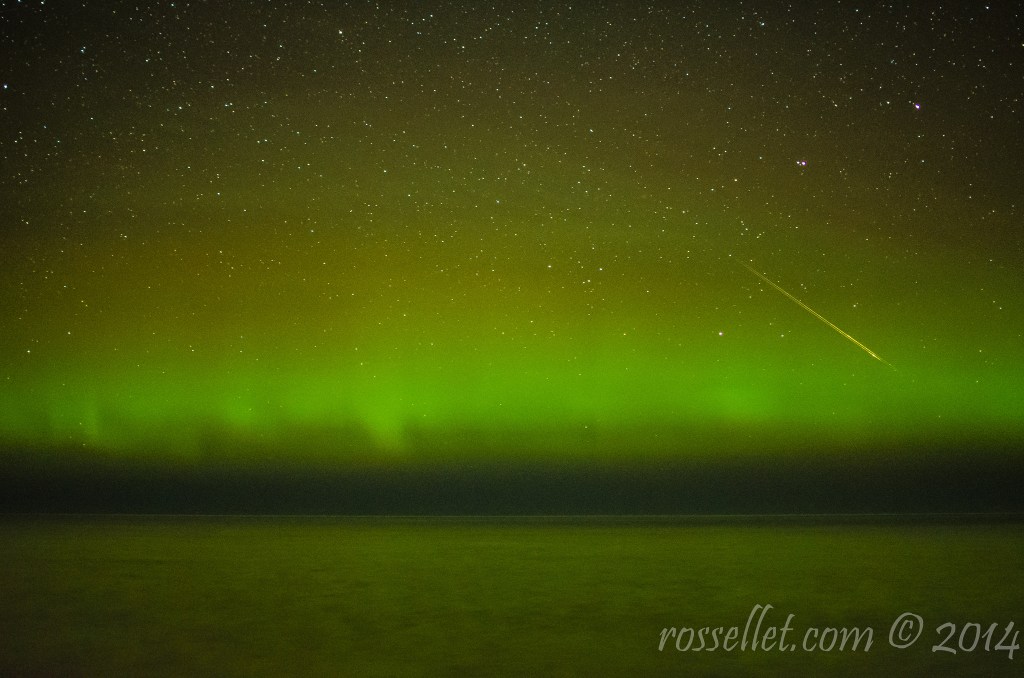
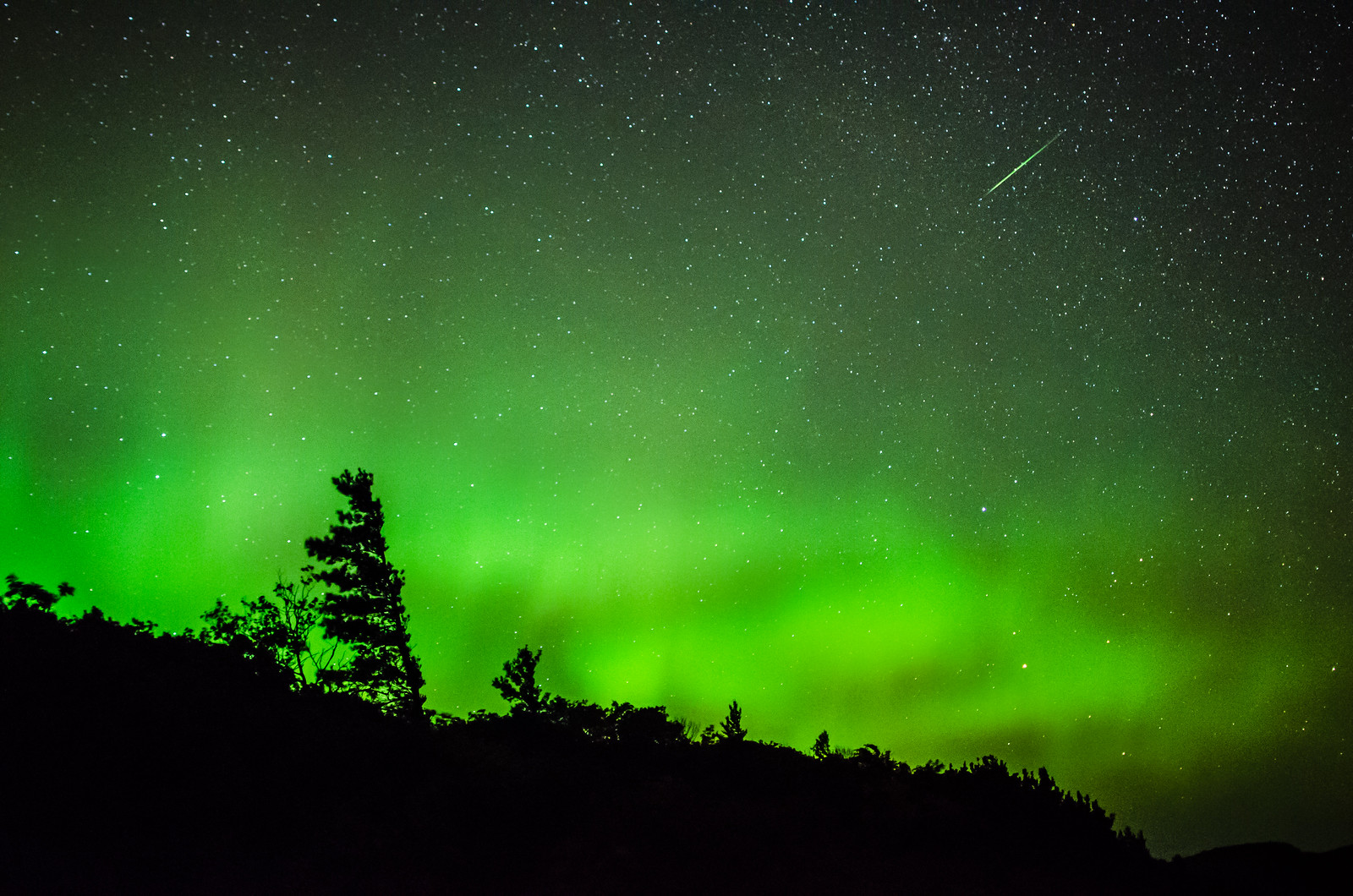
Aurora & Meteor by Ross Ellet

Aurora & Meteor by Ross Ellet

National Geographic shares that the Geminid Meteor Shower is known for bright & colorful shooting stars and will peak this Saturday night (December 13):

Under perfect viewing conditions, the Geminids deliver up to 120 meteors per hour, though factors like light pollution and atmospheric conditions can reduce that number. But unlike most meteor showers, the Geminids don’t come from a comet. They’re created by debris from 3200 Phaethon, a strange asteroid that brightens and grows a faint tail, helping make this shower especially bright.

Most meteor showers occur when Earth passes through debris trails shed by orbiting comets— the bits of ice and dust burn up in our atmosphere, producing shooting stars. Conceptually, the same process creates the Geminids. But instead of passing through a comet’s tail, Earth passes through the trail of Phaethon 3200, which sheds larger, tougher, and rockier debris than comets.

“This material is larger on average and survives further into our atmosphere and tends to produce brighter meteors,” says Rubert Lunsford, the journal editor of the American Meteor Society. Phaethon 3200’s debris also contains more metal. “When these metals are heated during the passage through our atmosphere, they produce colors associated with each type of metal,” he adds. Calcium and silicon produce orange; iron and sodium produce yellow; nickel produces green; and magnesium produces blue.

As an added bonus, we have a pretty active solar situation making bonus northern lights a definite possibility. Ross took this back in September of 2014 in the Porcupine Mountains backcountry. See many more amazing shows in his incredible Aurora gallery on Flickr.

Support Michigan in Pictures with Patreon

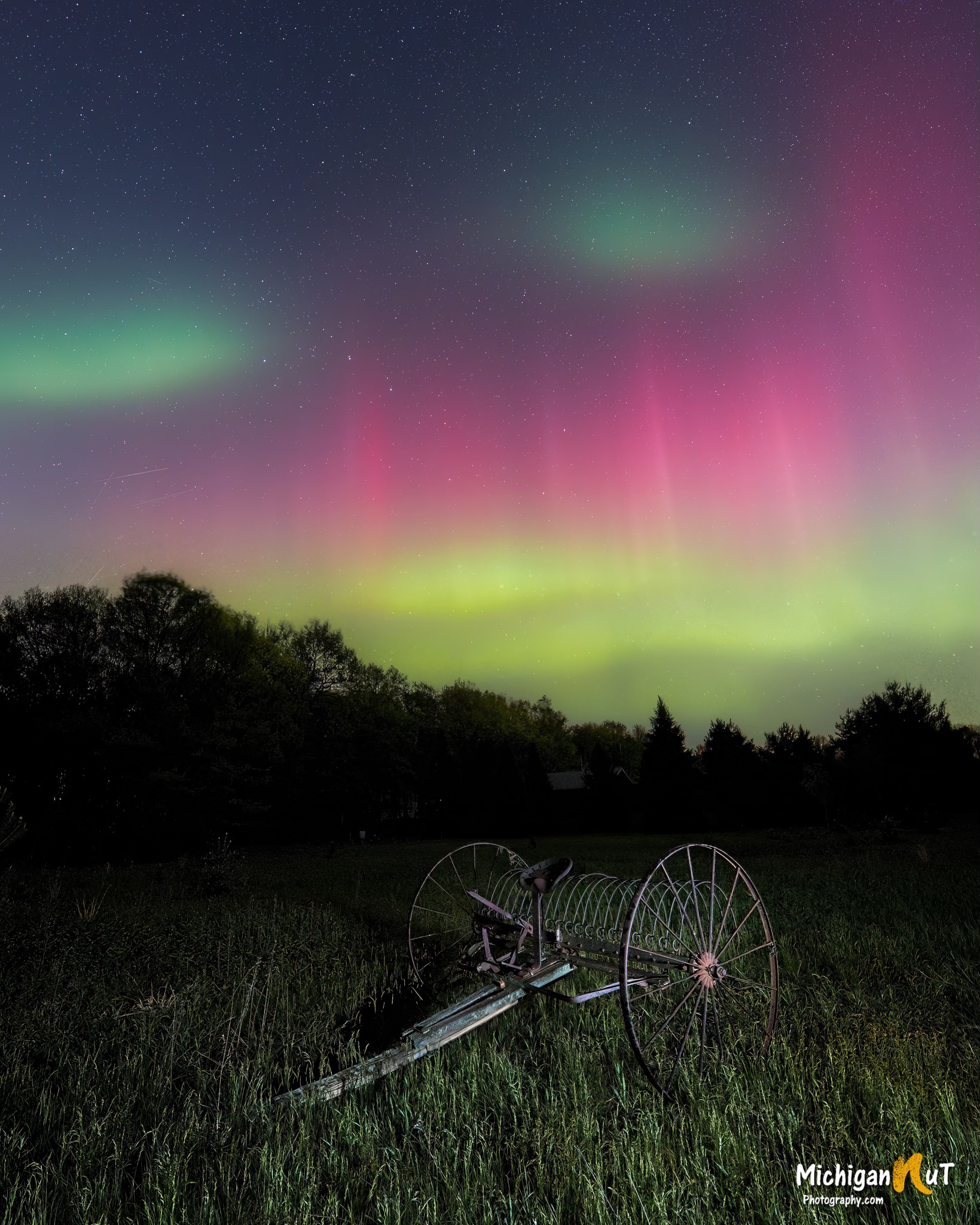
Aurora Watch: Northern Lights & Hay Rake edition

Northern Lights & Hay Rake by Michigan Nut Photography

Northern Lights & Hay Rake by Michigan Nut Photography

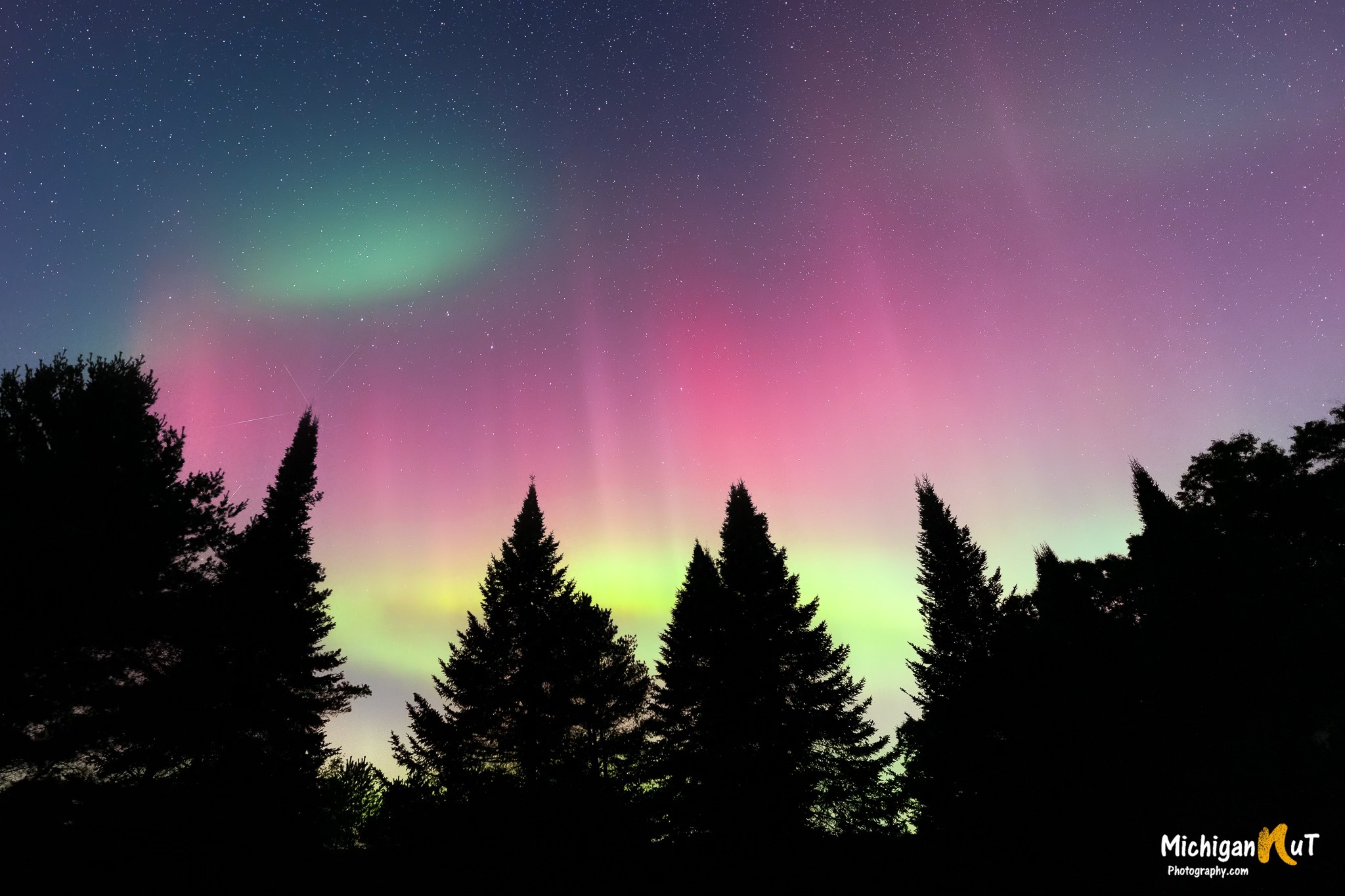
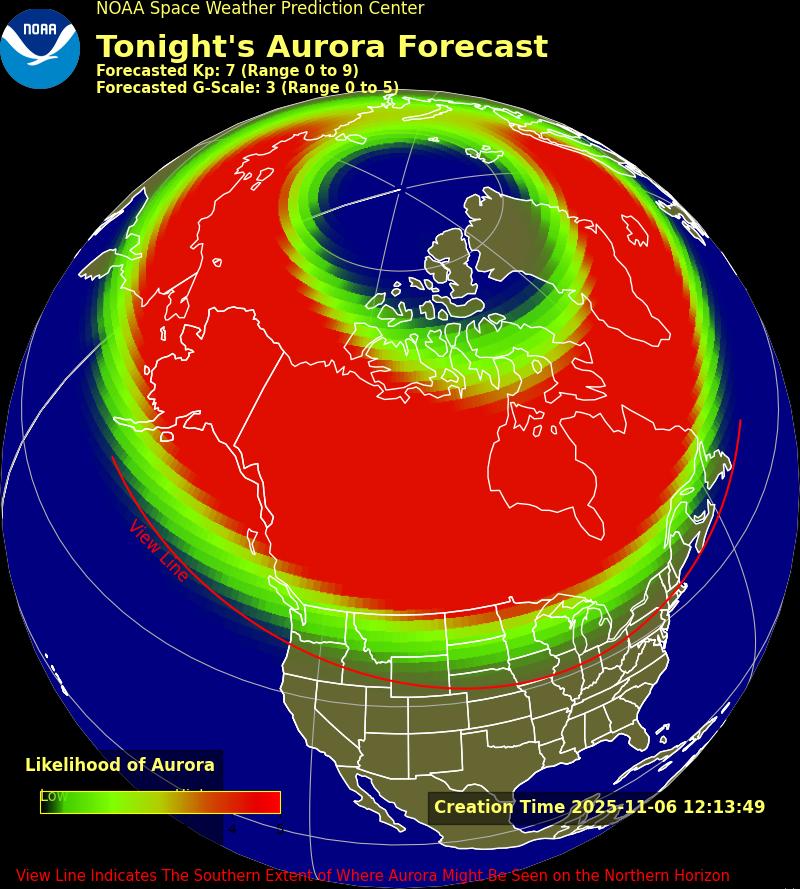
We’re going to keep our eyes on the skies today, because in addition to the waning but nearly full Super Hunter’s Moon & Taurid Meteors from yesterday, the NOAA NWS National Space Weather Prediction Center is calling for G3 level aurora activity to continue tonight, which means that Northern Lights are more likely, and they could be seen all the way to the southern state line if conditions are right! They have also launched an experimental Auroral Viewline graphic that shows where you are likely to be able to see northern lights, but to be clear, this is an inexact science AT BEST and hunting for the northern lights is very often unrewarding … unless you think being out under the stars is its own reward.

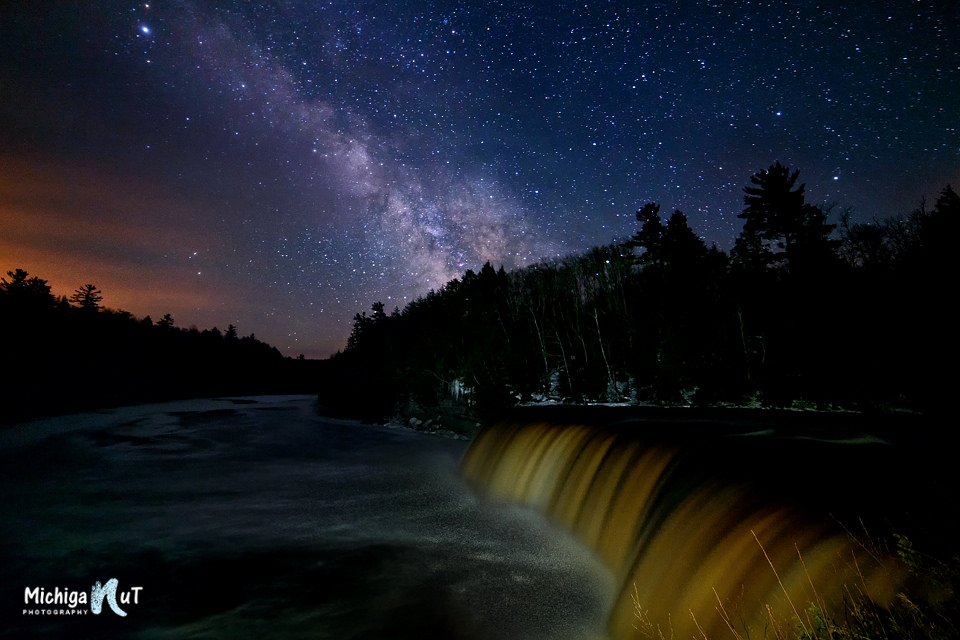
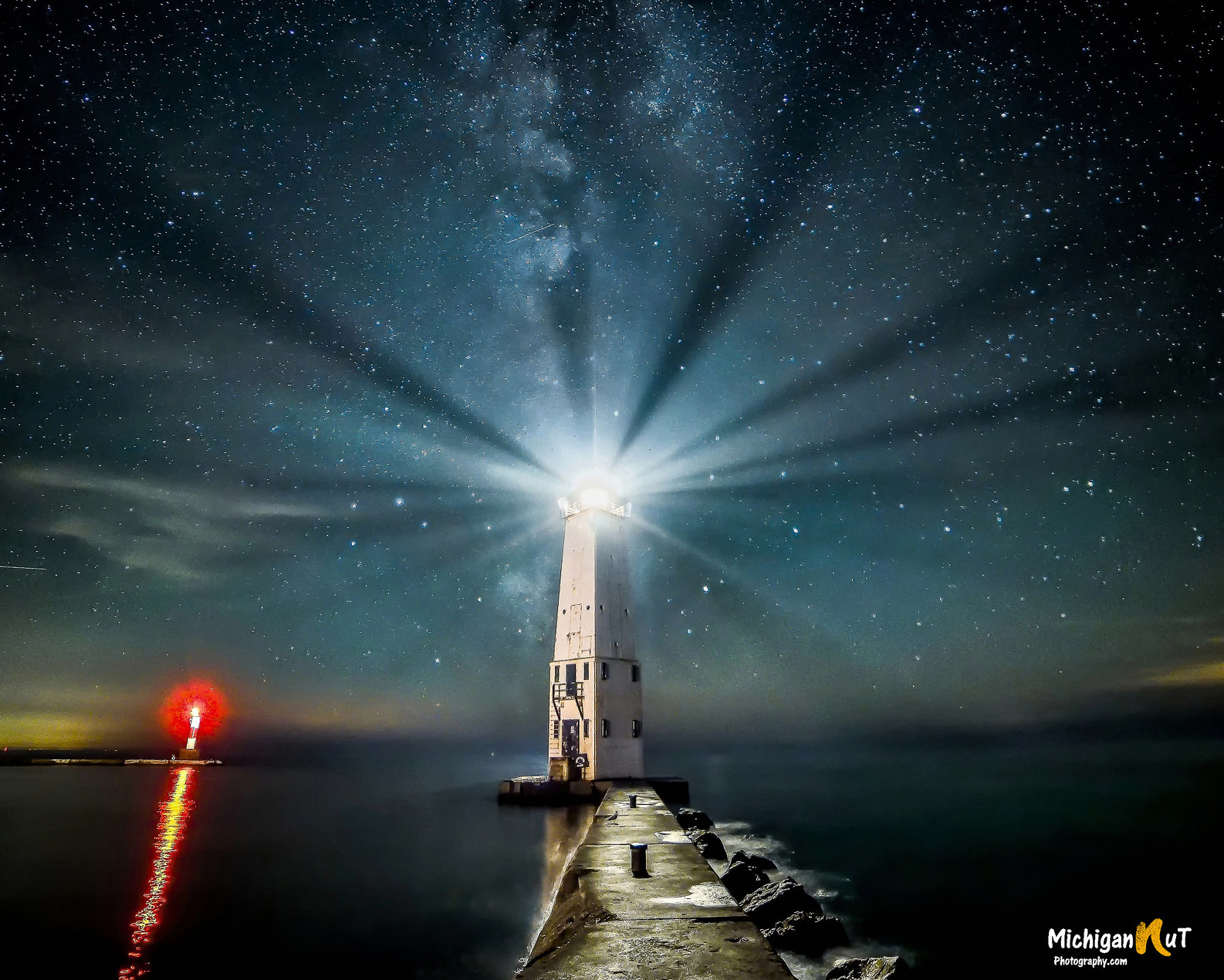
I have featured dozens of photos from John McCormick aka Michigan Nut Photography since the first pic I blogged in 2011. In all that time & even though he’s taken TONS of northern lights shots over the years, I’ve never shared one of them!! 😲 Here are a pair from John plus a couple of his night shots that I am particularly fond of. See many (many) more on his Facebook and for sure view & purchase his work at michigannutphotography.com!

Support Michigan in Pictures with Patreon

Falling Skies: October 2025 Meteor Showers

Thumb Barn Milky Way & Meteor by Charles Bonham

Thumb Barn Milky Way & Meteor by Charles Bonham

In addition to being the season of cider, changing leaves, and Halloween, October also comes with two meteor showers. Our friends at EarthSky give you all you need to know to see the Draconid & Orionid meteor showers:

The Draconids, October 6-10 / peak October 8

The best time to watch the Draconid Meteor Shower in 2025 is as darkness falls on the evening of October 8 through the wee hours of the morning on October 9. A waning gibbous will light up the sky that night, so try to block out the moon when watching for meteors. The radiant point for the Draconids is highest in the sky right when darkness falls so this is a great one for the early to bed crowd!

The Orionids, September 26 – November 22 / peak October 21st

The best time to watch for these meteors is on the morning of October 21, starting after midnight through the hours before dawn. In 2025 conditions are perfect with a dark sky and new moon. The Orionids produce a maximum of about 10-20 meteors per hour, some of them bright fireballs. They are known as the Orionids because they appear to radiate from the Club of the well-known constellation Orion the Hunter.

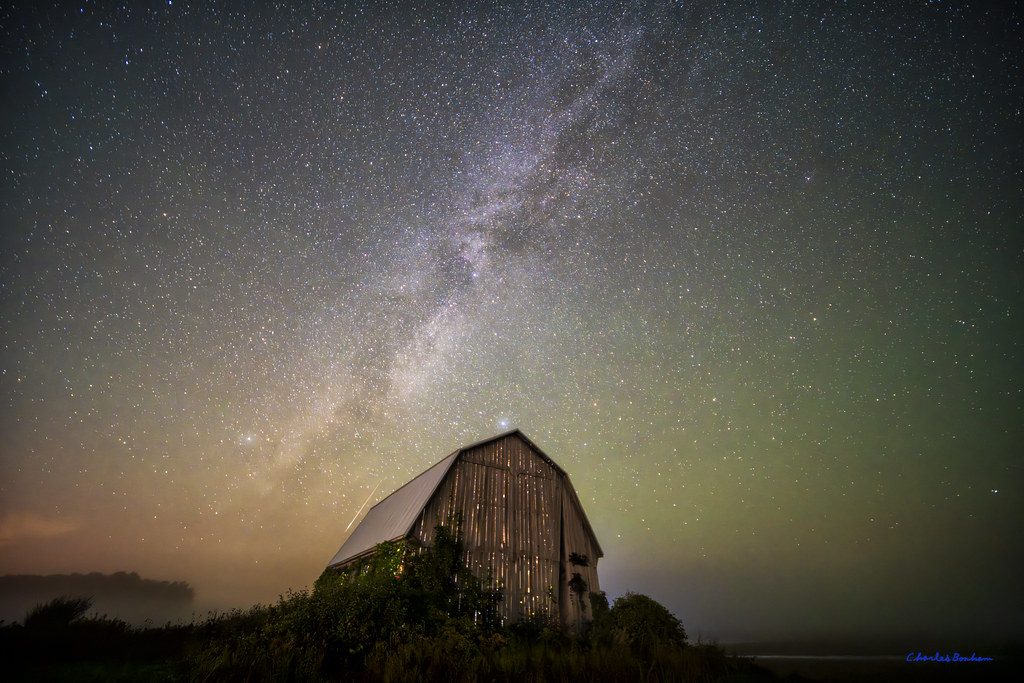
Charles shares that he found a Draconid meteor in this photo of a barn in Pinnebog from last October after reviewing many different frames. You can see it right next to the left side of barn roof along with a hint of Northern Lights on the right side! See more in his Barns gallery on Flickr including some truly spectacular ones of this barn under the aurora!

Support Michigan in Pictures with Patreon

Auroras in the Mist … and in the Dark

Aurora in the Mist by Aubrieta Hope

Michigan has been awash in Northern Lights for the last several days, and this morning’s NOAA/NWS Space Weather Alert Email says there’s a good chance much of Michigan can see them tonight as well!

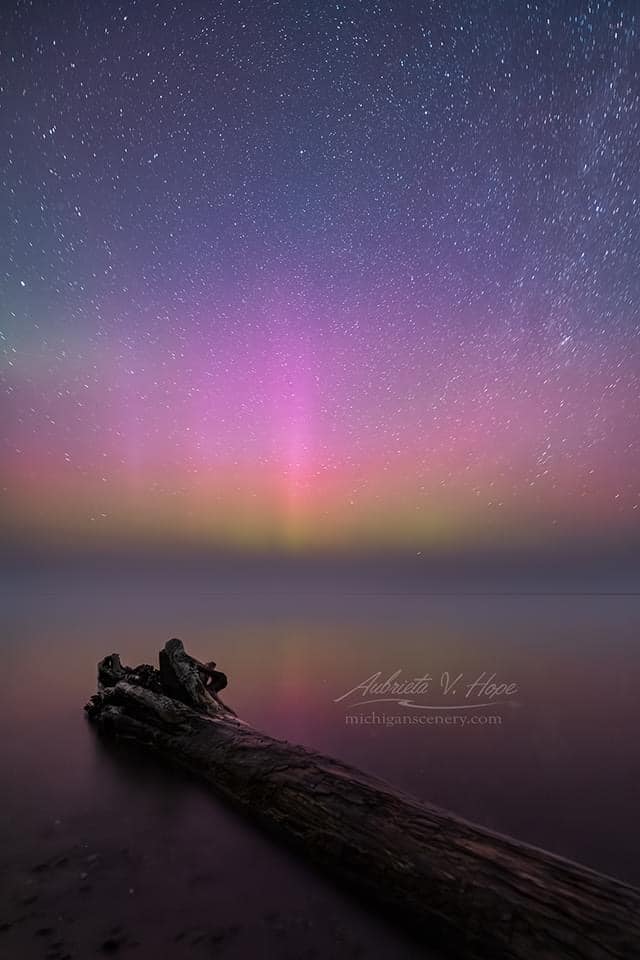
I encourage you to click to subscribe to that email, and also to check out our post about how to see the Northern Lights in Michigan. You will also want to join the Michigan Aurora Chasers group on Facebook where I first saw the photo above from last June at Little Girl’s Point on Lake Superior and where Aubrieta is one of the resident aurora experts. View more of her work on Facebook and on her website. She also shared the photo below yesterday. While I can’t link to it, I wanted to what she wrote as a cautionary tale to remind you to double check your gear before you are go outside in the dark!

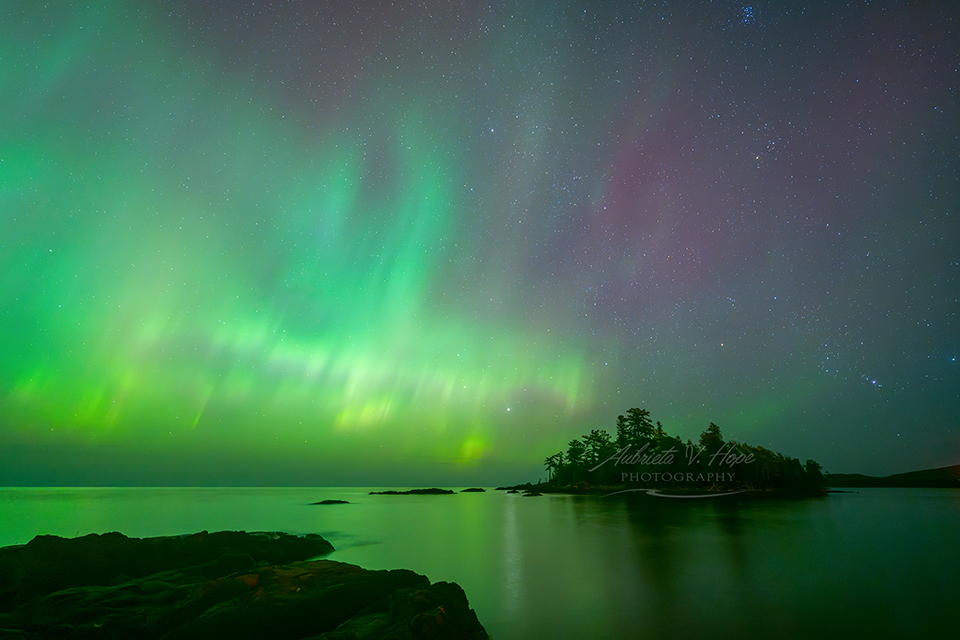
On September 30 at 2:00 a.m., I made a once-in-a-lifetime mistake. I set out on a hike to the end of the Hunters Point Trail in Copper Harbor, hoping to shoot the Aurora over Porter’s Island. I was fried from shooting the Aurora three nights in a row, so I packed light: a small camera bag, a headlamp, a flashlight and a fanny pack. Having shot for hours, the battery in the camera and the headlamp were nearly done, but I knew I had a spare camera battery and my Fenix flashlight as backup. Unfortunately, I soon discovered that the battery in my Fenix flashlight was dead. I got exactly one shot of the scene before my camera battery died. This one. I plugged in my spare camera battery but it was dead, too. So, I headed back up the trail in near-darkness with just the stars and Aurora to light my way. Those of you who know about my life-long obsession with flashlights, will think this is a tall tale. But it’s a true story! As is the fact that all my batteries are re-charging now, including the one that operates my brain. How I love these Keweenaw nights!

Aurora over Porter’s Island by Aubrieta Hope

Support Michigan in Pictures with Patreon

Comet of Unknown Origin

Northern Lights and Comet Neowise by Gary Syrba

Northern Lights and Comet Neowise by Gary Syrba

Our friends at EarthSky share that the latest observations of Comet 3I/ATLAS show it brightening more quickly than predicted:

Up until now, the interstellar comet had been brightening as expected. But now, the observations from mid-September 2025 are beginning to rise above the upward-sloping line of brightening that would have been typical for a comet nearing the sun.

(There has been a lot of talk that 3I/ATLAS might be an interstellar probe due to its great speed & a trajectory that takes it close to Jupiter, Mars & Earth before it slingshots away using the Sun’s gravitation.)

A team of scientists, led by Xabier Pérez-Couto of the University of A Coruña in Spain, has traced the path of interstellar object 3I/ATLAS back 10 million years. Indeed, this is only the 3rd-known object found traveling in our solar system that didn’t originate with our sun and its planets. Its trajectory tells us it must have come from another star system, but which one?

They traced the path back over 100 million astronomical units (9.3 quadrillion miles) but couldn’t find where it started towards Sol. You can read on for lots more!

Gary took these photos of the Northern Lights & Comet Neowise over Lake Michigan back in 2020. See more in his Night Skies gallery on Flickr and view & purchase Gary’s work on his website.

Support Michigan in Pictures with Patreon

Phone vs Camera: Northern Lights edition

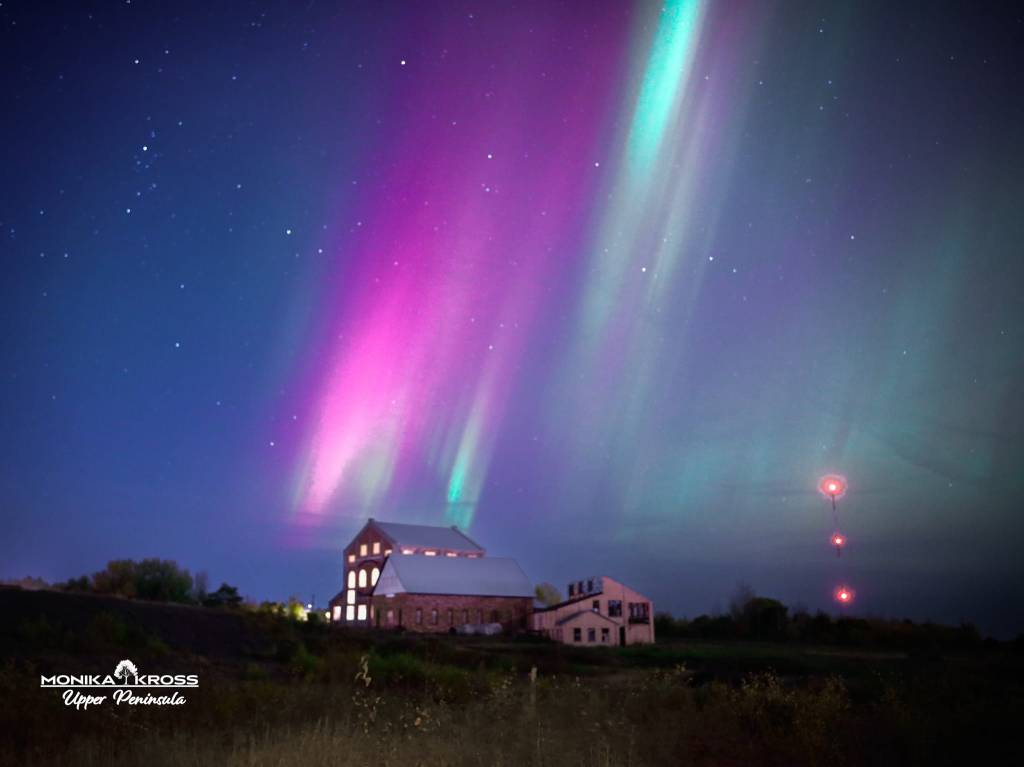
Northern Lights: Phone Edition by Monika Kross

Northern Lights Phone vs Camera by Monika Kross

Given the veritable explosion of aurora borealis & nighttime photos due to the fact phone cameras are finally allowing people to take low light pictures, I think it’s important for folks to understand that even though you can’t get results like you see from some of the best northern lights photographers, these photographers aren’t faking or cheating. They are simply working with much more photo data & understanding of how to apply it than most people.

Monika shares “The difference between a phone shot and a camera shot, each taken several minutes apart. I took quite a few phone shots that night, esp as I worked my way up the coast of the Keweenaw in 28mph winds. In each phone shot, I see noise, blown pixels, and black feathering. Shooting on a camera in raw, we have to edit to put the contrast, color, and texture back into it. It looks very milky before editing and it takes a lot of work.

Click above for Monika’s Facebook or follow her on instagram at MichiganUnsaltedGirl!

PS: The phone camera is on the left!

PPS: More posts about camera operation & cameras on Michigan in Pictures!

Support Michigan in Pictures with Patreon

Under the Sign of the Lion

Aurora Fireball by Ross Ellet

I featured this photo 8 years again, but with the incredible run of northern lights we’ve been having and the massive spike in interest in getting out under the night sky coupled with the rise of the Detroit Lions as an NFL superpower, it’s a great time to bring back this feature from Space.com on How to Watch the Leonids Meteor Shower:

The Leonid meteor shower will be active from Nov. 3 to Dec. 2 this year and will peak overnight from Nov. 17 to 18. The Leonids are produced when Earth passes through the debris left behind by comet 55P/Tempel-Tuttle during its highly elliptical orbit around the sun every 33 years. The Leonids are considered some of the fastest meteors, zipping through the sky at 44 miles (71 kilometers) per second, according to NASA. They can also result in impressive fireballs producing long, bright and colorful meteor streaks.

The Leonids’ radiant is located in the sickle-shaped head of the constellation Leo, the lion. Leonid meteor hunting can be incredible, or a total bust. It all depends on where its parent body, Comet 55P/Tempel-Tuttle, will be in its orbit and the kind of debris clumps that will be around when our planet passes through this comet’s orbit. The Leonids put on big shows in 1966, 1999 and 2001, according to AMS, when the comet was making its closest approach to the sun. It will be several years until observers get a big show from the Leonids.

Ross took this photo ten years ago in late September of 2014 and shared:

The sky was cloudy most of the night, but at 3:30am there wasn’t a cloud in the sky. We made our way to the lakeshore and sure enough the northern lights were dim on the northern horizon. At one point you could hear the howl of a distant wolf pack while the northern lights were out. Then moments later a slow move fireball flashed across the sky. It lasted a couple seconds and the brightness pulsed as it moved through the atmosphere. After that the aurora faded, but several more meteors (some very bright) streaked above us.

Ssee more in his Porcupine Mtns gallery on Flickr, and definitely check out Ross Ellet’s Picturesque Adventures for much more!!

Support Michigan in Pictures with Patreon

Moonset under Aurora

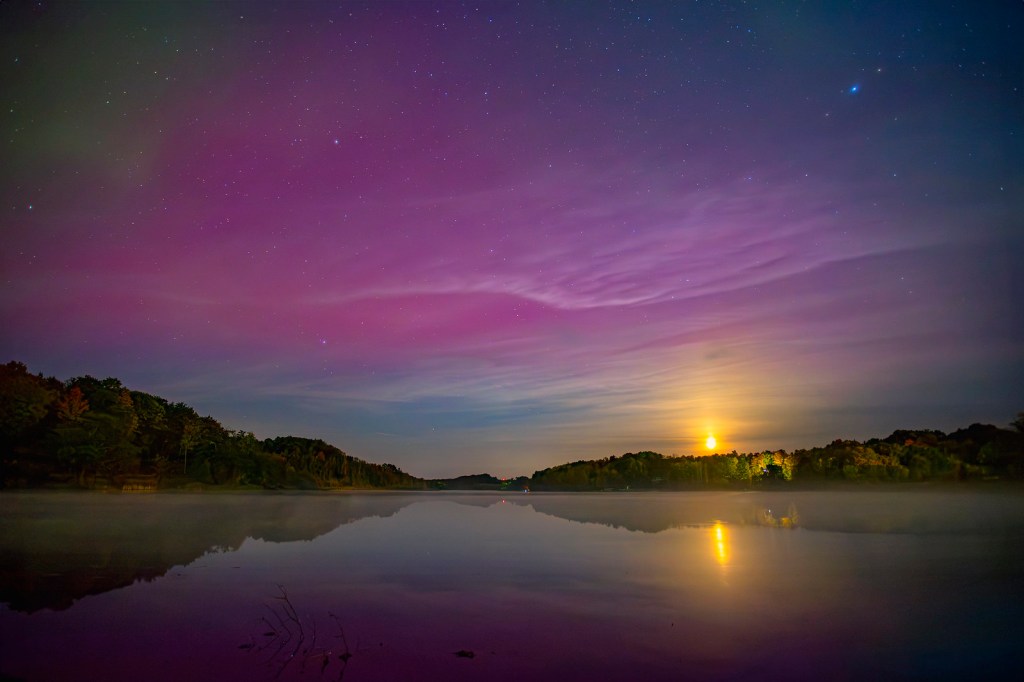
Moon set under Aurora by Thomas Mann

Moon set under Aurora by TP Mann

Thomas shares, “The northern lights and the moon filled the sky above Ellsworth Lake. It was a gorgeous night to be out along the Breezeway.” The Breezeway is his passion which is totally understandable if you take a look:

The Breezeway” is a rural ride along C-48 from Atwood (U.S. 31) through Ellsworth & East Jordan, and ending in Boyne Falls (U.S. 131) – boasts scenic overlooks, great motorcycle & bicycle rides, recreational amenities galore, working farms & orchards, artist galleries & studios, resale shops, lodging facilities (cottages, campgrounds, B&Bs, motels, and a resort), retail and service businesses with superb customer service, and an epicurean’s selection of dining choices along the route.

Thomas took this photo on October 10th. Head over to his Flickr for his latest photos from this beautiful little corner of Michigan & here’s a daytime photo of the fall color on Ellsworth Lake from yesterday!

Autumn Morning on the Breezeway by Thomas Mann

Autumn Morning on the Breezeway by Thomas Mann

Support Michigan in Pictures with Patreon

Aurora outbreak on tap for this weekend!!

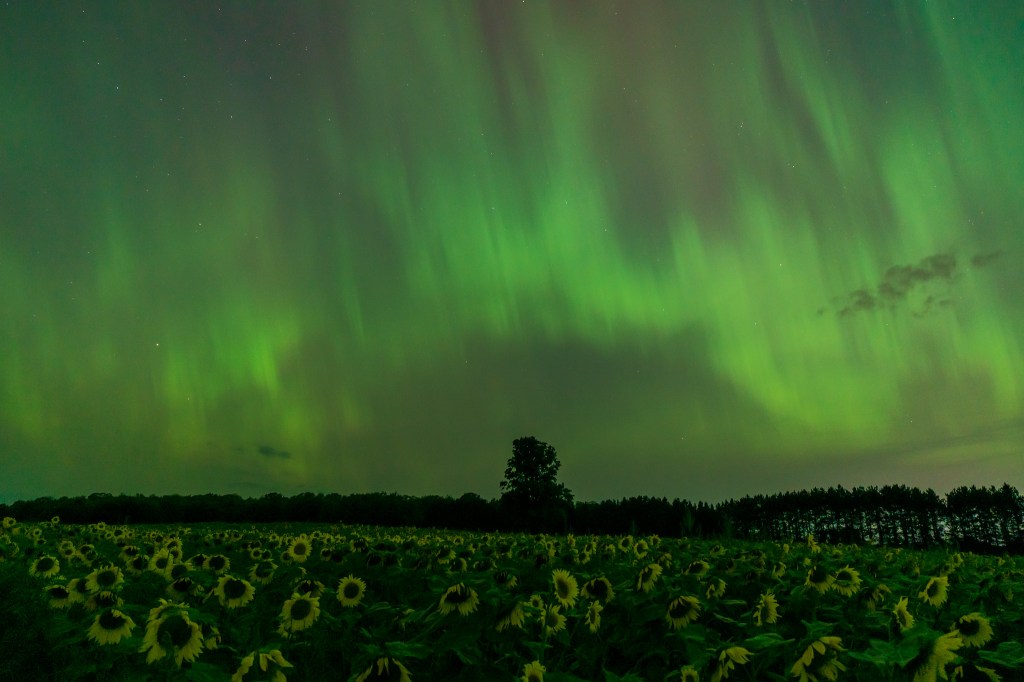
Sunflower Auroras – August 2024-23 by Nathan Miller

The NOAA/NWS Space Weather Prediction Center has issued a G3 (Strong) Geomagnetic Storm Watch for today through Sunday due to a pair of coronal mass ejections that are anticipated to arrive over the course of the next three days. This means that Northern Lights are VERY possible over the weekend!!

Nathan took this in August up on the Keweenaw Peninsula. See more in his Sunflower Auroras gallery on Flickr and for sure check out his photography & writing at Nathan Invincible.

Much (much) more Northern Lights on Michigan in Pictures!

Support Michigan in Pictures with Patreon