The Last Thing You’ll Ever See

The Last Thing You'll Ever See by William Dolak

The Last Thing You’ll Ever See by William Dolak

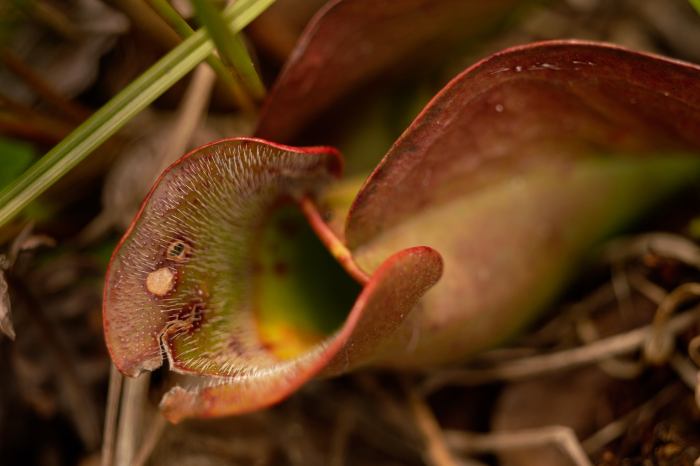
Bill shared this photo from the West Lake Nature Preserve in Portage in our Michigan in Pictures group on Facebook & writes:

If you were a fly or a mosquito, this grotesque monster might be your conveyance to the afterlife. Michigan has several native carnivorous plants growing in bogs throughout the state; this one is the pitcher plant. It entices its prey by collecting rainwater; when the insect climbs in for a drink it is trapped by barbs and drowned in the pool. The plant then absorbs the nutrients from the decaying bodies…most gruesome, indeed.

You can check out some more pics from West Lake preserve by Bill including these shots of a Pink Lady Slipper on Facebook.  Read more about the pitcher plant (with another pic from Bill) on Michigan in Pictures!

Support Michigan in Pictures with Patreon

Happy (belated) World Turtle Day!

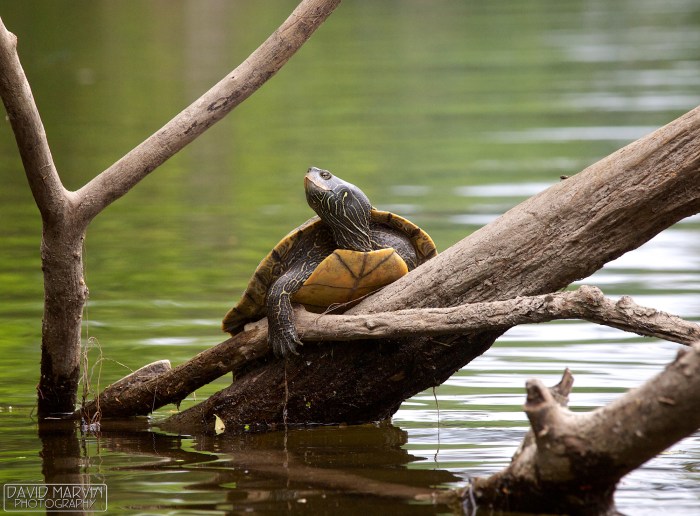
Map Turtle by David Marvin

Map Turtle by David Marvin

World Turtle Day (May 23rd) is an annual day of recognition that was started in 2000 by American Tortoise Rescue to raise awareness about turtles & help preserve endangered turtles worldwide. Although it was yesterday, I can’t let it pass without comment & really hope you take the time to Know Your Michigan Turtles. We have TEN native species in Michigan, including the common map turtle

David took this photo back in 2014 and you can see more from him in his Lansing gallery on Flickr.

Support Michigan in Pictures with Patreon

Marching at the Marsh

Marching at the Marsh by PKHyperFocal

Marching at the Marsh by PKHyperFocal

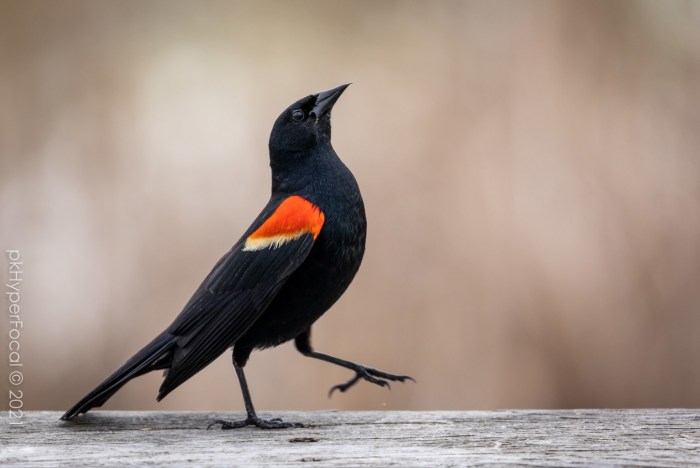
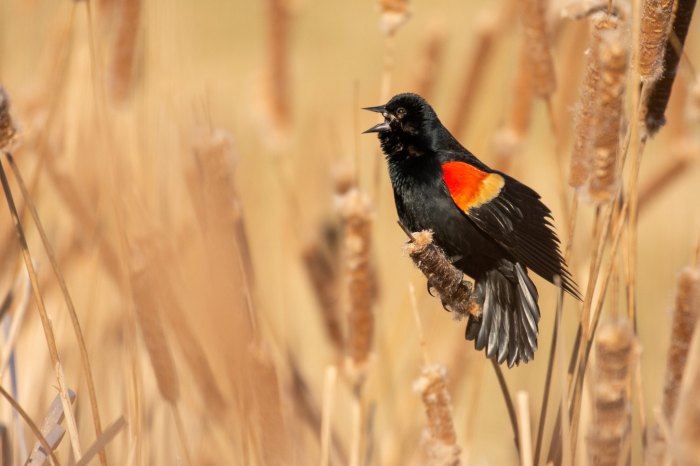
This dude definitely has swag! Here’s a few mostly male facts about red-winged blackbirds from the excellent All About Birds website:

The Red-winged Blackbird is a highly polygynous species, meaning males have many female mates – up to 15 in some cases. In some populations 90 percent of territorial males have more than one female nesting on their territories. But all is not as it seems: one-quarter to one-half of nestlings turn out to have been sired by someone other than the territorial male.

Male Red-winged Blackbirds fiercely defend their territories during the breeding season, spending more than a quarter of daylight hours in territory defense. He chases other males out of the territory and attacks nest predators, sometimes going after much larger animals, including horses and people.

The oldest recorded Red-winged Blackbird was 15 years, 9 months old. It was banded in New Jersey in 1967, and found alive, but injured in Michigan in 1983. It was able to be released after recovering from its injuries.

PK caught this red-winged blackbird on patrol last week. See more in their Feathers gallery on Flickr

Read up on Red-winged Blackbirds on Michigan in Pictures!

Support Michigan in Pictures with Patreon

Fox Friday: Blessed are the curious…

I Spy You Both by Julie

I Spy You Both…. by Julie

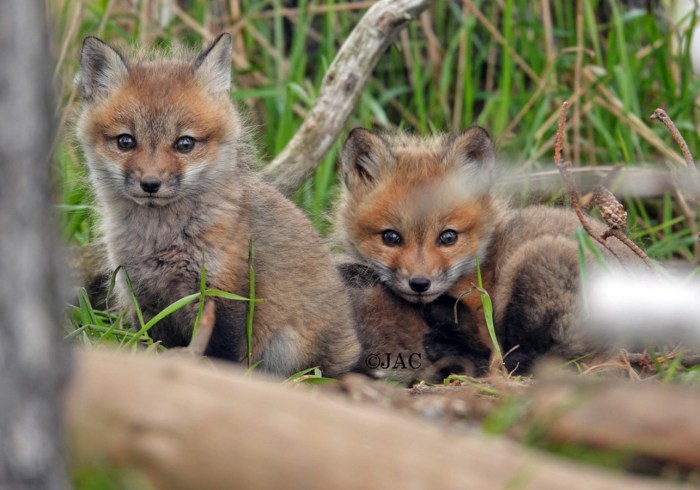
Love this shot of two fox kits!! Julie observes “Blessed are the curious for they shall have adventures…” and we have to agree!

See more in Julie’s Wildlife gallery & stay curious people!!

Support Michigan in Pictures with Patreon

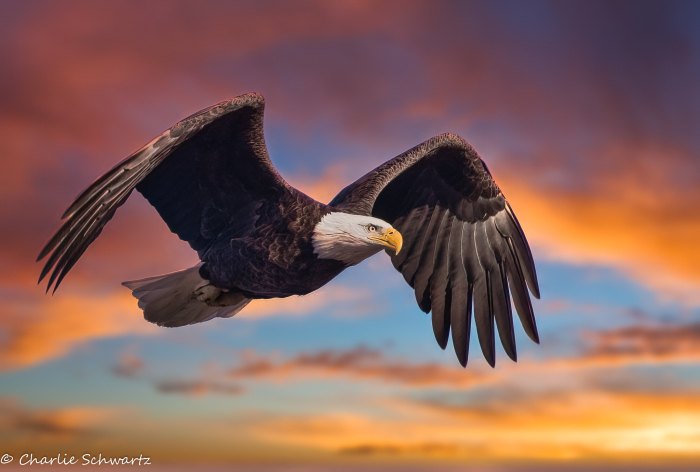
Sunset Eagle

Sunset Eagle by cncphotos

Sunset Eagle by Charlie Schwartz

I think this is the best bald eagle photo I’ve ever seen.

See more in Charlie’s Birds album on Flickr!

Support Michigan in Pictures with Patreon

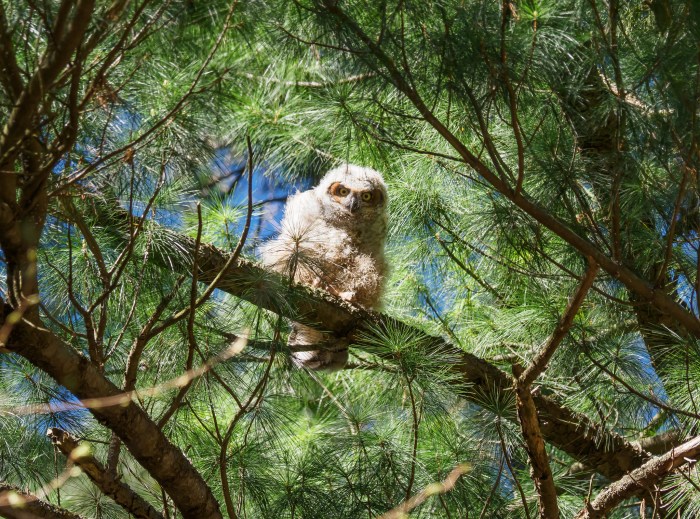
Great Horned Owlet

Great Horned Owlet by David Marvin

Great Horned Owlet by David Marvin

David writes:

A Great Horned Owl (Bubo virginianus) family has made Fenner Nature Center its home this spring. A wee downy owlet is currently hopping from tree branch to tree branch in the dense stand of white pine trees (Pinus strobus) on the northeast side of the property.

Video of the owlet and a couple brief appearances by its parents.

Due to the density of the foliage and the height at which the owls are perched, lighting has been a challenge when photographing and capturing video of these majestic birds.

Head over to David’s Flickr for more photos of this cute little ball of fluff!

More owls on Michigan in Pictures!

Support Michigan in Pictures with Patreon

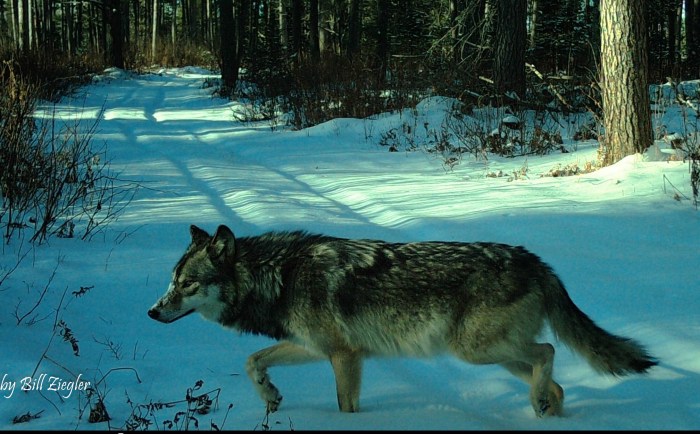
Wolf Making the Rounds

Wolf Making the Rounds by Bill Joyce Ziegler

Wolf Making the Rounds by Bill Joyce Ziegler

Bill got some stunning photos of one of the wolves in a pack south of Amasa in the UP. He shared this & another in the Pure UP group on Facebook. Check it out! Bill also wrote an article last year about the US Fish & Wildlife Service’s plans to take wolves off the Endangered Species List in Michigan. This happened in January 2021 but it’s worth a read: 

Michigan DNR wolf surveys indicate there is a minimum wolf population of 662 adult wolves. This is a minimum population since young of the year wolves are not surveyed.

Cody Norton, Michigan DNR Wolf Specialist said the average wolf litter is likely about four to six pups based on research in other similar states. Norton goes on to say in other studied wolf populations “up to 60 percent of the pups may die in the first six months due to disease and malnutrition.”

Norton stated, “The 2018 survey indicated there are 139 wolf packs in the U.P.” (mainland).

He went on to say the average U.P. pack was about five wolves. Norton continues, “Packs are typically comprised of a breeding pair, pups from the current year, offspring from previous litters, and occasionally other wolves that may or may not be related to the breeding pair.”

Norton said surveys indicate, “Wolf territories range in size from 5 to 291 square miles in the U.P., with an average of about 45 square miles. However, territory size has decreased over time, and the number of packs has stagnated, as the wolf population in the U.P. has increased.” Norton added “The U.P. wolf population appears to have been stable for the last eight years or so suggesting they’re likely nearing carrying capacity. This follows a long period of population growth from when we initially surveyed the first three known wolves in 1989 until 2011.”

…Regardless of how you feel about wolves, their population recovery in Michigan has been a success of a native species re-establishing itself. No matter what happens in terms of federal and state wolf management, residents of the Upper Peninsula will continue to live with wolves and will occasionally hear the howl of the wolf.

More from Woods n Water News.

Support Michigan in Pictures with Patreon

Signs of Spring: Red-winged Blackbirds

Red winged Blackbird by Reji TV

Red-winged Blackbird by Reji TV

One of my favorite signs of spring in Michigan is hearing the calls of red-winged blackbirds. I started hearing them last week in northern Michigan & just saw these pics today in our Absolute Michigan group on Flickr. The University of Michigan Museum of Zoology’s Animal Diversity Web listing for Agelaius phoeniceus (red-winged blackbird) tells us:

The range of red-winged blackbirds extends from southern Alaska at its northern most point, to the Yucatan peninsula in the south and covers the greater part of the continent reaching from the Pacific coast of California and Canada to the eastern seaboard. Winter ranges for red-winged blackbirds vary by geographic location. Northern populations migrate south to the southern United States and Central America beginning in September or October (or occasionally as early as August). Most western and middle American populations are non-migratory.


Red-winged blackbirds roost and breed in a variety of habitats, but tend to prefer wetlands. They have been known to live in fresh and saltwater marshes. On drier ground, red-winged blackbirds gravitate towards open fields (often in agricultural areas) and lightly wooded deciduous forests. In winter red-winged blackbirds are most often found in open fields and croplands.

…As migratory birds, red-winged blackbirds share many characteristics with related species. They are strong fliers that will often migrate in flocks of a thousand or more. Roosting is often communal, resulting in large, centralized populations. Red-winged blackbirds are largely diurnal, spending most of their day foraging. Males defend territories during the mating season. As the mating season progresses, both males and females will spend more time within their territory or the territory of their mate. Although fighting among red-winged blackbirds is not all that common, even among males, it is known to occur. Males chase females at top speed during breeding season. Because of their broad range and tendency to colonize large roosting areas, red-winged blackbirds are extremely common, and are easy to find in the mating season when singing and sexual displays make them more visible.

This great web resource includes many more photos and blackbird calls. Go there!

Reji TV took this photo near Auburn Hills. See more in their Birds gallery on Flickr.

Support Michigan in Pictures with Patreon

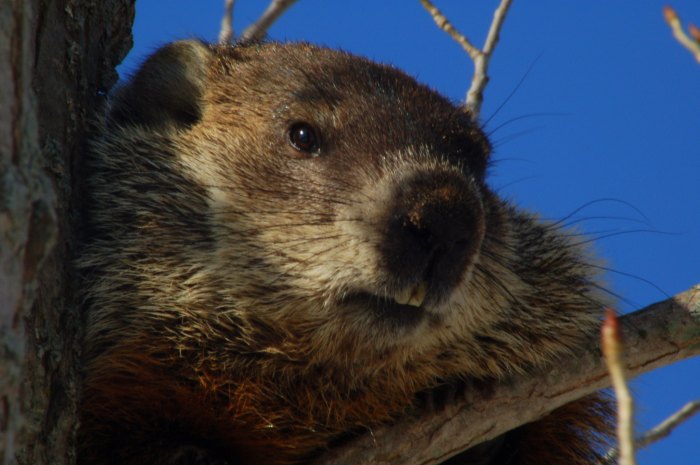
Woodchuck Weather: Groundhogs dash hopes of early spring

Woodchuck by Tate King

Woodchuck by Tate King

America’s most famous groundhog, Punxsutawney Phil, performed his ceremonial weather forecasting duty this morning & predicts six more weeks of winter. Closer to home, the Howell Nature Center shared a Facebook Live (below) of Michigan’s own prognosticating groundhog, Woody. Sadly, her forecast matched Phil’s so I guess winter will be with us for a while.

Tate got this shot of a woodchuck not hogging the ground at all back in March of 2007. You can see another on his Flickr.

Support Michigan in Pictures with Patreon

Otter at Otter Lake

Otter at Otter Lake by Nicholas McCreedy

Otter at Otter Lake by Nicholas McCreedy

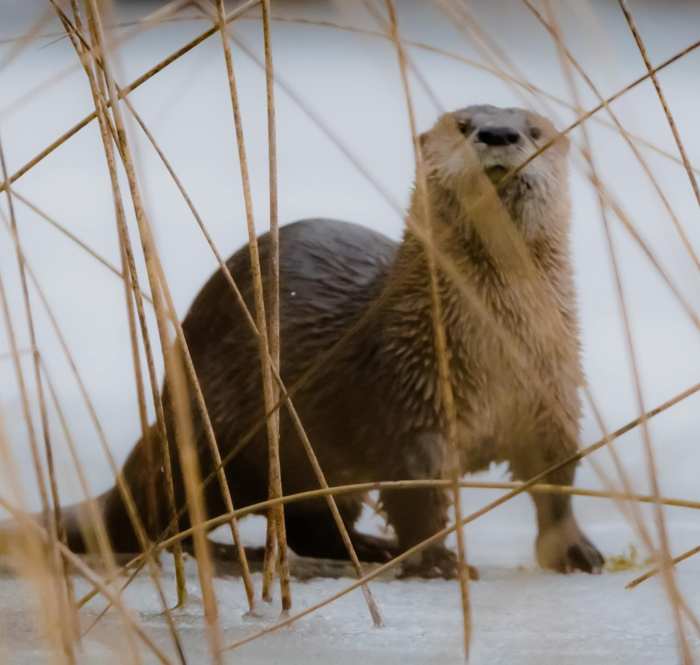
Nicholas writes that this otter spotted him at Otter Lake in the Sleeping Bear Dunes National Lakeshore. See a couple more shots & follow him on Facebook!

Support Michigan in Pictures with Patreon