The Great Flip Flop Caper of 2024

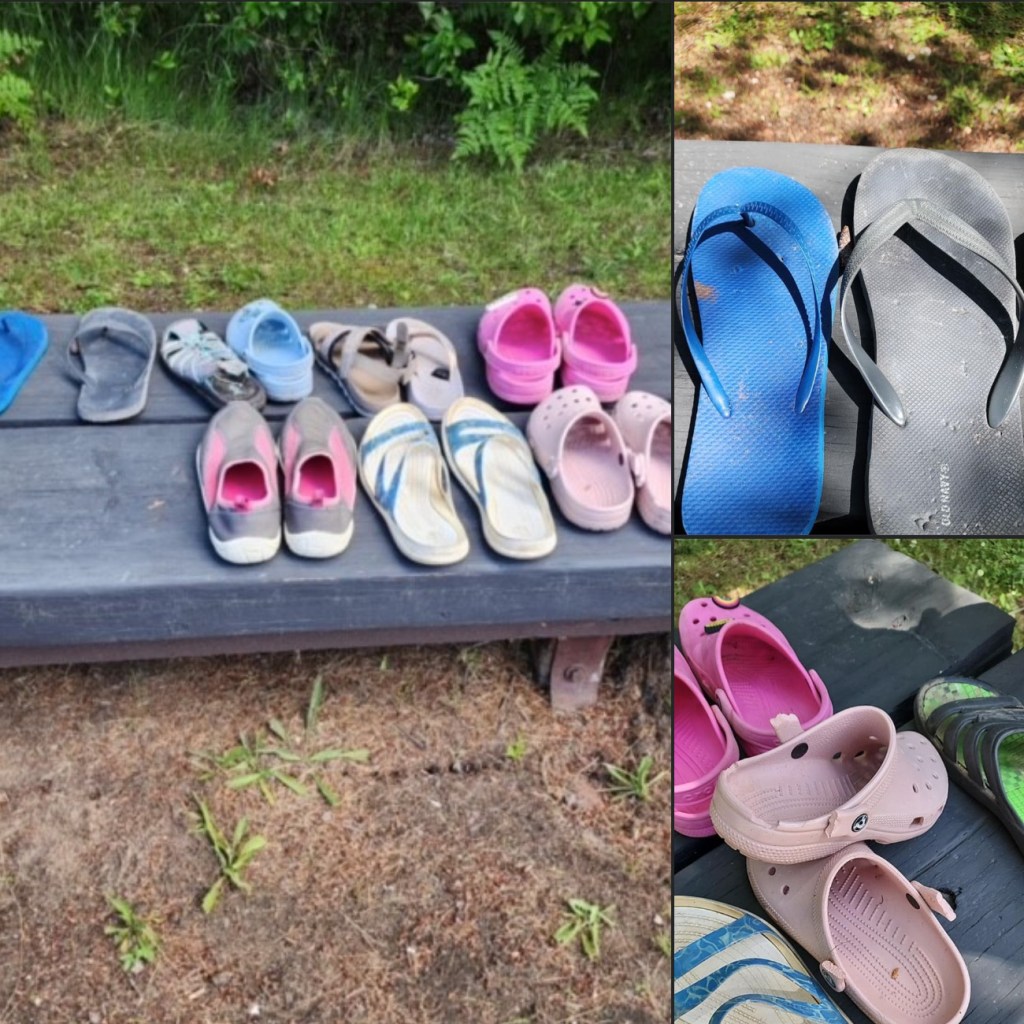
Recovered Flip Flops by Tahquamenon Falls State Park

Recovered Flip Flops by Tahquamenon Falls State Park

Tahquamenon Falls State Park shared yesterday that there has been a thief taking flip flops and crocs from campers at their Rivermouth Campground:

It was discovered today that there are multiple thieves, and they have four legs and are adorable. All of the shoes shown were found outside a fox den. If you look closely, you can see teeth marks in the flip flops and straps have been chewed off the light pink crocs. Heads up if you are camping this summer at the Rivermouth, you’ll want to keep your shoes inside your camper 🦊

So if you do camp at Tahquamenon Falls State Park (and you very much should) keep an eye out for the Flip Fox Gang! Much more Tahquamenon Falls & more Michigan foxes on Michigan in Pictures.

Support Michigan in Pictures with Patreon

Getting ready for the 4th of July

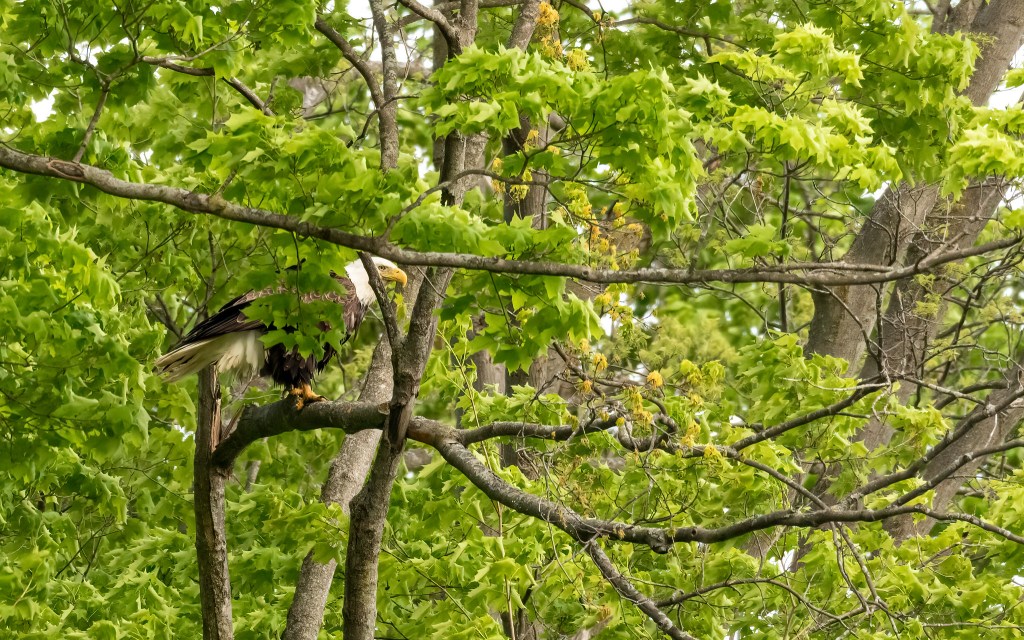
Amongst the Trees by Kevin Povenz

Amongst the Trees by Kevin Povenz

This year the Fourth of July falls on a Thursday, meaning many of us will get a 4-day weekend. I hope you all get a chance to enjoy the holiday!!

Kevin shared this super cool bald eagle shot taken last year in the Ravines of Grand Ledge. whoops it’s the Ravines of Ottawa County!! Check out his massive Birds of Prey gallery on Flickr for more!

Support Michigan in Pictures with Patreon

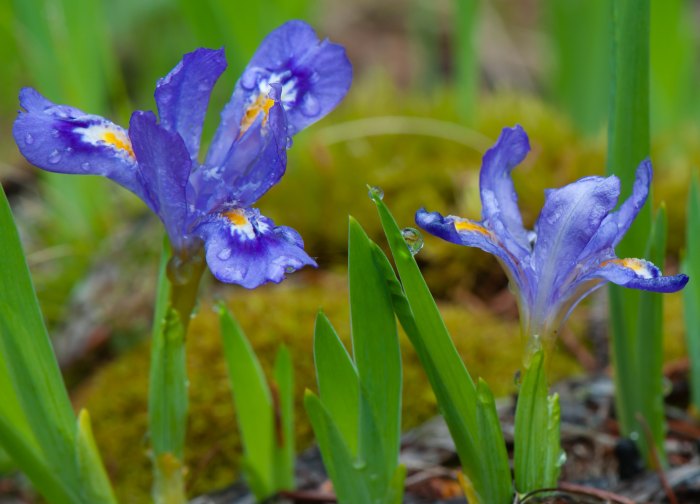
The Dwarf Lake Iris is a Great Lakes original!

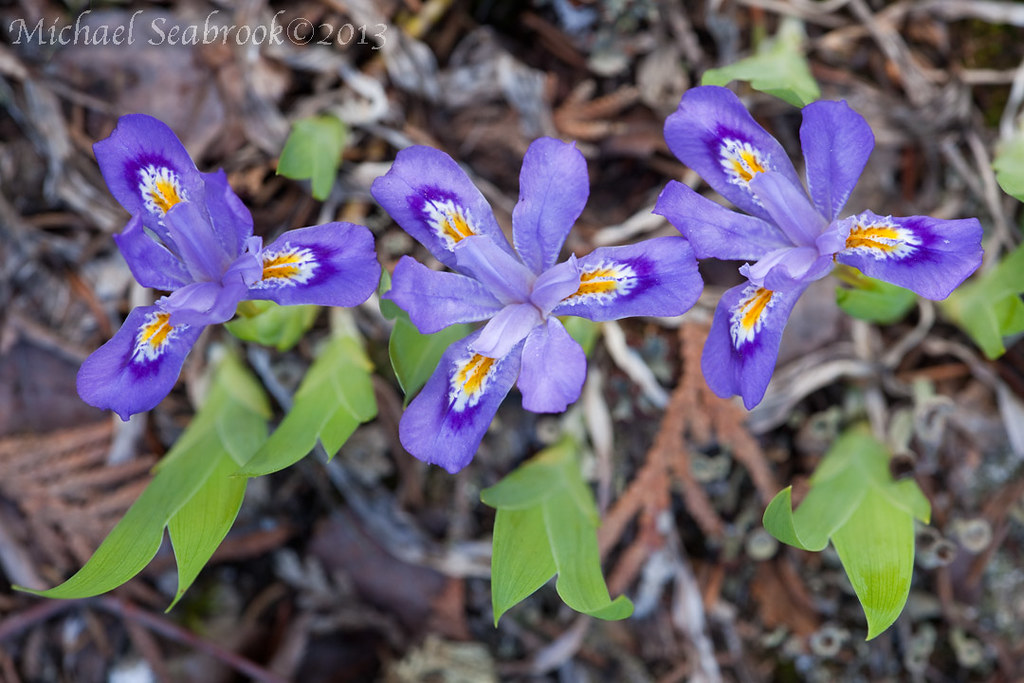
Sisters Three by Michael Seabrook

The National Forest Service shares that Michigan’s state wildflower, the Dwarf Lake Iris (Iris lacustris), grows nowhere else but in the Great Lakes region & mostly within Michigan:

The vivid blue, showy flowers (about two inches in height) of Dwarf lake iris are truly exquisite. This miniature iris, honored as the state flower of Michigan, blooms from mid May to early June.

Dwarf lake iris is called a Great Lakes endemic due to its very limited range. It inhabits the northern shores of Lakes Huron and Michigan within Michigan, Wisconsin (Door Co.), and Ontario, Canada (Manitoulin Island, and the Bruce Peninsula). Dwarf lake iris formerly ranged as far south as Milwaukee, Wisconsin, but has never collected on Lake Superior shoreline.

The Latin species name lacustris translates to “of lakes”, which does not speak to the immense size of these two huge inland “seas”. Confined almost exclusively to thin soil over limestone, rich gravel or bedrock, or moist sands and gravels, it can persist in full sunlight on moist sites. This miniature iris is most successful, however, under the light, dappled shade of white cedar. It flowers best in semi-open habitats such as the long and narrow strips of land bordering the high-water line, or large flat expanses behind open dunes. It may also inhabitant old beach ridges of the former shores of these two Great Lakes. The changing water levels of lakes Michigan and Huron serve to create new habitat.

Thomas Nuttall, renowned naturalist and explorer, first found this species in 1810. The type locality, or location where he first found Dwarf lake iris, was Mackinac Island in northern Lake Michigan.

Michael took this photo back in 2013. More in his Michigan Wildflowers gallery on Flickr!

Support Michigan in Pictures with Patreon

Piping Plover Protection

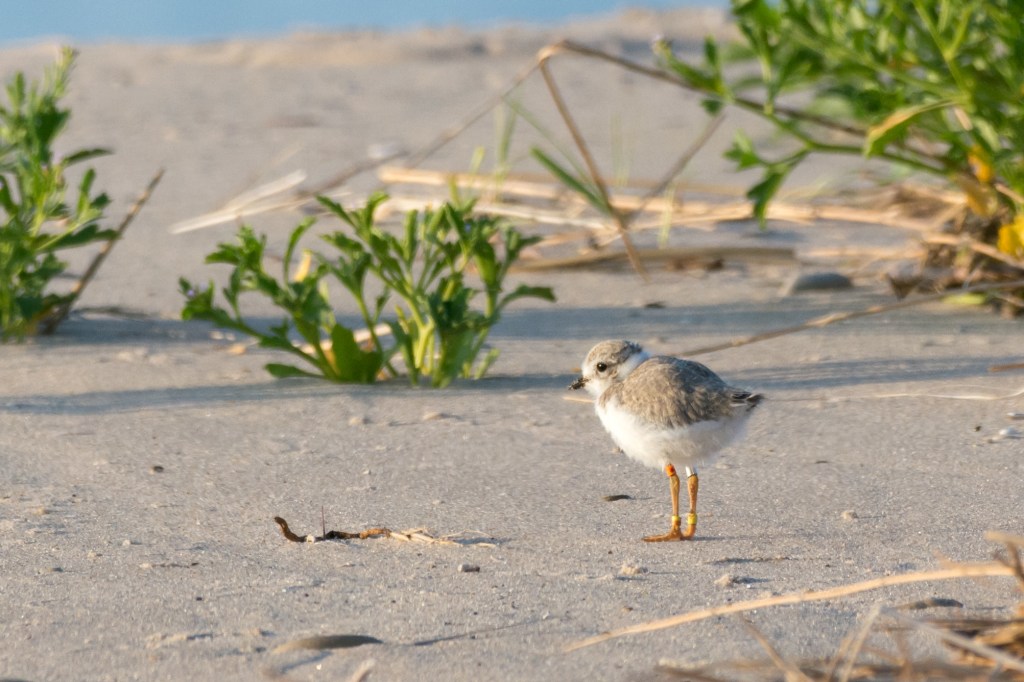
Piping Plover Chick by Bill VanderMolen

If you’re on the Lake Michigan shore this weekend, there’s a chance you may see one of these small shorebirds scurrying along the water’s edge with some unique legwear. The Sleeping Bear Dunes National Lakeshore page on piping plovers begins:

The Piping Plover (Charadrius melodus) is an endangered shorebird. They are sand-colored on the back and white below. During the breeding season adults have a black forehead band between the eyes and a single black band around the neck. (Its larger relative the Killdeer is commonly seen at parks, playgrounds, and golf courses, and has two dark bands around the neck.) Piping Plovers nest only on beaches and prefer beaches with cobble. There are three small populations: one in the Great Plains, one on the Atlantic Coast, and the one here in the Great Lakes. They winter together on the Gulf Coast but travel to the separate areas during the breeding season.

…The greatest concentration of piping plovers in the Great Lakes occurs at Sleeping Bear Dunes National Lakeshore. The areas around the nests are roped off during the breeding season to protect the birds from disturbances that would cause them to abandon their nests. Also, plover eggs and small chicks are very well camouflaged. Well-meaning plover watchers could easily step on them if allowed in the nesting area.

…As part of the piping plover monitoring and recovery efforts, each bird is banded with colored bands that identify it. Color bands allow researchers and park staff to keep track of longevity, faithfulness to nest sites and mates, and genetics, among other things.

Lots more including pictures on the Park website.

Bill took this back in July of 2018. See his latest on Instagram!

Support Michigan in Pictures with Patreon

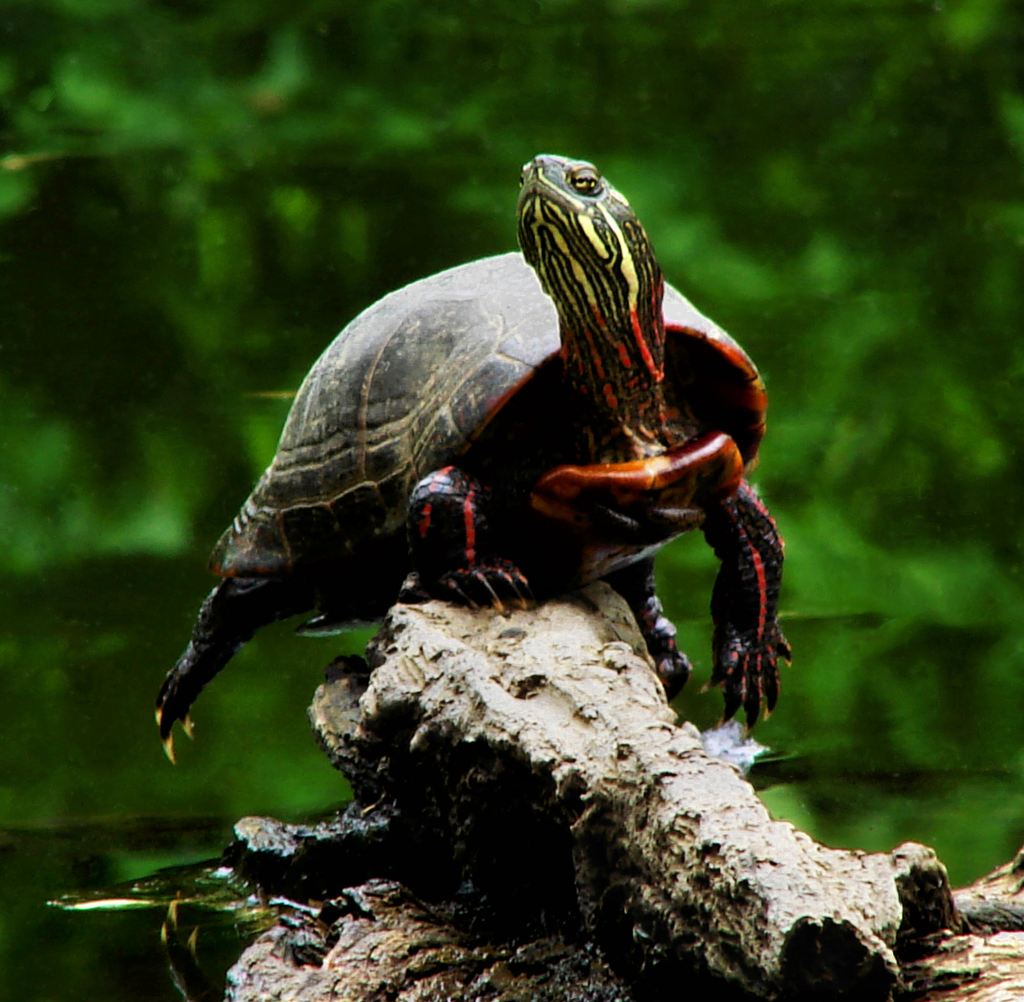
Turtles get ready for their closeup

I’m Posing for the Camera by R.Miller96

From Waterfall Wednesdays to the Michigan Duckie Project to every flavor of rainbows, one of the things that keeps Michpics fun for me are my little photographic obsessions. Way back in 2011, I shared this photo on what became the all time most popular post on Michigan in Pictures: Know Your Michigan Turtles.

World Turtle Day (May 23) is just a week away so it felt like a perfect time to bring back this photogenic painted turtle for an encore! See more in R Miller’s water gallery on Flickr.

Support Michigan in Pictures with Patreon

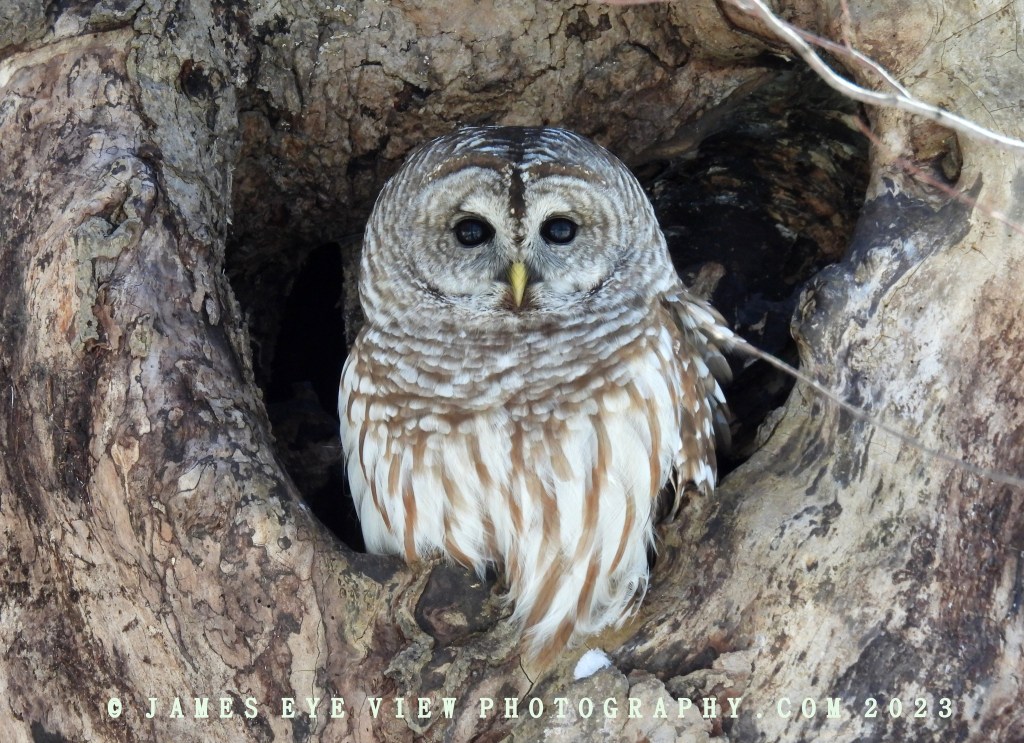
You know who needs a Happy Earth Day?

Happy Earth Day by James Eye View Photography

via Leelanau.com

Who needs a happy Earth Day? All of us really. 2023 was the warmest year since global records began nearly 200 years ago. The global temperature beat the previous high from 2016 & the 10 warmest years have ALL been from the last 10 years. If you know anything at all about math, 10 out of 10 is 100% and we are 100% in trouble because we seem unable as a species to process what actual danger is when it is this big. There’s probably nothing I can say if you don’t believe in science, so here is a link to a story about Earth Day’s Michigan roots & here is EarthDay.org where they are trying to raise awareness about microplastics, which many scientists believe are behind the explosion of Alzheimers.

James is an Empire-based photographer who shared this barred owl – based in parts unknown – along with some other great pics to wish everyone a happy Earth Day! See more by clicking the picture & on his website.

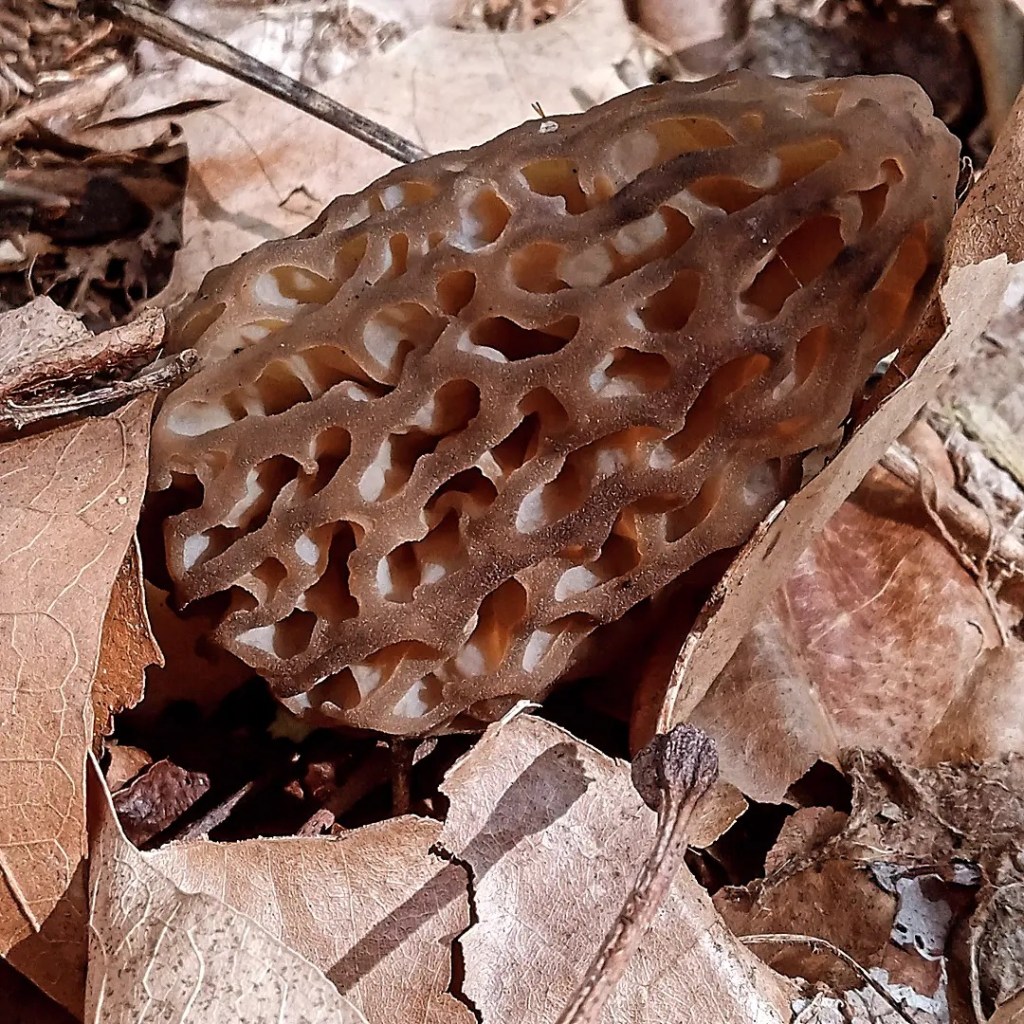
2024 Michigan Morel Season is here!

First Morel by Rick Antiss

As you can see from the photo above, the 2024 Michigan Morel Season is now underway! Every year I try & kick off Michigan morel season by sharing some tips so here goes:

  • Make your first several mushroom hunts, whether for morels or other edible mushroom species, with someone who knows mushrooms.
  • Buy or download a mushroom guide. A good guidebook is “The Mushroom Hunter’s Field Guide” by Alexander H. Smith, recognized as America’s foremost authority on mushroom identification, and Nancy Smith Weber.
  • Be prepared to cover a lot of ground and to experience disappointments when searching for morels. Some spots yield mushrooms year after year, while others skip several seasons between crops.
  • Don’t expect to find morels easily if you are new to the pastime. Because they blend into their background of last fall’s leaves and dead grass, they are hard to see even if you are looking right at them. Your “eye” for morels will sharpen with practice, and you will need to retrain it every spring.
  • Most important of all – know what you are eating! You will need to know the difference between a “true” morel and the “false morels,” such as beefsteak mushrooms, which are poisonous. (See morel identification information.)
  • For more information on morel mushroom hunting in Michigan, visit Pure Michigan or Midwest American Mycological Information.
  • And finally, the Morel tag on Michigan in Pictures is chock full of great advice. Happy hunting!!

My friend Rick lives in Southwest Michigan and shared this last week. If you’re a fan of cannabis & golf, check out the Cannabis Golfers Association which is getting ready to host the Hazy Holes Classic!

Purple for June: Dwarf Lake Iris

Iris lacustris by Bradford Slaughter

Iris lacustris by Bradford Slaughter

Some of you know that my mother Jill suffered for years from the terrifying effects of Alzheimers disease, ultimately passing last winter. June is Alzheimer’s & Brain Awareness Month, and the Alzheimer’s Association encourages us to wear purple (and of course donate) to raise awareness about a disease that afflicts tens of millions of Americans. 

June is also when you can see Michigan’s official State Wildflower, the Dwarf Lake Iris (Iris lacustris), in bloom:

The official wildflower of the Great Lakes State is right at home anywhere it can get its feet wet along the rocky coast of Northern Lake Huron, but those places are getting harder to come by.

This pint-sized perennial is known for its deep blue flowers that emerge mere inches above the ground for a fleeting few weeks in May and June—individual blossoms last just days. The rest of the time, its yellow-green leaves cling close to the ground, hiding in plain sight until springtime comes around again.

It’s a bit of a miracle this fragile flower exists at all: They grow in the thin, nutrient-poor soil that overlays limestone gravel and bedrock. The Northeast Michigan coast, rich with sand dunes and limestone deposits, creates the perfect habitat for the iris, found nowhere else outside the northern Great Lakes.

Along with a limited range that’s shrinking due to lakeshore development, the plant has been sought out by collectors who replant or sell it elsewhere. For these reasons, the dwarf lake iris was added in 1988 to the list of federally threatened species.

Read on for more at Huron Pines & for sure check out their Dwarf Lake Iris Best Practice Guide for tips on how to protect this flower!

Coincidentally, Bradford took this photo at Beavertail Point Nature Sanctuary on the northern coast of Lake Huron eight years ago on June 2nd, 2014 so I guess it’s a #TBT to boot! See more in his Iridaceae (Iris Family) gallery on Flickr 

Support Michigan in Pictures with Patreon

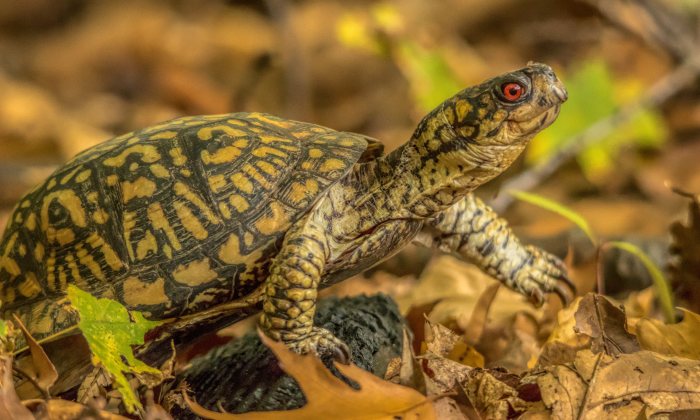
Happy World Turtle Day from Phillip the Box Turtle!

Phillip the Box Turtle by Kevin Povenz

Phillip the Box Turtle by Kevin Povenz

May 23rd is World Turtle Day, an annual day of recognition that was started in 2000 by American Tortoise Rescue to raise awareness about turtles & help preserve endangered turtles worldwide. Michigan has ten species of native turtles including the Eastern Box Turtle – check them all out and Know Your Michigan Turtles

Kevin took this photo of Phillip the Box Turtle for the Blanford Nature Center back in 2017. See more in his Animals gallery on Flickr.

Support Michigan in Pictures with Patreon

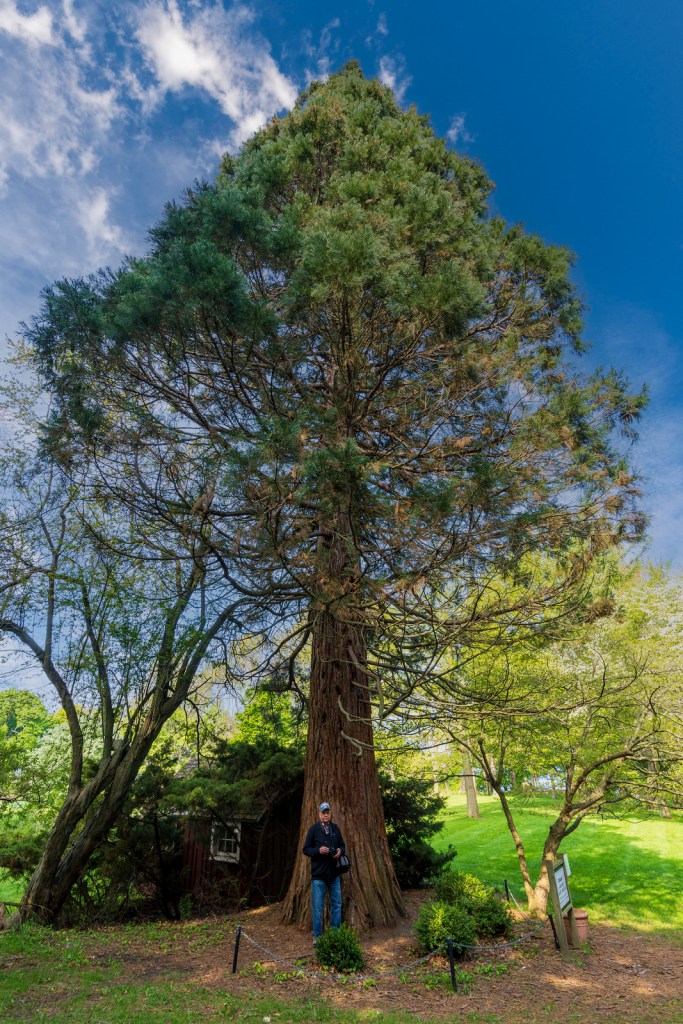
Manistee’s Giant Sequoia Tree

Giant Sequoia Tree Manistee, Michigan by Charles Bonham

Giant Sequoia Tree Manistee, Michigan by Charles Bonham

Charles shares that this Giant Sequoia (Sequoiaadendron giganteum) at Lake Bluff Arboretum in Manistee was planted in 1949 on a cliff along Lake Michigan is now over 100 feet tall! You can see another view right here and view lots more on his Flickr!

Support Michigan in Pictures with Patreon