Back in the day, Linda Godfrey would regularly share stories with me from her classic book Weird Michigan and her other works. Linda has regrettably passed on and her Weird Michigan website is lost, but here’s a seasonally appropriate tale of shipwrecks & lost love from my archives…
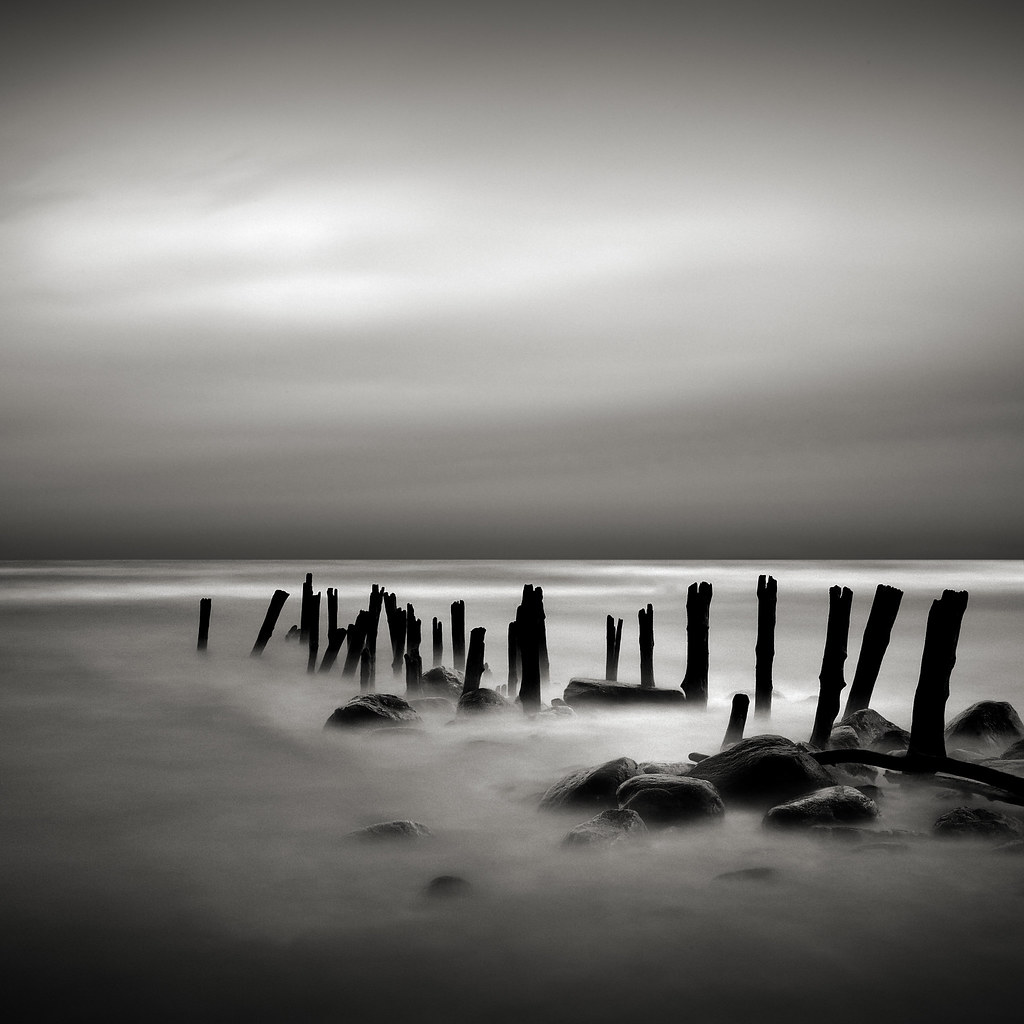
In the mid-1800s, the Lake Huron port and lumber town of Forester was a far cry from the sleepy, near ghost town it is today. The remains of huge pilings just off the scanty beach now stand as crumbling reminders of the great pier that once bustled with Great Lakes ships and sailors.
One of those sailors unwittingly started the legend that would be Forester’s main claim to fame after the lumber ran out and the ships stopped coming.On shore leave one day, the unnamed young man took up with a local girl named Minnie Quay, whose folks, James and Mary Ann Quay, owned the town tavern.
The Quays forbid Minnie to see her beloved, but the order proved tragically unnecessary after his ship became one of many that succumbed to Great Lakes gales. Minnie made one more visit to the forbidden pier after learning that news, and on April 26, 1876, at the age of 16, she threw herself into the water in hope of joining him in the afterlife. She lies in a waterfront cemetery now, next to the bodies of her father, mother and brother.
Legend says that she still wanders the beaches, moaning for her lost sailor, and that some have seen her standing waist deep in the water, beckoning others to join her. The former Quay home and bar still stands, giving Minnie’s ghost even more reason to linger.
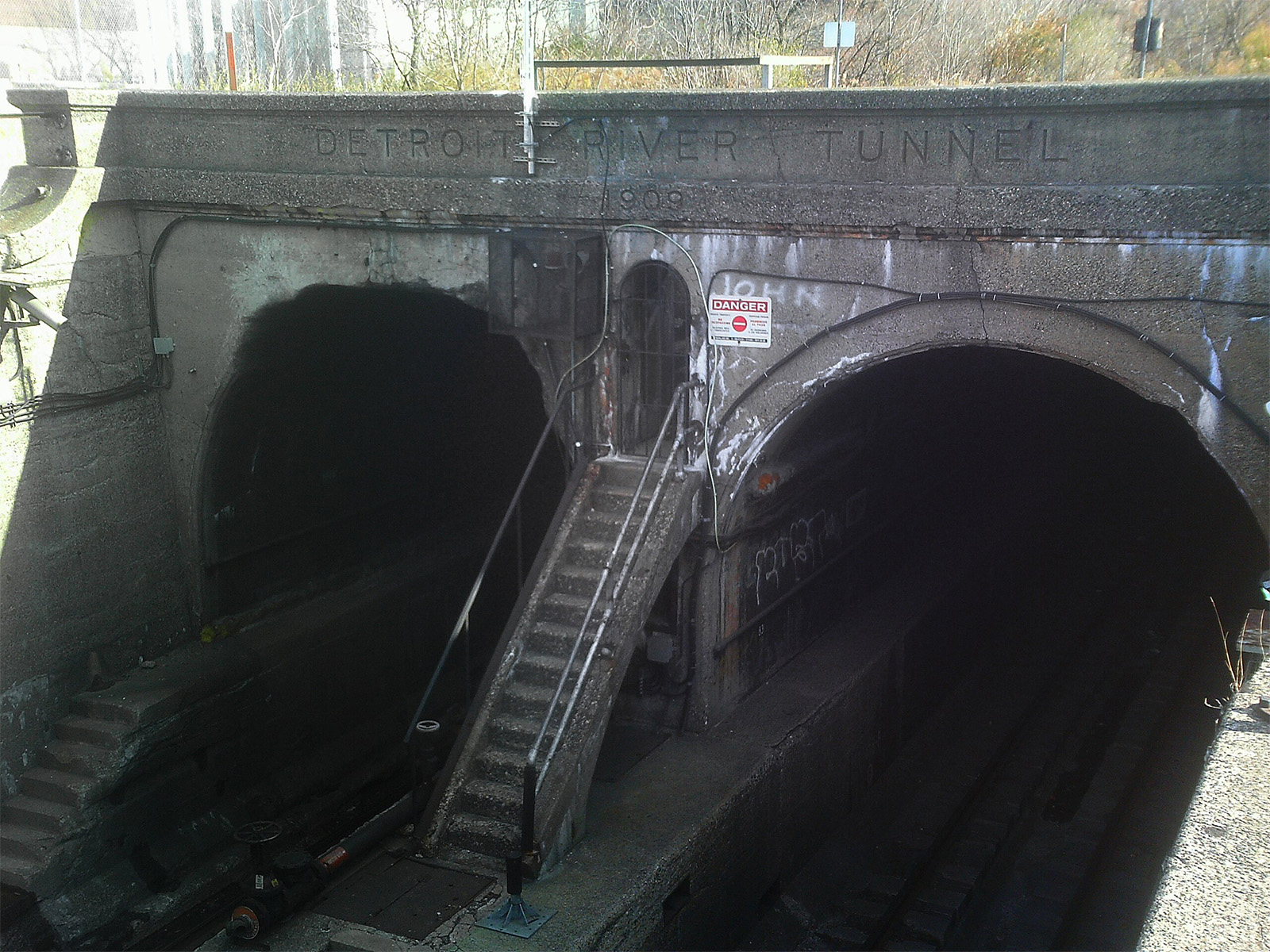
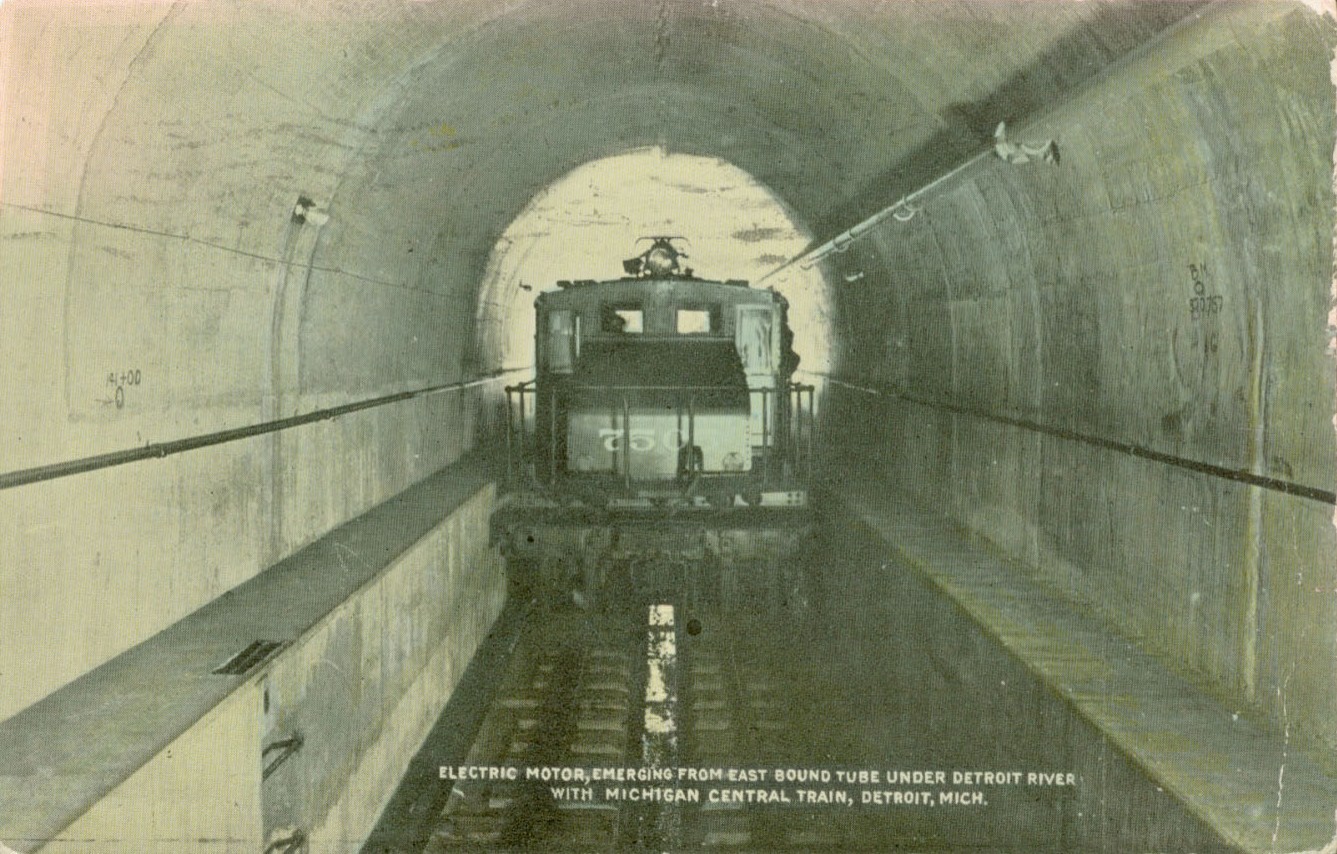
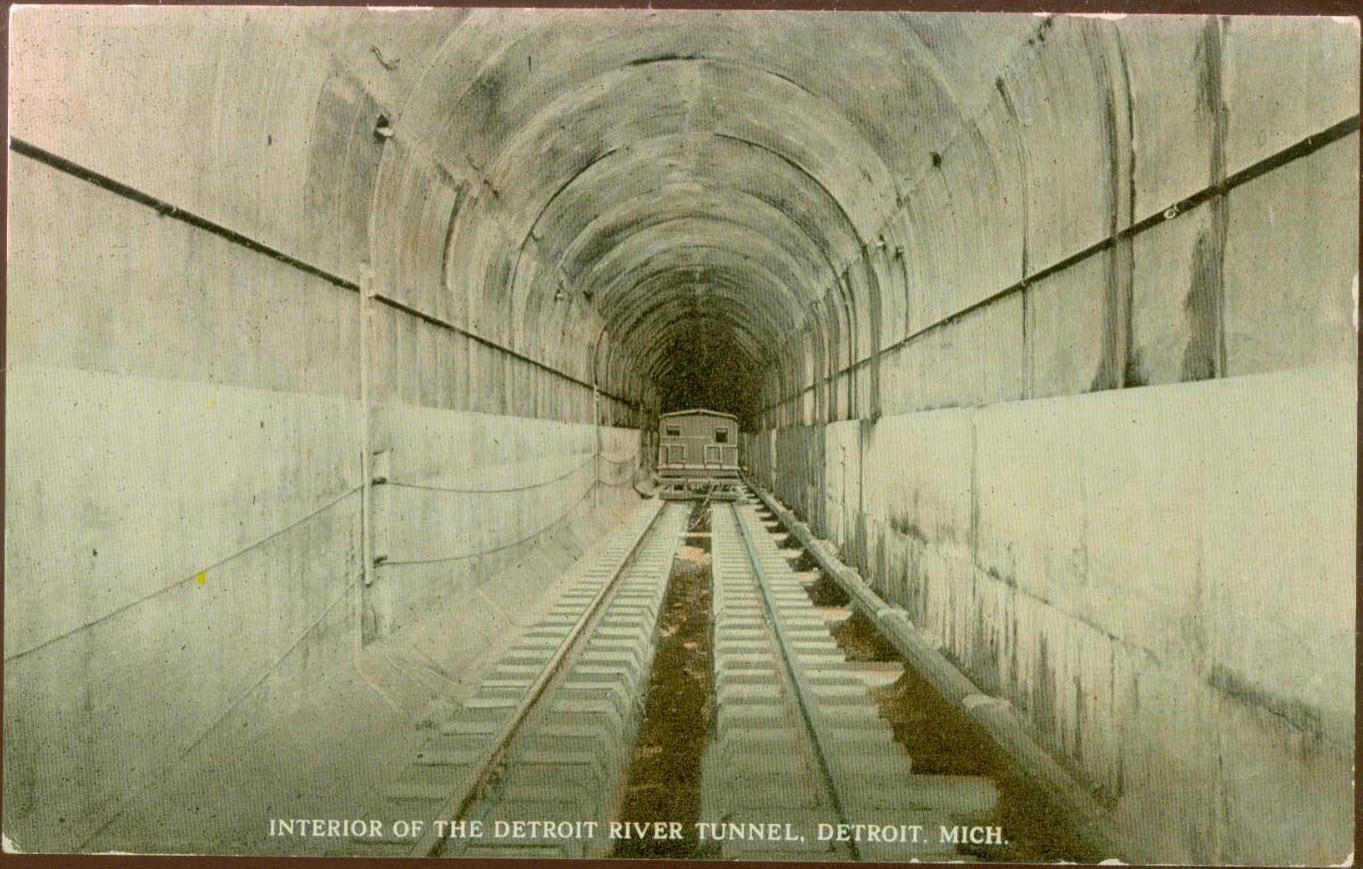
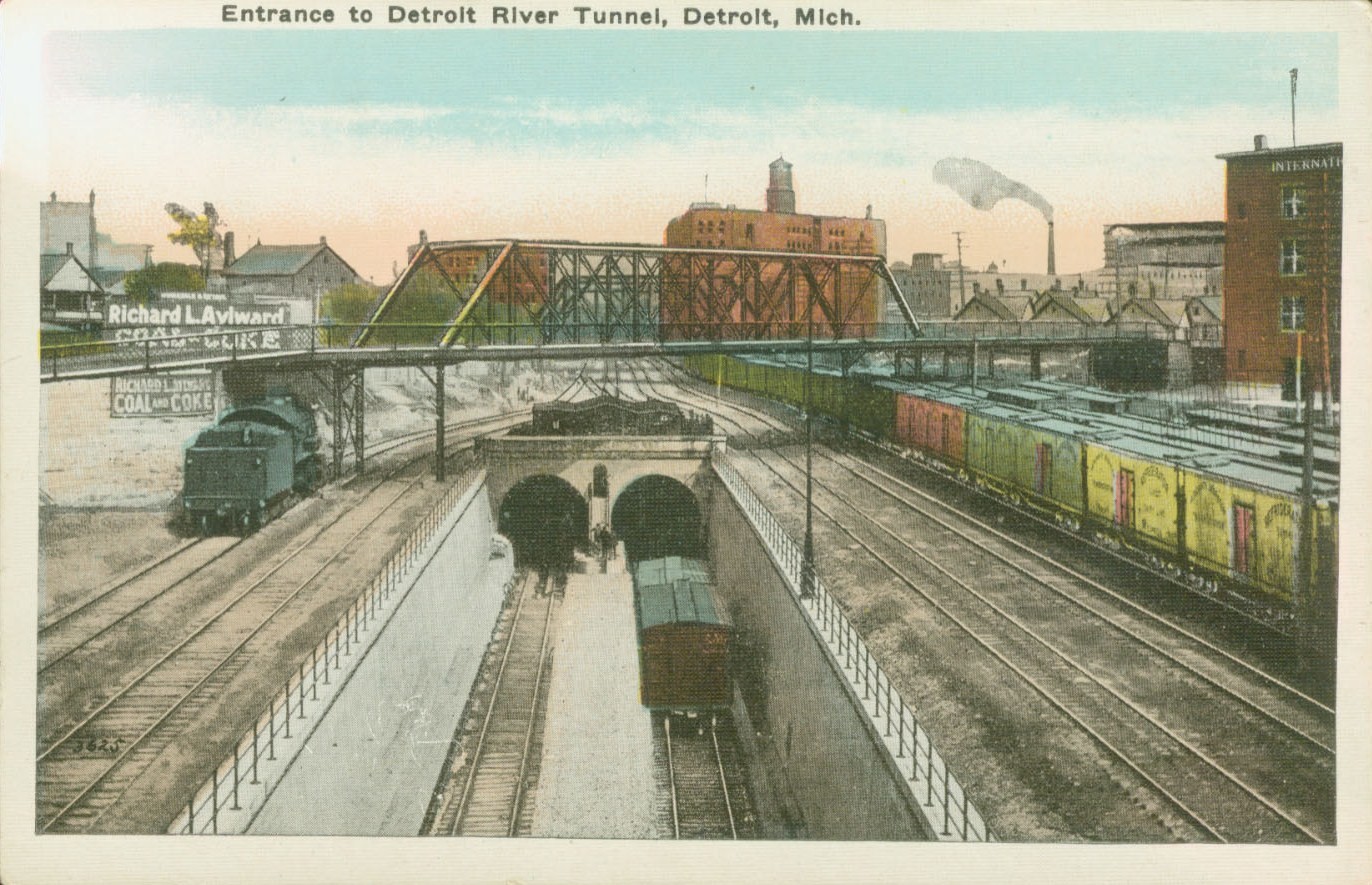
One of the fun things about Michigan in Pictures is the way that the photos I share raise questions that I am then obliged to find the answers to! That is the case today after someone asked “Where does the Holiday Train cross over from Canada?” The answer is the Michigan Central Railroad Tunnel which the Henry Ford explains was the answer to a wintertime challenge:
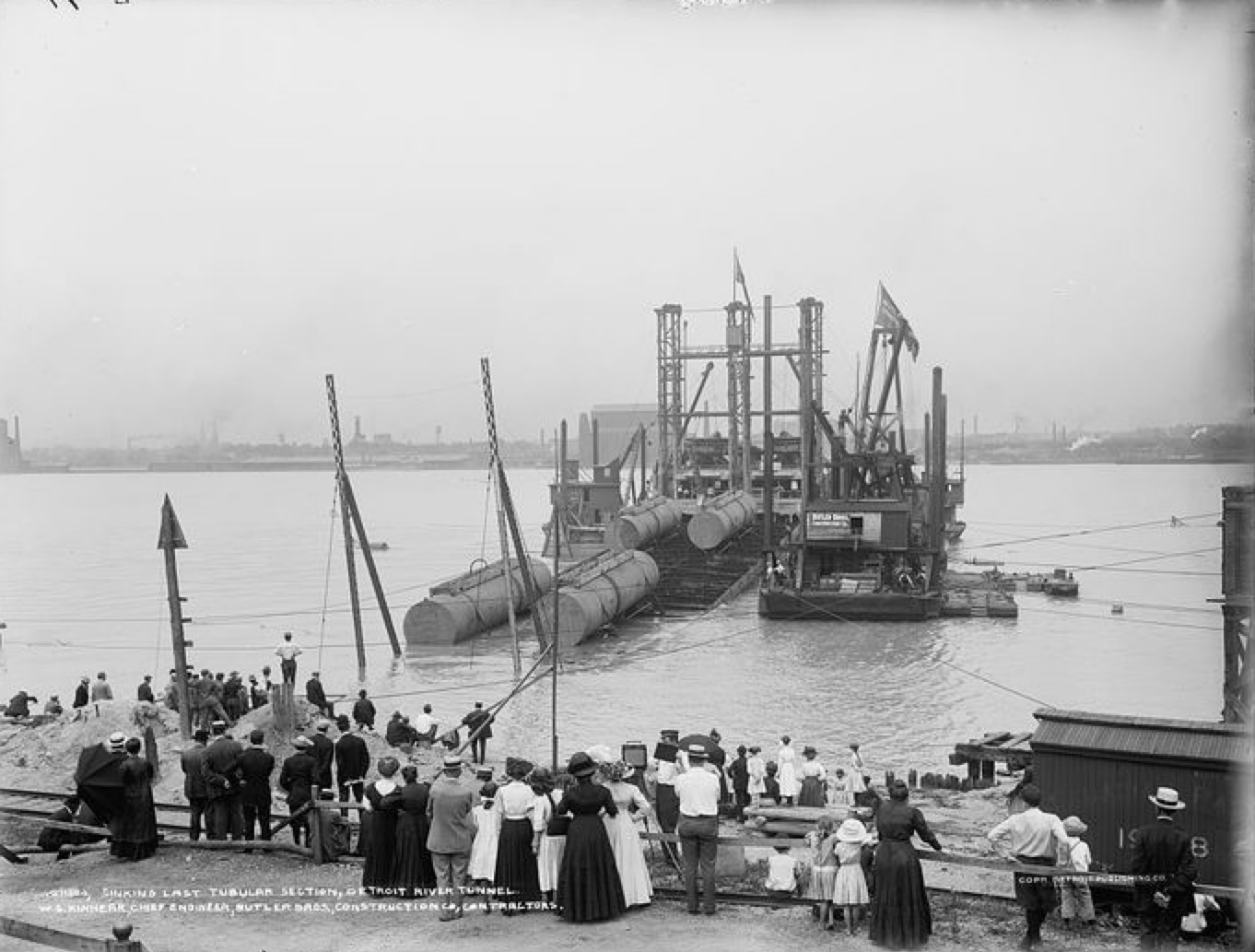
Ferrying railroad cars across the Detroit River was time-consuming and expensive — and sometimes impossible through winter ice. The Michigan Central Railroad opened a tunnel between Detroit and Windsor in 1910. The tunnel’s sections were built on land and then towed and sunk into position. This innovative construction technique saved the railroad some $2 million versus more conventional methods.
The Diesel Shop shared the photo above and continues the explanation:
The tunnel was constructed utilizing the immersed tube method in which tunnel sections are prefabricated and then sunk to the bottom of the river. Immersed tube construction is generally faster and cheaper than the alternative of boring a tunnel into the earth. The Michigan Central Railway Tunnel was the first immersed tube tunnel to carry traffic. The tunnel, built at a cost of $8,500,000, is 1 3/8 miles in length from portal to portal.
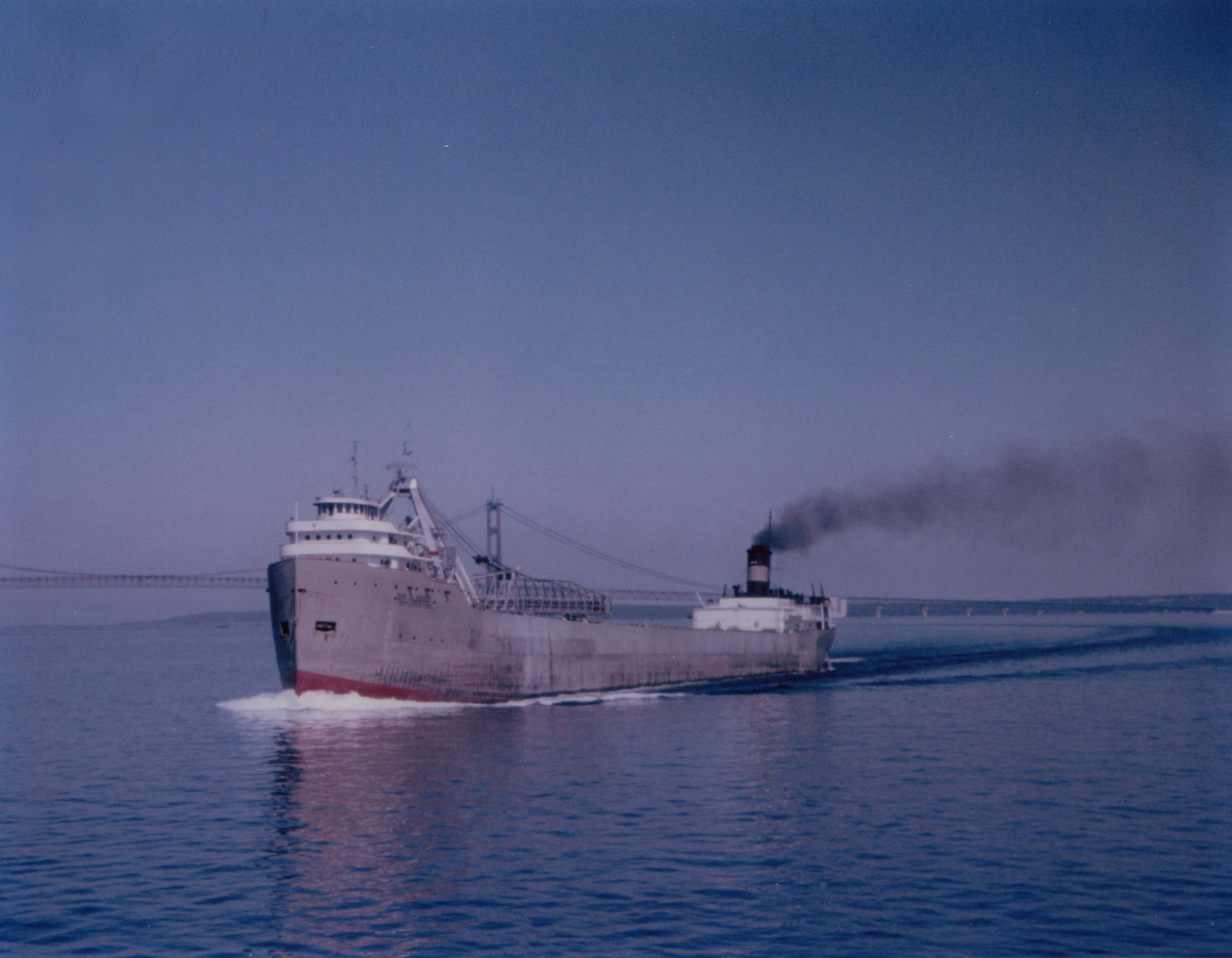
When I posted about the wreck of the Edmund Fitzgerald a couple weeks ago, a reader asked why I don’t share the other famous shipwrecks. I explained that although posts about the Fitz tend to be more shared, my vote for the most grievous loss on the Great Lakes has always been the S.S. Carl D Bradley, a 639-foot freighter that sank almost 70 years ago November 18, 1957. Here’s an article by Valerie van Heest (Seeking Michigan / the Archives of Michigan) that was featured on my Absolute Michigan website back in the day.
“A Deafening Thud”
Abandon ship! Abandon ship! The whistle squawked seven short blasts, then one long blast. It was a signal twenty-six year old deck watchman Frank Mays knew well, but never expected to hear. Just minutes earlier, he had been having a smoke with Gary Price in the dunnage room, deep in the bow, when they heard a deafening thud. “We hightailed it out of there to find out what had happened,” Mays recalls. “When I reached the upper deck, I looked aft and saw the stern flapping up and down like a dog’s tail.” The Carl D. Bradley‘s back had broken, and it would be only a matter of minutes before water filled the tunnels and cargo holds of the 639-foot vessel. It was 5:30 p.m. on November 18, 1958.
Final Voyage
The Bradley had departed Gary, Indiana the day prior, running in ballast in building southwest seas along Lake Michigan’s western shore. On the season’s final voyage, the veteran boat was scheduled to head to Manitowoc, Wisconsin for repairs during its winter lay-up. The rusting cargo had been due for an $800,000 replacement for over a year, but its owner, Bradley Transportation Company, a subsidiary of U.S. Steel, pushed the work back until the end of the season. A radio call from headquarters ordering an additional stone delivery before lay-up proved to be the demise of the Bradley. Despite reports of gale-force winds and thirty-foot seas that compelled other freighter captains to take shelter along Wisconsin’s shore, Captain Roland Bryan, known as a “heavy weather man,” headed northeast across the lake from the Door County peninsula toward the Straits of Mackinac and back to Rogers City. At 5:35 p.m., the Bradley sank twelve miles southwest of Gull Island.
“The Worst Night of His Life”
Even today, survivor Mays recalls that horrific night with clarity. Hunkered down on the life raft just aft of the pilothouse, he trembled realizing the sinking beneath him. His eyes were drawn aft toward the flying sparks as the huge steel deck plates began to tear apart. In the growing darkness and mayhem, he could make out second mate John Fogelsonger running toward the stern and leaping over the break. Before his eyes, his friend disappeared as the Bradley ripped apart. The next thing Mays recalls was being pitched into the air, landing in the icy, angry water and then struggling onto the raft where he fought to hold on through the worst night of his life.
“A Painful Memory”
By morning, only Mays and first mate Elmer Fleming were alive. After fifteen bone-numbing hours in the icy waters, the U.S. Coast Guard cutter Sundew rescued them. All thirty-three of their mates, including Gary Strelecki and Dennis Meredith, who shared the raft for most of the night, as well as two of Frank’s own cousins, perished. These men left behind twenty-five widows and fifty-four fatherless children. Considering twenty-three of the crew hailed from Rogers City, the home port of the Bradley, the loss personally affected nearly everyone in the small community. Fifty years later, the sinking is still a painful memory.
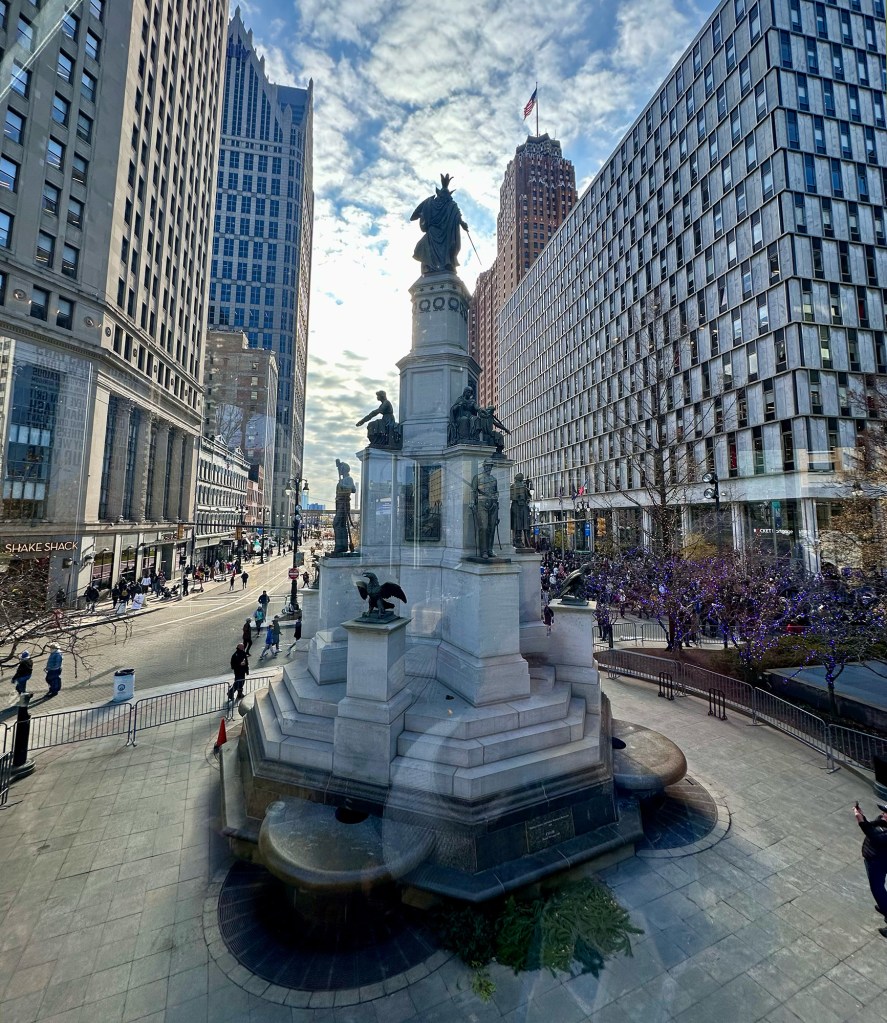
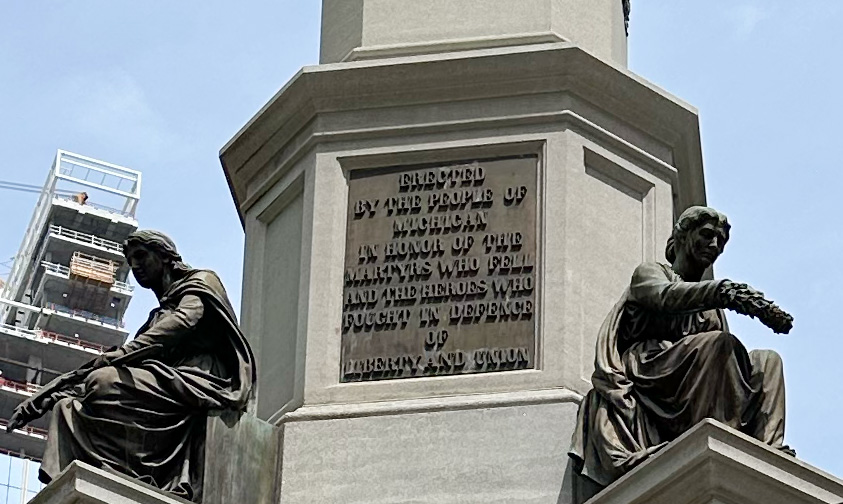
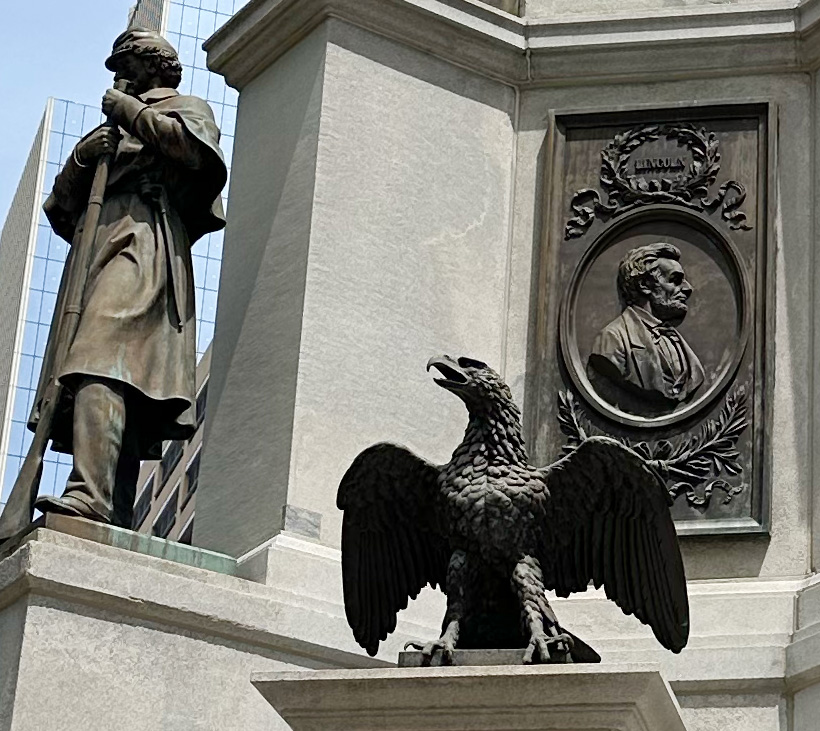
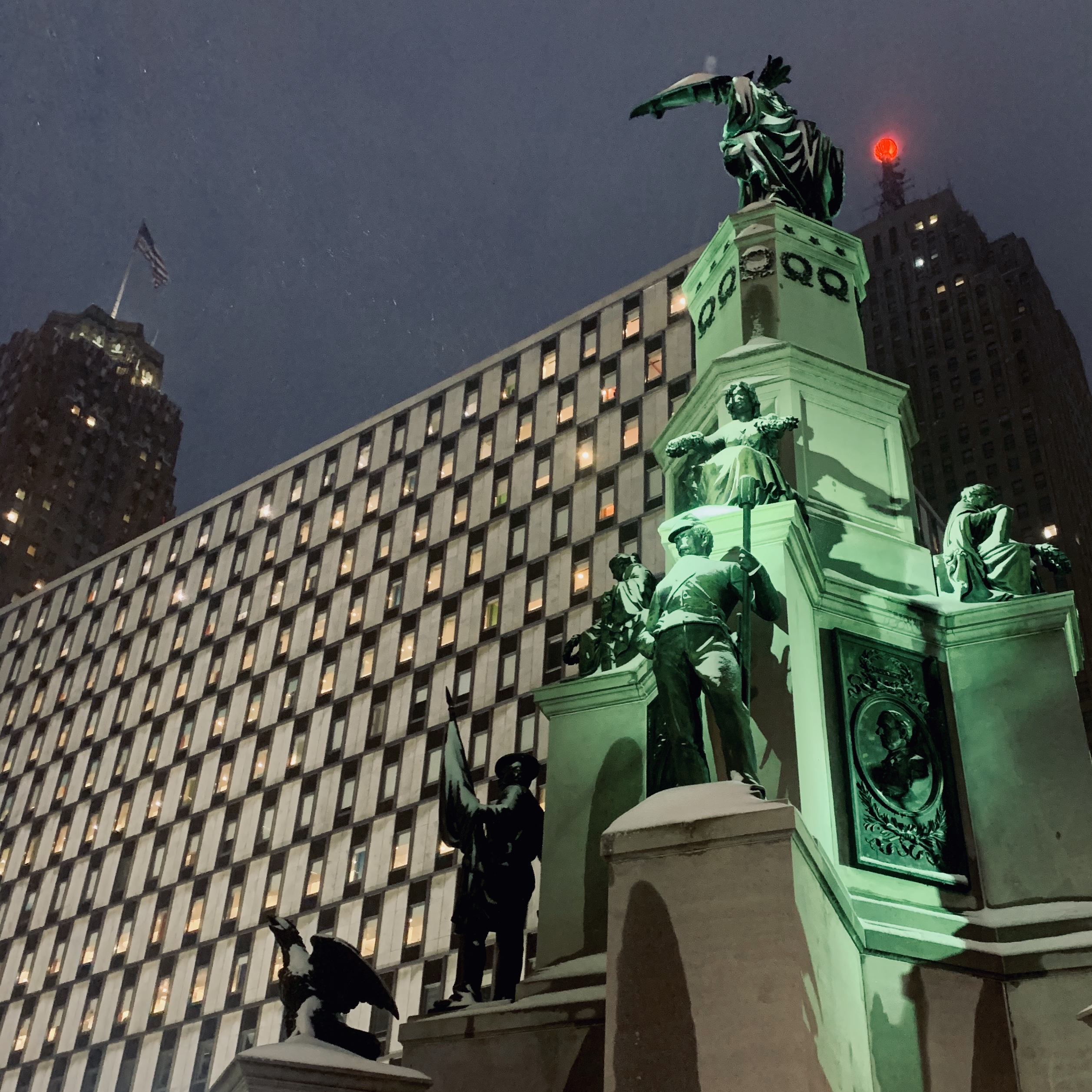
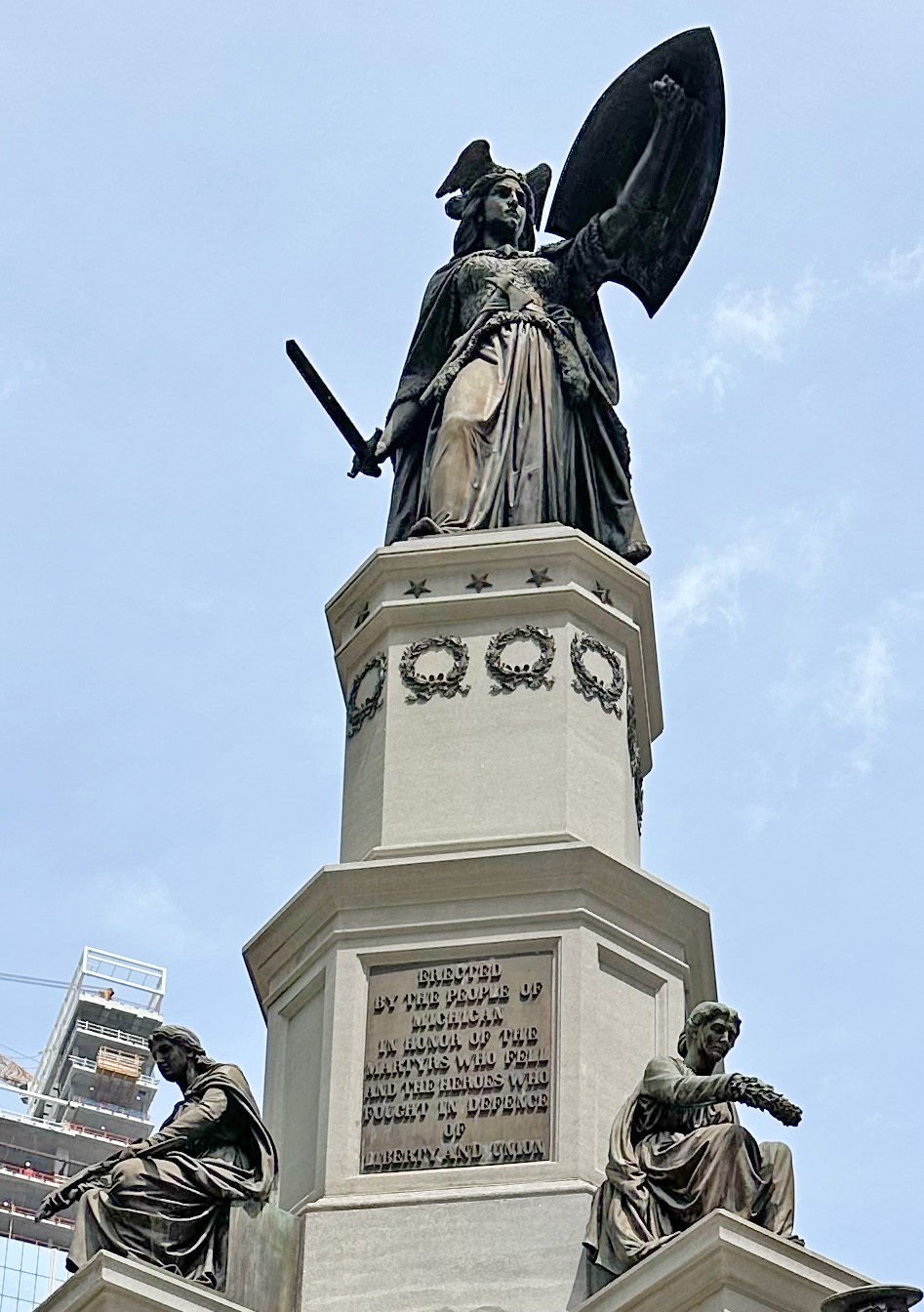
Historic Detroit shares that although there is probably no other area of Detroit has changed more often and more drastically over the years than the city center, Campus Martius, the Soldiers and Sailors Monument has endured:
Over the years, Old City Hall, the Majestic Building, the Pontchartrain Hotel, the Family Theatre, the Hammond Building and the old Detroit Opera House have all come and gone.
Only one landmark has outlived them all.
The Soldiers and Sailors Monument is among Detroit’s oldest pieces of public art and was one of the first monuments to honor Civil War veterans in the United States. It was announced by Gov. Austin Blair in 1865 that money would be collected to erect a tribute to Michigan’s soldiers killed in battle. Detroit, being the largest city, won the right to the monument.
…The bronze and granite sculpture was formally unveiled on April 9, 1872, though some of its statues were not added until July 18, 1881. Among the military commanders of Civil War fame attending the ceremony were Gens. George Armstrong Custer, Ambrose Burnside, Philip Sheridan, Thomas J. Wood and John Cook. The estimates were that 25,000 visitors turned out for the event, and each of the state’s main cities was represented by a marching delegation. Detroit’s hotels could not accommodate the crowd and some people had to sleep on the floors of the halls and parlors of taverns.
The Classical Revival monument stands more than 60 feet tall and cost more than $75,000 ($1.3 million today) to build. It was sculpted by Randolph Rogers, who grew up in Ann Arbor and studied at the Academy of St. Mark in Florence, Italy, under Lorenzo Bartolini. Rogers won the commission after a public competition in 1867. He also is known for the bronze doors for the U.S. Capitol’s main entrance and created monuments like the Sailors and Soldiers in other cities.
Read on for much more at Historic Detroit, and for sure thank a veteran today and every day for stepping up to serve.
Although most of the photos that appear on Michigan in Pictures are by other photographers, I took these photos. I don’t sell my photos, but you can for sure throw me a few bucks through Patreon if you enjoy Michigan in Pictures! The top photo is from second floor the new glass pub on Campus Martius looking south down Woodward and the detail shots are from just after they cleaned the monument before the 2024 NFL Draft.
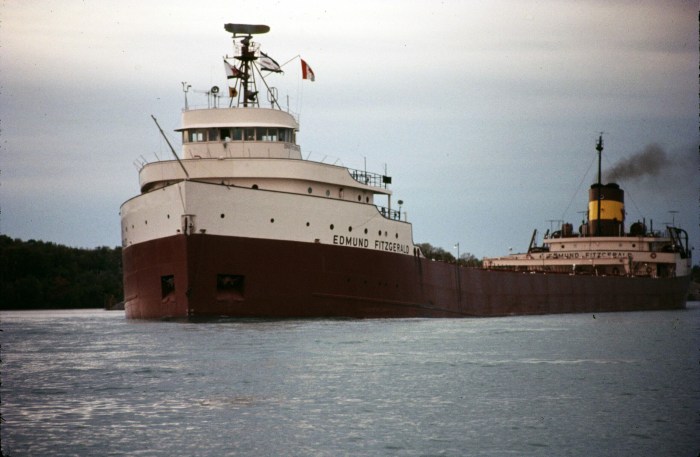
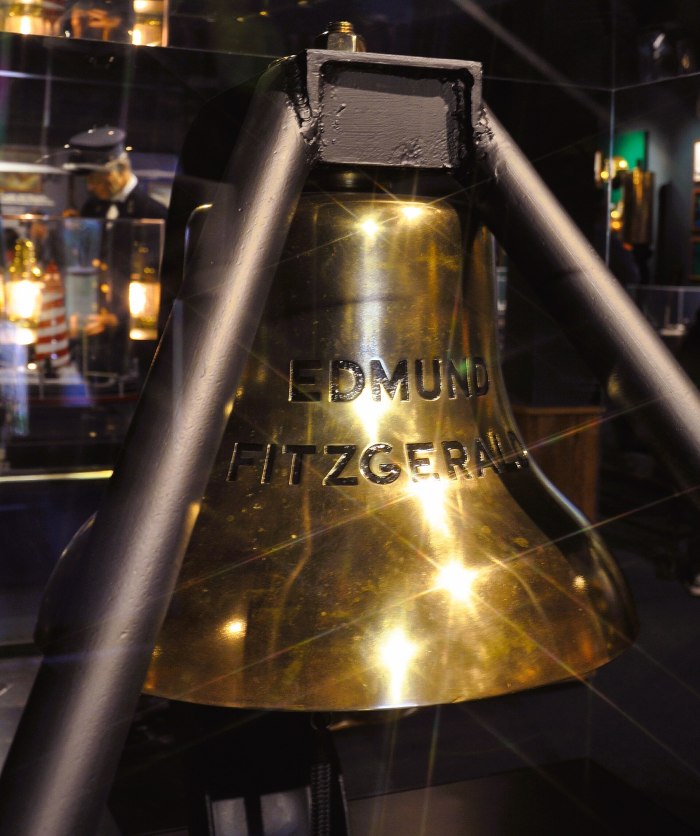
50 years on November 10, 1975, the mighty SS Edmund Fitzgerald was lost with all hands in a powerful storm on Lake Superior. At 729-feet long, it was the largest ship on the Lakes at the time and the largest vessel to ever sink in the Great Lakes.
While Gordon Lightfoot’s classic song The Wreck of Edmund Fitzgerald undoubtedly contributed to the legend of the Fitz, the documentary Backstory: The Edmund Fitzgerald from Click on Detroit/Local 4 on the sinking of the Edmund Fitzgerald explores the myriad ways the ship in woven into Michigan’s culture & consciousness. I really encourage you to make some time to watch this excellent documentary. In addition to exploring the mystery of the wreck and the impact of Lightfoot’s iconic song, it features anecdotes like the fact many of the furnishings were from Hudson’s and a truly beautiful recounting of the stories of the sailors lost. Seriously excellent work!
“And the iron boats go as the mariners all know, with the gales of November remembered” – Gordon Lightfoot
Every Michigander knows that the winds of November are to be respected and even feared on the Great Lakes. The State of Michigan says that an estimated 6,000 vessels were lost on the Great Lakes with about a quarter of these canoes, sailing ships, ferries, steamers, and modern ore boats like the mighty SS Edmnd Fitzgerald still remain on Michigan’s 38,000 square miles of the Great Lakes bottomlands.
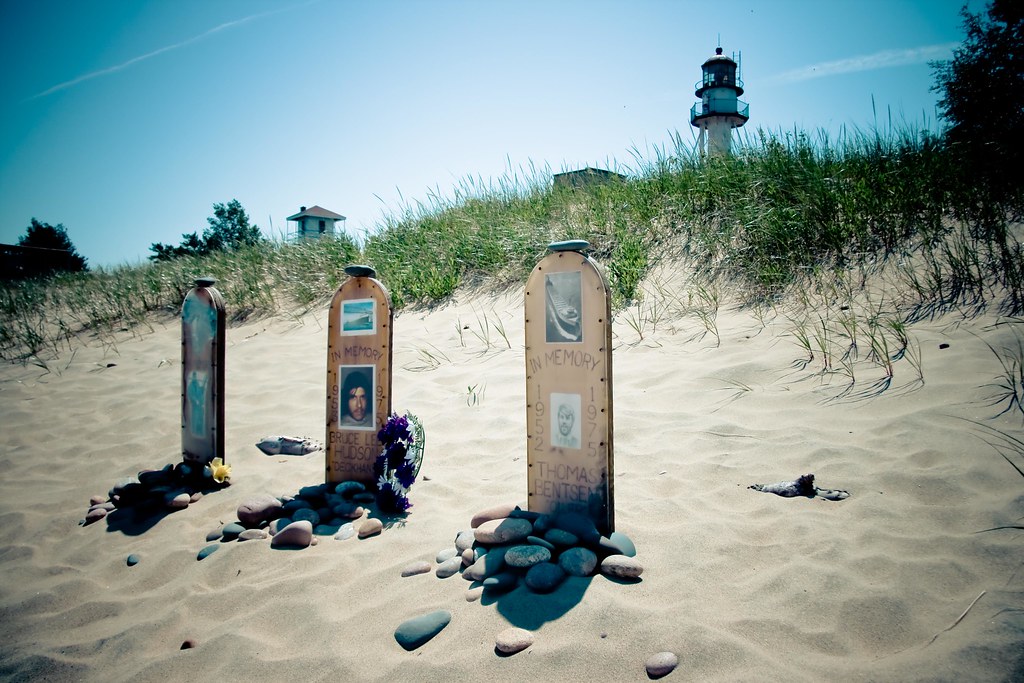
Yolanda took this photo a memorial at Whitefish Point Lighthouse to few of those lost aboard the S. S. Edmund Fitzgerald. More in her excellent Somewhere in Michigan gallery.
10 years ago today, I shared this story from Legends of Le Détroit by Marie Caroline Watson Hamlin with illustrations by Miss Isabella Stewart. If I were you, I would click over to the book right now on the Internet Archive and read it there!
In the spring of 1712, the English sent a war party of Fox & Macoutin to try and take Fort Pontchartrain in Detroit from the French. Over 1000 were massacred by tribes loyal to the French near Windmill Point at the mouth of the Detroit River on Lake St. Clair, effectively destroying the Fox nation. We join the story…
Years after the dreadful massacre which converted the beautiful spot called Presque Isle into the grave of the Fox nation, a stone mill was built there by a French settler, who came to reside with his sister Josette, undaunted by the ourrent traditions which peopled it with the spirits of the departed warriors. Jean was a quiet, morose man, different from the laughing, careless, pleasure-loving Canadian, — for rare were his visits, to the fort, and it was noticed that he never lingered over his cidre, nor spoke to the smiling, piquante daughters of the habitants.
…Josette was much older than her brother, and by dint of thrift and economy had saved enough to become a half owner in the mill. … Naught disturbed the monotony of their lives ; each day was but a repetition. The river flowed calmly on, the birds sang their songs – for nature has no moods, they belong to man alone.
At last Josette fell sick. Jean attended her as carefully as he could, and like a prudent man, would frequently ask her to whom she would leave her interest in the mill. Irritable from suffering, she became annoyed at his importunities, accused him of taking care of her for the sake of obtaining her money, and told him ‘she would leave it to the devil.” Jean tried in his clumsy fashion, to soothe her. He sent for some of his kindred to reason with her, but they only infuriated her the more, and she solemnly declared that not one of them should have her share in the mill, but “she would sooner leave it to the devil.”
Josette recovered, however, and with that perversity born of stubbornness, would not relent. A few months afterwards she was found dead in her bed, having died suddenly. That same night, whilst the candles threw their dim shadowy light in the room of the dead, a furious storm arose, lashing the waves against the shore, the winds howling fiercely around the point, the black clouds chasing each other across the lowering skies, as lurid gleams of lightning and deafening reverberations of thunder, made all the habitants shudder while they crossed themselves and told their beads. All at once there came so tremendous a shock that it seemed to swallow the island. The old stone mill was rent in twain. A pungent smell of sulphur filled the air, and a fiendish, laugh was heard loud above the raging storm from the shattered ruins. The arch fiend had come to claim his share.
For years afterwards when a northeast storm blew from the lake, making night hideous by its echoing peals of thunder, it was said that a hairy figure, with a horned head and forked tail tipped with fire, his mouth and eyes darting forth ruddy flame, could be seen in the mill, trying to put together the ruined machinery to grind the devil’s grist. And the lonely wayfarer to Grosse Pointe would see the marshes around Presque Isle all illuminated by flames, called by the hab- itants feu-follet (Will-o’-the-Wisp), which would try to inveigle the unhappy traveler and bring him to help grind the devil’s grist.
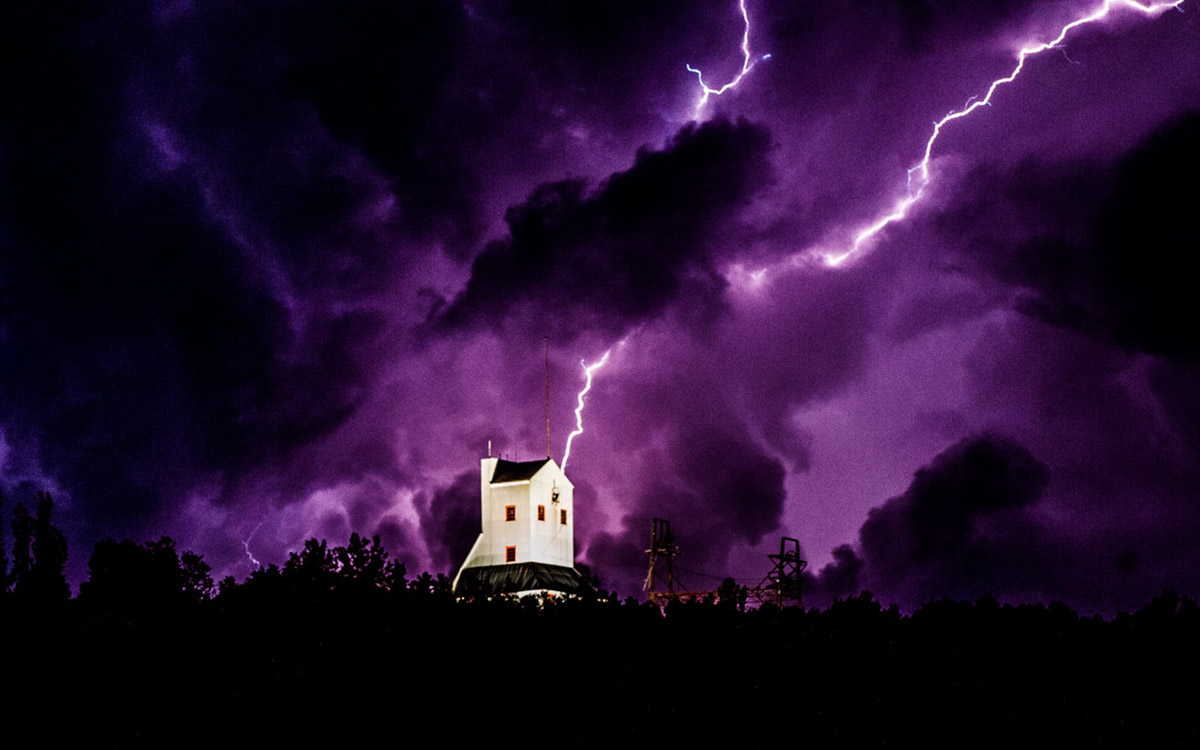
Christopher took this photo of the Quincy Mine way up in Houghton being struck by lightning way back in 2014. Felt perfect to me! See more in his awesome Keweenaw Lightning gallery on Flickr.
If you are interested in learning more about Quincy Mine, Michigan in Pictures has you covered!
When I was looking through the many haunted tales on Michigan in Pictures the other day, I realized that one of the many things I enjoy about Halloween is how it draws you into history since so many of our spooky tales are rooted in the long ago. A number that I’ve shared are from our friends at Mysterious Michigan including the brief tale of Crying Mary of Oak Hill Cemetery:
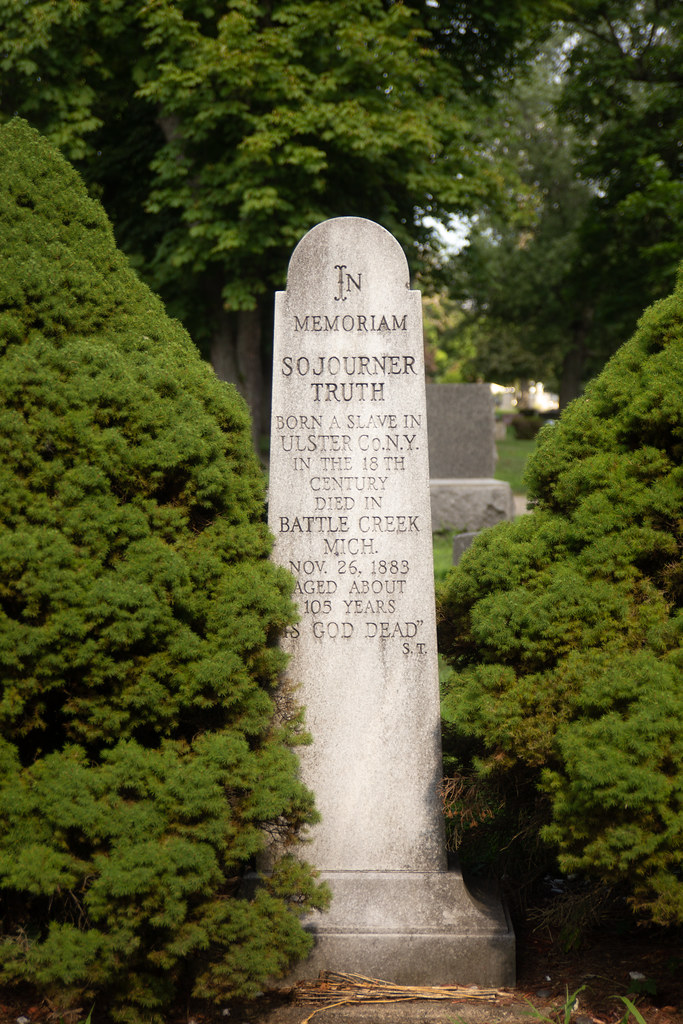
Established in 1844 and over 160 years old, Oak Hill Cemetery in Battle Creek, Michigan has a lot of history. It’s the final resting place of famous people such as Sojourner Truth, C.W. Post, W.K. Kellogg, his brother John Harvey Kellogg, Bill Knapp, Ellen & James White, founders of the Seventh Day Adventist Church and others. Among the many famous people slumbering within the grounds of Oak Hill, another famous person exists above ground. While Crying Mary may not be a living, breathing person, she does happen to be a beautiful statue of a Greek goddess at the grave site of Johannes Decker and is well known by the residents of Battle Creek.
The legend of Crying Mary says that at the stroke of midnight every Sunday, the statue cries. People have claimed to have seen and felt her tears. Some say she only cries at night and never during the day.
Crying Mary of Oak Hill Cemetery
The photo makes it appear to be a natural effect of water on the greening bronze, but whatever the cause, I doubt she’s crying about the view – what a gorgeous little cemetery.
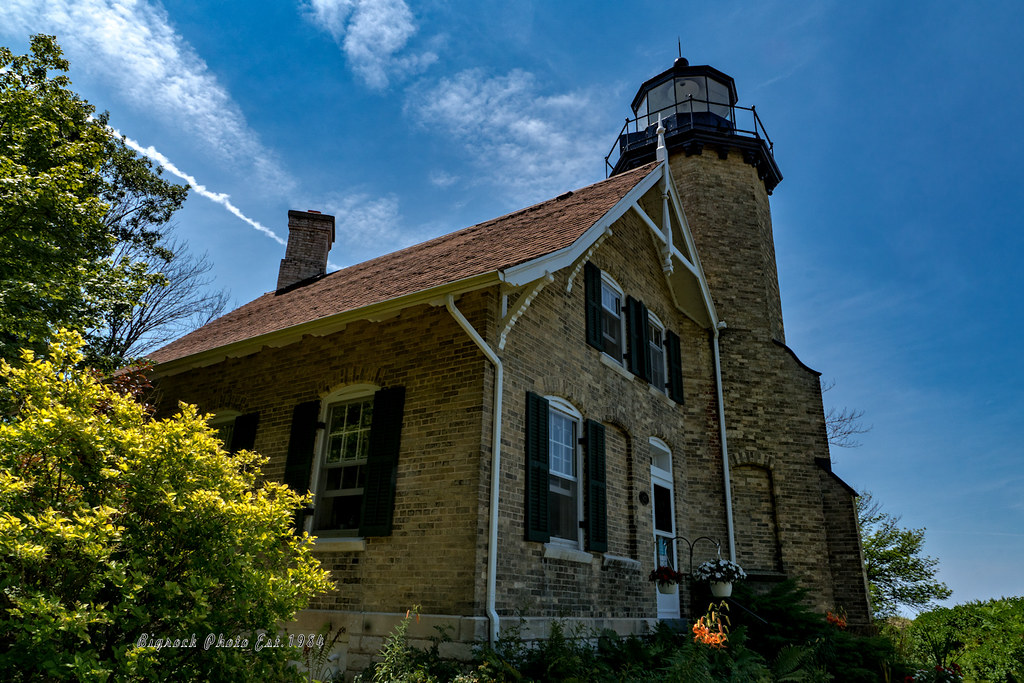
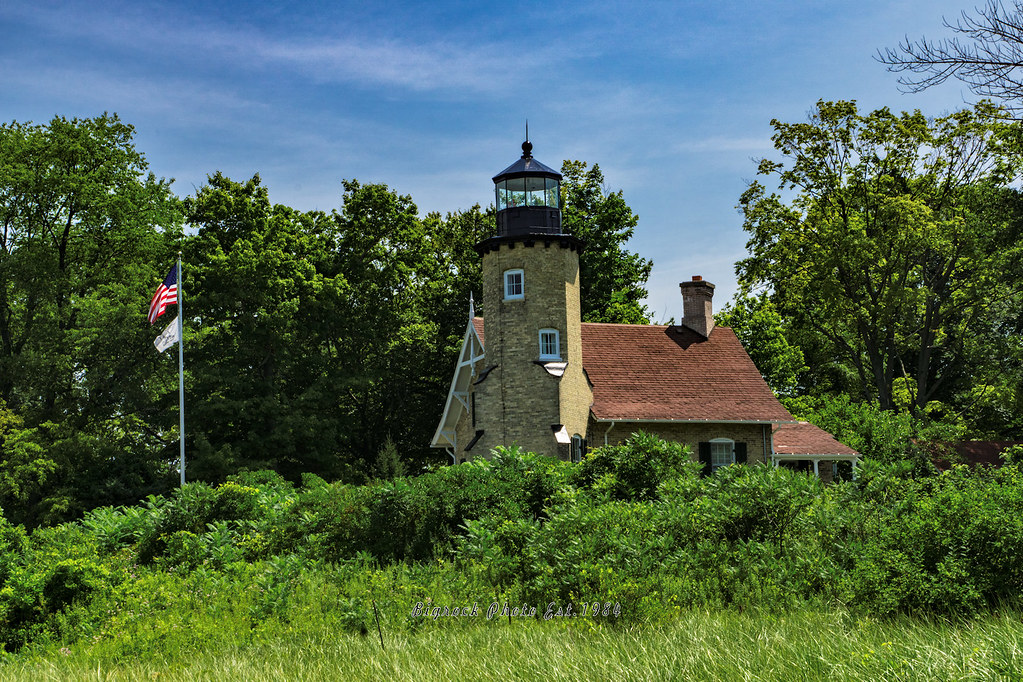
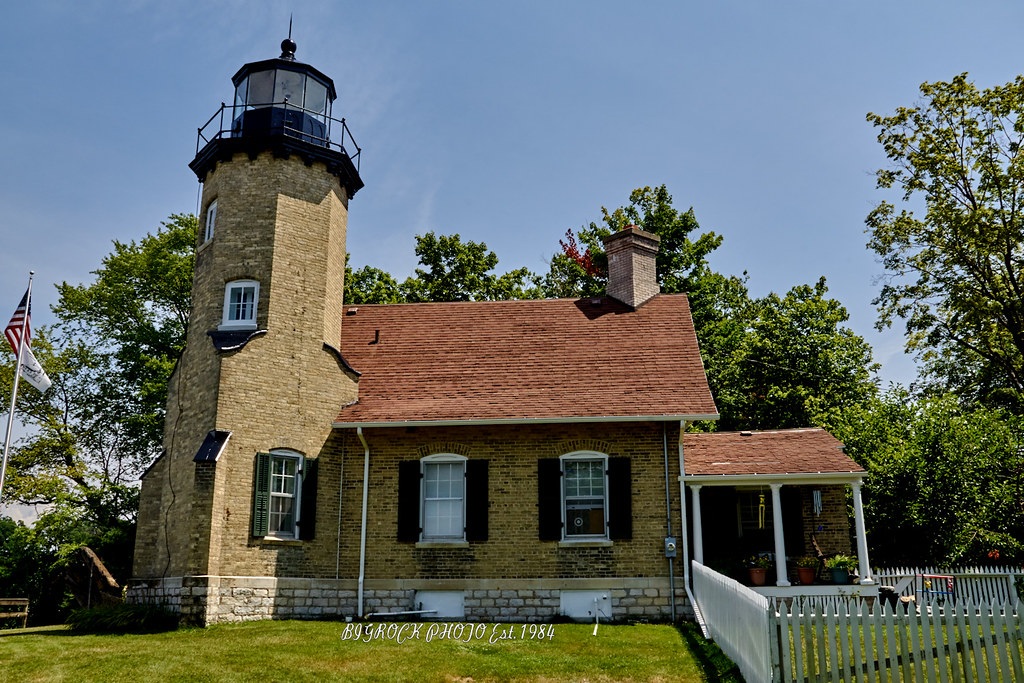
White River Light in Whitehall was built in 1875. It is now home of a maritime museum, but as this 2012 article from Michigan History Magazine that I shared years ago relates, the light station seems to have a keeper who never retired:
When Karen McDonnell is alone she sometimes hears footsteps on the stairway of the former White River Light. But she isn’t afraid. She says, “I like the comfort it gives me. It’s like a watchman, just making sure everything is okay before it’s too late at night.”
McDonnell is the curator of an old lighthouse that has been turned into a museum. She takes care of the light and gives tours to visitors. Sometimes early in the morning or late at night she hears what sounds like somebody climbing the stairs and walking around on the upper level. She wonders if it might be the spirit of the light’s first keeper.
When the White River Light opened in the mid-1870s, William Robinson and his wife Sarah moved in. Over the years, the English couple raised their family at Whitehall. Sarah died at a young age, but William remained the lightkeeper for 47 years. When the government forced the 87-year-old keeper to retire in 1915, William’s grandson became the next lightkeeper at White River. William helped his grandson run the light, but the rules said that only the lightkeeper and his “immediate” family could live at the lighthouse. William would have to leave. But he refused, telling his grandson, “I am not going to leave this building.” He was right. The day before he had to move out, he died. His grandson buried him in a small nearby cemetery.
Besides Karen, others have heard the unexplained sounds when visiting White River. Karen once asked friends to care for the light while she was gone. She did not mention the unexplained visits. When she returned, her friends asked, “Do you have some kind of ghost walking around upstairs?” They described the same sounds Karen often heard. Although Karen has “never felt fear” when she hears the footsteps, she has never gone up stairs when she hears it. As she explains, “I feel it is a ritual and that I shouldn’t disturb it.”
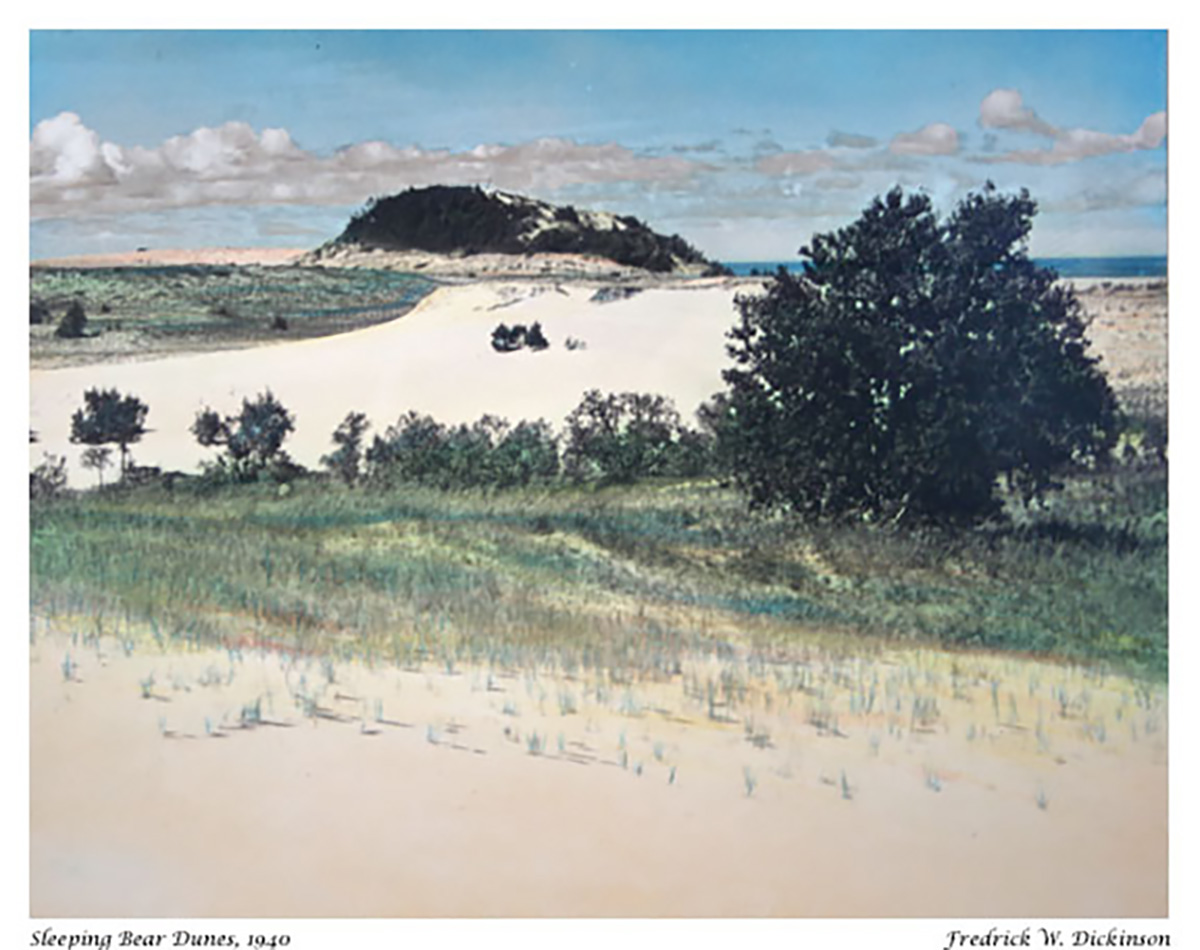
Today is the 55th birthday of the Sleeping Bear Dunes National Lakeshore. Normally, I would lead with a photo of the Dunes, but the creation of the National Lakeshore on October 21, 1970 preserved a whole lot more!!
Here is the tale of the tape on Michigan’s magnificent national lakeshore as of August 1, 2024!
Annual Visits – 1,589,248
Employees – 46 permanent, 83 seasonal
Volunteer Hours – 58,389 from 1,659 volunteers
Natural and Cultural Resources
Area – 71,318 acres
Lake Michigan Shoreline – 65 miles (35 miles on the mainland)
Inland Lakes – 26
Miles of rivers and streams – 12
Terrestrial plant species – 908
Bird species – 246
Federally threatened or endangered species – 6
Historic structures on List of Classified Structures – 369
Sites on National Register of Historic Places – 8
Cultural Landscapes – 9 (4,500 acres)
Prehistoric archeological sites – 150
Historic boats – 21
Lighthouse – 1
Historic artifacts – 70,158
Archived documents – 21,325
Infrastructure
Buildings – 370
Employee housing units – 38
Campgrounds – 9 (357 sites)
Picnic Areas – 5
Visitor Centers – 3
Outdoor ampitheaters – 2
Miles of roads – 23
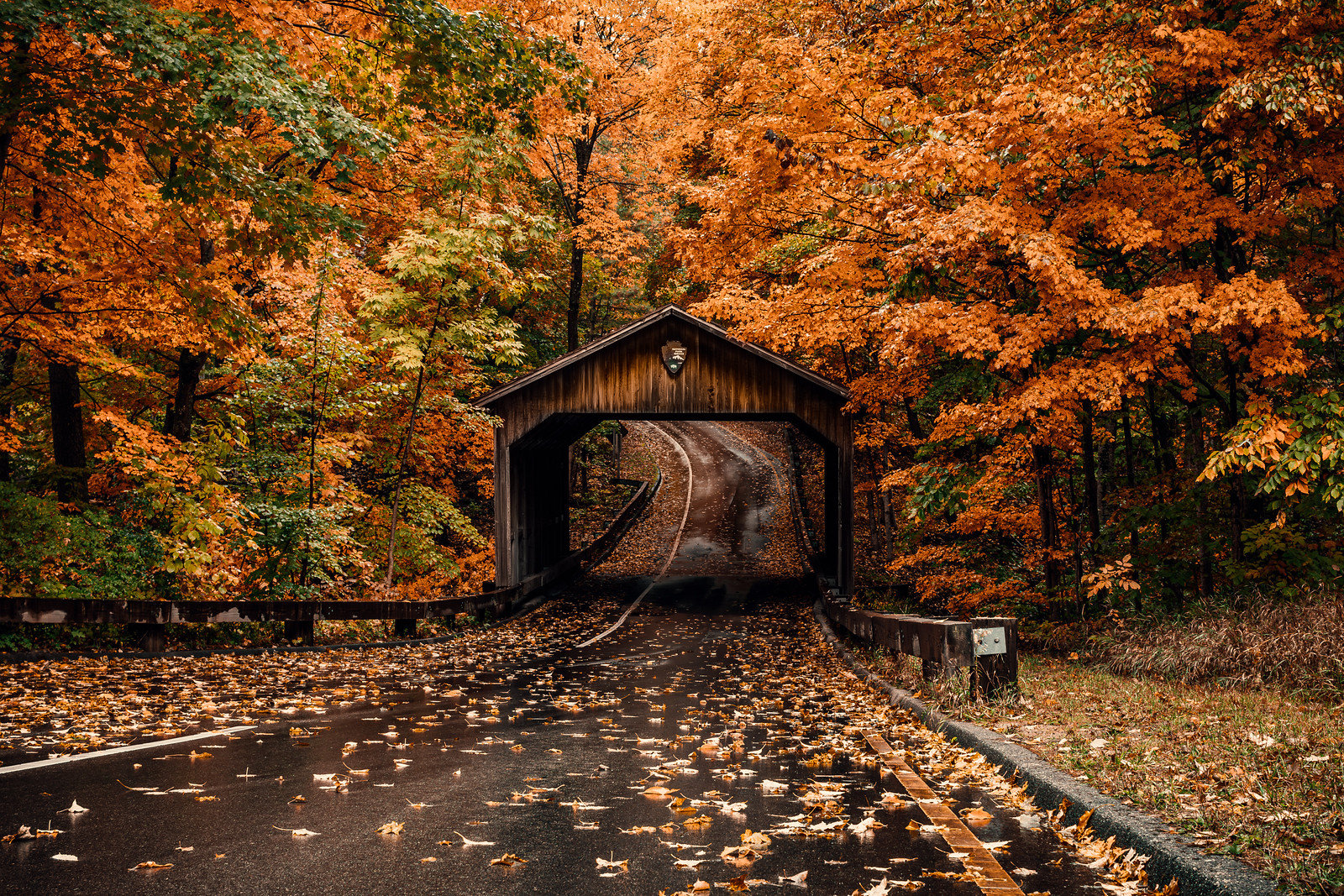
Covered bridge – 1 (Pierce Stocking Drive)
Miles of trails – 105
Lake access ramps – 9
Signs and wayside exhibits – 3572
Major photovoltaic power systems – 3
Motor vehicles in fleet – 54
Large boats – 8
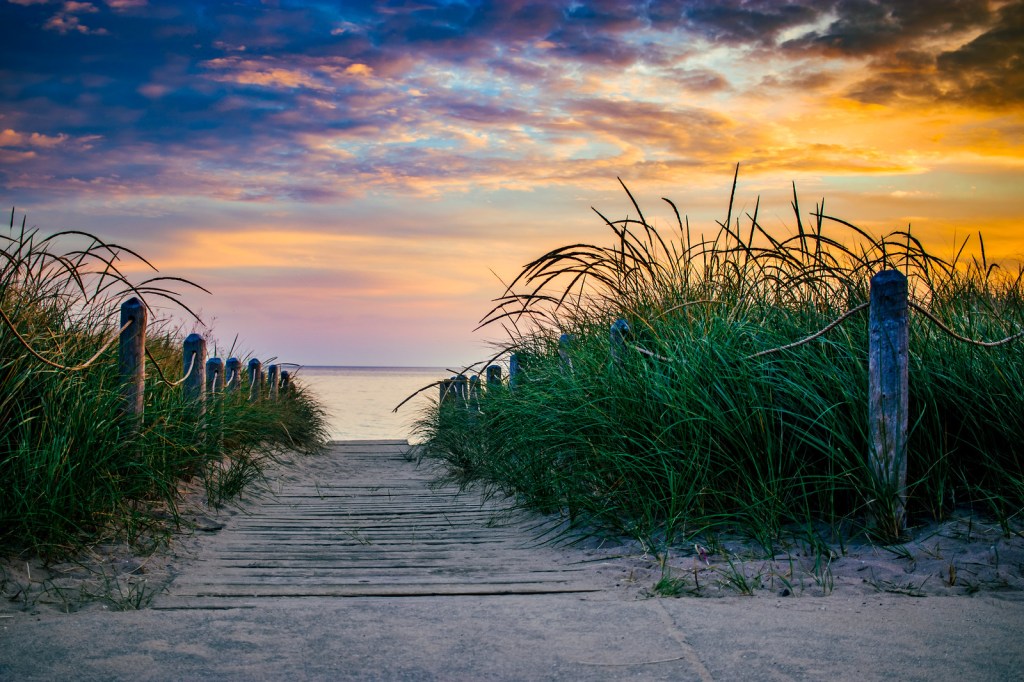
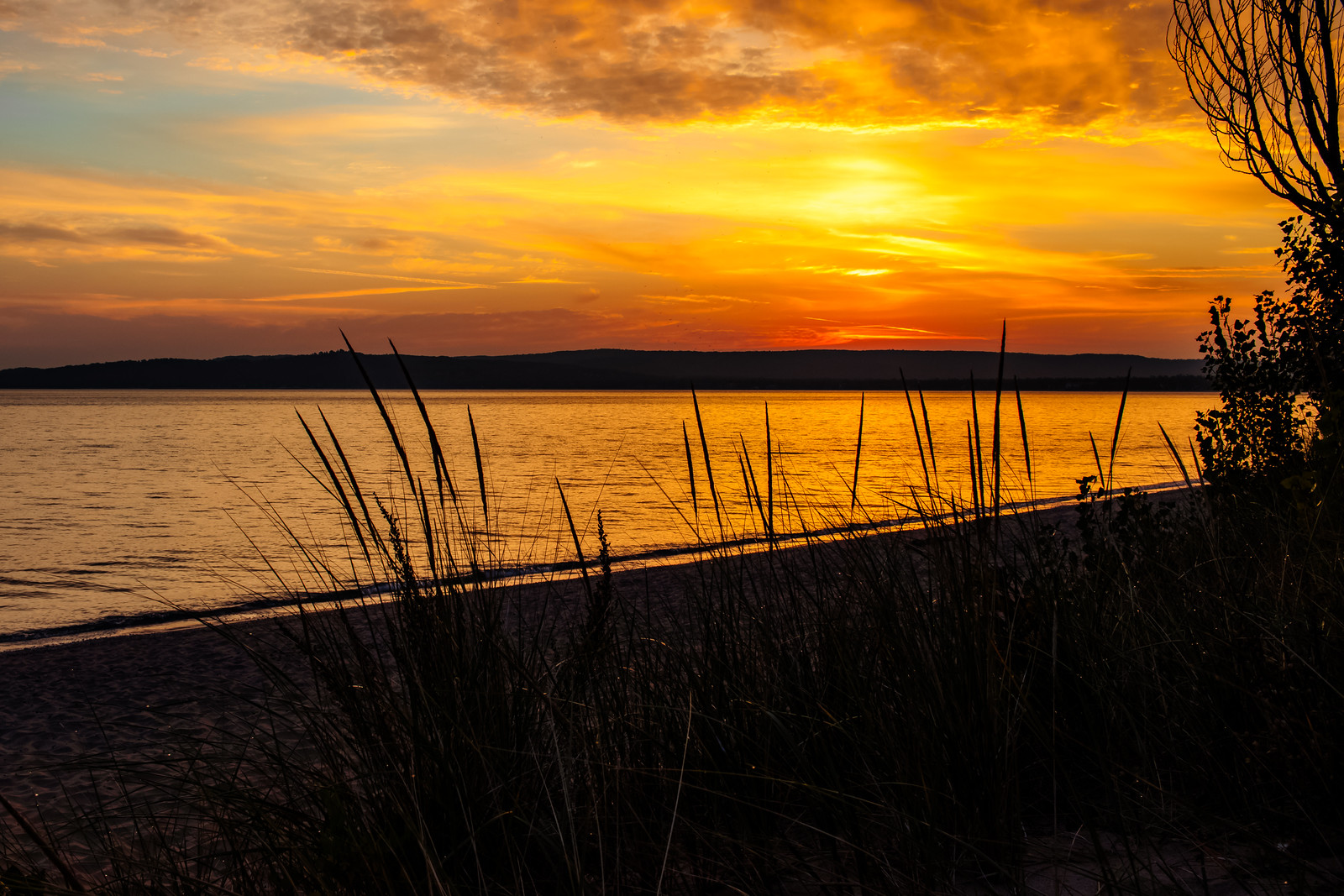
James took these in the Sleeping Bear Dunes National Lakeshore back in fall of 2023. See lots more great shots in his Top 100 gallery on Flickr!


#/media/File:Edmund_Fitzgerald,_1971,_4_of_4.JPG)


 Michigan in Pictures
#/media/File:Fall_777.jpg)