The Age of Wooden Boats at Presque Isle Harbor

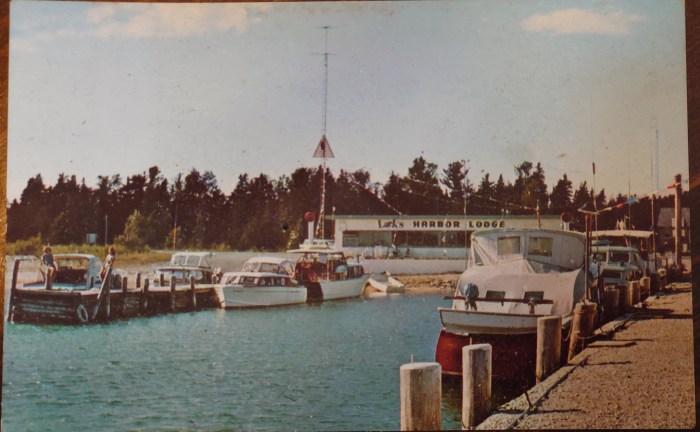
Presque Isle Harbor by John Hart

Presque Isle Harbor by John Hart

There’s some names that you see again & again in Michigan. One of these is “Presque Isle”. It means “almost island” in French so you can see why Michigan’s peninsula right coastline brought that to the minds of early French traders.

The US 23 Heritage Route shares that Presque Isle Harbor offers the only natural harbor on Lake Huron with a new marina offering water, restrooms, showers, diesel, electricity, pump-out, gasoline, launch, fishing pier, dog run, grills, and the Portage Restaurant. The Old Presque Isle Lighthouse is a short walk up the path.

Check out the US-23 Heritage Route for more great summer touring options along this northeast Michigan highway!

John shared this cool photo of Presque Isle Harbor during the age of wooden boats. Check out his mix of old & new pics on his Flickr.

Support Michigan in Pictures with Patreon

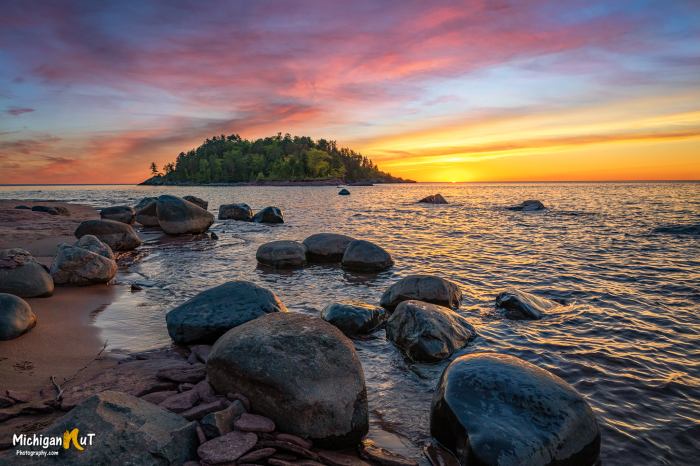
Daybreak at Little Presque Isle

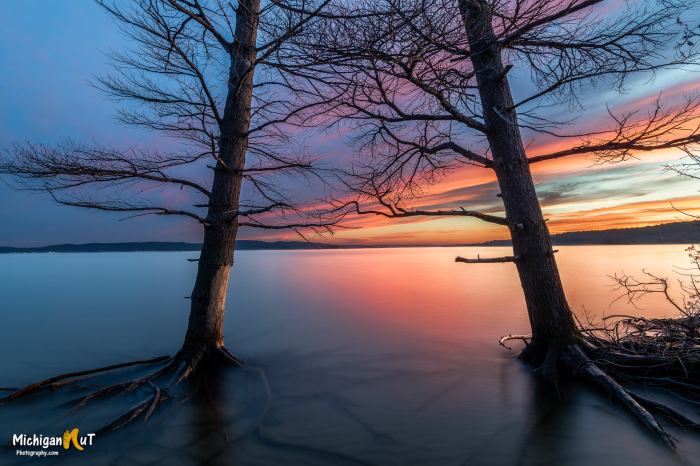
Daybreak at Presque Isle by Michigan Nut Photography

Daybreak at Little Presque Isle by Michigan Nut Photography

The Michigan Department of Natural resources says that the Little Presque Isle tract is often called the crown jewel of Lake Superior, with its beautiful sand beaches, rugged shoreline cliffs, heavily timbered forests, and unmatched public views:

The rock comprising the area represents some of the oldest exposed formations of its kind. More than a mile of bedrock lakeshore and cliffs adorns Little Presque Isle, including sandstone cliffs that reach nearly 60 feet high toward the base of Sugar Loaf Mountain. One kind of bedrock, granitic, that occurs here is the least common bedrock type along the Great Lakes shoreline, with less than eight miles occurring in total. This is one of three areas where the public can see these 2.3 billion year old formations in Michigan.

The proposed wilderness area is a local landmark, which has significant historical value. The island was reportedly connected to the mainland sometime prior to the 1930s and was a landing place for early explorers and native inhabitants.

John took this photo last week. See the latest at Michigan Nut Photography on Facebook. View & purchase more of his work at MichiganNutPhotography.com.

More Michigan islands on Michigan in Pictures!

Support Michigan in Pictures with Patreon

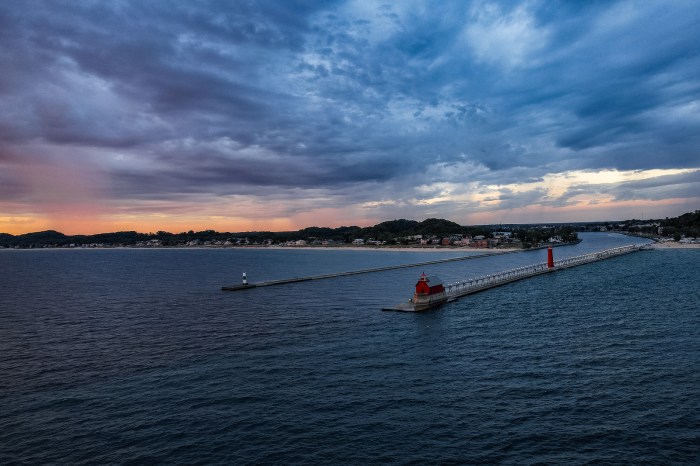
The Mouth of the Grand River

Mouth of the Grand River by Dan Gaken

Mouth of the Grand River by Dan Gaken

Cool shot of the Grand Haven Lighthouse at the mouth of the 252-mile long Grand River. See more shots from above in Dan’s Drone Photography gallery on Flickr.

Support Michigan in Pictures with Patreon

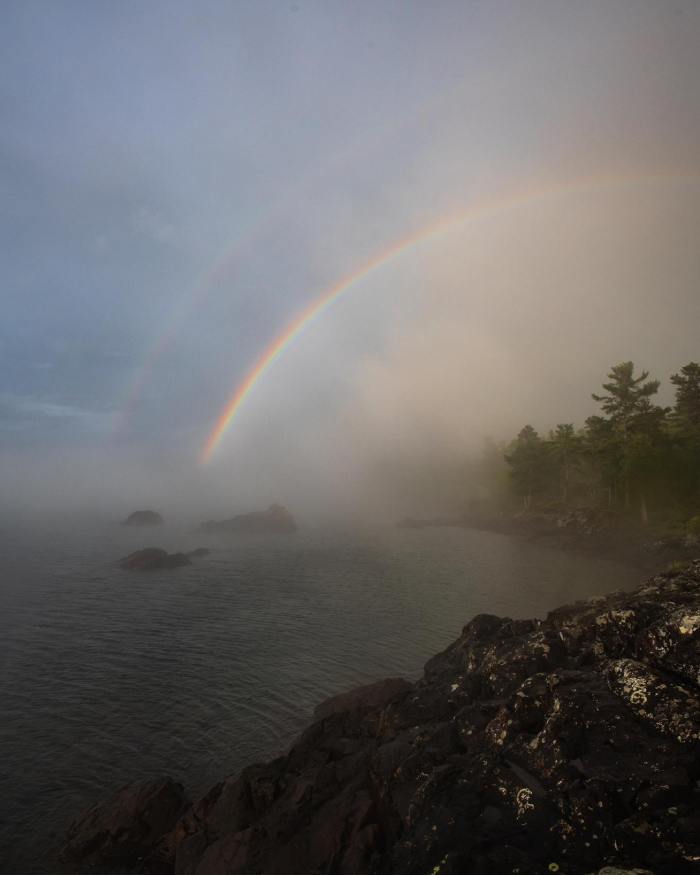
Fog Rainbows

Fog Rainbows by Noah Sorenson

Fog Rainbows by Noah Sorenson

Noah caught some awesome shots on a recent visit to the Keweenaw Peninsula. For sure follow him @noahsorensenphoto on Instagram!

Support Michigan in Pictures with Patreon

Stormin’ Norman

Stormin Normin by Jim Datema

Stormin Normin by Jim Datema

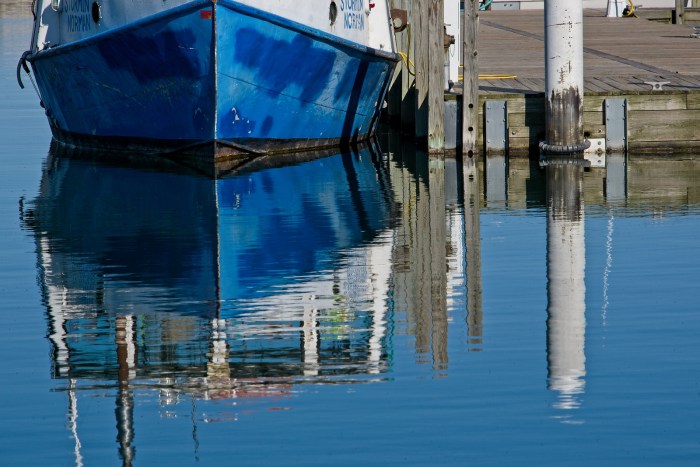
Cool shot of a tribal fishing boat in Leland harbor. See more on Jim’s Flickr!

Support Michigan in Pictures with Patreon

The Beacon

The Beacon by James Woolcock

The Beacon by James Woolcock

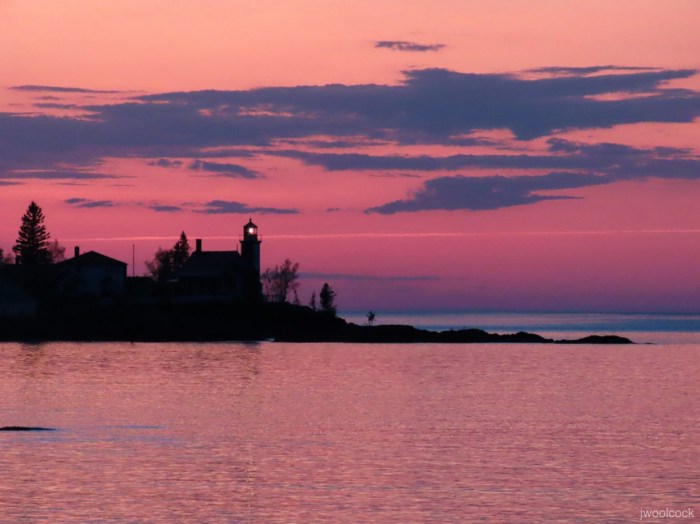
James caught an awesome sunset at the Eagle Harbor Lighthouse on the Keweenaw Peninsula. Head over to his Flickr for more!

You can read about Eagle Harbor Lighthouse & see another angle on Michigan in Pictures.

Support Michigan in Pictures with Patreon

Beautiful Grand Mere Dunes

Beautiful Grand Mere Dunes by Mark Swanson

Beautiful Grand Mere Dunes by Mark Swanson

Michigan Trail Maps says that Grand Mere State Park:

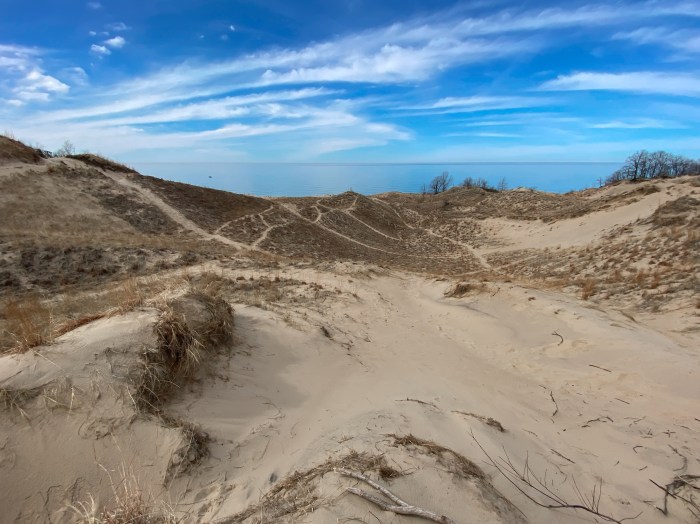
…is a 985-acre unit in Berrien County that lacks the amenities found in most other state parks along Lake Michigan, including a campground and even direct access to its mile of Lake Michigan shoreline. It attracts only a fraction of the visitors that flock to parks such as Warren Dunes or Hoffmaster. Yet from a naturalist’s point of view Grand Mere is one of the most inquiring set of dunes in the state, an area so ecologically diverse that it 1976 it was designated a National Natural Landmark by the U.S. Congress.

The glaciers that scooped out the Great Lakes 10,000 years ago also carved out a number of smaller depressions along the western edge of the state, which evolved into interdunal lakes, ponds, and wetlands. At one time, this area contained a chain of five such lakes that were protected ecologically by a line of windblown sand dunes between them and Lake Michigan. Now there are only three, a result of aquatic succession. Today Grand Mere is a textbook example of the various stages of succession from aquatic communities to terrestrial. Beginning at North Lake, you can see how each lake is progressively disappearing, with open water first turning into marsh and then woodland swamps and closed bog forests, the fate of the former two lakes that lie south of the park.

Almost 4 miles of trails form a loop through open dunes and the wooded areas of the park, but the only designated trail is a half-mile Nature Trail. The paved, handicapped accessible trail extends from the picnic shelter around South Lake, passing 10 interpretive posts that correspond to back of the park map. The rest of the trails are neither posted nor maintained. The most distinguishable trail extends almost a mile from a small parking area off Wishart Road to the west end of the Nature Trail.

Mark took this photo a couple months ago & you can see more in his Spring gallery on Flickr.

Support Michigan in Pictures with Patreon

South Fox Island Light Station

South Fox Island Light Station by Dusty Klifman / Blueyes Below

South Fox Island Light Station by Dusty Klifman / Blueyes Below

My company recently completed a new website for the Fox Island Lighthouse Association. Their website explains:

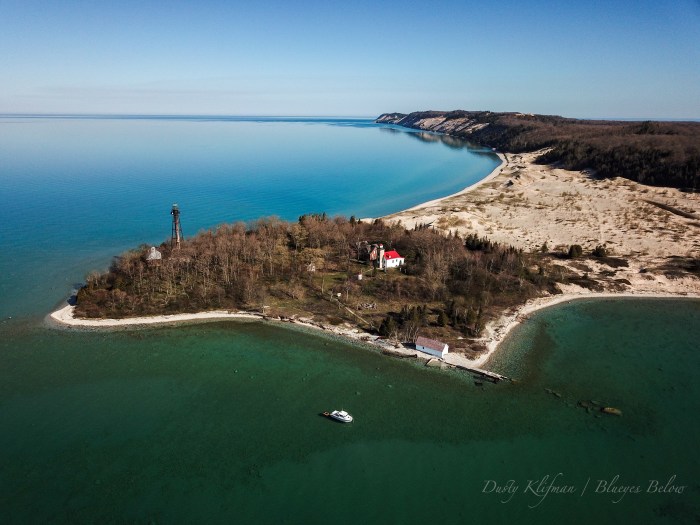
The South Fox Light Station is located 22 miles offshore in NW Lake Michigan, south of Beaver Island and north of the Manitous. The 115 acres of MI state-owned land has much to offer, with seven original structures still standing and acres of pristine dune and wildlife; it is one of the most unique stations on Lake Michigan. The original tower was lit in 1867; the fog signal and oil house were built in 1895. The Workshop and Boat House were built in 1897. In 1934, the 68’ steel skeletal tower was brought from Sapelo Island, GA and reassembled on the island (automated in 1958). The two-story Assistant Keepers Quarters was added in 1910. The station was decommissioned in 1969.

In 1971, the State of Michigan bought the station from the Department of the Interior with a promise to provide recreational opportunity and access to the public.

You can head over to their website for information & photos about the station, its structures, and how you can help them with their work.

Diver/photographer Dusty Klifman of Blueyes Below, provided some photos for the website & the cool drone footage. Check him out for lots more photos & videos of shipwrecks & other maritime subjects.

Support Michigan in Pictures with Patreon

Sunset over Munising Bay

Sunset over Munising Bay by Michigan Nut Photography

Sunset over Munising Bay by Michigan Nut Photography

The hits just keep coming from Michigan Nut!! See lots more from John on his Facebook page and view & purchase his work at michigannutphotography.com.

Support Michigan in Pictures with Patreon

STEVE: Strong Thermal Emission Velocity Enhancement

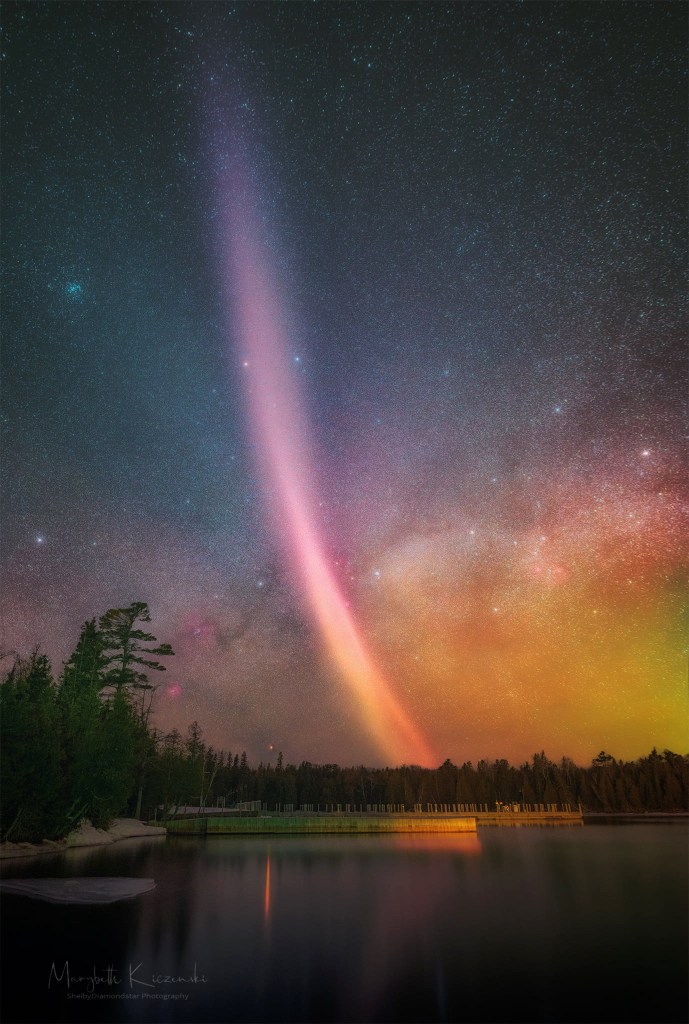
Five Minutes with STEVE by Shelbydiamondstar Photography

Five Minutes with STEVE by Shelbydiamondstar Photography

This spring has been big for fans of the aurora borealis. Shelby took created this photo of five, 1-min tracked shots blended with an untracked foreground shot the night of March 13/14th in Copper Harbor. It shows a phenomenon I’d never heard of, a Strong Thermal Emission Velocity Enhancement aka STEVE about which Space.com says (in part):

A typical aurora — sometimes called the northern lights or the southern lights, depending on the hemisphere in which it’s located — occurs when charged particles from the sun interact with Earth’s oxygen and nitrogen molecules. This interaction excites the molecules and causes them to glow.

But STEVE, formally known as Strong Thermal Emission Velocity Enhancement, is different. In the Northern Hemisphere, the phenomenon is visible from areas farther south than a typical aurora, and it looks like a ribbon of pink or mauve light. Sometimes, STEVE even has a “picket fence” appearance, with green columns of light passing through the ribbon. Auroras, by contrast, usually are shimmering green ribbons.

…The new study examined satellite data gathered above STEVE events in April 2008 and May 2016. The measurements included information about Earth’s magnetic and electrical fields in the magnetosphere, the region of Earth’s atmosphere where the planet’s magnetic field is stronger than any influence coming from the sun. Then, scientists compared the satellites’ findings with amateur photos of STEVE taken from the ground at the same time.

When STEVE was on display, the study authors realized, energetic electrons were pouring into Earth’s ionosphere, the layer of the planet’s atmosphere where atoms lose electrons due to solar and cosmic radiation. The friction that flood creates heats particles, which creates the pinkish glow, almost like an incandescent light bulb.

Satellite information further revealed how the “picket fence” aspect of STEVE develops. The data revealed waves moving from Earth’s magnetosphere to the ionosphere. In this region, the waves can both energize electrons and move them out of the magnetosphere, creating the picket-fence appearance, which happens simultaneously in the Northern and Southern hemispheres.

Lots more at Space.com.

You can comment on Shelby’s photo right here. For sure follow her on Facebook and view & purchase her work at shelbydiamondstar.com.

Lots more northern lights on Michigan in Pictures!

Support Michigan in Pictures with Patreon