“In times like these, we have to look out to help one another. We have to have compassion for one another to see how can I help my brother.” – Reverend Aaron Hicks
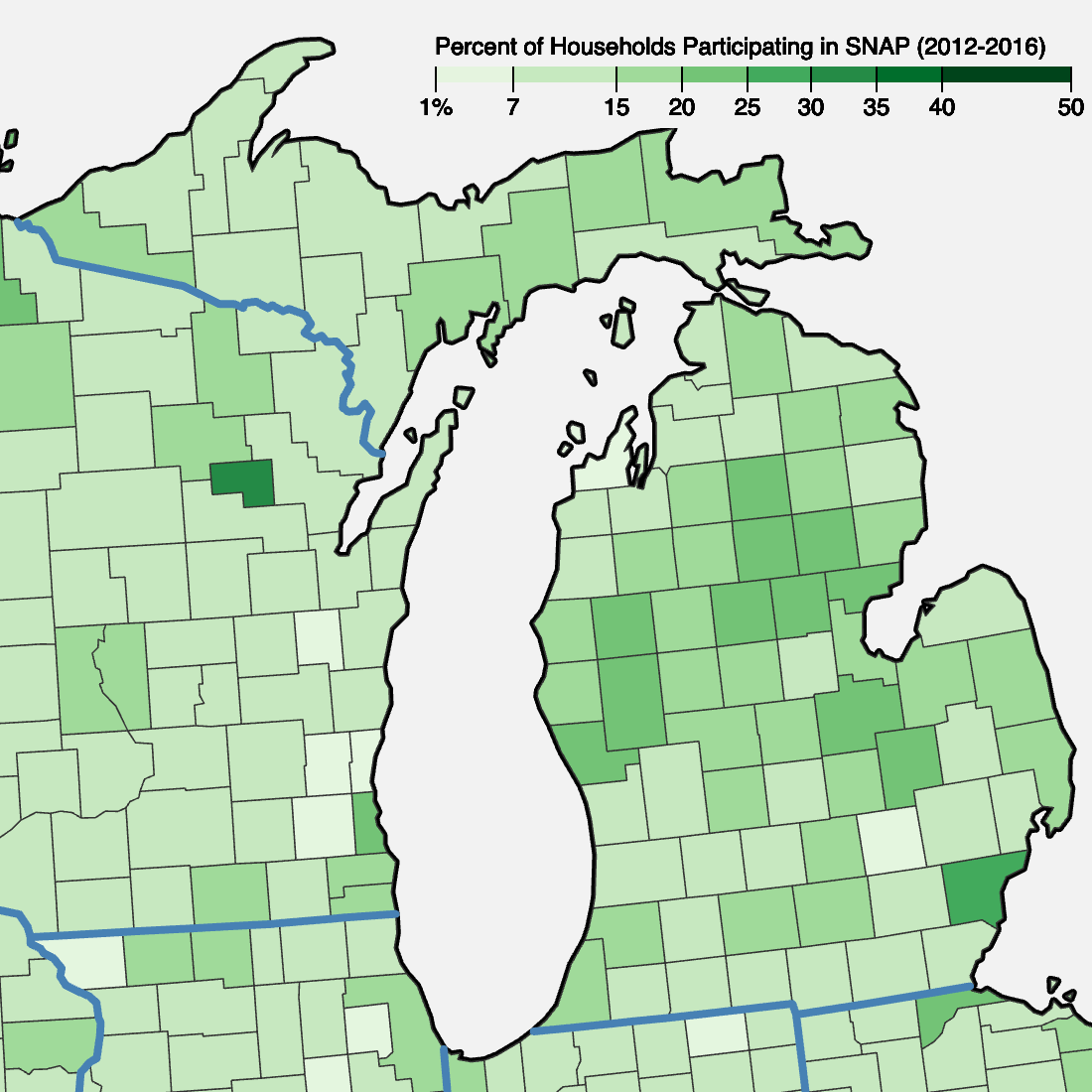
The National SNAP participation map breaks things down at the conty level. In Michigan average of 14.2% of small town households, 16.1% of urban households, and 16.8% of rural households receive SNAP benefits, and Michigan spends $3 billion a year on food assistance for our 1.4 million SNAP recipients.
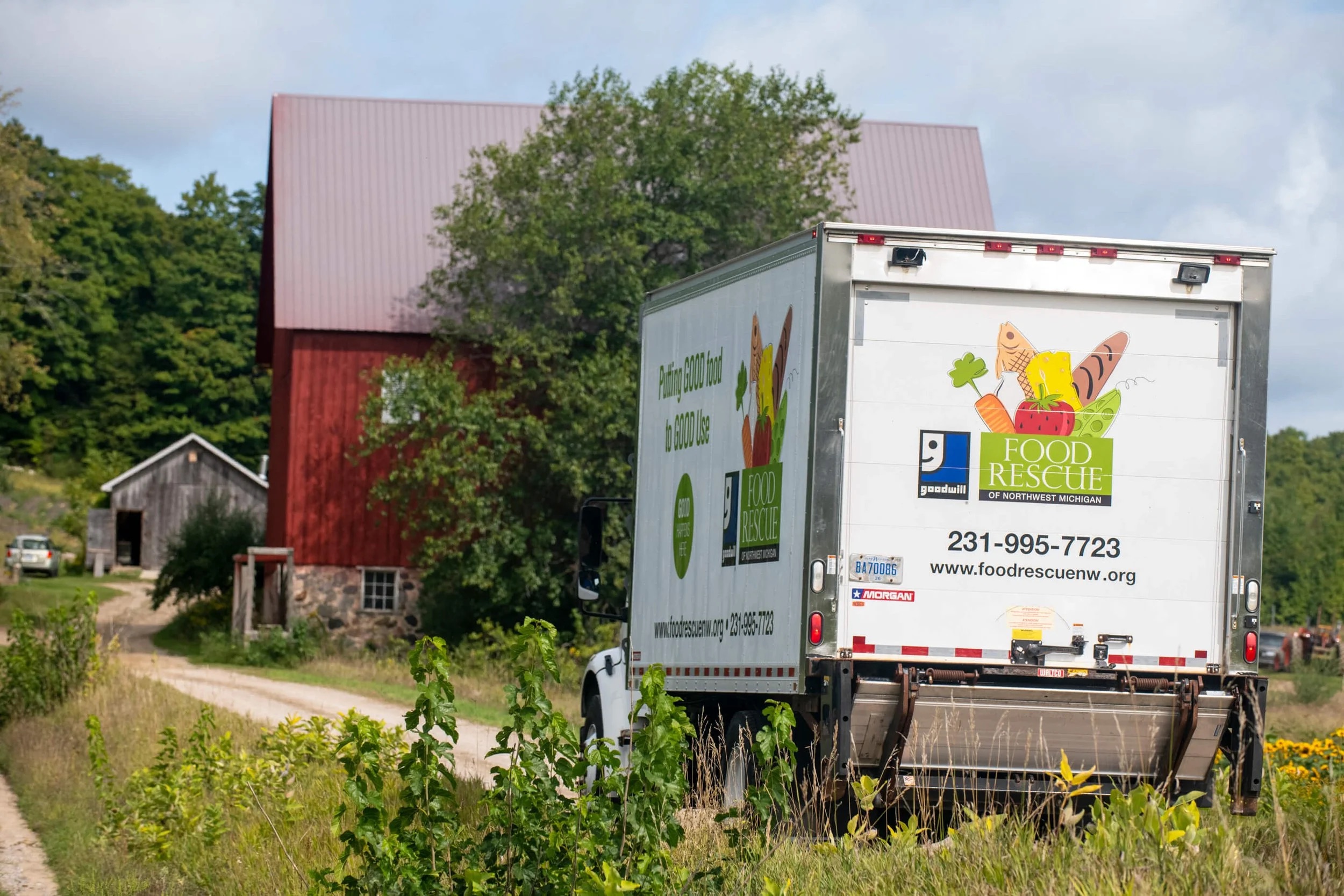
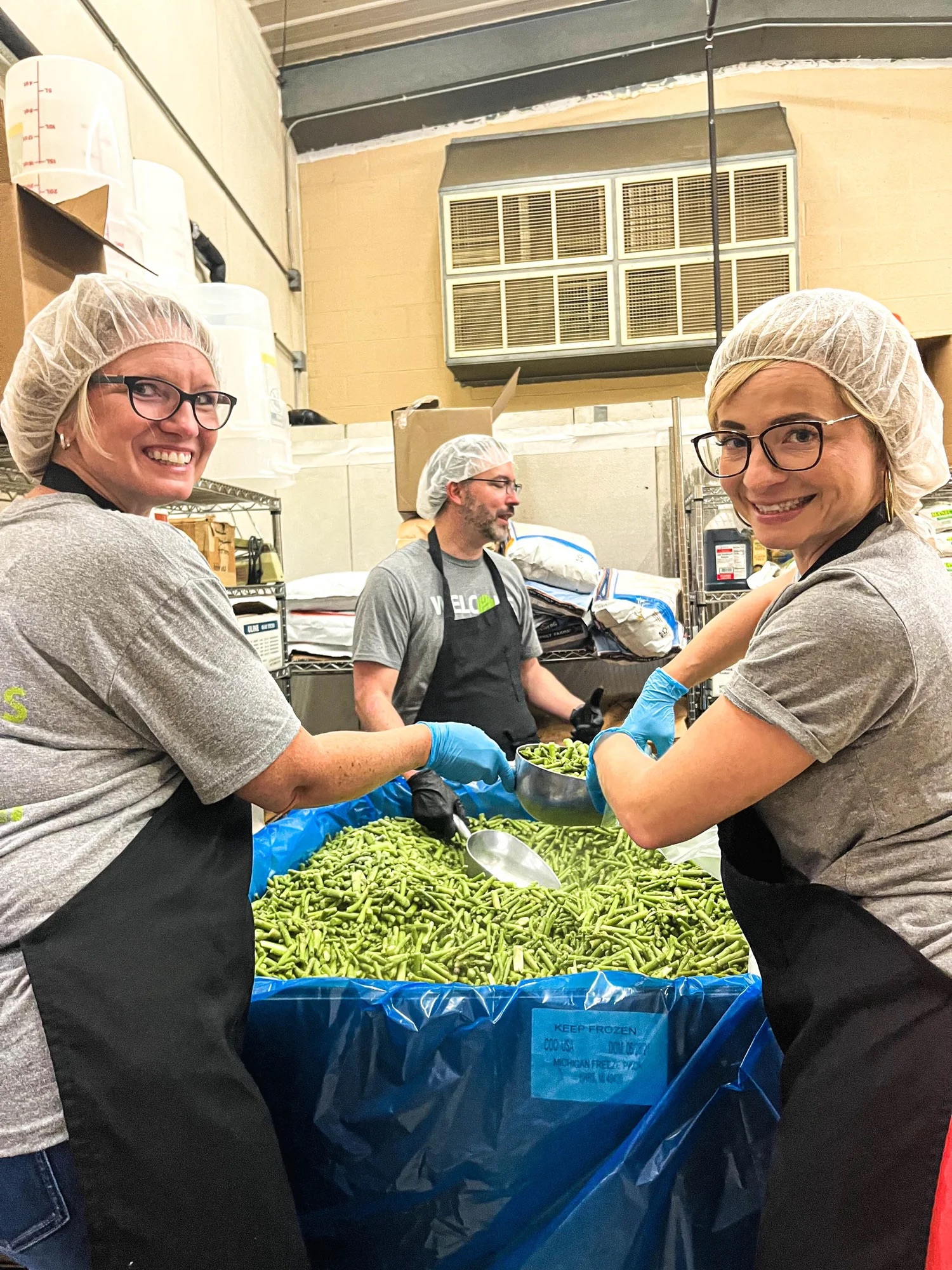
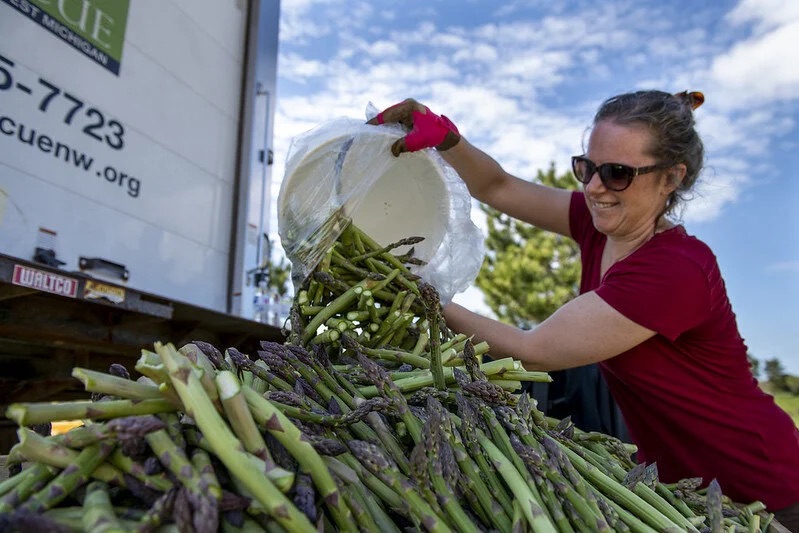
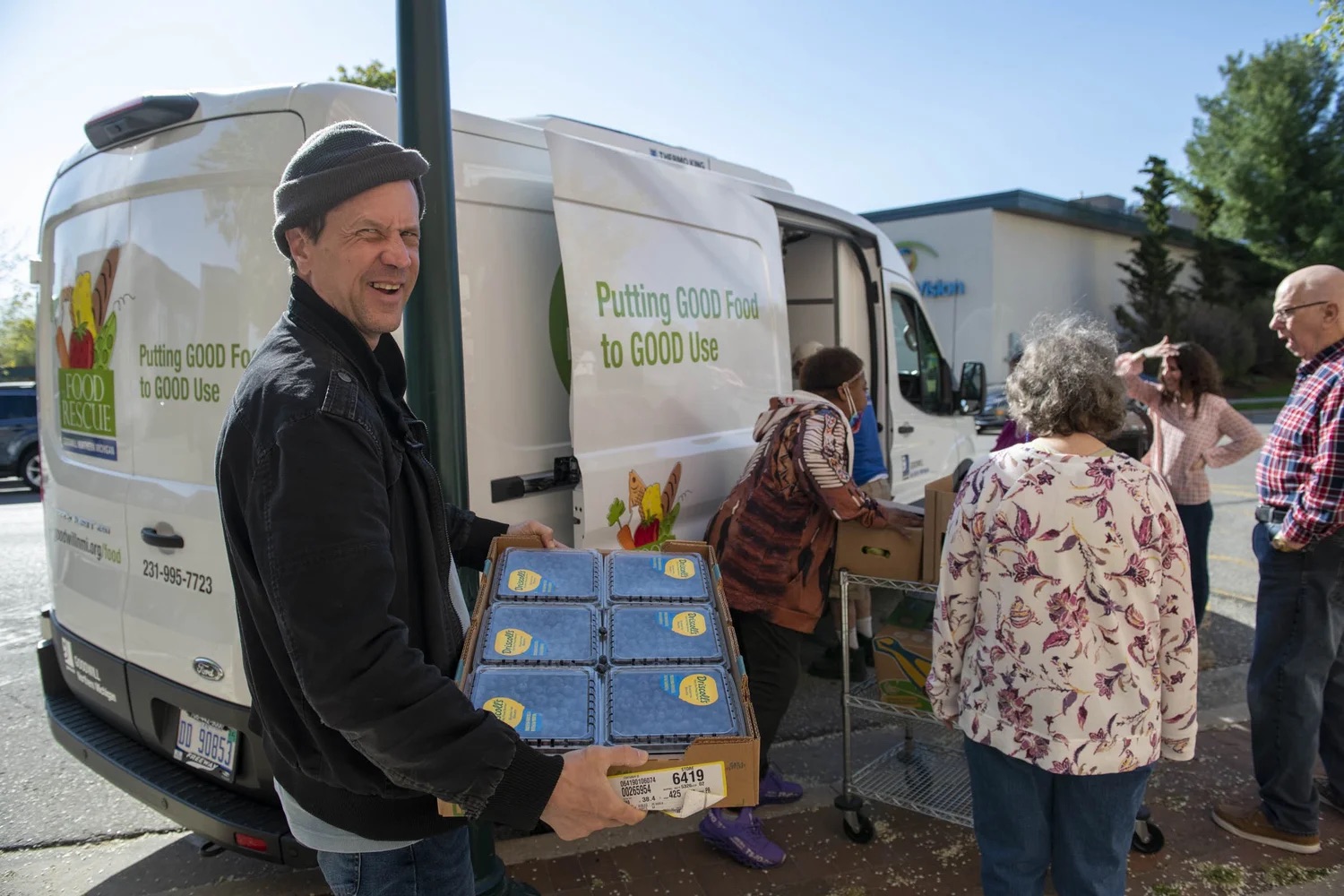
One of the many Michigan organizations working hard to keep food in the hands of hungry Michiganders is Food Rescue of Northwest Michigan who rescue, repack, and distribute over 2 million pounds of food every year to add to food pantry stores. Due to uncertainty with SNAP (food stamp) benefits, they are holding additional repacks – get all the details right here & feel welcome to share options you know of in the comments!!
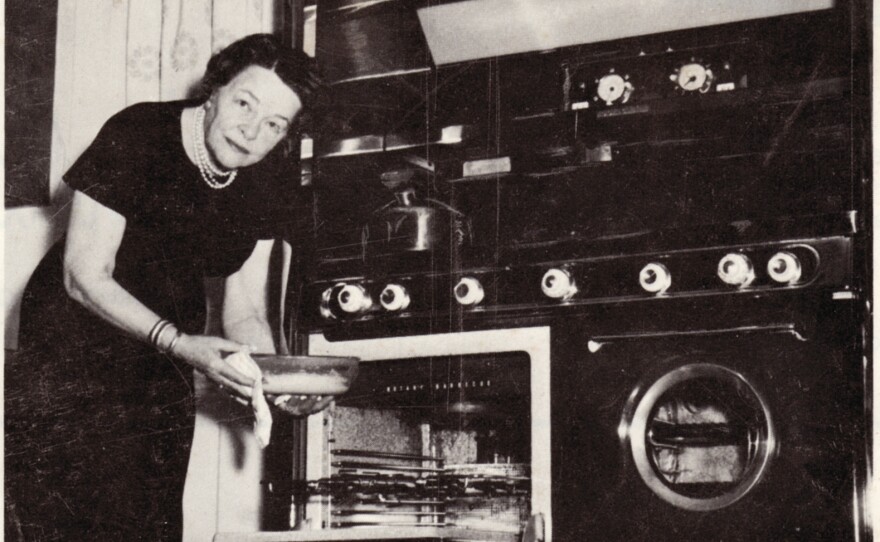
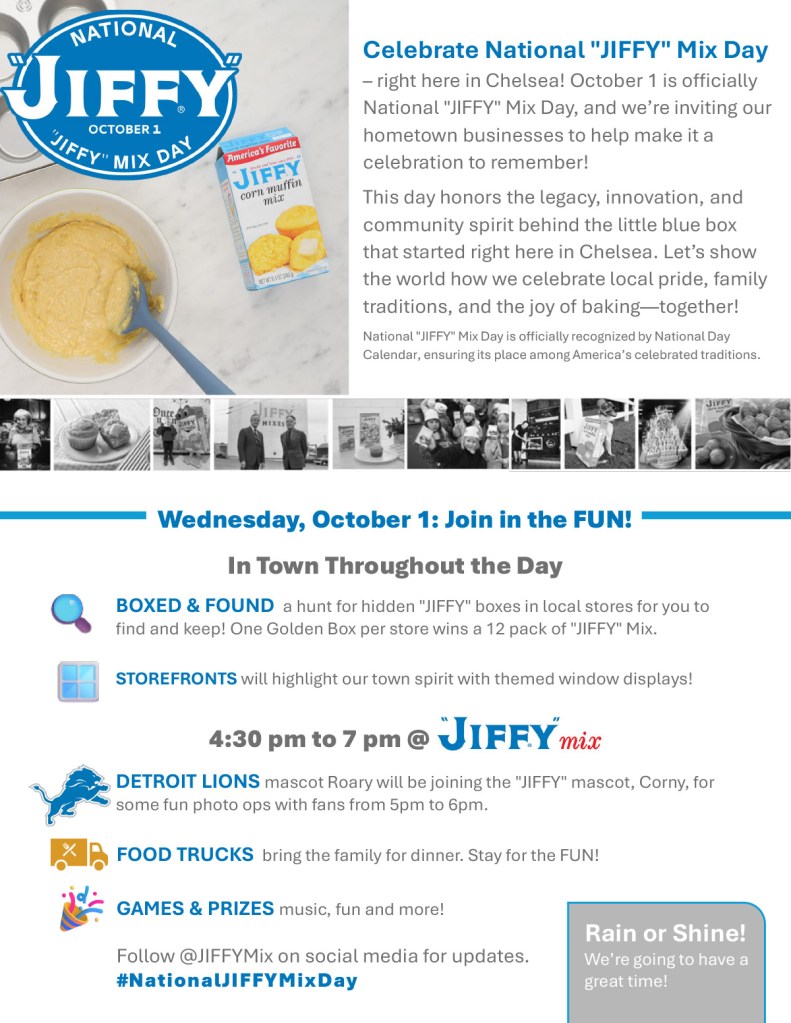
When a friend of her twin sons Howard and Dudley visited their home, Mabel noticed the biscuits in the boy’s lunch were flat and unappetizing. She set out to find a way to create a pre-made mix which would assist the boy’s single father in the kitchen.
In 1930, with the support of her husband Howard Samuel Holmes, Mabel’s home-grown project became the first prepared baking mix sold to the public. The convenient, simple to use mix only required the addition of milk to produce perfect biscuits every time. By keeping their “JIFFY” brand baking mixes affordable, the Holmes’ new venture was able to help many families who were recovering from the effects of the Great Depression.
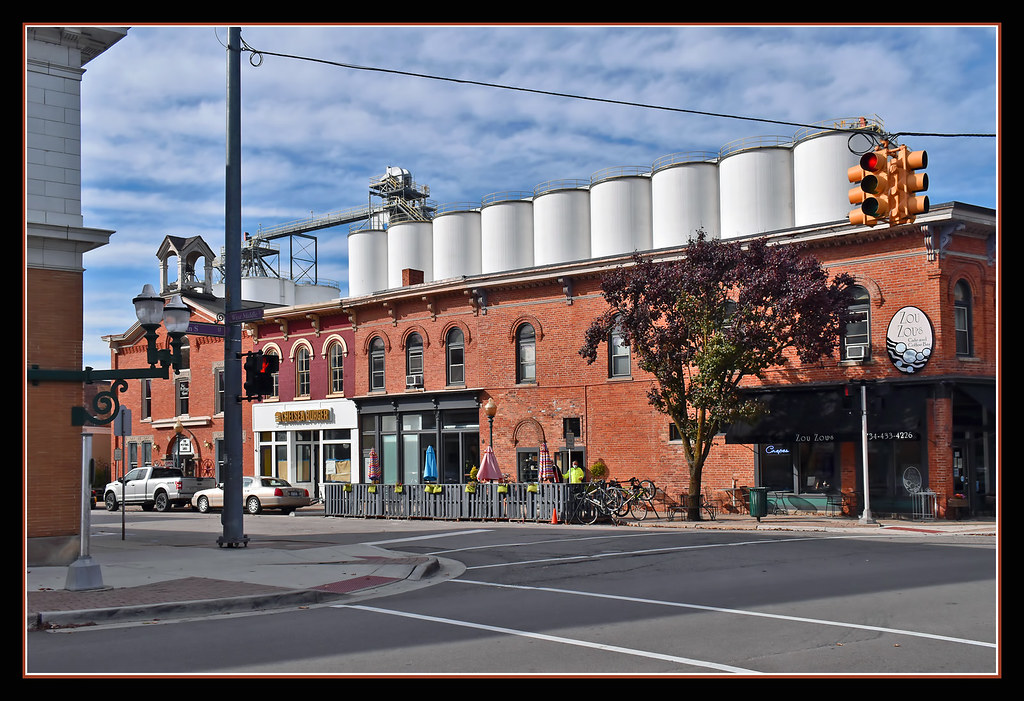
Read lots more from Jiffy & cheers to everyone who looks at a child’s lunch with an eye towards making it better!! There’s a poster from the Chelsea Area Chamber of Commerce below with info about the festivities on tap today that include games & prizes, a treasure hunt, food trucks & a visit from Detroit Lions Mascot Roary.
The organization is now working to replace about 600,000 pounds of meat, cheeses and milk that would have come from these USDA shipments. “We’re looking at our current food suppliers, and donors, but we’re also looking at the fact that we’re going to have to purchase food in order to fill in some of the gaps,” Estelle explained.
A USDA grant allowing the food bank to purchase from Michigan farms was also initially suspended but has since been reinstated through October following meetings with elected officials. “We’re just getting into the Michigan growing season and we have made commitments to a lot of these smaller farms of what we would be able to purchase from them. So they were… the farms were also depending on us to be able to be one of their customers for their products,” said Estelle.
No word yet on if hungry folks in West Michigan will be able to “pause” their hunger, so consider a donation to Feeding America West Michigan or your local food bank. Big fan of Forgotten Harvest in Metro Detroit.
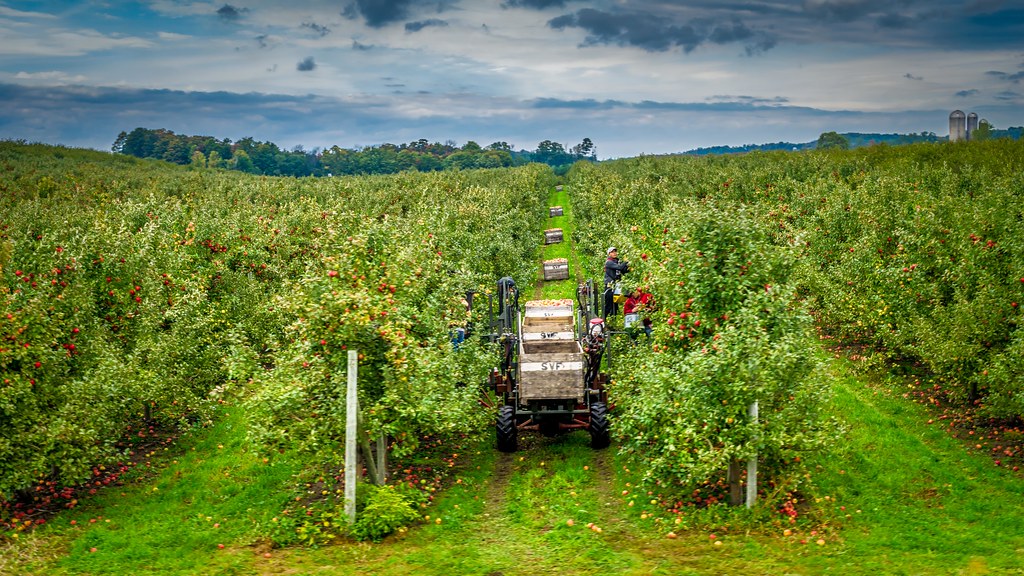
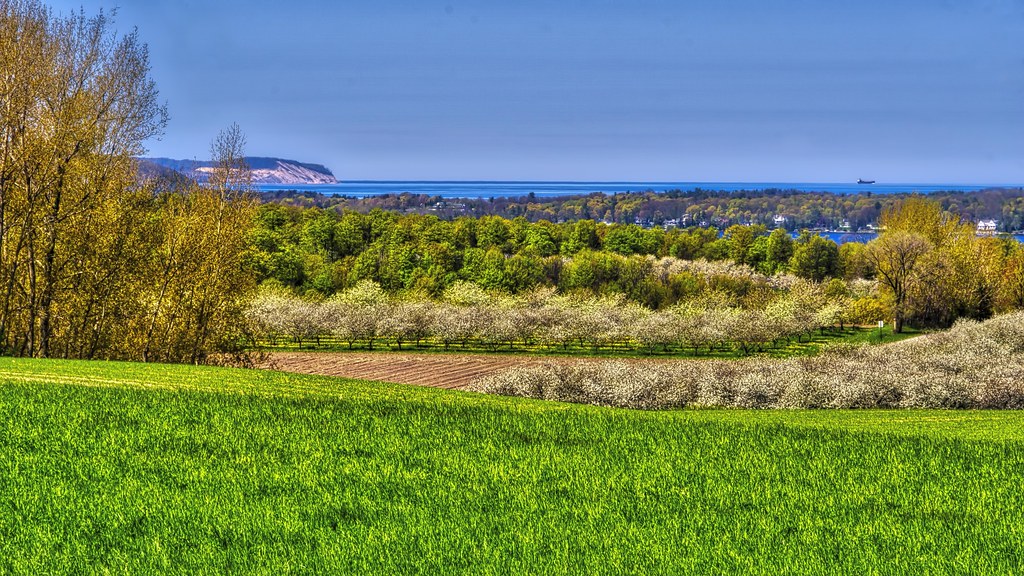
Mark took this photo back in March of 2017 when the Popp farmstand on the Leelanau Peninsula was closed as it normally is. See lots more from Northern Leelanau County in his East of Leland gallery on Flickr.
Fat Tuesday is the traditional feast before Lent begins. Polish-Americans brought their tradition of Tłusty Czwartek (Fat Thursday) to Polish enclaves like Hantramck in Detroit as Pączki Day. The Freep shares some facts about these Polish pastries:
The paczki is thought of as a way to use up fatty ingredients like lard and butter, as well as sugar, eggs, and fruit before Lenten fasting begins.
Don’t call paczki jelly doughnuts. They have a much richer flavor because the yeasty dough is made with more eggs. They are also bigger and plumper; the shape is more like a sphere.
In Poland, the last Thursday before Lent begins is called Fat Thursday. So the splurge day was Feb. 27.
A small amount of grain alcohol is added to the paczki dough before cooking. As the alcohol evaporates, it prevents the absorption of oil deep into the dough so the pastry is not greasy.
Calories and fat? Brace yourself. Depending on the size, paczki can have as many as 400 calories and more than 20 grams of fat.
The name paczki translates to “little packages.” Paczki is pronounced POONCH-key and is plural; one pastry is a paczek (POON-check).
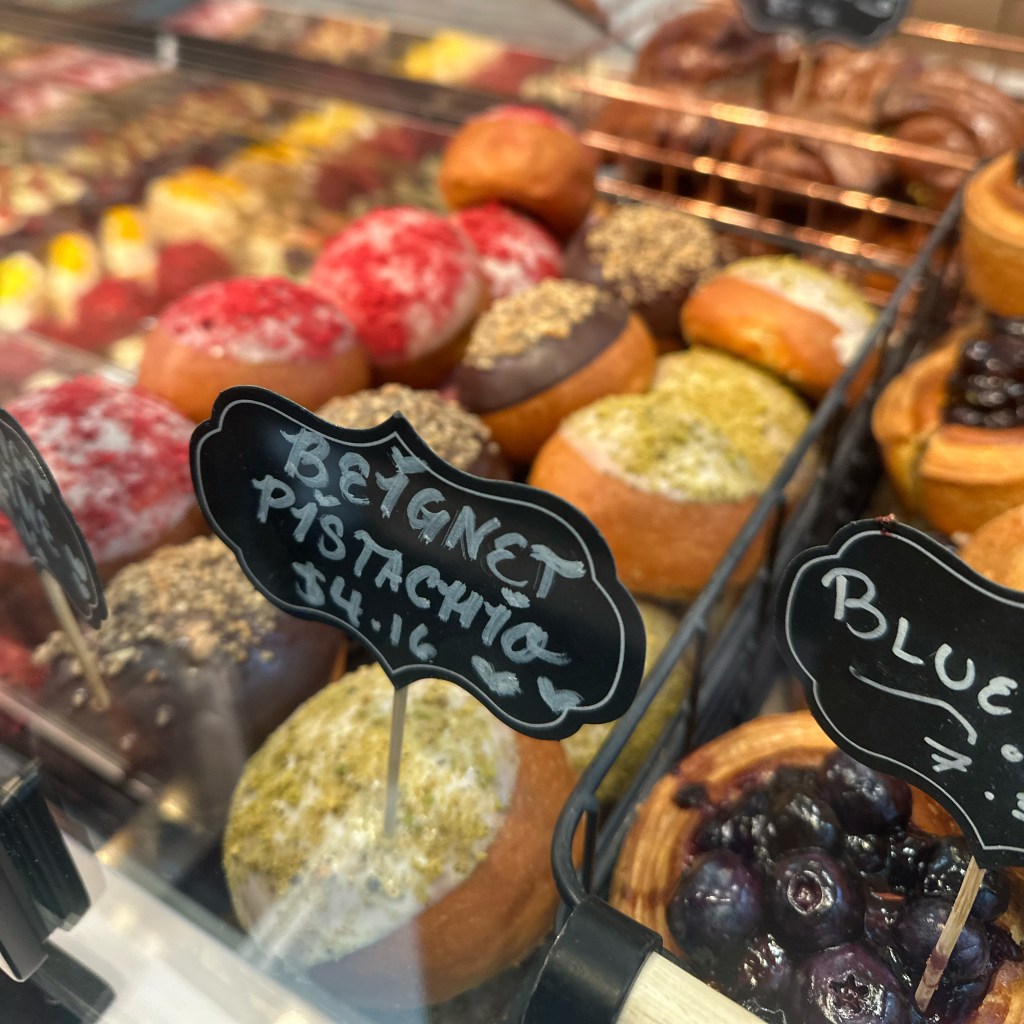
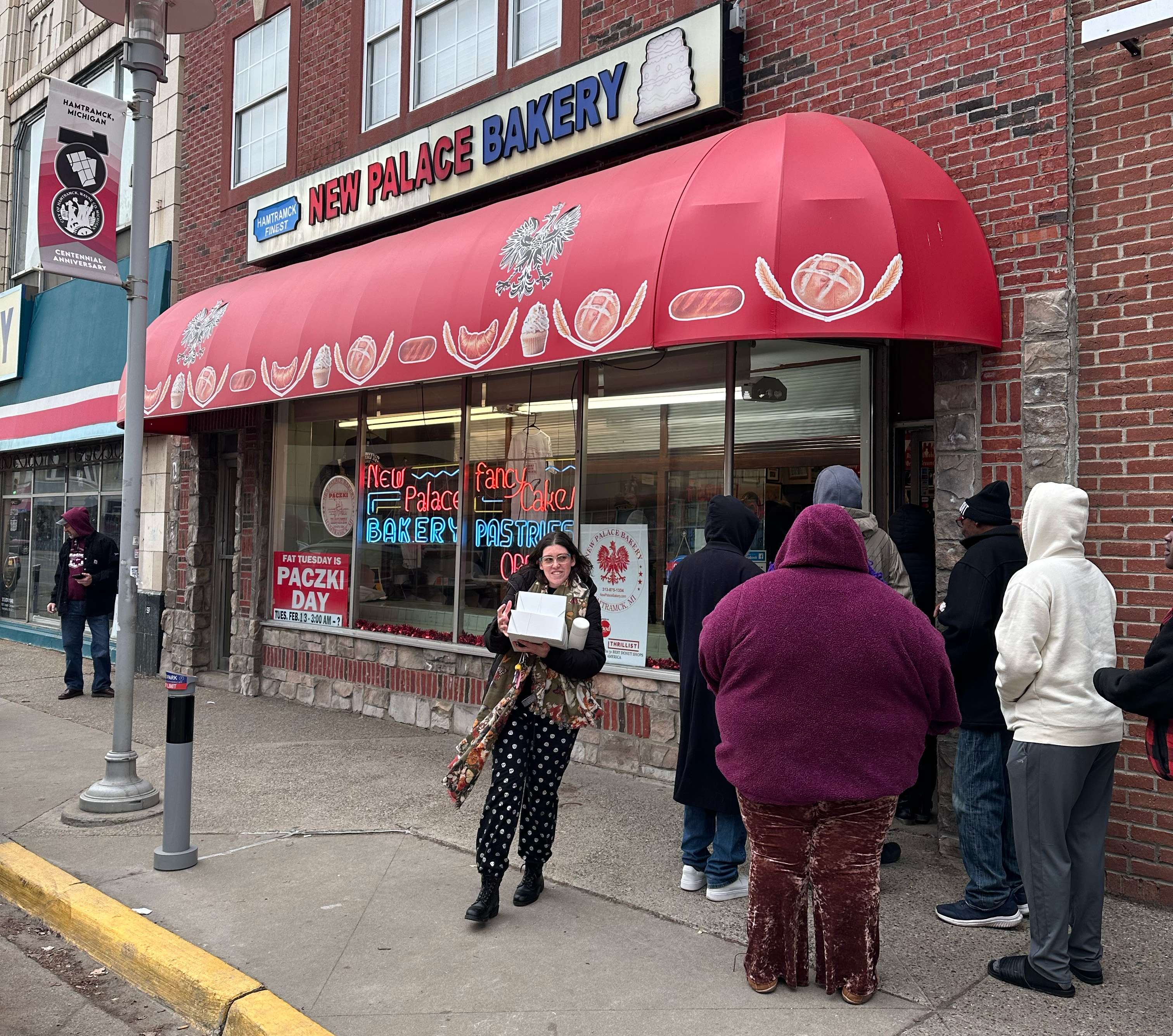
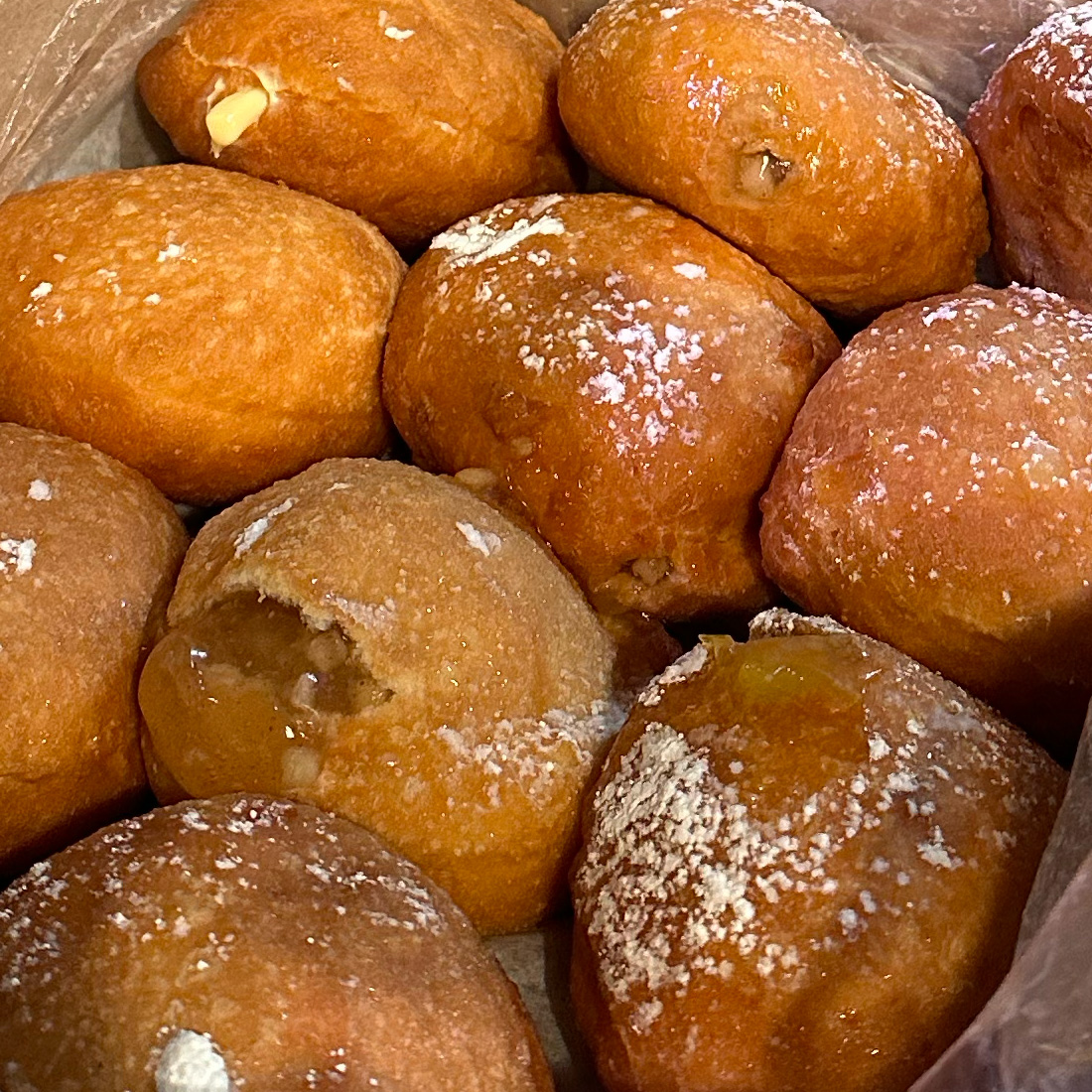
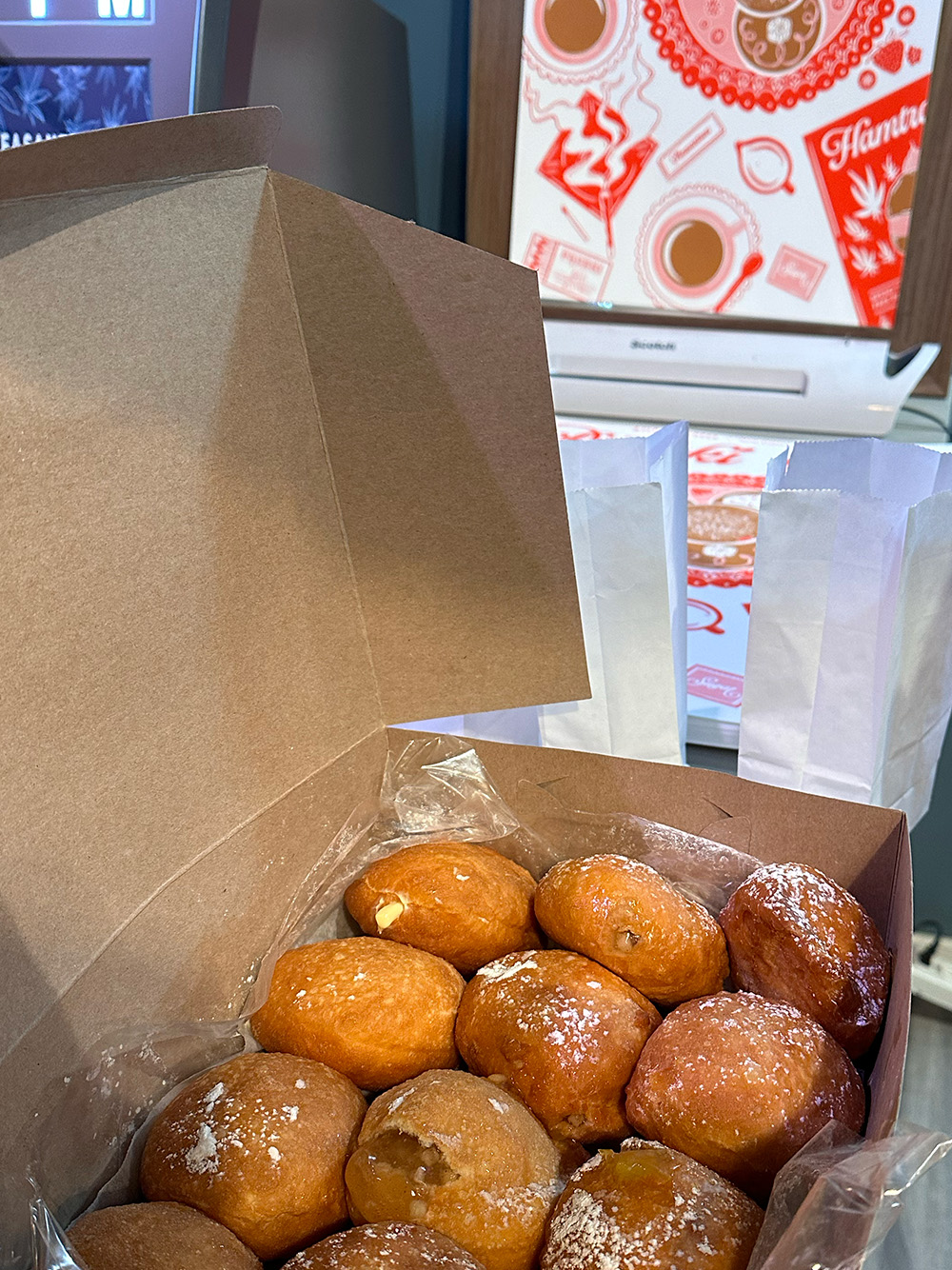
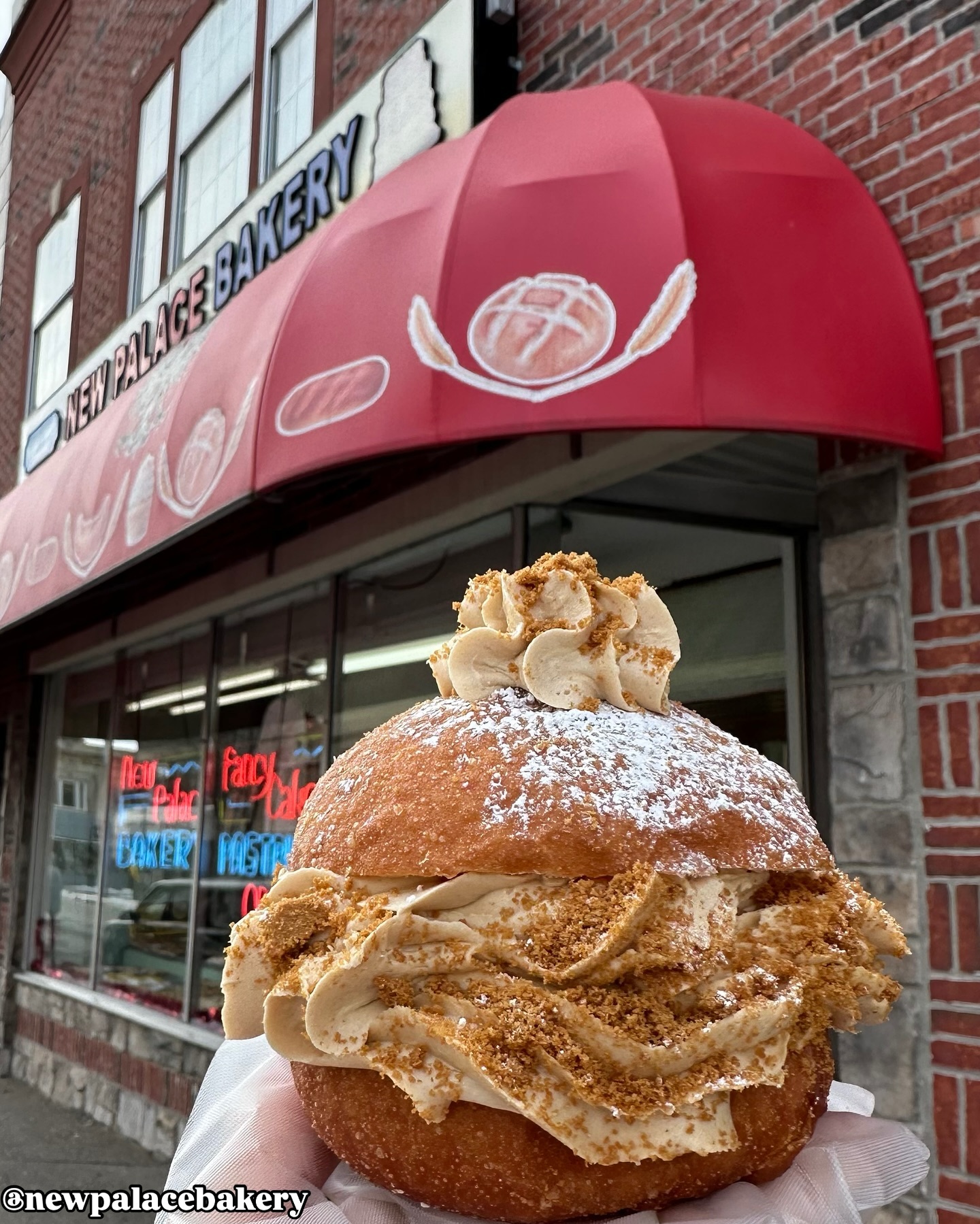
I took the picture above yesterday at Canelle in downtown Detroit on the corner of Grand River & Griswold. For my money – which is backed by a French teacher mom – Canelle has the best beignet in town! Here are some pics from Paczki Day 2024 at New Palace Bakery in Hamtramck along with a shot of their 2025 Paczki: Cookie butter flavored buttercream with cookie crunch on the side/top, covered with powdered sugar!
Happy Thanksgiving everyone! Dusting off this feature from 13 years ago (wow!) to help set the table for tomorrow.
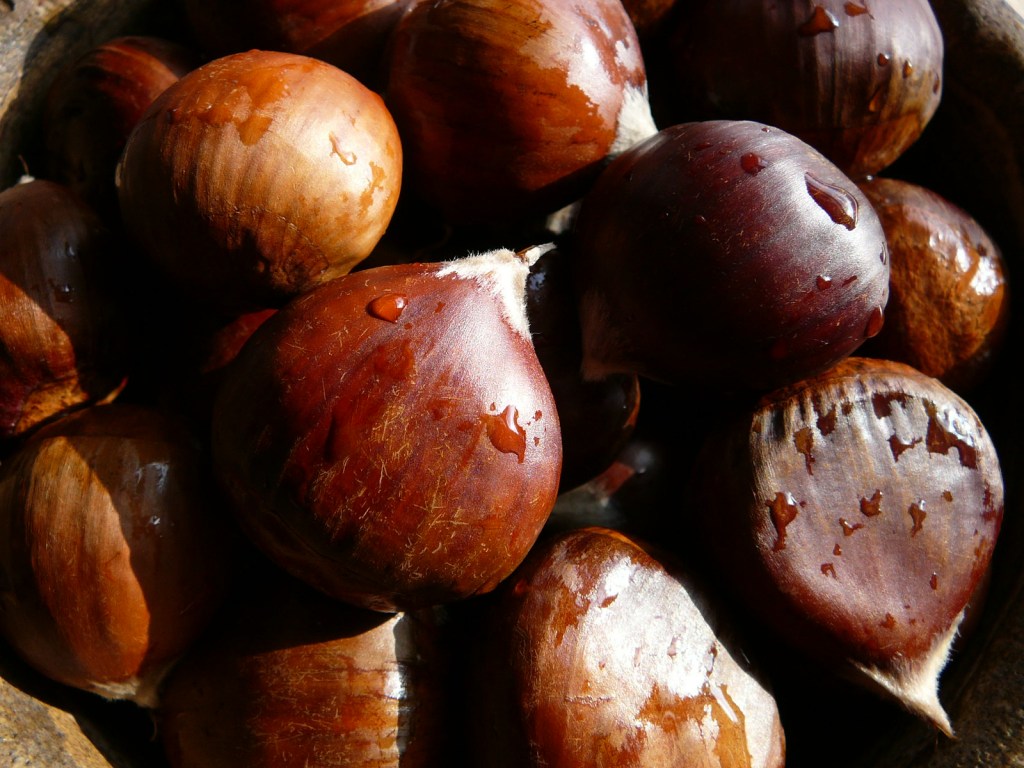
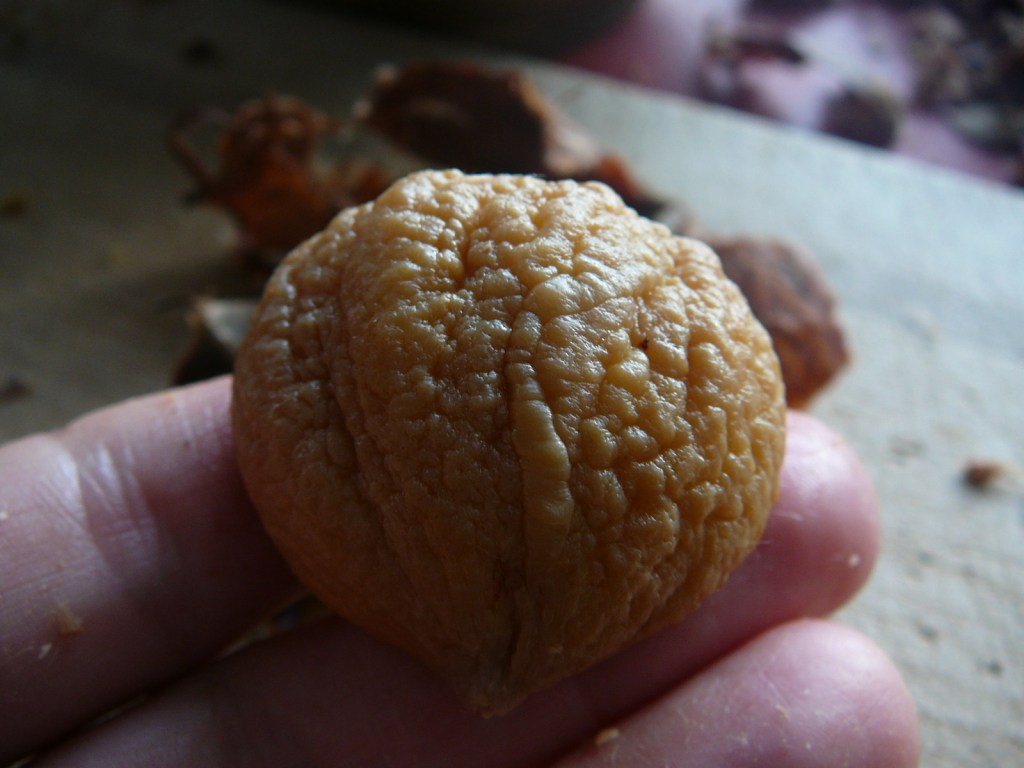
Wikipedia’s entry for the American Chestnut (Castanea dentata) explains that this large, deciduous tree of the beech family was once one of the eastern United States dominant hardwoods before it was nearly wiped out by chestnut blight. Curiously enough, one of the few pockets to survive were some 600 to 800 large trees in northern lower Michigan. Chestnut Growers, Inc. is a 37 member cooperative based in Michigan explain the difference between edible sweet chestnuts & non-edible horse chestnuts (the spiky ones with the burrs) & offer preparation tips & cooking instructions:
In Europe, chestnuts are consumed in a wide variety of dishes, from soups, stews, and stuffing to fancy deserts. Matter of fact, chestnut flour is the secret to many of the fancy French pastries. In other parts of the world, such as China, the chestnut is a staple food in the peoples’ diet. Chestnuts have about half the calories of other nuts and have the lowest fat content of all the main edible nuts. Chestnuts have only four to five percent fat as compared to sixty-two percent for the hazelnut and seventy-one percent for the pecan. In composition and food value, the chestnut, with its high carbohydrate content of about seventy-eight percent, is more akin to cereal grains, such as wheat, than to nuts with a low carbohydrate content. Since chestnuts are starchy rather than oily, they are readily digestible when roasted or boiled.
Read on for more and suggestions on cooking. They take orders for fresh chestnuts and ship beginning in October, and are at farm markets through the fall.
Julie bought these Michigan-grown beauties at Zingerman’s deli in Ann Arbor. Check them out background bigalicious and see more in Julie’s Food gallery on Flickr where she shares some preparation photos & the finished product!
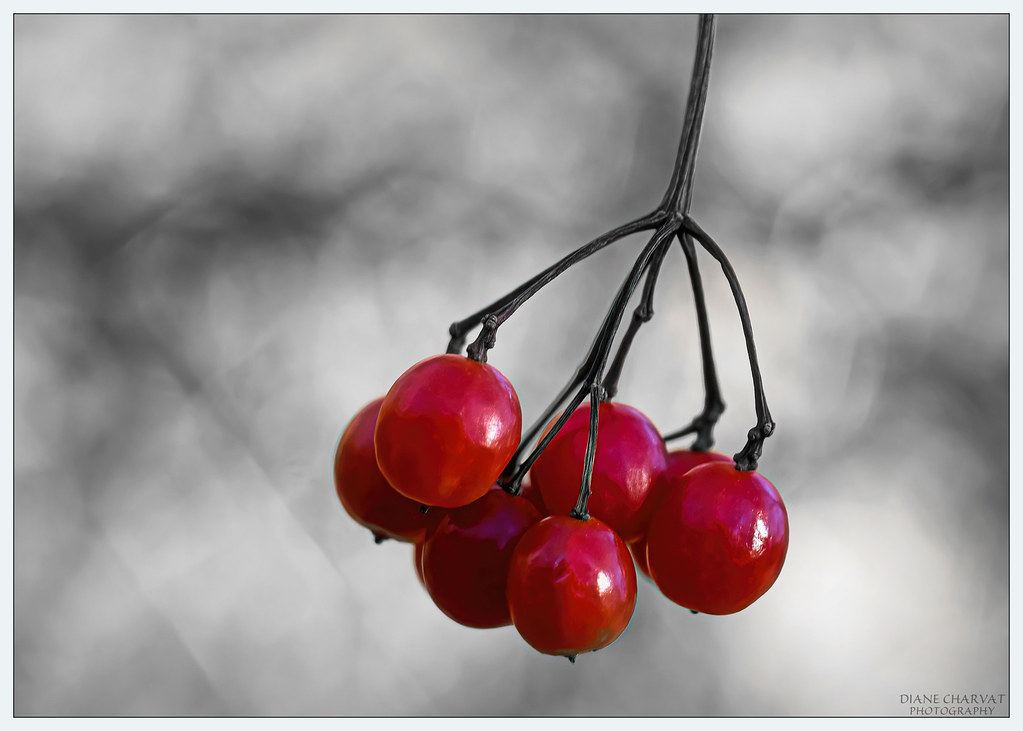
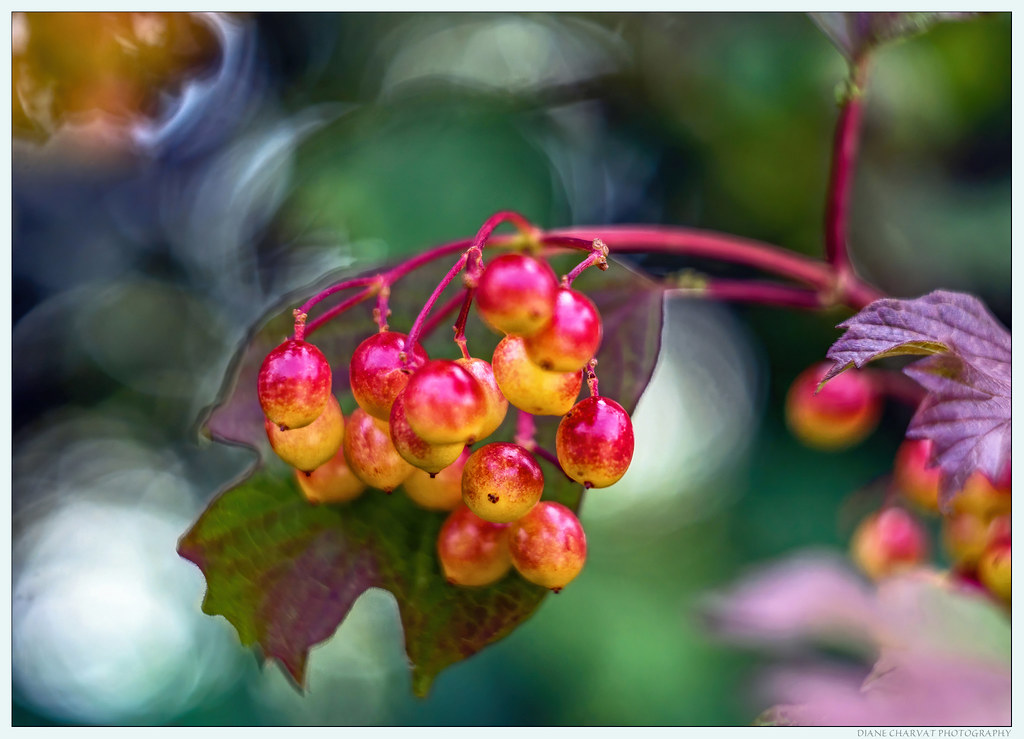
Another Thanksgiving staple that Michigan produces are cranberries, which are one of just a few fruits native to North America. While we do have about 300 acres of cranberries, there is another “cranberry” that the cranberry people want to make perfectly clear is not an actual cranberry. Green Deane’s Eat the Weeds blog has a great article on the High Bush Cranberry that says (in part):
The High Bush Cranberry is actually a Viburnum (Viburnum trilobum) and a cousin of the elderberry. Both are in the greater Honeysuckle Family and have a characteristic musky odor. That family by the way straddles the edibility line, with some members edible and others not, some tasty and some not. As one might suspect by the name, the High Bush Cranberry has tart fruit. Bradford Angier, a well-known Canada-based forager along side Euell Gibbons, wrote they require a “conditioned palate” to appreciate.
In North America the High Bush Cranberry is found in Canada and the northern half of the United States plus, oddly, New Mexico. It is not as that friendly to wildlife as one might suspect. The fruit persists into the winter because they are not on the top of birds’ preferred food. Birds like the berries after they soften and ferment. White-Tailed deer also browse on the twigs and leaves. For humans the berries are high in Vitamin C, about 30 milligrams per 100 grams.Viburnum trilobum has several disputed botanical names and several mistaken common names including Pimbina, Mooseberry, Cranberry Tree, Cranberry Bush, American Cranberry, and Squashberry.
Read on for lots more including identification tips. They do say that Highbush cranberries taste better when harvested after the first frost so please let me know if you try them! You can also buy Highbush cranberry bushes from your local Conservation District like Van Buren County. There’s much more Michigan Thanksgiving to feast on at Michigan in Pictures too!
Dian took the top photo in Greenville (just northeast of Grand Rapids) and the one below on the Betsie Valley Trail in Benzie County. See her latest pics on her Flickr!
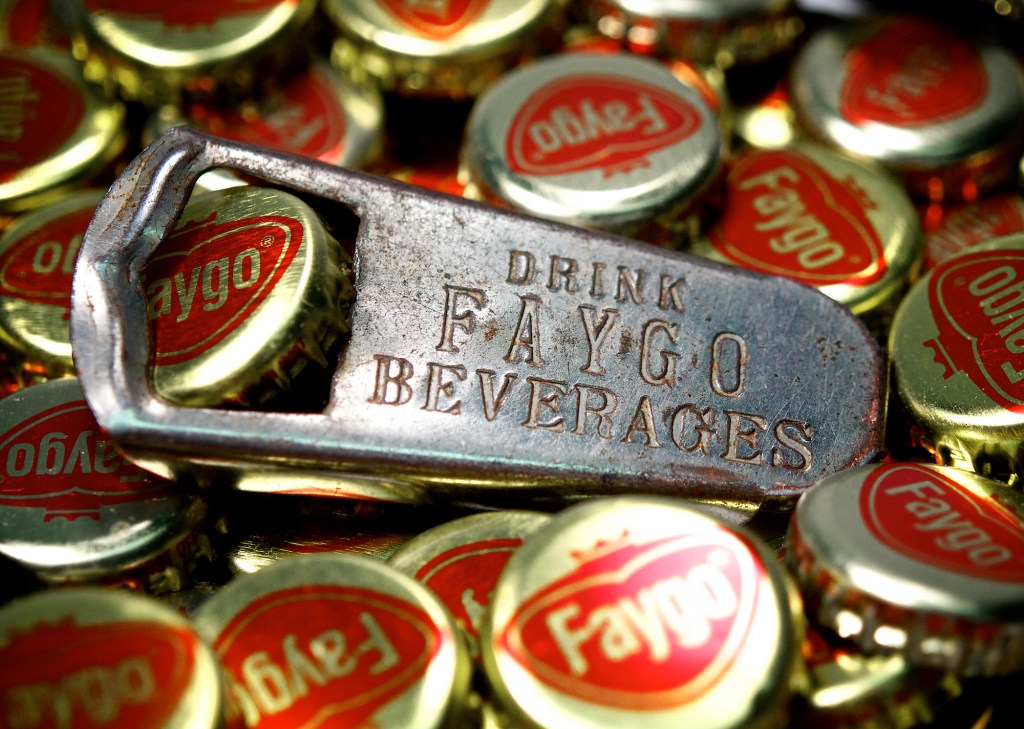
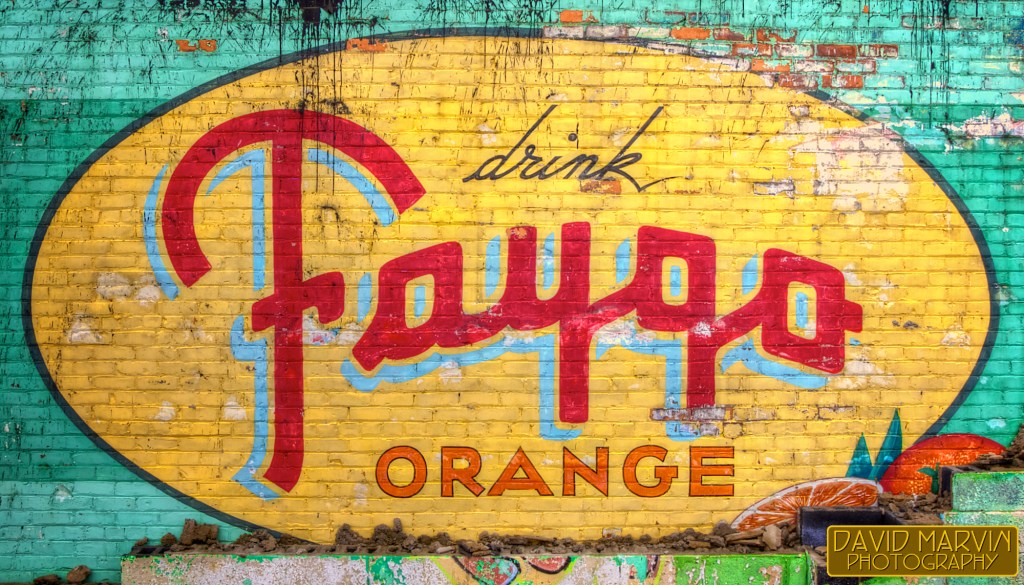
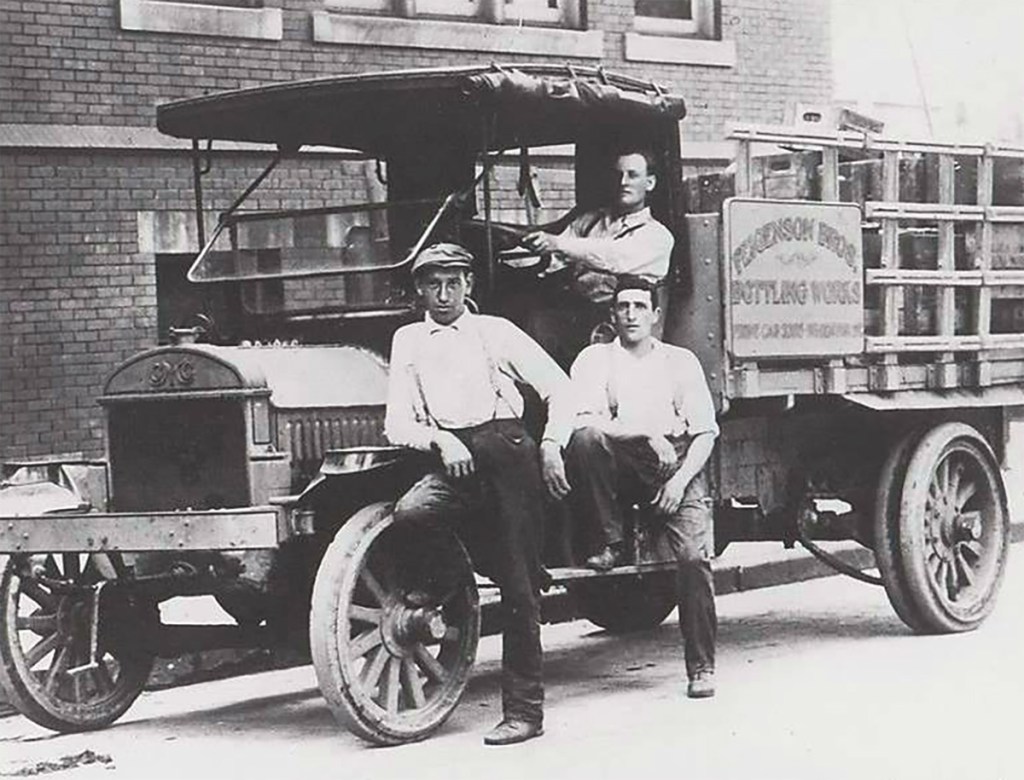
Most of us know that Faygo is a Detroit original, but did you know that Faygo is also the reason we call soda “pop” in Michigan??
Way back in 1907 Russian immigrant brothers and bakers, Ben and Perry Feigenson started creating soft drinks based on their frosting flavors. They bottled their soda – which they called “pop” because of the sound it made when the lid was removed – in fruit punch, strawberry and grape flavors at a factory on Pingree Street & sold it from their horse-drawn wagon the day after it was made! Faygo made a Faygo Kneecap last year for the Lions playoff run so you know they have kept the magic alive!
David took the photos about a decade ago. You can see his latest on his Flickr and read about the pics on David’s blog.
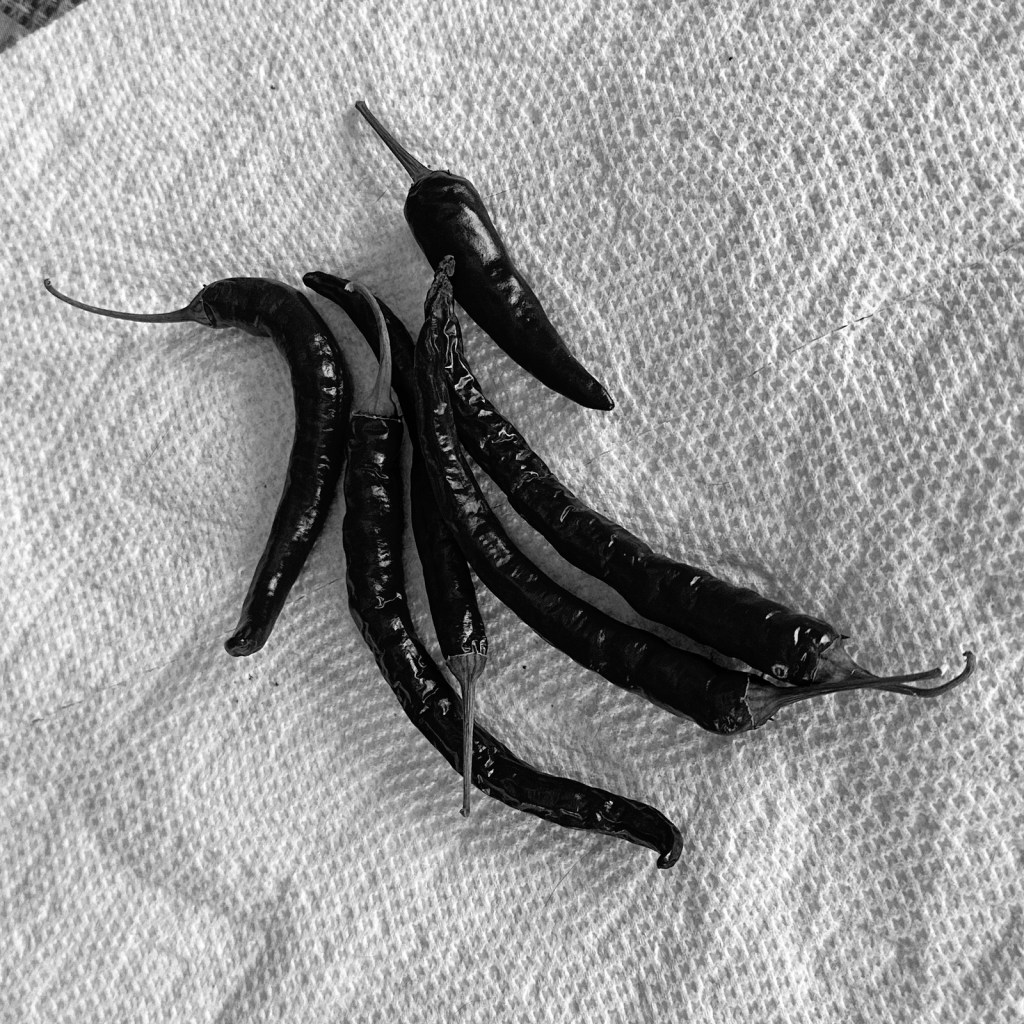
MSU shares that Michigan has over 1500 commercial farms growing peppers, which are packed with Vitamins A & C! Head over to MSU Extension for tips on storing & cooking peppers and down to your local farm market to buy them!
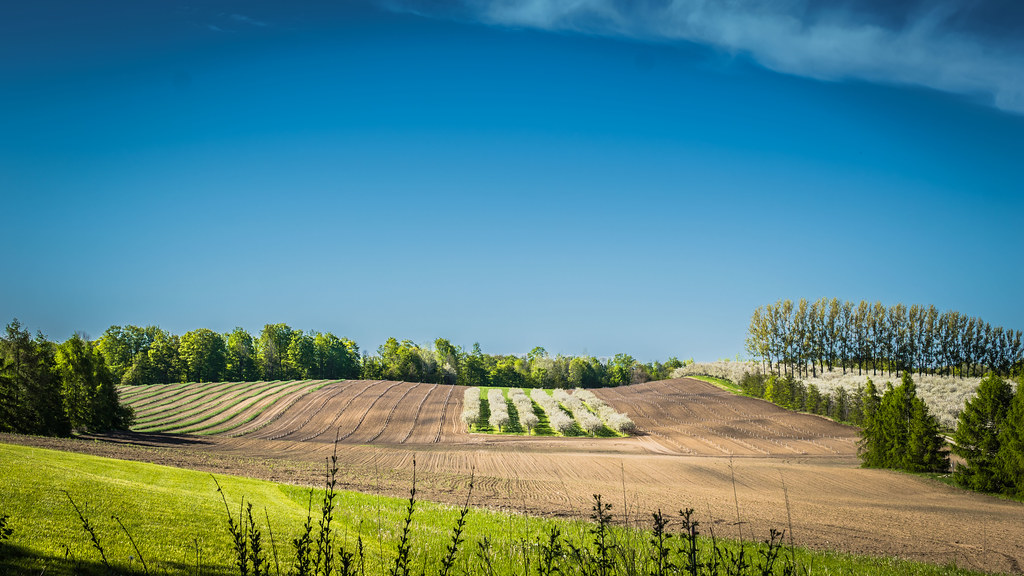
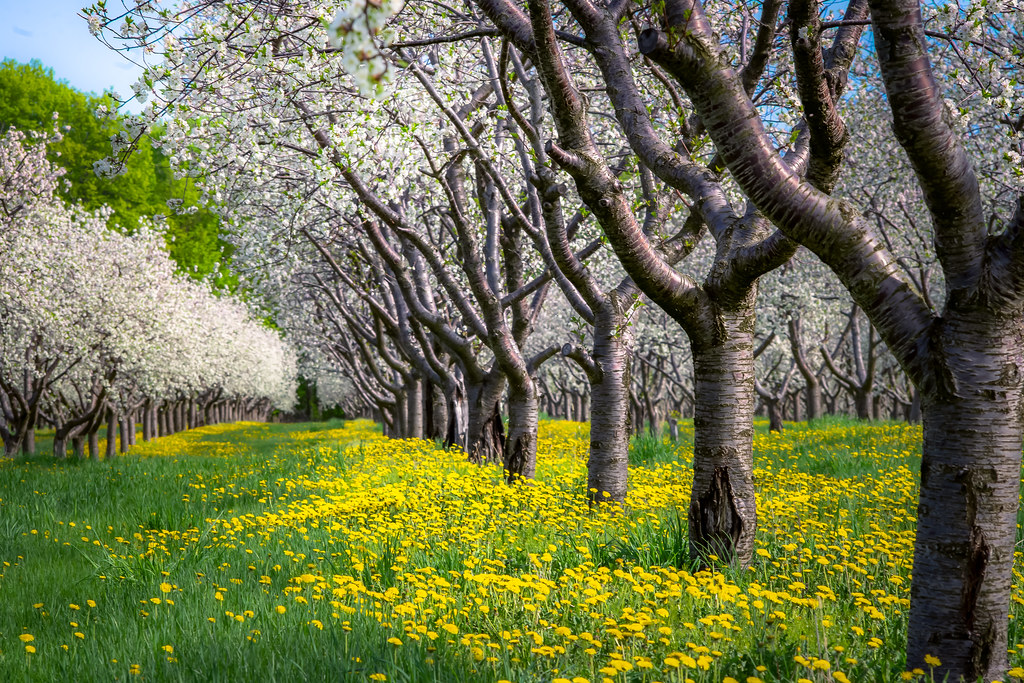
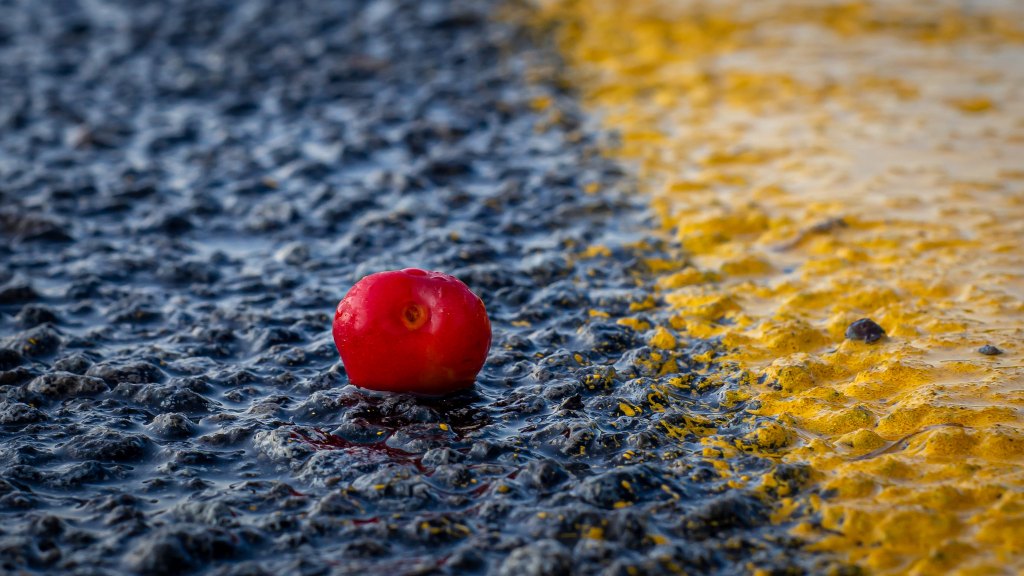
In a summary, it was a disaster,” says Philip Hallstedt, who owns the Northport U-pick cherry farm Hallstedt Homestead Cherries. “For sweet cherries, rain, wind whip, and humidity set the stage for high infestation of European brown rot and spotted wing drosophila. A fellow farmer shared that 90 percent of his sweet cherry harvest was lost – which is tough, as sweet cherries are the cash crop for many growers to sustain their operations, given that tart prices are so low.”
Brown rot is a fungal infection that attacks flowering cherry trees and hampers their ability to produce fruit. The disease thrives off high moisture levels and spreads in windy conditions, making this year’s humid, rainy, breezy spring a perfect storm for mass cherry crop impact. Meanwhile, spotted wing drosophila (SWD) is an invasive fruit fly species native to Asia but first identified in Michigan in the fall of 2010. Since then, the pest has become arguably the top concern for Michigan cherry growers, according to Michigan State University Extension. SWD attack ripening fruit and lay eggs inside, not only compromising cherry quality but also triggering further proliferation and infestation. Per MSU, a single SWD female “is capable of laying 300+ eggs,” which can then develop into adults “in as little as eight days.”
To add insult to injury, the 2024 cherry season actually started off promisingly. According to Hallstedt, cherry farmers typically experience what is known as “June drop,” where a cherry tree “senses its crop load” and then sheds unpollinated or damaged cherries as an act of selecting which cherries have the best chance at reaching maturity. This year, June drop was atypically small, which cleared the way for what might have become one of the biggest sweet cherry crops in recent memory.






 Michigan in Pictures