Crazy for Daisies

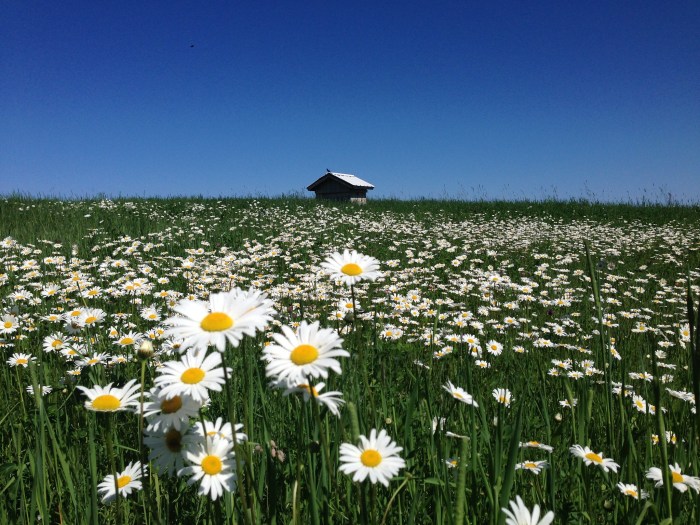
Crazy for Daisies by Andrew McFarlane

Crazy for Daisies by Andrew McFarlane

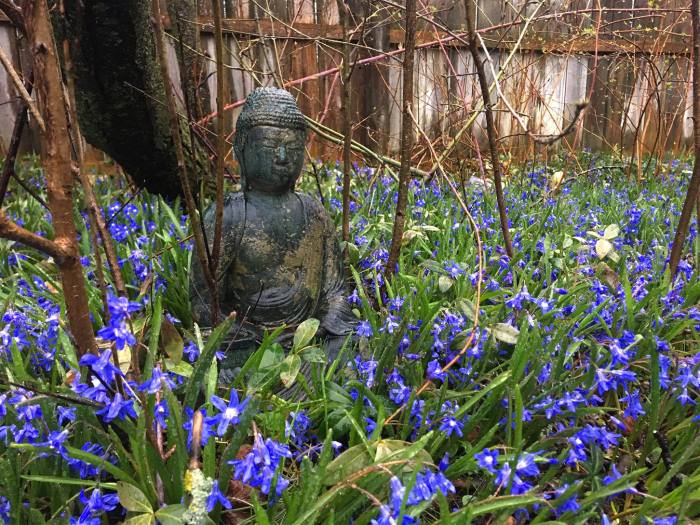
I don’t take most of the photos that I share on Michigan in Pictures, but I took this one back in May of 2015!

Nothing to add except to wish you all a wonderful weekend & to ask you to support Michigan in Pictures on Patreon.

Support Michigan in Pictures with Patreon

Looking through to another time … again

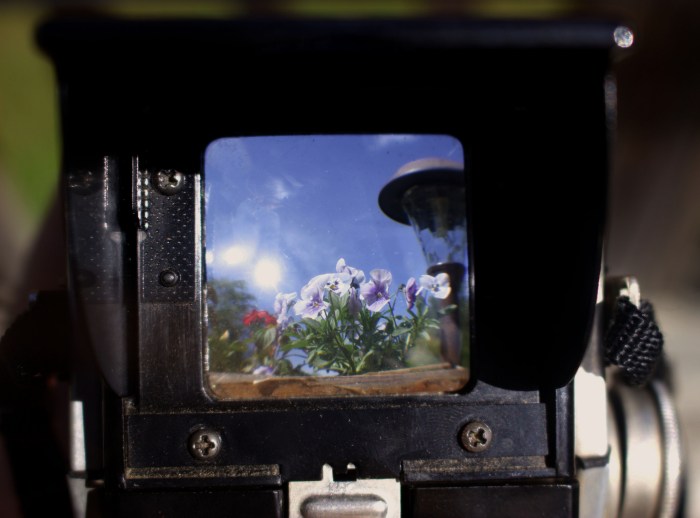
Looking Through to Another Time by Anna Newhouse

Looking Through to Another Time by Anna Newhouse

Sometimes I save photos I feature on Michigan in Pictures to a folder that changes my computer background every day. This one by Anna from 5 years back has always been one of my favorites.

You can see more in Anna’s My 365 Photo Challenge gallery.

Support Michigan in Pictures with Patreon

#TBT Hepatica

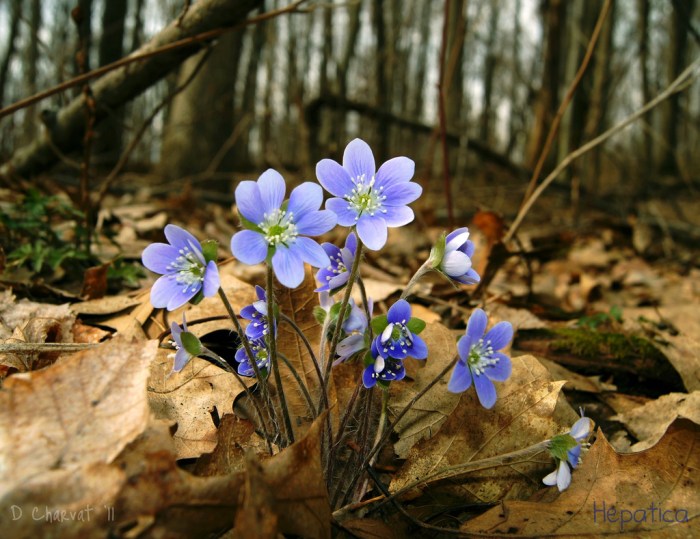
Hepatica by d charvat

Hepatica by d charvat

Here’s a Throwback Thursday from way back in April of 2011.

Wikipedia says that Hepatica was named for its leaves, which, like the human liver (Greek hepar), have three lobes. It was once used as a medicinal herb. Owing to the doctrine of signatures, the plant was thought an effective treatment for liver disorders. Although poisonous in large doses, the leaves and flowers may be used as an astringent, demulcent for slow-healing injuries and as a diuretic.

More in Diane’s Wildflowers gallery on Flickr.

Support Michigan in Pictures with Patreon

Dutchman’s breeches

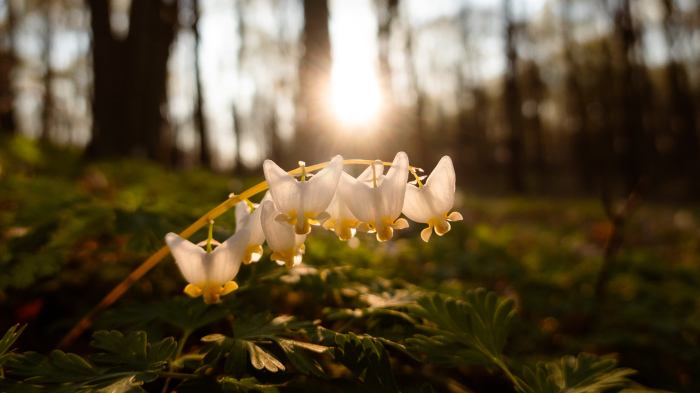
Dutchman's breeches by William Dolak

Dutchman’s breeches by William Dolak

Bill shared this photo last week in the Michigan in Pictures group on Facebook & writes:

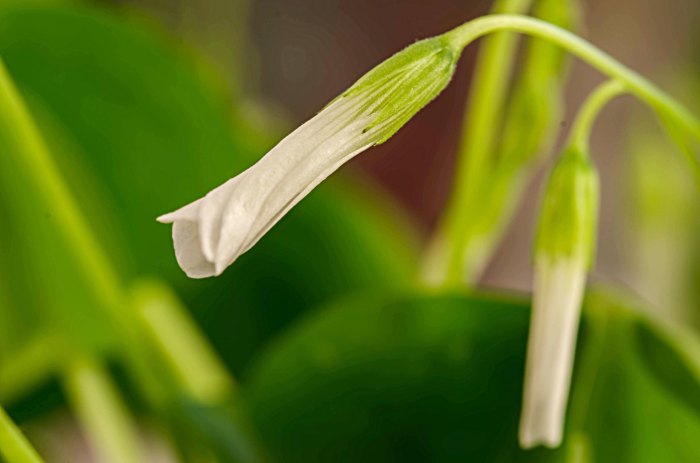
Dicentra cucullaria, or Dutchman’s breeches, is a perennial herbaceous plant, native to rich woods of eastern North America, with a disjunct population in the Columbia Basin.

The common name Dutchman’s breeches derives from their white flowers that look like white breeches.

Click for a couple more shots from Bill.

Support Michigan in Pictures with Patreon

The Purple Ones

Mom's garden by Andrew McFarlane

The Purple Ones by Andrew McFarlane

Here’s a rare Michpics pic from yours truly. It’s a shot of these incredible purple flowers that spread from the neighbor’s to my mother’s yard & bloom every spring.

See more flowers on Michigan in Pictures & have a wonderful weekend everyone!

Support Michigan in Pictures with Patreon

Bees Working

Bees Working by Brooke Pennington

Untitled by Brooke Pennington

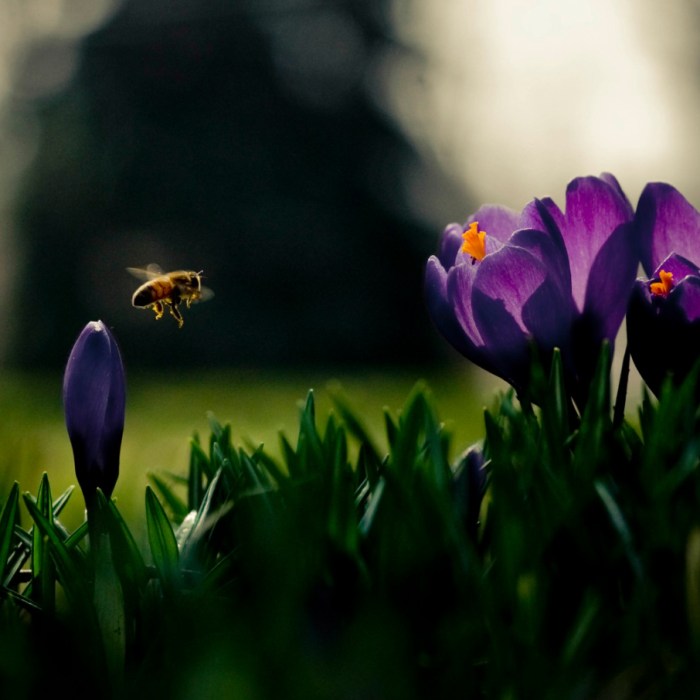
Here’s stunning shot from way back in 2008 that I’ve featured before. Check out Brooke’s Spring gallery on Flickr for more!

Support Michigan in Pictures with Patreon

Spring it on, Michigan!

Untitled by Scott Glenn

Untitled by Scott Glenn

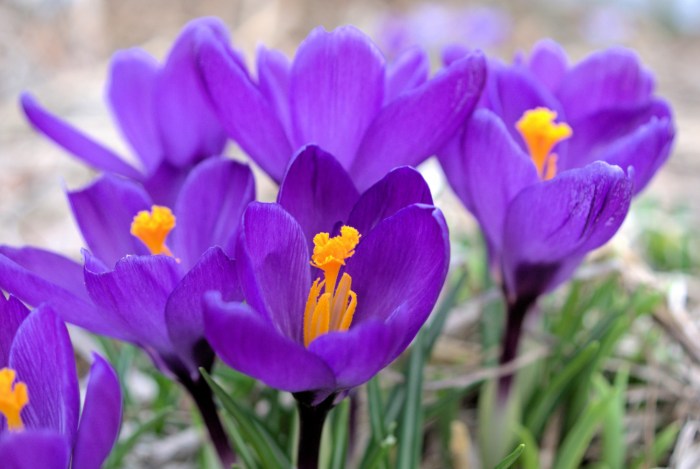
I don’t know about you, but even some snow & cold in the forecast can’t stop me from believing that spring is truly here! Scott got a lovely pic of some colorful crocuses. See more in his Flowers album on Flickr.


Support Michigan in Pictures with Patreon

Happy St Patrick’s Day!

Sleeping Shamrock by Joshua DuPuis

The Sleeping Shamrock by Joshua DuPuis

Happy St. Patrick’s Day to all of you! Loving this photo of a sleeping shamrock. You can see more from Joshua on his Flickr.

More St. Patrick’s Day photos on Michigan in Pictures!

Support Michigan in Pictures with Patreon

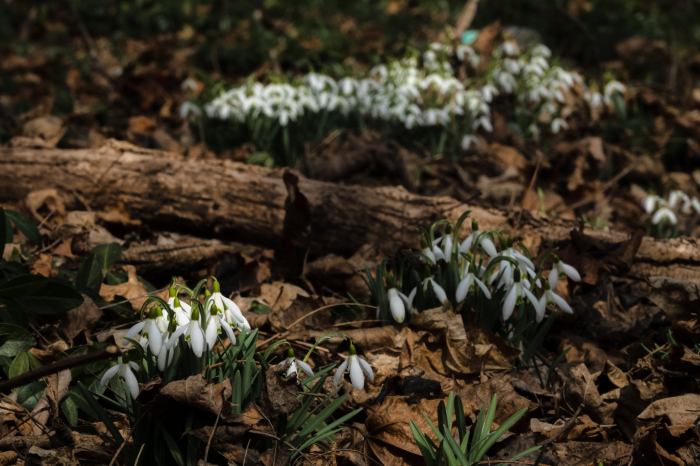
Kalamazoo Snowdrops

Kalamazoo Snowdrops by William Dolak

Kalamazoo Snowdrops by William Dolak

It’s said that March is the season when Michiganders get way too excited about spring. Guilty! The Michigan Gardener’s Plant Focus on Snowdrops says (in part):

The very first bulb to cheerfully announce spring is the snowdrop. As the last winter snow melts, carpets of delicate white flowers emerge through last year’s fallen leaves. Snowdrops will reliably return year after year despite Mother Nature’s most challenging winters. The botanical name, Galanthus, comes from the Greek words Gala meaning “milk” and anthos meaning “flower.” They will thrive in the rich, moist soil usually found in the shade provided by deciduous trees. Few bulbs can tolerate shade, but snowdrops develop in the winter sun well before the leaves of trees and shrubs have expanded. Their flowers last for several weeks beginning in early March and persisting through the cool days of spring in early April. Once planted, Galanthus require no maintenance.

More from the Michigan Gardener.

Bill shared this photo in our Michigan in Pictures group on Facebook. Check it out & follow him on Flickr.

Support Michigan in Pictures with Patreon

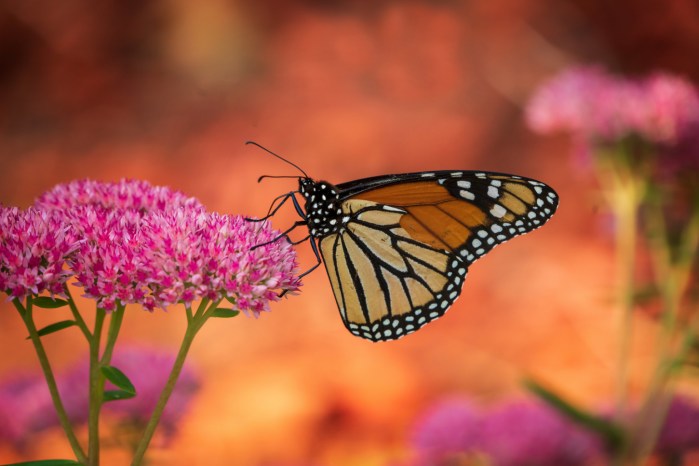
Monarchs, Milkweed & Michigan

Monarch with Red Mulch Background by Charles Bonham

Monarch with Red Mulch Background by Charles Bonham

The GT Pulse has an in-depth interview with Cyndie Roach if the GT Butterfly House and Zoo in Williamsburg outlining the generation spanning migration of the monarch butterfly from the Oyamel fir forests of Mexico to Michigan:

…They fly over the Gulf with their first stop being in the Texas panhandle area.

“They land there, take a break, and breed by the millions, lay eggs, and then they die. That super generation has lived all winter and is now ready to make that trip to Texas. So that first generation born in the United States will know to start flying north when they’re born.”

The entire butterfly birthing process takes 30 days. Part of the inherent will to go north has to do with milkweed. It’s the plant that signals them home.

“It’s the single host plant, meaning the caterpillar needs to eat it to become a butterfly. They’re looking for milkweed to lay their eggs on. We don’t even have Milkweed growing yet in the early parts of spring. It doesn’t come up until May and June, so what’s great is that as our spring comes on and things start to get warmer, that’s what’s welcoming the monarch to the area.”

The second generation of monarchs that were born in Texas makes it to the midline of the States, roughly around the Rocky Mountains where their babies will be born, and like their parents and grandparents before them – they’ll know to keep flying north.

“By the time they reach us we’re looking at the third generation typically. So it’s their grandchildren we’re now seeing arrive in Michigan.”

Remember that milkweed Cyndie was talking about? Northern Michigan provides milkweed that some of those third-generation monarchs will use to lay their own eggs. So the butterflies that are going back down to Mexico are the fourth generation of those first butterflies coming from the Oyamel fir forests.

“That’s why it’s so important that we as Michiganders, specifically up here in Northern Michigan, provide as much milkweed habitat as we can for these amazing creatures. We play such an important role, because not only are we the ones who see them come in in the spring, but we help them create a lifecycle.”

Milkweed plays an important role in aiding the monarchs in their generational journey, but also, being cautious with fertilizer and lawn care products. The monarch butterfly population has declined 90 percent over the past two decades, which is directly related to the milkweed population being destroyed.

Read on for lots more, check out the Michigan DNR page on Monarch butterflies & for sure plant milkweed if you can!

Charles took this last week. Head over to his Flickr for lots more!

Support Michigan in Pictures with Patreon