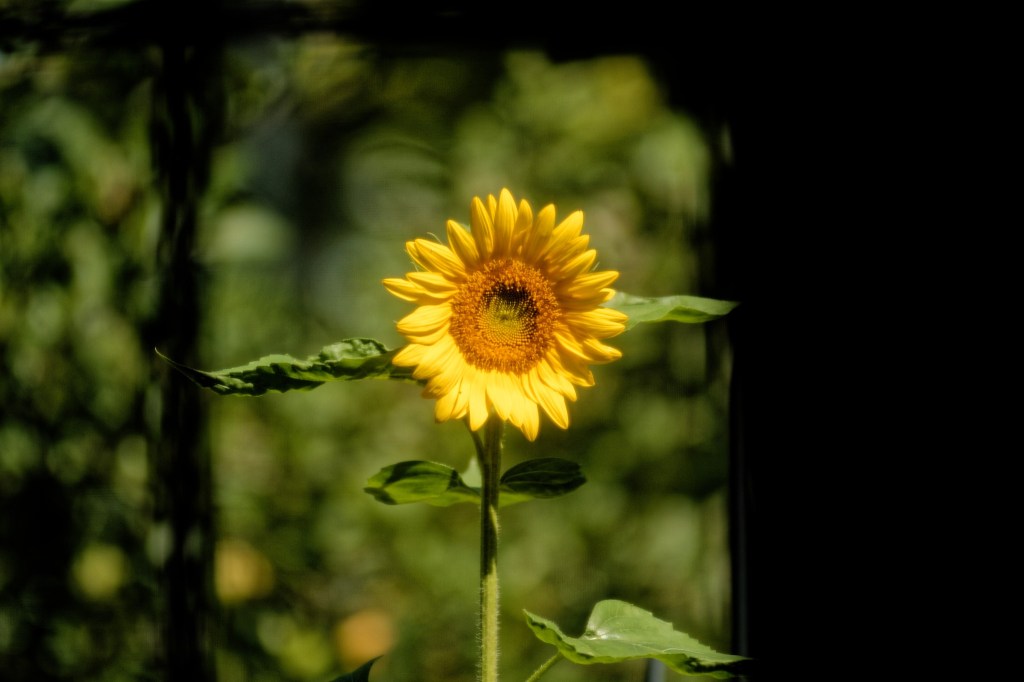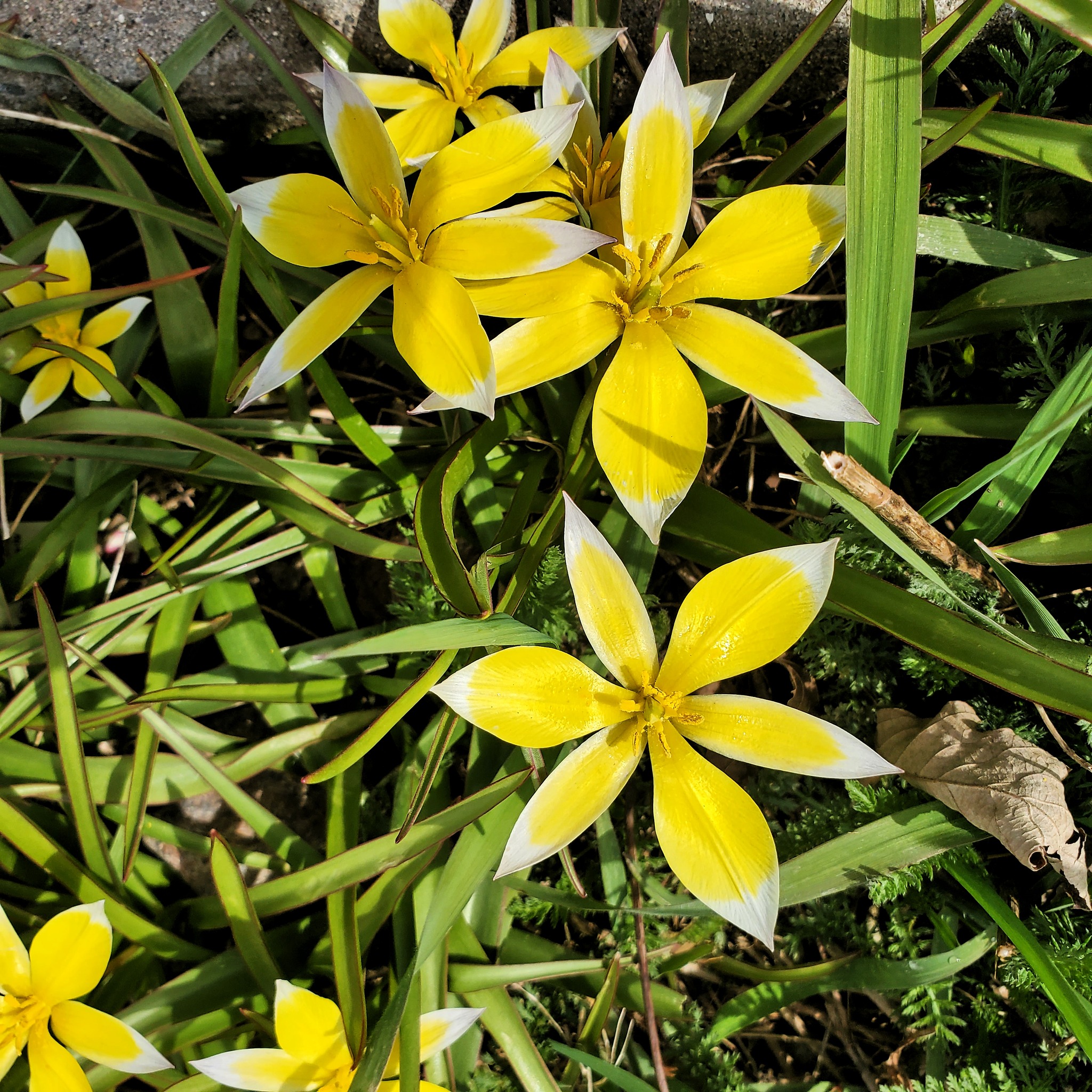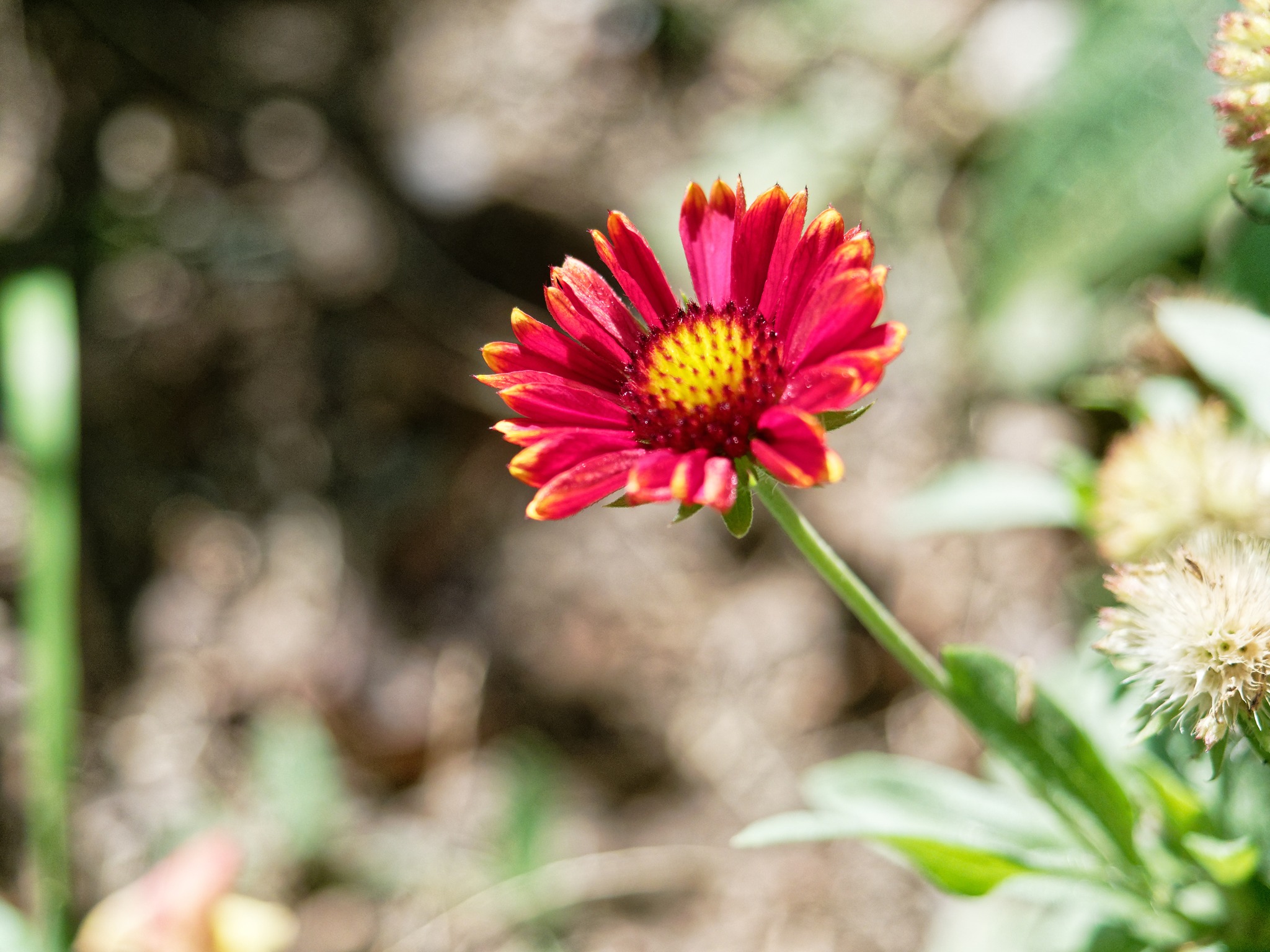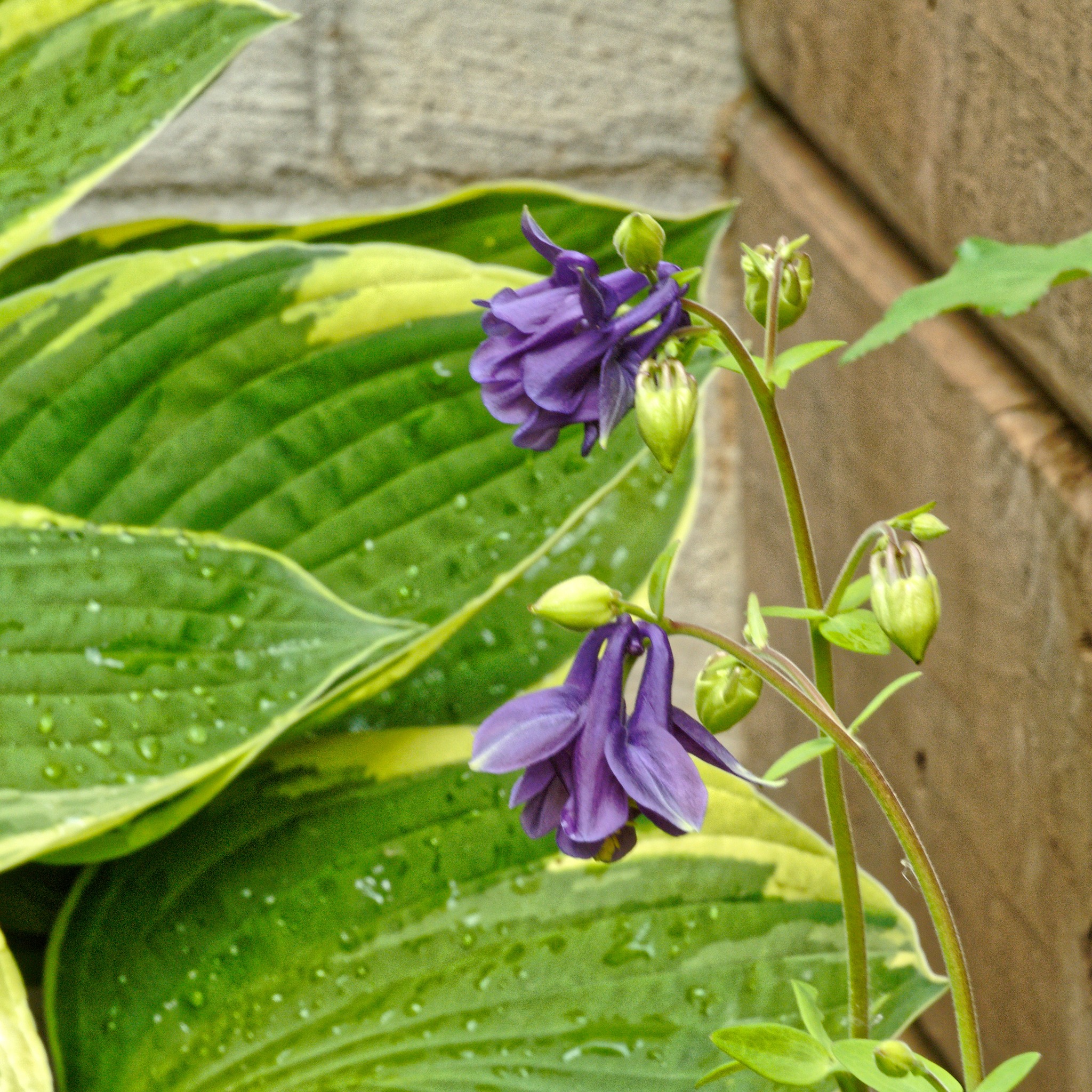
A Flower a Day for February

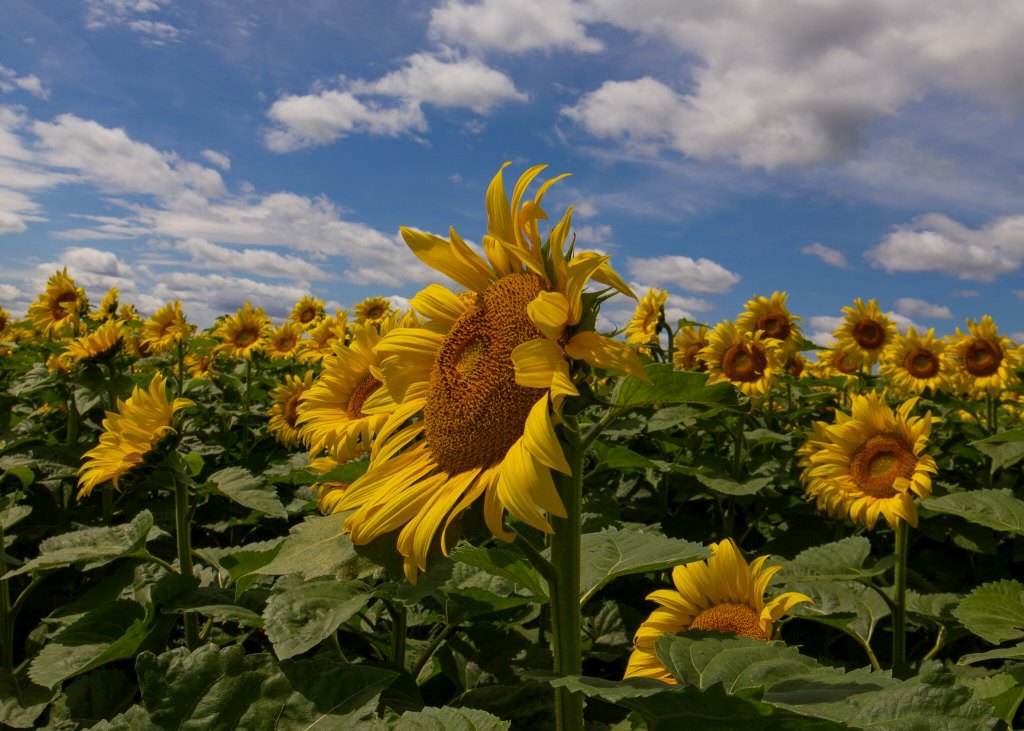
Sunflower by Joel Dinda

Sunflower by Joel Dinda

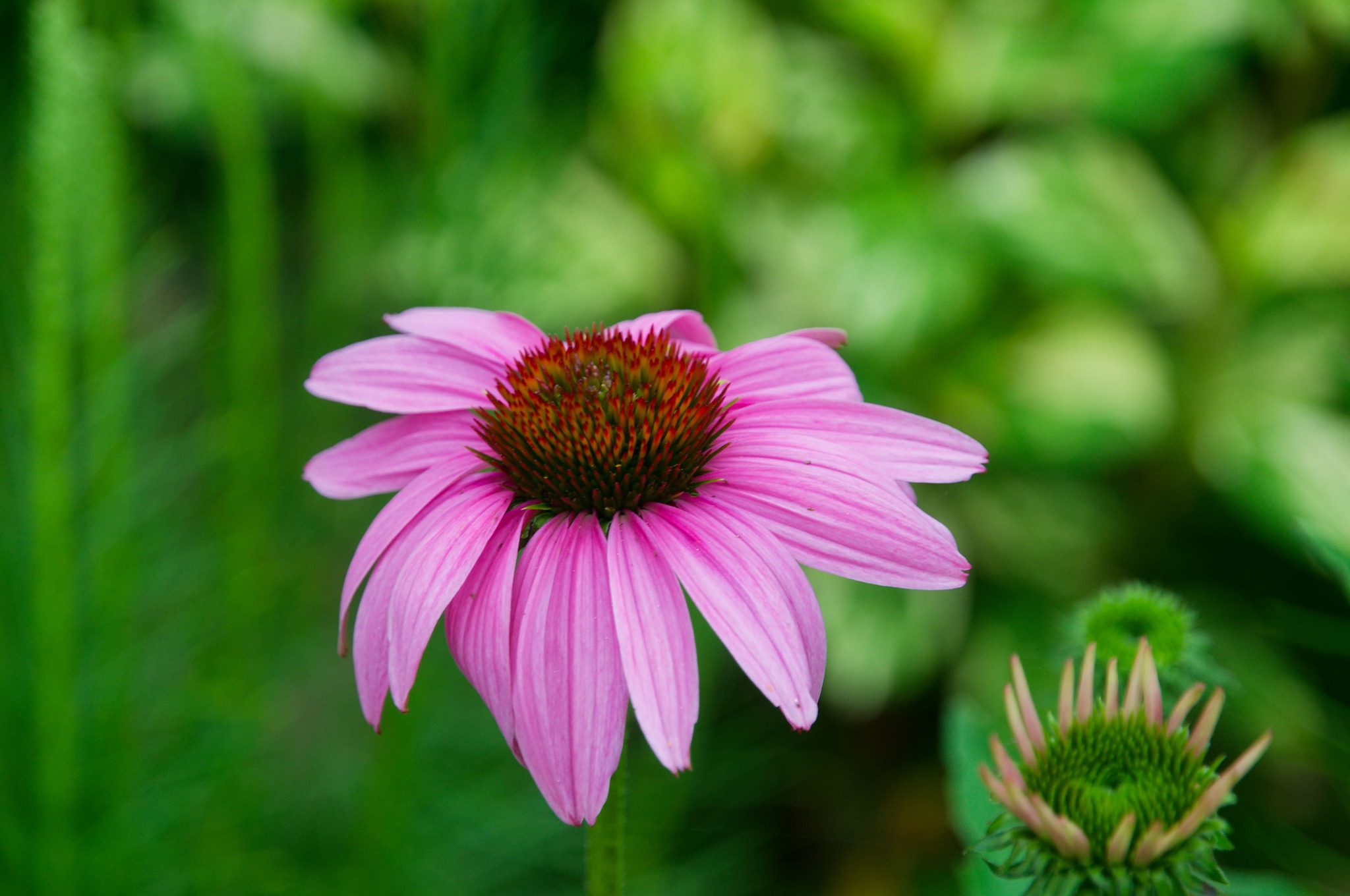
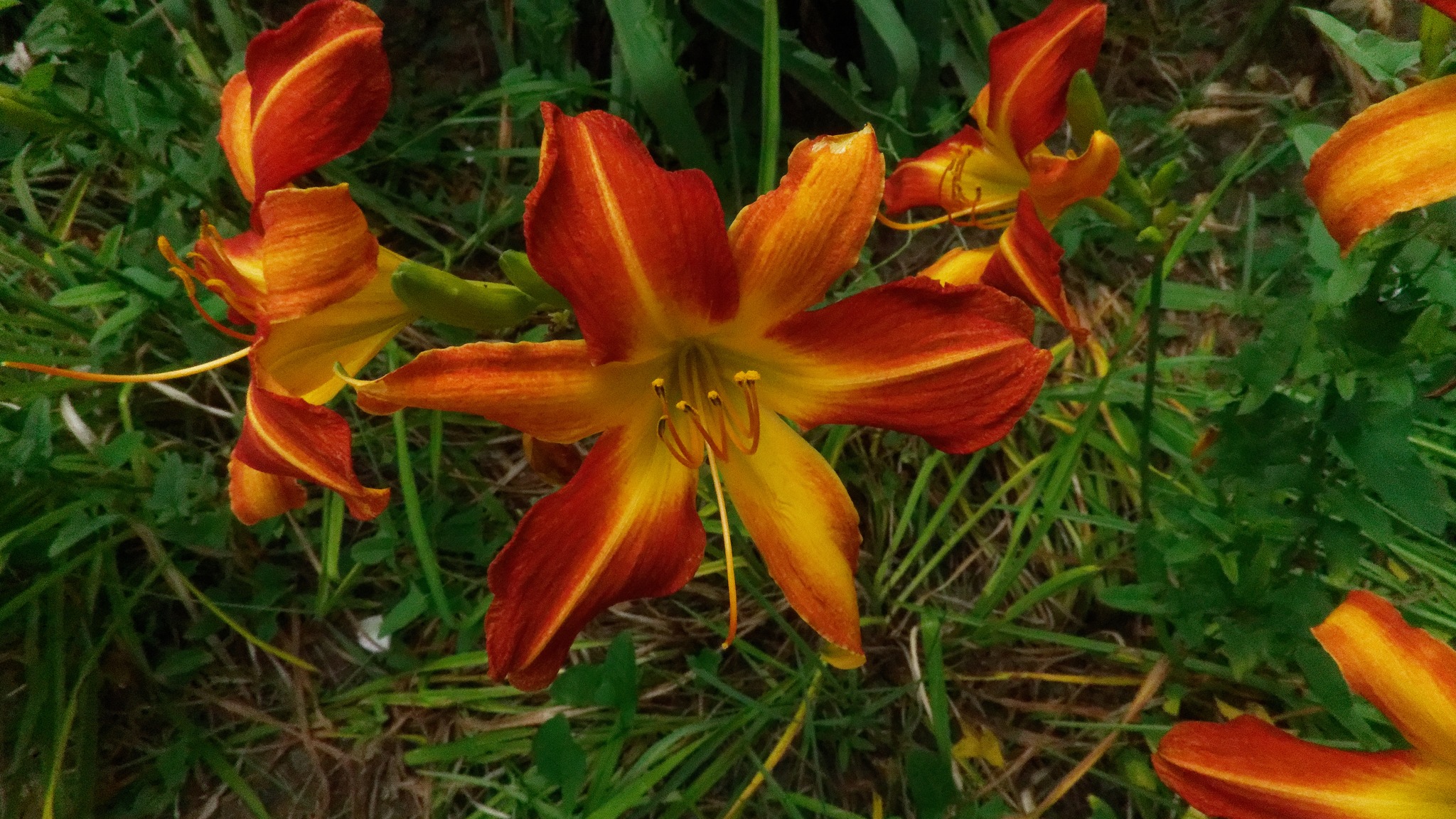
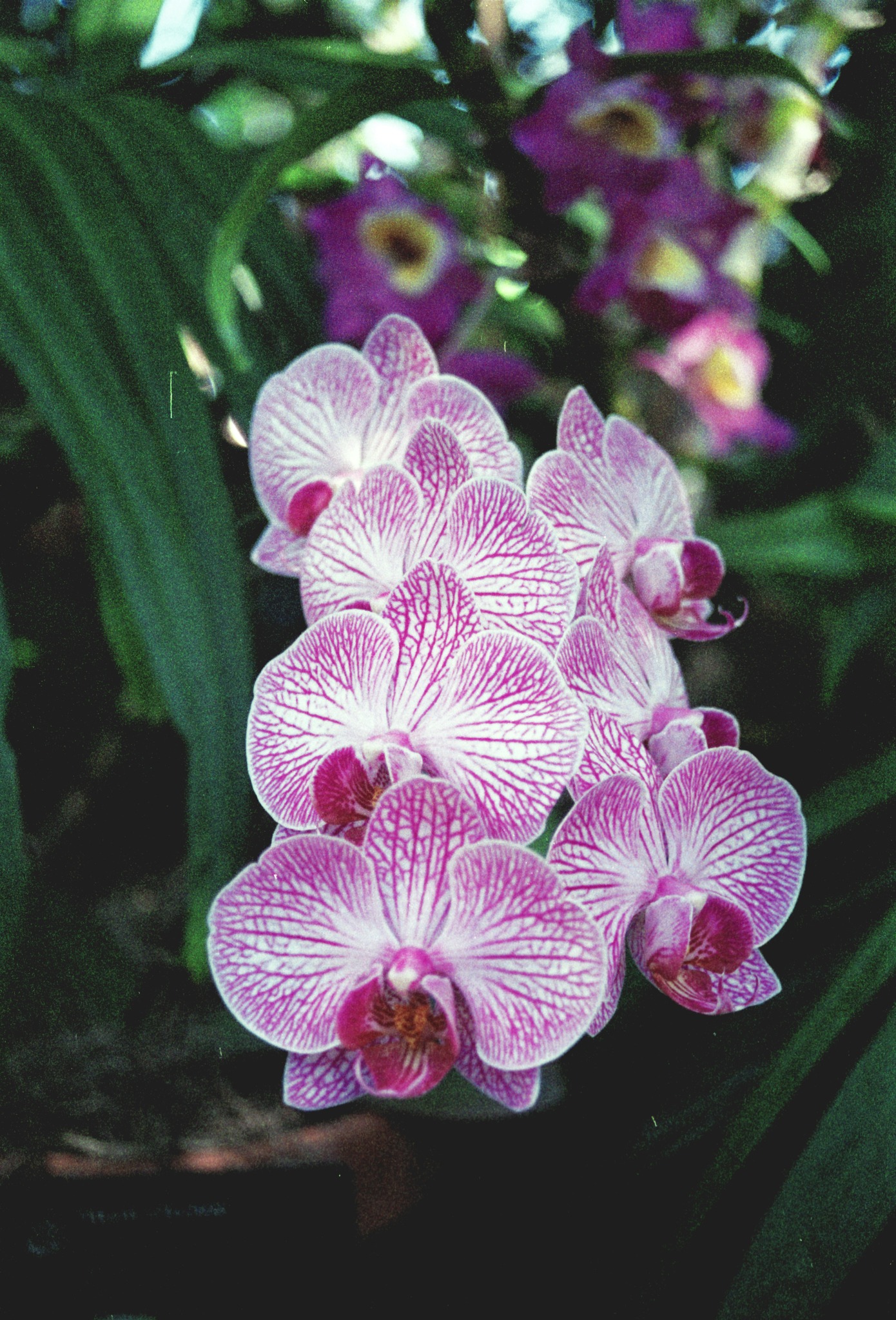
Longtime Michigan in Pictures supporter Joel Dinda knows that the struggle to stay sunny is real in Michigan, so once again he is sharing A Flower a Day for February in the Michigan in Pictures group on Facebook! Check it out and follow along with Joel’s travels near & far in our group!

You can see some more of Joel’s Flower a Day series on Michpics from 2017 & 2012 as well!

Support Michigan in Pictures with Patreon

Aurora outbreak on tap for this weekend!!

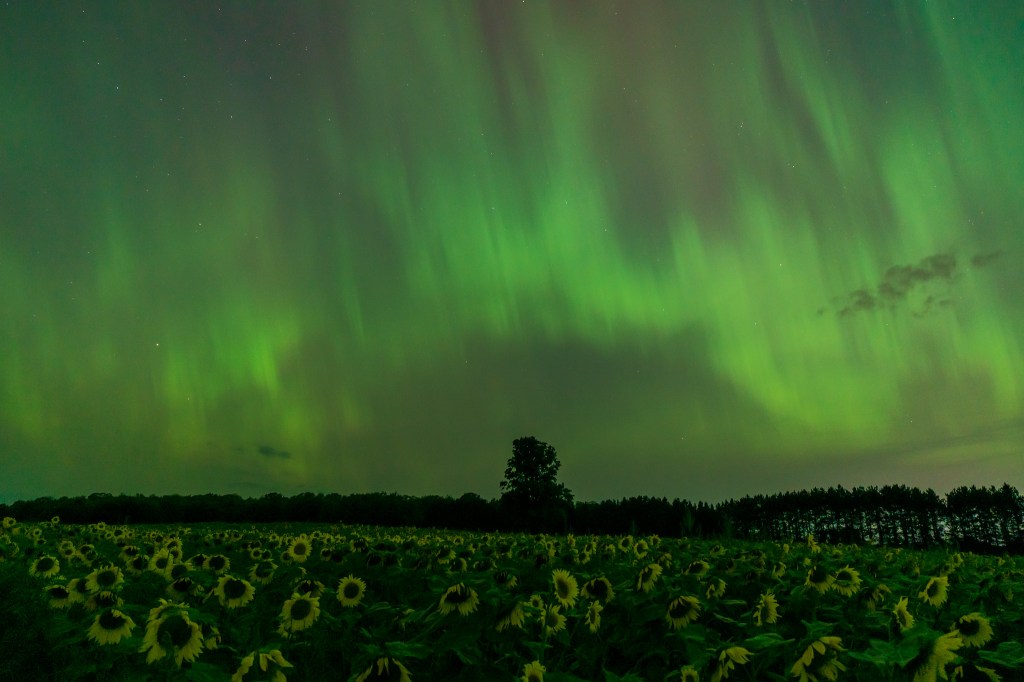
Sunflower Auroras – August 2024-23 by Nathan Miller

The NOAA/NWS Space Weather Prediction Center has issued a G3 (Strong) Geomagnetic Storm Watch for today through Sunday due to a pair of coronal mass ejections that are anticipated to arrive over the course of the next three days. This means that Northern Lights are VERY possible over the weekend!!

Nathan took this in August up on the Keweenaw Peninsula. See more in his Sunflower Auroras gallery on Flickr and for sure check out his photography & writing at Nathan Invincible.

Much (much) more Northern Lights on Michigan in Pictures!

Support Michigan in Pictures with Patreon

You belong somewhere you feel free

Somewhere you feel free by JP

Somewhere you feel free by JP

“You belong among the wildflowers
You belong in a boat out at sea
You belong with your love on your arm
You belong somewhere you feel free”
― Tom Petty

😍 We all belong in people & places where we feel free, and I truly hope you’re finding these places & spaces & faces.

JP took this in the UP back in August. See the latest on their Flickr.

Support Michigan in Pictures with Patreon

How you can help bees in Michigan

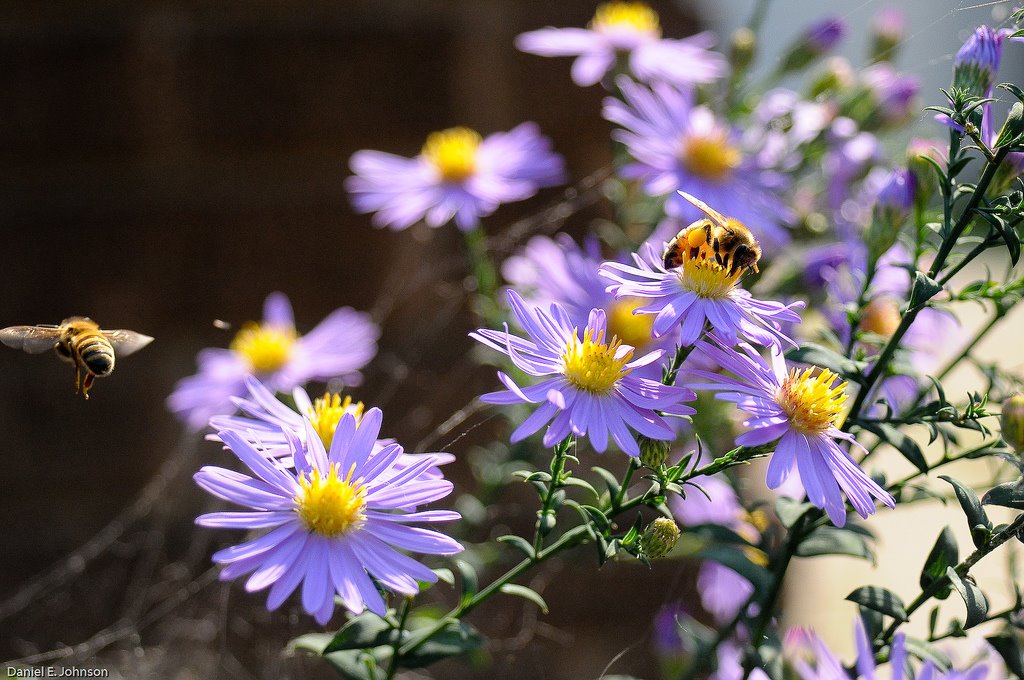
Around the Bend by Daniel E. Johnson

Around the Bend by Daniel E. Johnson

I shared this photo on August 7, 2017 with the good news that the number of Michigan honeybee colonies was on the rise, reversing steep declines due to colony collapse disorder. Michigan and the world are for sure not out of the woods with Colony Collapse Disorder (CCD) that causes the majority of worker bees in a colony disappear and leave behind a queen, food & a few nurse bees to care the queen & larvae. While reported cases of CCD have declined significantly, beekeepers nationwide reported losing HALF of their colonies in the year ending last April.

Because we still have work to do, I’m happy to share ways that we can help keep flowers blooming & crops growing right here in Michigan. MSU Extension answers the question Should Michiganders keep bees by saying that unless you have the resources to keep your hive healthy, it’s better to focus on helping bees by planting flowers and flowering trees that are good sources of nectar and pollen from the spring through the fall. I’m also really happy that St. Joseph has announced its commitment to become a Bee City USA!

Dig into Daniel’s photos on his Flickr!

Support Michigan in Pictures with Patreon

The Dwarf Lake Iris is a Great Lakes original!

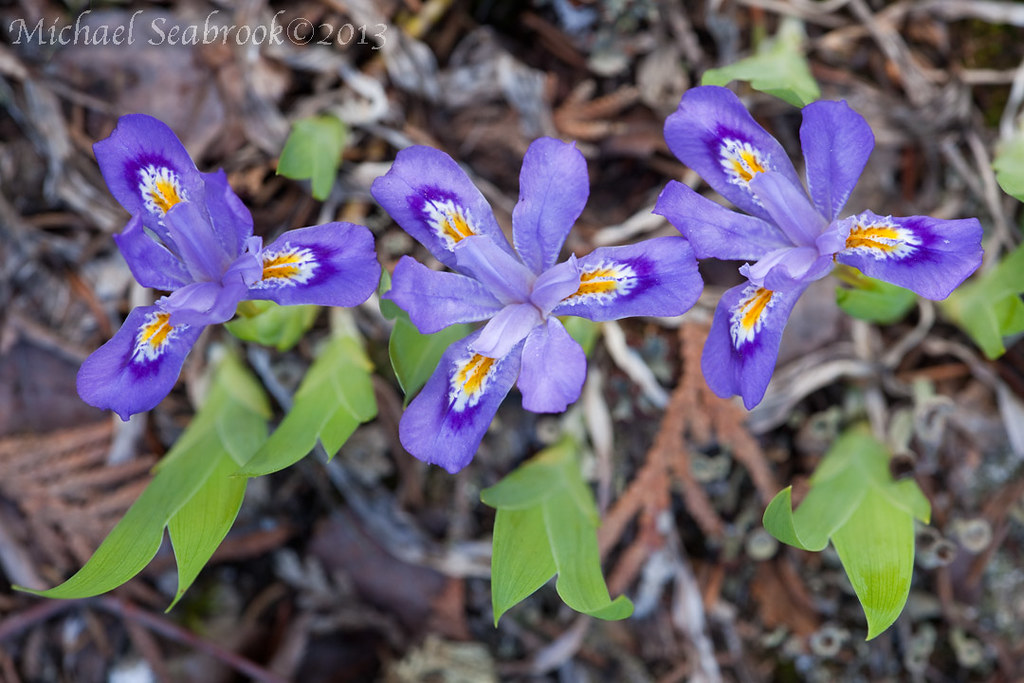
Sisters Three by Michael Seabrook

The National Forest Service shares that Michigan’s state wildflower, the Dwarf Lake Iris (Iris lacustris), grows nowhere else but in the Great Lakes region & mostly within Michigan:

The vivid blue, showy flowers (about two inches in height) of Dwarf lake iris are truly exquisite. This miniature iris, honored as the state flower of Michigan, blooms from mid May to early June.

Dwarf lake iris is called a Great Lakes endemic due to its very limited range. It inhabits the northern shores of Lakes Huron and Michigan within Michigan, Wisconsin (Door Co.), and Ontario, Canada (Manitoulin Island, and the Bruce Peninsula). Dwarf lake iris formerly ranged as far south as Milwaukee, Wisconsin, but has never collected on Lake Superior shoreline.

The Latin species name lacustris translates to “of lakes”, which does not speak to the immense size of these two huge inland “seas”. Confined almost exclusively to thin soil over limestone, rich gravel or bedrock, or moist sands and gravels, it can persist in full sunlight on moist sites. This miniature iris is most successful, however, under the light, dappled shade of white cedar. It flowers best in semi-open habitats such as the long and narrow strips of land bordering the high-water line, or large flat expanses behind open dunes. It may also inhabitant old beach ridges of the former shores of these two Great Lakes. The changing water levels of lakes Michigan and Huron serve to create new habitat.

Thomas Nuttall, renowned naturalist and explorer, first found this species in 1810. The type locality, or location where he first found Dwarf lake iris, was Mackinac Island in northern Lake Michigan.

Michael took this photo back in 2013. More in his Michigan Wildflowers gallery on Flickr!

Support Michigan in Pictures with Patreon

Blossom Patrol!

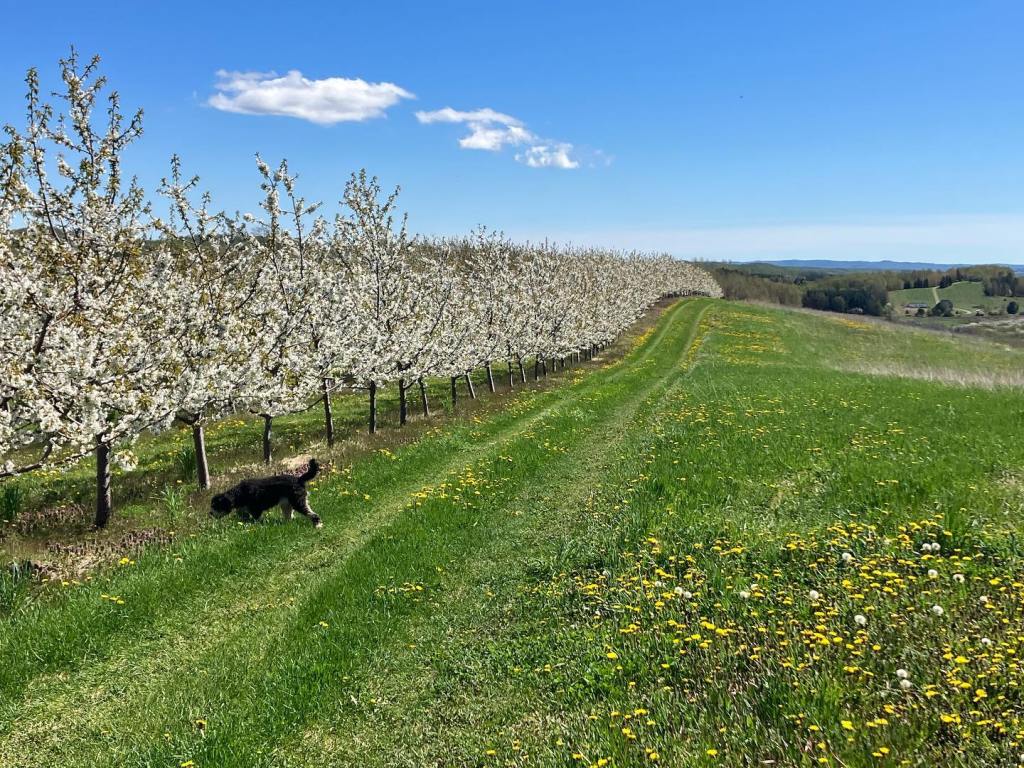
Sweet Cherries in Bloom by Bardenhagen Berries Farm

via Leelanau.com…

The Bardenhagen Berries Farm shares: The sweet cherries 🍒 are in full bloom & it’s a beautiful 🤩 sight all around! What a beautiful day! Strawberries 🍓 usually start blooming around a week or so after cherries. All things considered, this past winter was reported as the warmest on record- and there is a very good chance many fruit crops (assuming they don’t get frosted out) will be a week or more earlier than usual. Follow along right here for updates on the 2024 growing season!

Click to see more photos & visit their website at bardenhagenberries.com!

Tulip Time 2024 … and the cover for 2025

The Winning Tulip by Measie Elizabeth

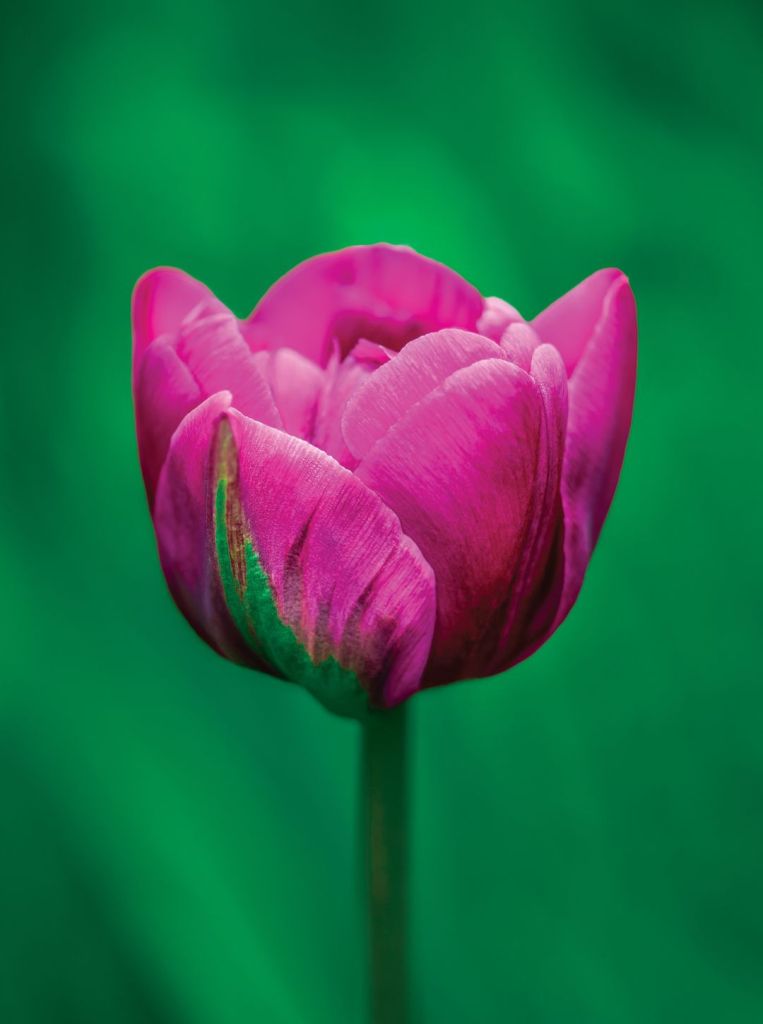
It’s almost Tulip Time, (May 4-12, 2024) and Discover Holland is once again inviting anyone with a passion for petals to take part in their 2025 Holland Area Visitor’s Guide Cover Contest. They say that the cover shot must be taken in 2024 and stand out when surrounded by other brochures. Photos must be vertical (portrait) in orientation or be able to be cropped as such. The winning photographer gets a $500 cash prize and photo credit when it’s used editorially. The top ten photos each get $50 and the winner of the “People’s Choice” vote online will receive $150.

This photo by Measie Elizabeth was the winner last year. Learn more about the photographer at Measie Elizabeth Photography.

Support Michigan in Pictures with Patreon

Michigan in Pictures: the Group

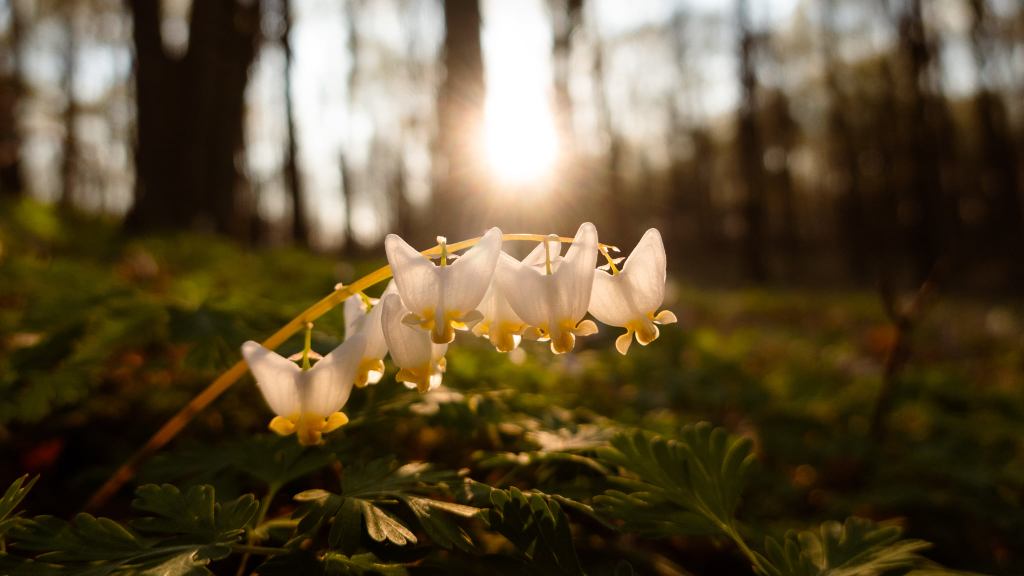
Dutchman’s breeches by William Dolak

William shared this pic to our Michigan in Pictures Group on Facebook back in April of 2021, writing Dicentra cucullaria, or Dutchman’s breeches, is a perennial herbaceous plant, native to rich woods of eastern North America, with a disjunct population in the Columbia Basin. The common name Dutchman’s breeches derives from their white flowers that look like white breeches.

He is one of the leading participants in the group, sharing great updates from Kalamazoo & southwest Michigan. He has also been featured lots through the years on Michigan in Pictures – check him out and for sure share your photos with us there or to the Michigan in Pictures Facebook (where we just added one of his new pics as the cover!)

Support Michigan in Pictures with Patreon

Shalda Creek Iris

via leelanau.com…Shalda Creek Iris by Michigan Nut Photography

Shalda Creek Iris by Michigan Nut Photography

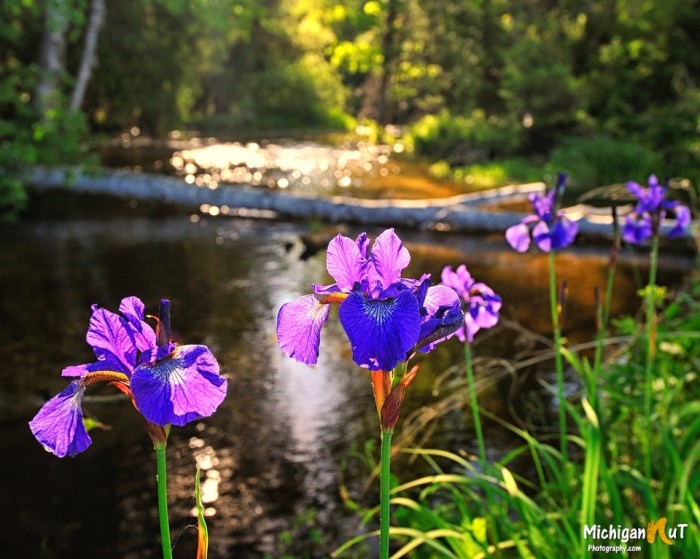
John got this shot of wild Iris along the banks of Shalda Creek in the Sleeping Bear Dunes National Lakeshore.

See more on the Michigan Nut Facebook page and at michigannutphotography.com.

Support Michigan in Pictures with Patreon

Purple for June: Dwarf Lake Iris

Iris lacustris by Bradford Slaughter

Iris lacustris by Bradford Slaughter

Some of you know that my mother Jill suffered for years from the terrifying effects of Alzheimers disease, ultimately passing last winter. June is Alzheimer’s & Brain Awareness Month, and the Alzheimer’s Association encourages us to wear purple (and of course donate) to raise awareness about a disease that afflicts tens of millions of Americans. 

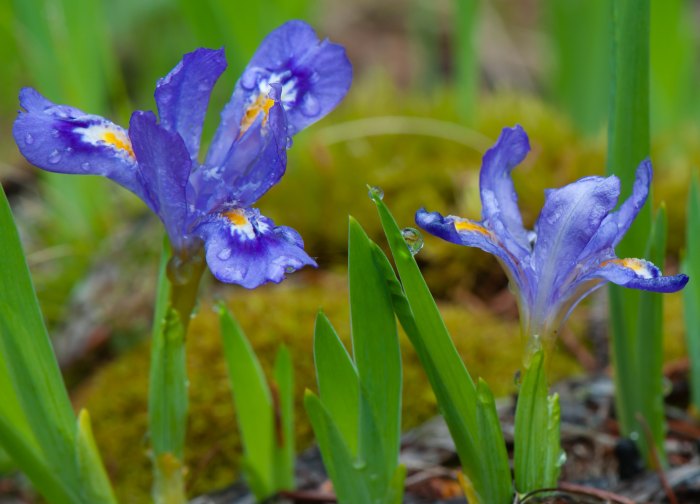
June is also when you can see Michigan’s official State Wildflower, the Dwarf Lake Iris (Iris lacustris), in bloom:

The official wildflower of the Great Lakes State is right at home anywhere it can get its feet wet along the rocky coast of Northern Lake Huron, but those places are getting harder to come by.

This pint-sized perennial is known for its deep blue flowers that emerge mere inches above the ground for a fleeting few weeks in May and June—individual blossoms last just days. The rest of the time, its yellow-green leaves cling close to the ground, hiding in plain sight until springtime comes around again.

It’s a bit of a miracle this fragile flower exists at all: They grow in the thin, nutrient-poor soil that overlays limestone gravel and bedrock. The Northeast Michigan coast, rich with sand dunes and limestone deposits, creates the perfect habitat for the iris, found nowhere else outside the northern Great Lakes.

Along with a limited range that’s shrinking due to lakeshore development, the plant has been sought out by collectors who replant or sell it elsewhere. For these reasons, the dwarf lake iris was added in 1988 to the list of federally threatened species.

Read on for more at Huron Pines & for sure check out their Dwarf Lake Iris Best Practice Guide for tips on how to protect this flower!

Coincidentally, Bradford took this photo at Beavertail Point Nature Sanctuary on the northern coast of Lake Huron eight years ago on June 2nd, 2014 so I guess it’s a #TBT to boot! See more in his Iridaceae (Iris Family) gallery on Flickr 

Support Michigan in Pictures with Patreon