Fat Bear Week: Michigan Black Bear Edition

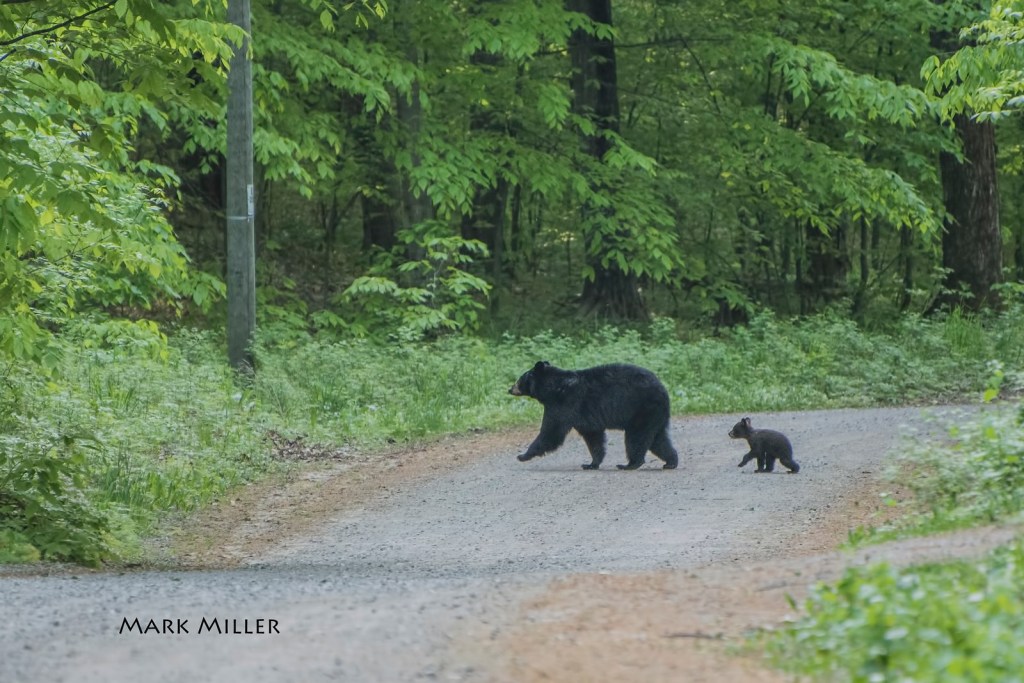
Saturday Morning Stroll by Mark Miller

Saturday Morning Stroll by Mark Miller

We interrupt our mostly Michigan content to bring you important news about Alaska’s Fat Bear Week online competition! Some of the largest brown bears on the planet make their home at Brooks River in Katmai National Park, and in addition to being adorably chonky, the fattest bears are best prepared for winter hibernation.

While Michigan doesn’t have brown bears, our native black bear population is also out there in the woods right now, actively searching for the raw materials to pack on the pounds. The Michigan DNR says that about about 13,000 American black bears live in Michigan. Most of them (around 11,000) live in the Upper Peninsula with around 1,700 in the northern Lower Peninsula. Their Living with Black Bears guide says that the black bear is the only species of bear with an average lifespan of 10 years in the wild. Male black bears live in an area about 100 square miles or more in size, while females live in smaller areas about 10 to 20 square miles. They are solitary animals, a sow (female bear who has birthed at least one cub) and her cubs may be seen together.

Black bears can have various color phases including black (most common in Michigan), brown and cinnamon. In Michigan, adult female black bears range from 100 to 250 pounds while adult males can weigh up to 400 pounds. Adult black bears measure about three feet high on all fours & five feet tall when standing upright.

Black bears are omnivorous & will travel great distances to find food, opportunistically feeding on both plants and animal including tender vegetation, nuts, berries, and insects. Black bears are generally fearful of humans and will leave if they are aware of your presence, but human foods, garbage, pet foods, & birdseed can definitely draw them to your door! In the rare circumstance that a bear doesn’t turn and leave, try to scare it off by yelling while leaving a clear, unobstructed escape route for the bear. If the bear stands its ground, makes threatening sounds or bluff charges, you are too close. Take slow steps backward while continuing to talk to the bear in a stern tone. In the rare event of an attack, fight back with a backpack. DO NOT run or play dead.

Mark captured these black bears out for a Saturday morning stroll near Empire back in June of 2015. You can see more in his In In My Backyard gallery on Flickr.

Support Michigan in Pictures with Patreon

Armadillos are marching towards Michigan

Armadillo Ball by scattered1

Armadillo Ball by scattered1

mLive shares that the nine-banded armadillo found in southwestern Indiana has been moving north according to the US Geological Survey:

There have been 97 armadillo occurrences in Indiana since 2013 with the northernmost sighting in Porter County about five miles from the Michigan border.

Armadillos are considered established in 17 states including Indiana, Illinois, Missouri and Kentucky. There have been occasional reports of armadillos in Michigan, Nebraska, Ohio, and Virginia but no evidence of armadillo detections in Minnesota, Wisconsin or West Virginia.

The report says there is evidence to suggest that armadillos are likely about 56 miles away from reaching Ohio and that they are most likely to first reach the southwest corner of the state along either the Whitewater River or Ohio River. “It will be interesting to monitor when armadillos begin to regularly reach and establish in new states such as Michigan, Wisconsin, and Virginia,” the report said.

Michigan could be reached by armadillos coming north through Indiana or northeast from Illinois, experts say, but the state’s cold and harsh winters are the biggest deterrent to the species survival. The (armadillo) expansion will be slowed and eventually stopped as they encounter winters with extended periods of sub-freezing temperatures, according to the DNR.

Read on for more at mLive, and allow me to remind you that the Michigan DNR denied the existence of a Michigan cougar population for years until they were confronted with undeniable evidence!

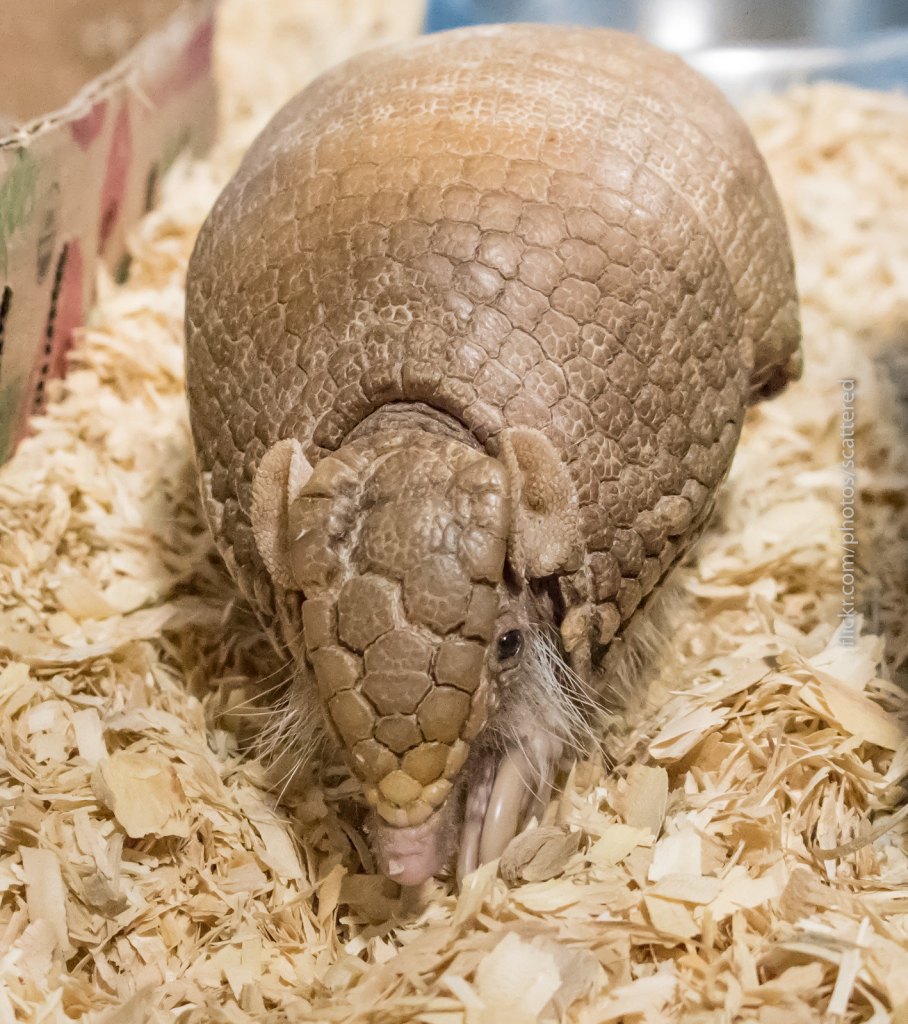
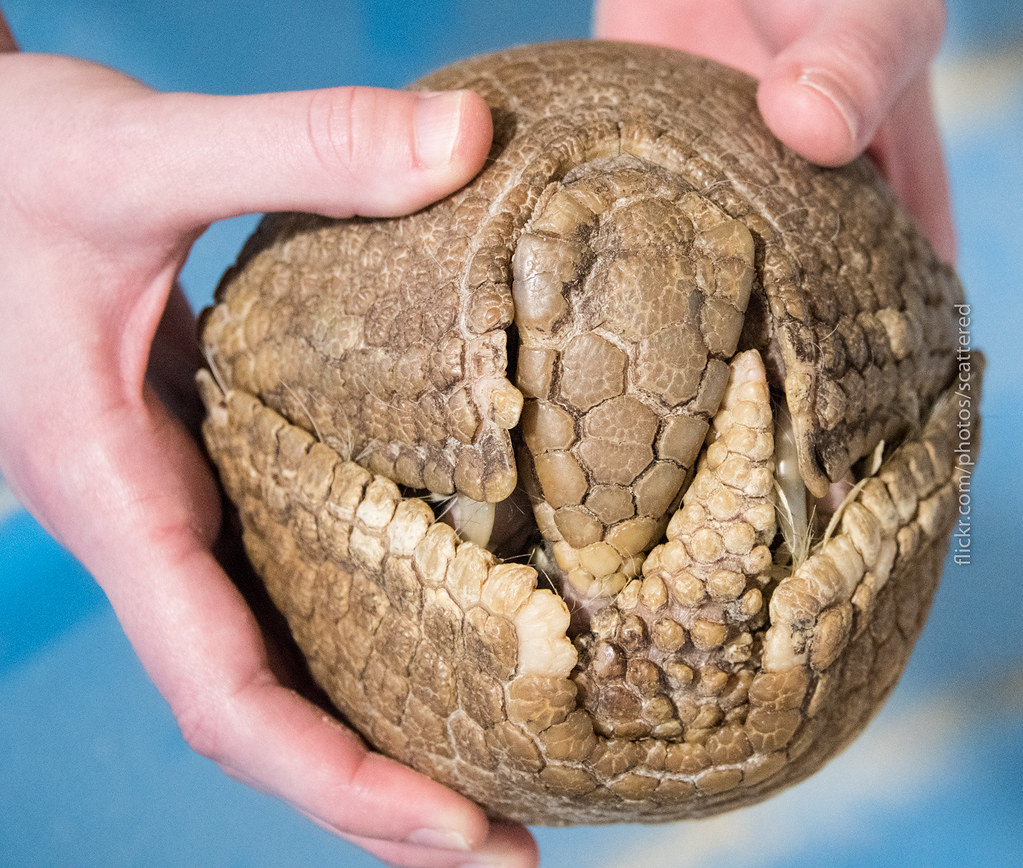
The photographer shares that these are pictures of a southern three-banded armadillo, also known as the La Plata three-banded armadillo from South America. Like the 9-banded armadillo (link to Animal Diversity Web) its shell is made of keratin, the same protein that is in human fingernails. As seen here, the armadillo can roll itself into a ball, only exposing its shell, to protect itself from predators. This armadillo is named Dodge, as in “dodge ball.”

These were both taken at the Creature Conservancy in Ann Arbor back in 2020 – see more in their Captive Animals gallery on Flickr.
Southern Three-Banded Armadillo by scattered1

Southern Three-Banded Armadillo by scattered1

Support Michigan in Pictures with Patreon

Animals with Cool Jobs: Maple the Beekeeping Dog

Maple the Beekeeping Dog by MSU Pollinator Center

I’m starting a new series about Michigan animals with cool jobs today! 😆

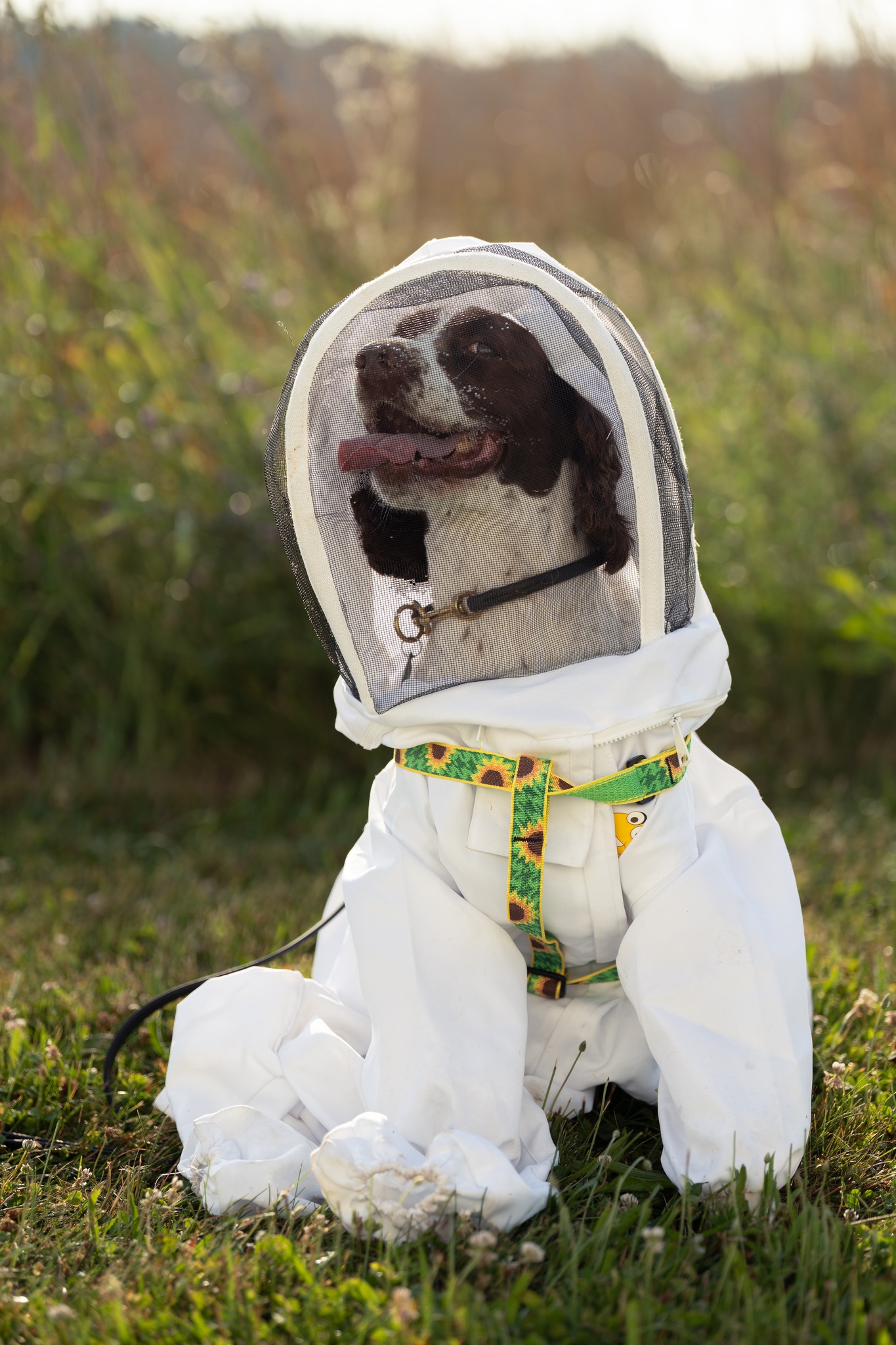
MSU shared this pic of English Springer Spaniel Maple posing for the press at the MSU Pollinator Performance Center saying:

Maple is part of the team at MSU’s Pollinator Performance Center doing critical pollinator research and education. A retired police K-9, she uses her super sense of smell to detect bacteria in bee colonies to help prevent disease from spreading. Currently, beekeepers must manually inspect colonies for disease, but dogs like Maple can identify disease much faster, which could make a big impact on the industry. This project is one of many occurring at the Pollinator Performance Center. Operating since 2021, the center allows MSU to be at the forefront of honeybee and other pollinator research.

You can learn more about Maple & the MSU Pollinator program from MSU Today.

Support Michigan in Pictures with Patreon

Goofy Glory

Goofy Glory by Howell Nature Center

Goofy Glory by Howell Nature Center

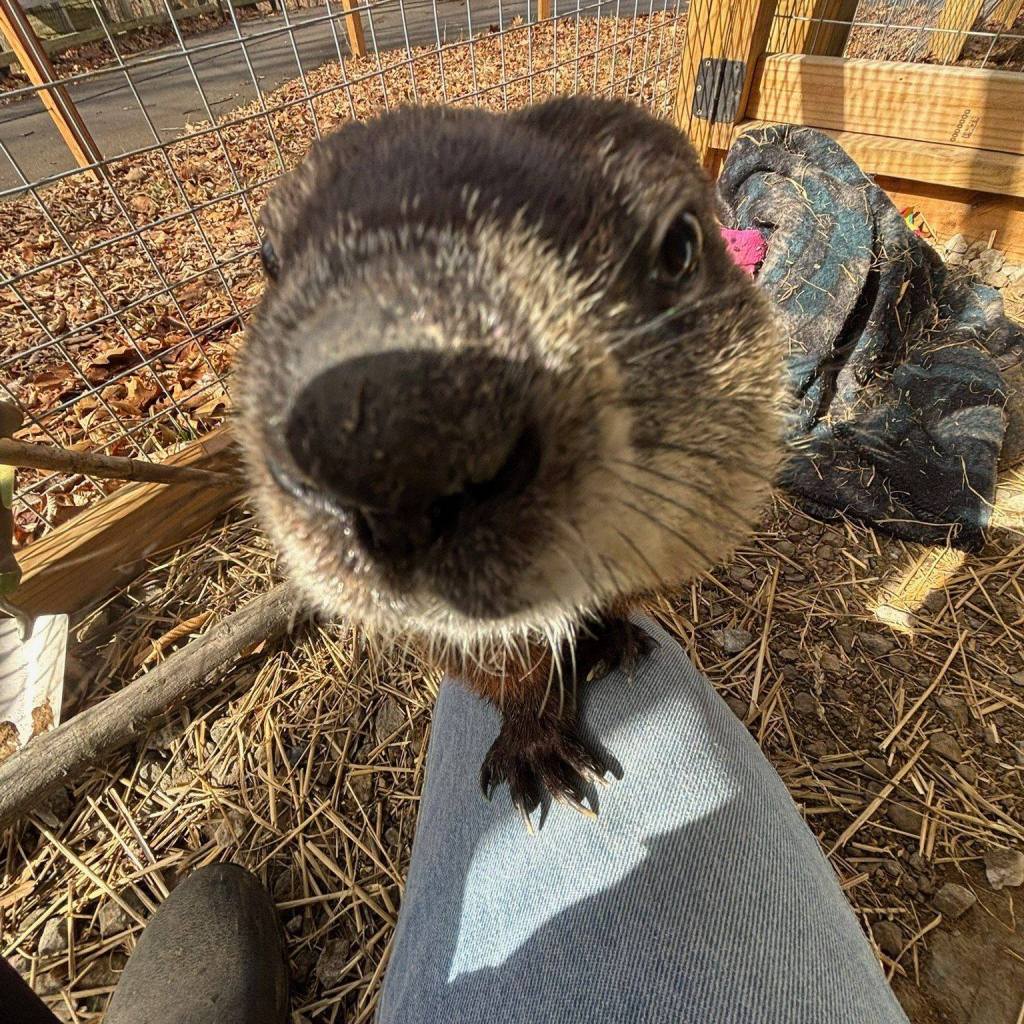
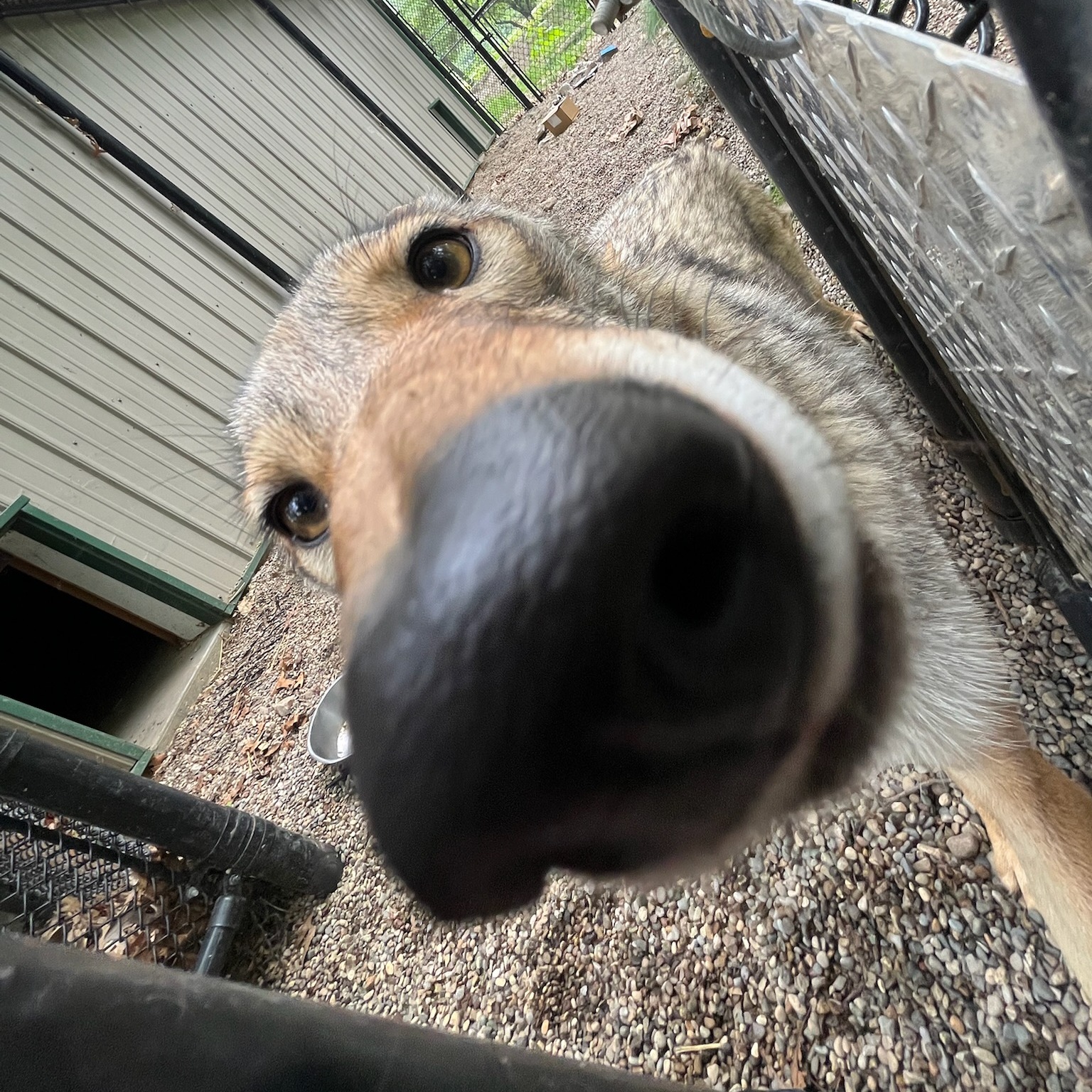
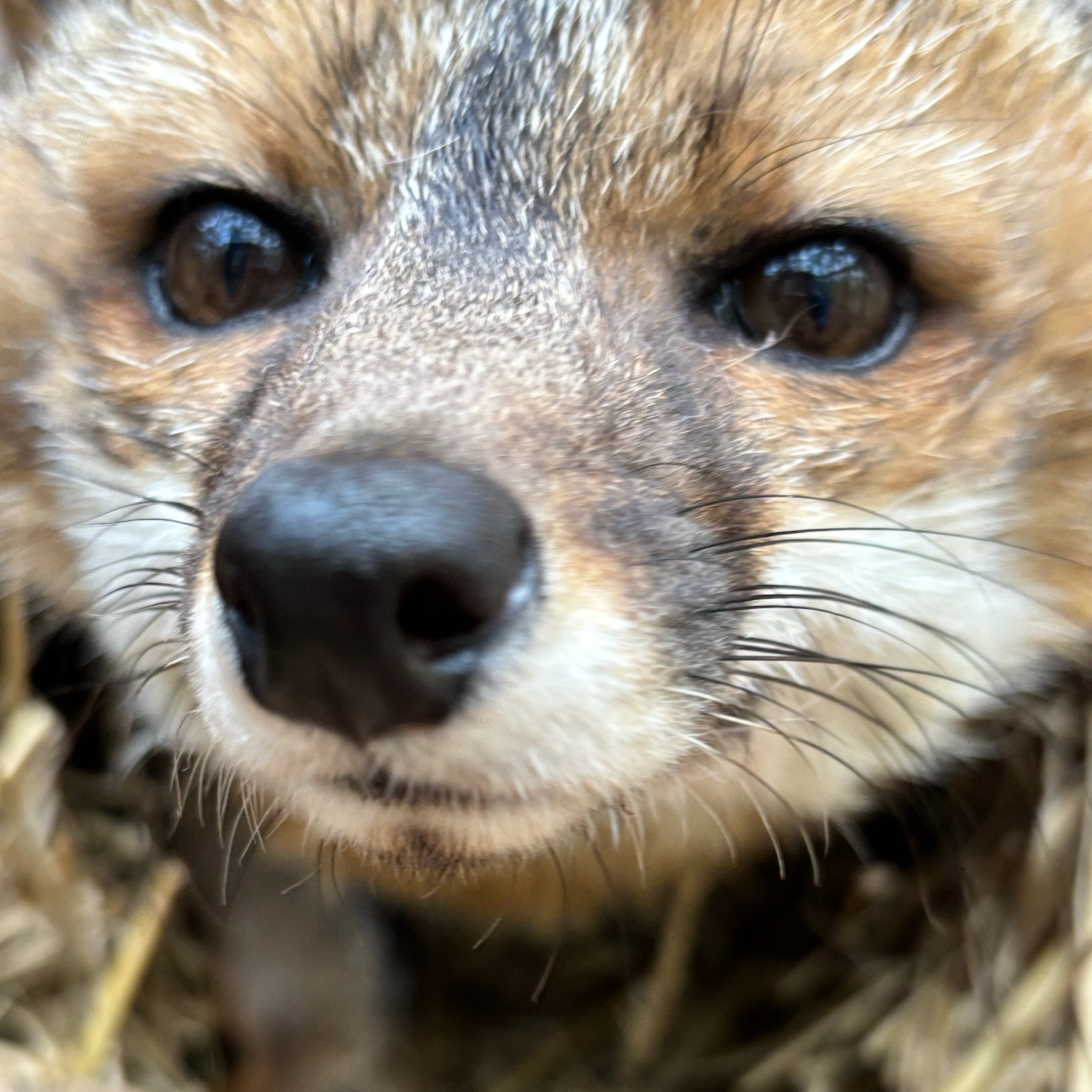
Adjectives commonly applied to nature are typically “grand” or “majestic” but Howell Nature Center reminds us to save a little room for fun. Enjoy these wildly unflattering yet totally adorable photos of our animal ambassadors caught in all their goofy glory 🤪🦊🦉🦝 Come learn their stories and see the real wildlife behind the camera!

Wild Wonders Wildlife Park is open 10am – 5pm every day, and if that first nose seems familiar, it’s because it belongs to Michigan’s Official Groundhog Woody!

More fun stuff on Michigan in Pictures!

Support Michigan in Pictures with Patreon

Happy World Turtle Day from the Midland Painted Turtle!

 Painted Turtle by David Marvin

Painted Turtle by David Marvin

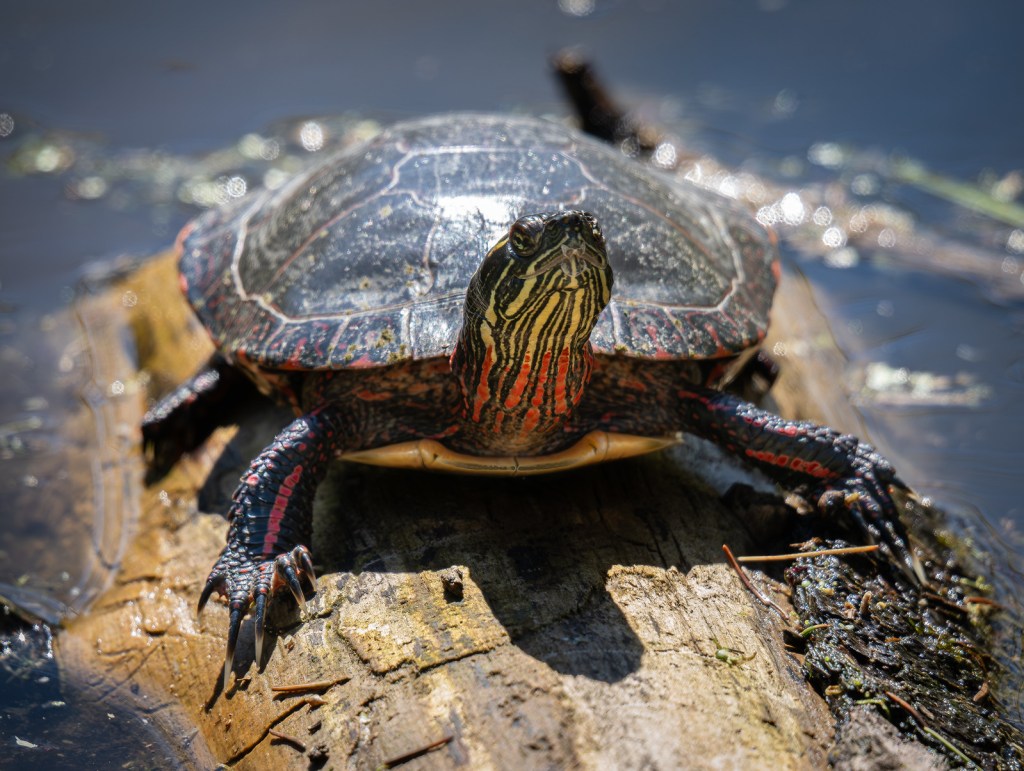
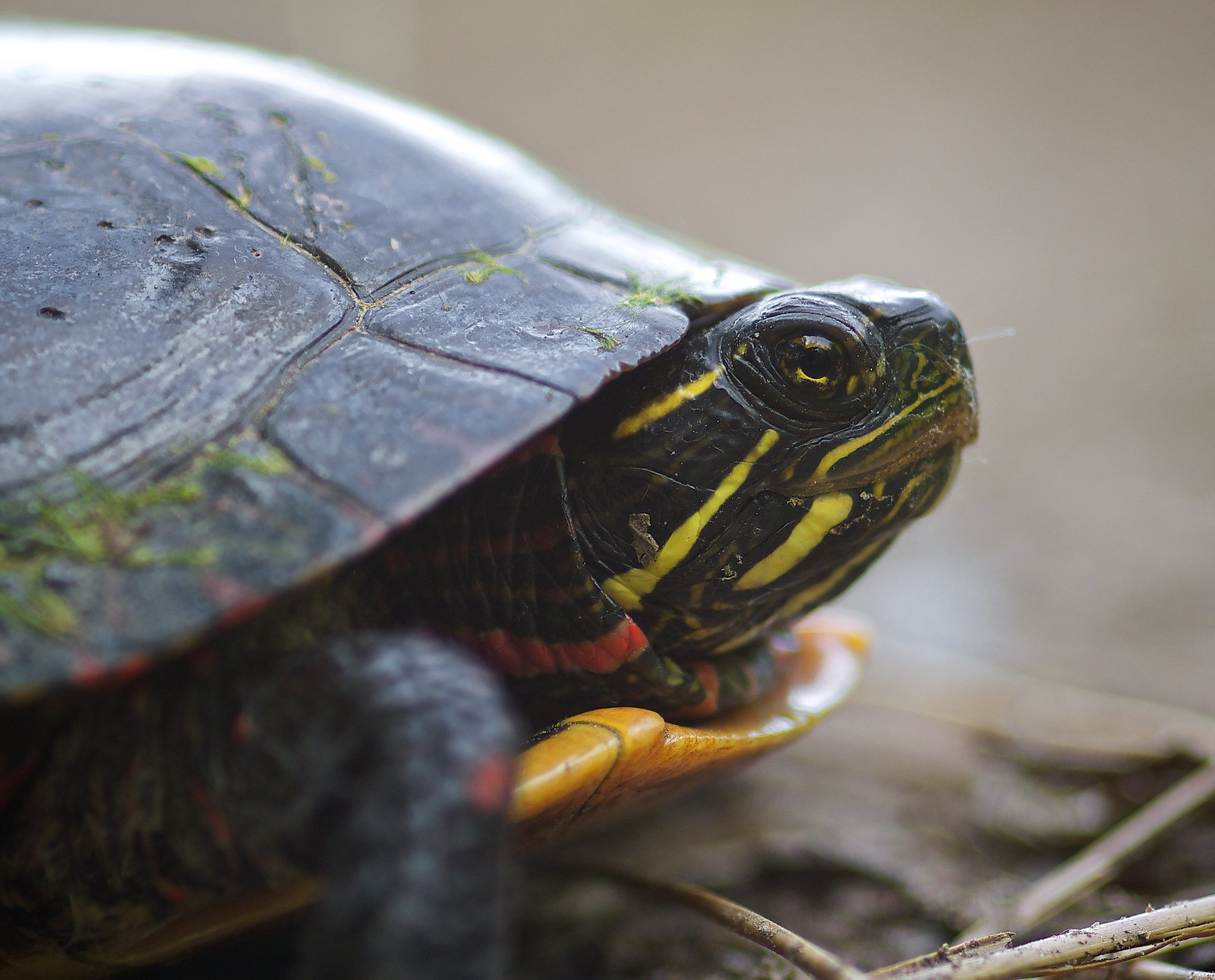
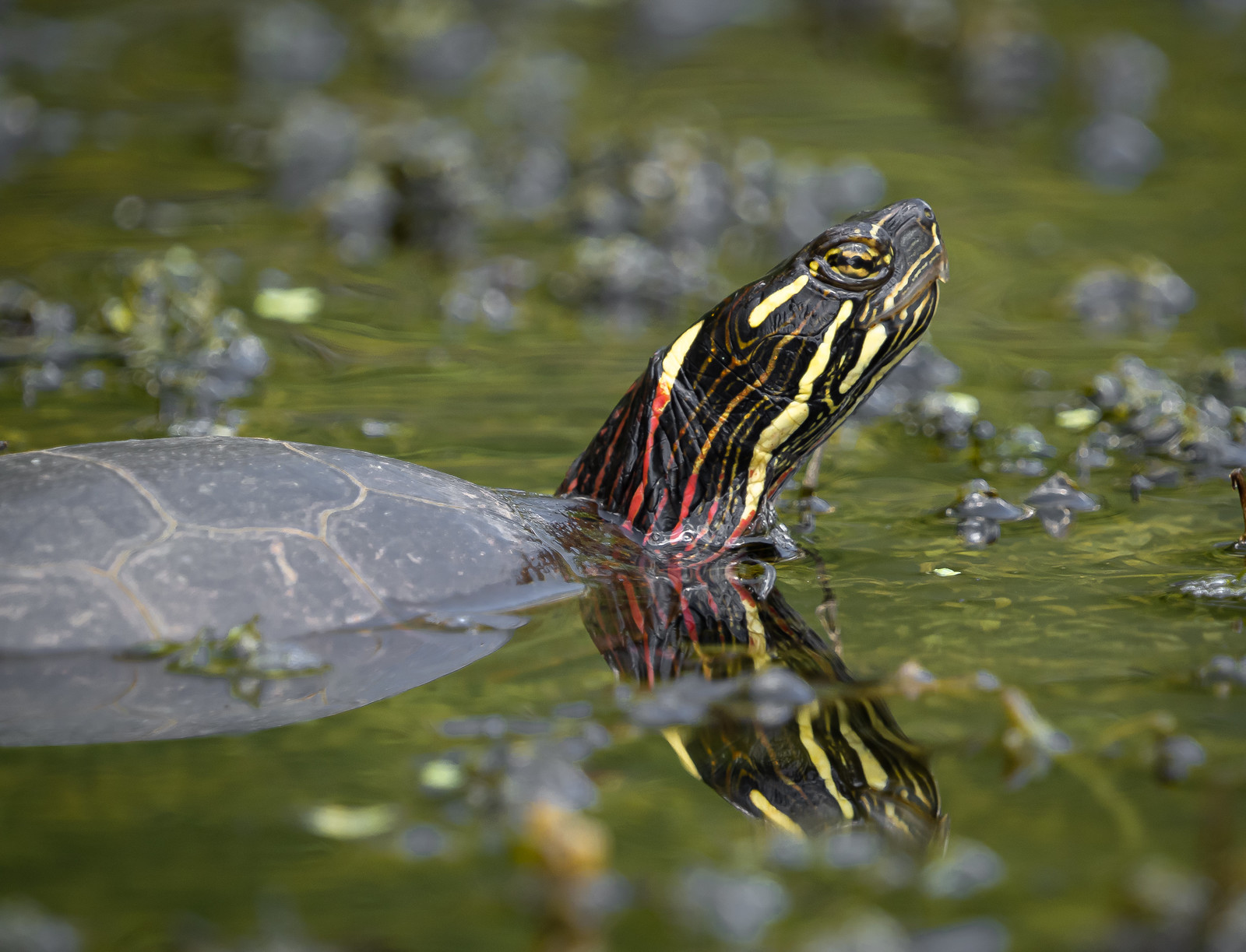
World Turtle Day was created by American Tortoise Rescue as an annual day of recognition to raise awareness about turtles & help preserve endangered turtles worldwide. Michigan has ten species of native turtles including Michigan’s state reptile, the Painted Turtle, but I was today years old when I learned there’s such a thing as the Midland Painted Turtle (pictured above)! Herpman explains in the Painted Turtle entry in his Michigan Herpetological Atlas that:

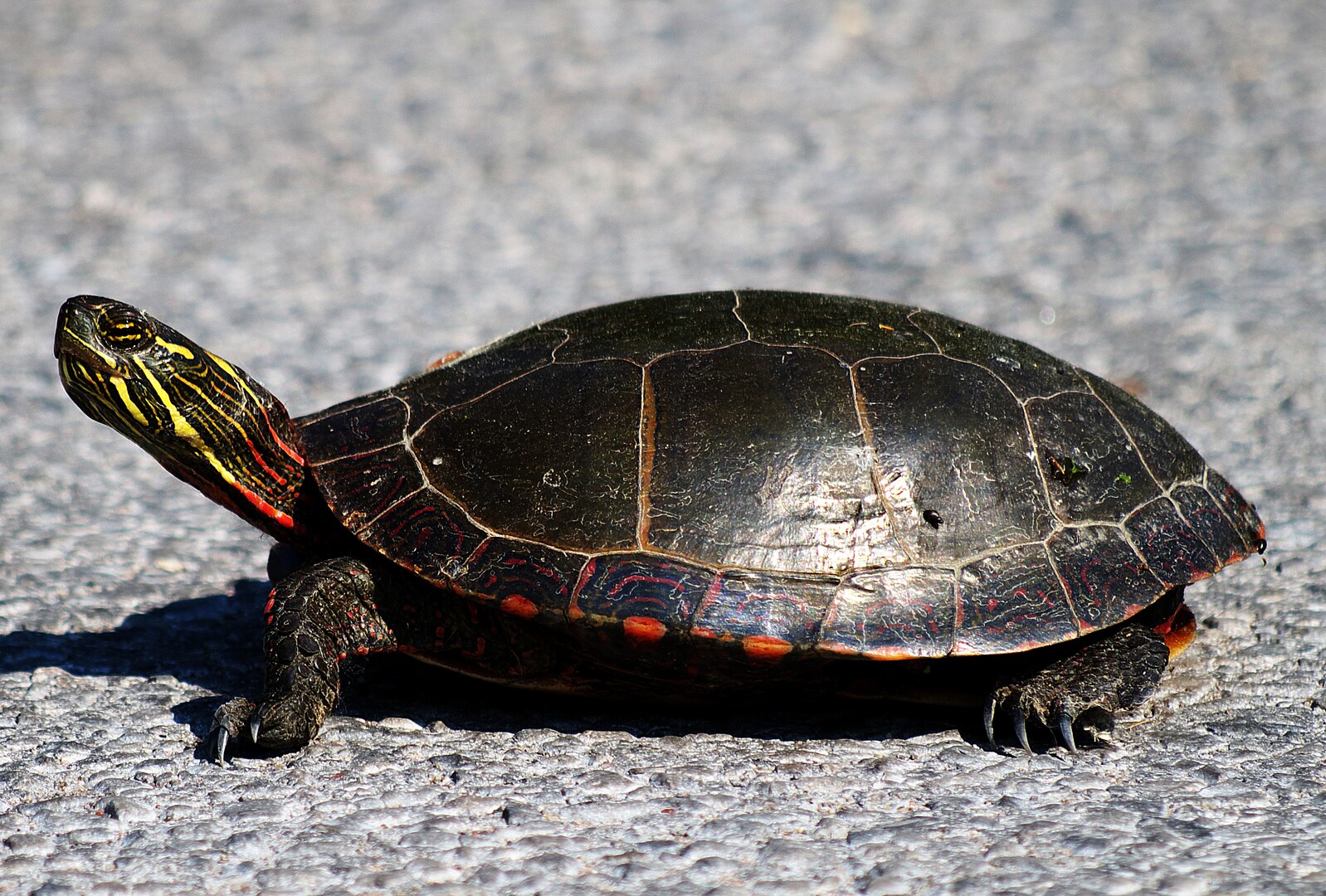
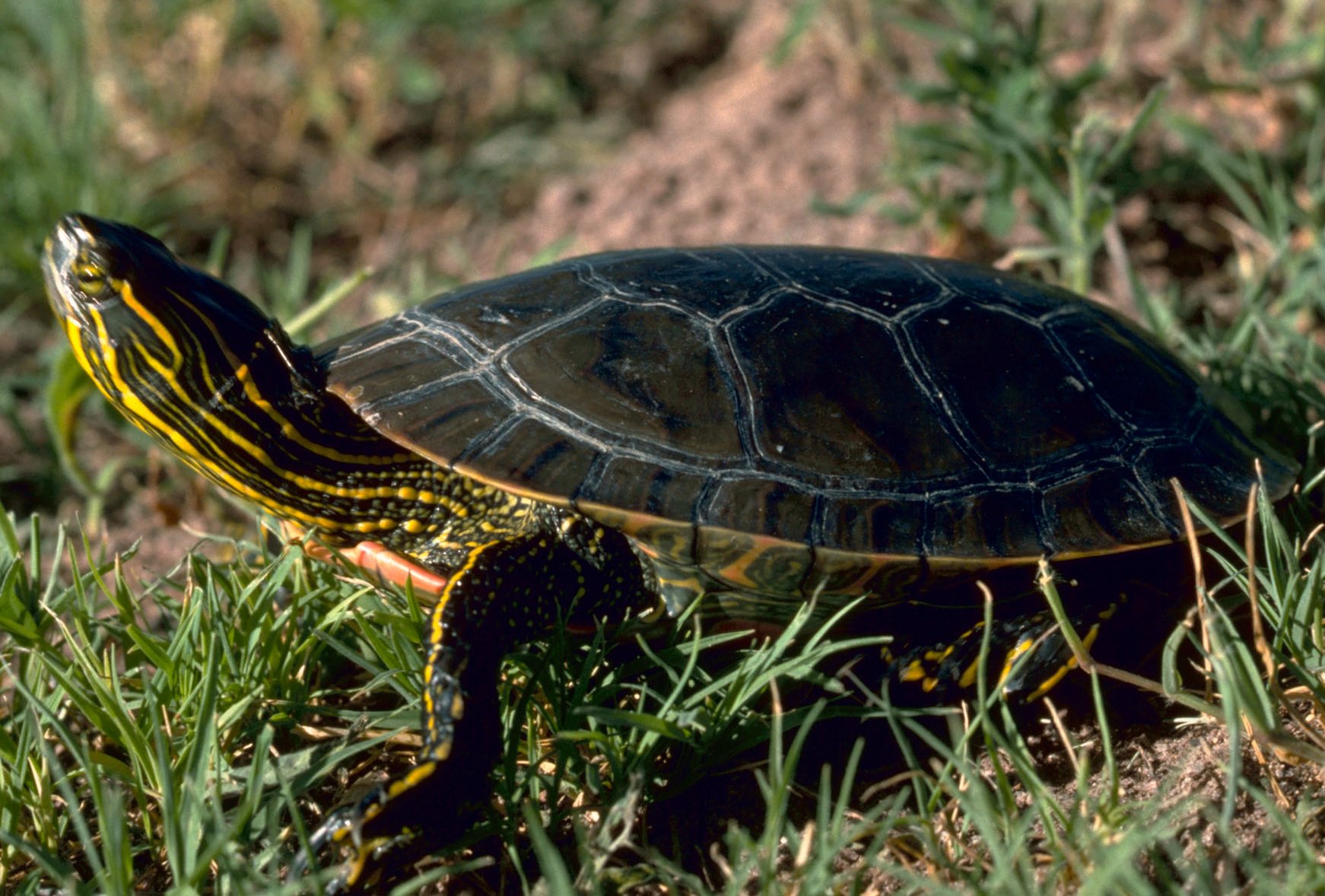
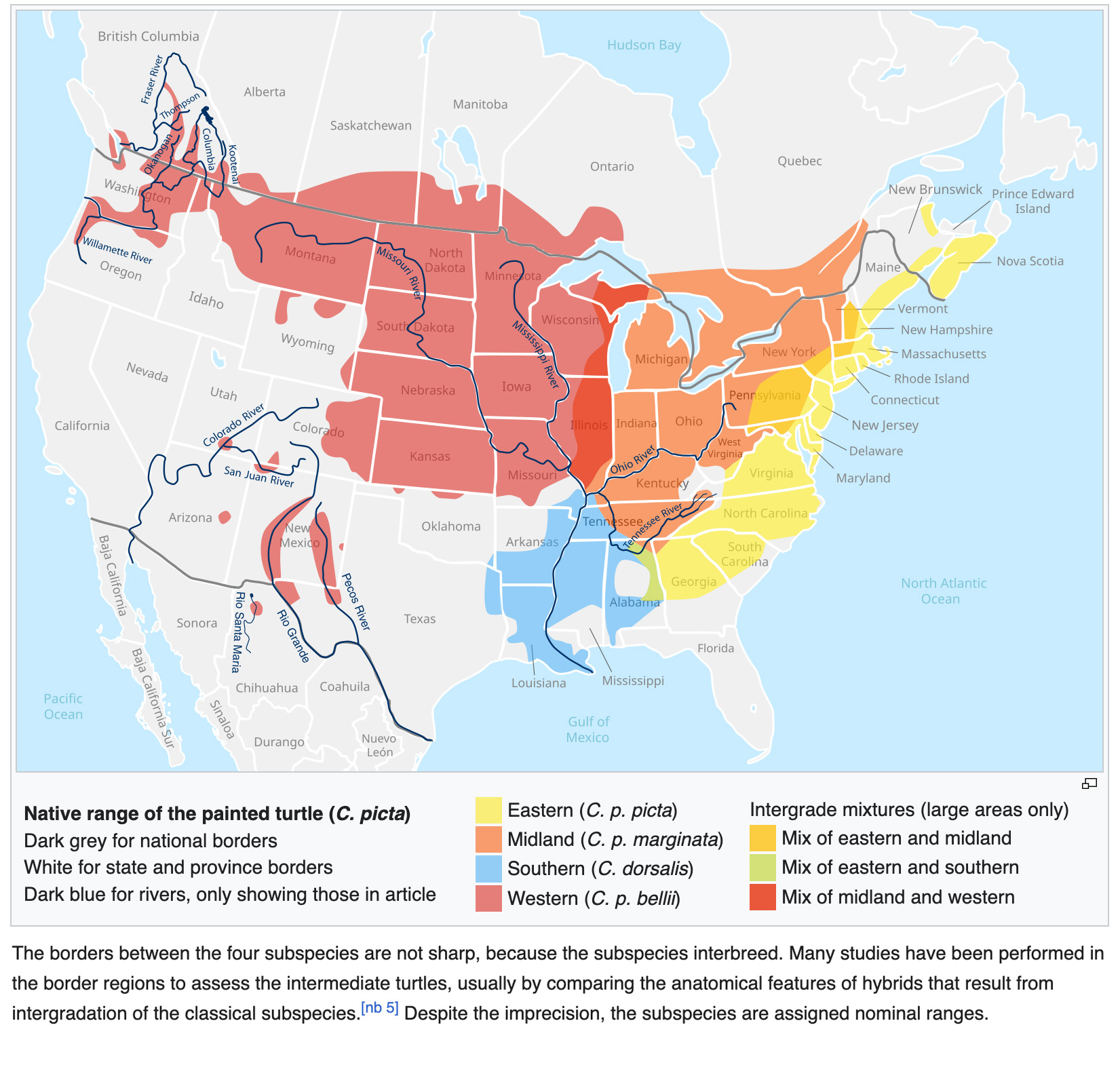
Four distinct subspecies are recognized, two of which are found in the Great Lakes basin. The Midland Painted Turtle (C. picta marginata) tends to have prominent red stripes on forelegs and neck, and plastron is usually yellow or orangish yellow with elongate dark central blotch that does not cover more than half the plastral width. The Western Painted Turtle (C. picta belli) usually has narrow yellow stripes on forelegs and neck, and a pattern of light lines on the carapace.

Plastron (shell) may be reddish or orangish, with complex central pattern of dark and light lines that extends out along the scute seams and often covers more than half of the plastral width. Intergrade individuals within the overlapping range display a variable blending of these characteristics.

You can see the difference pretty easily in the photos of the Midland Painted Turtle by Kobie Mercury-Clarke on the left and the Western Painted Turtle from the US Fish & Wildlife Service. However, as you can see on the map, Michigan’s Upper Peninsula has some intergrade turtling going on.

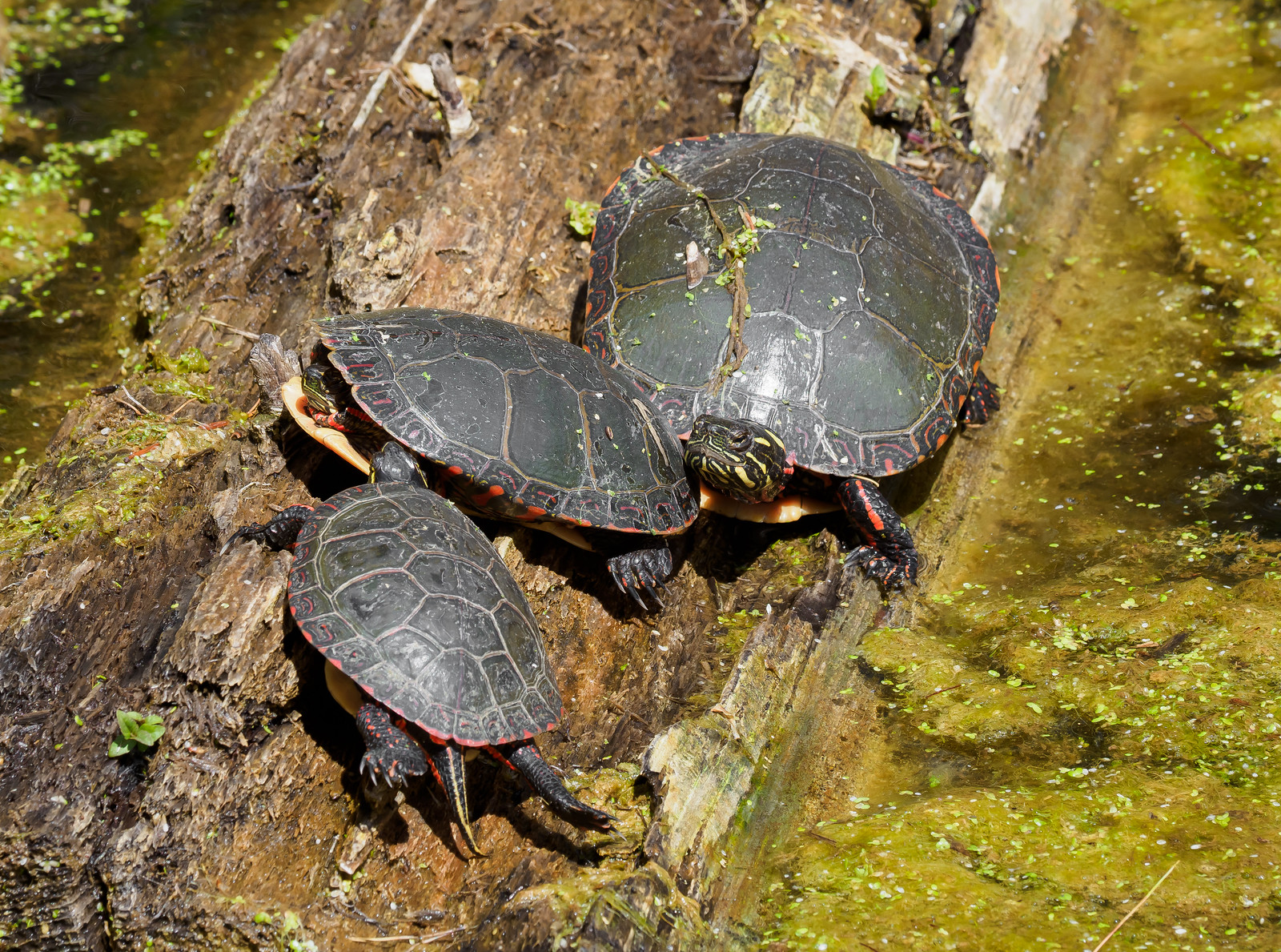
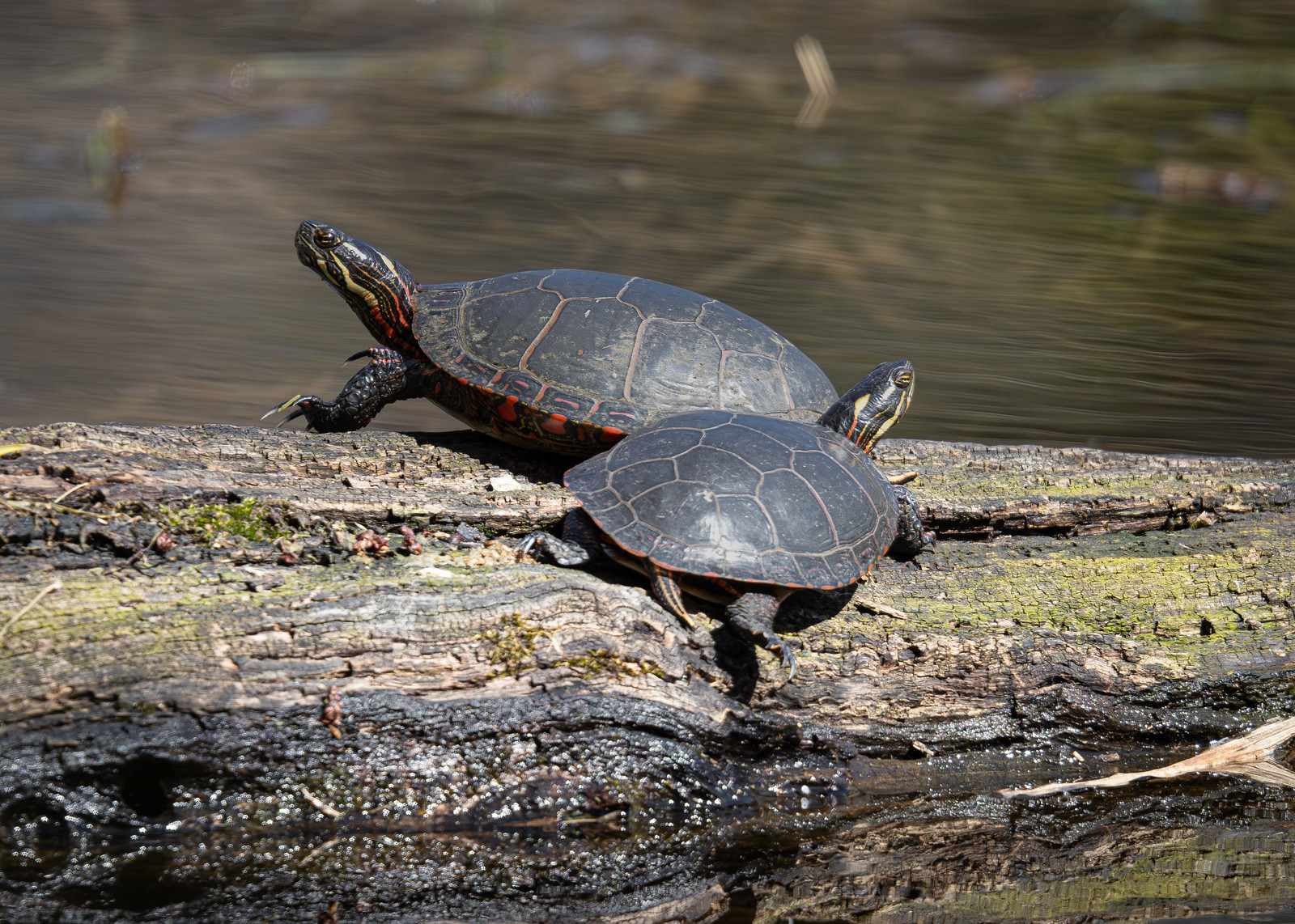
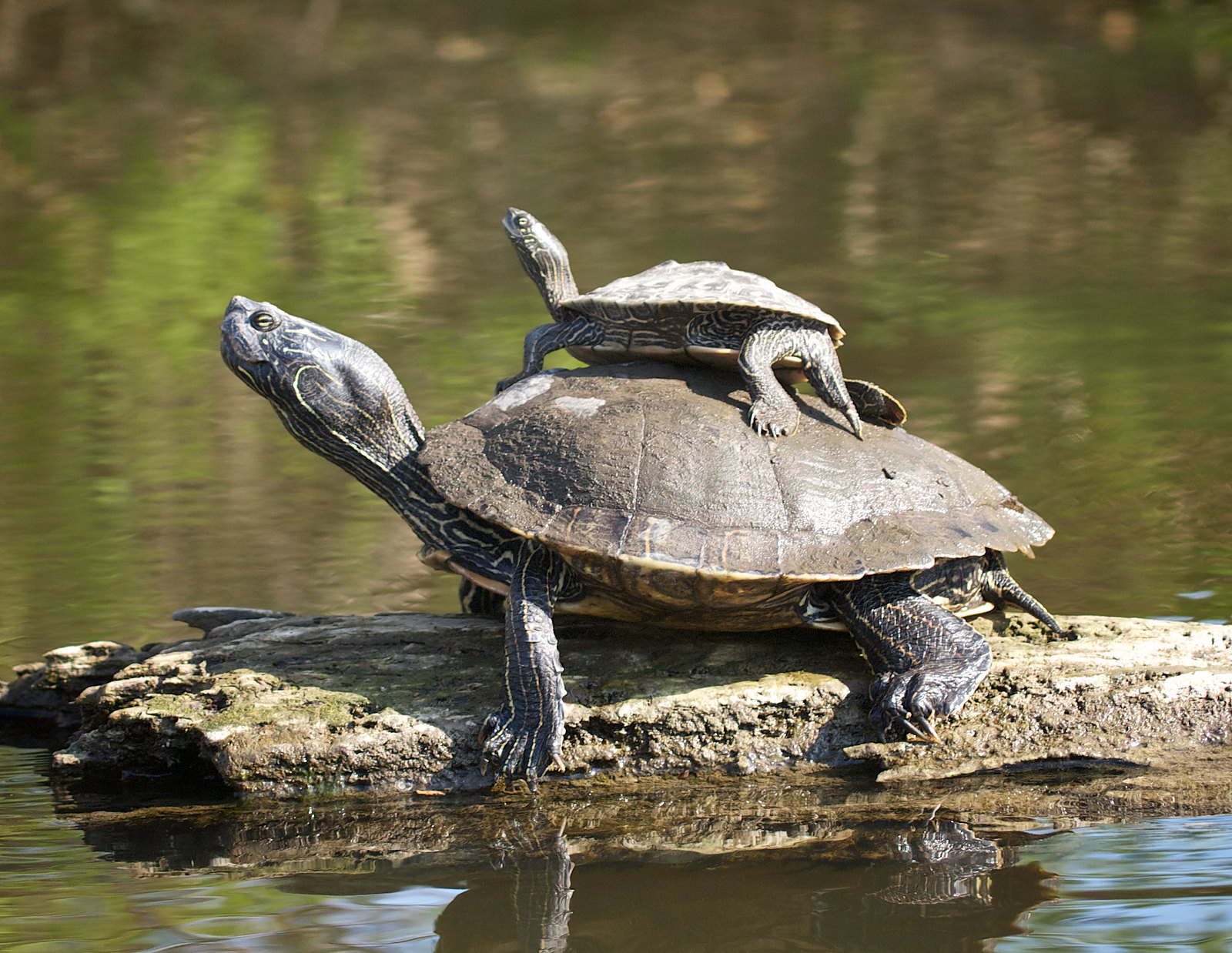
David took the top photo last April. Here are some more of his Painted turtle pics along with one of two Map turtles doing a “turtle stack”. See David’s latest pics including a Calico Pennant Dragonfly on Flickr & for sure visit his blog to read about Red Cedar River turtles & other important things.

Support Michigan in Pictures with Patreon

Drainspout Salamander

Drainspout Salamander by Mary Beth Lundquist

Drainspout Salamander by Mary Beth Lundquist

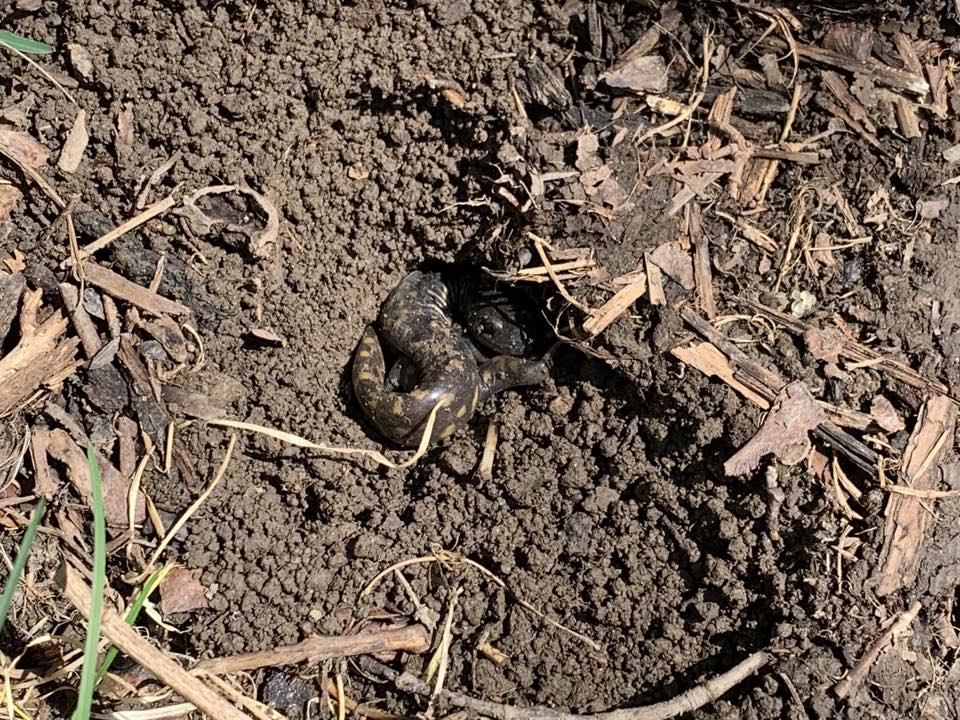
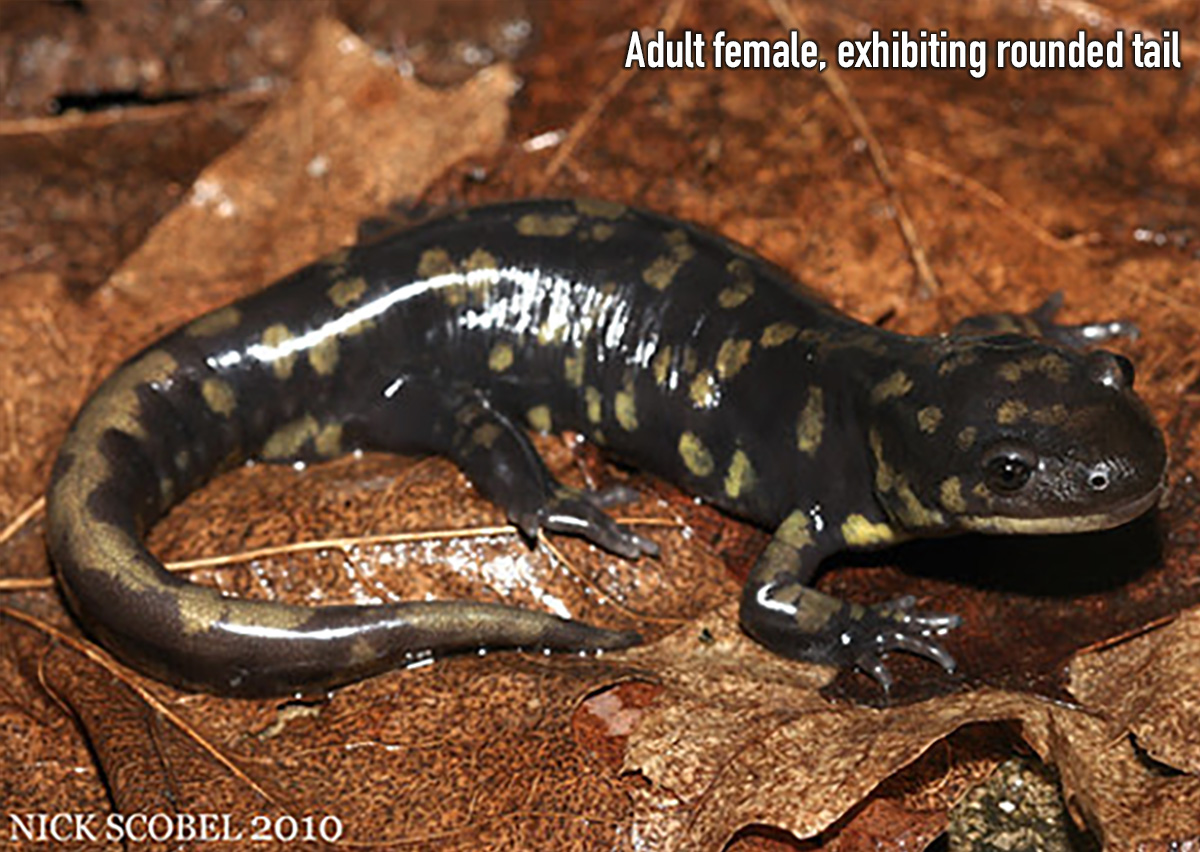
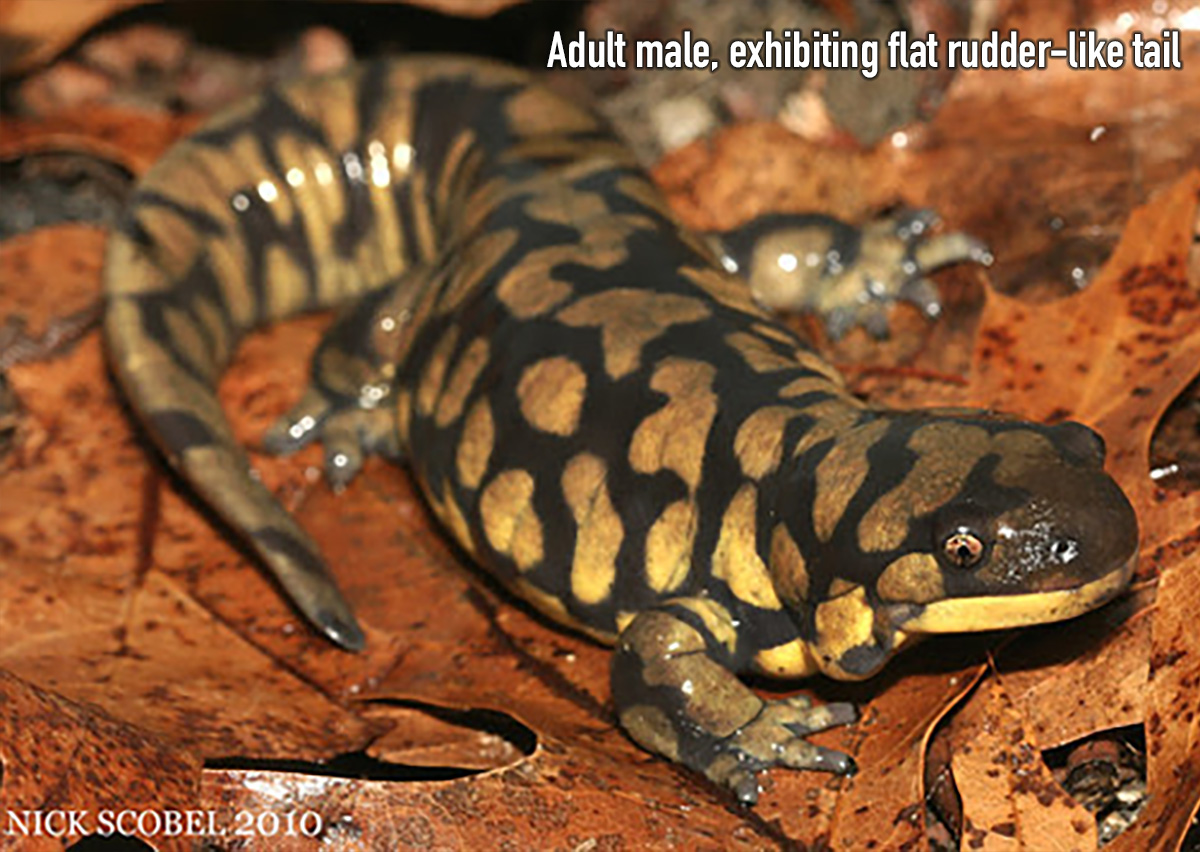
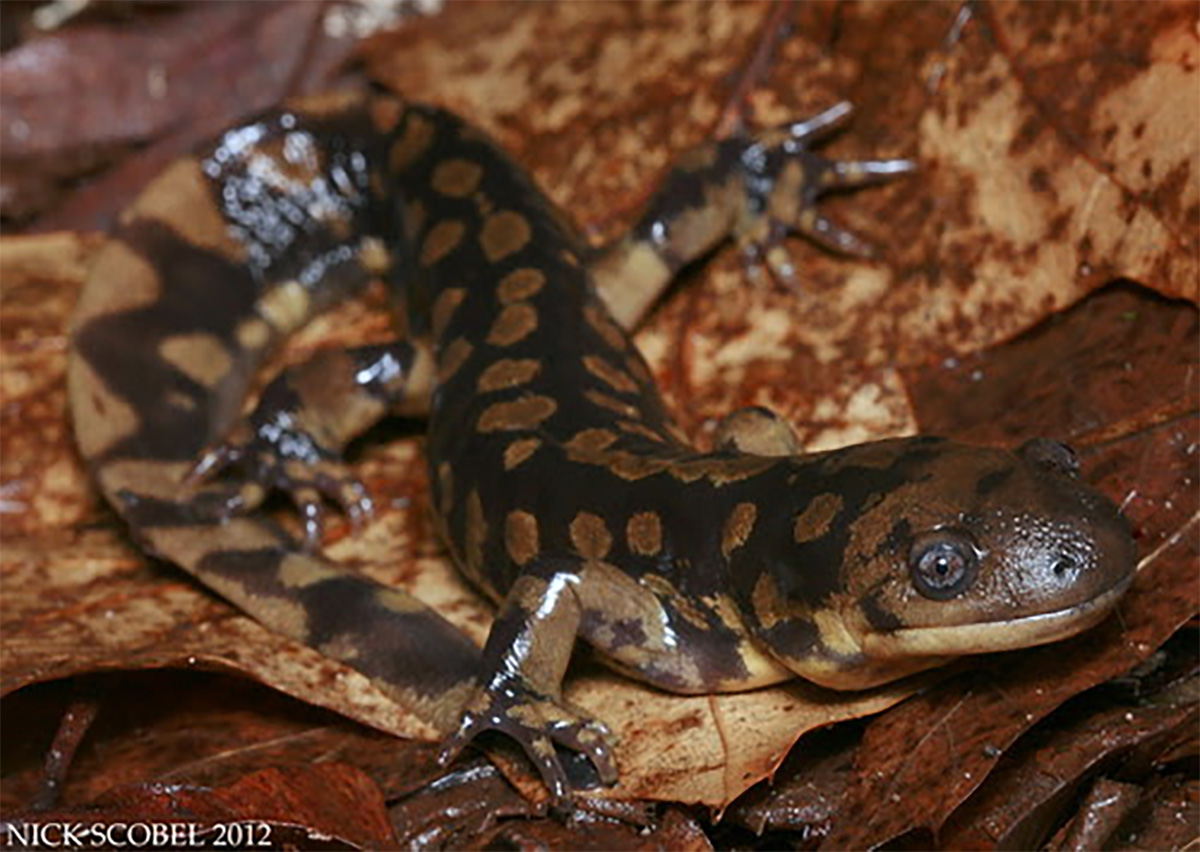
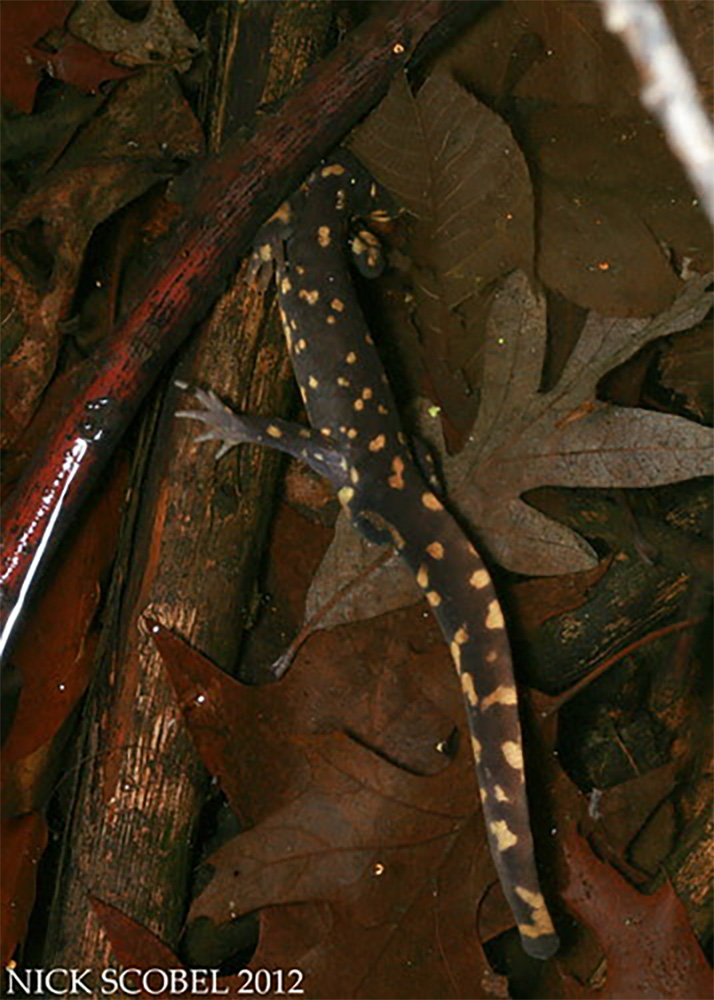
Mary Beth shared the photo above with me after last week’s post about the Misunderstood Michigan Mudpuppy. I’ve shared some great information about Michigan reptiles & amphibians from Nick Scobel, author of the Herping Michigan blog. I shared Mary Beth’s photos with him, and he said he’s fairly certain that this is an Eastern Tiger Salamander (Ambystoma tigrinum). His excellent article about Michigan’s amphibians says (in part):

This large and robust salamander is the largest species of terrestrial salamander which occurs in North America, with some adults reaching over a foot in length. It is rarely seen outside of the breeding season, with the exception of the 4-5 inch juveniles which emerge in late summer around breeding sites. Tigers are easily distinguished from any other Michigan salamander by their sheer size, large head and oversized jaw, and the large protruding eyes. Some individuals may exhibit brilliant blotches of golden yellow or light brown, while others are extremely dark with very little noticeable pattern. This species is sexually dimorphic, which means males can be distinguished from females by their physical appearance.

Read more at Herping Michigan & be sure to look down when you’re digging in the dirt this spring!!

Support Michigan in Pictures with Patreon

The Misunderstood Michigan Mudpuppy

Mudpuppy by Michala Burke/USFWS

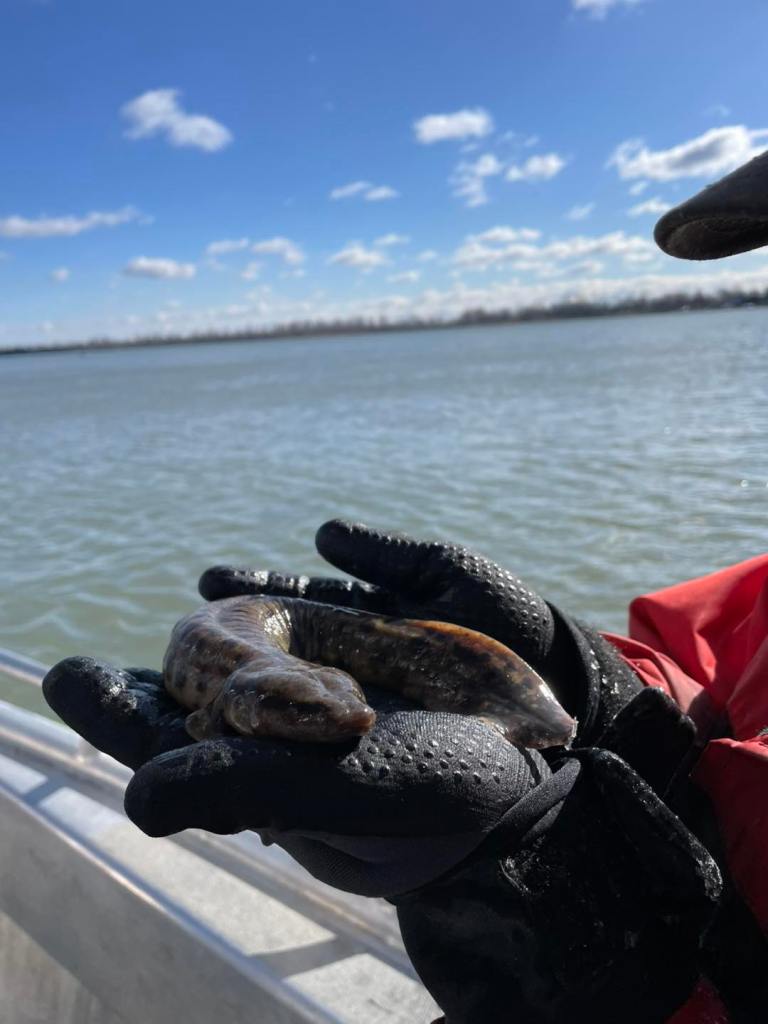
The Alpena Fish & Wildlife Conservation Office says that mudpuppies are Michigan’s largest fully aquatic salamander and are often referred to as “bio-indicators” since they are sensitive to pollutants and poor water quality. This mudpuppy was caught during lake sturgeon setline assessments on the Detroit River. Mary of MSU Extension put together a great guide to the misunderstood mudpuppy that includes the facts on some common fictions.

FICTIONFACT
Mudpuppies are a type of fish.Mudpuppies are actually an amphibian and although they have lungs and can gulp air they rely on their feathery red external gills for oxygen.
Mudpuppies that are thrown on the ice by anglers will revive in the spring when the ice melts.Unfortunately if a mudpuppy freezes it will die. When thrown on the ice mudpuppies will eventually suffocate or freeze to death.
Mudpuppies eat so many fish eggs that they decrease sport fish populations.Their diet is mostly crayfish, insect larvae, snails and small fish (including invasive round gobies). There is no evidence that they impact fish populations, and they more likely benefit them by helping control nonnative species.
Mudpuppies are not protected in Michigan and can be collected all year round.According to MDNR, mudpuppies are a protected species in Michigan. People sometimes accidentally catch them while fishing. If you do catch a mudpuppy, you must put them back.
Mudpuppies are blind and are not good hunters.Mudpuppies are not blind, but their eyesight is limited. They rely on a keen sense of smell to find their prey.
Support Michigan in Pictures with Patreon

Mothers are the heart of Michigan

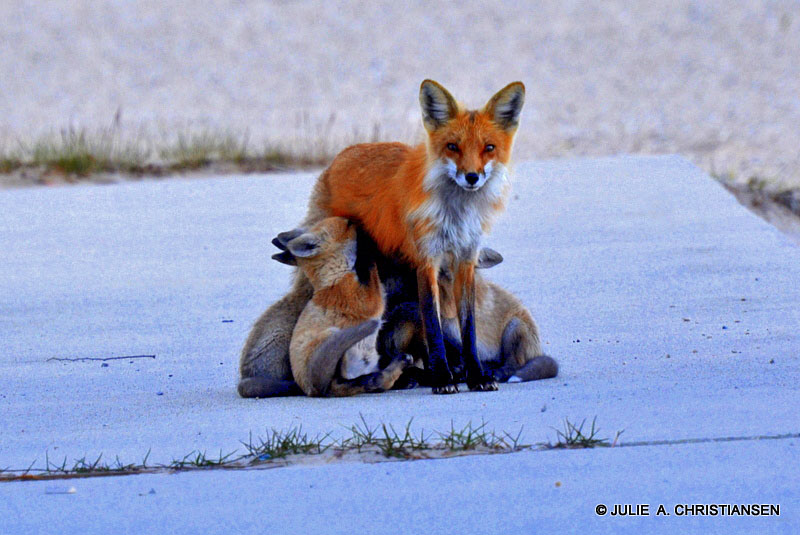
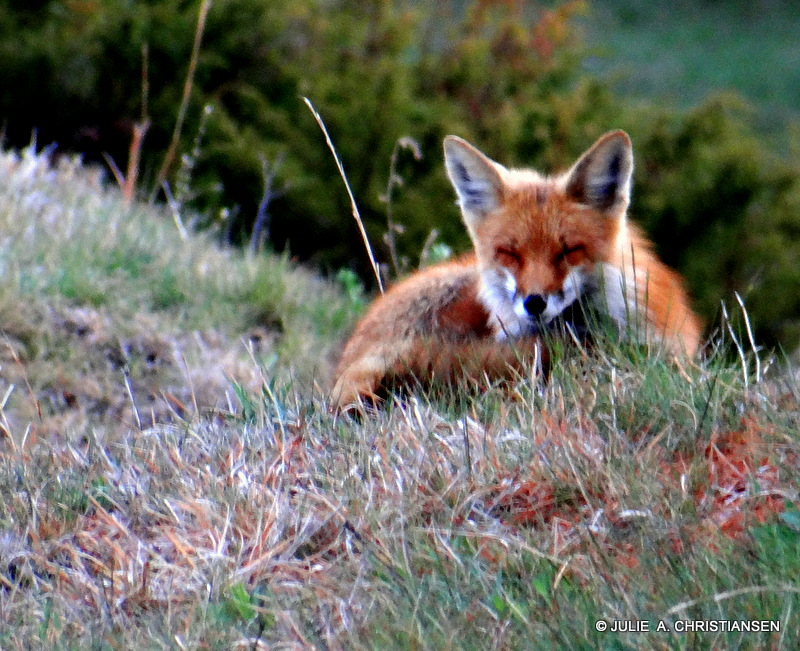
Where's Mom? by Julie Christiansen

Where’s Mom? by Julie Christiansen

“There are no goodbyes for us. Wherever you are, you will always be in my heart.”
-Mahatma Gandhi

Happy Mother’s Day to all you wonderful Michigan mommas! You have raised or are raising our future and we are so blessed to have you in our lives & hearts!

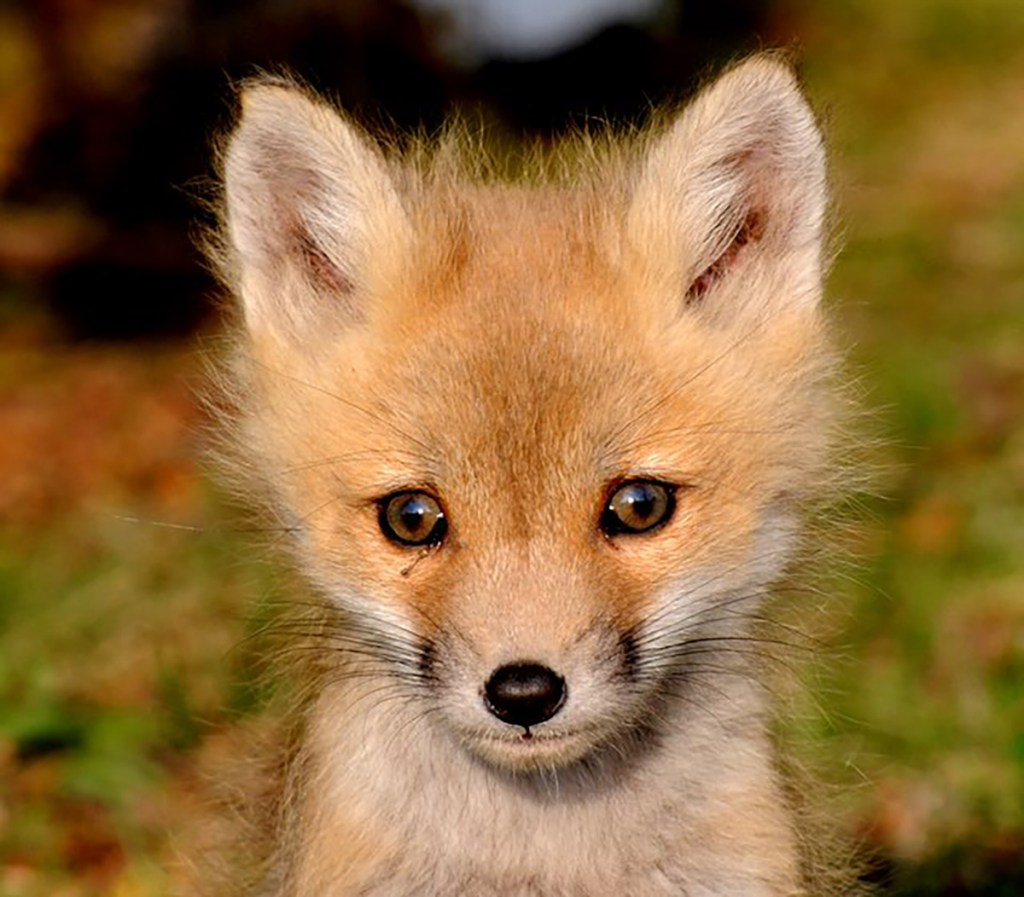
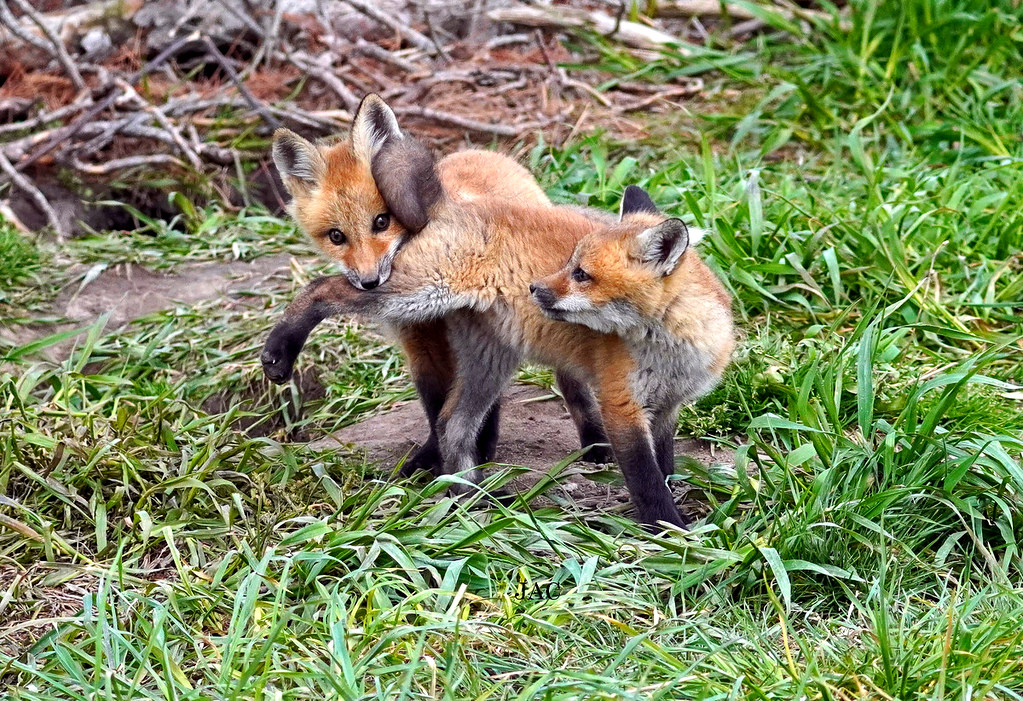
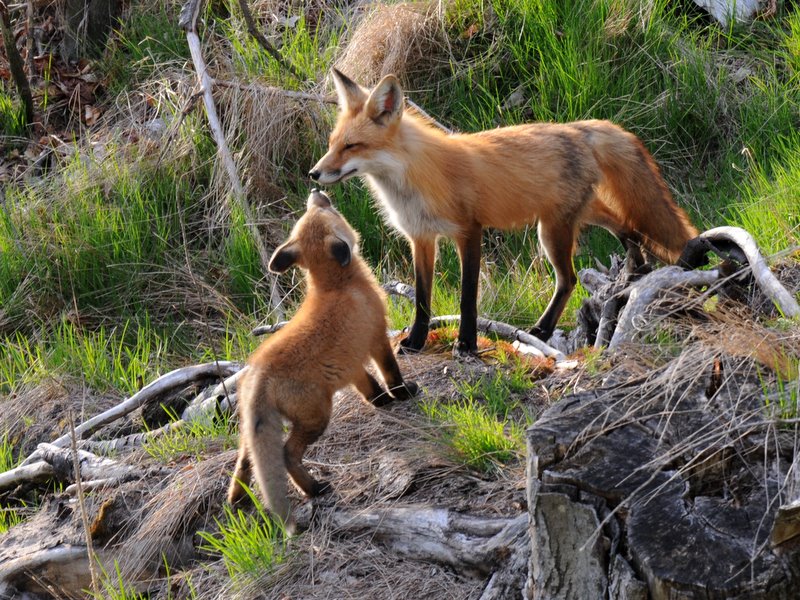
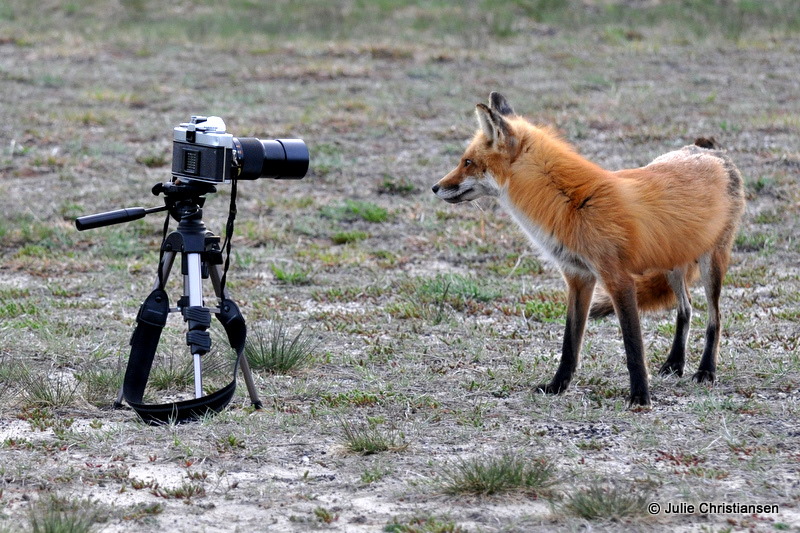
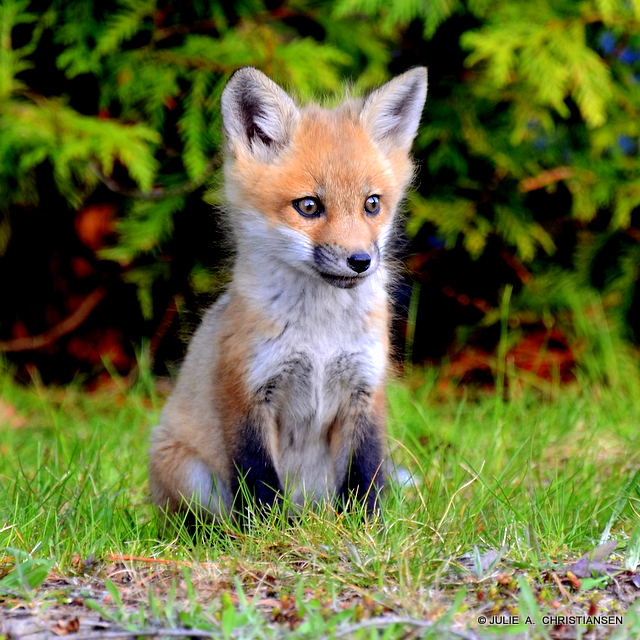
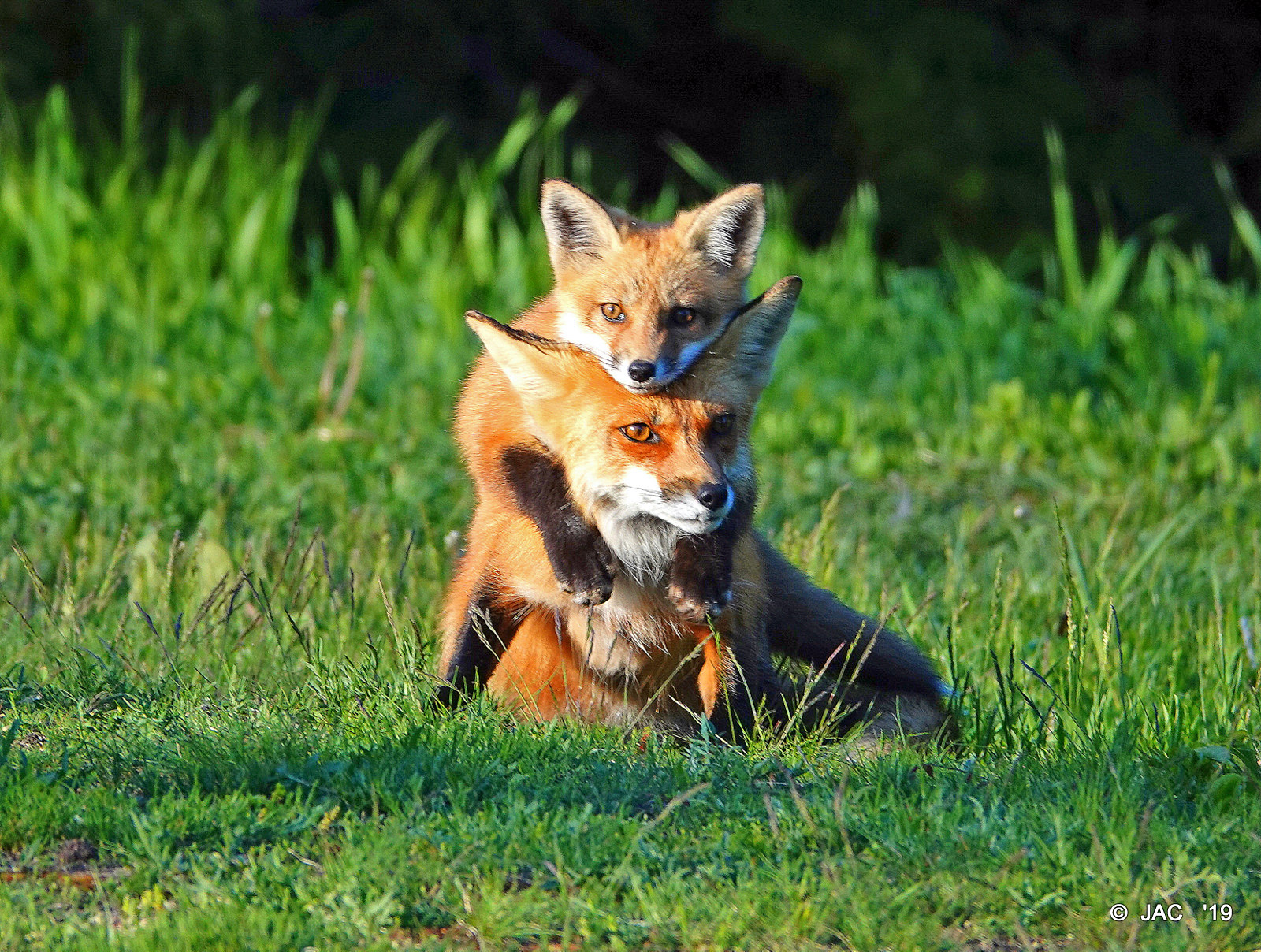
This kit’s mom was just off camera, and you can see many more pics that Julie took in her Foxes gallery on Flickr. There’s a Youtube video of the kits nursing below too!
Support Michigan in Pictures with Patreon

There are only two seasons

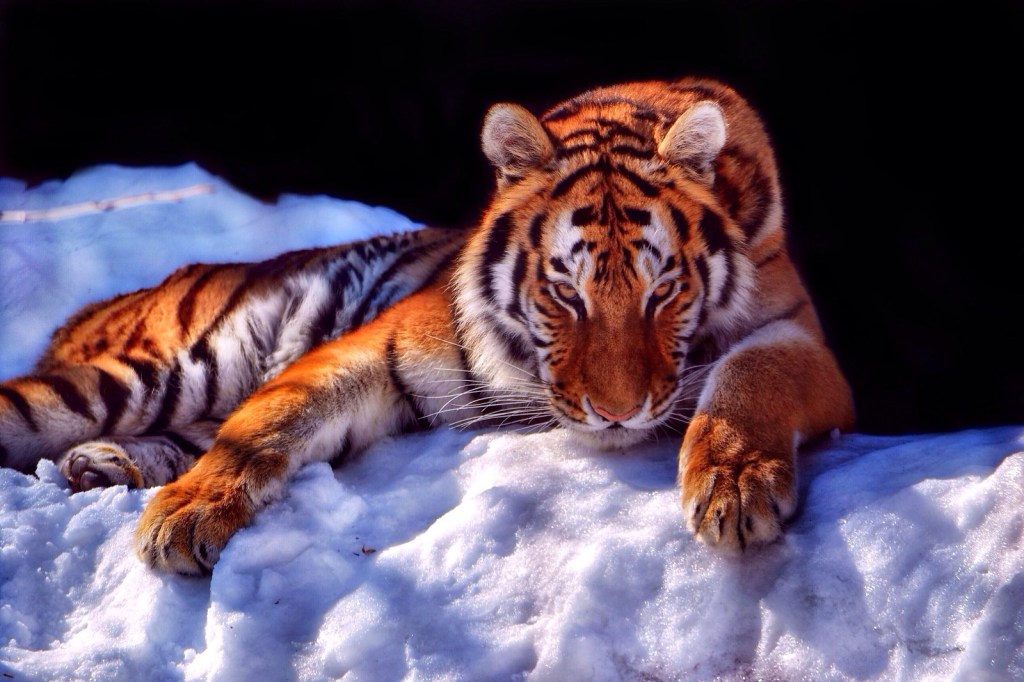
Amur Tiger I by tweetybird42766

Amur Tiger I by tweetybird42766

There are only two seasons – winter and Baseball.

Bill Veeck

The Detroit Tigers home opener on Friday, April 4 against the Chicago White Sox is less than a month away, and I have to agree with one of baseball’s greatest showmen on this perfectly rational method of dividing the year.

Tweety Bird shared this astonishing shot way back in 2014 at Potter Park Zoo. See more in their Nature gallery.

Apparently, there are only 500 Amur tiger (formerly Siberian tiger) in the world, so zoos are an important method of conservation. They’re totally chill in the cold & you can learn more about Amur tiger from BBC Earth.

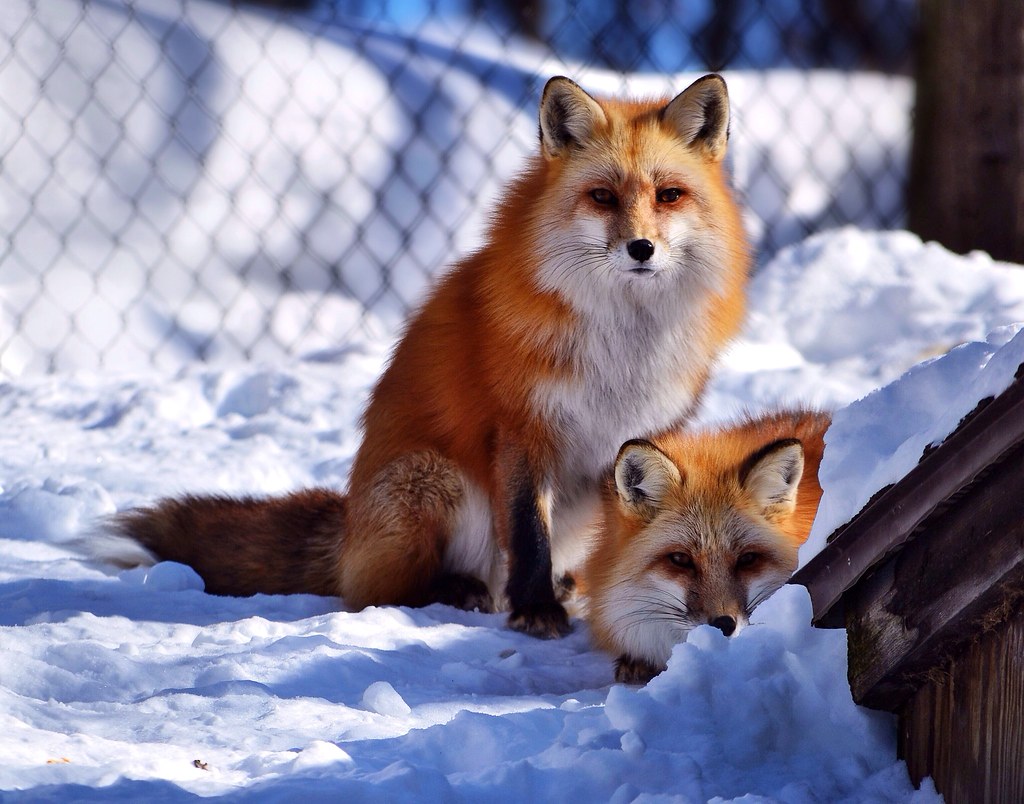
Red Fox at Howell Nature Center by tweetybird42766

Red Fox at Howell Nature Center by tweetybird42766

Support Michigan in Pictures with Patreon

Cold Morning, Warm Pigs

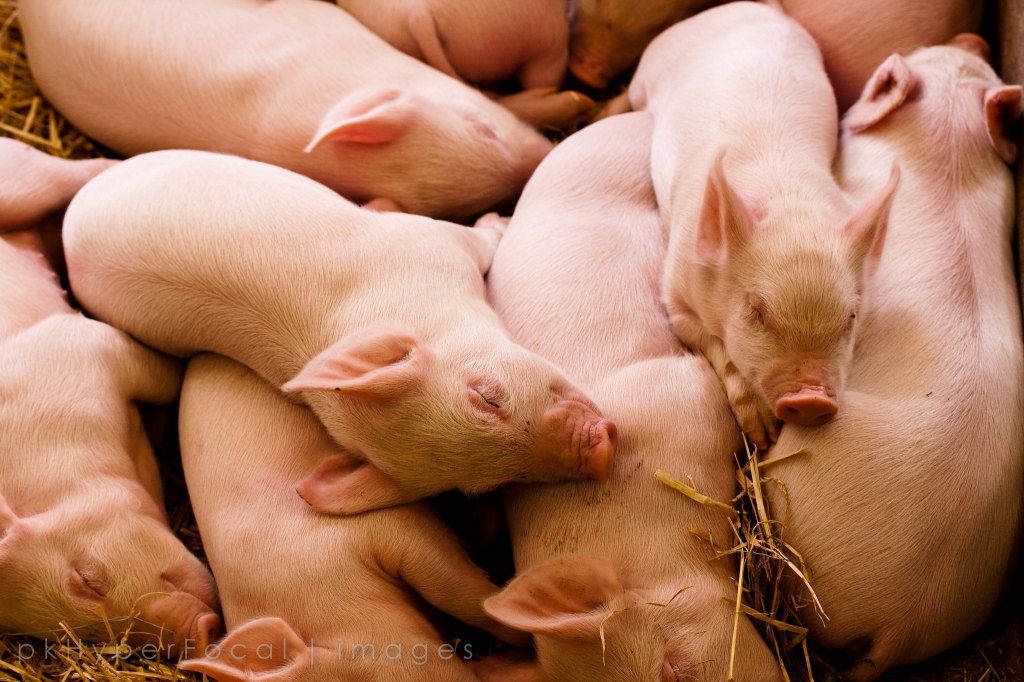
Pile o Pigs by pk Hyperfocal

Pile o Pigs by pkHyperfocal

In honor of this brutally cold morning with single digit temperatures covering the state, so I couldn’t resist re-sharing probably the toastiest photo ever to grace Michigan in Pictures. Take a stroll through pics from pkHyperfocal’s Metro Parks gallery & for sure check out all their galleries on Flickr.
Stay warm!!!

Support Michigan in Pictures with Patreon