It’s almost Tulip Time, (May 4-12, 2024) and Discover Holland is once again inviting anyone with a passion for petals to take part in their 2025 Holland Area Visitor’s Guide Cover Contest. They say that the cover shot must be taken in 2024 and stand out when surrounded by other brochures. Photos must be vertical (portrait) in orientation or be able to be cropped as such. The winning photographer gets a $500 cash prize and photo credit when it’s used editorially. The top ten photos each get $50 and the winner of the “People’s Choice” vote online will receive $150.
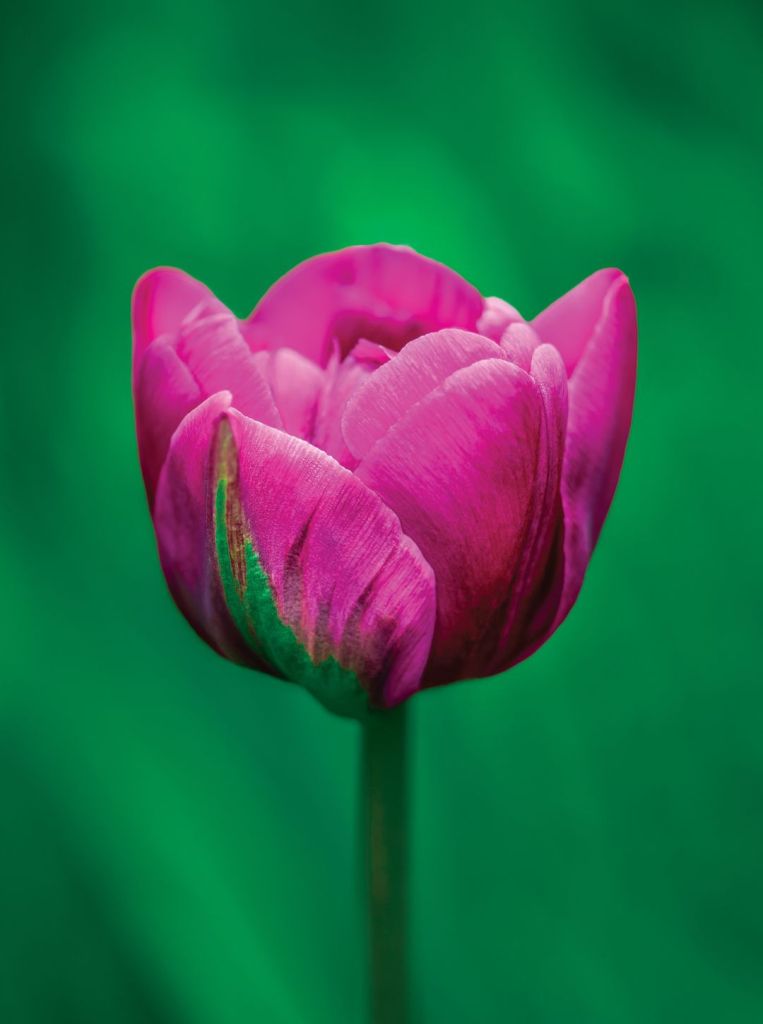
This photo by Measie Elizabeth was the winner last year. Learn more about the photographer at Measie Elizabeth Photography.
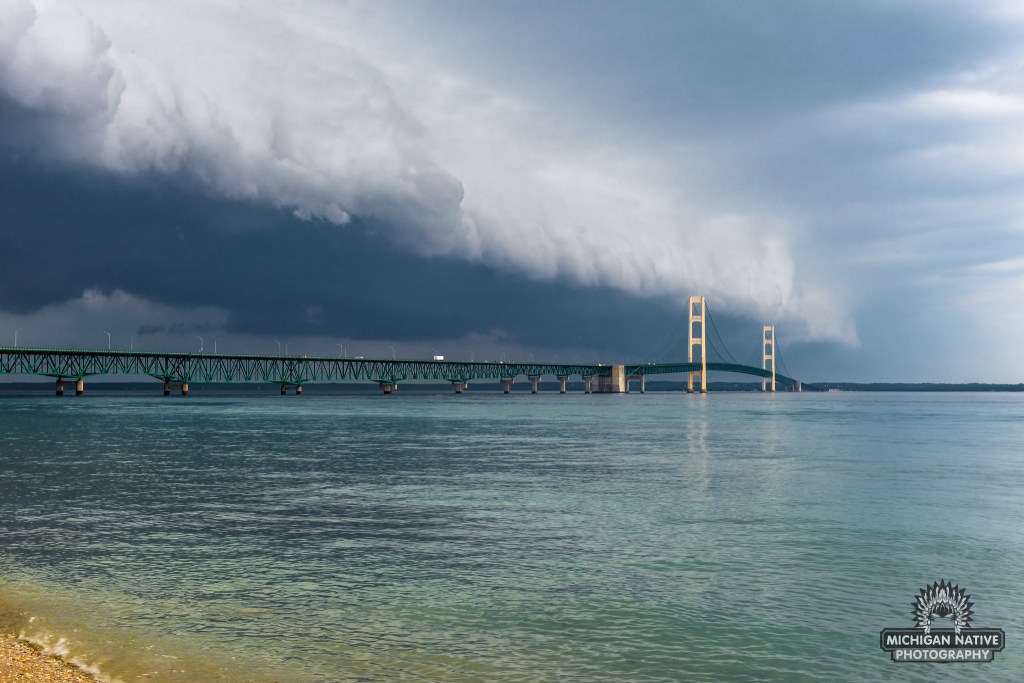
I saw a couple other photos of this cloud as it rolled across the Straits of Mackinac & northeast Michigan the other day but wowzas – the Mighty Mac takes it!! Our friends at the Earth Science Picture of the Day have an excellent post on the difference between roll clouds & shelf clouds:
Roll clouds and shelf clouds are found near the leading edge of thunderstorms and form when relatively cool air, from the storm’s downdraft, forges ahead into the warm, moist air that’s feeding the storm. The main difference between roll clouds and shelf clouds (both are called arcus clouds) is that a roll cloud is detached from the parent thunderstorm, whereas a shelf cloud (right) is affixed to the base of a cumulonimbus cloud.
NOTE: Just learned that this picture is from 2018 – still love it! (buy it here)
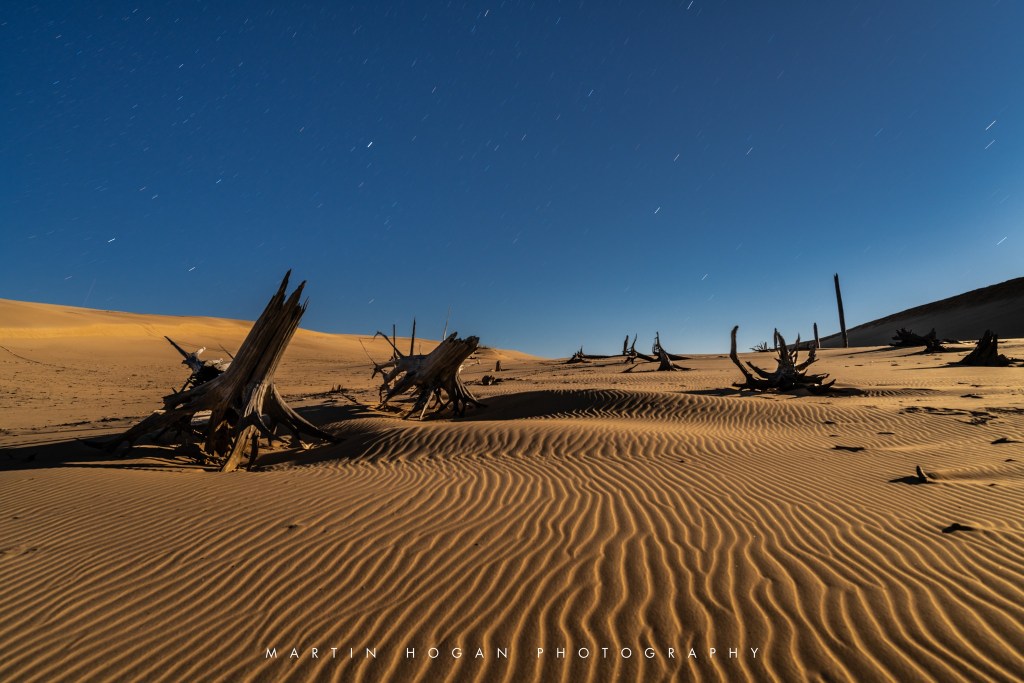
Not all of Michigan’s great hikes are trails. This trek is a journey through Silver Lake State Park’s trailless backcountry, a mile-wide strip of dunes between Silver Lake and Lake Michigan. There’s not another hike like this in Michigan or even the Midwest because no other stretch of dunes are so barren.
Perched on a plateau and rising more than 100 feet high above Silver Lake, the heart of these dunes are totally devoid of any vegetation, even dune grass. The only thing besides sand are the stumps and trunks of ghost forests, ancient trees that the migrating dunes had buried and killed. Almost half of the hike is in this Sahara Desert-like terrain, the other half is spent strolling a stretch of Lake Michigan that is free of cottages and frozen custard stands.
Sixty years ago this week a person standing next to Michigan’s Mackinac Bridge might have been witness to an amazing sight: a six engine U.S. Air Force nuclear bomber flying between the spans of the bridge, barely clearing the structure. The stunt was roasted in the local press, which declared the incident “capricious” and “foolish”, and ended the military pilot’s flying career.
The incident, which took place on April 28th, 1959, involved Air Force Captain John S. Lappo, a native of Muskegon, Michigan. Lappo flew his B-47 nuclear bomber under the Mackinac Bridge.
The Mackinac Bridge is five miles long but there is only 155 feet maximum clearance between the bottom of the deck and the waters of the Great Lakes (Lake Huron and Lake Michigan) below. The B-47 bomber is 28 feet high, meaning there wasn’t much margin for error in Lappo’s flying.
The Michigan National Guard shared this this is a pic of four A-10 Thunderbolt IIs and a KC-135 Stratotanker flying (safely) over Michigan’s iconic Mackinac Bridge back in 2016. The aircraft were based at Selfridge Air National Guard Base in Macomb County, Mich. (U.S. Air National Guard photo by Master Sgt. Elizabeth Hollicker) You can see their latest pics on Flickr.
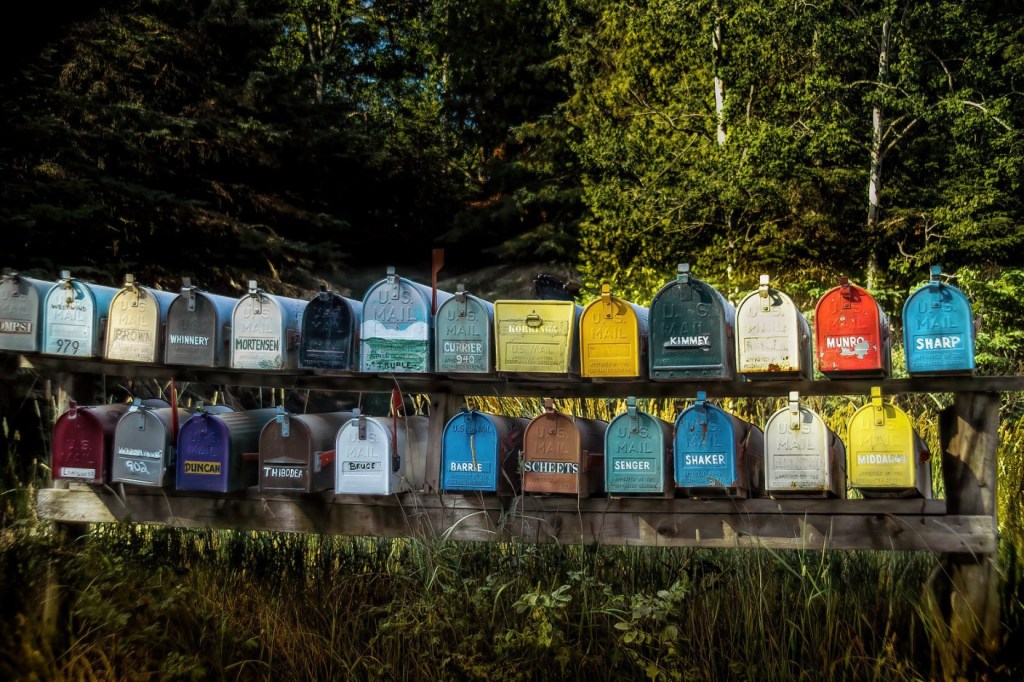
Feels like folks are starting to open up their summer cottages & rentals for the season, so it’s a good time for this picture of mailboxes on Bois Blanc Island. James it shared back on April 23, 2020, and it remains one of my all time favorite pics I’ve shared on Michigan in Pictures. I’ll probably have to have some kind of bracket challenge one of these days to figure out what the audience thinks one of these days 😉
Who needs a happy Earth Day? All of us really. 2023 was the warmest year since global records began nearly 200 years ago. The global temperature beat the previous high from 2016 & the 10 warmest years have ALL been from the last 10 years. If you know anything at all about math, 10 out of 10 is 100% and we are 100% in trouble because we seem unable as a species to process what actual danger is when it is this big. There’s probably nothing I can say if you don’t believe in science, so here is a link to a story about Earth Day’s Michigan roots & here is EarthDay.org where they are trying to raise awareness about microplastics, which many scientists believe are behind the explosion of Alzheimers.
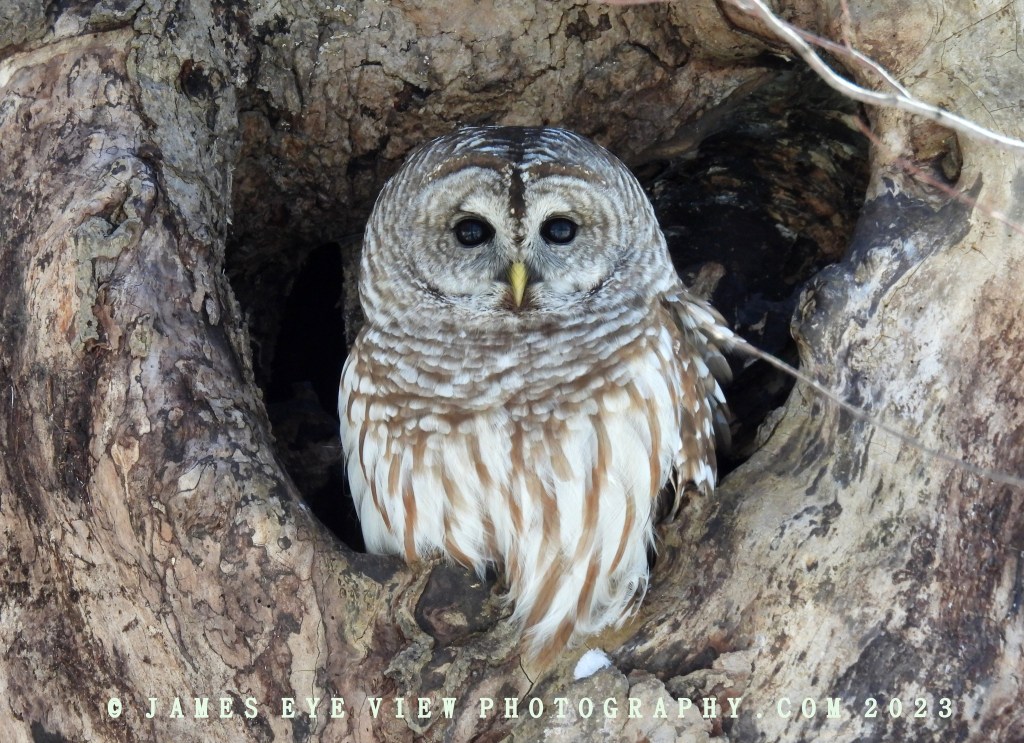
James is an Empire-based photographer who shared this barred owl – based in parts unknown – along with some other great pics to wish everyone a happy Earth Day! See more by clicking the picture & on his website.
I know I already posted today, but I just got an email alert from the NOAA NWS Space Weather Prediction Center (yes – that is a thing) that we have a kP of SEVEN right now so (theoretically) if that holds until dark, the entire state could see them!!
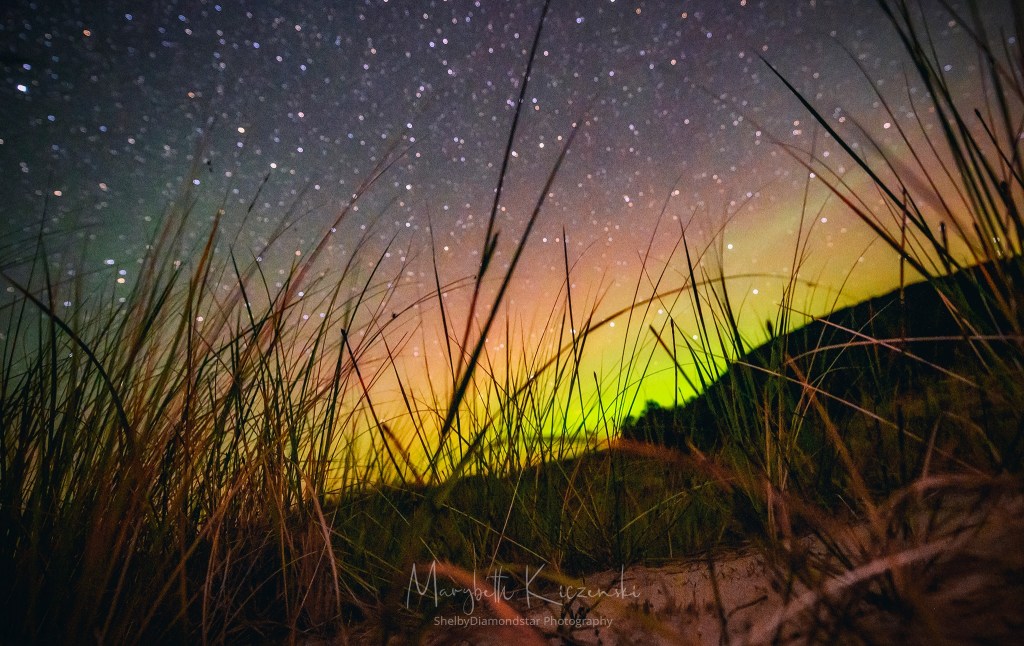
This is one of many photos in MaryBeth’s Labor Day Aurora Show gallery. She shares that this was in 2019 when G1 and G2 level geomagnetic storms triggered all kinds of activity. Due to weather, she started her chase in Sleeping Bear Dunes National Lakeshore (where she took this photo), but due to weather, she packed up and decided to head another 6 hours north to Pictured Rocks National Lakeshore.
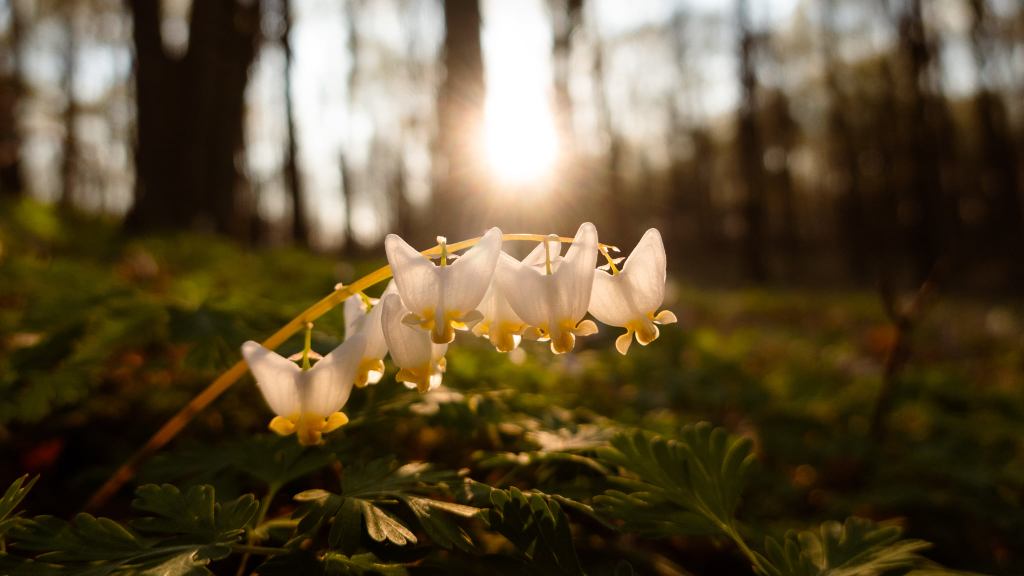
William shared this pic to our Michigan in Pictures Group on Facebook back in April of 2021, writing Dicentra cucullaria, or Dutchman’s breeches, is a perennial herbaceous plant, native to rich woods of eastern North America, with a disjunct population in the Columbia Basin. The common name Dutchman’s breeches derives from their white flowers that look like white breeches.
He is one of the leading participants in the group, sharing great updates from Kalamazoo & southwest Michigan. He has also been featured lots through the years on Michigan in Pictures – check him out and for sure share your photos with us there or to the Michigan in Pictures Facebook (where we just added one of his new pics as the cover!)
Longtime skywatchers know that April’s Lyrid meteor shower is the kickoff to meteor season. Earthsky shares the best time to see the Lyrids:
Late evening April 21 until dawn April 22 is the shower’s likely peak. The predicted** peak is 9:23 UTC on April 22. The peak of the Lyrids is narrow (no weeks-long stretches of meteor-watching, as with some showers). And, in 2024, the full moon will fall at 23:49 UTC on April 23. So your Lyrid meteor watching will be in moonlight this year. Tip: Go to a country location where the skies are as dark and clear as possible. Observe under a wide-open sky. But try to place yourself in a moon shadow. If you can block out the sight of the moon, yet still have some sky left for seeing meteors, you might see some of the brightest Lyrids blaze past in the bright moonlight. Remember, even one bright meteor can make your night!
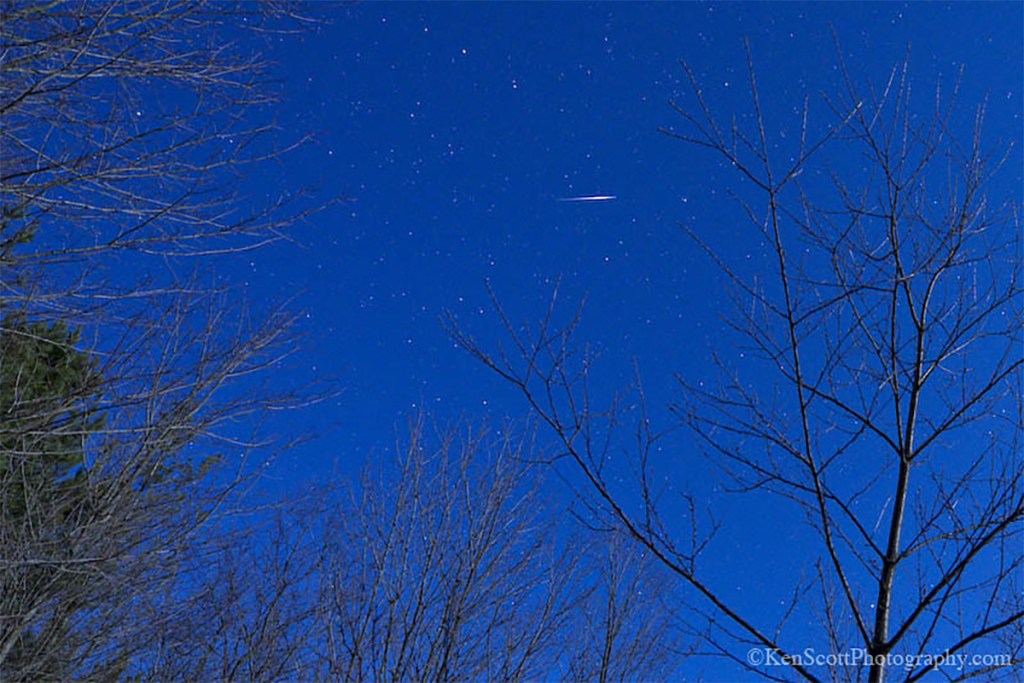
I’ve shared this photo that Ken shot back in April of 2016 before, and I’ll probably share it again! He shared that he shot over a 3 hour period in hopes to catch the meteor ‘shower’ and only caught this one streaker. See more in his Skies Above album on Flickr and for sure visit Ken Scott Photography to view & purchase his work!
Meet Rocky the Raccoon. He was waiting by the door to the fuel dock, likely to reserve a slip for his boat. Little did he know we don’t open until May 1st. After feasting on crackers, scampering around the side of the dock office and dangling over the water, DNR Harbormaster Travas was able to safely remove him from the premises and told him to come back when we’re open.




 Michigan in Pictures